

Short answer: A cottagecore lifestyle means bringing slower, nature-connected, handmade and community-minded practices into ordinary life. The cottage is optional. You can begin in a rented flat, a hot climate, a busy family home or one small room—without buying floral dresses, antique furniture or a new identity.
Dear reader, this morning our kitchen did not look like a cottagecore picture. There was a half-cut tomato on the board, work waiting on two laptops, crumbs under the table and an Atlantic wind rattling a window that needed cleaning.
Ana still put water on for tea. I moved my phone out of reach. We ate before answering the day, and for ten minutes the room felt less like a place we were managing and more like a home we were living inside.
That is the useful heart of cottagecore for me. It is not the performance of rural perfection. It is the decision to notice, tend, make, repair, share and follow the real season where you live.
This guide separates the cottagecore lifestyle from the aesthetic, explains its history and online revival, and turns the idea into realistic home, food, garden, clothing, craft, attention and community practices. It also keeps the difficult parts visible: labour, money, access, ecology, gender expectations and the danger of shopping for a life instead of practising one.
What is cottagecore? Meaning, history and online revival
Cottagecore is a contemporary aesthetic and subculture that romanticises aspects of traditional rural life: gardens, seasonal food, baking, sewing, mending, old books, handmade objects, modest homes and closeness to nature. As a lifestyle, it uses those images as prompts for real habits rather than as a set that must be purchased.
Before we talk about cottages, linen, gardens or handmade cups, I want to show you the part of cottagecore that matters most to me. In this letter, the countryside is not a backdrop and the cake is not a prop. Watch what happens around them: rain is welcomed, fruit is sliced, time is given to baking, a child notices what an adult might pass, and making something by hand gives a busy mind one real task. None of it requires a perfect house. The useful question is much smaller: what ordinary thing in your own day would become visible if you stopped asking it to be impressive?
The word is internet-era language, but its ingredients are much older. Pastoral art, Arts and Crafts ideals, folk traditions, domestic skills, back-to-the-land movements and recurring nostalgia for life outside industrial speed all sit somewhere in its family tree. No single post or person neatly invented it.
The label spread online in the late 2010s and grew dramatically around the lockdown years, when many people were stuck at home, anxious about an always-on world and hungry for tactile work. Sourdough, gardens, embroidery and slow domestic videos gave form to that longing. The internet revival was visual, but the need beneath it—attention, belonging, enoughness and useful hands—was not new.
So the cottagecore meaning has two layers: a recognisable online style and a flexible way of living. As a cottagecore subculture, it gives people a shared language; as daily practice, it matters only when that language becomes useful.
Cottagecore lifestyle vs aesthetic, décor and fashion
The cottagecore aesthetic is a visual language. The cottagecore lifestyle is a pattern of choices. You may love one, both or neither; a flowered dress does not prove a value, and practical clothes do not disqualify a person from a handmade, seasonal life.
| Question | Cottagecore aesthetic | Cottagecore lifestyle |
|---|---|---|
| Main focus | Colours, rooms, clothing, imagery | Attention, skills, care, place and relationships |
| Typical expression | Floral prints, vintage objects, warm woods | Cooking, growing, mending, sharing, walking |
| Cost | Can become an endless shopping category | Can begin with what you already own |
| Place required | Any room can carry the look | Any home can hold the practices |
| Measure of success | How cohesive it appears | Whether it makes daily life more attentive and workable |
My verdict: Enjoy beauty without asking beauty to prove goodness. A lovely cup can be a pleasure; it does not need to become a moral achievement.
Décor can help when it serves real life: a lamp where you read, a basket that gathers mending, hooks that make aprons usable, a table clear enough to share. Fashion can help when clothes are comfortable, repairable and genuinely yours. But cottagecore shopping, wallpapers, room makeovers and complete outfit catalogues are separate intents—not the centre of this guide.

If you are wondering how to be cottagecore, begin with behaviour before appearance. Your cottagecore style may be colourful, modern, masculine, minimal or invisible to everyone except the people who share your day.
Seven principles that make cottagecore useful
- Attention: let one ordinary task receive your full senses.
- Seasonality: respond to the weather, produce and energy you actually have.
- Making and repair: learn modest skills without demanding mastery.
- Nature connection: know nearby species and landscapes without treating them as props.
- An inhabited home: choose warmth, use and memory over showroom perfection.
- Community: exchange knowledge, meals, seeds, help and time.
- Enoughness: protect attention from the constant invention of new needs.
Each principle needs friction and a return. If baking bread is impossible on a deadline day, toast good bread and sit down for five minutes. If a garden is impossible, keep one herb alive. If a long craft session disappears after a baby, illness or shift change, mend one button.
Cottagecore without a cottage: renters, flats and small spaces
You do not need property, exposed beams or a countryside postcode. In a rental, build portable rituals: a tray for tea, a cloth over the table, one good pan, a basket for unfinished handwork, a library book by the chair and a herb pot near the brightest window.
- Kitchen: keep one clear preparation space and a short list of meals you can make when tired.
- Living room: create one screen-free seat with a lamp, book or handwork.
- Bedroom: air the room, mend rather than multiply linens, and charge the phone away from the bed if practical.
- Bathroom: use up products before replacing them; keep cleaning simple and visible.
- Balcony or sill: grow one climate-suitable herb rather than buying a fantasy garden.
- Shared home: claim a small basket, shelf or weekly hour without imposing an aesthetic on everyone else.
Low-budget cottagecore is often less photogenic and more honest: borrowing a drill, repairing a curtain, using jars you already have, swapping books, buying a solid second-hand table and leaving the rest alone. One cared-for corner can do more than ten decorative purchases.
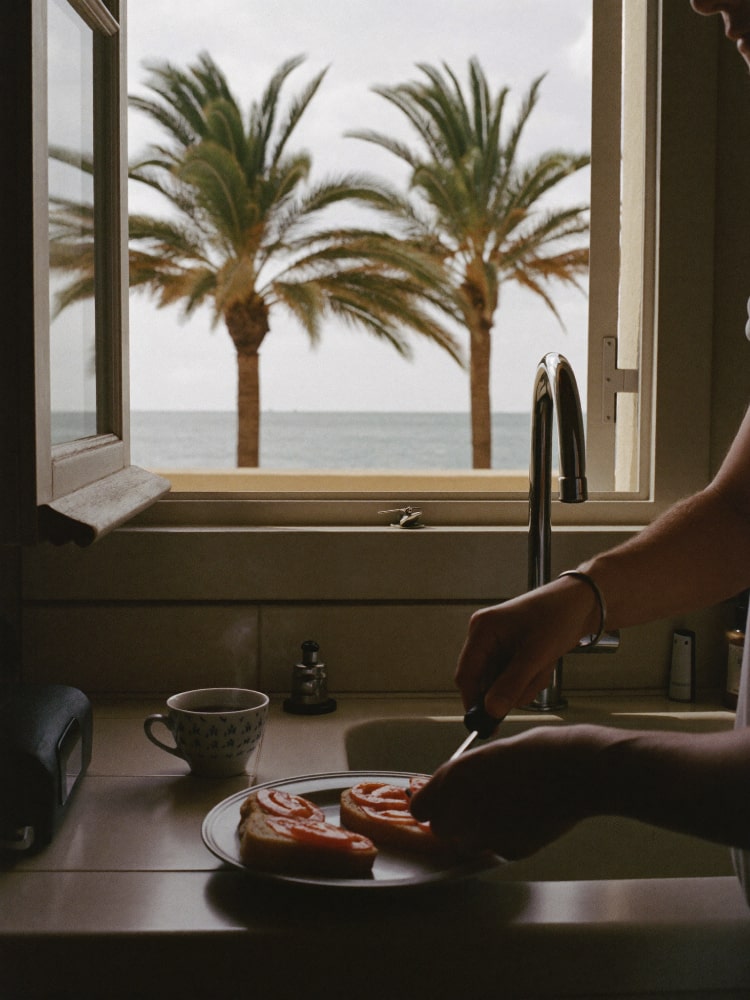
This is the test I trust more than any styled room: can the idea still work when the kitchen is temporary and the familiar tools are gone? Notice the repeated care—dough, lunch, movement, waiting—and the admission that the future is not settled.
What cottagecore looks like on Tenerife, an Atlantic Canary Island
Tenerife is an Atlantic Canary Island, not a Mediterranean island and not an English meadow. Mediterranean food influences belong in our kitchen—olive oil, vegetables, legumes, herbs and shared plates—but the geography outside is volcanic, oceanic and shaped by trade winds, altitude and sharply different microclimates.
Our adaptation includes market produce, tomatoes on a board, herbs that tolerate the real light, bread when we have time, a walk chosen for the day’s heat and wind, and respect for dry ground. It also includes laptops, deadlines, dust, water limits, hot afternoons, calima, family interruptions and laundry that does not become poetic because a fern is nearby.
Island seasons are subtle but real. Winter rain and green growth may matter more than red leaves; altitude can change temperature quickly; the north and south do not share one climate. Follow the season you inhabit instead of importing pumpkins, snow, hedgerows and a four-season calendar that the land does not recognise.
If you want the wider truth beyond the beautiful frame, our guide to living in Tenerife explains why island life can be rewarding without being effortless or cheap.
Keep the value; translate the image. Seasonal living in Tenerife means listening to an Atlantic island, not staging an English autumn.
Cooking, baking and the shared table
Cottagecore food is not a requirement to bake everything from scratch. Its useful form is attention: choosing seasonal ingredients, planning enough to reduce frantic decisions, using leftovers, learning a few reliable techniques and sitting with another person when you can.
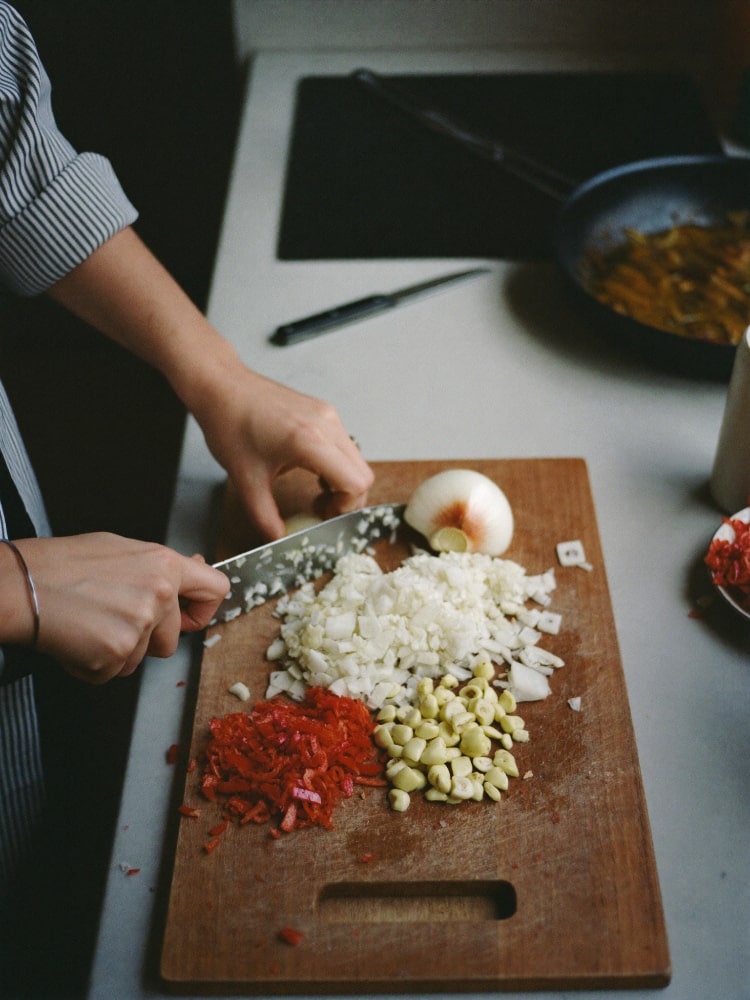
- Keep three low-energy meals and one enjoyable project meal.
- Bake because the process or result is useful, not because a feed demands a loaf.
- Let convenience food support a difficult week without shame.
- Shop locally when access, price and time make sense; our Tenerife markets guide helps you understand the island’s market rhythm.
- Share domestic decisions, not only the picturesque serving moment.
Domestic atmosphere rests on labour: planning, shopping, chopping, washing, remembering allergies, noticing what will spoil and cleaning after everyone leaves. If one person carries all of that, the candlelit table is not automatically slow or fair.
A practical rhythm: choose one seasonal ingredient, one pantry meal and one shared meal each week. That is enough structure to create continuity without turning cooking into daily theatre.
Garden, balcony and foraging—with reality attached
Grow at the scale available. A balcony pot of parsley, thyme or mint can teach observation just as surely as a vegetable plot: how quickly soil dries, where shade falls, when pests arrive and what your household actually eats.

Choose plants for the local microclimate and lawful water use. Avoid releasing ornamental species, taking plants from protected land or assuming a northern-European planting calendar will work. Compost only if you can manage pests and neighbours responsibly.
Foraging safety: never eat a wild plant or mushroom from a generic internet identification. Confirm the species with a qualified local source, check landowner permission and protected-area rules, avoid contaminated sites, and leave it untouched when uncertain.
Nature connection is not collection. In protected places such as Anaga Rural Park, stay on permitted paths, take no plants, disturb no wildlife and carry every scrap home.

Make, mend and thrift instead of only consuming
Traditional skills become meaningful through use, not display. Sew on a button, darn a sock, sharpen a kitchen knife safely, press flowers only where gathering is allowed, write a letter, make a simple candle with proper fire precautions, learn one crochet stitch or repair a wobbly chair with help.
Thrifting is not automatically sustainable if it becomes high-volume hunting. Start with a need, measure the space, inspect condition and leave without buying when the object creates more storage, cleaning or repair than value.
Handmade life becomes believable at the point where the object cracks, the dough fails, or parenthood puts the craft away for two years. This letter is useful because it keeps that part. The lesson is not to become impressive at pottery; it is to let your hands be beginners.
Bring cottagecore back to ordinary life
Receive Ana’s quiet letters with the small secrets behind countryside days, seasonal recipes, handmade rituals, motherhood, and making a home while life is still imperfect.
- Simple country life
- Handmade rituals
- Seasonal recipes
Free to join. No perfect cottage required.
Cottagecore clothing without costume pressure
Cottagecore fashion often uses floral dresses, cardigans, aprons, natural fibres, boots and vintage shapes. None is compulsory, gendered by rule or proof of a lifestyle. Trousers, workwear, school clothes, adaptive clothing, uniforms and ordinary T-shirts can belong to the same values.
- Wear what supports the real task and weather.
- Repeat outfits without apology.
- Repair a favourite garment before replacing it.
- Buy second-hand selectively, not compulsively.
- Choose natural materials only where price, care and comfort work for you.
- Avoid treating historical dress or another culture’s craft as a costume.
Morning, evening, weekly and seasonal cottagecore rhythms
A rhythm is a return point, not a perfect routine. Choose a minimum version that survives work, caregiving, disability, low energy, travel and difficult weather.
| Rhythm | Full version | Minimum version |
|---|---|---|
| Morning | Tea, breakfast, air the room, ten quiet pages | Open the curtain and drink water before scrolling |
| Evening | Cook, clear the table, mend or read | Put one thing away and sit for three breaths |
| Weekly | Market, shared meal, garden and craft hour | Plan three meals and call one person |
| Seasonal | Review pantry, clothing, plants and local weather | Notice one change and adapt one habit |
For Ana, motherhood sometimes shrinks yoga, pottery, journaling and quiet cooking into minutes. For someone else the friction may be shift work, pain, shared housing or money. The honest cottagecore habit is the one that can become smaller without becoming a failure.
Phone, attention and the online cottage
The internet helped cottagecore grow, but the feed can turn it into comparison: someone else’s kitchen makes yours look inadequate; a quiet hobby becomes content production; buying feels easier than beginning badly.
- Eat one meal without documenting it.
- Move the most automatic app off the home screen.
- Take a short walk without headphones.
- Keep the phone physically out of reach during one conversation.
- Save inspiration only when you can name the action it supports.
- Unfollow accounts that repeatedly manufacture shame or new needs.
Cottagecore can become another feed that makes an ordinary home feel inadequate. This is the practical counterweight: cook one meal without documenting it, read, let boredom return, and put the phone beyond reach when another person is in front of you.
Community is part of the cottagecore lifestyle
A self-sufficient cottage is mostly a fantasy. Real households rely on neighbours, growers, repairers, teachers, carers, transport, public libraries, health systems and paid work. Community-minded cottagecore acknowledges that web instead of pretending one beautiful household stands alone.
- Swap seeds only when they are appropriate and legal locally.
- Share surplus food without making the recipient perform gratitude.
- Borrow tools with clear return agreements.
- Join a repair group, library, community garden or local clean-up.
- Pay skilled makers fairly when you can; do not demand handmade work at factory prices.
- Ask an older relative or neighbour about a practical skill without romanticising their hardships.
Cottagecore vs slow living, simple living and minimalism
These ideas overlap, but they solve different problems. Cottagecore supplies a rural-romantic language; slow living questions pace; simple living reduces unnecessary complexity; minimalism reduces possessions or commitments when that creates freedom.
| Approach | Central question | Possible trap |
|---|---|---|
| Cottagecore | How can home, nature and traditional skills feel meaningful? | Buying or performing a nostalgic identity |
| Slow living | Where can pace and attention become more deliberate? | Confusing slowness with virtue or privilege |
| Simple living | What complexity no longer serves this life? | Oversimplifying another person’s constraints |
| Minimalism | What can be removed to create freedom? | Making emptiness and ownership counts into status |
Read our deeper guides to slow living and simple living if pace or simplification is your main question.
Modern cottagecore and related styles
Modern cottagecore keeps warmth and handmade detail with cleaner lines. Minimalist cottagecore uses fewer visible objects. Urban cottagecore adapts nature and making to city life. Dark or moody cottagecore favours deeper colours; vintage cottagecore leans on older objects and silhouettes.
Farmhouse style is usually more interiors-led; boho is more globally eclectic; cabincore emphasises woods and cabins; fairycore moves toward fantasy. These are descriptive families, not identities you must diagnose correctly.
The honest critique: labour, privilege, gender, class and nostalgia
Cottagecore can hide the labour that makes its images possible. Growing food is uncertain work. Old houses can be cold, inaccessible and expensive. Rural isolation can limit jobs, healthcare, transport and community. Baking takes time; handmade goods take skill; land ownership is not a neutral starting point.
It can also package femininity as domestic service, centre white European imagery and slide into nostalgia for social orders that were unsafe or unequal for many people. A love of old recipes or embroidery does not require a belief that women belong at home, that families take one form or that the past was morally better.
Class matters. Time, safe housing, good tools, nearby nature and organic food are unevenly distributed. The fair response is not to ban beauty; it is to stop presenting expensive access as personal virtue and to offer adaptations that respect disability, work, culture, climate and money.
A good cottagecore practice makes labour more visible and fairly shared. A bad one crops the worker, cost and mess out of the frame.
What not to buy for a cottagecore life
Do not begin with a haul. Avoid a complete themed wardrobe, fragile dishes you will not use, mass-produced “vintage” décor, craft supplies without a first project, plants unsuited to your home, duplicate kitchen tools, storage bought to contain new purchases and furniture that turns a small room into an obstacle course.
Use this pause: What will I do with it this week? Where will it live? What maintenance does it add? Can I borrow, repair, repurpose or wait thirty days?
A realistic seven-day cottagecore starting plan
Choose three days if seven feels like another performance. Repetition matters more than completion.
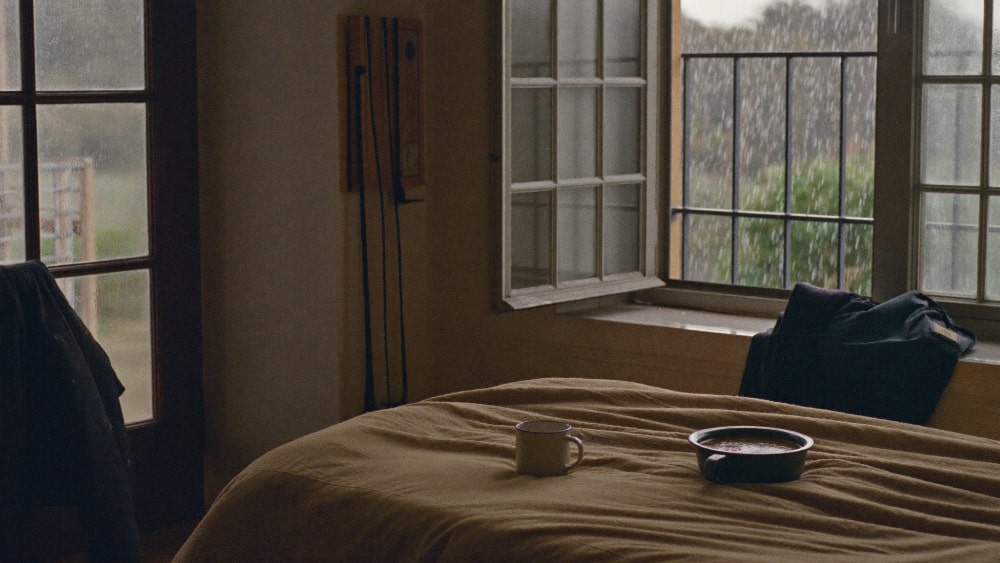
- Notice: drink something by a window without your phone and write down three changes in light, weather or sound.
- Use: clear one working surface and make a meal from ingredients already present.
- Tend: water, prune or start one suitable plant—or care for a shared outdoor place without taking anything.
- Make: mend one item, bake something simple, draw badly or write a letter.
- Share: eat with someone, call a friend properly or offer practical help.
- Go offline: take a walk, read ten pages or do handwork without recording it.
- Return: choose one morning, evening or weekly ritual to repeat for a month.

If you want an island walk after the home experiment, choose a route that respects your energy and the landscape. Our overview of things to do in Tenerife can help, but the cottagecore part is the attention you bring—not how dramatic the destination looks.
Troubleshooting when cottagecore becomes pressure
- “I have no time.” Attach a two-minute ritual to something already required: tea, shoes, dinner or bedtime.
- “My home is ugly or temporary.” Improve one sensory function—light, air, a clear surface or a repaired object.
- “I keep buying.” Stop inspiration browsing for a week and make a use list from what you own.
- “My family is not interested.” Practise your piece without redesigning shared life or assigning hidden labour.
- “I killed the plant.” Learn why, choose a better-suited plant or decide that walking is your nature practice.
- “My craft looks bad.” Keep the first object as evidence that hands learn through imperfect repetition.
- “The routine collapsed.” Return at the smallest scale; do not repay missed days.
Is cottagecore still popular?
Yes, cottagecore is still recognisable and active, though internet labels rise and fall. Its peak visibility during the early 2020s does not make the underlying practices obsolete. Baking, gardening, mending, seasonal attention and warm homes existed before the label and will outlast it.
The useful question is not whether cottagecore is “over.” It is whether the label helps you practise a value without creating new pressure or consumption. Keep it while it helps; release it when it becomes a costume.
Cottagecore lifestyle FAQ
These short answers cover the questions that most often sit between inspiration and a realistic first step.
What is a cottagecore lifestyle?
It is a way of bringing nature connection, seasonal food, handmade skills, home care, community and a slower quality of attention into daily life. It does not require rural property or a particular look.
Can you be cottagecore without living in a cottage?
Yes. A flat, rented room or city home can support cooking, mending, reading, second-hand use, balcony herbs, local walks and screen-free rituals. Practise the values at the scale available.
Is cottagecore the same as slow living?
No. Cottagecore uses rural and domestic imagery; slow living focuses more broadly on deliberate pace, attention and quality. They overlap when cottagecore practices reduce rush and deepen presence.
Is cottagecore expensive?
It can become expensive when sold as décor or fashion. The lifestyle can be low-cost when it centres repair, borrowing, libraries, cooking basics, free local nature and using what you own.
How do I make my life feel cottagecore?
Choose one repeatable action: prepare tea without scrolling, cook a seasonal meal, grow one herb, mend one item, write a letter or take a noticing walk. Repeat before adding another.
Can cottagecore be modern or minimalist?
Yes. Modern or minimalist cottagecore can use clean rooms, fewer objects and contemporary clothing while keeping warmth, natural connection, repair, useful craft and seasonal rhythms.
Is cottagecore only for women?
No. Cooking, gardening, repair, nature connection and community have no gender. Cottagecore should not assign domestic labour to women or require feminine clothing, heterosexual family roles or “tradwife” politics.
Can cottagecore be sustainable?
It can support sustainability through repair, lower consumption, seasonal awareness and local care. It is not sustainable by default: trend shopping, invasive plants, unsafe foraging, excessive water use and romanticised land use contradict those values.
I would begin with one ritual and let it become ordinary. That is less dramatic than reinventing a room, but it is how a life acquires texture: a meal repeated, a neighbour known, a plant understood, a phone put down, a small object repaired.
The label may eventually leave. The care can stay.

Stay for the next letter from Ana
Join Ana for the private-feeling slow-living secrets behind the kitchen, garden, family table and changing countryside—small ideas you can carry into the home you have now.
- Countryside letters
- Cooking and crafts
- Ordinary beauty
Free to join. Come for one useful ritual and stay for the quiet company.

