


Short answer: living in Tenerife can be extraordinary if you want ocean, mountains, outdoor life and a slower rhythm. It can also be expensive, bureaucratic, car-dependent and socially lonely.
I have lived here since 2012. I love the island, but I would not sell it as a cheap escape. Bring an income plan, a housing plan and patience for paperwork.
Hi, friends. Let us get to know each other properly. My name is Dima. I live on Tenerife, make photographs and tell stories about the island.
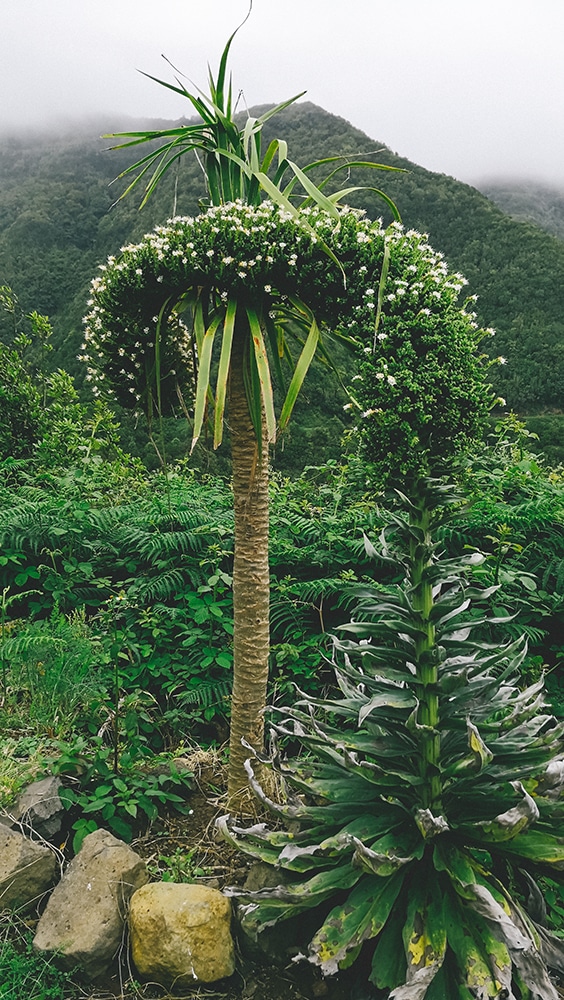
I lost a piece of myself somewhere in the Canaries in 2012. I have been trying to find it ever since. In parallel, I became known as a Tenerife photographer and started looking for places that still feel untouched, surprising and slightly impossible.
There are two Tenerifes. One is the holiday island of pools, excursion buses and familiar resort streets.
The other is the island I return to after the camera is packed away: Anaga mist, a fisherman’s cove, a village lunch, a road that disappears into cloud, and a neighbour who knows which market has the good avocados this week.
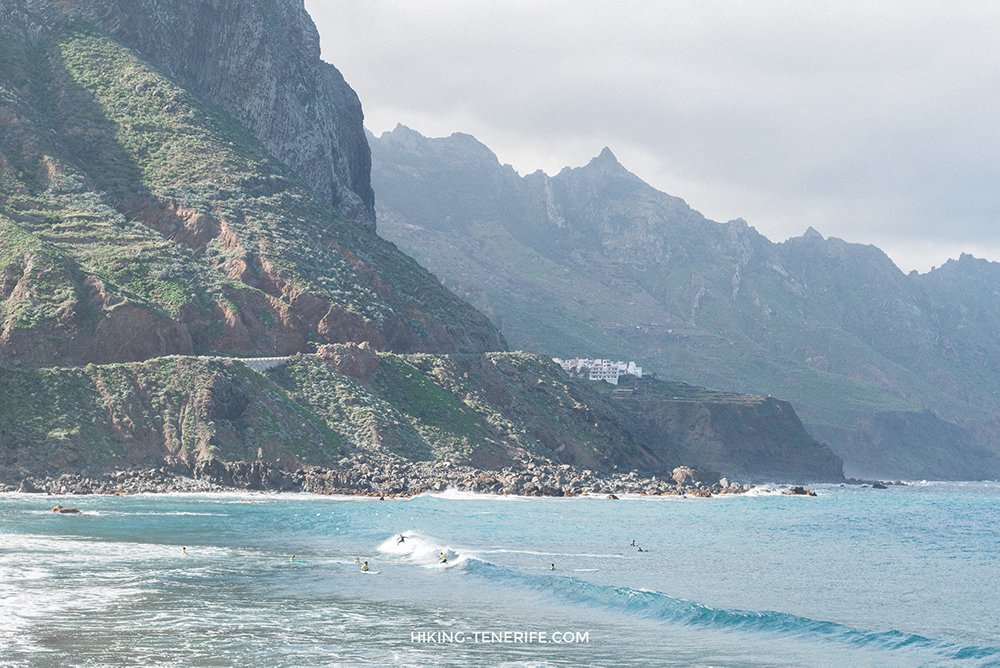
Is Living In Tenerife Worth It? My Honest Verdict
My verdict: Tenerife is worth considering for a long stay if you already know how you will earn, where you can initially live and which kind of island life you want.
It is a poor place to move blindly because a holiday felt sunny. A week in Costa Adeje does not tell you whether you can afford rent, tolerate winter damp, manage an appointment in Spanish or live happily without your old social circle.
| Question | My honest answer |
|---|---|
| Can it feel like a dream? | Yes. Ocean before breakfast, Anaga after work, and Teide stars can become normal without becoming boring. |
| Is it always warm and sunny? | No. Microclimates are real. The north can be cloudy and wet while the south is bright; mountain weather is another category. |
| Is it cheap? | Not automatically. Rent, deposits, cars, imported goods and popular south-coast housing can destroy the bargain quickly. |
| Can you arrive and find work? | Possible, but not a plan. Tourism jobs exist; stable, well-paid work and remote income need evidence before you move. |
| Do you need Spanish? | You can start with English, but Spanish changes the quality of daily life and your ability to solve problems. |
| Should you bring a car? | Maybe. It depends on your base, routine, family and tolerance for buses. |
The best test is not another holiday. Rent for several weeks in the part of the island you are considering, shop normally, take a bus, visit a health centre, work through a bad-weather day and try to make one local connection. If the island still feels good after the boring tasks, then you are learning something useful.
Plan like this: test the island as a resident. Shop, work, commute, handle one boring appointment and spend at least one cloudy day outside the resort.
What Living On Tenerife Actually Feels Like
Anaga is the first thing I miss when I am away. The forest feels like Jurassic Park, except you keep expecting a dinosaur to step out from behind the laurel.
Clouds pour over the ridges. Viewpoints open suddenly. A short walk can reset a whole week. I use the Anaga Rural Park guide for a current route idea, but the emotional reason is simpler: the mountains still surprise me after all these years.
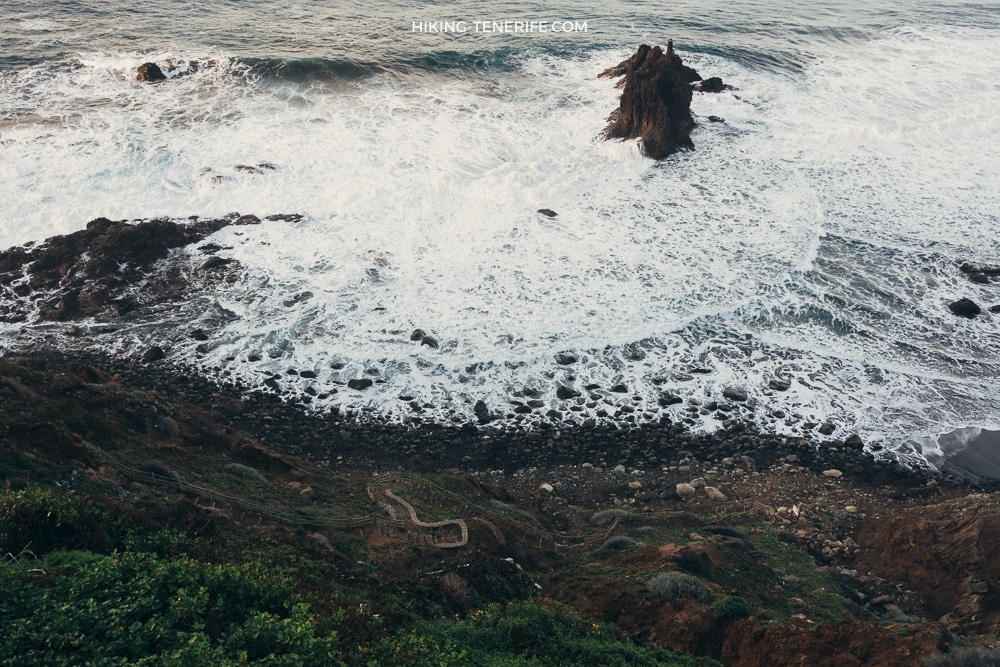
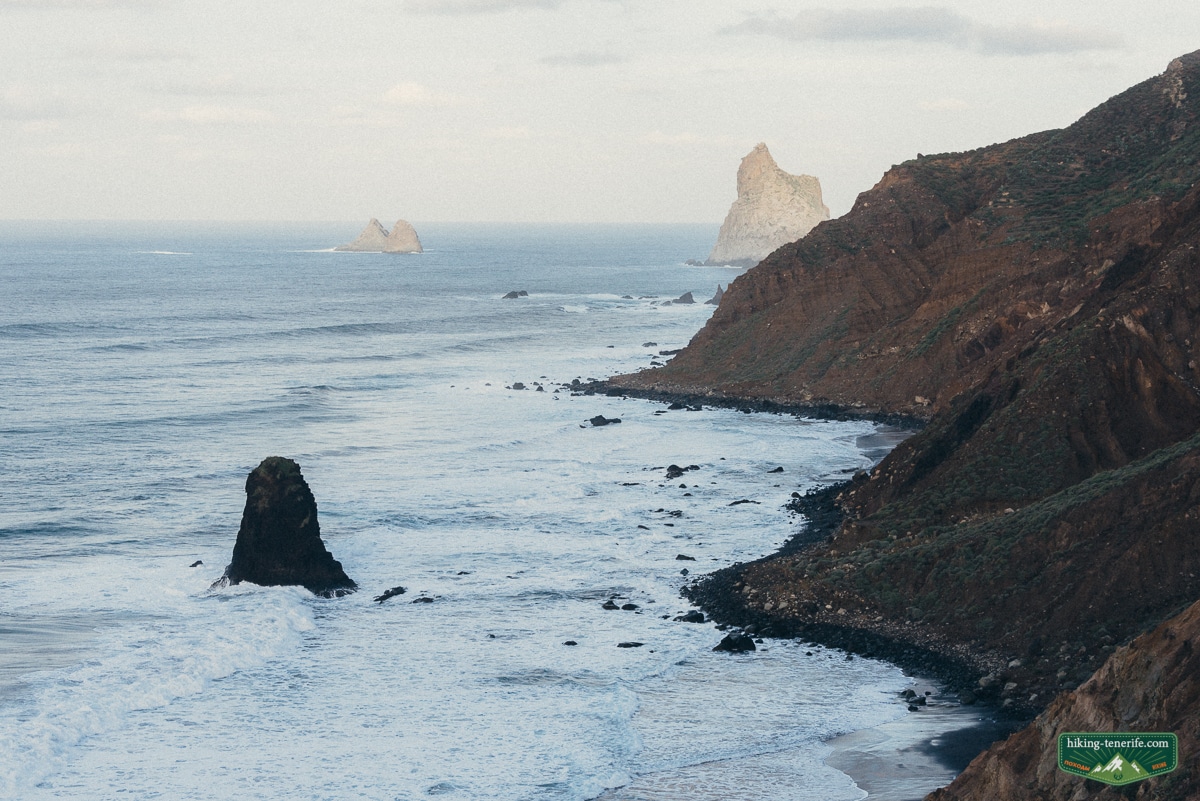
The ocean works differently. Drive north, find a small town or a cove, eat something from the sea, feed a cat that is already very sure it owns the place, and remember how tiny you are. That feeling is one of the main reasons I stayed. The coast gives you space to be quiet, even when the resort areas are loud.
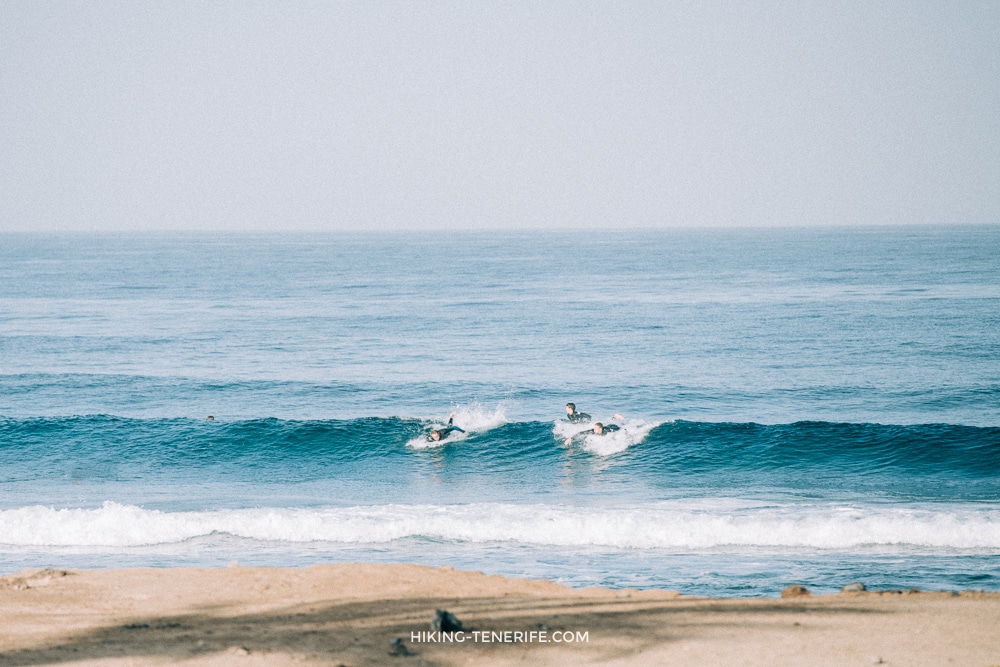
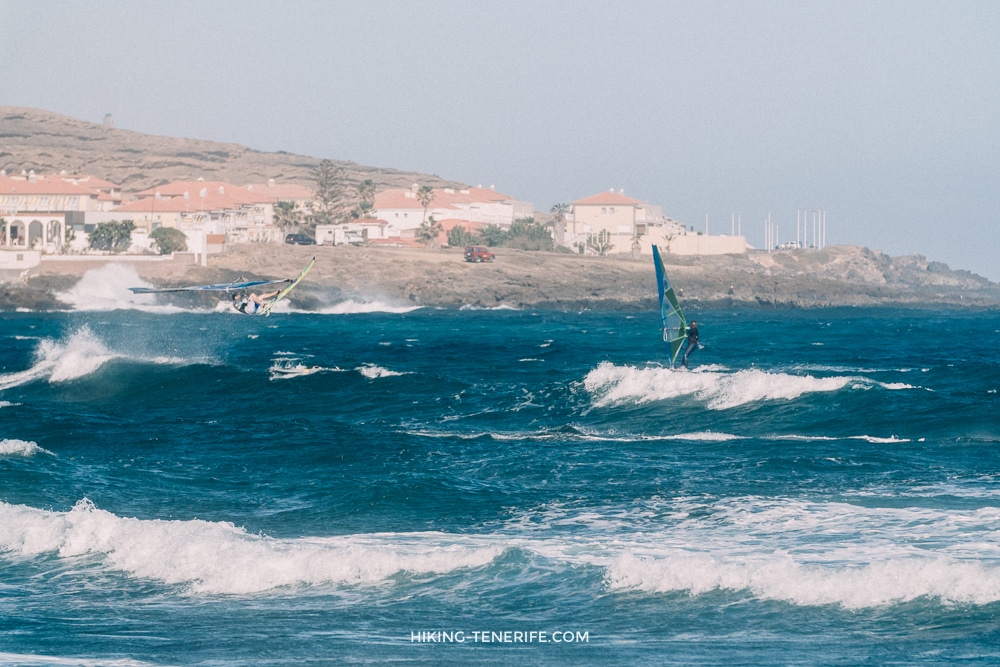
Surfing is not for everybody, but I love it. For years I went to Las Americas almost every morning, often with decaffeinated coffee beforehand.
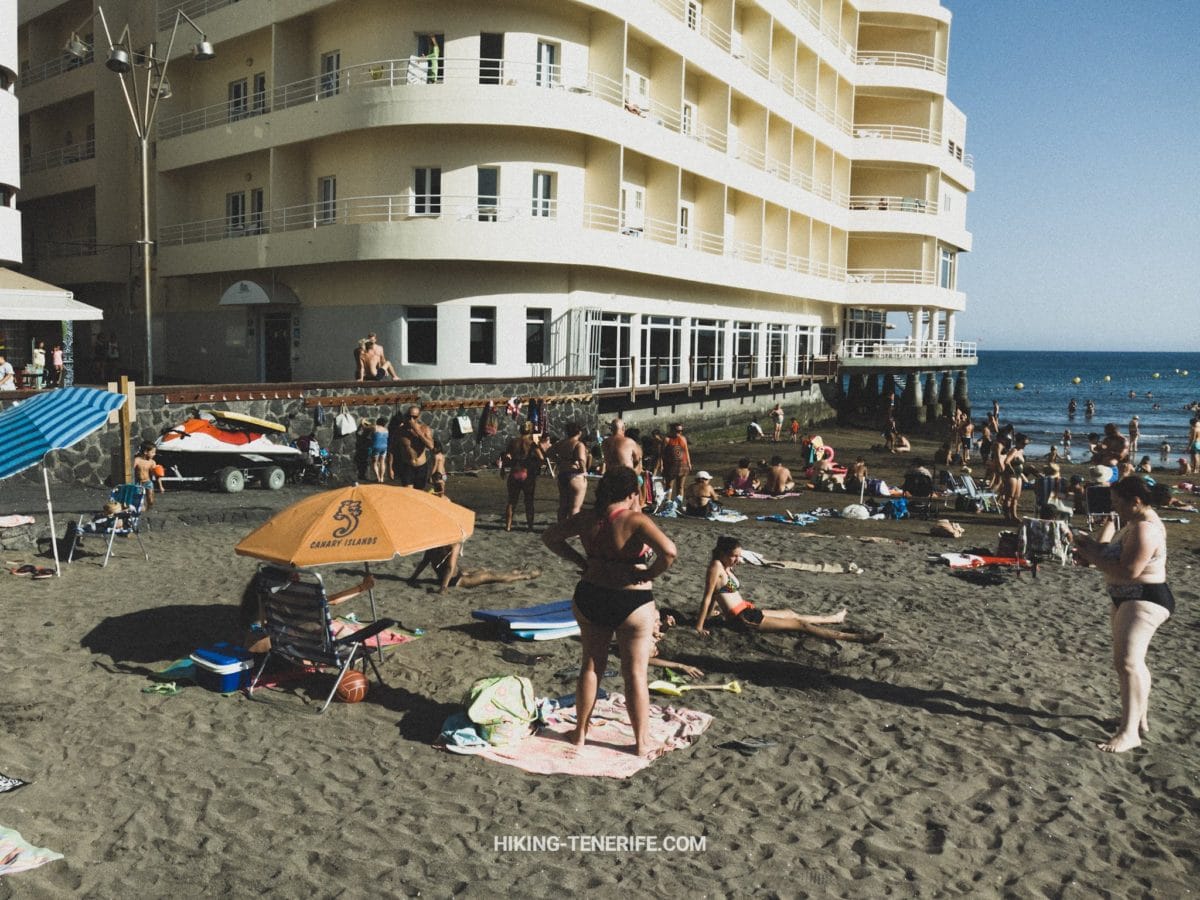
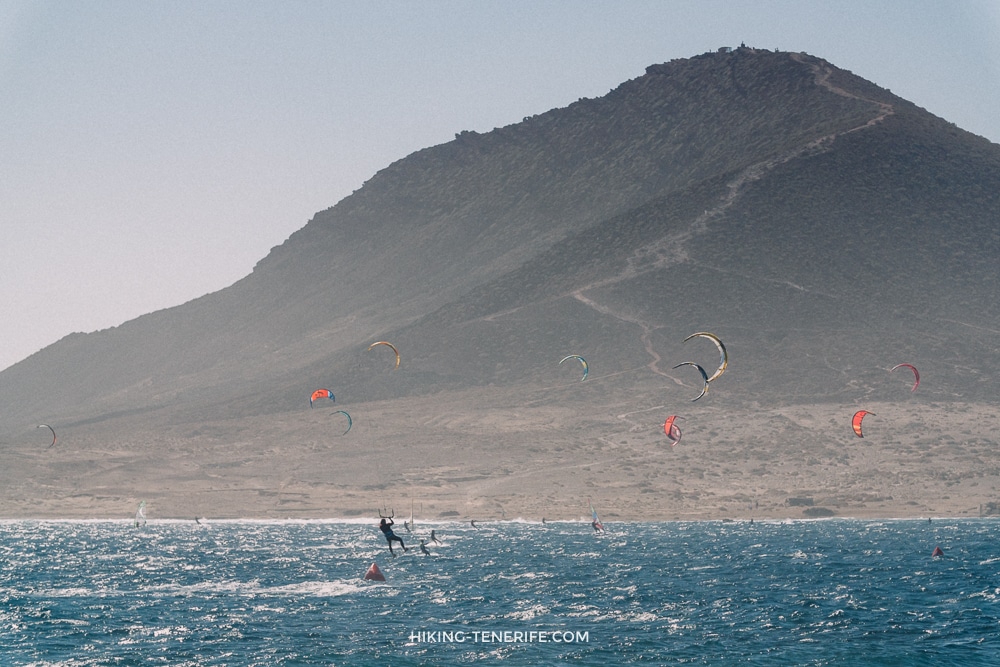
Visitors try the barraquito. I try not to pretend coffee will make the first surf lesson elegant. If your long-stay dream includes board sports, explore Playa de las Américas and El Médano.
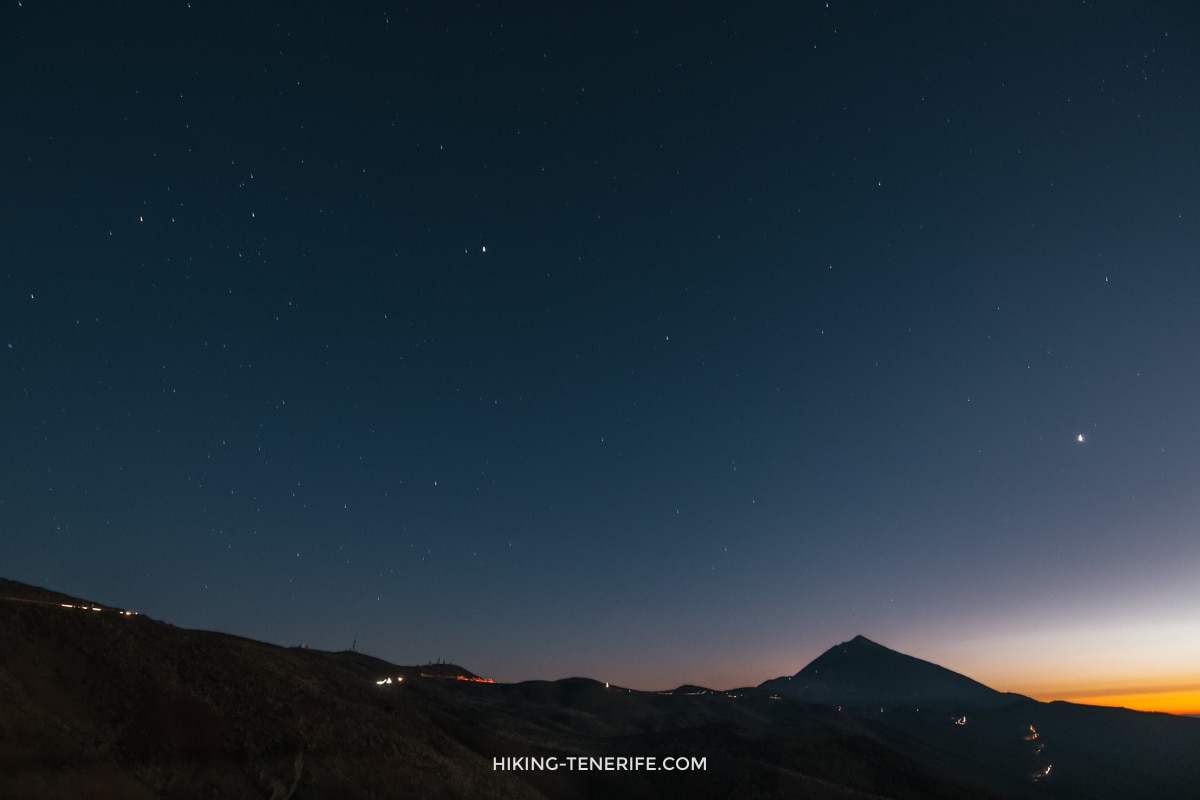
The night sky is another reason people fall in love with Tenerife. Teide and the high plateau can make the Milky Way feel close enough to touch.
Safety rule: do not drive into the national park at night without a plan. Cold, altitude, dark roads, closures and weather are real.
Use the handcrafted Teide guide for route order and timing. Keep the Teide National Park article nearby for the current practical checks.
Then there are the ordinary pleasures: Canarian food, Teno, Taganana, Santa Úrsula, dolphins, a market morning, a village festival, a windy walk in El Médano and a conversation that lasts longer than expected. Life here is not one attraction. It is the accumulation of small days.
Who Should Move To Tenerife — And Who Should Not
You may suit Tenerife if you are comfortable building a life rather than consuming a destination. That means accepting that the best beach is sometimes rough, the appointment is not available today, the road is slower than the map, and your new friends may not arrive in a convenient expat package.
- Good fit: remote workers with stable income, self-employed people who understand their tax and social-security position, retirees with a realistic budget, families who have checked schools and healthcare, and outdoorsy people who genuinely enjoy island limits.
- Bad fit: anyone relying on a job they have not found, a rental they have not seen, or a visa they have not researched.
- Think carefully: if you need a huge cultural calendar, a large professional network, unlimited shopping, crisp winter heating or easy weekend travel by train.
- Do not move for weather alone: a sunny forecast cannot repair financial stress, isolation or a legal status problem.
The Island Trade-Off
The island gives you nature, light and a slower physical scale. It also gives you distance. Flights cost money, ferries take time and imported products cost more.
Every small problem can feel larger when the sea is between you and your old support system. Loneliness is not a personal failure. It is a practical condition to plan for.
I would rather tell you that now than watch another person arrive with a suitcase, two months of savings and a belief that the island will solve the life they were unhappy with.

Where To Live In Tenerife: Choose A Daily Life, Not A Postcard
Map note: the correct base depends on your work, car, budget, noise tolerance and the weather you can live with. Start with the daily route to your supermarket and workplace, then add the view. The view is important; the supermarket is more honest.
| Area | What daily life can feel like | Watch-outs |
|---|---|---|
| South-west: Costa Adeje, Los Cristianos, Playa de las Américas | More sun, services, international life, gyms, beaches and airport access. | Higher housing pressure, tourism, traffic and a lifestyle that can feel temporary. |
| El Médano and the south-east | Wind, board sports, a walkable town and outdoor energy. | Wind is not a minor detail. Some days are bliss; some days your balcony furniture starts a new life. |
| Santa Cruz and La Laguna | City services, universities, public transport, culture and more normal year-round rhythms. | Cloud, traffic and cooler evenings; a car is not always useful in the centre. |
| North coast: La Orotava, Puerto de la Cruz, smaller towns | Greener landscapes, old towns, local food and easier access to the north’s character. | More changeable weather, hills, damp apartments and fewer English-first services. |
| Rural interior and west | Space, quiet, views and a stronger sense of island life. | Car almost becomes part of the rent, fewer services and more complicated commutes. |

Use the live where-to-stay guide and the north-or-south comparison for the first cut.
If you are weighing the south, compare the everyday feel in Los Cristianos and the resort coast. For a cooler city rhythm, use the La Laguna guide. For the north, La Orotava is a useful next decision.
I am deliberately not turning this article into a property guide. Buying, long-term rentals and legal checks deserve their own research and professional advice.
No car can work in Santa Cruz, La Laguna and parts of the south if your home, work and shopping are close.
It becomes difficult when you choose a hillside village, want regular Anaga or Teide days, have children, carry sports equipment or work at changing locations. TITSA is useful, but always check the current timetable rather than trusting an old screenshot.
Cost Of Living In Tenerife: A Planning Budget, Not A Promise
People ask for one number. There is no honest one number because rent, car ownership, children, health cover, eating out and location change the answer.
As a current market reference, Idealista’s June 2026 report put Santa Cruz de Tenerife province at €15.6 per square metre. Santa Cruz city was €13.4, La Laguna €12.4 and Arona €19.5.
Those are asking-price indicators, not a quote for the home you will actually secure. They do not measure availability or contract conditions.
| Single-person planning line | Monthly range | How I would read it |
|---|---|---|
| Room or shared flat | €450–€750 | A planning range, not a guarantee. The lower end may mean compromise, distance or a room rather than a whole home. |
| One-bedroom rent | €650–€1,250+ | A rough calculation from current asking-price indicators plus size and location; popular south-coast areas can exceed it. |
| Utilities, internet and mobile | €80–€180 | Season, air-conditioning, household size and contract setup matter. |
| Groceries and basic household costs | €250–€450 | Cooked food, local produce and supermarket habits produce different baskets. |
| Transport | €40–€150 without a car | A car adds fuel, insurance, tax, maintenance, parking and sometimes a higher housing choice. |
| Life outside the basics | €150–€400+ | Sport, restaurants, trips, hobbies and visiting the mainland expand budgets. |
| Practical single-person total | €1,250–€2,200+ | My cautious planning range before unusual medical, family, debt or business costs. |
The last line is my planning advice, not an official household budget. I would want at least three months of living costs untouched before moving.
Keep a separate arrival fund for deposits, documents, furniture, transport and the first mistake. “I will find something cheap when I arrive” is not a financial strategy.
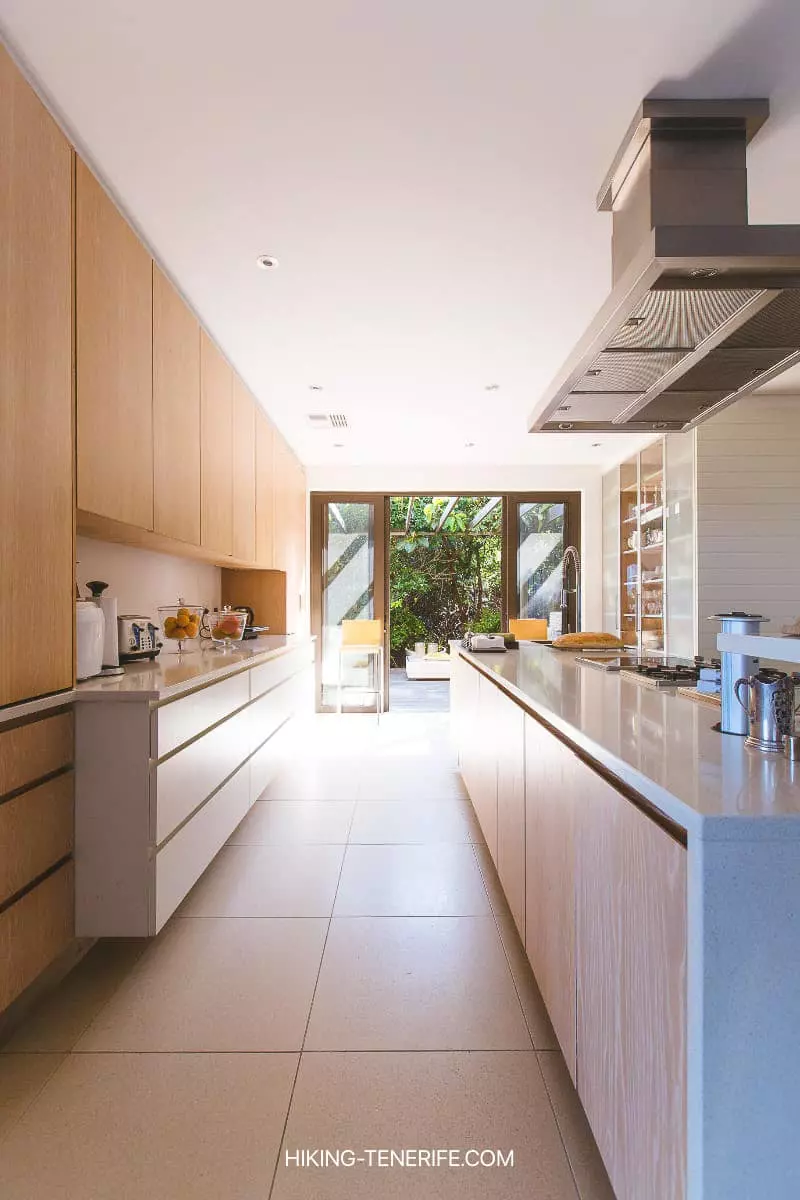
For a family, a car, private insurance, international school or frequent flights, build a different model. A low rent far from work can become an expensive commute. A sunny apartment with no ventilation can create a damp and heating bill problem. The cheapest listing is not automatically the cheapest life.
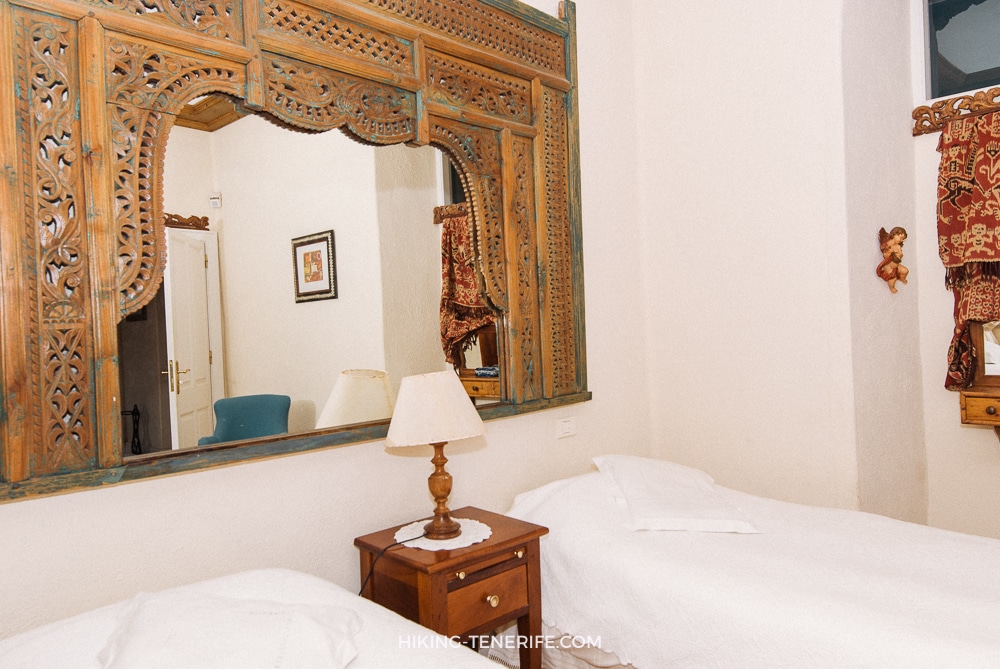
Local detail: a sunny apartment with no ventilation can create a damp and heating-bill problem. The cheapest listing is not automatically the cheapest life.
Rent, Deposits And Housing Reality
Housing is often the hardest part of moving to Tenerife. Popular areas have demand from residents, seasonal workers, visitors and owners who can choose among several rental models.
A listing can disappear quickly. It can be temporary, exclude utilities, ask for proof you do not yet have or look completely different in person.
- View the apartment or use a trusted local representative. Do not send a deposit to a stranger because a listing has a beautiful balcony.
- Read the contract for duration, deposit, inventory, bills, repairs, registration and whether the address can be used for the paperwork you need.
- Keep copies of messages, receipts, photos and meter readings.
- Ask whether the rent is long-term, seasonal or a holiday arrangement. Those are not interchangeable.
- Budget for the first month, deposit, agency or documentation costs where applicable, basic furniture, transport and a delay before income starts.
Buying a home is not a shortcut to residency, and an estate agent is not your immigration lawyer, tax adviser or doctor. Use professional advice for a purchase, a visa, tax residency and anything involving a large payment.
Residency, NIE, TIE And Tax: Keep The Questions Separate
The first paperwork mistake is treating “I have an NIE” as the same thing as “I am legally resident and tax-clear”. It is not. Your nationality, reason for stay, work, family situation and time in Spain determine which route and documents apply.
- EU/EEA/Swiss citizens staying beyond the short-stay period should start with the official residence-registration guidance. The Spanish public administration says the application is made within three months of entry and the registration certificate includes the NIE.
- Non-EU citizens need to identify the correct residence or visa route before arrival. Spain’s official telework visa information is relevant to some remote workers, but it is not a universal digital-nomad solution.
- NIE, a residence card or certificate, empadronamiento, social-security registration and tax residence are different questions. Write down which office and document answers each one.
- Tax residence is not decided by your feelings about the island. Days, economic interests, work and family facts can matter. Use the Spanish Tax Agency and a qualified adviser for your situation.
- Save appointment confirmations, copies and translations. Bureaucracy is easier when you can prove what you already submitted.
Start with Spain’s residence-registration guidance, Your Europe’s residence documents overview and the official Spanish telework-visa page. These are starting points, not personalised legal advice. Rules and appointments change; check the current official page shortly before acting.
The boring advice is the valuable advice: do not book a long lease, quit a job or move a family until the legal route, income and health cover are all plausible. Tenerife will still be there while you verify the documents.

Work, Remote Income And The Job Question
Tourism creates jobs, but “there are jobs on the island” is not the same as “there is a job that pays my bills in the place I want to live”. Hospitality, sales, language teaching, construction, care, administration and seasonal work each have different pay, language and contract realities.
Remote work gives you more choice, not no obligations. Check whether your employer permits working from Spain, how social security and tax are handled, what your visa permits, and whether your time zone and internet setup are comfortable. A laptop and a beach photograph are not a business plan.
If your income depends on clients, bring a pipeline rather than an idea. If you want local employment, improve your Spanish before you arrive and research the exact sector. Ask what happens in a quiet month, not only what the best month looks like.
Create a move budget that assumes no income for the first three months. If you cannot do that, the move is not ready yet.
Healthcare, Insurance And Everyday Language
Tenerife has public healthcare, but access is not automatic simply because you are physically here. Your entitlement depends on your legal and social-security situation.
The Spanish Social Security guidance explains how recognised entitlement leads to the health-card process. Use the official information and the Canary health service before assuming a clinic will accept your plan.
Private insurance can be useful, especially during a move or for a visa route, but read exclusions, waiting periods, pre-existing-condition terms, geography and payment rules. Keep emergency arrangements separate from routine care. I am not a doctor and this is not medical advice.
Spanish is not a decorative extra. Learn how to explain an address, appointment, allergy, document, repair and deadline. English is common in tourist-facing areas; it is less dependable when the problem is a landlord, municipal office, school, mechanic or neighbour.

Social life needs active work. Join a class, volunteer, walk with a local group, return to the same café and speak to neighbours.
Accept invitations that are not perfectly convenient. An expat bubble can help at first, but if it is your only circle the island may feel lonelier than expected.
Transport, Driving, Mobile And Internet
Tenerife is not one flat city. Distances on the map become longer when roads climb, buses connect through hubs, parking takes time and a mountain day has a weather window. Choose your base around the places you visit every week, not the places you photographed once.
If you drive, learn the road culture slowly. Do not make rural bends a confidence competition.

Keep the car maintained, check insurance, understand parking rules and allow for road closures. If you do not drive, live near the service you need and accept that remote landscapes may require a tour, taxi or careful day plan.
For mobile service, Spain is inside the EU roaming framework, but “roam like at home” is not a permanent guarantee for someone who lives abroad.
Fair-use rules and operator terms matter. Compare a local SIM or eSIM using the current Tenerife SIM guide, then check your operator’s terms and the European Commission roaming rules.
Home fibre is common in populated areas, but check the exact address, installation time and contract. A listing saying “internet available” is not proof that your work video calls will be stable from that apartment.
Weather And Microclimates: The Part Visitors Underestimate
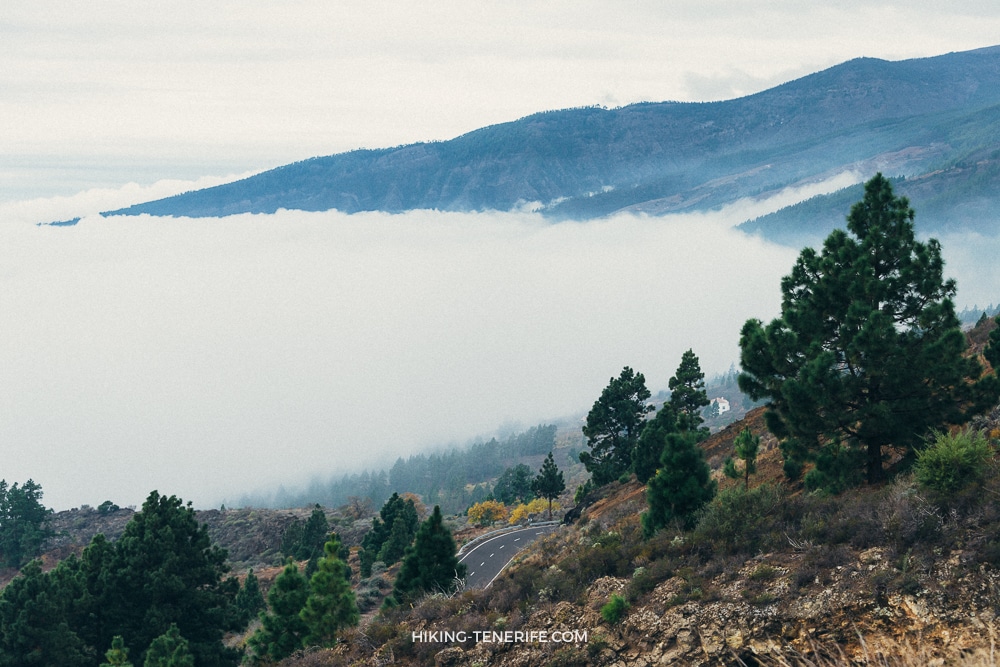
Tenerife’s weather is a daily geography lesson. The south can be dry and bright while the north is under cloud. La Laguna can feel cool and damp when the coast is warm.
Above the clouds, Teide is a different climate entirely. AEMET’s climate normals for Tenerife Norte Airport are useful context, but a normal is not today’s weather.
| If you want… | Look first at… |
|---|---|
| More dependable winter sun | South and south-west, while accepting tourism and higher housing pressure. |
| Green landscapes and cooler air | North and north-east, with ventilation, damp and cloudy days in the calculation. |
| A city year-round | Santa Cruz or La Laguna, not an isolated view property. |
| Outdoor wind sports | El Médano, where the wind is the feature and the inconvenience. |
| High mountain cold and stars | Teide planning, with altitude, night driving and official conditions treated seriously. |
The mistake is choosing a climate from a hotel terrace. Spend time outside the resort, at different times of day and in a cloudy spell. Some people love the north’s green quiet; other people quietly become unhappy because they expected endless blue sky.
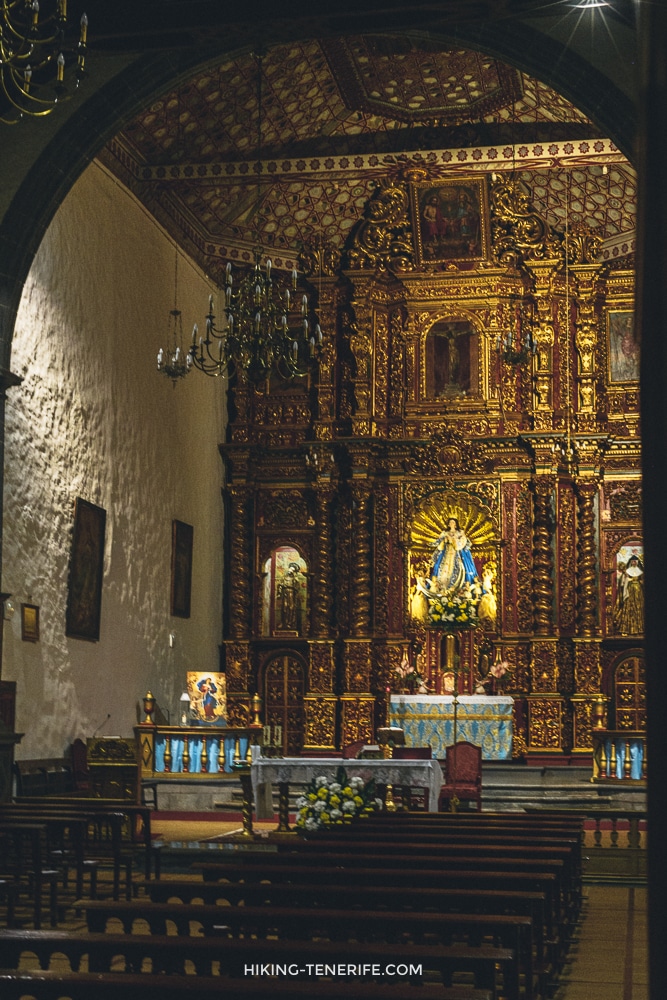
Families, Schools And Children
Tenerife can be good for families who value outdoor time, a slower pace and a manageable island scale. It can be difficult when school language, childcare, healthcare, work commutes and grandparents all need to fit together.
Check the exact school route, admissions calendar, language model, fees, transport and waiting list before moving. Do not choose a home because it is beautiful and then discover that the daily school run crosses the island. Ask children what they actually need: friends, routine, sport, shade, privacy and a place to belong.
For visits and early orientation, the Tenerife with kids guide is more useful than a generic resort list. The same rule applies to living: one good park, school, shop and health route often beats ten attractions that need a car.
Families should also plan the language transition honestly. A child may adapt quickly, but the paperwork and parent communication still need an adult who can follow Spanish instructions or arrange reliable help.
Food, Markets And The Local Week
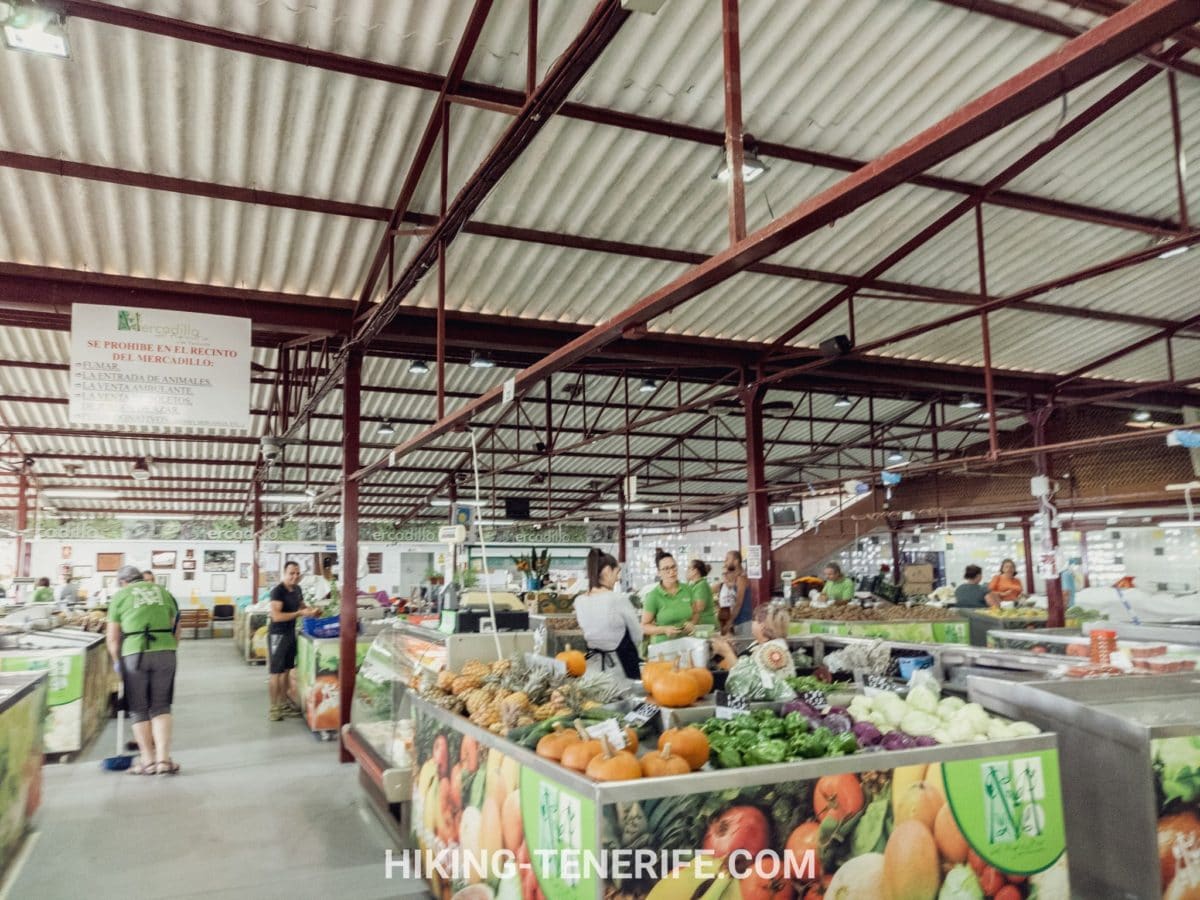
A local life is not built only from restaurants. Learn the supermarket, bakery, fish counter, small café and market. You will discover which days matter, which produce is seasonal, and why the same island can feel more generous when you shop with time rather than a holiday appetite.
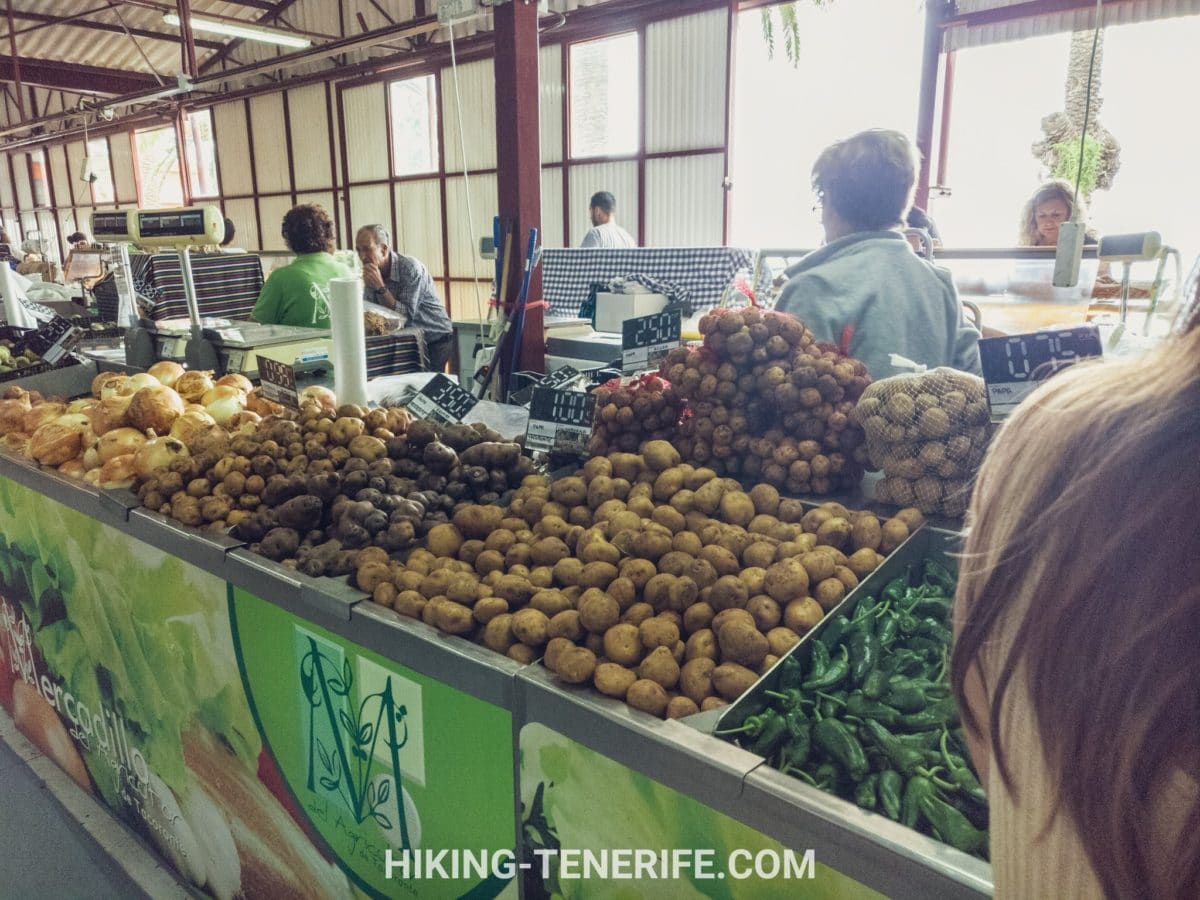
Start with the Tenerife markets guide and choose one practical place near your base.
The San Isidro farmers’ market is useful on the south side. But the best market is usually the one you will visit regularly. Do not drive across the island for a cheaper tomato and call it a lifestyle.
Canarian food is part of the social fabric: papas arrugadas, mojo, gofio, grilled fish, cheeses, stews and the small dishes people order without making a performance of it. Try local food, but do not turn “authentic” into a demand that every meal must entertain you.

Nature, Leisure And The Island You Came For
If your reason for moving is nature, Tenerife will reward regular habits. Walk a short route every week. Learn one north-coast road. Visit Anaga in different weather. Go to Teide in daylight before you chase stars. Find a beach that is not on your first search result.
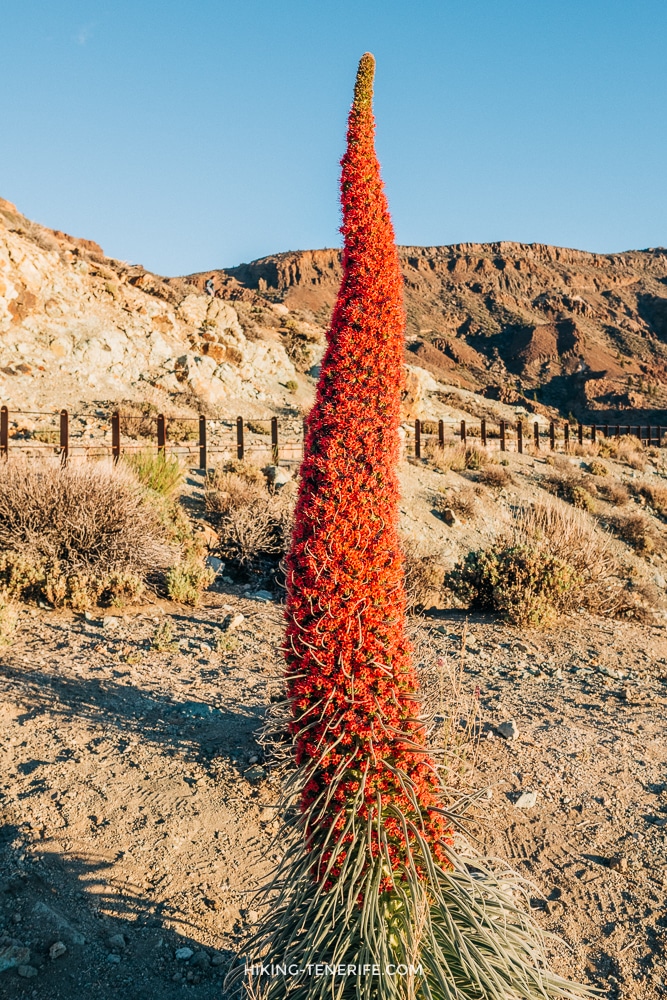
The island has enough variety for years: Anaga laurel forest, Teno, volcanic landscapes, dark beaches, old towns, surf, kitesurfing, diving, running, climbing and food.
The north Tenerife guide, south Tenerife activity guide and Things To Do In Tenerife guide help with the next decision.
Safety rule: stay on marked paths, leave no rubbish and do not disturb wildlife or fragile volcanic ground. Island life is not a licence to treat every quiet place like a private set.
I still return to the places that make me feel small: the ocean below a road, the clouds opening over Anaga, a quiet Teno lane, a starry Teide night. That is not an argument that Tenerife is perfect. It is an explanation of why the imperfections have been worth carrying.
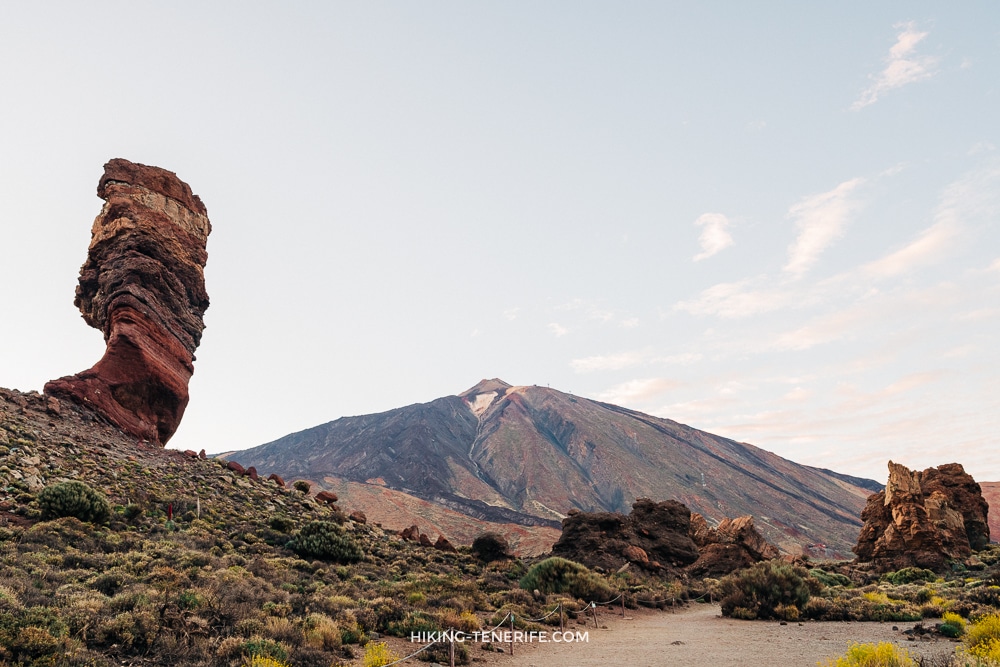
Christmas, Seasons And The Feeling Of Time
A long stay changes how you notice time. Christmas lights in La Laguna, local festivals, summer wind, autumn markets, winter almond blossom and the first hot days become part of your calendar.
Read the current Christmas and New Year guide when planning a visit. Living here means letting a season arrive without turning every moment into content.
The same island can feel completely different in January and August. Summer brings visitors, heat and a stronger resort pulse. Winter brings clearer walking days in some places, cloud in others and a reminder that “winter sun” is not a promise of warm evenings everywhere.

The First One To Three Months: A Realistic Setup
- Before arrival: confirm the legal route, income, insurance, temporary accommodation and arrival fund. Keep digital and paper copies of identity, work, insurance and financial documents.
- Weeks 1–2: live like a resident. Test internet at work hours, shop, use public transport, walk the area after dark, ask about noise and damp, and do not sign a long contract because you are tired.
- Weeks 3–4: start the relevant registrations and appointments, learn the route to healthcare and find a local adviser where needed. Check that the address and contract work for the paperwork you are doing.
- Month 2: choose the base properly. Compare three ordinary weeks rather than one sunny Saturday.
- Month 3: decide what to keep, what to change and what the island is costing. Build a weekly social habit and a bad-weather habit; both are part of staying well.
Common mistake: rushing the rental, confusing NIE with residency, treating a tourist SIM as permanent, choosing a village without a car plan or waiting for friends to appear without making an effort.
None is fatal. All cost time and money.
A Short Move Or Long-Stay Checklist
- Income or savings tested against a conservative monthly budget.
- Correct visa or residence route identified from current official sources.
- Health cover and emergency plan confirmed.
- Temporary accommodation booked before searching for a long-term home.
- Two possible bases compared in ordinary weather, not only on holiday.
- Car or no-car routine tested against work, school and shopping.
- Spanish phrases and document copies prepared.
- Three-month buffer kept separate from arrival costs.
- A realistic plan for loneliness, exercise, friends and trips home.
- A written exit plan if the island is not right for you.
Local verdict: moving to Tenerife is not a moral test. If you need a mainland city, different work, more family support or another climate, leaving is a valid decision.
An island should add to your life, not trap you inside a story you told yourself before arriving.
Choose your next decision
Not sure which Tenerife base fits your life?
Use my free map to compare beaches, towns, hikes, viewpoints and the practical geography behind the postcard.
Living In Tenerife FAQ
Is Tenerife a good place to live?
It can be, especially if you value nature, outdoor life, mild coastal weather and a slower physical scale. It is not automatically good for your finances, career, paperwork or social life. The fit depends on your income, legal route, base and expectations.
How much money do you need to live in Tenerife?
For a single person, my cautious planning range is roughly €1,250–€2,200+ per month including rent, before unusual medical, family, debt or business costs. Treat it as a planning buffer, not a market quote. Housing location and car ownership can move the number dramatically.
Is it cheaper to live in the north or south of Tenerife?
There is no permanent simple answer. Some north areas have lower asking rents, some popular north towns are expensive, and the south can be substantially higher in popular coastal zones. Compare rent, transport, heating, damp, commute, childcare and how often you need to cross the island.
Can I move to Tenerife and find work?
You may find work, particularly in tourism and services, but do not move on that assumption. Research the exact sector, language requirement, contract and salary before you arrive. Stable remote income or a confirmed offer makes the decision much safer.
Do I need a car to live in Tenerife?
Not always. Santa Cruz, La Laguna and some resort or coastal areas can work without one. A rural home, a family routine, regular mountain trips or several workplaces make a car more useful. Choose your home after testing the daily route.

What is the weather really like in Tenerife?
It depends on coast, altitude, wind and season. The south is often drier and sunnier; the north and north-east can be greener, cloudier and wetter; La Laguna is cooler; Teide is high-mountain weather. Check the exact place and day rather than using “Tenerife” as one forecast.

Is Tenerife lonely for expats?
It can be. A new island gives you beautiful scenery but not an instant support network. Learn Spanish, return to the same places, join activities, make local and international friends, and plan regular contact with people at home.
What should I do before a long stay?
Test the area in ordinary weather, confirm your legal and health position, inspect housing in person, calculate a conservative budget, check transport and internet, and keep an exit plan. A good long stay starts with boring preparation.
I came here for the landscapes and the photographs. I stayed because the island kept showing me new versions of itself: Anaga after rain, an empty road above the sea, a market morning, a surf session and a cat that had already decided we were friends.
If you come, bring open eyes, enough money, patience for paperwork and time to see more than the resort. Then Tenerife has a real chance to become home.
And yes — come soon. I still have some ridiculous photographs to make. Peace, Dima.
Plan the island properly
Need the wider Tenerife guide before you choose?
The long-stay decision is easier when you understand the island’s towns, landscapes, roads and seasonal trade-offs.

