

Short answer: plan North Tenerife as three different regions, not one long checklist. Use La Laguna, Santa Cruz, and Anaga for the north-east; Puerto de la Cruz and La Orotava for the central north; and Icod with Garachico for a slower north-west day.
Choose the trip before the stops: stay north if old towns, green landscapes, food, and hiking matter most. Visit for a focused day if your base is in the south. Use my North versus South comparison for the accommodation decision.

I like sending curious visitors north because it shows the island with its jacket on: greener, older, moodier, and more interesting than the easy postcard version.
But I would not sell it as the perfect answer for every traveller.
If you want guaranteed winter sun, a hotel pool, children in calm water, and a beach you can reach in sandals, the south may still be the better base.
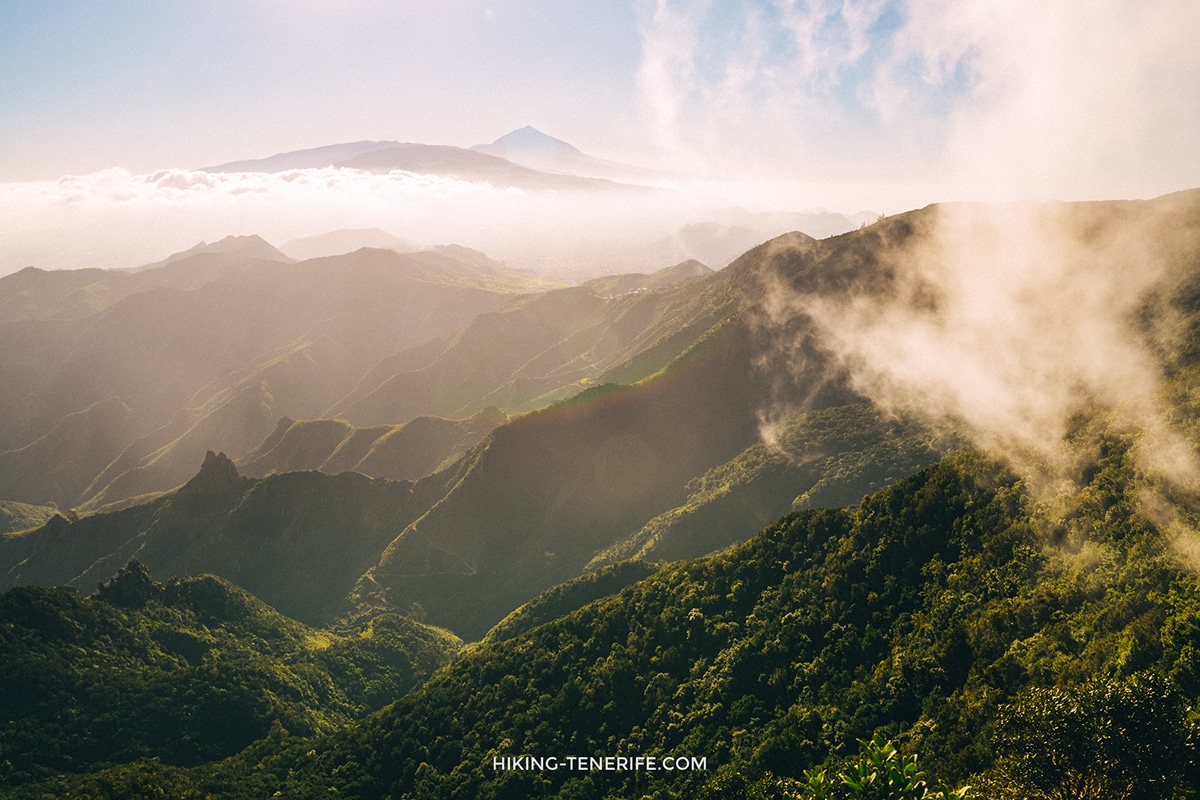
If you want Tenerife with laurel forest, old towns, rough Atlantic coast, gardens, food stops, and the occasional cloud that makes the photos better, keep reading.
Check the same day: use Tenerife ON for trail access and protected-area alerts, AEMET for weather warnings, and local flags or lifeguard instructions for the sea. A sunny hotel view does not confirm safe conditions in Anaga or at a north-coast pool.
Quick Verdict: Who Should Choose North Tenerife?
North Tenerife is best for visitors who want character over convenience. It rewards people who enjoy towns, hikes, scenery, gardens, local restaurants, photography, and route days with a bit of weather drama.
It is less ideal for people who define a good holiday as “sun, beach, pool, repeat” and feel personally attacked by a cloudy morning.
There is no shame in that; just choose the right coast before the island starts negotiating with your expectations.
| Traveller | North Tenerife answer | Main catch |
|---|---|---|
| First-timers | Visit north for at least one strong day: Anaga and La Laguna, or Puerto, La Orotava, and Garachico. | Do not overpack it from a south-coast base. |
| Couples | Excellent for old towns, gardens, food, viewpoints, black coast, and slower routes. | Choose accommodation carefully if you want evening life. |
| Families | Good for curious families, Puerto de la Cruz, Las Teresitas, gardens, short Anaga stops, and town days. | Less predictable for easy beach swimming than the south. |
| Hikers | One of the best areas of the island: Anaga, Cruz del Carmen, Punta del Hidalgo, Teno approaches, and forest routes. | Fog, mud, road bends, permits, and parking can change the day. |
| No-car visitors | Possible from Puerto de la Cruz, La Laguna, or Santa Cruz if the plan is realistic. | Remote beaches and multi-stop routes become awkward quickly. |
| Beach-only travellers | Great for dramatic black-sand photos and wild coast. | Not the easiest answer for calm swimming, especially in winter. |
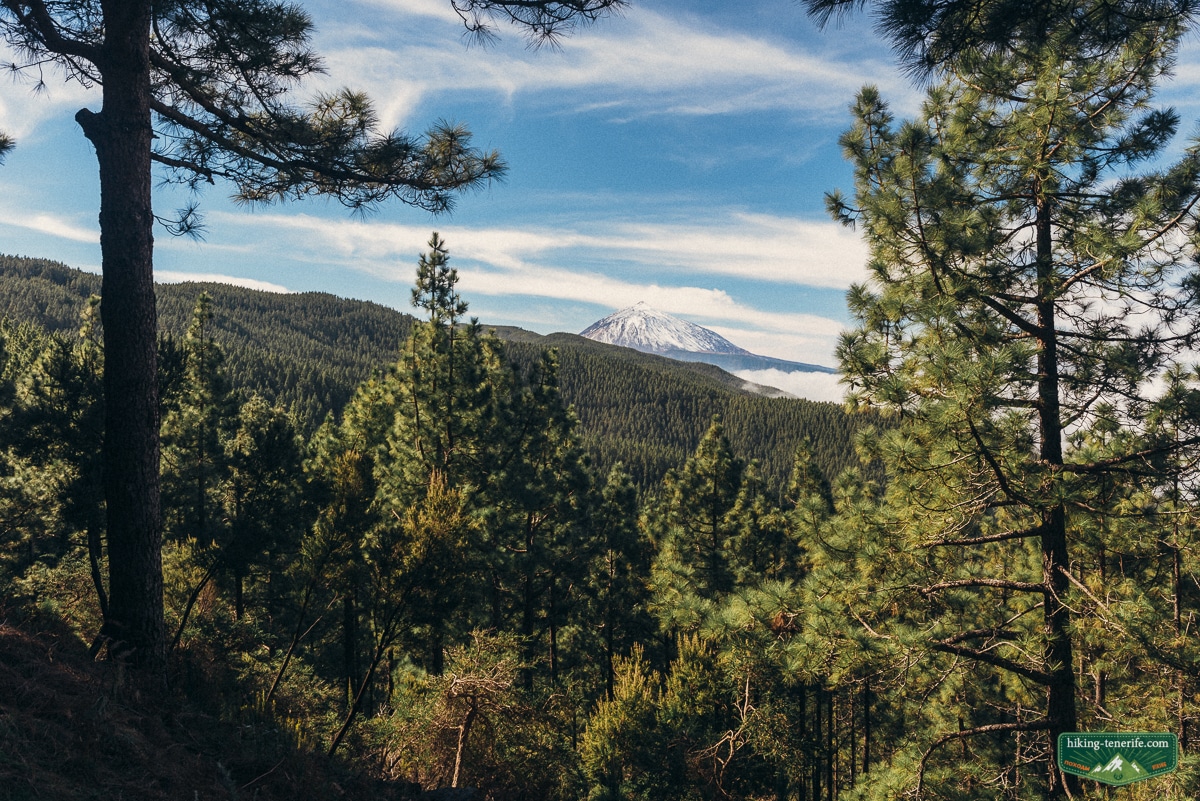
Local verdict: North Tenerife is not “better” than the south. It is better for a different holiday: older towns, green roads, black sand, forests, food, and a more lived-in island mood.
What Counts As North Tenerife?
Official tourism material uses the North mainly for the Orotava Valley through Isla Baja, while Santa Cruz and La Laguna form the metropolitan zone. Travellers often use North Tenerife more broadly, so this guide joins those areas only for practical route planning.
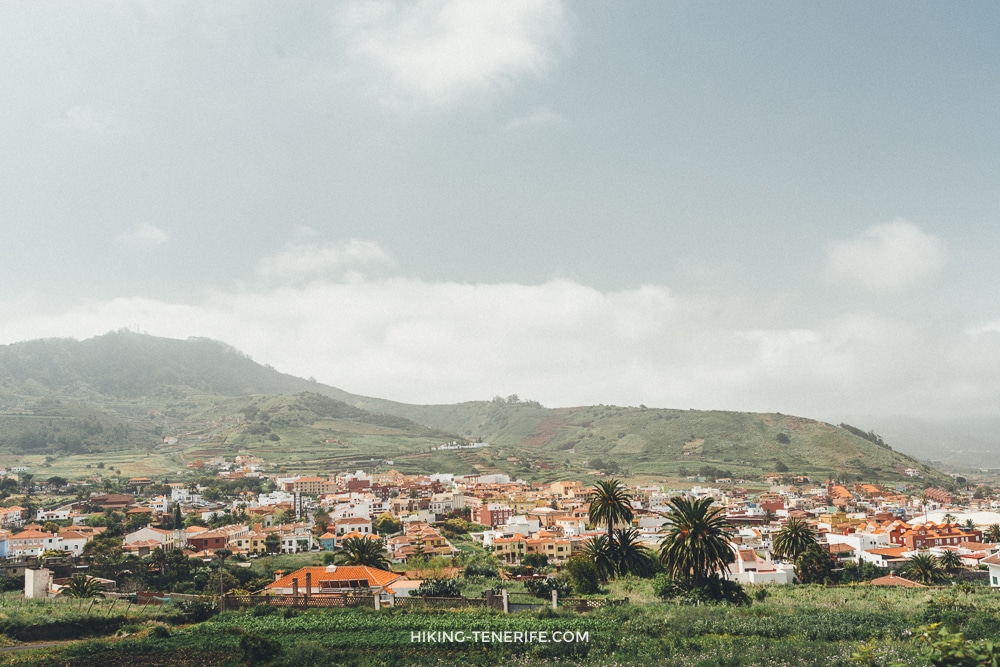
The north-east covers La Laguna, Santa Cruz, Anaga, Taganana, Bajamar, and Punta del Hidalgo. The central north is Puerto de la Cruz with La Orotava. The north-west joins Icod and Garachico.
Teno and Masca belong to a separate west or north-west mountain-road day. They may look close to Garachico on a map, but adding them changes the route, driving load, and parking problem completely.
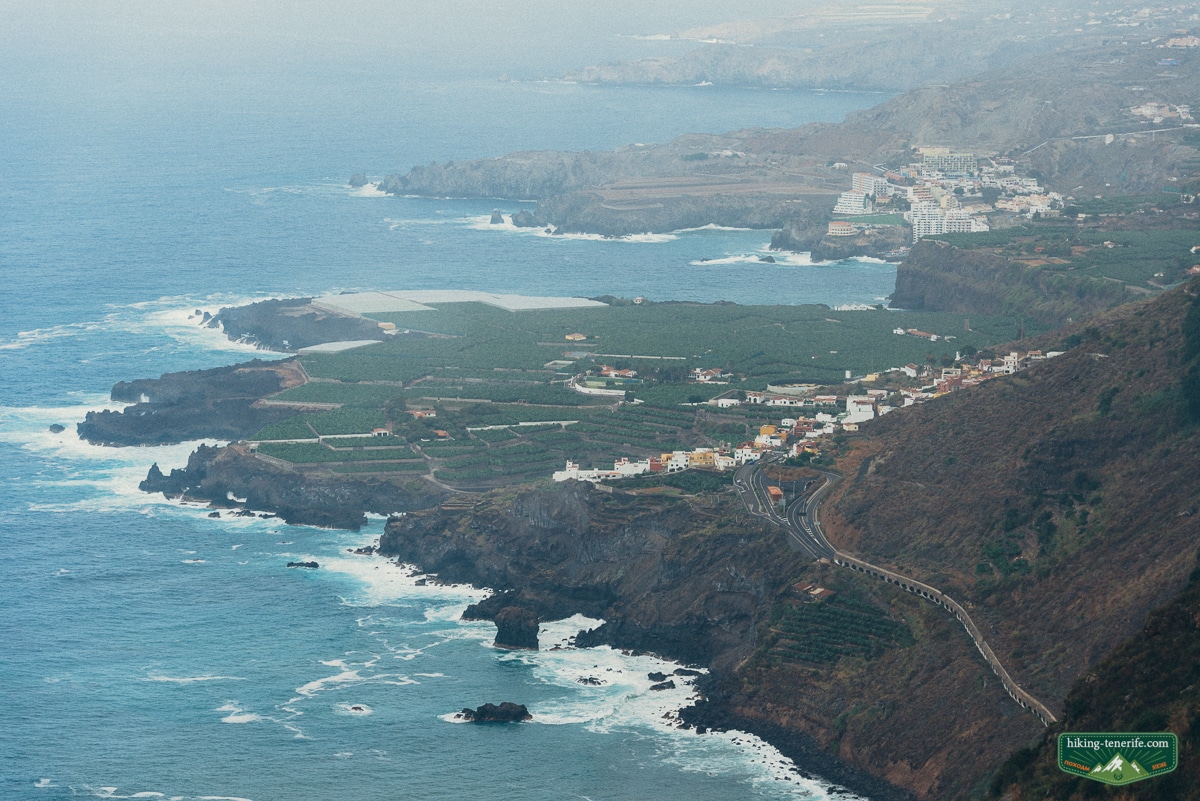
Map note: “North” is not one weather zone, one beach style, or one base. Puerto de la Cruz, La Laguna, Anaga, Santa Cruz, Bajamar, and Garachico can feel like different islands on the same afternoon.
Common mistake: planning Anaga, La Laguna, Puerto, Garachico, Icod, Benijo, and Teide as one casual day. Tenerife looks compact. Roads, lunch, parking, clouds, and patience vote against you.
How Much Time Do You Have In North Tenerife?
Time changes the answer more than the length of your saved-place list. Pick one landscape and one nearby town before adding anything else.
| Time available | Realistic north plan | Do not add |
|---|---|---|
| About 2 hours | One old town, one garden or promenade, or Cruz del Carmen with a short open path. | A second regional zone. |
| Half a day | La Laguna plus nearby Anaga viewpoints, or Puerto de la Cruz plus La Orotava. | Taganana coast or Garachico unless it is already beside your base. |
| Full day | Choose north-east, central north, or north-west and stay inside that route. | Teide, Masca, and another north zone. |
| Rainy or rough-sea day | Use La Laguna, Santa Cruz, La Orotava, or Puerto for culture, gardens, food, and sheltered walking. | Forcing a beach, pool, or exposed trail plan. |
| Two or three days | Give Anaga its own day, then separate the Orotava Valley from the north-west if you prefer slow travel. | Changing hotels only to save a short drive. |
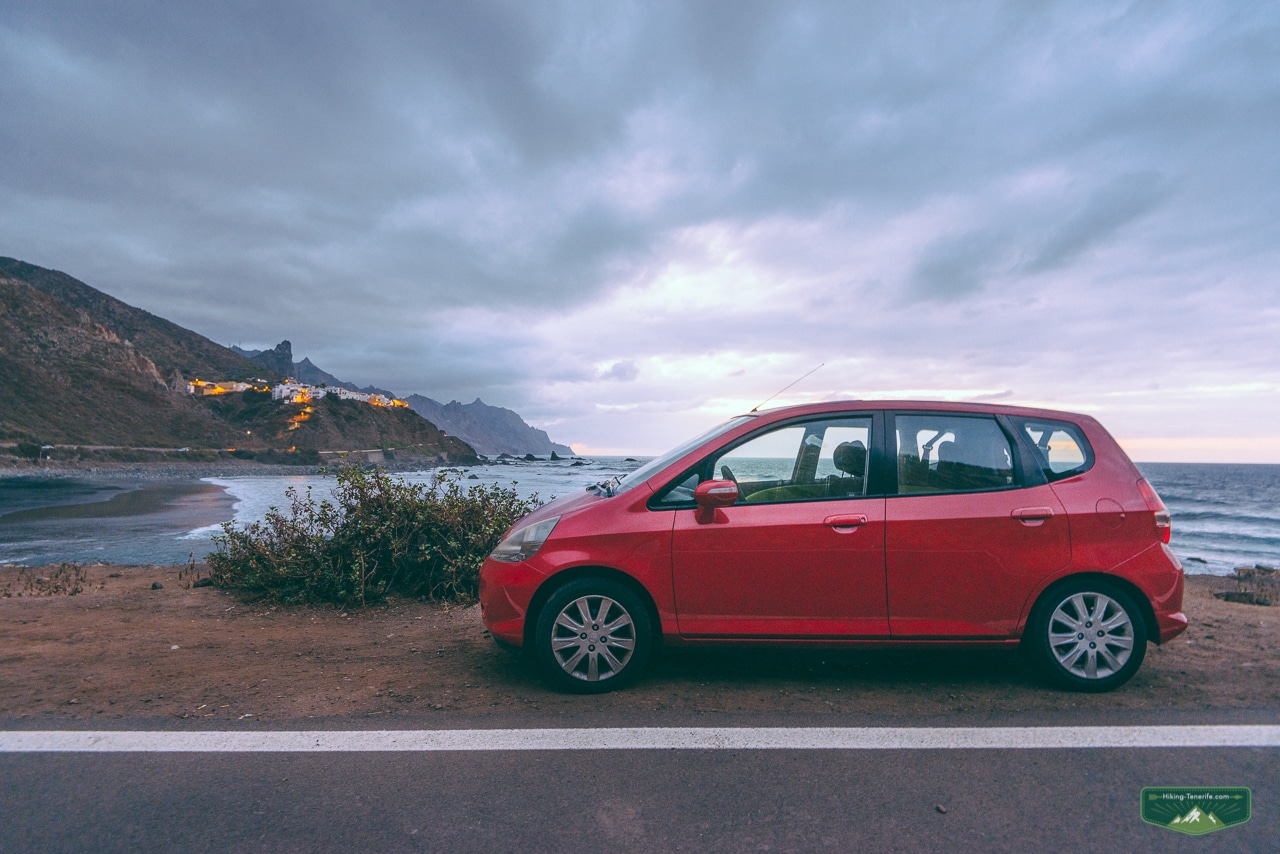
Plan like this: Taganana and the Anaga coast are a winding-road branch, not a quick extension to La Laguna. A full coast loop needs weather, parking, daylight, and enough energy for the return road.
The Best Things To Do In North Tenerife
The best north Tenerife days are not built from a random list. They are built from a base, a road, and a weather decision.
Use this list as a planning map, not a trophy cabinet. A good north day with four places done properly beats eight famous stops performed through a car window.
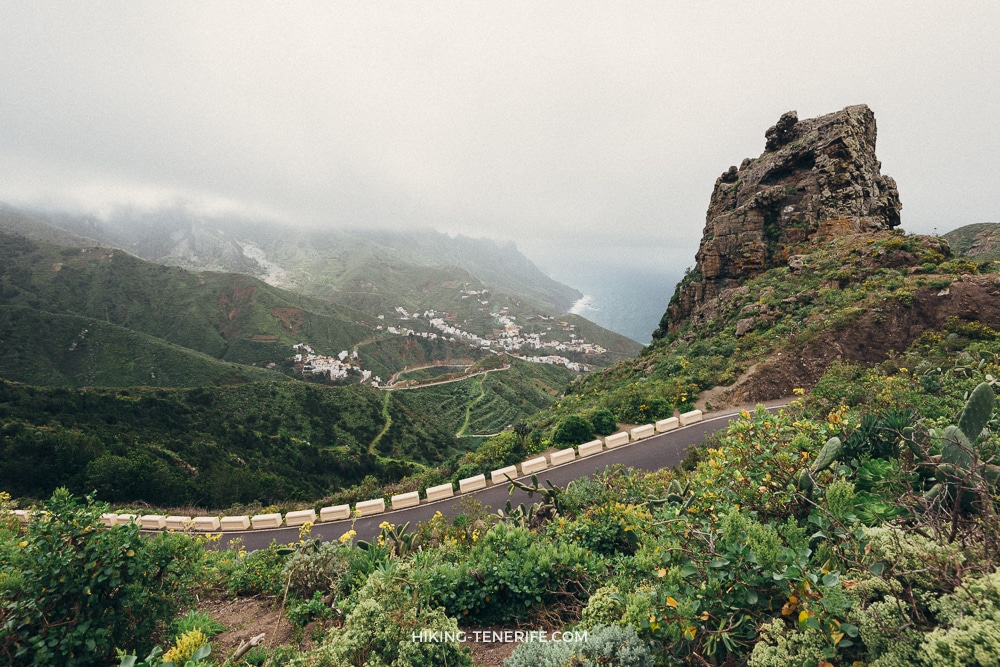
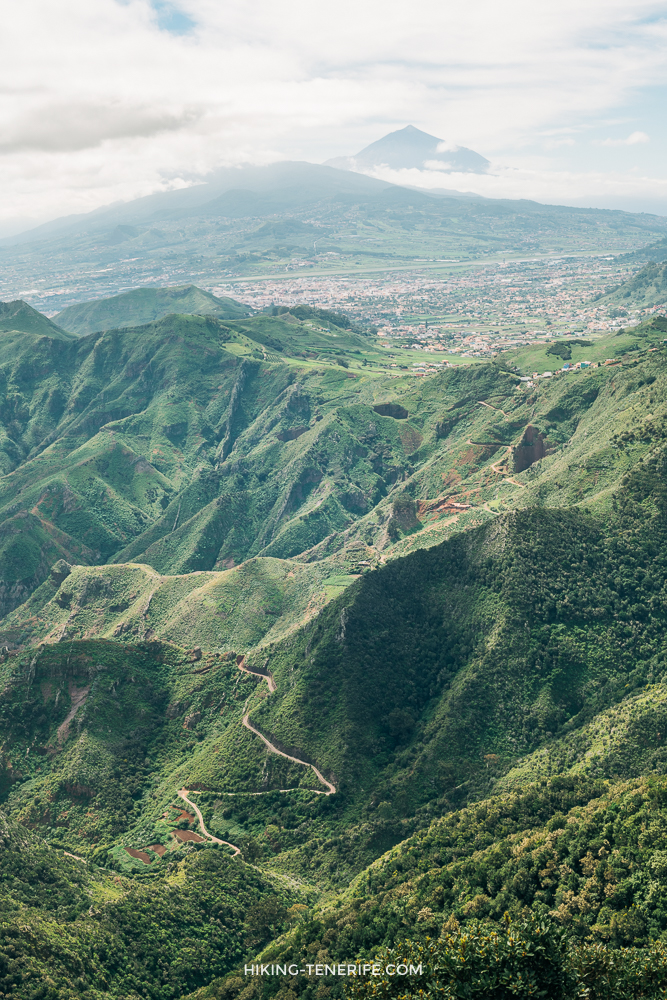
- Anaga Rural Park: laurel forest, mist, ridges, viewpoints, Taganana and Benijo road drama, and the best “Tenerife is not only beaches” lesson.
- La Laguna: old streets, patios, cafes, tram access, museums, students, and a cooler mountain-city mood.
- Puerto de la Cruz: the easiest north base, with gardens, black-sand beaches, old resort history, restaurants, and day-trip access.
- La Orotava: steep old streets, wooden balconies, gardens, valley views, and one of the best bad-weather town saves.
- Garachico: volcanic history, old streets, El Caleton natural pools, and a slower north-west rhythm.
- Icod de los Vinos: the dragon tree, wine, small streets, and a useful stop between Puerto and Garachico.
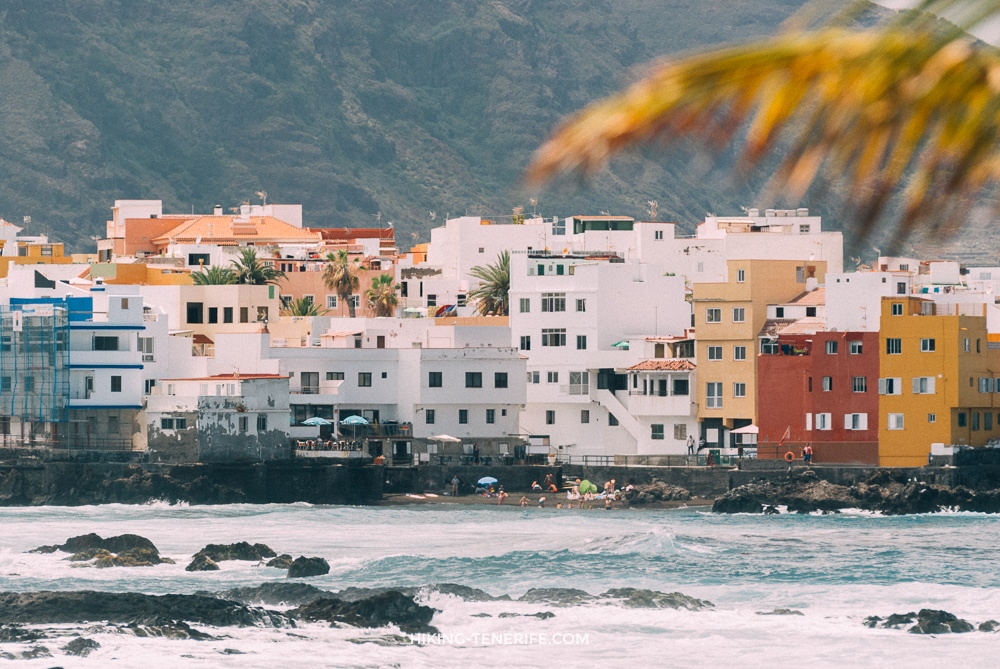
- Bajamar and Punta del Hidalgo: sea pools, surf mood, Anaga edges, promenades, and spectacular Atlantic water when it is too rough to enter.
- Las Teresitas: the practical golden-sand beach near Santa Cruz, especially useful for families or no-car visitors from the capital.
Group the north before you drive: use my free Tenerife map to keep towns, viewpoints, food stops, and coast on one realistic route.
Anaga: The Green Reason To Go North
Anaga is the place that changes many visitors’ idea of Tenerife.
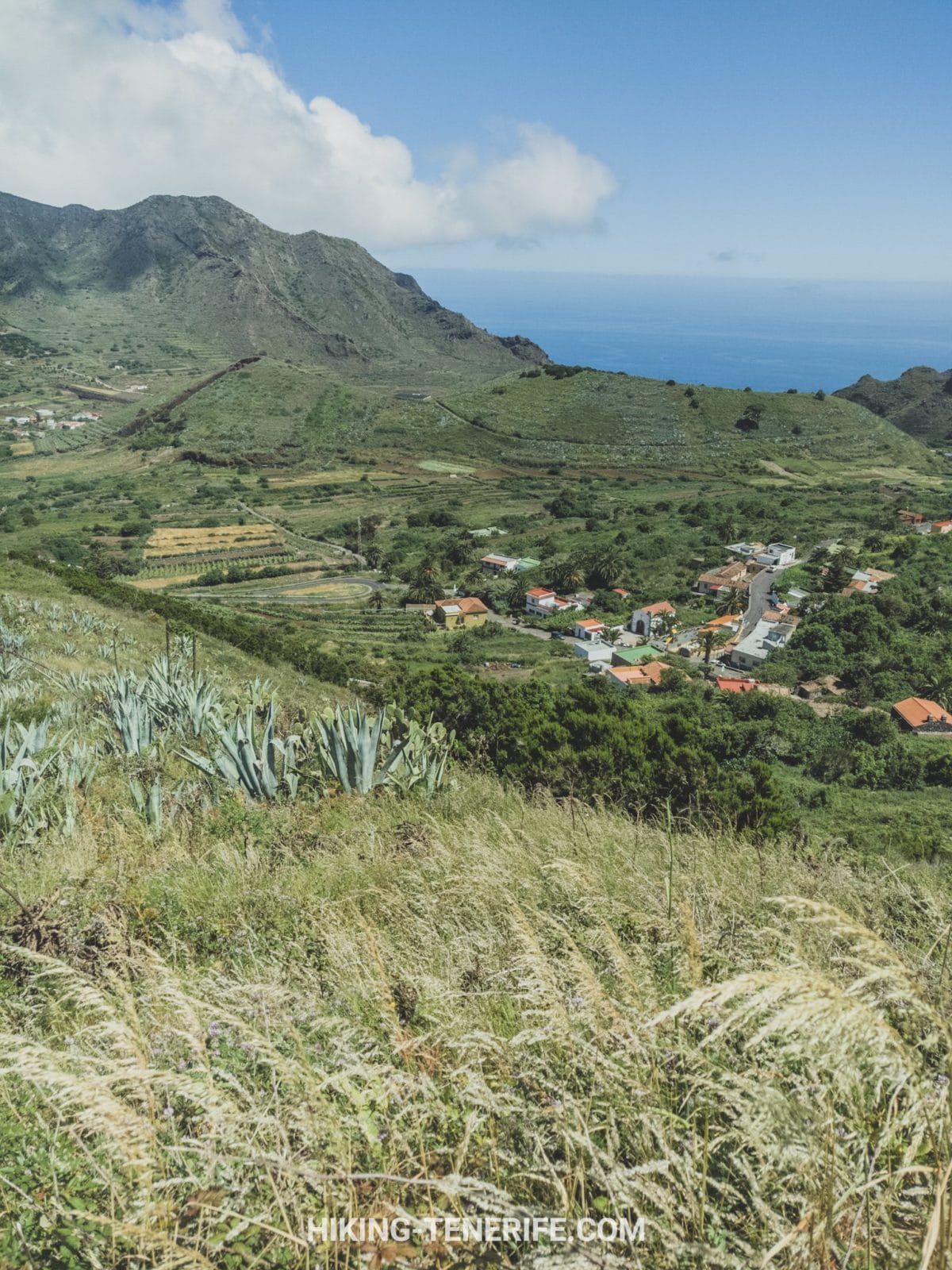
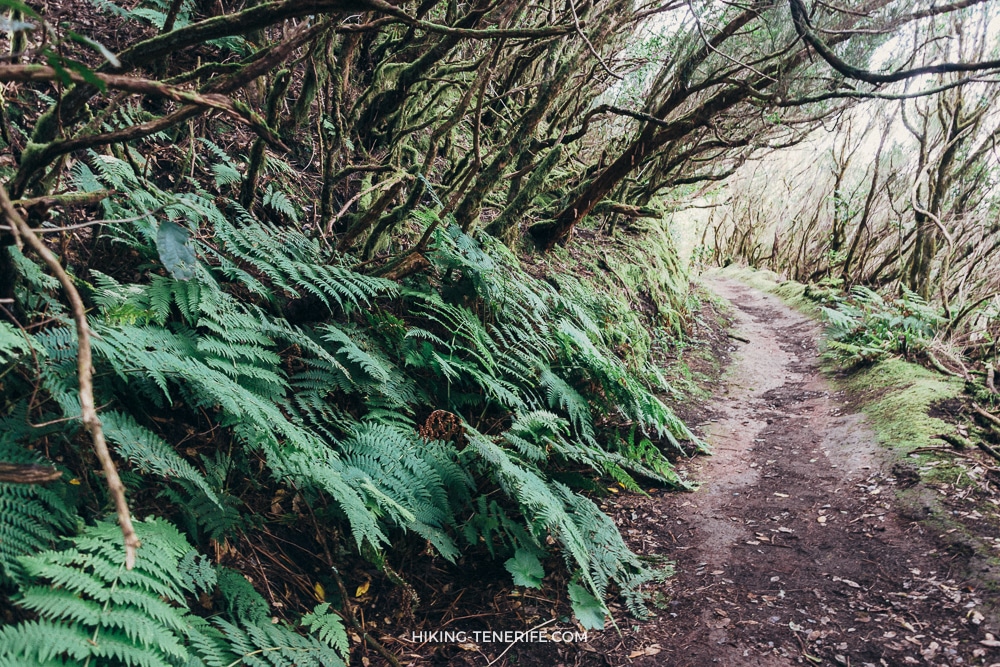
One minute the island is beaches and resorts; the next it is laurel forest, ravines, wet leaves, old paths, and ridges dropping into the Atlantic.
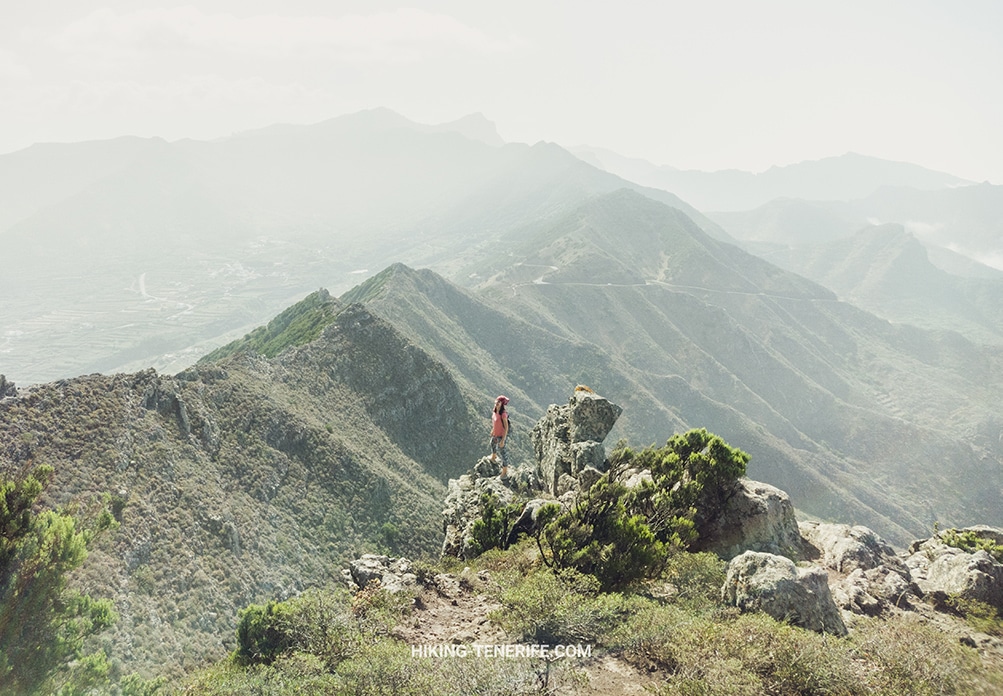
If you only have one north Tenerife nature day, Anaga is usually the answer. The easiest version is La Laguna plus Cruz del Carmen, a viewpoint, a short forest walk, and a simple food stop.
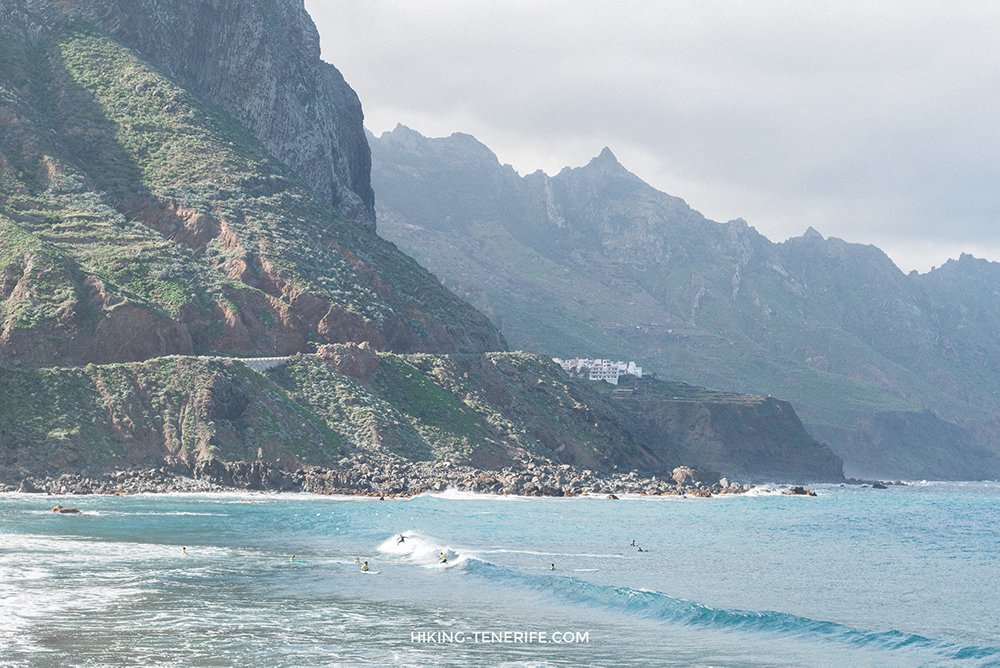
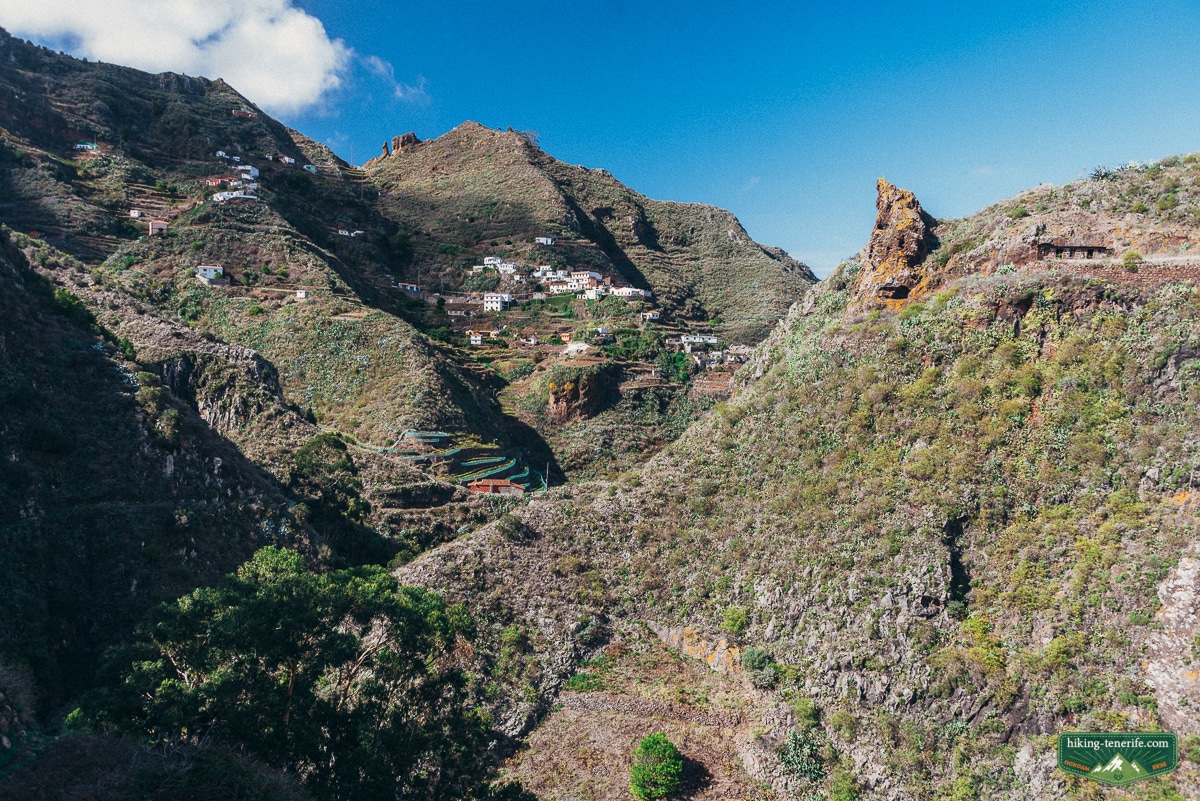
For a stronger day, add Taganana, Roque de las Bodegas, Almaciga, or Benijo, but do not treat the road like a quick detour.
It is bendy, slow, beautiful, and much less funny if someone in the car dislikes mountain roads.
Benijo is famous for a reason, especially at low light, but it is not an easy family swimming beach and it is not a “park anywhere, walk five minutes, done” beach day.
The stairs, tide, waves, and parking all matter.
Anaga rule: check forecast and access before you go. Stay on marked paths. Do not walk closed or muddy trails for a better photo. The forest is beautiful because it is fragile.
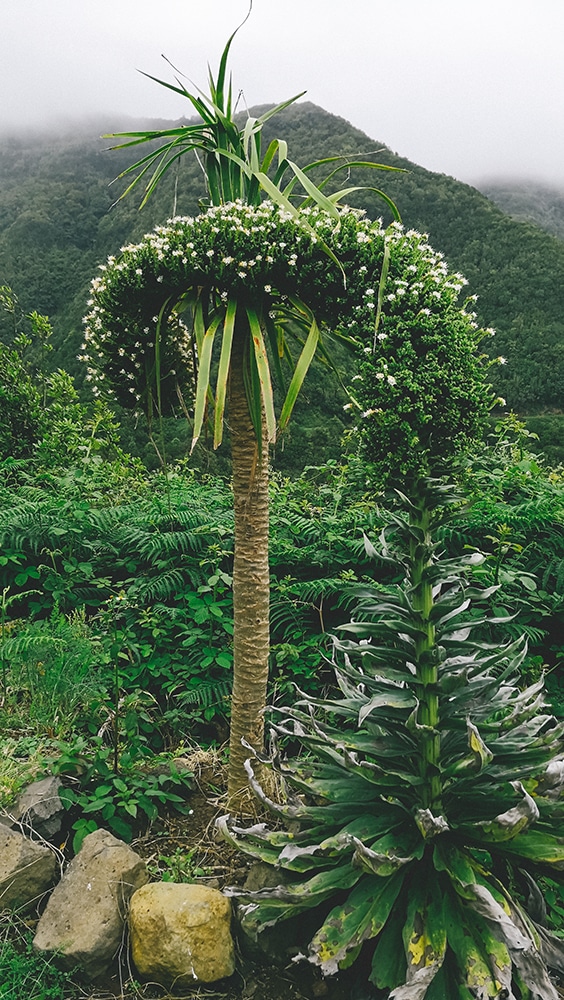
Who Should Do Anaga?
Do Anaga if you like forest, viewpoints, road trips, hiking, photography, moody weather, and the feeling of being far from the resort strip.
It is one of the best things to do in North Tenerife for couples and active travellers.
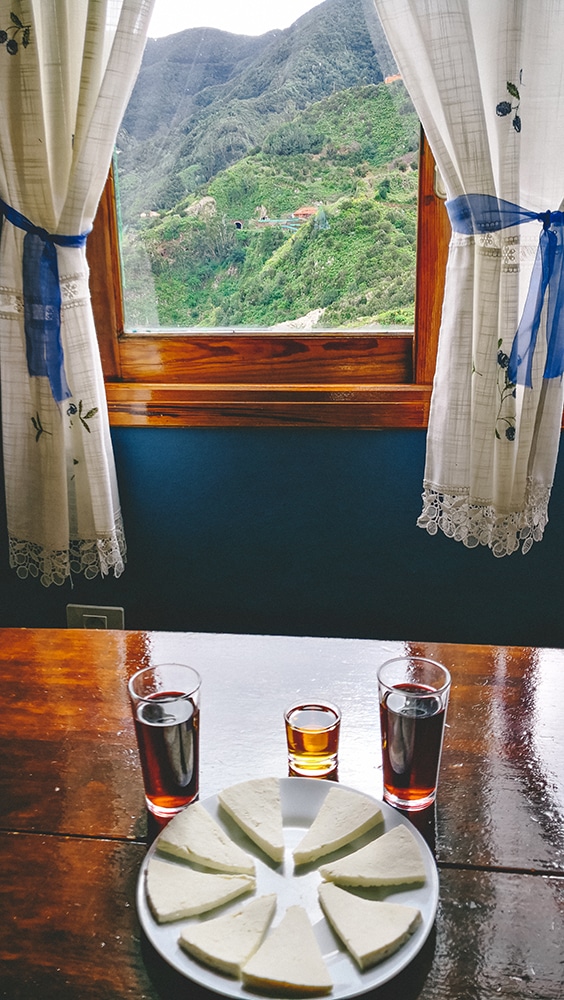
Be careful with Anaga if you have toddlers, nervous passengers, limited mobility, or only one free afternoon from Costa Adeje. You can still see a small part, but the heroic version may not be your friend.
La Laguna: The Old Town You Should Not Rush
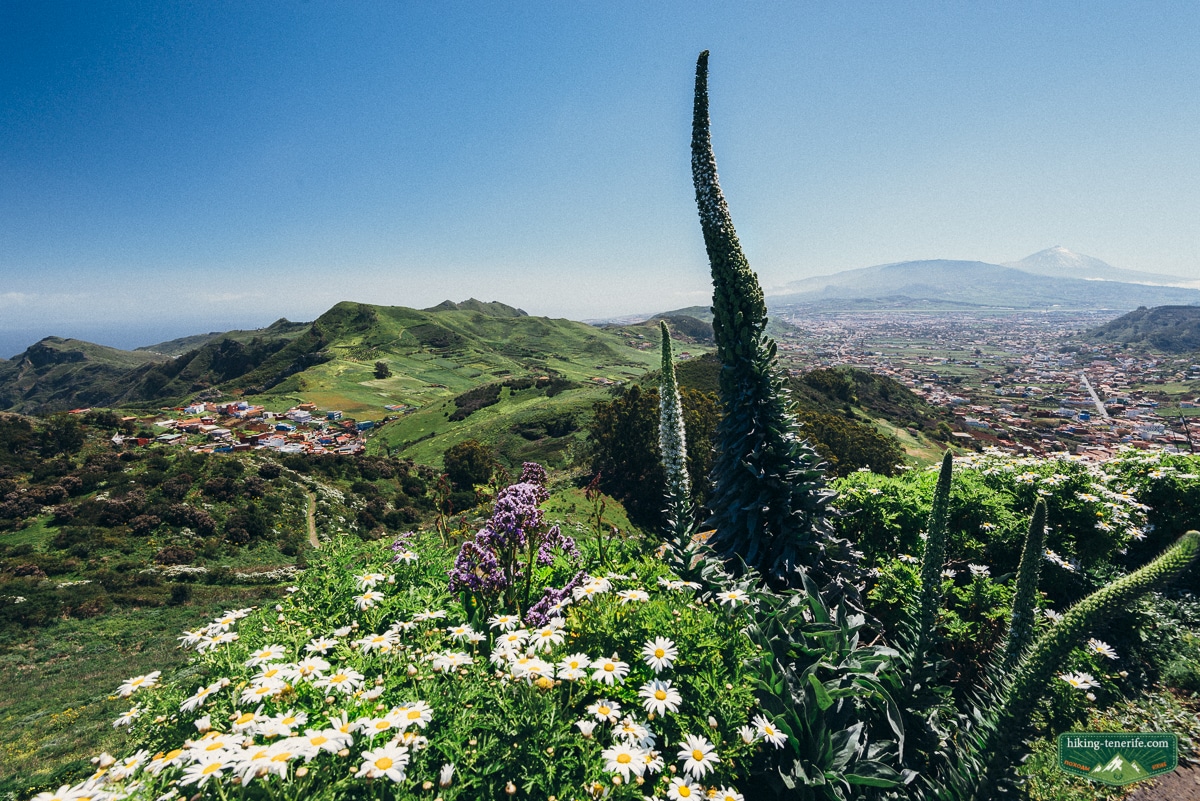
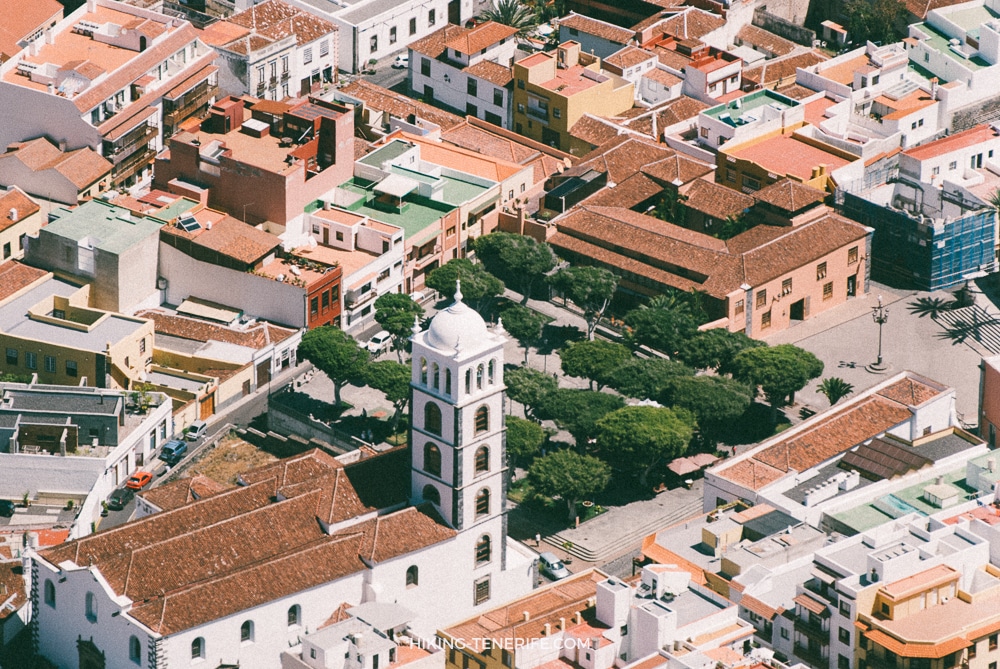
San Cristobal de La Laguna is the old-town heart of the north-east. It is cooler, flatter than La Orotava, walkable, full of cafes, and much better slowly than as a 20-minute photo stop.
Come here for streets, patios, churches, student life, museums, coffee, bookstores, and a city mood that feels more Canarian than holiday-resort.
It is also one of the best no-car north Tenerife options because the tram connects it with Santa Cruz.
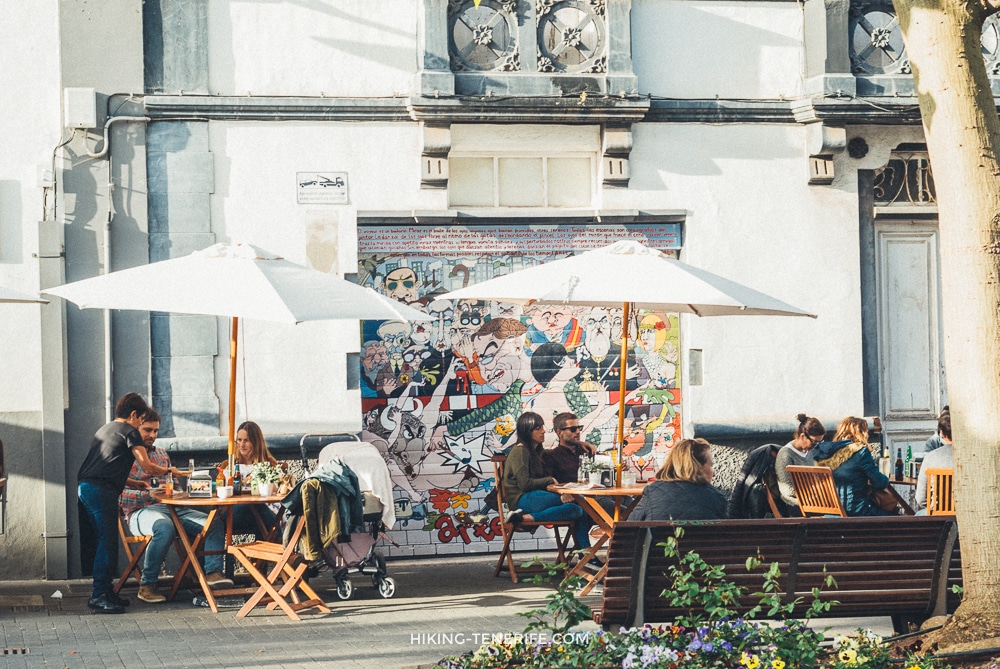
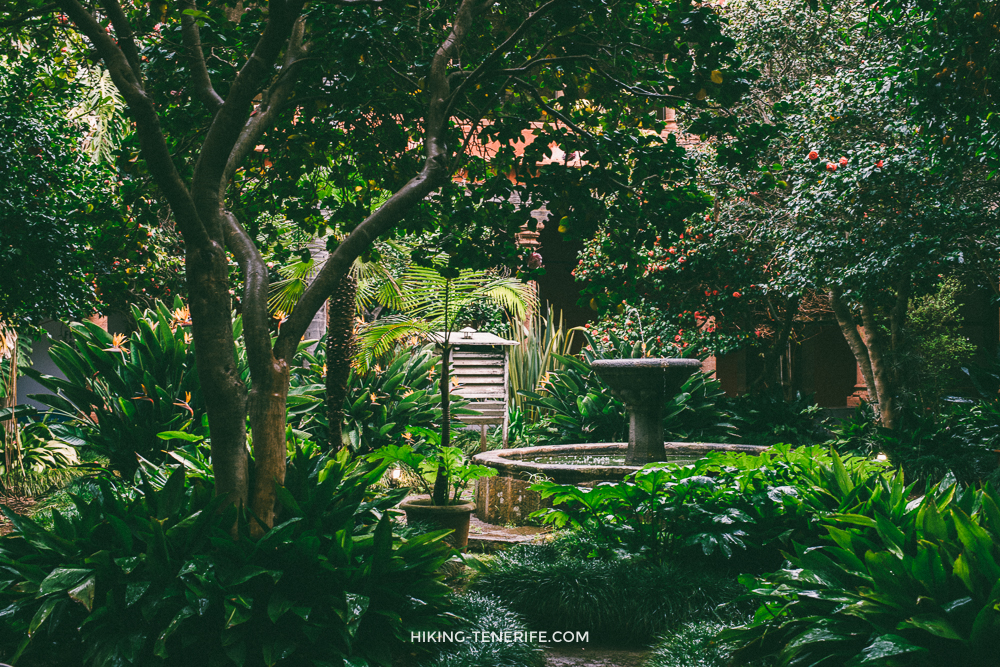
Base tip: La Laguna can feel damp and cool when the coast is warm, and it has no beach. Visit it for most trips. Sleep there only if you want culture and Anaga access more than resort ease.
Good combination: La Laguna in the morning, Cruz del Carmen or another easy Anaga stop in the afternoon, then back before the forest road feels like a night-driving exam.

Puerto De La Cruz: The Easiest North Tenerife Base
If someone says they want to stay in North Tenerife and asks for the safest first answer, I usually start with Puerto de la Cruz.
It has hotels, apartments, restaurants, old streets, gardens, promenades, buses, black-sand beaches, and enough evening life to avoid feeling stranded.
Local detail: Puerto is not a polished south-coast resort. That is exactly the point. It has older tourism bones, local life, steep streets, greenery, waves, and a retro Atlantic mood.
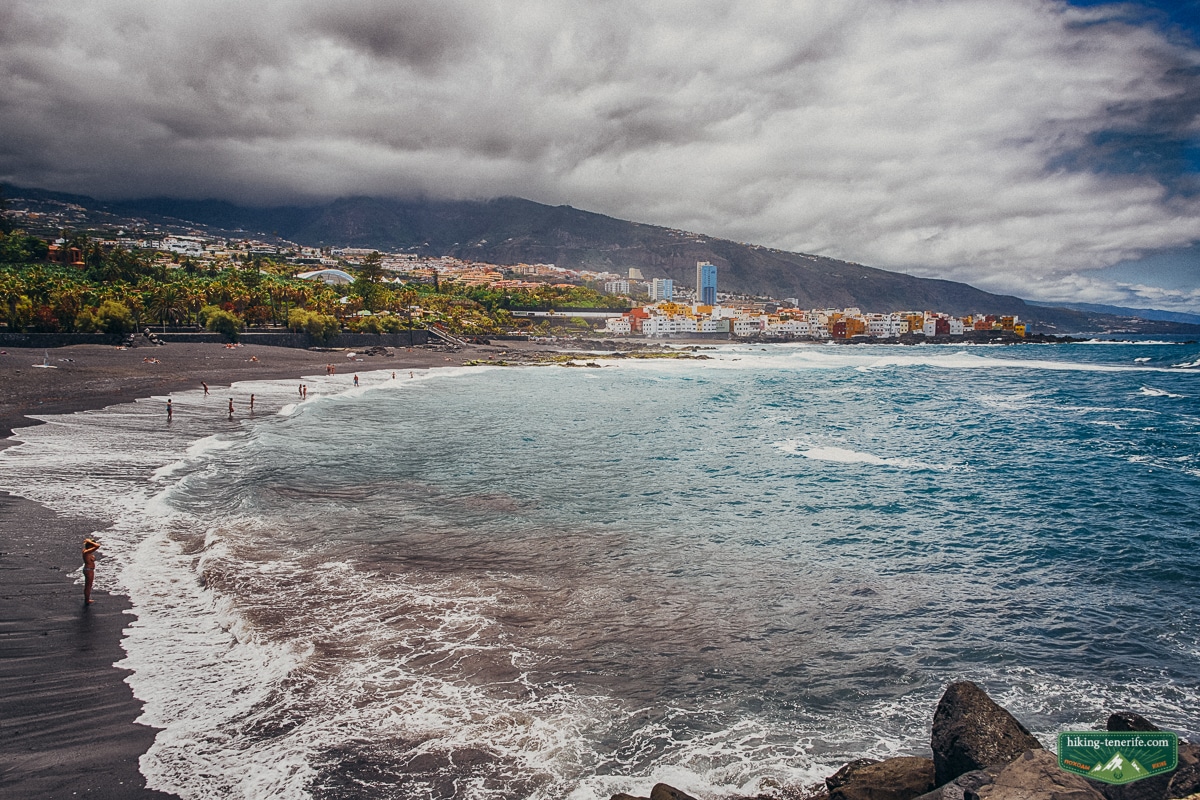
Use Puerto for Playa Jardin, Lago Martianez, botanical gardens, a harbour walk, easy restaurant nights, and day trips to La Orotava, Icod, Garachico, or even Anaga if you plan the road properly.

For families, Puerto can work very well if you want more than a hotel pool.
Just remember that north-coast beaches are not always easy swimming beaches, and an apartment up the hill can become a daily calf workout disguised as charm.
Puerto verdict: best north base for most first-time visitors who want character but still need restaurants, transport, accommodation choice, and a plan B when the weather gets moody.
Santa Cruz And Las Teresitas: Practical North-East Tenerife
Santa Cruz is not a classic holiday resort. It is a real city: shopping, traffic, offices, museums, concerts, Carnival, markets, and people doing errands who did not consult your travel itinerary.
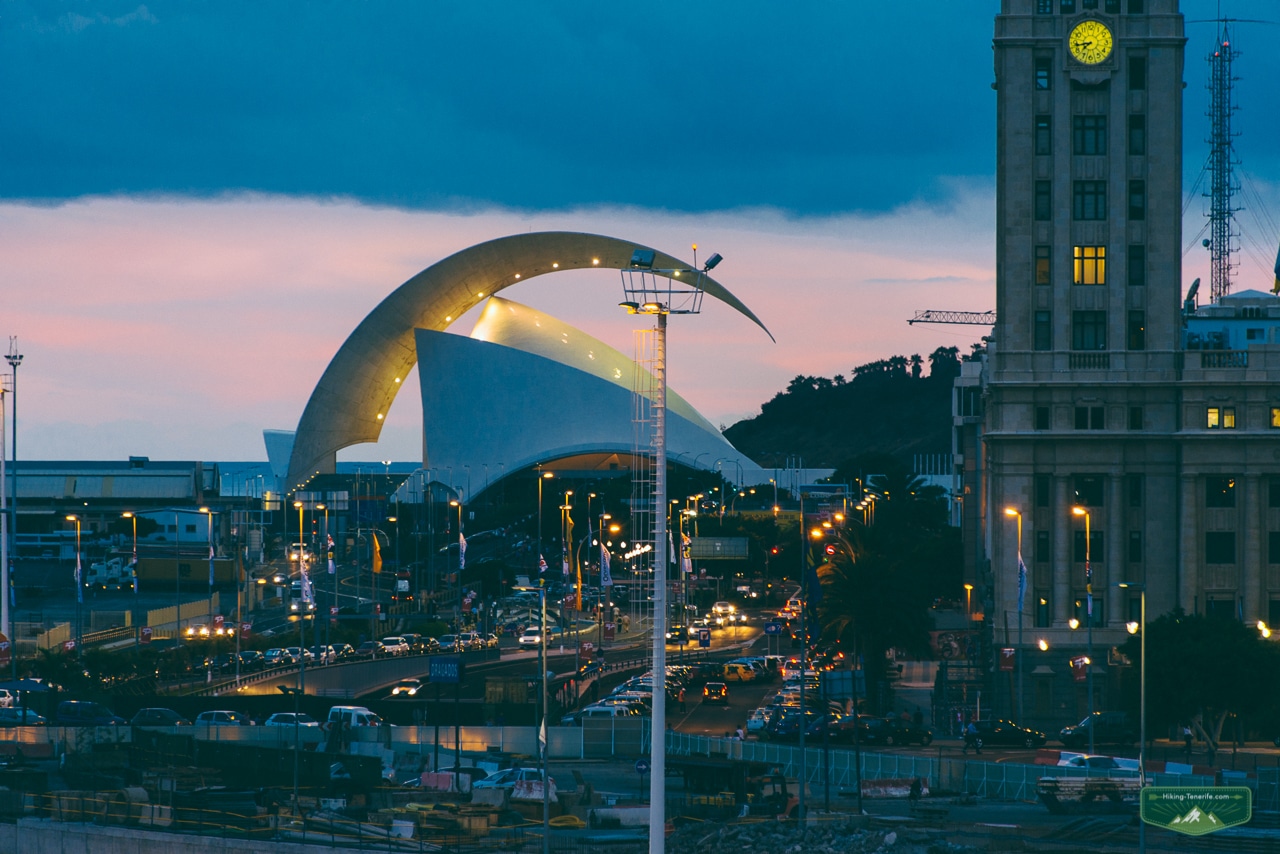
That can be useful. Santa Cruz works for a city day, a rainy or windy fallback, the tram to La Laguna, buses, museums, and the golden-sand beach of Las Teresitas just beyond the city.
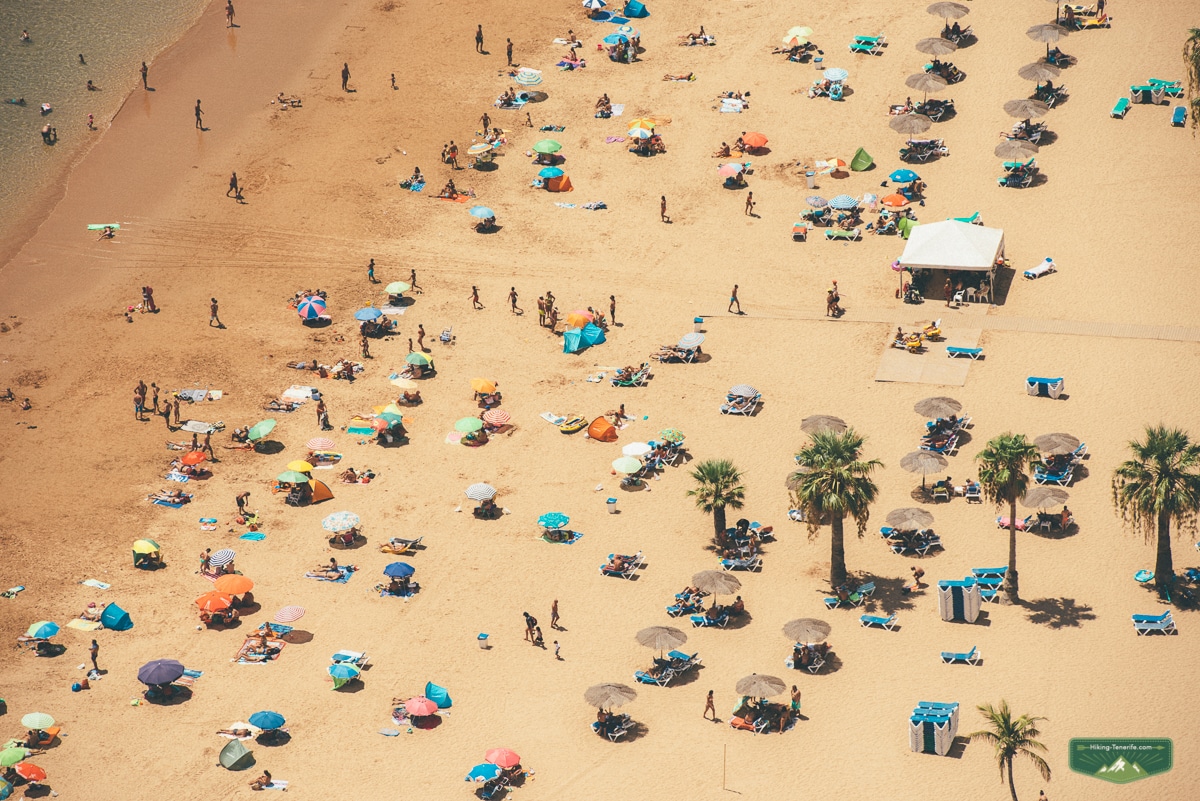
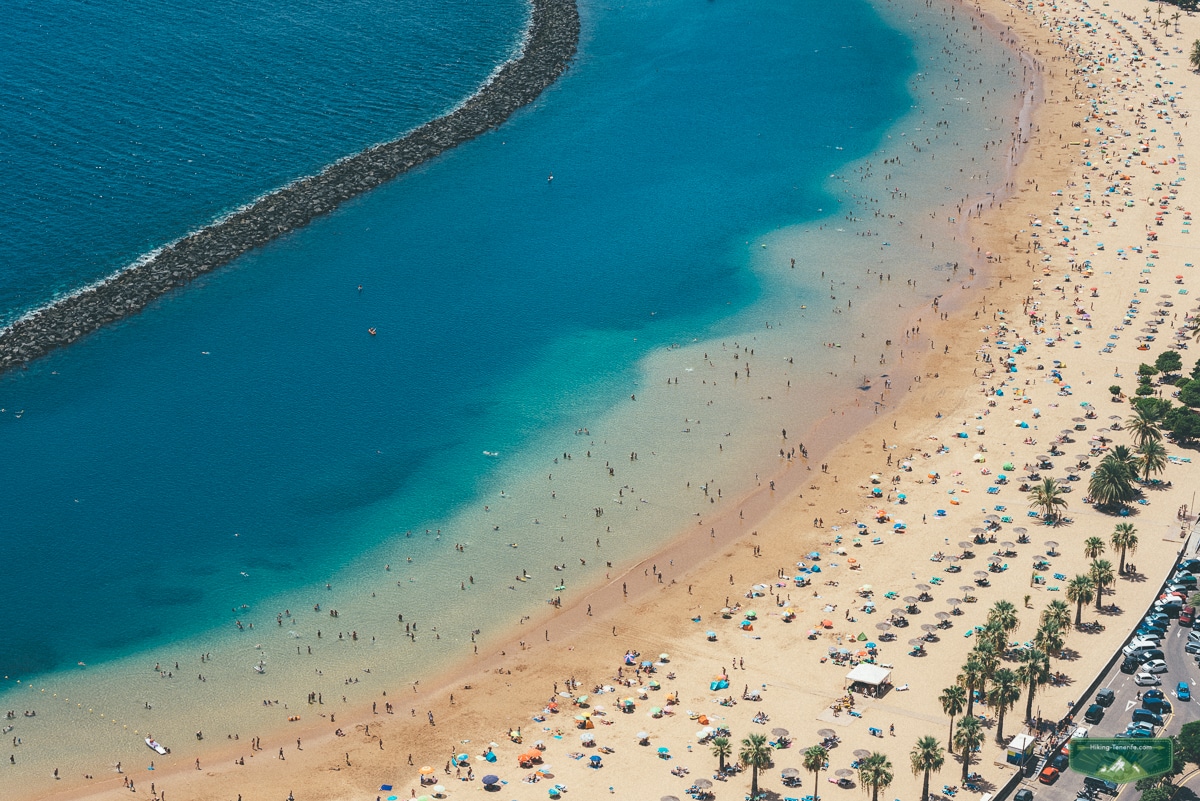
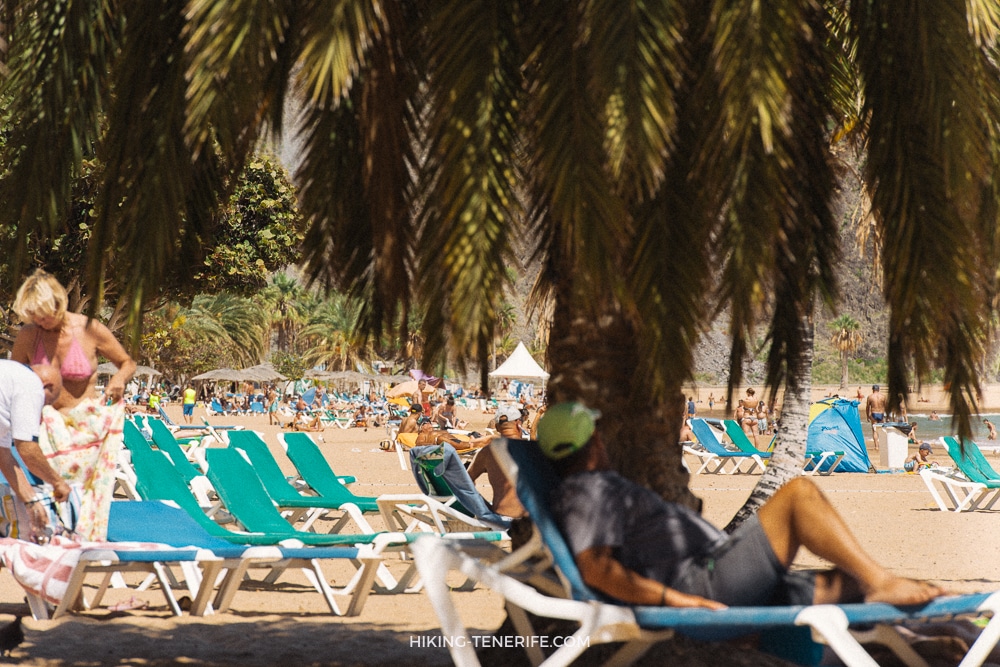
Las Teresitas is one of the easiest beach answers in the north-east: sand, palms, food nearby, and calmer water than most wild black-sand beaches.
It can be busy, but for families and no-car visitors from Santa Cruz, practical often beats dramatic.
Would I choose Santa Cruz as a first Tenerife holiday base? Usually no, unless the visitor wants city life, events, transport, or a short split stay. Would I include it in a North Tenerife article?
Absolutely, because it solves problems that pretty villages do not.
La Orotava: The Town That Saves Cloudy Days
La Orotava is one of the best old-town stops in North Tenerife.
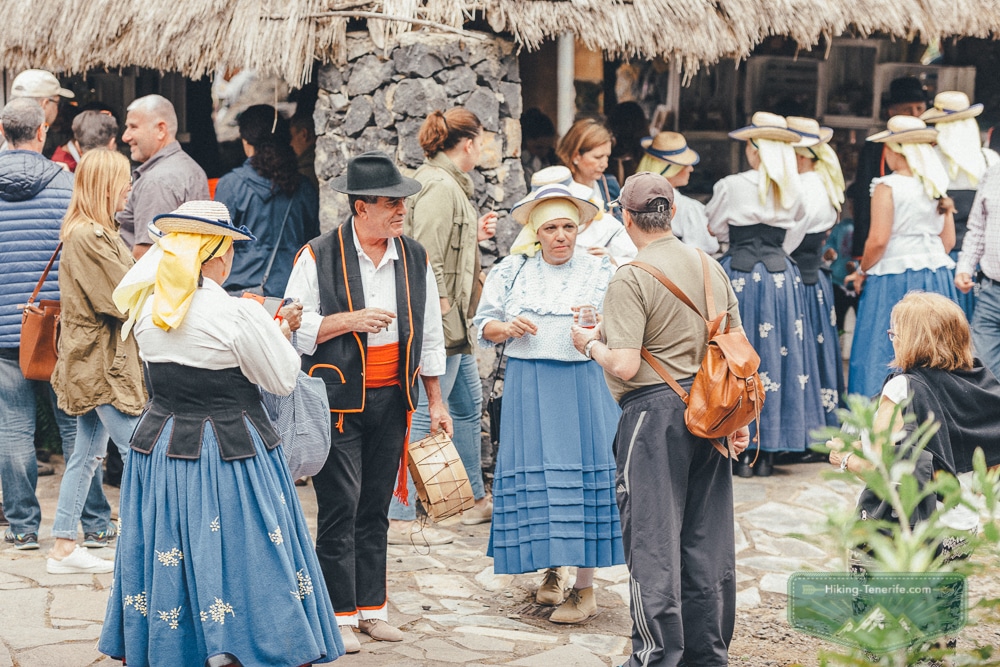
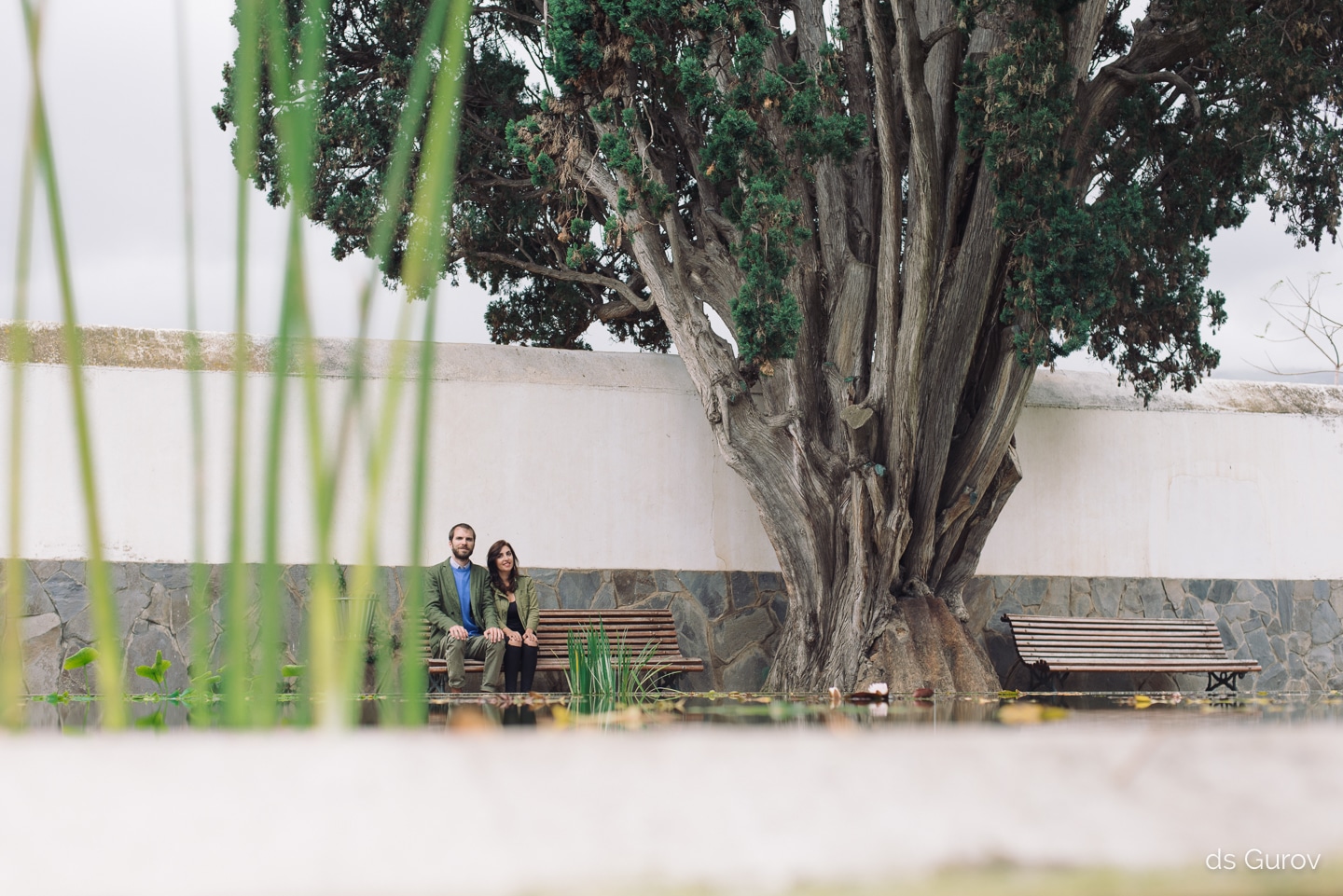
It has steep streets, traditional houses, wooden balconies, gardens, valley views, churches, and enough atmosphere to make a grey sky feel intentional.
It is especially useful if you are staying in Puerto de la Cruz and the beach is not cooperating.
Instead of sulking at the waves, go uphill, walk slowly, drink coffee, and let the north do what the north does well.
The catch is hills and parking. La Orotava is not difficult, but it is not a flat resort promenade.
Wear shoes that accept cobbles and choose a sensible parking plan before you start circling tiny streets with great confidence and no space.
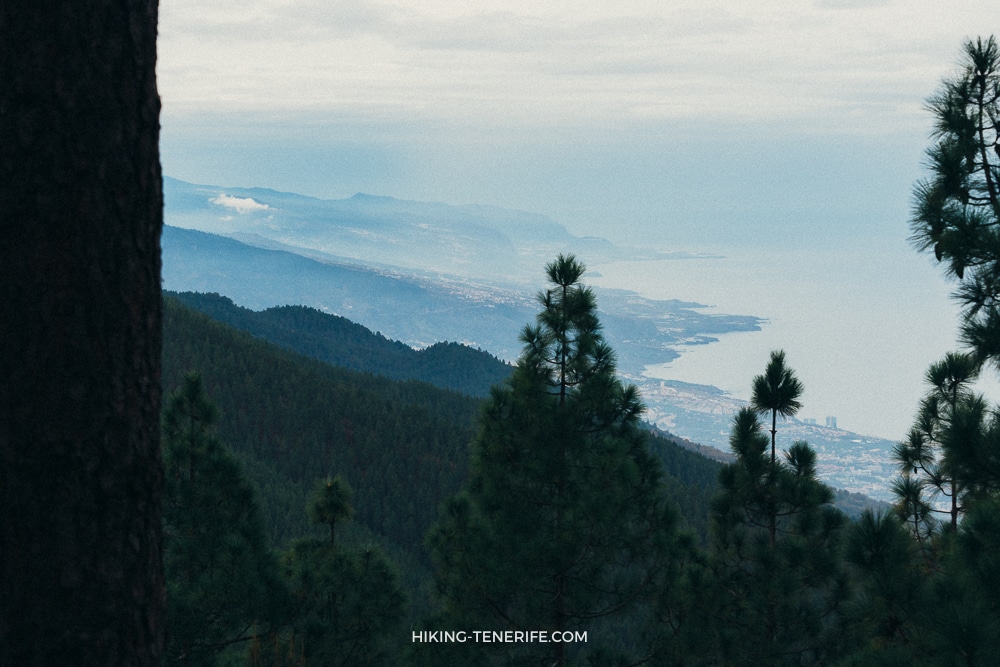
Good combination: Puerto de la Cruz, La Orotava, and Icod or Garachico can make a strong north-west day if you do not also try to add Anaga. Different side, different road logic.
Garachico And Icod: North-West Without Rushing
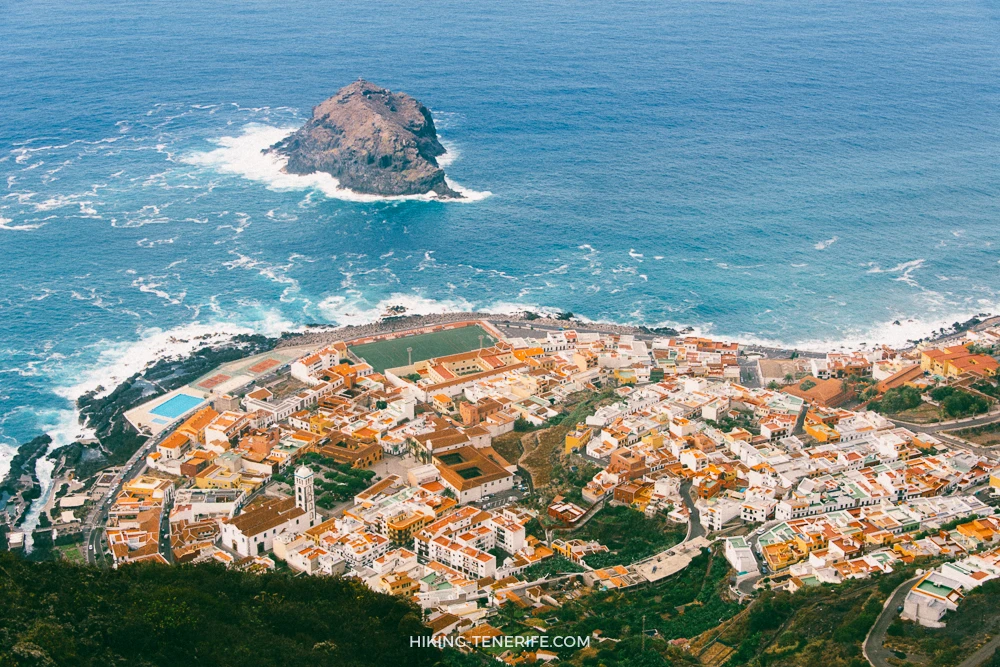
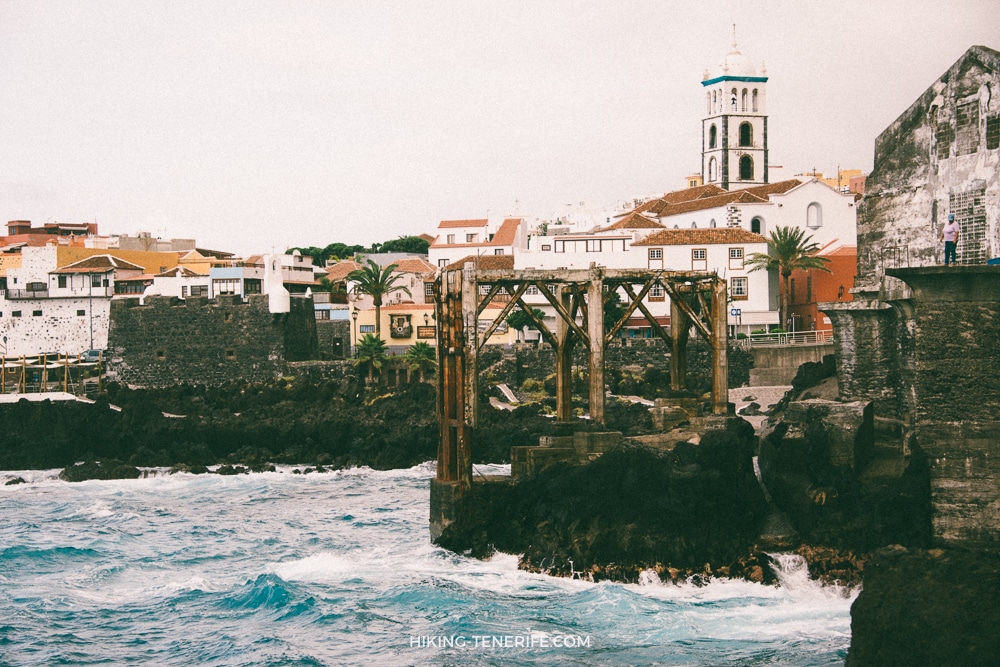
Garachico is one of the most beautiful town stops in North Tenerife, with old streets, volcanic history, a compact centre, and the famous El Caleton natural pools.
It is the kind of place that becomes worse if you sprint through it.
Come for a slow walk, the waterfront, old houses, lunch, and the story of a town reshaped by lava. If the sea is calm, the pools can be a bonus.
If the sea is rough, they are something to admire from dry land with your good sense intact.
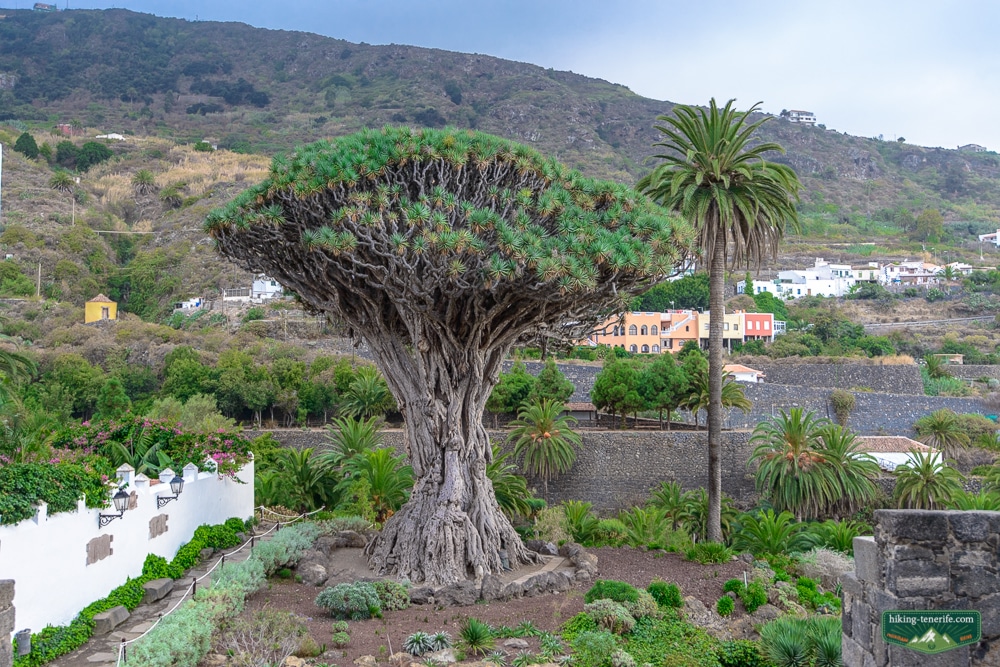
Icod de los Vinos is the natural companion stop.
The dragon tree is famous, yes. The better version is a short old-town walk, a wine or food pause, and an honest decision: continue to Garachico or return before everyone becomes tired.
Route mistake: mixing Garachico, Icod, La Orotava, Puerto, Anaga, and Benijo into one north day. Garachico is north-west. Anaga is north-east. The island lets you confuse them, then charges you in road time.
Bajamar, Punta Del Hidalgo, And The Atlantic Reality
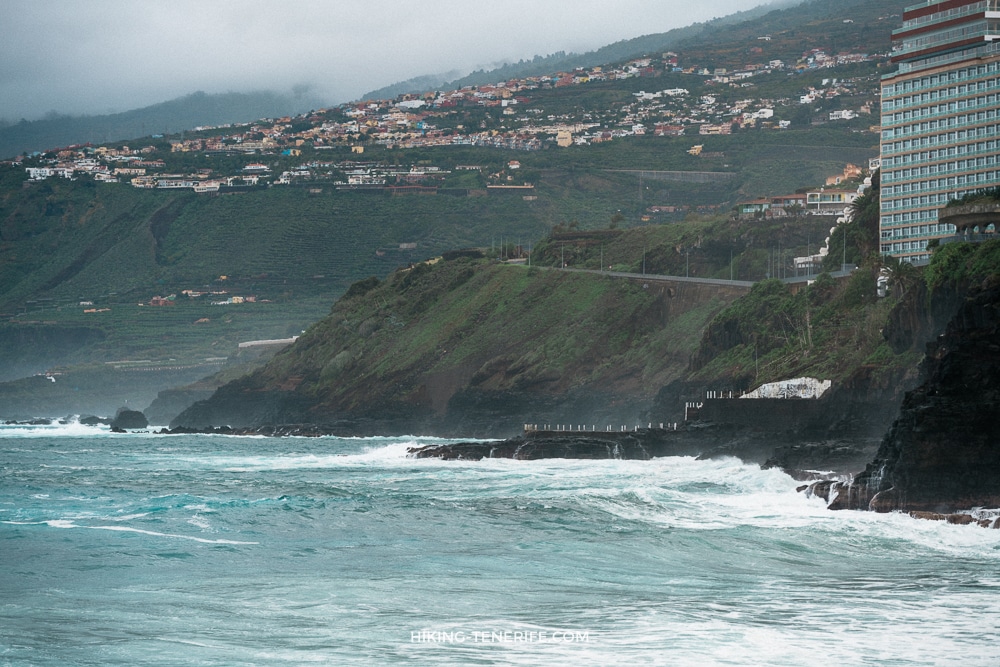
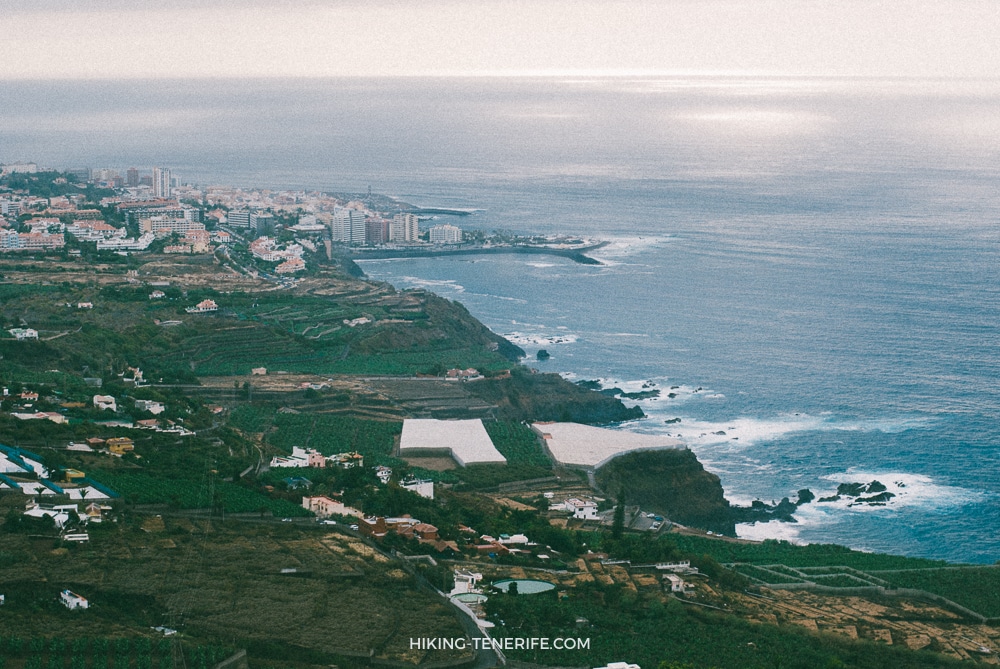
Bajamar and Punta del Hidalgo sit on the north-east edge where the ocean feels close, loud, and sometimes very serious.
They are great for sea pools, promenades, surf mood, sunsets, Anaga access, and watching waves do things that make swimming look like a poor negotiation.
These places are useful because they show the north coast honestly. It is not only pretty towns and green hills.
It is Atlantic energy, wind, spray, slippery edges, and days when the correct activity is watching the water from outside the water.
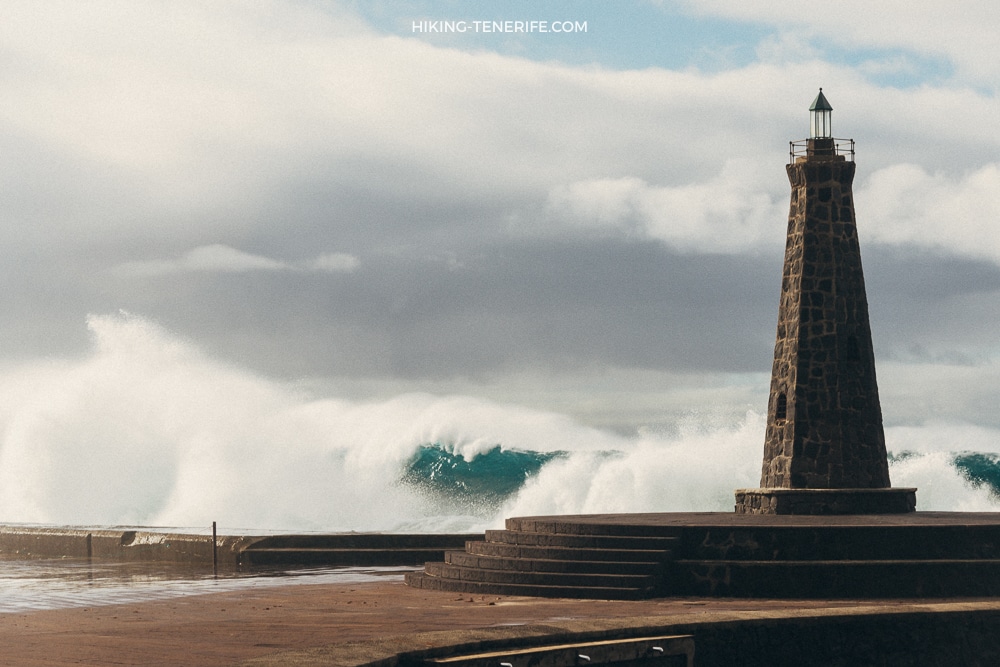
On calm days, the pools can be excellent. On rough days, stay back.
The fact that someone else entered the water does not make the Atlantic safe; it only proves that confidence and wisdom are not the same thing.
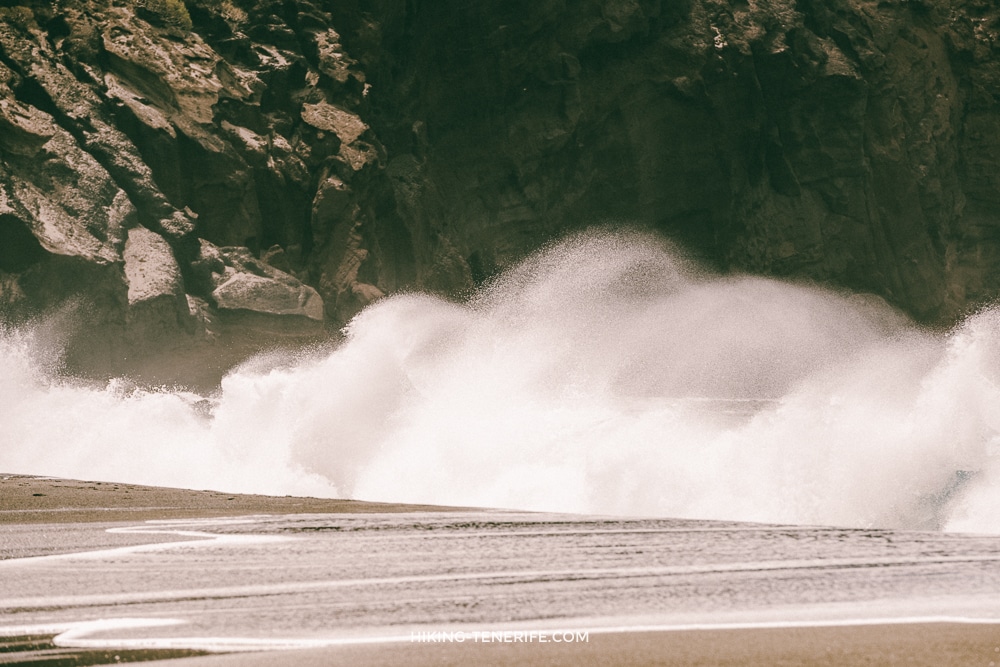
Sea rule: treat north Tenerife natural pools as conditional. Check flags, swell, warnings, access, and the actual water in front of you. Do not enter because an old blog or pretty reel told you to.
Black-Sand Beaches: Beautiful Does Not Mean Easy
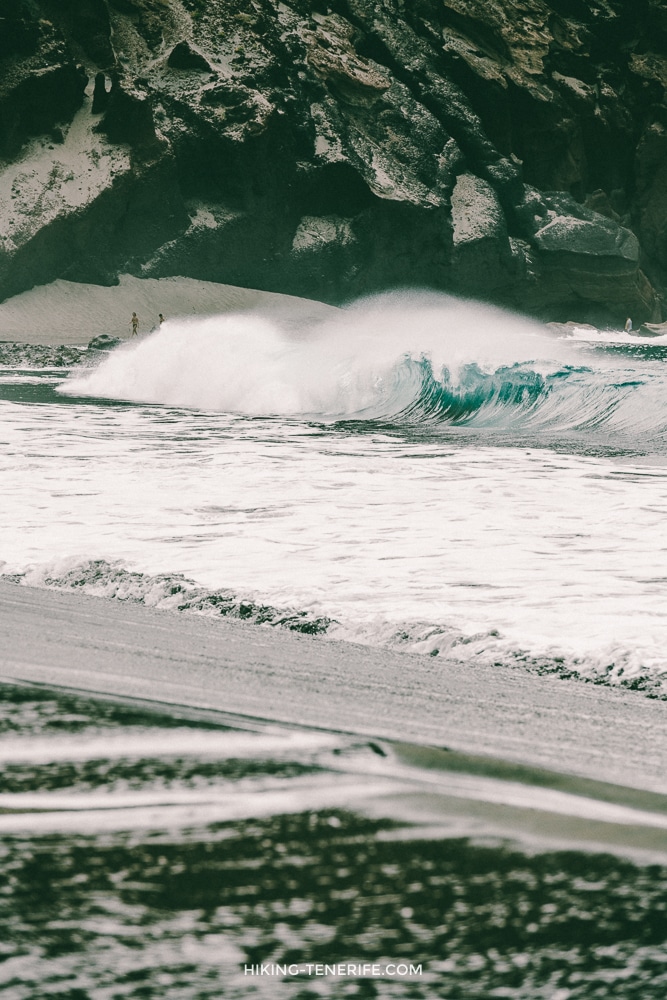
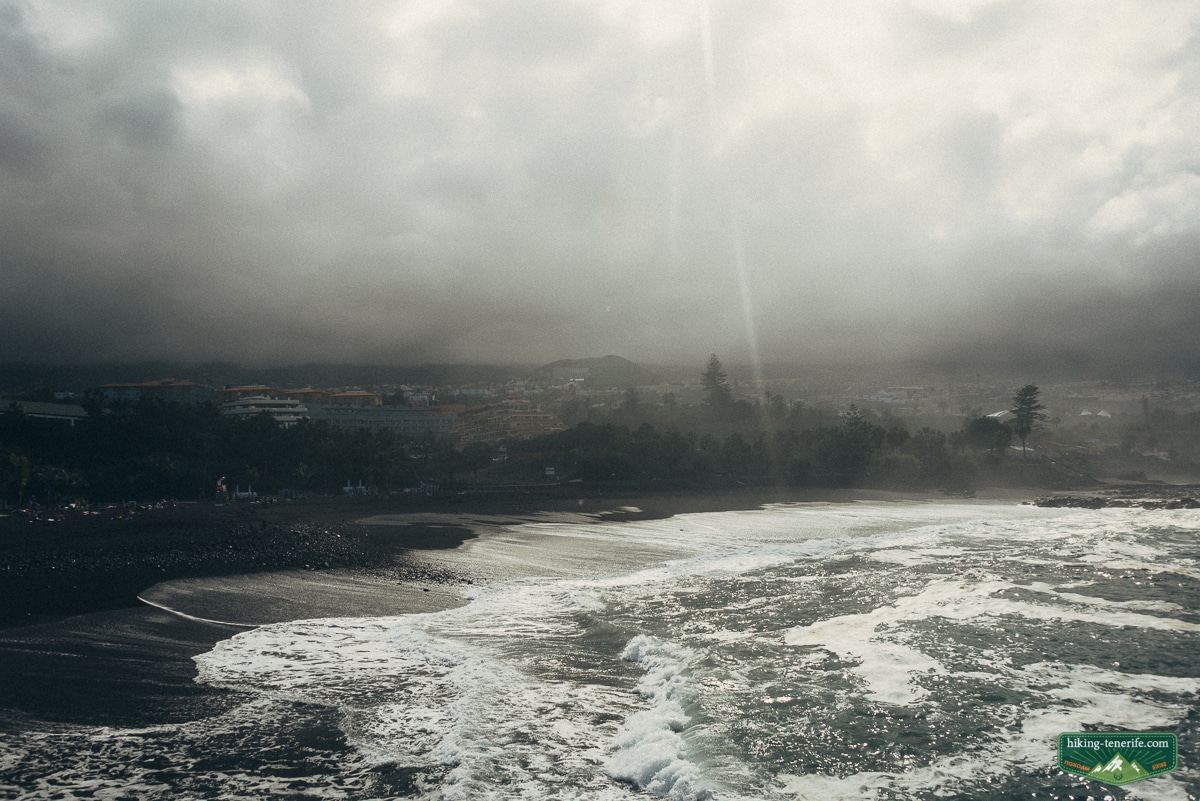
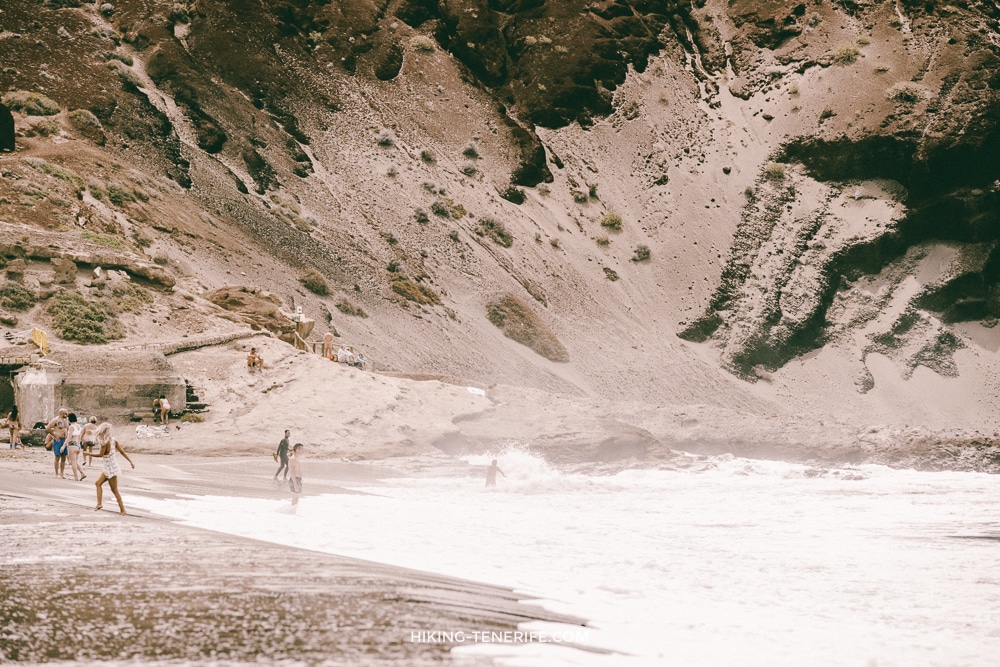
North Tenerife has some of the island’s most dramatic beaches: Playa Jardin, El Bollullo, El Socorro, Benijo, Almaciga, Las Gaviotas, and smaller coves that look wonderful in photos.
Many of them are black-sand or volcanic beaches with stronger Atlantic conditions than a visitor expects.
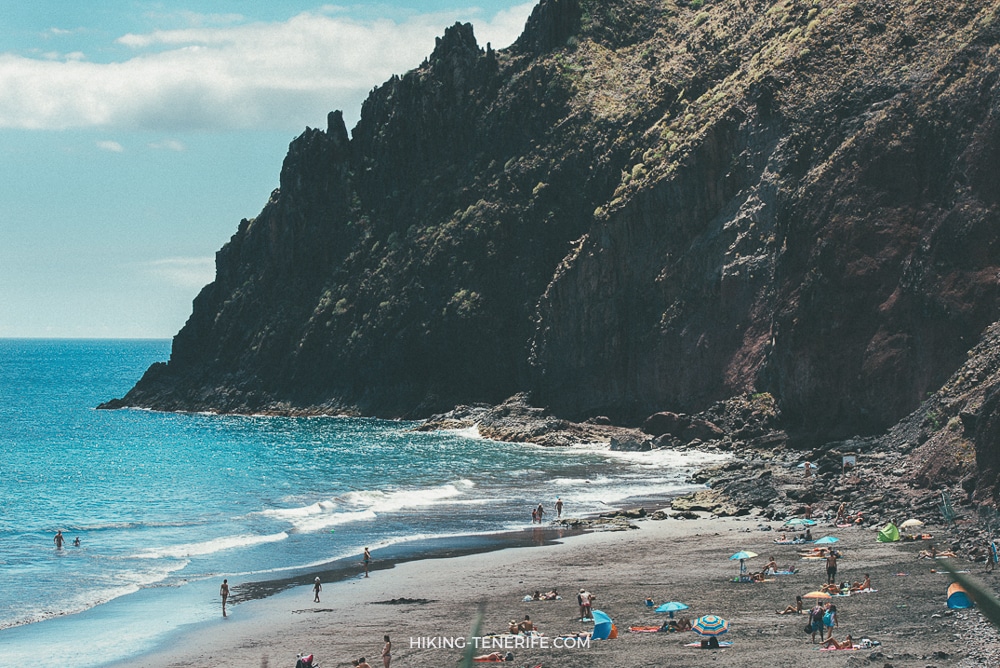
Use these beaches for scenery, walking, photography, surfing where appropriate, and swimming only when conditions are safe.
My Tenerife beaches guide compares beach types. Short version here: the northern sea can be calm one day, then rough enough to make the same beach eyes-only.
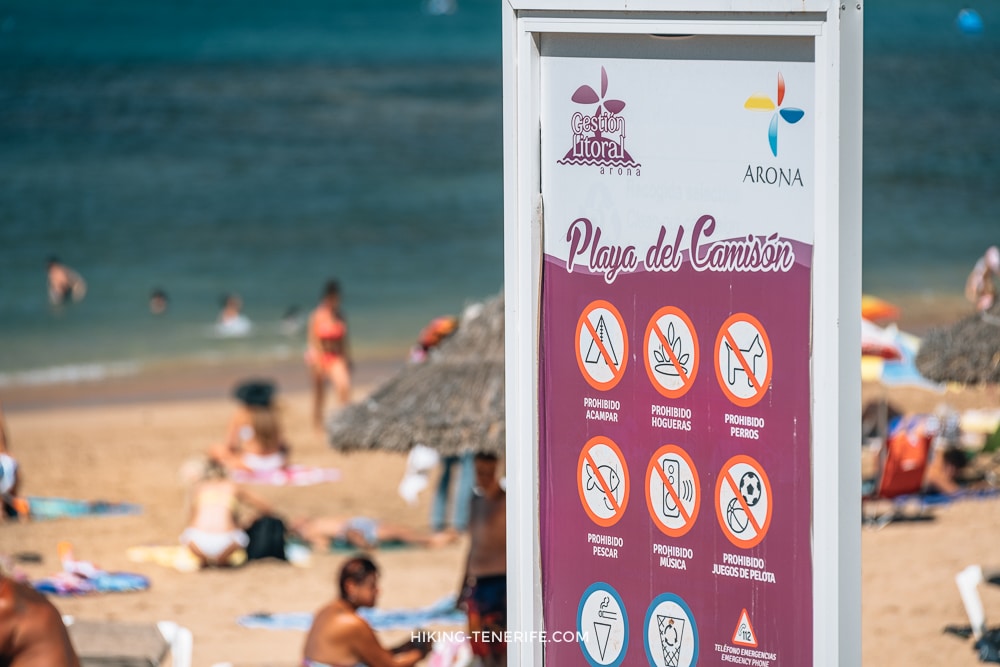
Same-day sea rule: flags, lifeguard instructions, closures, tide, and waves override this guide. Treat black-sand beaches and natural pools as optional swims; if water is breaking over a pool wall or a beach is red-flagged, watch from a safe distance.
| Beach or coast | Best for | Be careful with |
|---|---|---|
| Playa Jardin | Puerto de la Cruz convenience, black sand, gardens nearby. | Waves and flags. Do not assume it is always a family swim. |
| El Bollullo | Black-sand drama near La Orotava/Puerto. | Access, waves, limited parking, and rough sea. |
| Benijo | Photos, sunset mood, Anaga coast, wild scenery. | Stairs, tide, strong water, parking, and over-romantic plans. |
| Bajamar/Punta del Hidalgo | Pools, promenades, surf energy, Anaga edge. | Pool safety depends on sea state. |
| Las Teresitas | Families, calmer water, Santa Cruz access, sand. | Crowds and a less wild feeling. |
| Garachico pools | Calm-sea swimming, volcanic coast, town day. | Do not enter when waves break over the pools. |
Where To Stay In North Tenerife
The best north Tenerife base depends on whether you want ease, culture, hiking access, city life, or a slow village mood.
Do not choose a town only because it looked pretty in one photo; that photo may not show the hill, the parking, the closed kitchen at 4pm, or the February humidity in the apartment.
For most first-time visitors, Puerto de la Cruz is the easiest answer. For culture and no-car city access, La Laguna or Santa Cruz can make sense.
For a slower car-based trip, Garachico, La Orotava, Los Silos, El Sauzal, or other smaller towns can be lovely if you understand the tradeoffs.
Evening life also changes the base choice. La Laguna suits local restaurants and a student-city rhythm, Santa Cruz has the broadest city nightlife, and Puerto de la Cruz is easiest for visitor-friendly dinners and bars. Smaller towns are better for quiet meals and early nights than spontaneous late plans.
| Base | Best for | Main catch |
|---|---|---|
| Puerto de la Cruz | First north stay, restaurants, hotels, gardens, buses, day trips. | Hills in some areas, waves, wetter weather. |
| La Laguna | Culture, cafes, tram, Anaga, cooler city mood. | No beach and can feel cold/damp in winter. |
| Santa Cruz | City life, transport, events, museums, Las Teresitas. | Traffic and less holiday charm. |
| La Orotava | Old-town atmosphere, valley views, slow local stay. | Steep streets and less resort infrastructure. |
| Garachico | Romantic slow north-west stay, old streets, pools. | Small, quieter evenings, car helps a lot. |
| Bajamar/Punta del Hidalgo | Surf mood, pools, Anaga edge, sea views. | Weather and sea state shape the day. |
| Small hill towns | Local atmosphere, views, budget, longer stays. | Can be colder, less convenient, and poor for no-car plans. |
Winter base note: the north can feel cooler indoors than visitors expect, especially in older apartments or higher towns. In winter, check heating, humidity, parking, and whether the place sits high or low.
Which Tenerife Airport Is Best For The North?
Choose the flight that works first, then price the transfer. Tenerife North Airport sits in La Laguna and is physically convenient for Santa Cruz, Puerto de la Cruz, and La Orotava, but its route network is different from Tenerife South.
AENA places Tenerife North about 10 kilometres from Santa Cruz and 20 kilometres from Puerto de la Cruz and La Orotava. TITSA line 30 links the airport with Puerto de la Cruz, but timetables can change and should be checked for the actual travel day.
Tenerife South still works for a north stay when the flight is better. Just treat the cross-island transfer as part of arrival and departure day instead of hiding it inside a packed sightseeing plan.
Driving and parking: use one zone per half or full day. In La Laguna, La Orotava, Garachico, and small coastal settlements, choose parking before the final streets rather than circling historic centres after everyone is hungry.
North Tenerife Without A Car
You can enjoy North Tenerife without a car, but you need a base that does some planning work for you. Puerto de la Cruz, La Laguna, and Santa Cruz are the most realistic starting points.
Without a car, focus on towns, gardens, promenades, Las Teresitas, tram days, bus-friendly stops, and organised routes when the public-transport day becomes too awkward.
Do not make remote beaches and multi-stop mountain routes your default plan.
- From Santa Cruz: Las Teresitas, La Laguna by tram, city museums, markets, and easier access toward Anaga starts.
- From La Laguna: old town, tram, buses, and selected Anaga access if timetables fit.
- From Puerto de la Cruz: gardens, Playa Jardin, Lago Martianez, La Orotava, and some north-coast routes with planning.
- Use tours or taxis: for Teide, Anaga, Garachico/Icod combinations, and days where bus timing steals the whole point.
No-car mistake: booking a beautiful remote apartment because it was cheaper, then discovering that every dinner, beach, bus stop, and viewpoint needs logistics. Cheap can become expensive in taxis and patience.
North Tenerife With Kids
North Tenerife can be very good with children if you plan it like a family day, not an adult road trip with small passengers attached.
Puerto de la Cruz, Las Teresitas, La Laguna, short garden stops, easy Anaga viewpoints, museums, and calm sea days are your friends.
The harder parts are rough beaches, long mountain roads, natural pools in bad sea, cold or damp weather, and trying to prove that every old town is fascinating to a tired child. Some children love it.
Others will give a detailed review from the back seat.
Family north plan: choose one main event, one easy food stop, and one flexible backup. For example: La Laguna plus Cruz del Carmen, or Puerto de la Cruz plus La Orotava, or Santa Cruz plus Las Teresitas.
Use the family rule from my wider Tenerife planning: shade, toilets, sea state, nap tolerance, food, and shorter drives beat dramatic scenery when everyone is tired.

Rainy, Windy, Or Cloudy Days In The North
Cloud in North Tenerife is not automatically bad news. It can make Anaga feel prehistoric, La Laguna feel atmospheric, La Orotava feel gentle, and Puerto de la Cruz feel like a proper Atlantic town.
Rain, strong wind, and rough sea are different. Then you need to stop forcing the beach plan and switch to towns, gardens, museums, food, markets, or a coast with better conditions.
| Problem | Better plan | Why |
|---|---|---|
| Cloud over Puerto | La Orotava, gardens, old streets, coffee. | Town days survive grey skies well. |
| Fog in Anaga | Short forest viewpoint or La Laguna instead of a long hike. | Mist is beautiful; getting lost is not. |
| Rough sea | Stay out of pools and beaches; choose towns or viewpoints. | Warm air does not make Atlantic water safe. |
| Windy coast | Watch waves from safe places or move inland. | Wind can be scenery, not an instruction. |
| Cold indoor evening | Choose a restaurant, bring layers, check accommodation heating next time. | North winter comfort is not only outdoor temperature. |
Suggested North Tenerife Routes
These routes are not commandments. Move them around the forecast, your base, and your energy. North Tenerife rewards flexible travellers and gently mocks spreadsheet optimism.
One Day From The South: Anaga And La Laguna
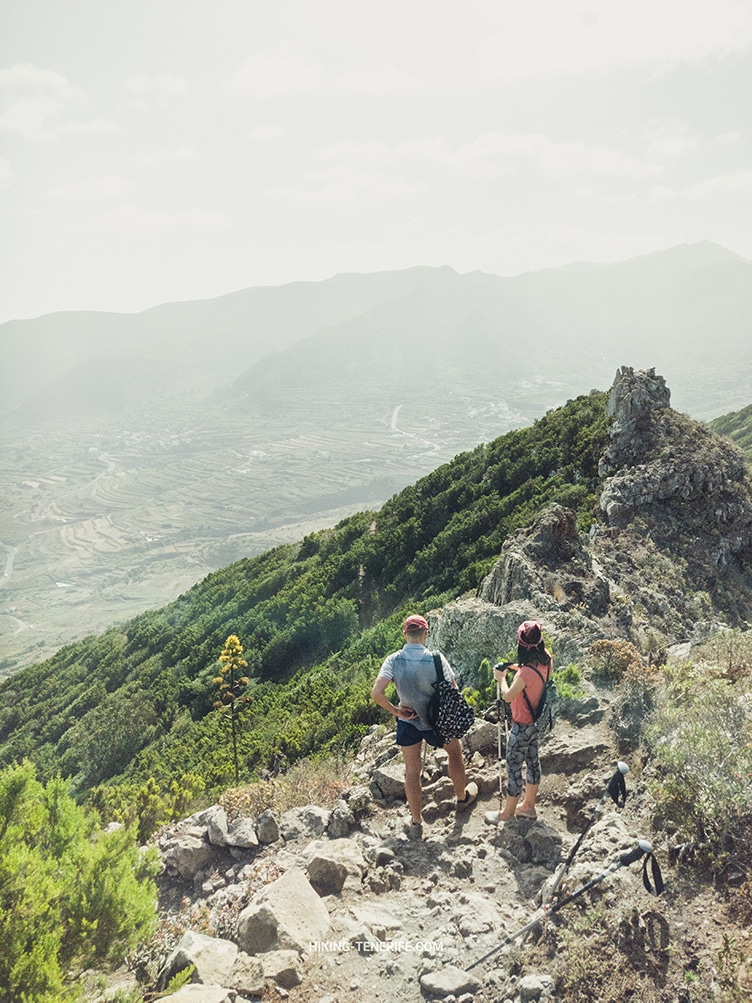
Start early, drive to La Laguna or Cruz del Carmen, do one easy Anaga viewpoint or short walk, eat somewhere sensible, and finish with La Laguna before returning.
This gives you the green north without trying to swallow the whole coast.
Do not add Garachico unless you enjoy making beautiful days feel like airport transfers. Save the north-west for another day.
One Day From Puerto: La Orotava, Icod, And Garachico
Start with La Orotava, continue to Icod de los Vinos, and finish in Garachico if the road and weather feel good.
Keep the sea pools optional because the Atlantic does not care that your route had a swimming icon.
This is a better food, old-town, and north-west day than an Anaga day. It has a different rhythm, and that is the whole point.
Two Or Three North Days
With more time, split the north properly: one Anaga/La Laguna day, one Puerto/La Orotava/Garachico day, and one flexible coast or Santa Cruz/Las Teresitas day.
This is when North Tenerife starts feeling generous instead of inconvenient.

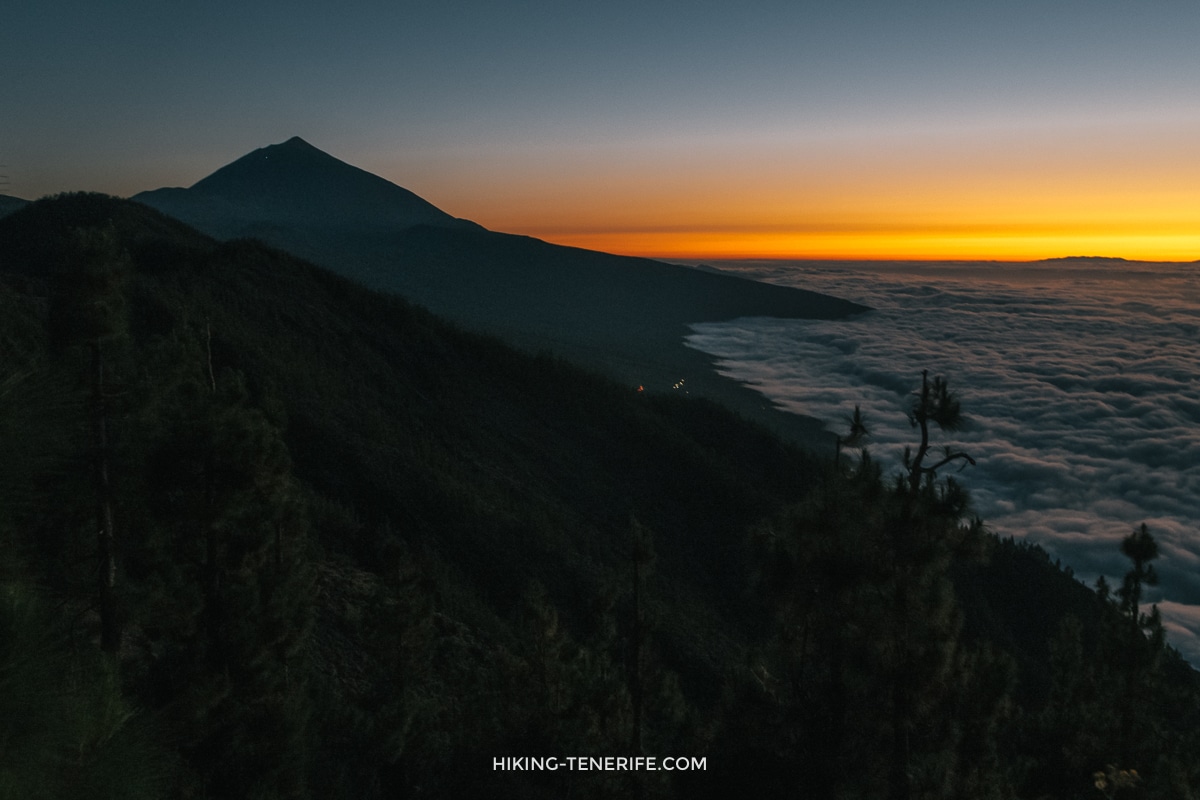
If you also want Teide National Park, choose the route from your base carefully. The north approach is beautiful, but Teide weather, altitude, and road time still deserve respect.
This is where a local route plan helps. The north is not impossible. The good version depends on timing, parking, weather, food stops, and knowing when one more beautiful place will make the day worse.
Want a complete local-style route? Use my handcrafted Tenerife guides when you want the stops, timing, context, and a quieter way to explore without building the day from dozens of tabs.

What To Skip Or Treat Carefully
North Tenerife is full of good places, which is exactly why it is easy to plan it badly.
The problem is rarely a place being worthless; the problem is choosing the wrong place for the wrong traveller on the wrong day.
- Benijo as a casual swim: go for scenery and sunset mood, not guaranteed family swimming.
- Natural pools in rough sea: skip entering even if the photos looked calm last week.
- La Laguna as a beach base: great town, wrong expectation if you want sand outside the door.
- Remote cheap accommodation without a car: lovely in theory, expensive in logistics.
- Too many towns in one day: La Laguna, Puerto, La Orotava, Icod, and Garachico are not all improved by speed.
- Long Anaga hikes without checks: trail access, weather, mud, permits, and daylight matter.
- All-inclusive thinking: North Tenerife is usually better when you leave the accommodation often.
If you remember one thing: North Tenerife is not a checklist. It is a route-and-weather region. Choose fewer places. Give them time. Let the north be green, local, moody, and worth the inconvenience.
North Tenerife Or South Tenerife?
The short answer: choose the south for easier winter sun, family beach logistics, water parks, whale watching, nightlife, and resort comfort.
Choose the north for old towns, greenery, Anaga, black-sand coast, gardens, food, and a more local island mood.
The better answer is to mix both if you can. Many first-time visitors should base in the south or southwest for easy sun, then give the north a proper day or two.
Curious travellers, hikers, and repeat visitors can stay north and use the south only when weather or beach plans call for it.
My broad things to do in Tenerife guide helps with the whole-island shortlist. For the booking decision, use my Tenerife North or South comparison.

FAQ: Things To Do In North Tenerife
Is North Tenerife worth visiting?
Yes. North Tenerife is worth visiting for Anaga, La Laguna, Puerto de la Cruz, La Orotava, Garachico, Icod, black-sand beaches, natural pools, gardens, local food, and greener scenery.
It is one of the best parts of the island if you want Tenerife beyond the resort coast.
What are the best things to do in North Tenerife?
The best things to do in North Tenerife are Anaga, La Laguna, Puerto de la Cruz, La Orotava, Garachico, Icod, Las Teresitas, Bajamar, Punta del Hidalgo, black-sand beaches, and calm-sea natural pools.
Where should I stay in North Tenerife?
Puerto de la Cruz is the easiest north base for most visitors. La Laguna is better for culture, cafes, tram access, and Anaga, but it has no beach. Santa Cruz is practical for city life and Las Teresitas.
Garachico and smaller towns suit slower car-based trips.
Is North Tenerife good without a car?
It can be, if you choose Puerto de la Cruz, La Laguna, or Santa Cruz and keep the plan realistic.
Towns, gardens, promenades, Las Teresitas, and tram days work better than remote beaches or complicated multi-stop routes.
Is North Tenerife good for families?
North Tenerife is good for families who want more than resort pool time: Puerto de la Cruz, Las Teresitas, La Laguna, gardens, short Anaga stops, museums, and easy town days.
It is less predictable than the south for calm beach swimming and simple winter sun.

Is North Tenerife rainy?
The north is greener, cooler, and usually cloudier than the south, especially in winter and at higher elevations. But it is not one uniform weather zone.
Puerto de la Cruz, La Laguna, Anaga, Santa Cruz, and Garachico can all feel different on the same day.
Can you swim in North Tenerife?
Yes, but only when conditions are safe. Many north Tenerife beaches and pools are exposed to Atlantic waves and currents, especially in winter.
Check flags, sea state, and local warnings before entering beaches or natural pools.
Should I choose North or South Tenerife?
Choose North Tenerife for greenery, old towns, Anaga, gardens, local food, black-sand coast, and a more lived-in island mood.
Choose South Tenerife for easier winter sun, resort beaches, family convenience, water parks, whale watching, and simple beach logistics. Many first-time visitors should mix both.
What is the best north Tenerife day trip?
For a first north day, choose Anaga plus La Laguna if you want forest and old streets.
Choose Puerto de la Cruz, La Orotava, Icod, and Garachico if you want towns, food, black coast, and a slower north-west route.
Final Local Verdict
North Tenerife is the part of the island I recommend when someone wants more texture: towns, clouds, black coast, gardens, forest, rough water, old streets, and roads that ask you to slow down.
It is not always the easiest base. It is not always the warmest coast. It is not always a good swimming day.
But when you plan it with the right expectations, it can be the Tenerife day that makes the rest of the island make sense.
My advice: on a first trip, do not make north and south fight. Use the south for ease. Use the north for character. Never let a beautiful island become only a list of places you barely saw.

