

Tenerife markets are useful when you know what you came for: fresh food for an apartment, a north-island food morning, a harbour fish stop or a browse near your hotel.
Those are four different outings. Calling them all a market day is how people come home with a plastic bracelet and no lunch.
I have visited the island’s food halls, farmers’ markets, harbour counters and resort stalls over many years. The good ones are not magic. They are simply where the right local habit meets the right kind of traveller.
Short answer: choose a Tenerife market by purpose, day and location. Use a market hall or farmers’ market for food, a working fish lonja for the catch, and resort stalls for clothes, gifts and an easy browse. Check the official schedule before travelling because holidays, weather and local events can change normal opening days.
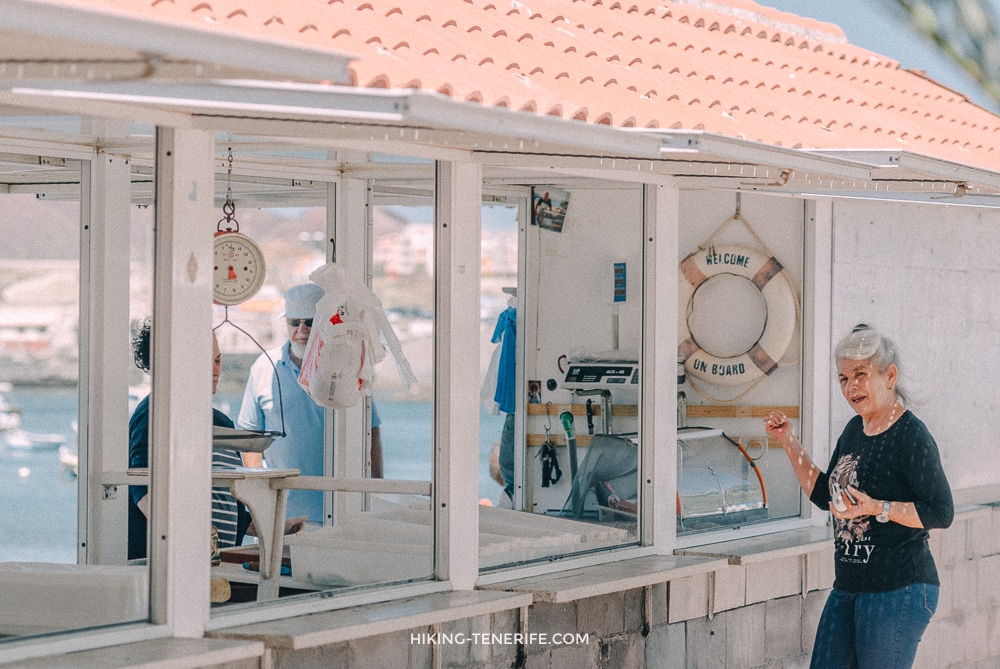
First, choose the right kind of Tenerife market
The island has permanent municipal market halls, farmers’ markets with producers, harbour fish sales, craft fairs and tourist street markets. The roof, the number of stalls and the word mercadillo tell you almost nothing by themselves.
Choose by purpose: halls for dependable food, farmers’ markets for seasonal producers, harbour counters for the catch, and resort stalls for an easy browse. The label matters less than what you can actually buy.
| If you want… | Choose… | The honest catch |
|---|---|---|
| Food for an apartment | A municipal market hall | Good for a real shop; less exciting if you only want a photo. |
| Seasonal produce, cheese, honey or wine | A farmers’ market | Better with a car and a bag; selection changes with the season. |
| Fish for dinner | A working harbour lonja | The catch decides the choice, and it may sell out. |
| A gift or clothes | A street or resort market | Fun to browse, but not automatically local or handmade. |
| A town day with atmosphere | Santa Cruz, La Laguna or Puerto de la Cruz | Make the town part of the plan, not a market-only mission. |
Tenerife market days: the quick planning table
These are the normal schedules published by the markets or municipalities and checked on 24 July 2026. Treat them as a planning shortcut, not a promise: confirm the linked official page before a special journey, especially around public holidays, fiestas, weather alerts and outdoor-market changes.
| Market and area | Normal market days | Best for | Travel reality |
|---|---|---|---|
| La Recova, Santa Cruz | Monday–Saturday 06:00–14:00; Sunday 07:00–14:00 | Food hall, fish, produce and a city morning | The easiest full market trip without a car; official customer parking is available. |
| La Laguna Municipal Market | Sunday–Monday 07:00–14:00; Tuesday–Saturday 06:00–14:00 | Food plus an old-town day | Public transport and Plaza del Cristo parking make it practical; accessibility works were completed in 2026. |
| Tacoronte Farmers Market | Saturday 08:00–14:30; Sunday 08:00–14:00 | Produce, cheese, bread, honey and wine | Best with a car and a north-side plan. |
| Tegueste Farmers and Crafts Market | Saturday–Sunday 08:00–14:00 | Local food, artisan goods and a compact family stop | Combine it with La Laguna or a calm north-east day. |
| Puerto de la Cruz market and rastro | Market Monday–Saturday; rastro Wednesday and Saturday 09:00–14:00 | Fresh food, services and flea-market browsing | Useful for a Puerto base; not a market-only trip from the south. |
| Los Abrigos fish lonja | Tuesday–Sunday 09:00–14:00 | Local artisanal catch | Pair it with Los Abrigos or El Médano and ask what arrived that day. |
| San Isidro Farmers Market | Saturday–Sunday mornings | South-side produce and direct buying | Read the dedicated guide and confirm the municipal notice before driving. |
Plan like this: choose the area first, then the market day. Santa Cruz and La Laguna are the safest no-car choices, Tacoronte and Tegueste reward a north-side food trip, and Los Abrigos or San Isidro make more sense from a south base.
If you are staying in a hotel with breakfast, lunch and dinner already solved, do not force a farmers’ market into the holiday. Go for the town, the harbour or the food you will actually eat. A kilo of papayas is less romantic on the fourth floor with no knife.
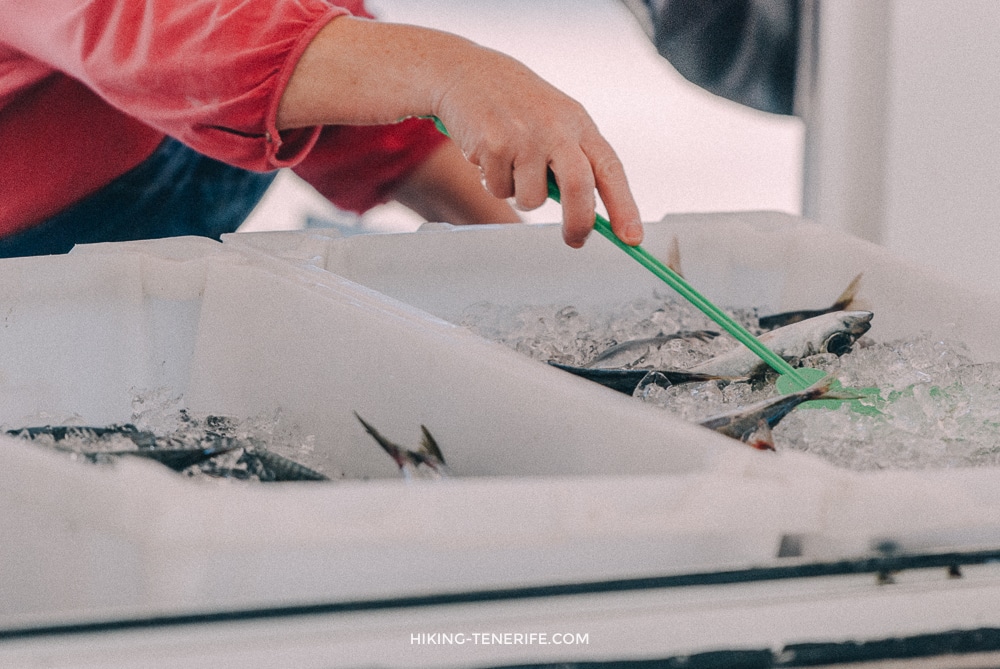
Market halls: the best answer for a food-first visit
A market hall is the reliable answer when you want proper ingredients, a quick look at local habits and a place that still makes sense if the weather is unhelpful. It is not the same thing as a weekly street market.
Mercado de Nuestra Señora de África, Santa Cruz
The capital’s market, usually called La Recova, is the broadest food-and-atmosphere stop in this guide. Go for fruit, vegetables, fish, meat, cheese and a city morning; do not go expecting every counter to be a bargain or every product to have come from a nearby farm.
It works naturally with a proper Santa Cruz day. Drivers should use the official parking rather than improvising around busy streets, while no-car visitors have the easiest market trip here.
Local verdict: La Recova is worth visiting for a capital-city food stop and a few good ingredients. It is less convincing as a special expedition from the south if a hotel breakfast is all you need.

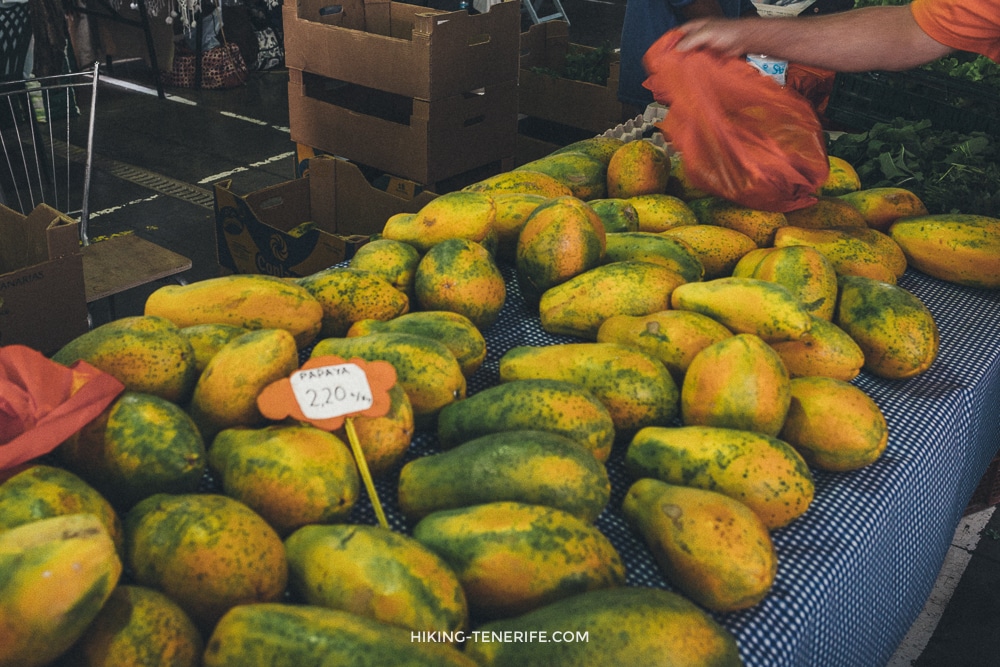
Mercado de La Laguna
La Laguna’s municipal market near Plaza del Cristo is the nicer choice when food, an old city and a slower north-east day belong together. Its regular food counters and farmers’ section make it more useful than a souvenir-only browse.
The market has its own underground parking and nearby public transport. The better plan is still to arrive with room to walk. Use my La Laguna guide to build the rest of the day around streets, coffee and the city, not one rushed bag of vegetables.
Local detail: La Laguna works because the market is one stop inside a real town day. If the counters are quiet, the old streets and cafés still make the journey worthwhile.
The municipality completed access, paving and public-facility improvements around the market in 2026. That helps wheelchair and stroller users, but temporary stalls, busy aisles and event-related street closures can still change the easiest route on the day.
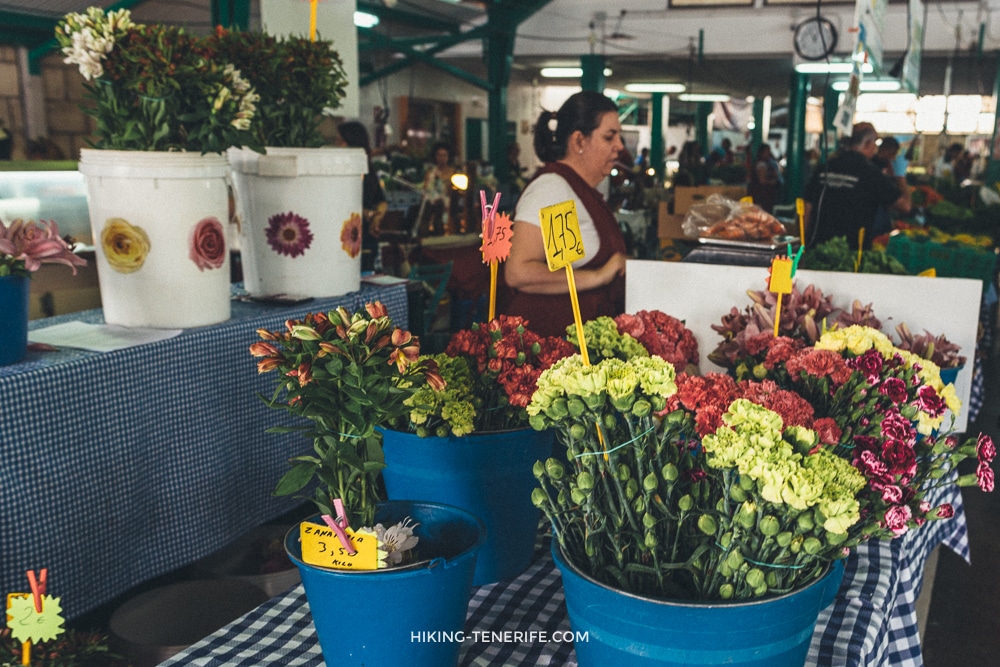
The simple rule here is to buy what looks good now, not what you imagine will survive three beach days. Ask for the name, point if your Spanish is shy, and let the seller handle fresh food rather than poking through it yourself.
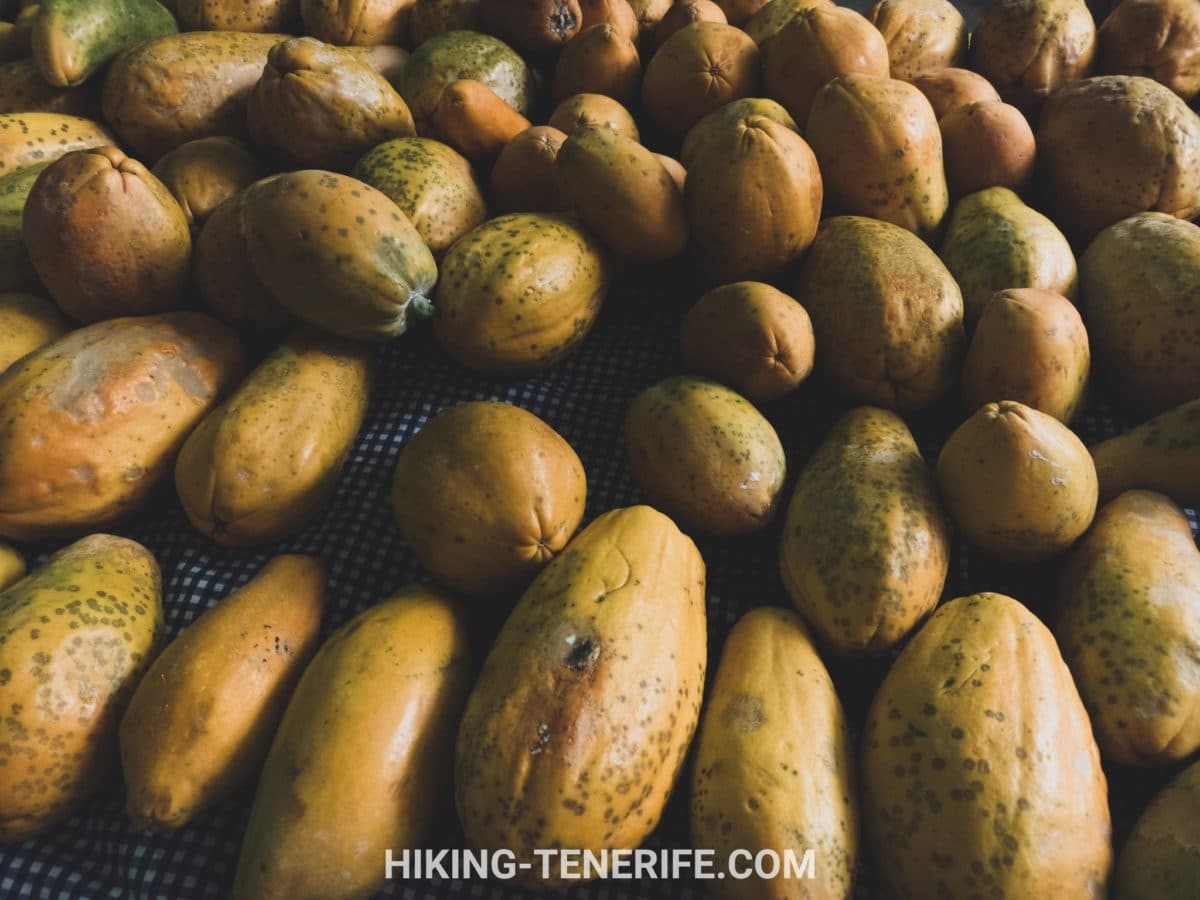
Farmers’ markets in the north: where the food trip is actually worth it
The north gives Tenerife markets their real food logic: growers, bakers, cheese makers, honey, flowers and wine producers rather than one long row of holiday sunglasses. It is also where a market makes most sense as part of a rural or town day.
Tacoronte Farmers Market
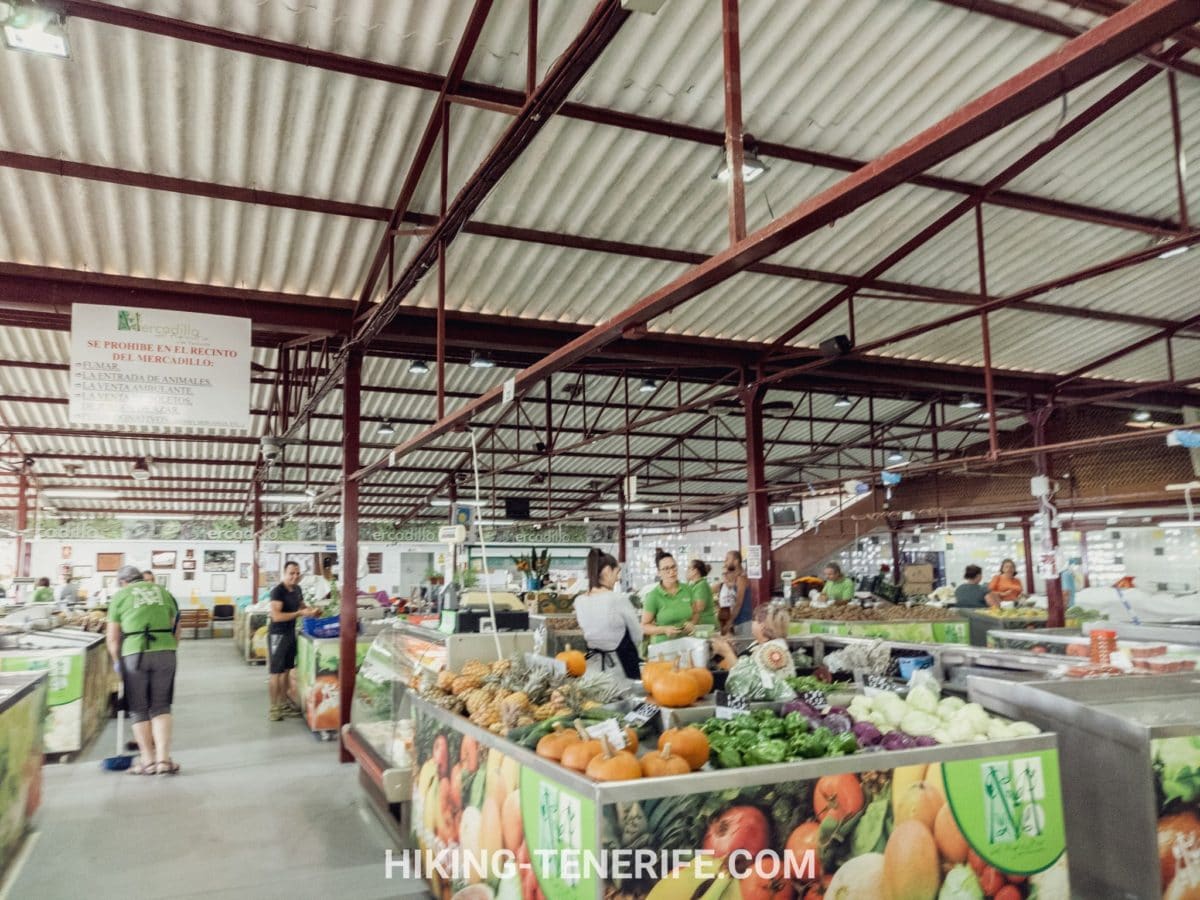
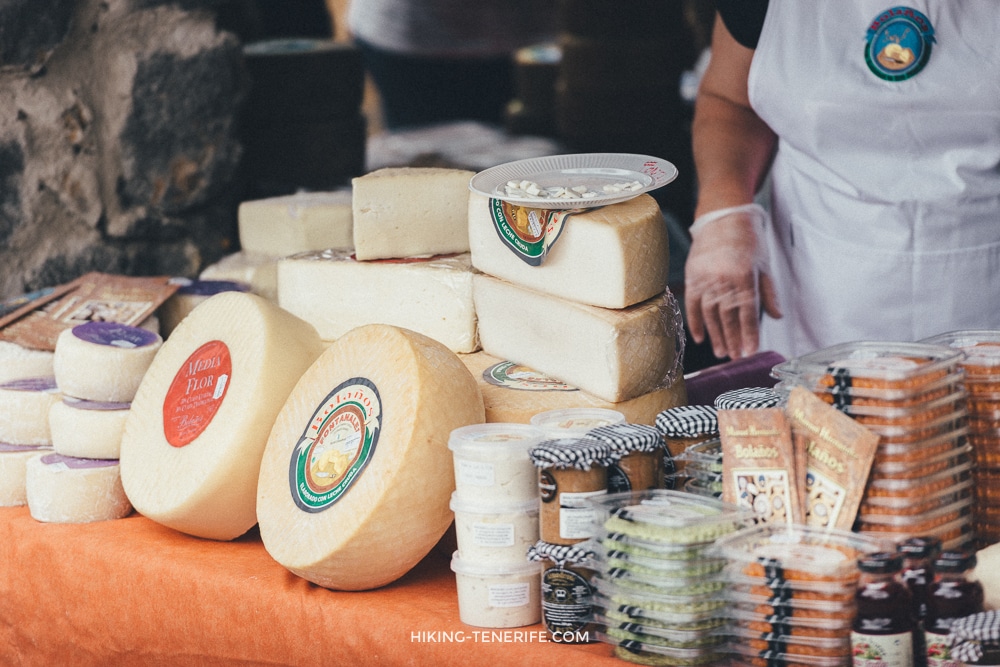
Tacoronte is one of the better choices when you want to buy regional produce rather than browse. The market is in San Juan on the Tacoronte–Tejina road and its own current information still presents a weekend rhythm, local producers and family-friendly facilities.
This is not a quick south-coast detour. Give it a north-side morning. Take a reusable bag. Arrive hungry enough to care about cheese, bread, honey and wine. A car makes the return with food much easier.
My verdict: Tacoronte earns the drive when the food is the point. It does not earn a cross-island detour for a quick photograph.
A farmers’ market is a shopping stop first. Add the view, town or lunch afterwards, not the other way round.
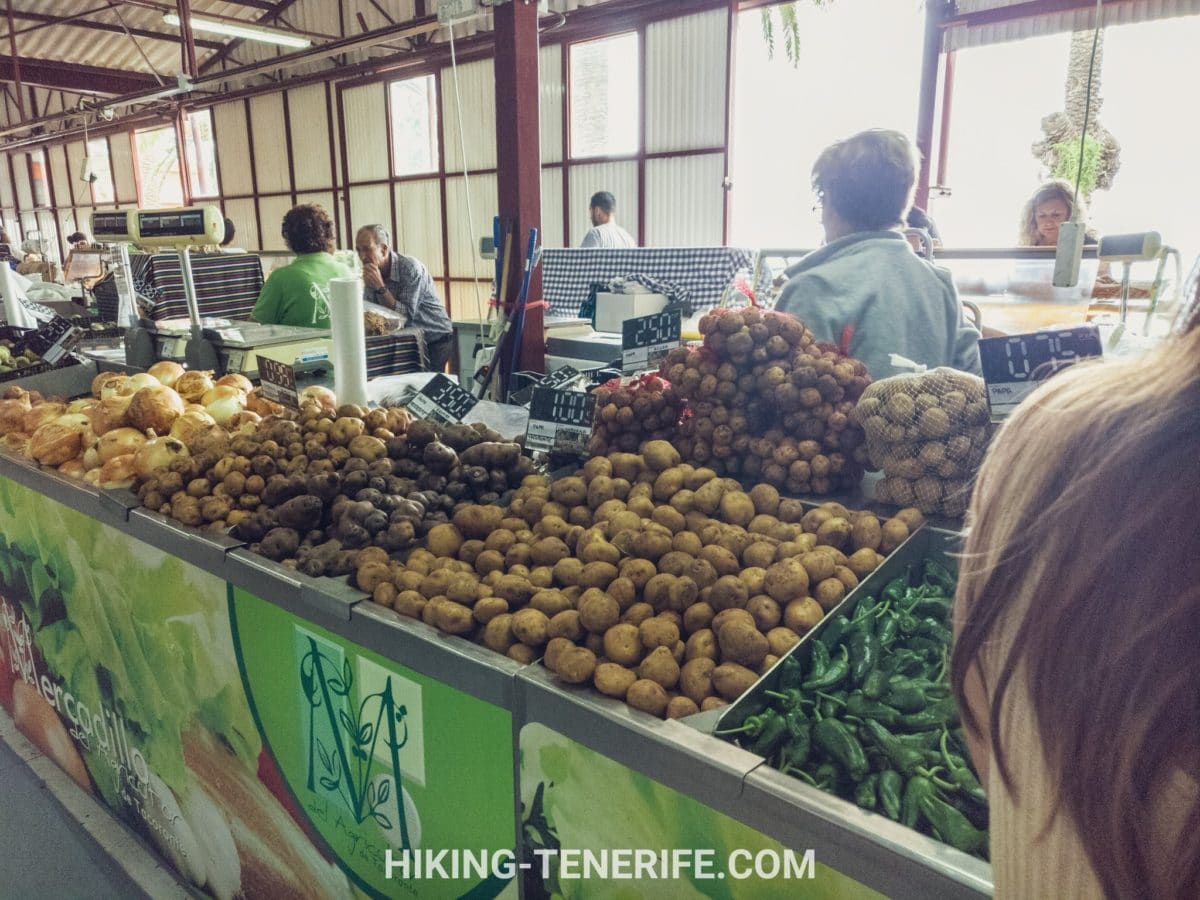
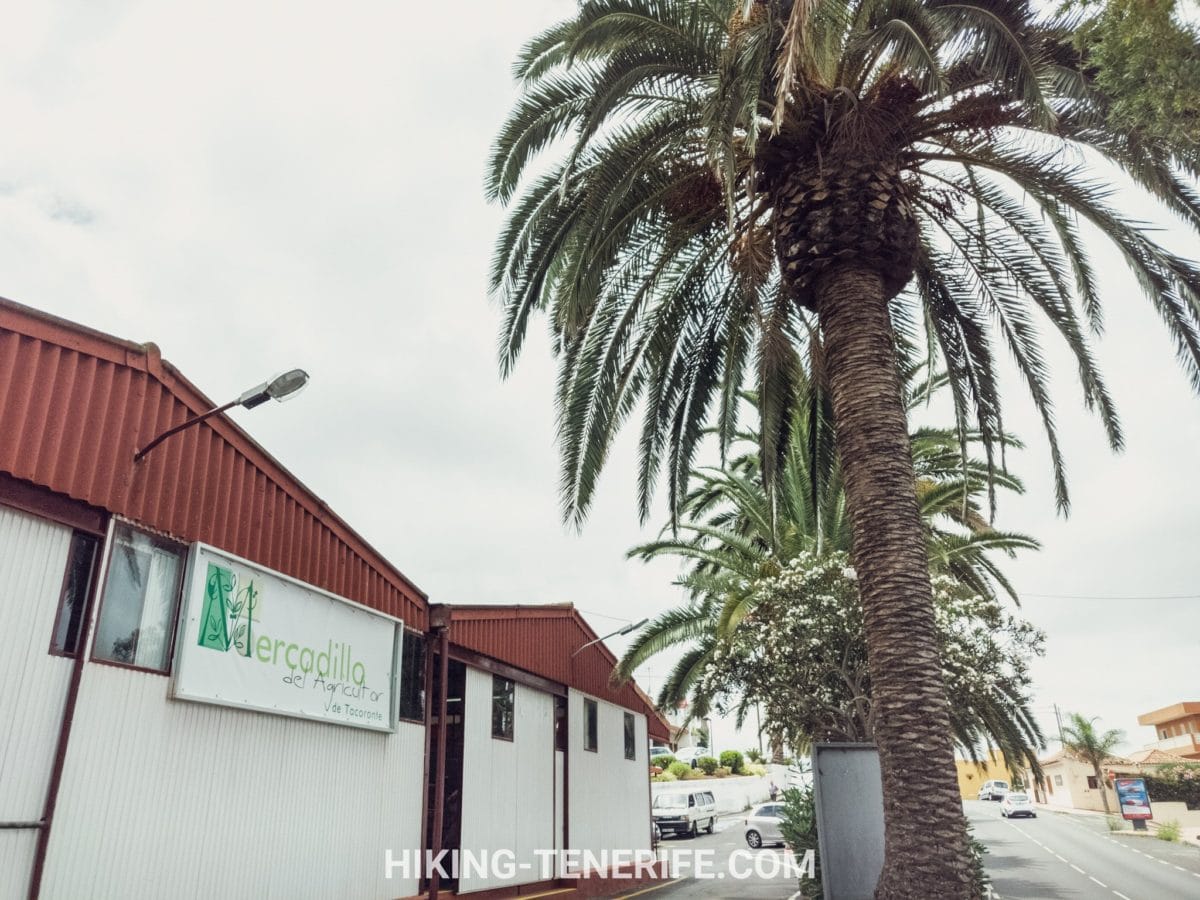
The short film below is part of the original market visit. It still shows why this place works better as a food outing than a souvenir stop.
Plan like this: do Tacoronte on a north day with one town, one view or a relaxed lunch. Do not attach it to Teide, Anaga and a south-coast sunset because a map has a cruel sense of humour.
Tegueste Farmers and Crafts Market
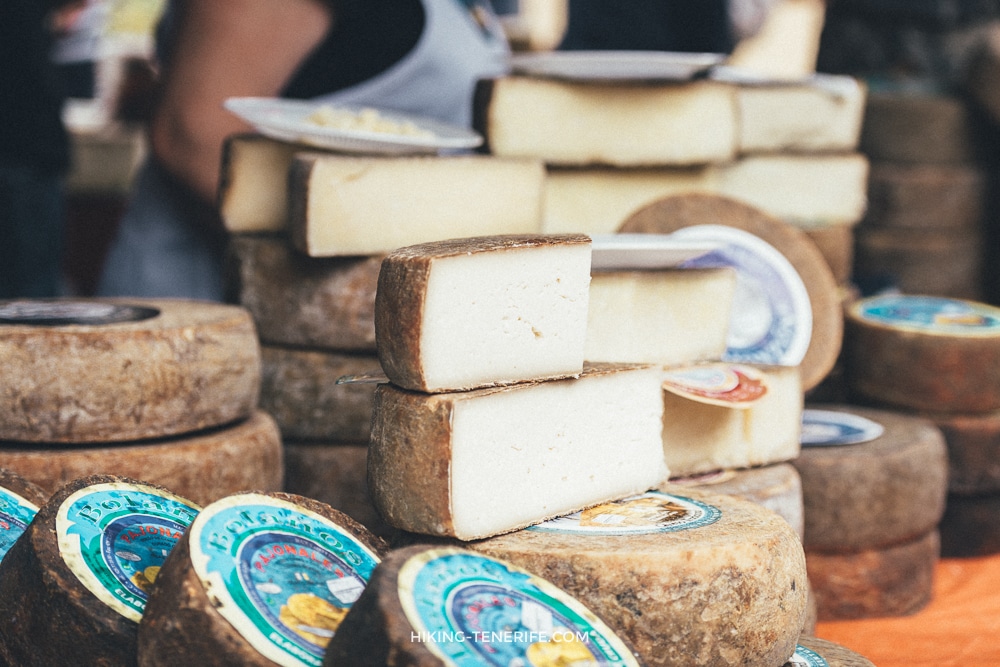
Tegueste is another strong food-focused choice: a market built around local produce and artisan goods, with a more relaxed village rhythm than the capital. It is useful for families too, because the stop is compact and you can make a small north-east day out of it rather than a shopping marathon.
Pair it with La Laguna, not with a desperate lap of the whole island. I would go here for seasonal food, bread, cheese, honey, wine and a conversation with the person selling it; not for designer shopping.
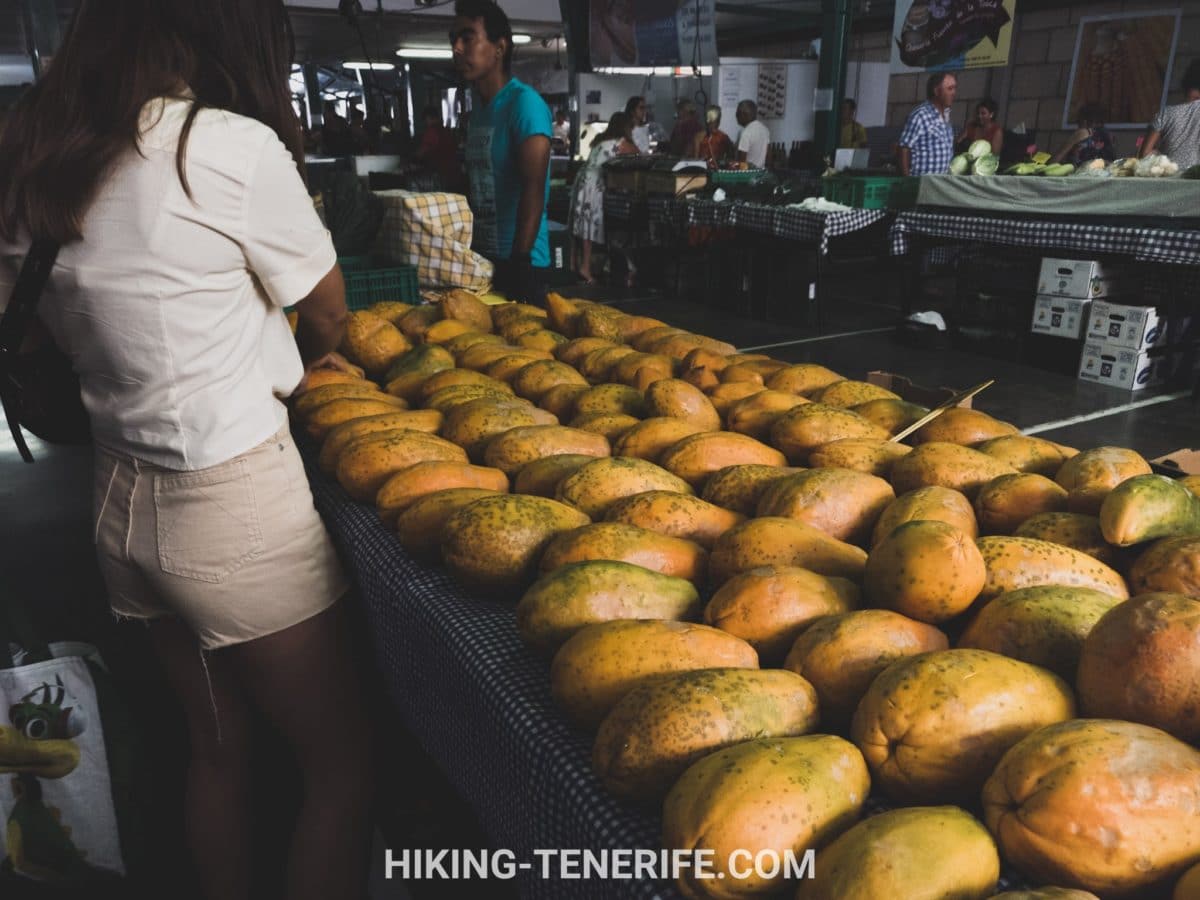
Prices should not be the only test. Local, seasonal and freshly picked do not always mean the cheapest item on the table, especially when weather has had a difficult month. Ask what is grown or made nearby if that is the reason you came.
Puerto de la Cruz market and rastro
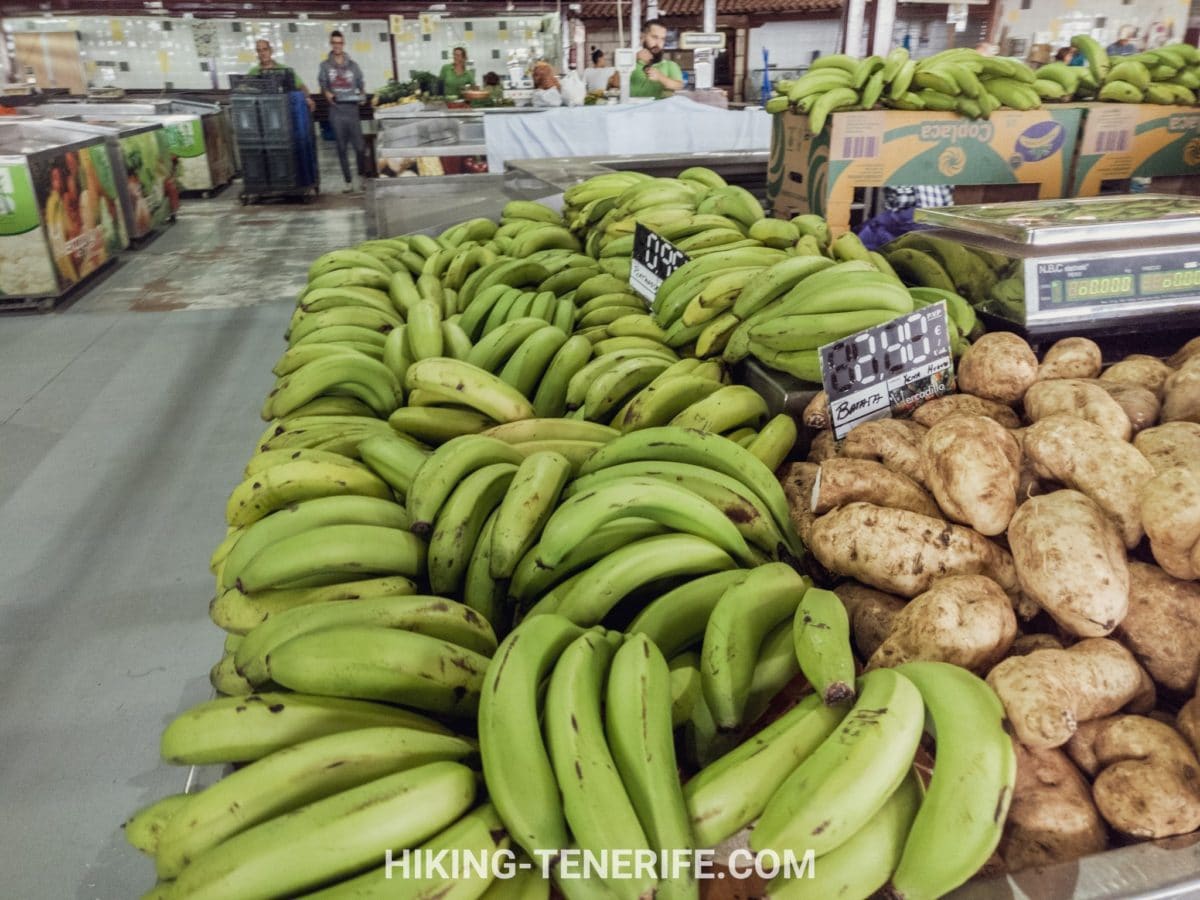
Puerto de la Cruz has a permanent municipal market with fresh food as well as non-food services, plus a separate rastro on its advertised market mornings. That mix makes sense for a north-base visitor who wants food, a browse and a town in one easy day.
It is a much better pairing with Puerto de la Cruz or the wider North Tenerife guide than a reason to cross from the resorts for two hours. Go for the town’s character. The market is the useful middle chapter.
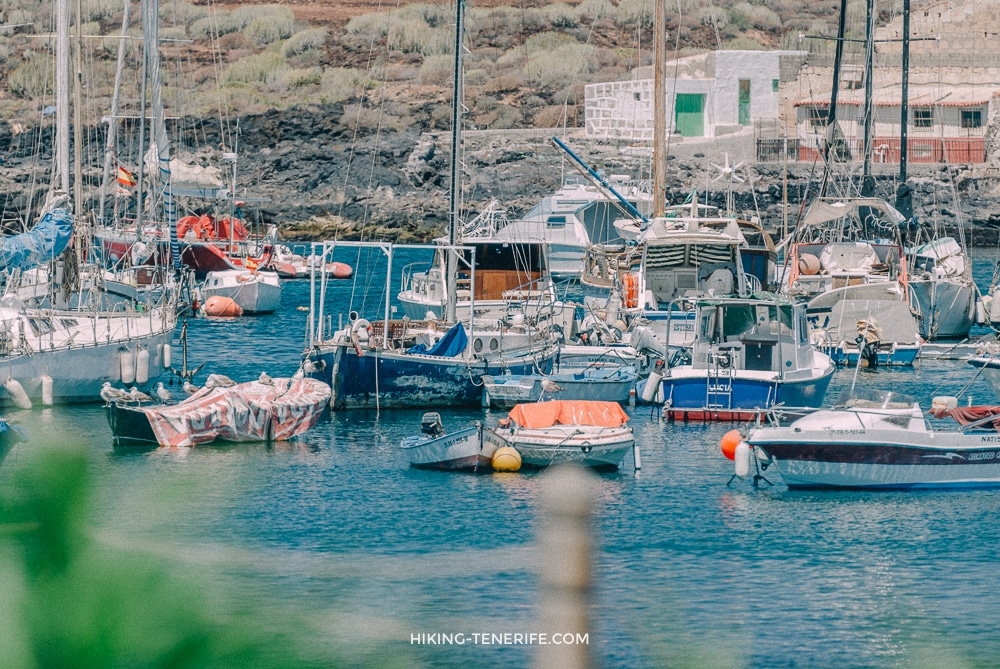
Fish markets and harbour counters: buy the catch, not the story
The original guide began with fish because that is the honest order of importance. Tenerife has working ports and fish counters, but a harbour counter is not a guarantee of a huge display, a specific species or a lower price than every supermarket.
Los Abrigos fish lonja
The Lonja Pesquera de Los Abrigos is the clearest south-side food stop in the old list. The municipal information describes a public fish counter at the harbour with local artisanal catch. Make it part of a Los Abrigos and El Médano day, then cook if you have a kitchen or simply stay for a proper fish lunch.
The original harbour video remains here because it catches the mood better than a perfect timetable ever could.
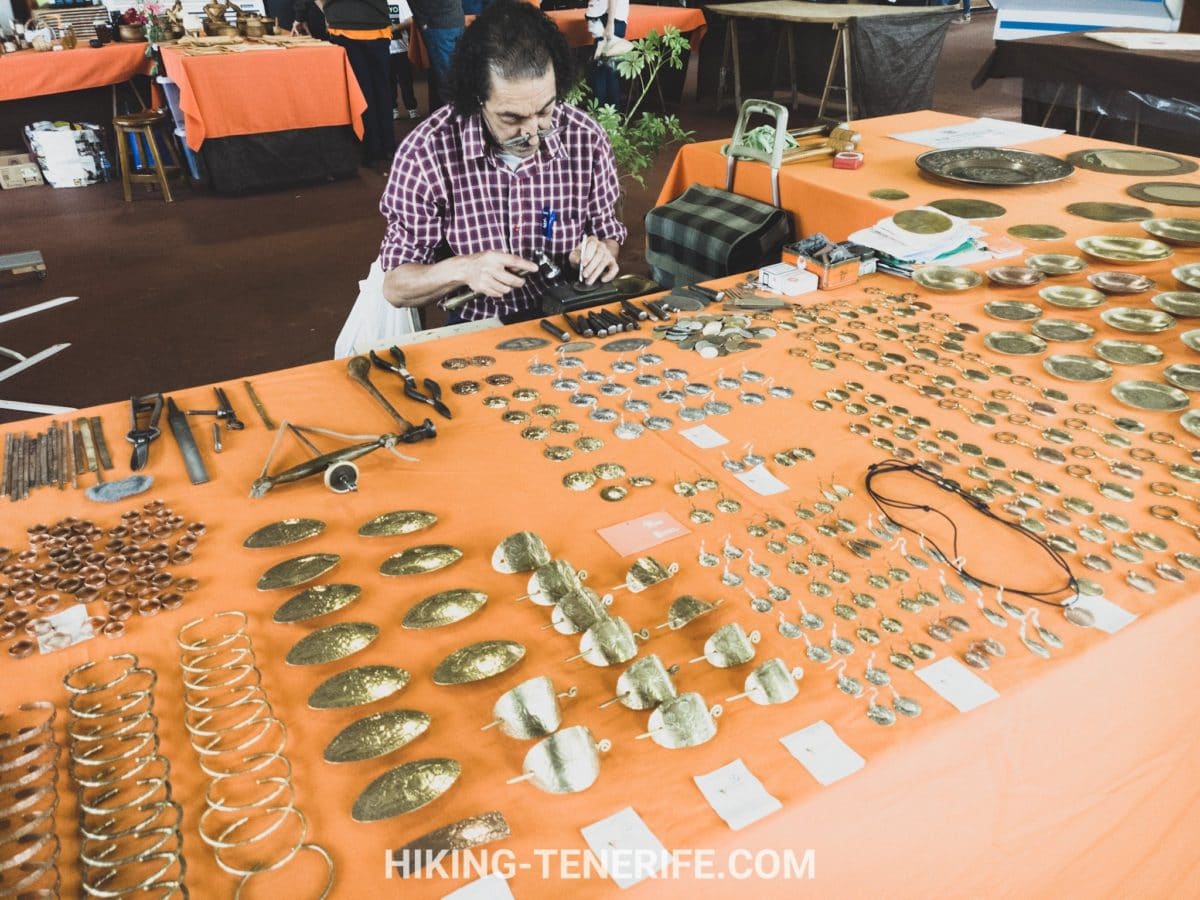
Las Galletas, Los Cristianos and San Marcos also belong to the island’s fishing story. I would treat them as nearby-food options, not as promised fish-market attractions: check the harbour or local contact shortly before you go, and choose what is actually available.
If your base is around Los Cristianos, Las Galletas is a sensible local side trip. If you are near El Médano, Los Abrigos is the more natural harbour-and-dinner pairing.
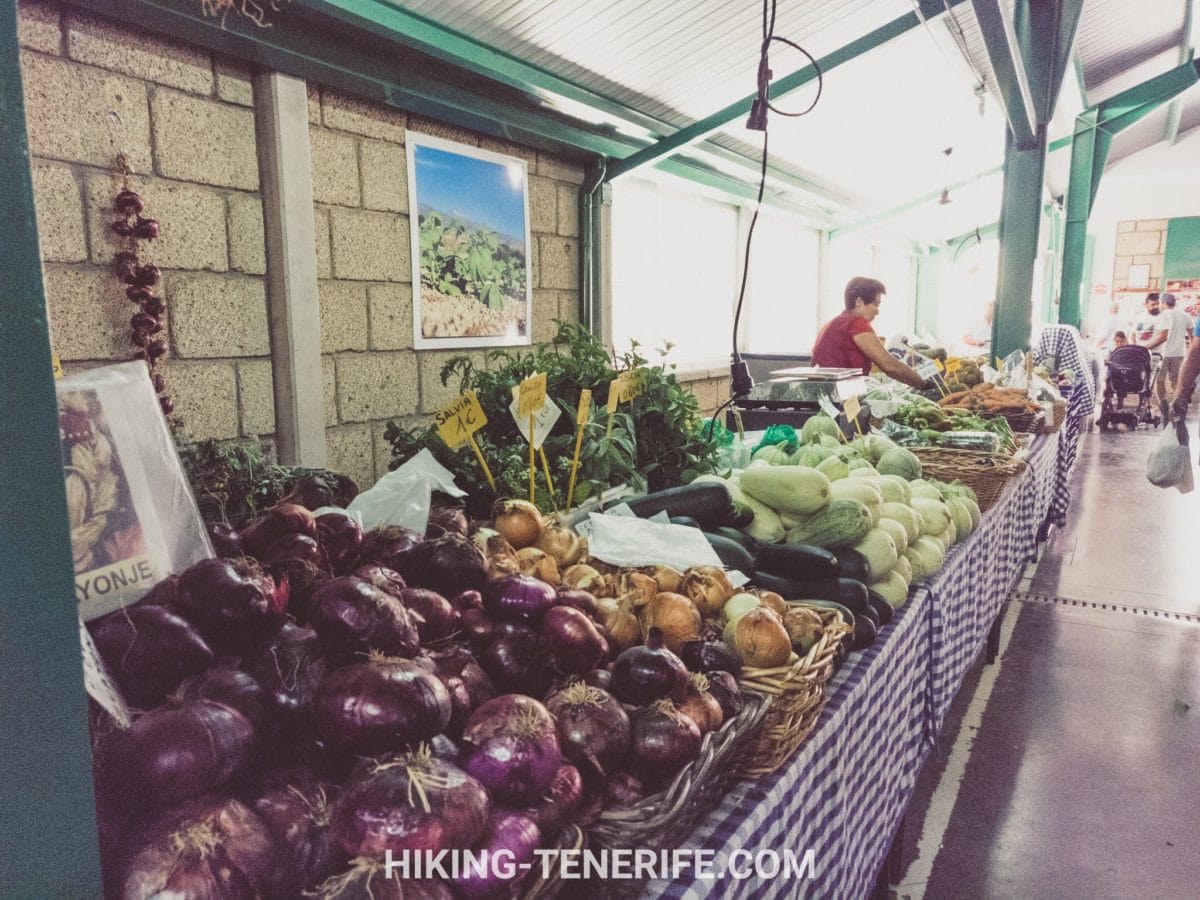
South Tenerife street markets: browse them honestly
The south has more market listings than it has truly food-first markets. That is not an insult. A resort street market can be a pleasant walk for clothes, bags, small gifts, jewellery and an hour out of the sun. Just do not call every stall ‘local produce’ because the island is nearby.
| Area from the original local list | Go when you want… | Do not expect… |
|---|---|---|
| Los Cristianos | A walkable resort-market browse | A farmers’ market or a guaranteed handmade-only selection. |
| Torviscas / Costa Adeje | Holiday shopping near the hotels | The same food focus as Tacoronte or Tegueste. |
| Güímar and San Isidro | A food-first stop when current municipal listings line up | A casual resort promenade experience. |
| Los Gigantes, Alcalá and Playa San Juan | A west-coast town or village stop with current market activity | A guaranteed daily market or a reason to cross the island for stalls alone. |
| El Médano and Golf del Sur | A town or coastal walk with possible market browsing | A fixed weekly promise from an old timetable. |
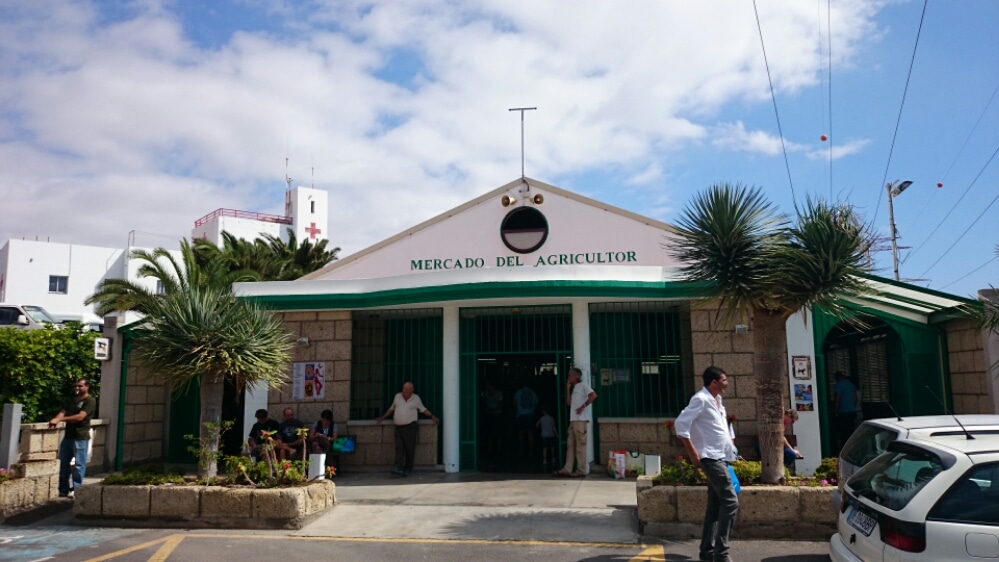
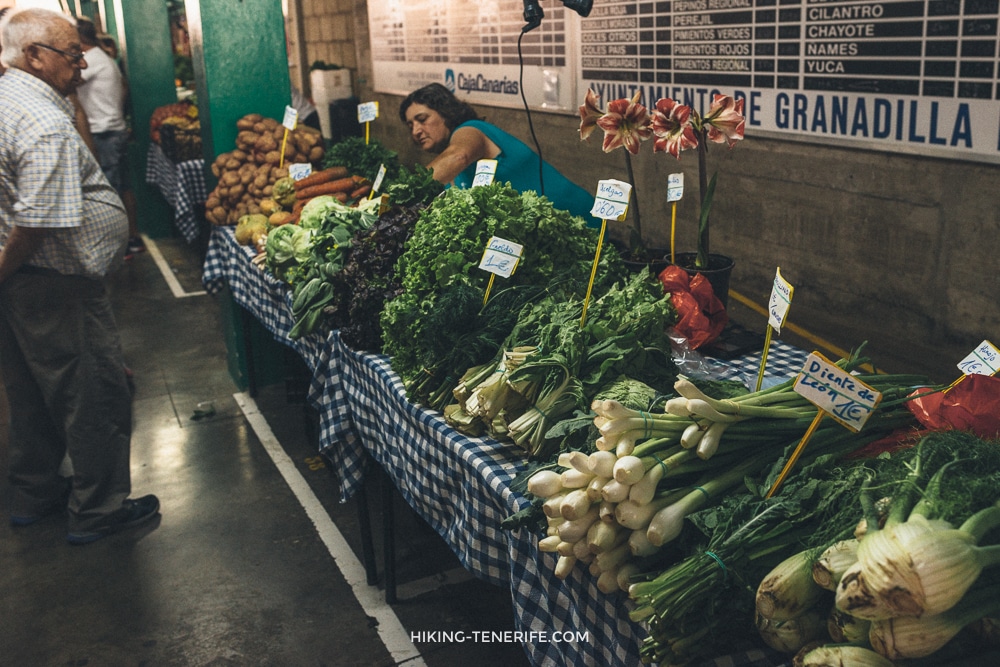
Food reality: Granadilla’s farmers’ market entrance looks modest because it is a working food stop. That is exactly the point. Check the current opening notice before driving, then buy what you can carry and use.

Los Cristianos has a long-running street-market tradition and is easy to reach from the main south resorts. It suits an unplanned browse for clothes, bags and gifts, not a food-first farmers-market trip.
Use the Los Cristianos guide for beach, promenade and no-car ideas, then confirm the current market notice before making the stalls the centre of your morning.
South-base verdict: choose the nearest market that fits your day. A resort browse is convenient. It is not automatically worth a long drive from the north.
Torviscas, Golf del Sur and similar resort-market stops are shopping walks first. Compare price and quality calmly, and ask whether a craft item was made by the person in front of you.
Walk away politely if it is not for you. You do not need a fight over a magnet. Nobody wins that holiday.
El Médano is worth visiting for its own windy beach-town mood, food and kites. Do not go because an old article promises stalls at a particular hour. See the kitesurfing and windsurfing guide if the coast is the real reason for the day.
No-car, car and parking reality
Without a car, start with Santa Cruz, La Laguna or Los Cristianos. They are the least stressful market answers because the surrounding town, food and public transport remain useful even if the market is smaller than expected.
For a wider route, compare the day with Things to Do in South Tenerife.
With a car, Tacoronte and Tegueste become more attractive because you can carry food and combine them with a calm north-side plan. Do not assume a roadside farmers’ market has infinite parking; use the signed areas, arrive with patience and never turn a village entrance or a working driveway into your private solution.
Map note: a market can look close to your resort and still cost half a day once roads, parking, buying food and the return journey are included. Pick one landscape or town first; let the market improve that day.
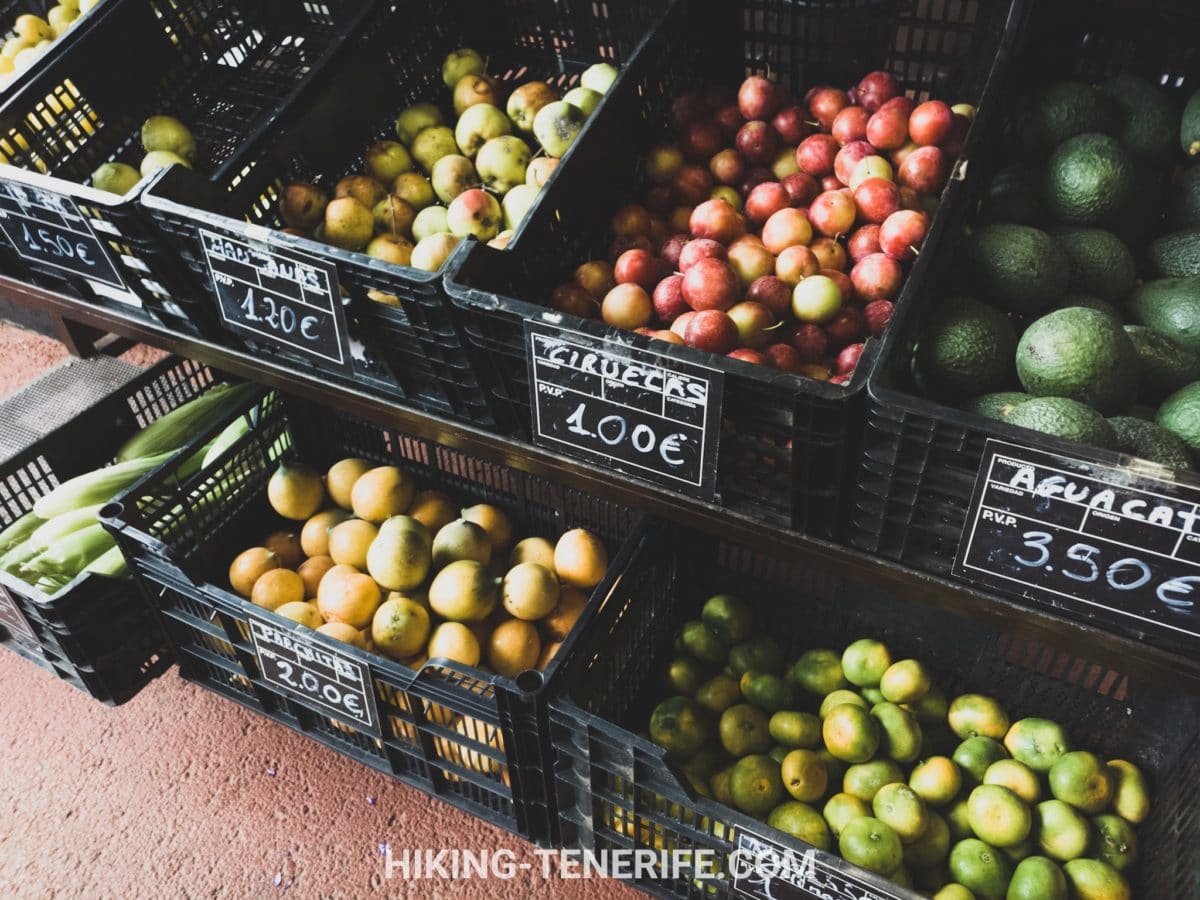
A small bag of fruit or cheese makes a good travel companion. A full boot of food bought in the heat, then forgotten while you chase a viewpoint, is less romantic. Buy after the main plan, not before it.
Turn the market stop into a good Tenerife day. My handcrafted Tenerife guide helps you group food halls, coastal towns, mountain routes and quieter stops without turning the island into a cross-island zigzag.
How to shop without behaving like a nuisance
Take a reusable bag and a small cash backup. Card payment is common, but a small producer or a harbour counter may not accept it. Keep coins and notes separate from wet fish bags.
Small safety rule: keep fresh food cool, covered and separate from clothing or electronics. Do not leave fish or cheese in a hot car while you chase a viewpoint.
- Ask before photographing a person, a close-up display or a stall. A wide market scene is different from putting someone’s working day on your phone.
- Let the seller handle fresh food unless invited otherwise. Point, ask, choose and keep the display tidy for the next person.
- Use simple Spanish, a smile and a few gestures. Market language is usually easier than restaurant language.
- For craft items, ask who made it and where. A clear answer is more useful than a dramatic sales pitch.
- Buy food that fits your accommodation, return journey and fridge. A beautiful cheese is not happier in a hot rental car.
Common mistake: treating a street market as a compulsory cultural achievement. If you would rather swim, walk, eat in a local restaurant or spend a slow hour in a town, do that. Tenerife will survive without one more souvenir bag.
When a market trip is not worth it
Skip the effort when your hotel has no kitchen, your day is already short, you are crossing the island only for a market, or the market you want is a tourist-shopping strip rather than the food or craft experience you imagined.
For a first trip, use my Things to Do in Tenerife guide to choose the bigger shape of the holiday first. The best market day is a useful addition to a town, a north route or a south harbour plan. It should not replace the whole island.
A market is worth your time when it helps you eat, understand a town or meet the person behind the product. Everything else is optional browsing, and that is perfectly fine.
Frequently asked questions
The questions below are the ones that change a real market decision, rather than pretending every Tenerife stall runs on one eternal timetable.
Are Tenerife street markets worth visiting?
They are worth it when you want a browse near your resort, a small gift or a lively walk. They are not automatically the best place for local food, the lowest price or a unique Tenerife souvenir.
Which Tenerife market is best for local food?
Choose a municipal market hall for a reliable city food stop, or a proper farmers’ market such as Tacoronte or Tegueste when seasonal produce, cheese, honey and wine are the point of the trip. For fish, use a working harbour lonja and ask what arrived that day.
Can I visit Tenerife markets without a car?
Santa Cruz, La Laguna and Los Cristianos are the easiest no-car answers. The smaller north farmers’ markets are more comfortable with a car, especially when you want to carry food or combine them with a rural day.
Should I bring cash to a Tenerife market?
Bring a small cash backup and a reusable bag. Card payment is common in many places but never assume every small producer, craft seller or harbour counter will take it.
How should I check a Tenerife market before going?
Use the market, municipality or organiser’s current page shortly before you leave. Weather alerts, holidays, local fiestas and venue changes can affect an outdoor market more quickly than an old travel timetable suggests.

