

I have lived with Tenerife weather long enough to stop promising one perfect forecast. The useful answer is more practical: choose the right coast, know what the ocean is doing, and keep Teide and Anaga flexible.
Short answer: Tenerife is mild all year, but it is not one climate. The south coast is usually warmer and drier, the north is greener and cloudier, and Teide can be cold at any time. Sea temperatures are comfortable for some people and bracing for others.

If you searched for Tenerife weather by month, you probably want more than twelve numbers. You want to know when the sea feels usable, when rain is most likely, whether a hike will be too hot, and which part of the island gives you the best chance of the holiday you imagined.

This is my local, month-by-month answer. I have kept the old guide’s useful personal observations — winter sun, Atlantic water, wind at El Médano, green Anaga, snowy Teide and the joke about Tenerife having 28 microclimates — but corrected the false promise that one island-wide temperature can describe all of them.
Tenerife Has Several Weather Maps
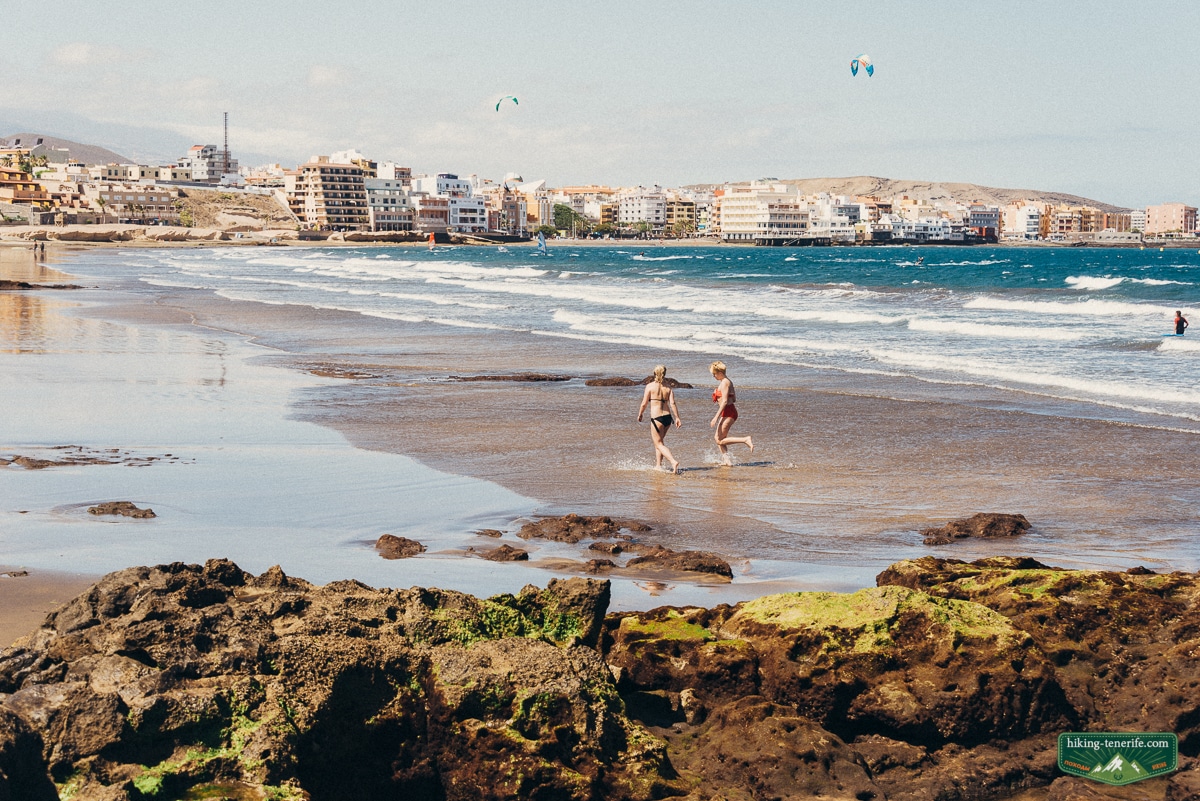
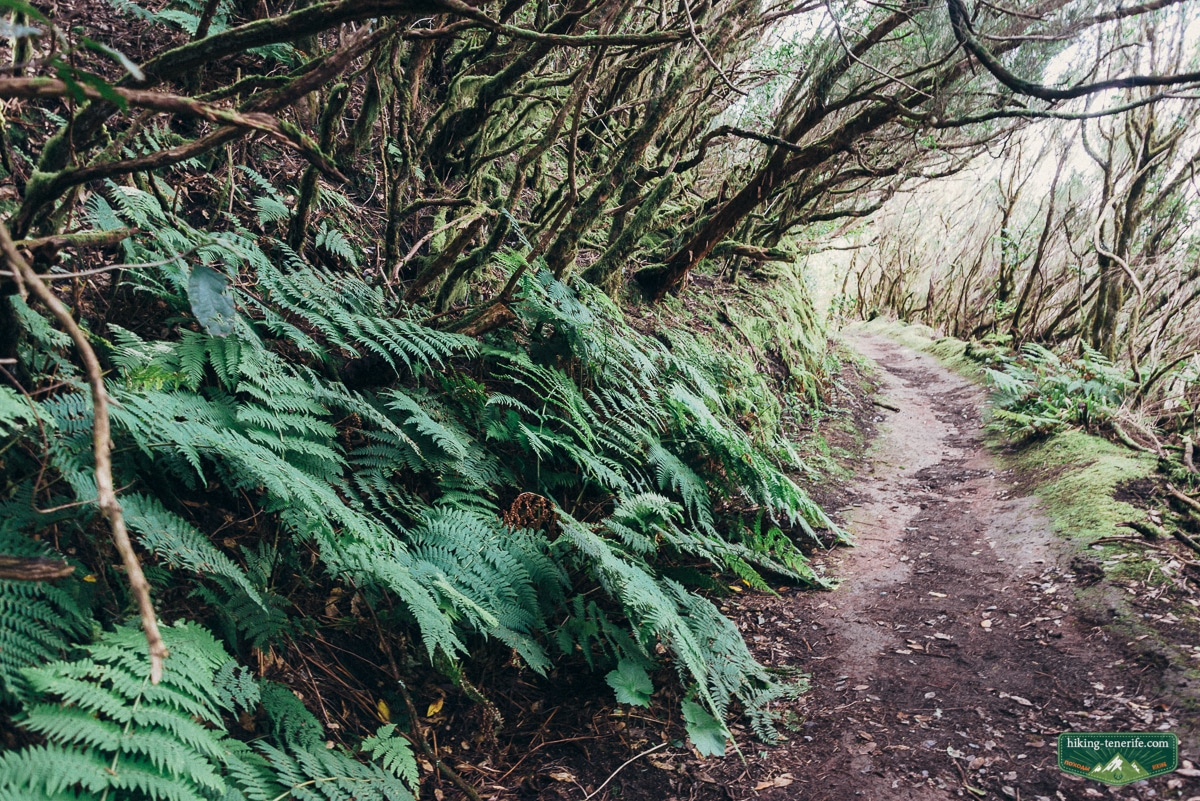
The south around Costa Adeje, Los Cristianos, Las Américas and the airport usually gets the driest, sunniest version of the island. The north around La Laguna, La Orotava and Puerto de la Cruz catches more cloud and rain. The east coast can be windy, while the high country above the clouds belongs to the mountain, not the beach.
Official baseline: AEMET normals for Tenerife Sur Airport show a January mean of 18.4 °C, average daily highs of 21.7 °C and 17 mm of rain. Tenerife Norte Airport shows 13.1 °C, 16.0 °C and 80 mm. That is not a typo. It is the island.
The same contrast continues through the year. In August, AEMET gives Tenerife Sur an average high of 28.4 °C and Tenerife Norte 25.7 °C. The northern number is cooler, but the cloud and humidity change the feeling even more than the three degrees suggest.
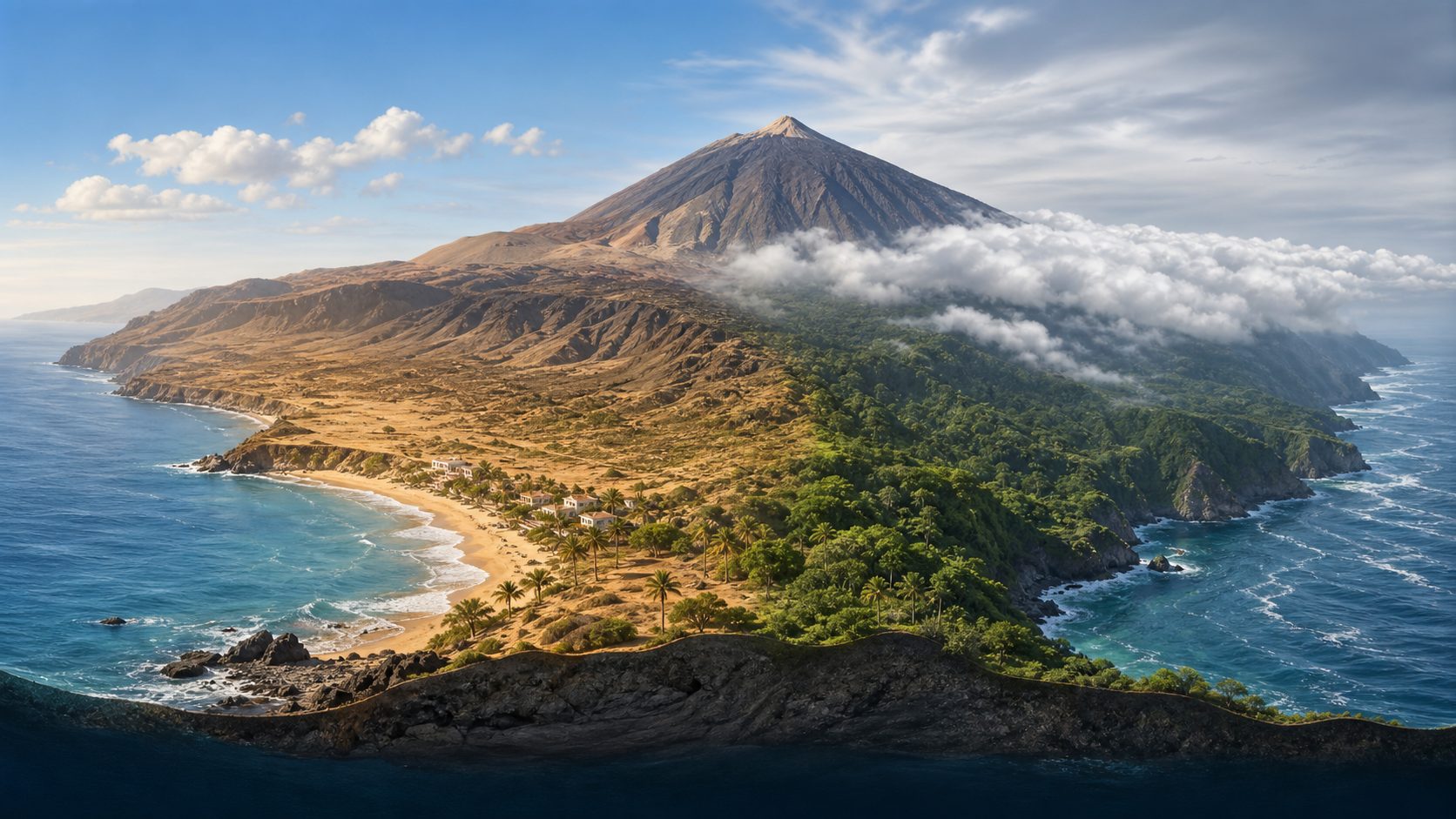
Weather numbers are useful, but Tenerife makes more sense when you can see the wind, cloud and Atlantic for yourself. These short field notes keep the practical mood of the guide alongside the tables.
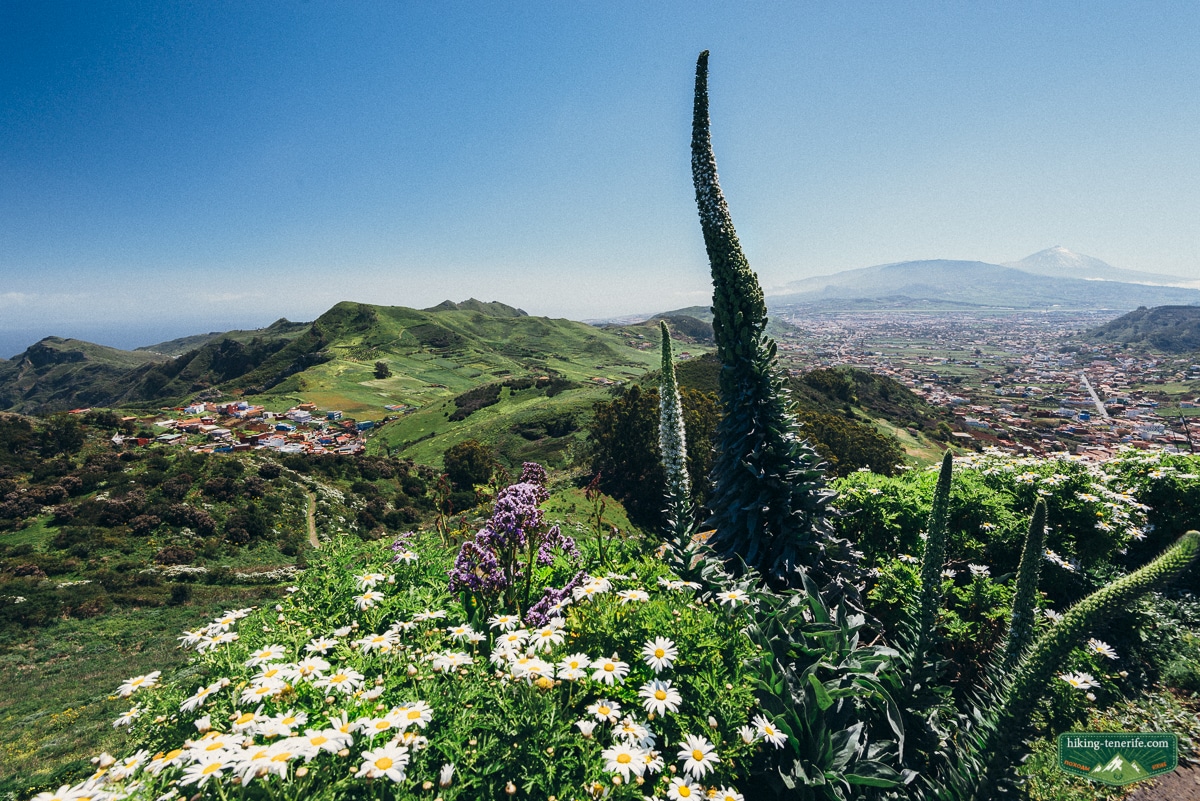
Use the AEMET Tenerife Sur normals and Tenerife Norte normals as climate context, not as a forecast for your balcony. For the sea, Puertos del Estado oceanography provides measurements and forecasts for waves, currents and water temperature. Check the live marine conditions before swimming, surfing or using a natural pool.

Why the visual looks different: WeatherSpark is useful for seeing the whole-year rhythm — temperature bands, cloud, rain probability and daylight — while AEMET gives the station normals behind the south-versus-north comparison. Use both as climate context, never as a forecast for one beach. See the WeatherSpark Tenerife climate charts for the wider visual reference.
Air And Sea Temperature By Month
The table is a planning guide, not false precision. Air figures use the warmer south-coast baseline and a typical north/highland caveat. Sea figures are practical coastal ranges gathered from long-term Atlantic observations and current marine references. A sheltered cove, exposed beach, cold upwelling or a calima day can move the experience outside the range.
| Month | South-coast air | Sea feel | Rain, wind and best use |
|---|---|---|---|
| January | 21–22 °C day, 15–16 °C night | 18–20 °C, fresh | Winter sun in the south; hiking and Teide need layers. |
| February | 21–22 °C day, 15 °C night | 18–19 °C, cool | North rain and cloud are more likely; good for routes and Carnival. |
| March | 22–23 °C day, 15–16 °C night | 18–19 °C | Balanced hiking month; spring colour arrives before summer heat. |
| April | 22–24 °C day, 16 °C night | 18–20 °C | Longer days, flowers and comfortable walking; Easter can bring crowds. |
| May | 23–24 °C day, 17 °C night | 19–20 °C | Dry, bright and good for mixed trips; the sea is not yet warm for everyone. |
| June | 25–26 °C day, 19 °C night | 20–21 °C | Summer arrives; trade winds help the coast, while Teide flowers shine. |
| July | 27–28 °C day, 20 °C night | 21–22 °C | Reliable beach weather, busy resorts, wind sports and hot hiking middays. |
| August | 28–29 °C day, 21 °C night | 22–23 °C | Hot, bright and crowded; calima and UV need respect. |
| September | 27–28 °C day, 21 °C night | 23–24 °C | Warmest swimming period; late month is calmer and better for walking. |
| October | 26–27 °C day, 20 °C night | 22–23 °C | Excellent beach-and-route balance; north swell and first rain can return. |
| November | 24–25 °C day, 18 °C night | 20–22 °C | South stays mild; north turns greener, wetter and more atmospheric. |
| December | 22–23 °C day, 16–17 °C night | 19–21 °C | Winter sun, holiday lights and flexible mountain planning. |
Common mistake: treating the south-coast high as an island-wide daytime temperature. It is not. A cloud layer, altitude gain or north-facing road can change your clothes within an hour.
Tenerife Weather Year Round: The Quick Pattern
Tenerife weather stays mild through the year, but the island does have seasons. Winter brings the greatest chance of Atlantic rain and cooler nights. Summer is hotter, drier and windier on exposed coasts.
Year-round answer: August is usually the hottest month in Tenerife on the south coast. September often has the warmest sea. The wetter period normally runs from late autumn into winter, especially in the north. July and August are usually the driest months.
When Is Tenerife Hottest?
August has the highest typical daytime temperatures on the south coast. AEMET normals put the average high at Tenerife Sur Airport at 28.4 °C. Hot spells can climb above that, especially when calima brings dry air and Saharan dust.
Local detail: the hottest month is not automatically the best month. I prefer late September or October for a beach-and-route trip. The sea is warm, the light is softer, and walking is usually kinder than during an August afternoon.
When Does It Rain In Tenerife?
Rain is more likely from November to February. The north and higher ground receive much more than the sheltered south coast. A wet morning in La Laguna does not prove that your Costa Adeje beach day is lost.
Plan like this: keep one north-coast or mountain day flexible in winter. Check the forecast by area, not only “Tenerife”. If cloud and rain settle over Anaga, move the route or use a south-coast day instead.
Is Tenerife Windy Or Humid?
Trade winds are part of Tenerife’s climate, especially from late spring through summer. El Médano and the east coast feel them most. Sheltered parts of Costa Adeje can feel much calmer on the same day.
The north is often cloudier and more humid than the south. That helps the landscape stay green. It can also make a modest temperature feel cooler in winter or heavier in summer.
Local verdict: do not choose a Tenerife month from temperature alone. Match the month with the coast, altitude and activity. Beach weather, hiking weather and Teide weather can all exist on the same day.
January: Winter Sun With Mountain Rules
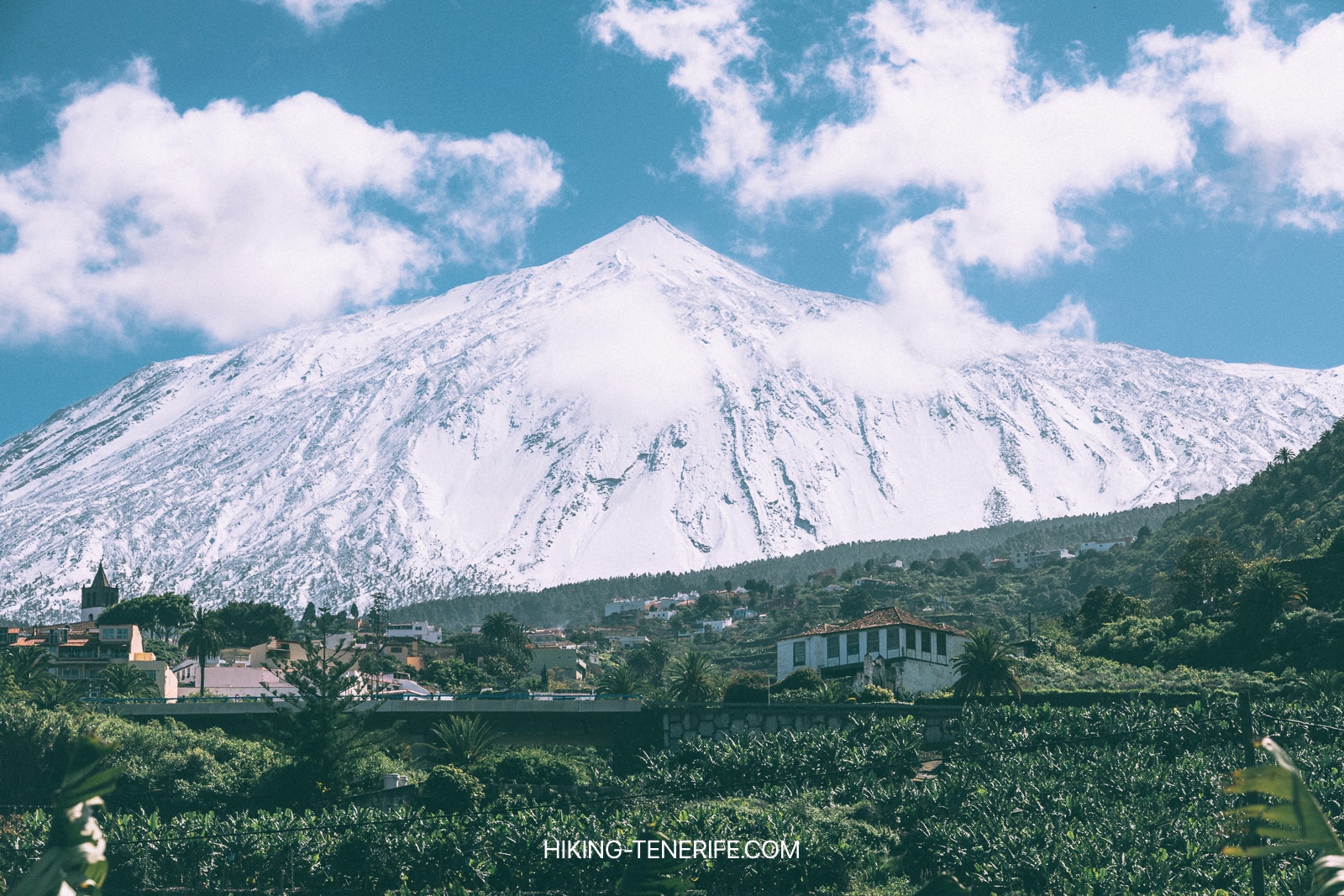
Tenerife in January suits winter sun, walking, whale watching and people escaping grey weather. South Tenerife can feel warm at midday, while La Laguna, Anaga and Teide ask for a jacket.

Expect short beach windows rather than a guaranteed beach day. The sea is swimmable for determined people, but the Atlantic is refreshing. Hike in the morning, keep a north-town backup, and check for snow or road closures before driving to Teide.
February: Cool Atlantic, Green Routes And Carnival
February weather in Tenerife can feel warm on a sheltered south beach and genuinely cold in a damp northern apartment. Pack layers, proper shoes and a little patience.

Sea swimming is possible, but I would not build the whole holiday around it. February is stronger for Teide viewpoints, hiking, almond blossom, black-sand beaches, food and Santa Cruz Carnival. Check the current Carnival programme and traffic plan rather than trusting an old calendar.
March: Spring Starts In The Landscape
March in Tenerife is a very good month for hiking and scenic days. South-coast afternoons often reach the low 20s, while high routes remain cooler and the sea still feels brisk.

Choose the south for easy sun, the north for colour and food, and Teide or Teno when the forecast is clear. A warm afternoon can still end with a cold mountain road. This is one of the best months for people who want to walk rather than lie still.
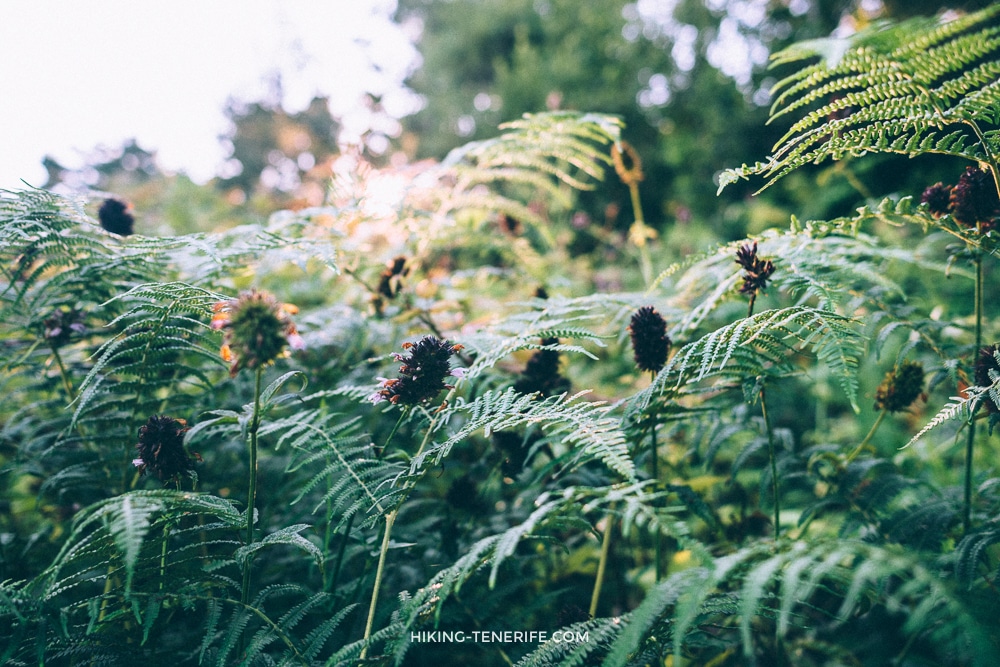
April: Flowers, Long Days And Cool Water
April in Tenerife is one of my favourite compromises: longer daylight, flowers, comfortable walking and usually little south-coast rain.

The sea is still cool, so book a pool if swimming is central to the trip. Anaga, La Orotava and Teide can be beautiful, but Semana Santa may change prices, traffic and town rhythms. Use the forecast to choose between a beach, a flower walk and a north-town day.
May: Dry, Bright And Easy To Explore
May in Tenerife is warm without the full summer pressure. Rain on the south coast is unusual, the north is still greener, and the days work well for a mix of beaches, villages and viewpoints.

The water is moving toward comfortable, but not everyone will call 19–20 °C warm. May is a good family and first-timer month if you want a flexible trip. Add Tenerife farmers markets, La Laguna or La Orotava when the beach becomes repetitive.
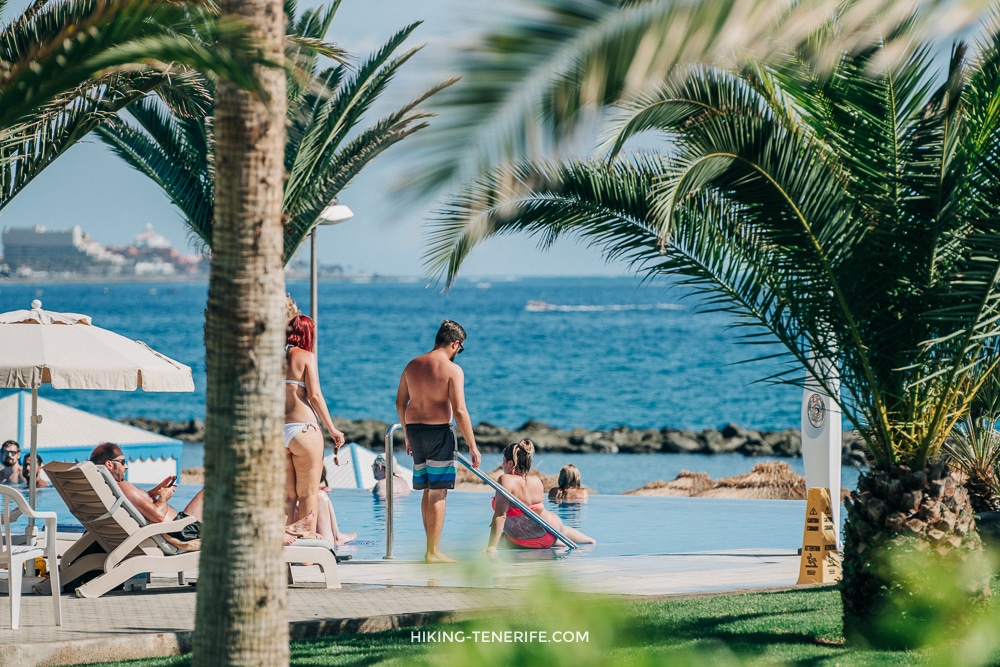
June: Summer Arrives Without August Pressure
June in Tenerife brings warm coast days, longer evenings and a sea temperature that starts to work for more swimmers. Trade winds keep exposed beaches fresh, especially around El Médano.

It is a strong month for boat trips, swimming, coastal walks and early hiking. Go to Teide or Anaga early, use shade, and do not confuse a pleasant coastal breeze with safe midday mountain conditions.
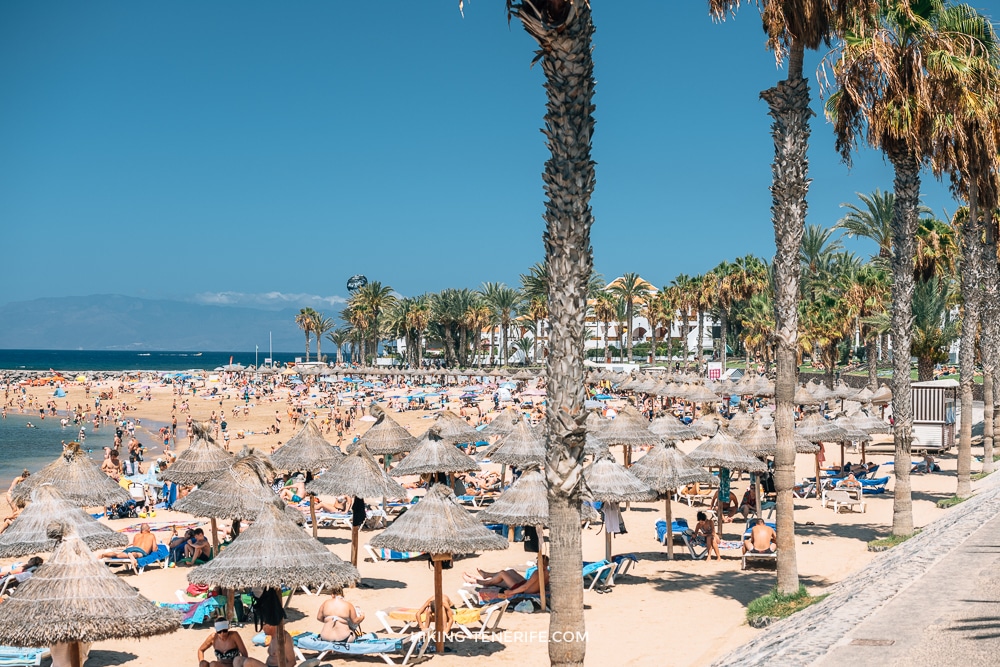
July: Warm Sea, Busy Beaches And Wind Sports
July weather in Tenerife is reliable for beaches and warm enough for most swimmers. Resorts become busier, midday hiking becomes less sensible, and shade stops being optional.

July is excellent for kitesurfing in El Médano if wind sports are your point. The same wind can annoy a family beach day. For small waves and lessons, Las Américas can be easier. Book popular trips early.
August: Hot, Bright, Crowded And Sometimes Dusty
August in Tenerife is warm, dry and busy. The south can pass 30 °C during hot spells, the sea is at its most inviting, and Spanish school holidays fill the obvious beaches.

Calima can bring dust, heat and poor visibility. Check AEMET warnings, UV and mineral-dust forecasts before long walks. I prefer forests, early starts and shorter beach visits to pretending the sun is harmless because the trade wind is blowing.
August is good for swimming, families who want guaranteed summer energy, and wind sports. It is less good for quiet roads, empty beaches or ambitious midday hikes.
Common mistake: treating late August and early September as different seasons. They are usually very similar. Early September often keeps August heat, warm evenings and busy beaches. The softer change is more noticeable later in September.
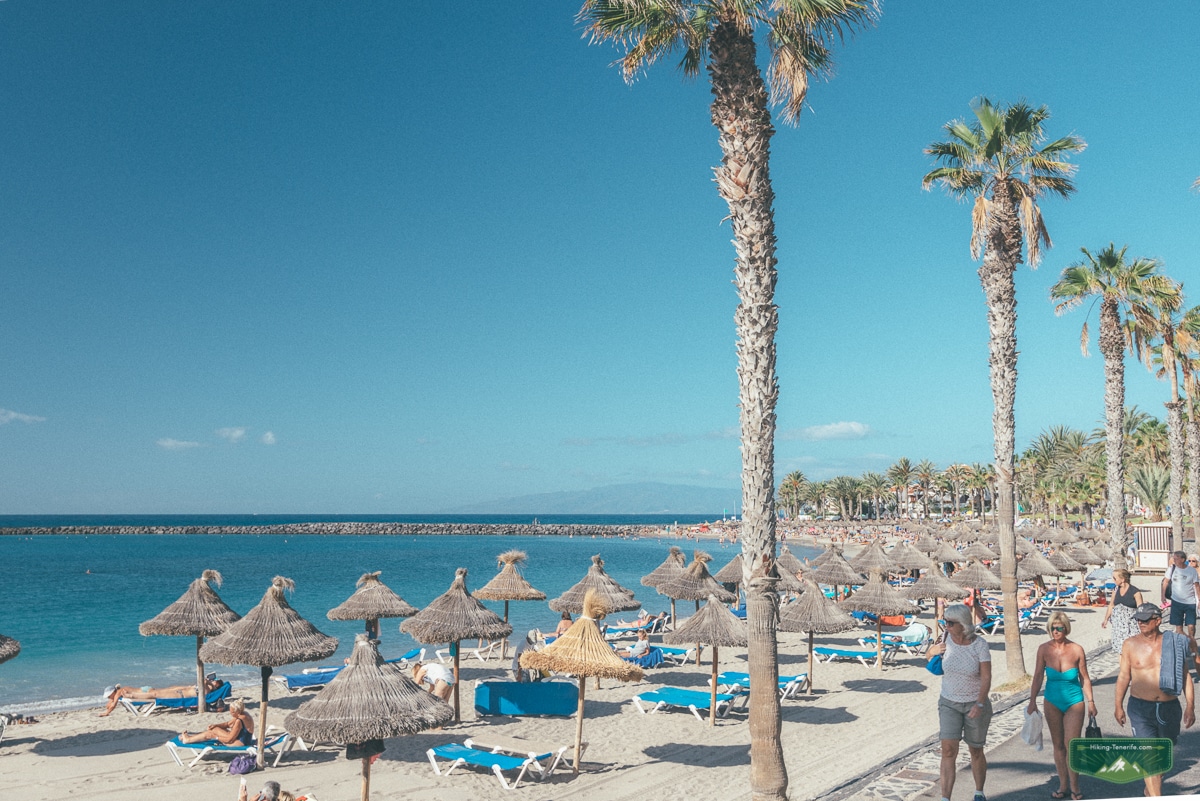
September: The Warmest Sea And A Softer Rhythm
September weather in Tenerife is usually warm and beach-friendly, with the sea at its annual high. Early September can still feel like August; late September is calmer and better for combining swimming with routes.

Use the south for reliable beach days, the north for greener walks, and Teide or Anaga in the morning. Heatwaves and calima remain possible. September is not a secret month, but it is one of the best all-round choices.
Early or late September? choose early September for a full summer mood and the warmest swimming. Choose late September for slightly calmer resorts and easier walking. Weather changes gradually, so do not expect a sharp line in the middle of the month.
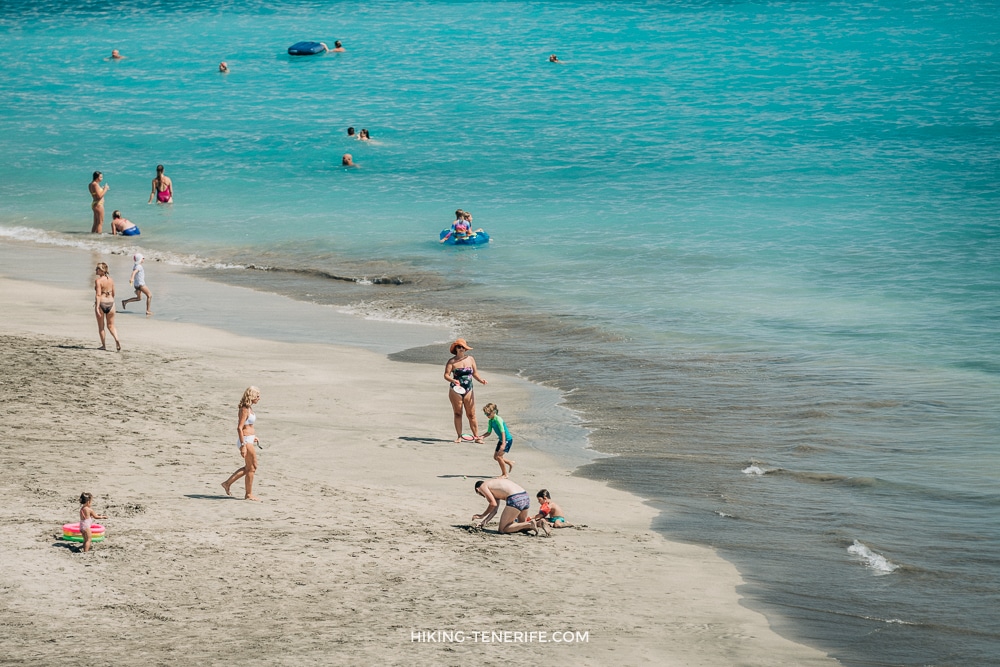
October: My Favourite Beach-And-Route Balance
October in Tenerife often gives the best balance of warm sea, comfortable coast weather and less intense summer crowds. It is still not a guarantee: the first Atlantic swell and northern rain can return.

October works for swimming, surfing, walking, whale watching and road trips. Check wave conditions before natural pools and exposed beaches. If you want a broad autumn plan, read the Tenerife autumn guide after choosing your base.
November: Mild South, Green North, Real Rain
November in Tenerife remains mild in the south, with sea temperatures that many people still enjoy. The north becomes greener and more likely to show you proper cloud and rain.

It is a strong month for hiking, old towns, markets and slower food days. Keep a waterproof layer in the car. When the north is wet, try La Orotava, La Laguna or a sheltered south coast instead of forcing a dramatic ridge walk.
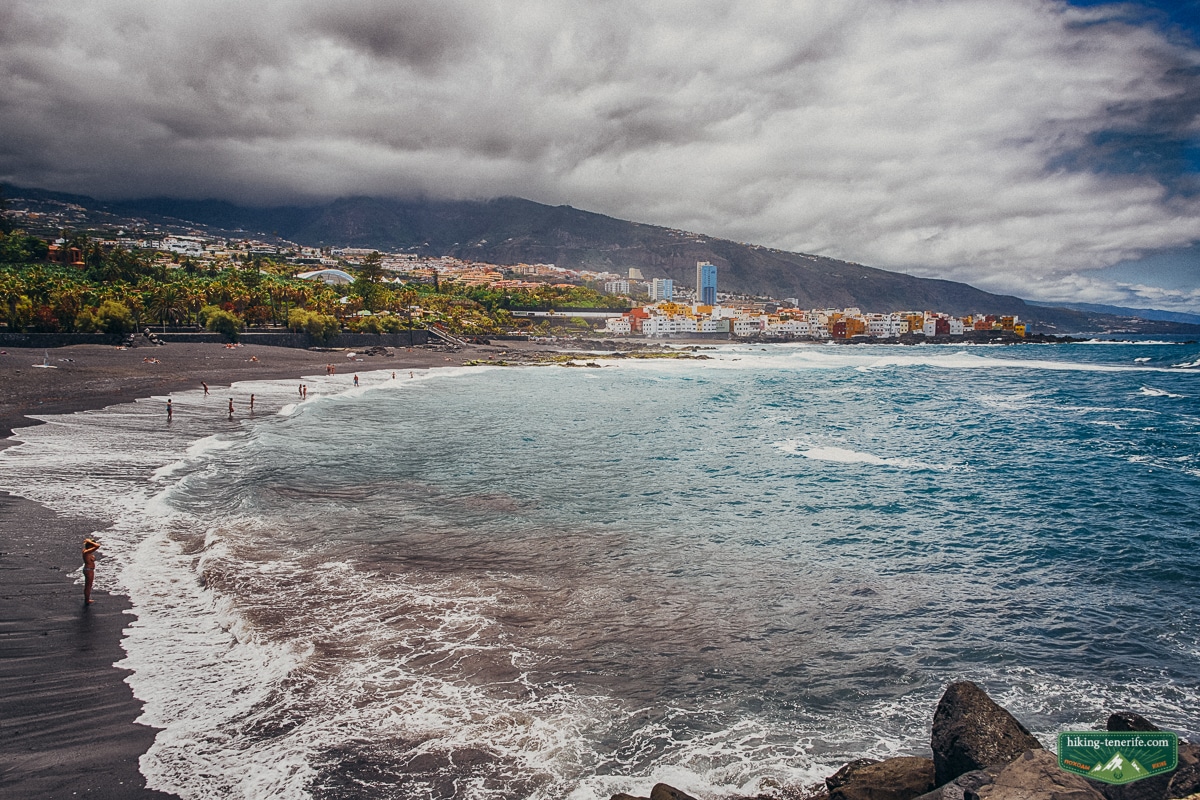
December: Winter Sun, Atlantic Water And Christmas
December in Tenerife is warm enough for south-coast beach windows and cool enough for proper walking. The sea is fresh, the north can be wet, and Teide needs real layers after sunset.

Christmas and New Year bring lights, food, events and higher demand. For the practical holiday version, use my Christmas in Tenerife guide. Check each town’s current programme rather than assuming every parade or market repeats last year’s route.
Which Month Should I Choose?
There is no single best month. There is a best month for the trip you actually want.
| If you want… | Start with… | Why |
|---|---|---|
| Warm sea and beach days | September or October | Warm water, long days and less August pressure. |
| Winter sun | December to March | South-coast light, hiking weather and a break from northern winter. |
| Hiking and flowers | March, April or November | Cooler walking conditions and stronger landscape colour. |
| Family summer holiday | June, July or September | Easy beach logistics and warmer swimming conditions. |
| Quietest warm compromise | Late May, June or late September | Good light without the full peak-season feeling. |
| Wind sports | July to September | Reliable trade winds around El Médano, with safety checks. |
| Christmas atmosphere | Mid-December to early January | Lights and local traditions, but higher demand and changing schedules. |
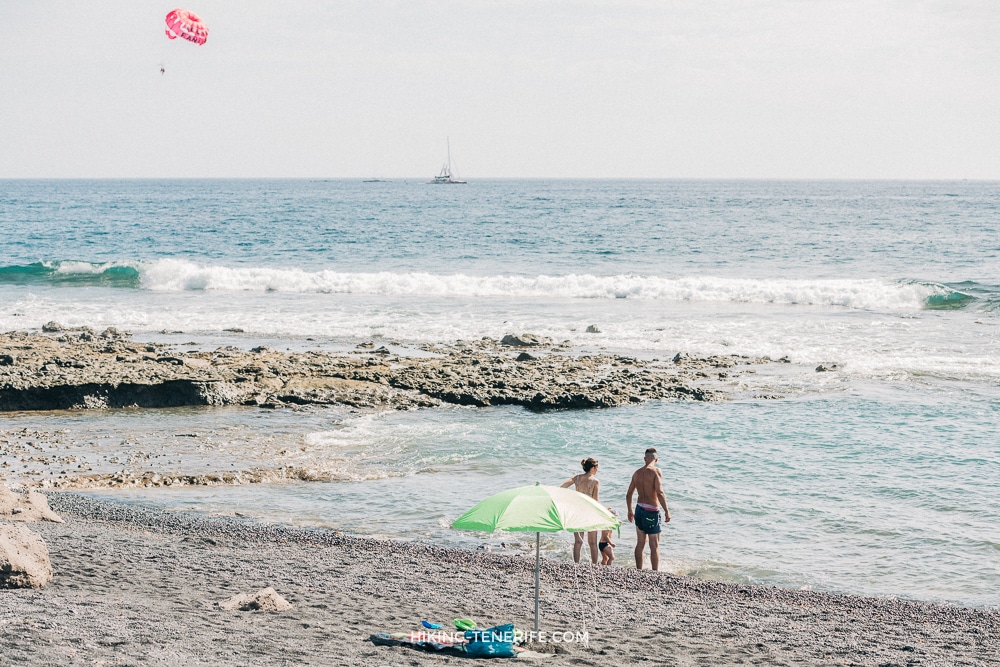
Weather Planning For Real Trips
For families: choose a south base with a pool, easy beaches and short daily drives. The Tenerife with kids guide is useful for ideas, but flags, shade, towels and exits matter more than a long attraction list.
For hikers: use the best hikes in Tenerife guide, then filter routes by forecast, altitude, daylight, trail status and water. The Anaga guide will make more sense on a cloudy day than a beach forecast does.
For no-car visitors: stay somewhere walkable. Los Cristianos is practical for buses, beaches, ferries and tours. Use the official TITSA planner for current times and do not build a remote mountain day around one optimistic last bus.
For first-timers: my things to do in Tenerife guide is the broad list. Use it after you decide whether you want south-coast ease, the green north, Teide, or a mix. The south Tenerife guide and north Tenerife guide are better for day-by-day weather choices.
Heat, Wind, Rain And Safety
Safety rule: check the current AEMET warnings, UV forecast, mineral-dust forecast and Canary Islands alerts before a weather-sensitive day.
Use sunscreen even when a trade wind makes the air feel cool. Start mountain walks early in summer. Carry water, a charged phone and a layer. Do not swim at a red flag, do not climb onto exposed rocks for a photograph, and do not treat a natural pool as a swimming pool when waves are running over it.
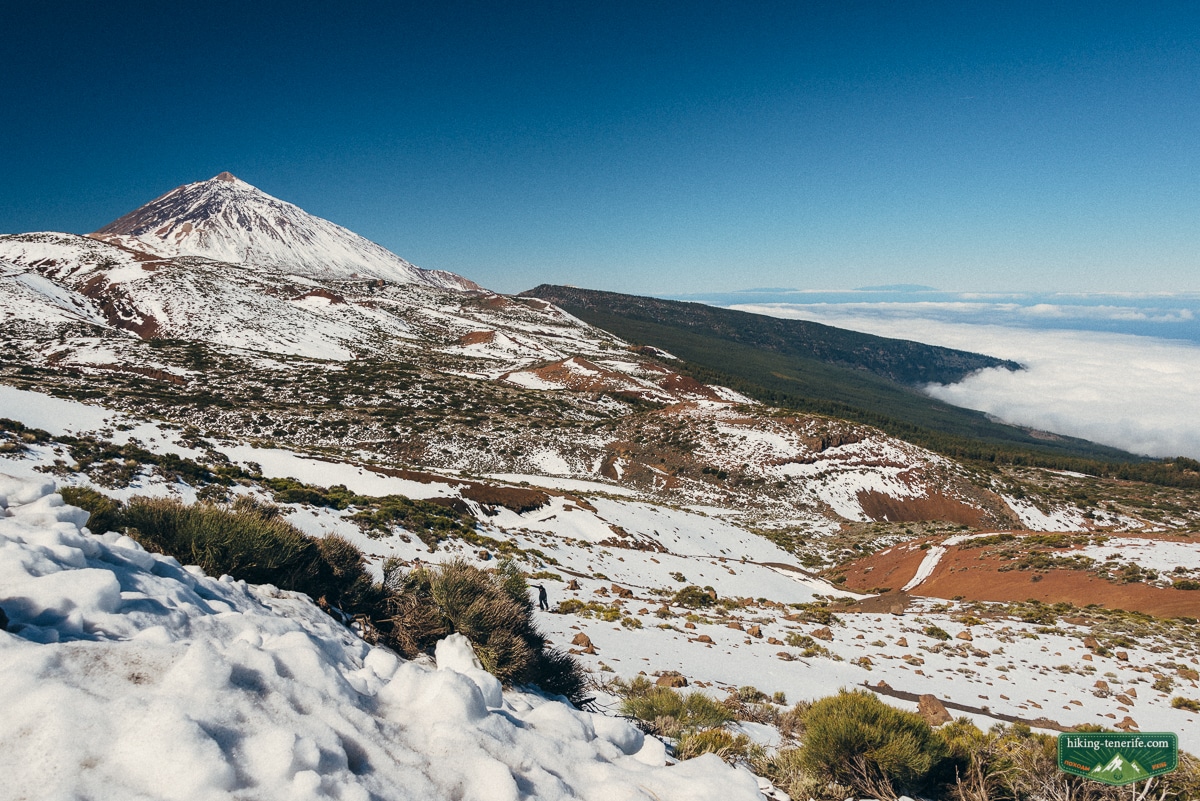
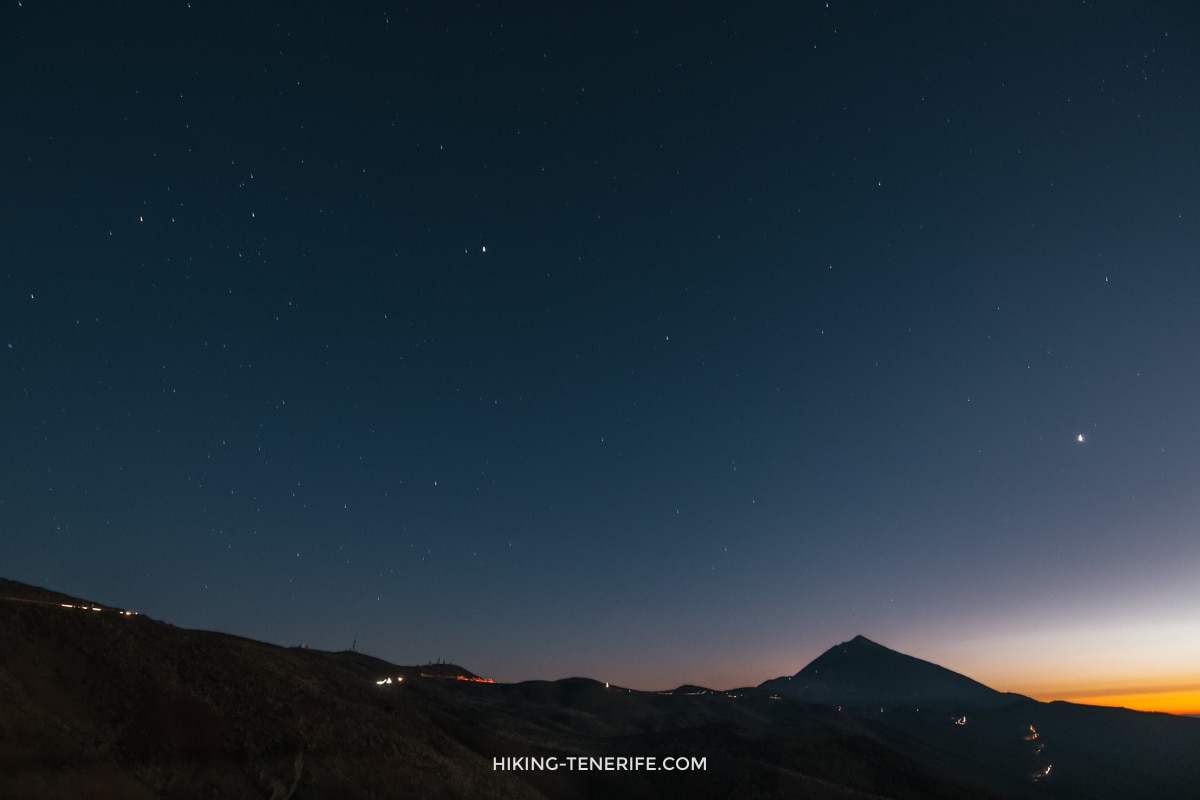
At Teide, altitude changes the rules. The Teide National Park guide is a good planning start, but current access, permits, road conditions and closures belong to Tenerife ON and official notices. Beach weather is not mountain weather.
Tenerife Weather By Month: FAQ
Is Tenerife hot all year?
The south is mild and often warm all year, but “hot” depends on the month, wind and shelter. The north and high country are cooler. Winter is warm by European standards, not tropical.
What is the warmest month in Tenerife?
August is usually the hottest-feeling month on the south coast, while September often has the warmest sea. Heatwaves and calima can make another month feel hotter than the averages suggest.
Can you swim in Tenerife in winter?
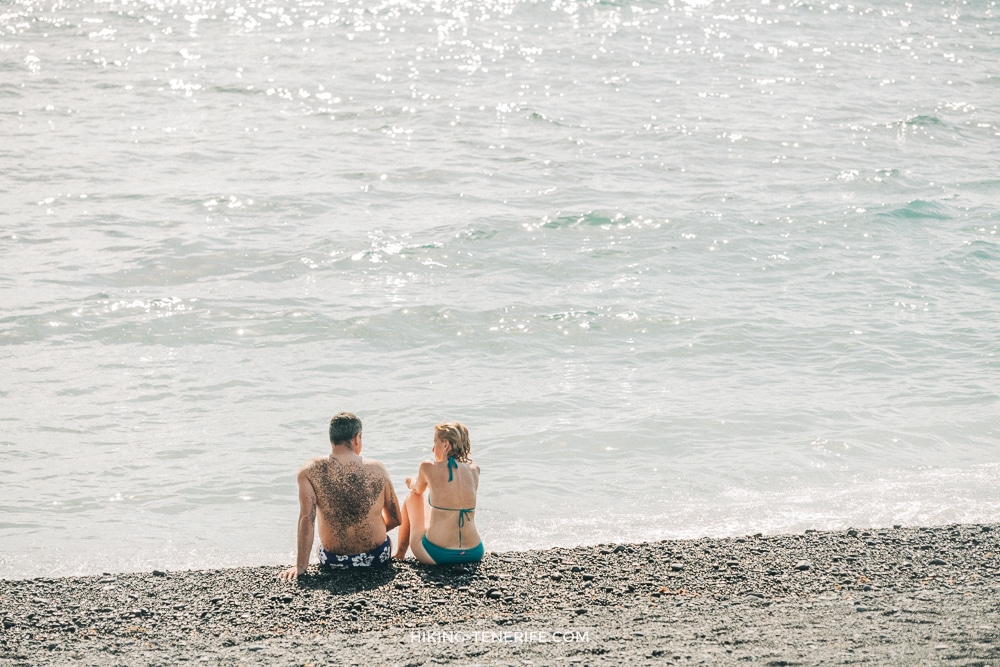
Yes, especially on sheltered south-coast beaches and in hotel pools. The sea is usually around 18–20 °C, so swimming is a personal decision. Always obey flags and sea-state warnings.
Is north or south Tenerife warmer?
The south is usually warmer, drier and sunnier at the coast. The north is greener, cloudier and wetter. Neither is “better” in every month; choose based on your trip rather than a postcard.
What should I pack for Tenerife weather?
Pack swimwear, sunscreen, a hat, light clothes, walking shoes and a warm layer. Add a windproof or light waterproof jacket for the north, Anaga, Teno and Teide. Do not pack only for the beach.
Want to plan the island around real weather? My handcrafted Tenerife guide connects beaches, Teide, Anaga, old towns, markets and quiet alternatives into sensible days. Plan Tenerife with the local guide.
My final answer is still close to the old one: Tenerife is good in every month. The honest version is better, though. Choose the coast, respect the Atlantic, carry a layer, and let the island show you more than one kind of weather.

