Autumn on Tenerife is not one weather setting. It is the moment when a beach day in the south, damp forest in Anaga and cold air on Teide can all be sensible plans before dinner.
Quick verdict: Tenerife is a very good autumn destination if you choose the right version of autumn. September is still summer-like. October is the warm beach-and-road-trip month. November is cooler, greener and stronger for hikers, towns and flexible travellers. Do not book one plan for the whole island and expect it to obey.
Autumn still begins with island-scale light.
For this guide, autumn means September, October and November. Early September often still feels like summer on the coast, while later November brings a greener, cooler and more changeable version of the island.
The useful questions are practical: Can I swim? Will it rain? Is the north worth it? Can I hike? And what should I do when the forecast changes its mind?
This page is the umbrella: how to choose things to do in Tenerife through autumn without turning three useful monthly guides into one confused weather sandwich.
Yes, especially if you want a holiday with more choice than a resort lounger. The south and south-west usually make the safer base for beach comfort.
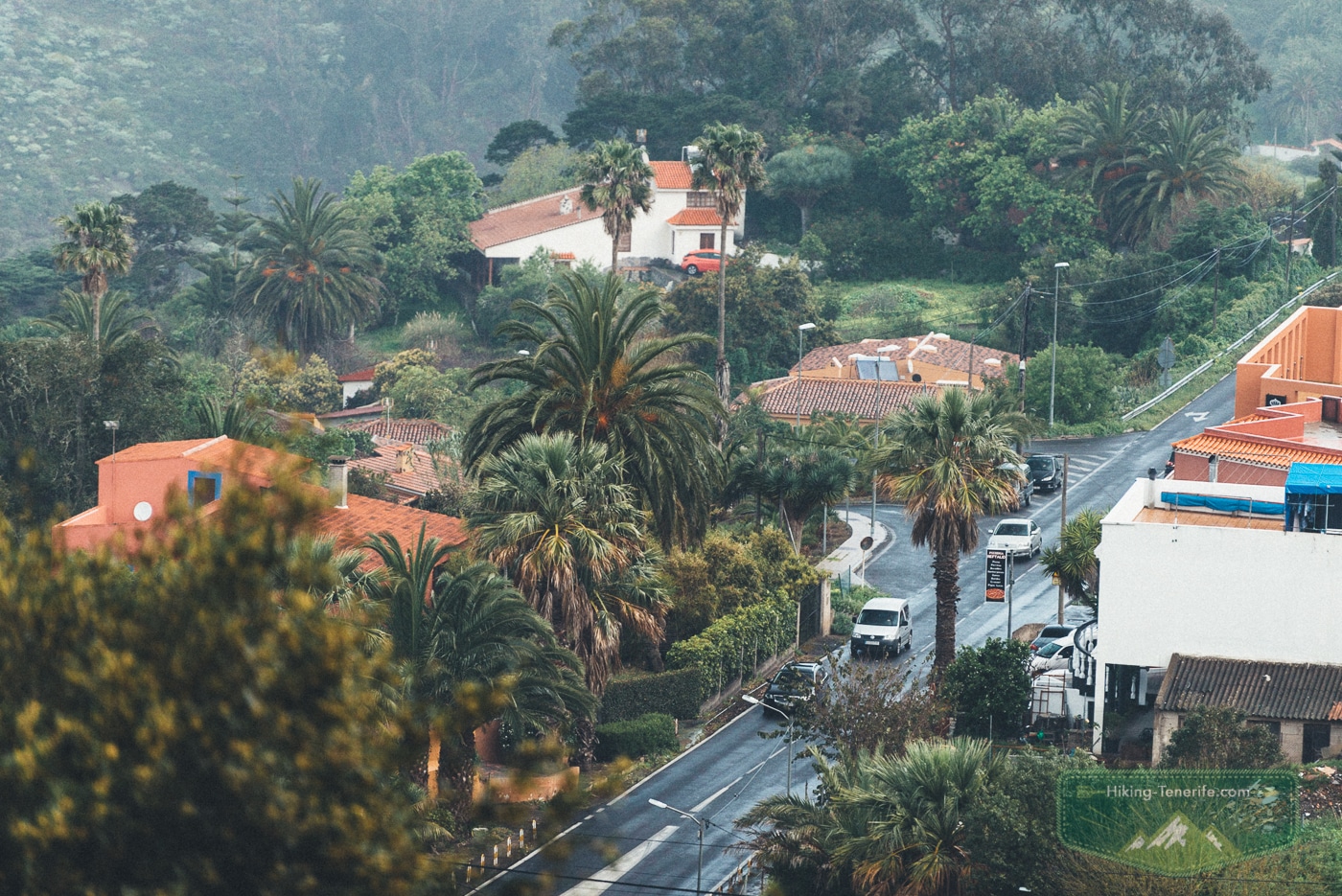
The north, Anaga, La Laguna and La Orotava become more rewarding when you accept cloud, rain and a proper jacket.
Autumn also makes Tenerife kinder for walking. The high country and exposed trails are not automatically easy, though.
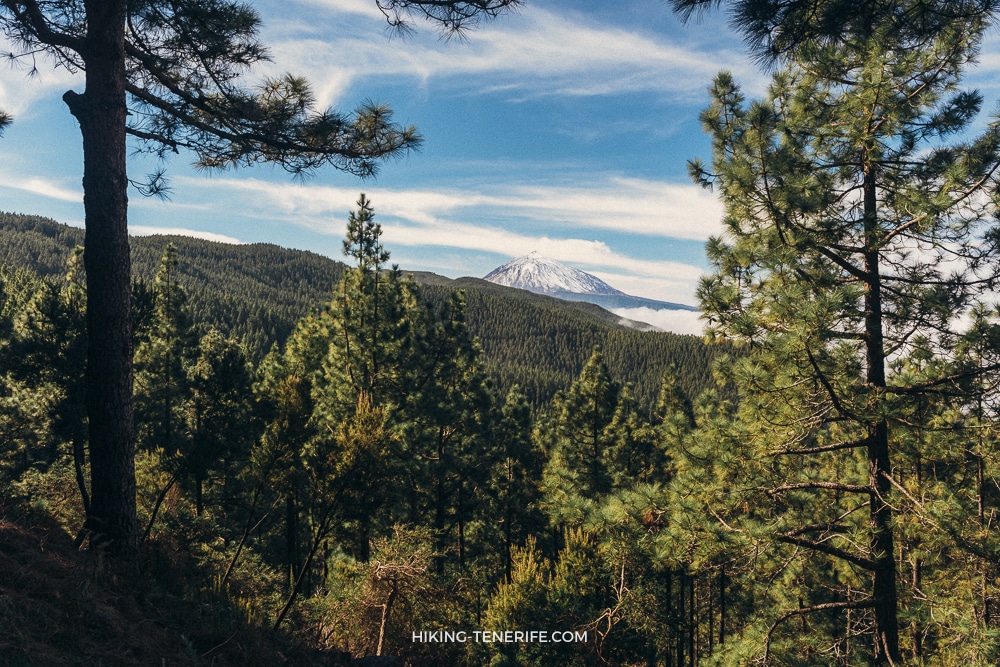
A coastal forecast is not a Teide forecast, and a sunny hotel balcony says very little about wind on a ridge.
Local verdict: Choose Tenerife in autumn for range, not for a guarantee. If you want the hottest sea, come earlier. If you want beach, forest, towns and mountain air in one week, autumn is excellent.
North rain can change the day, not ruin it.
Month
Best version of Tenerife
Choose it if
Main catch
September
South coast, sea, early starts
You want the warmest autumn sea and summer clothes most days.
Heat, UV, calima and beach wind can still shape the day.
October
Beach-plus-road-trip
You want warm swimming with better space for Teide, towns and walks.
Rain or wind can arrive; mountain plans still need checks.
November
Green north, hikes and towns
You like layers, moody light, old towns and flexible nature days.
North and mountains are cooler and wetter; use the south for beach reliability.
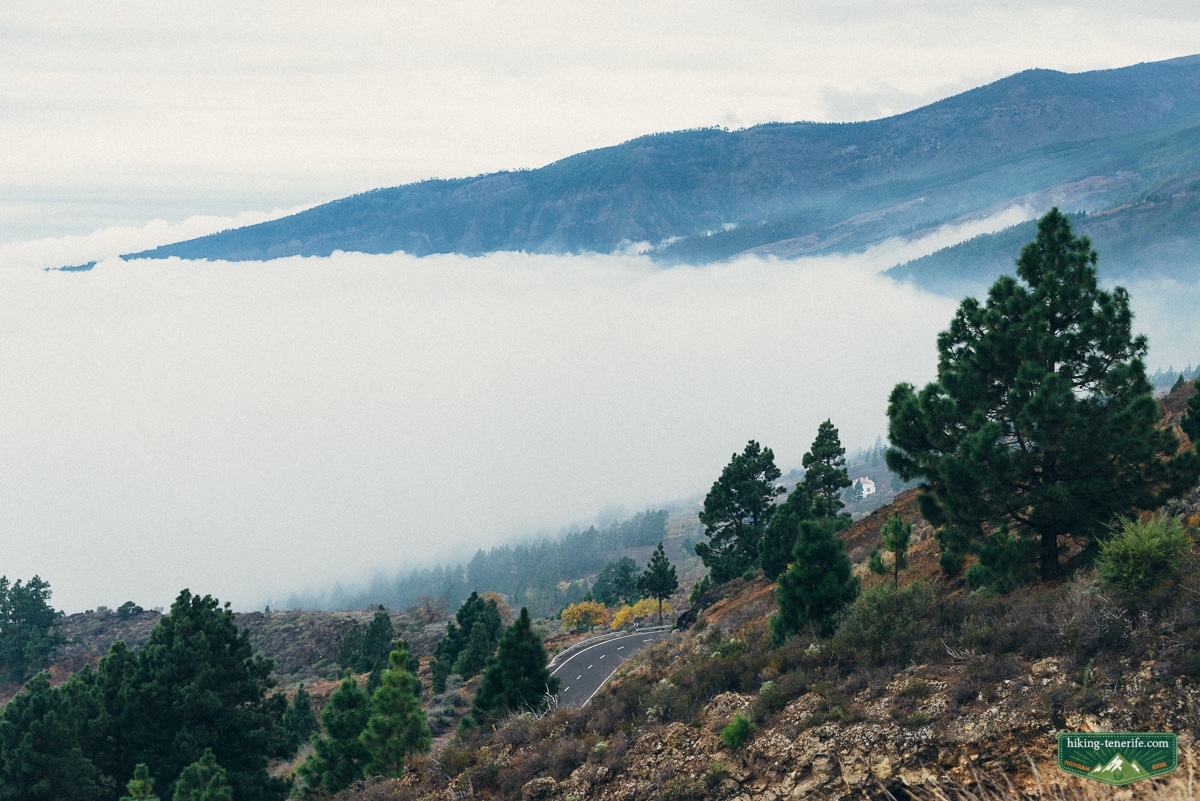
Inland height changes the weather and mood.
Choose this autumn plan if: you are happy to keep a sunny-coast version and a north-or-mountain version of the same day. Avoid it if: a single rainy afternoon feels like a personal betrayal by the Atlantic.
Cloud can arrive before the summit does.
South, North And Altitude: The Real Autumn Decision
For a first autumn trip, I would normally stay south or south-west, then day-trip north when the forecast opens.
The north is not the “bad weather” side. For a town-first day, see Things To Do In Puerto de la Cruz and accept a little more cloud.
It is a different holiday: laurel forest, black sand, hills, old streets, food and cloud that actually makes the landscape look alive. It is best for people who enjoy Tenerife as an island, not only as a sun product.
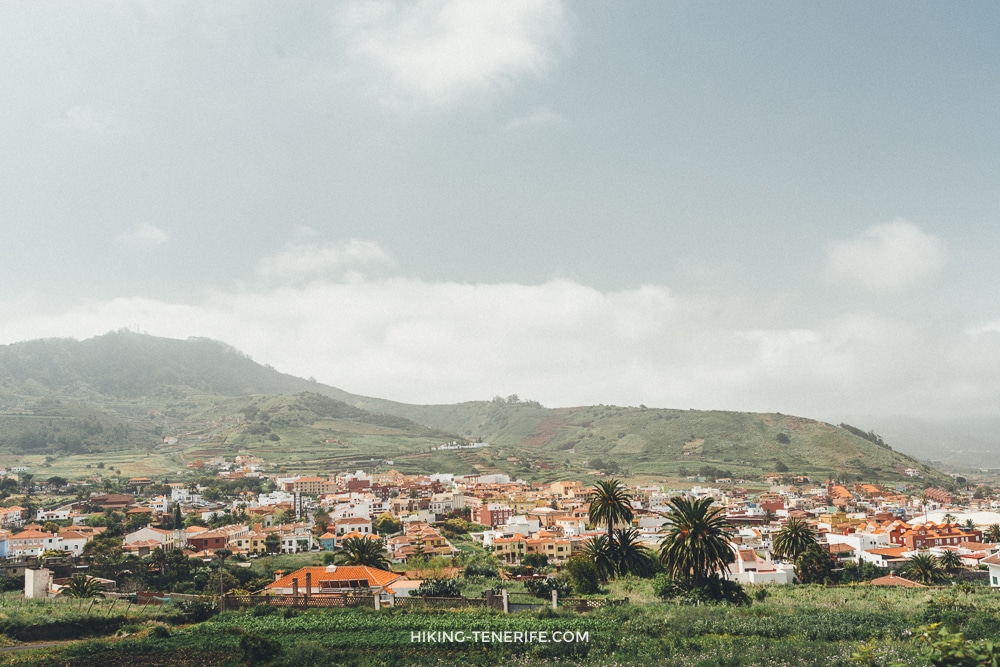
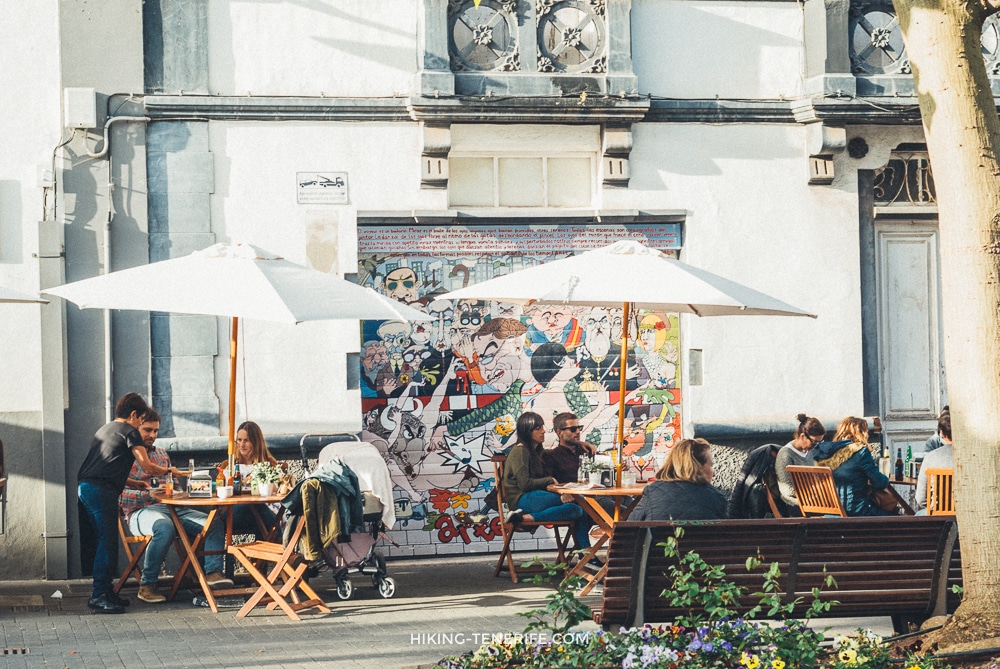
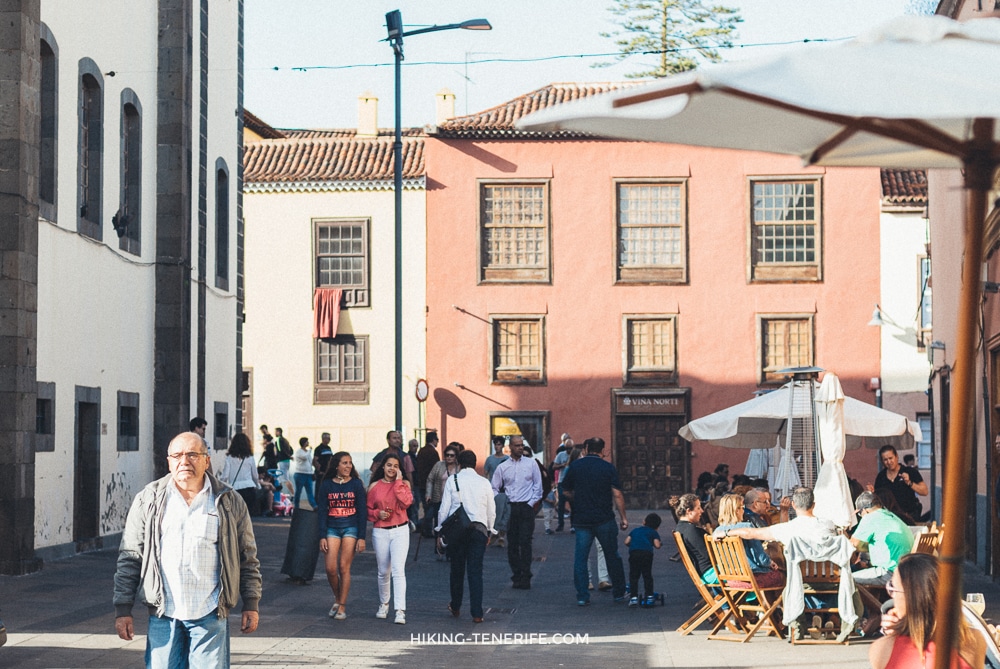
La Laguna gives rain a more interesting place to land.
Local detail: the north can look damp and feel wonderfully alive on the same morning. I would choose it for towns, food and greenery, not for a guaranteed beach timetable.
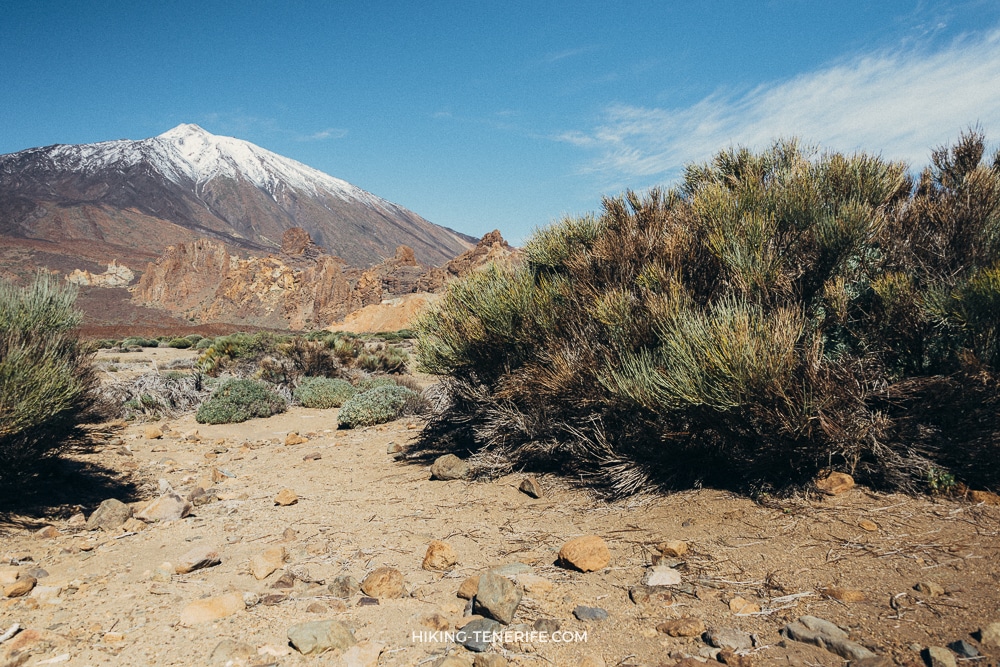
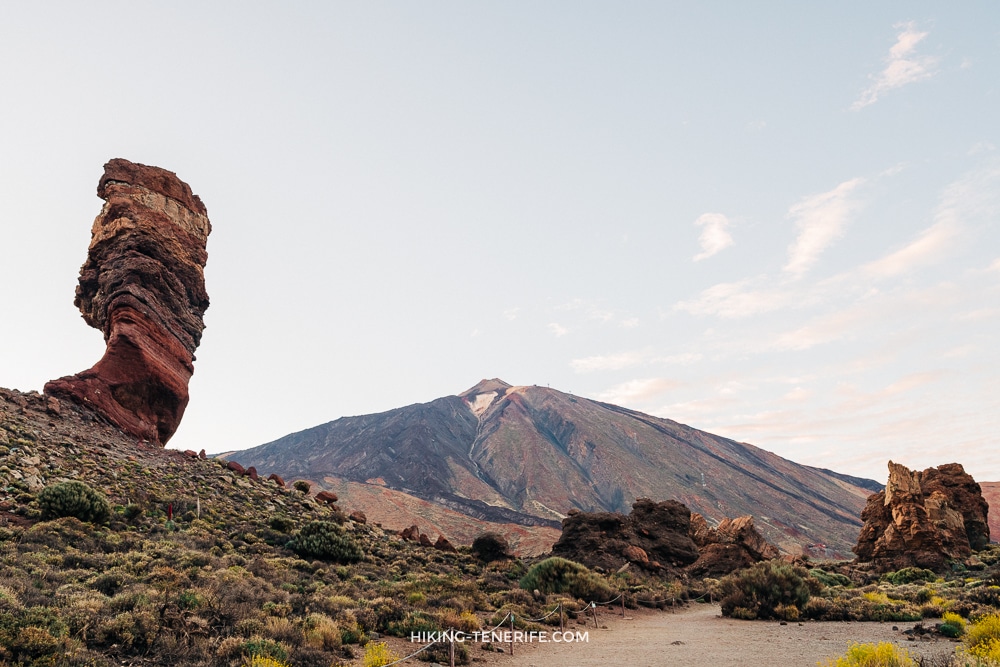
Altitude adds a third answer. Teide can be cold, windy or closed while the coast is warm. For protected routes and high trails, check Tenerife ON, current Teide access rules and AEMET warnings on the day.
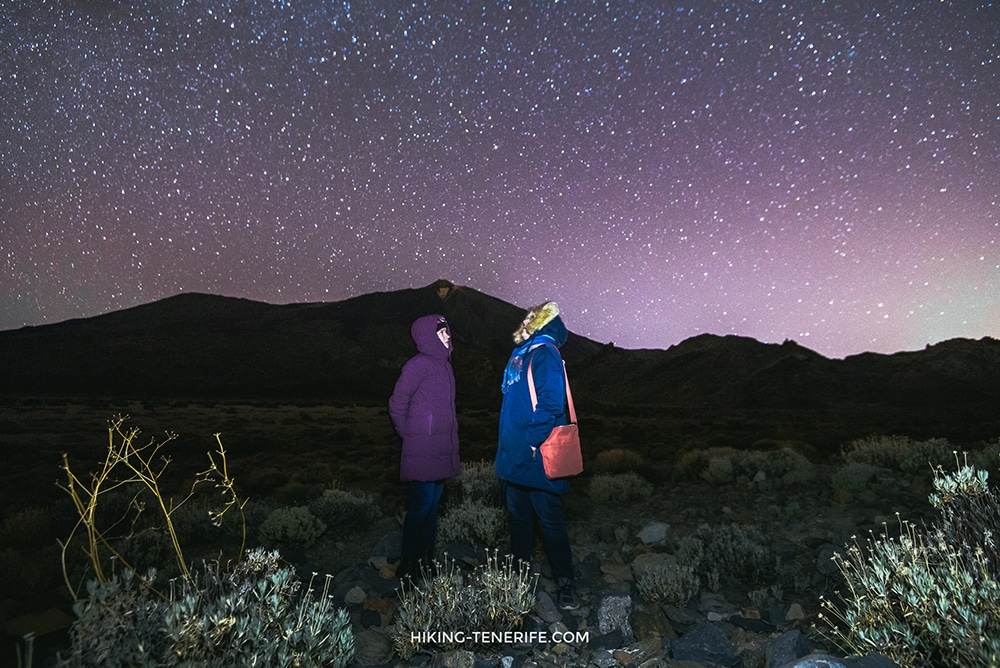
Mountain darkness comes with real mountain cold.
Planning rule: A 30-minute drive can change the cloud, wind and temperature. Keep one flexible day in every autumn itinerary. It is not wasted time; it is how you avoid driving into a closed trail with a cheerful beach forecast screenshot.
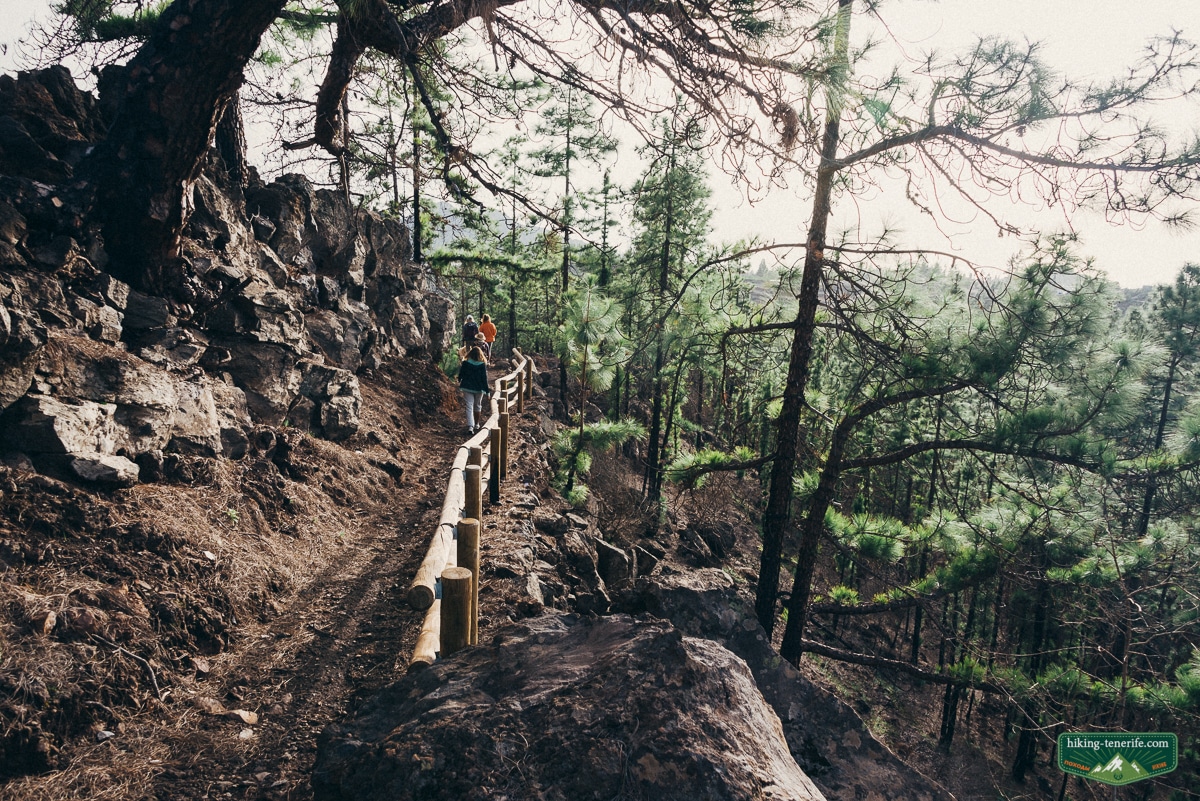
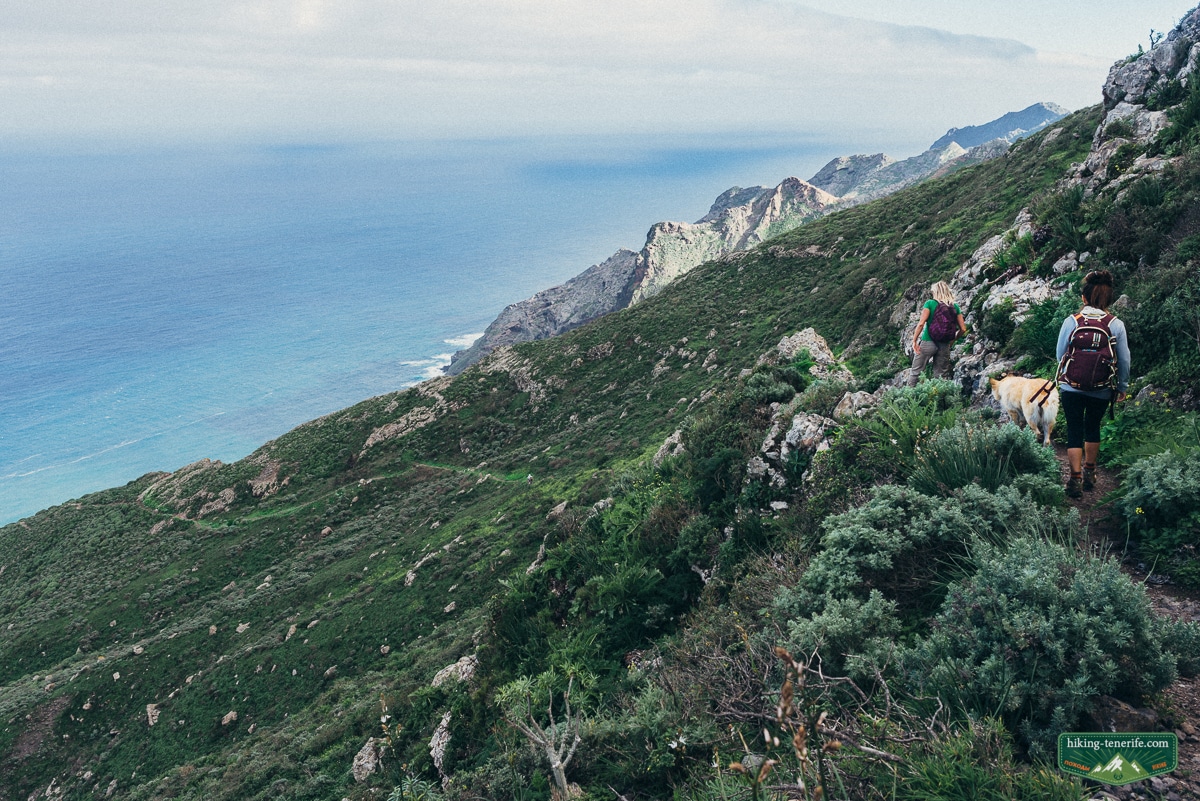
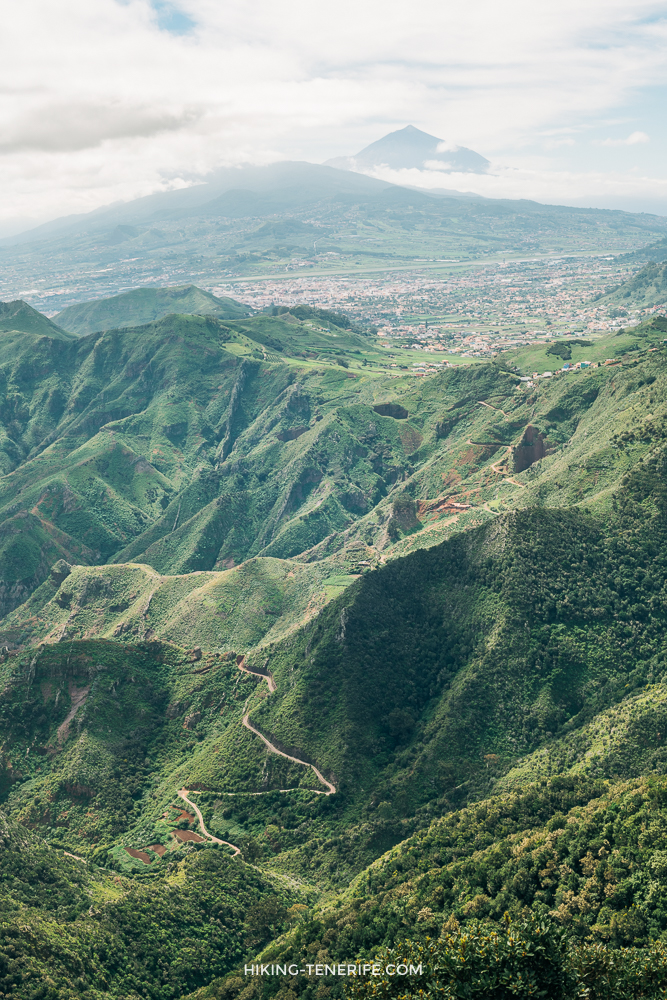
Anaga rewards a flexible route and proper shoes.
Keep the autumn route flexible: use my free Tenerife map to group beach bases, towns, viewpoints and rainy-day backups without driving across the island twice.
The old list still has the right heart: do something seasonal, not only “beach but with a sweater”. I have kept the eight ideas, but put them in the real order of risk, timing and usefulness.
Choose by month: in September, build around swimming and early starts. In October, mix beach time with towns, Teide or a road trip. In November, give forest walks, wine stops, old towns and flexible hiking more space. Use the linked month guides for temperatures, rain and packing details.
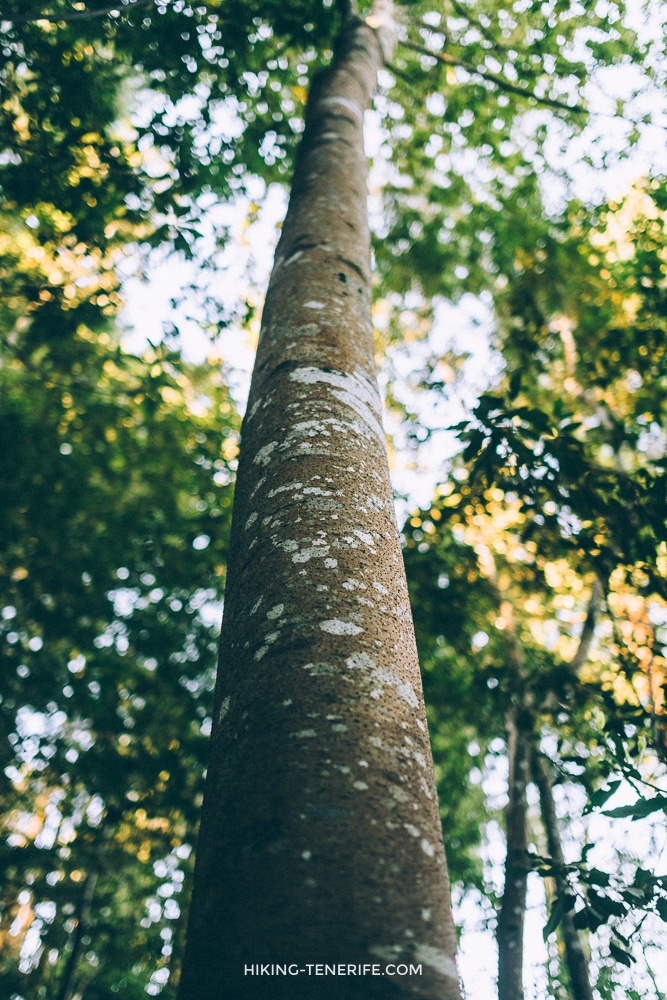
1. Walk Under Chestnuts, Not Just Palms
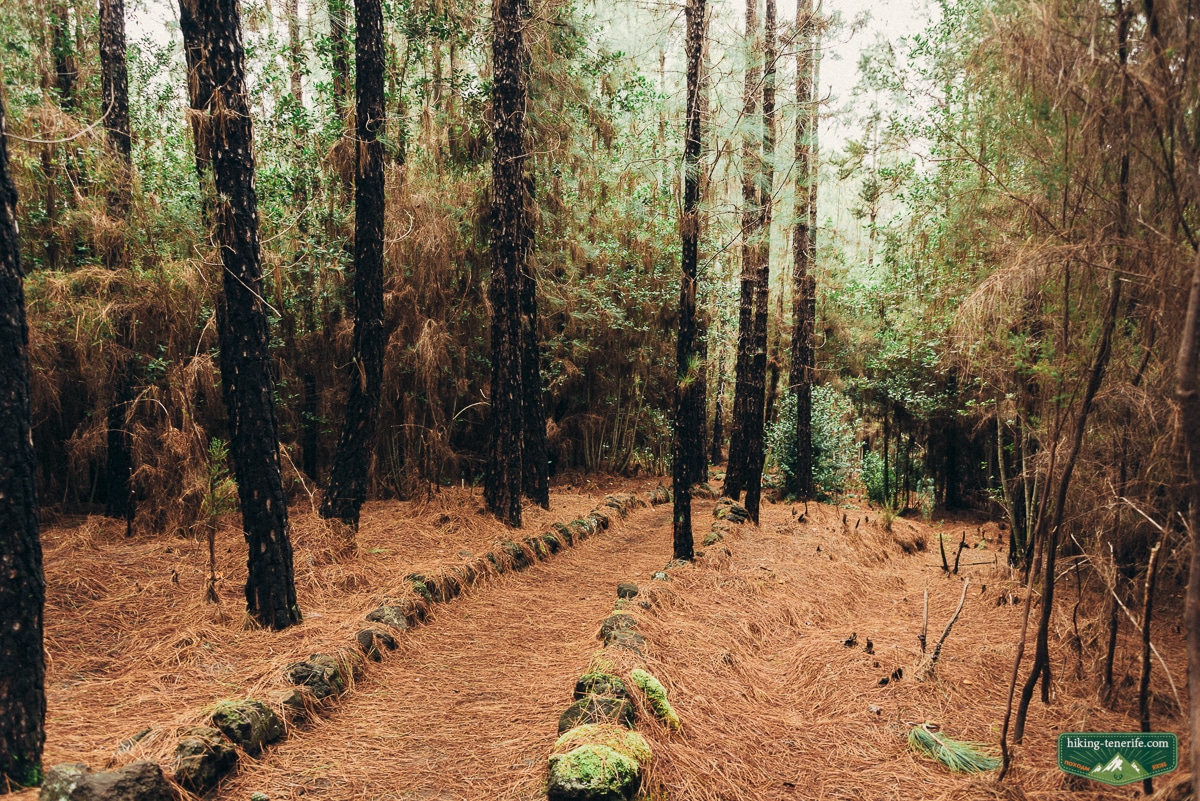
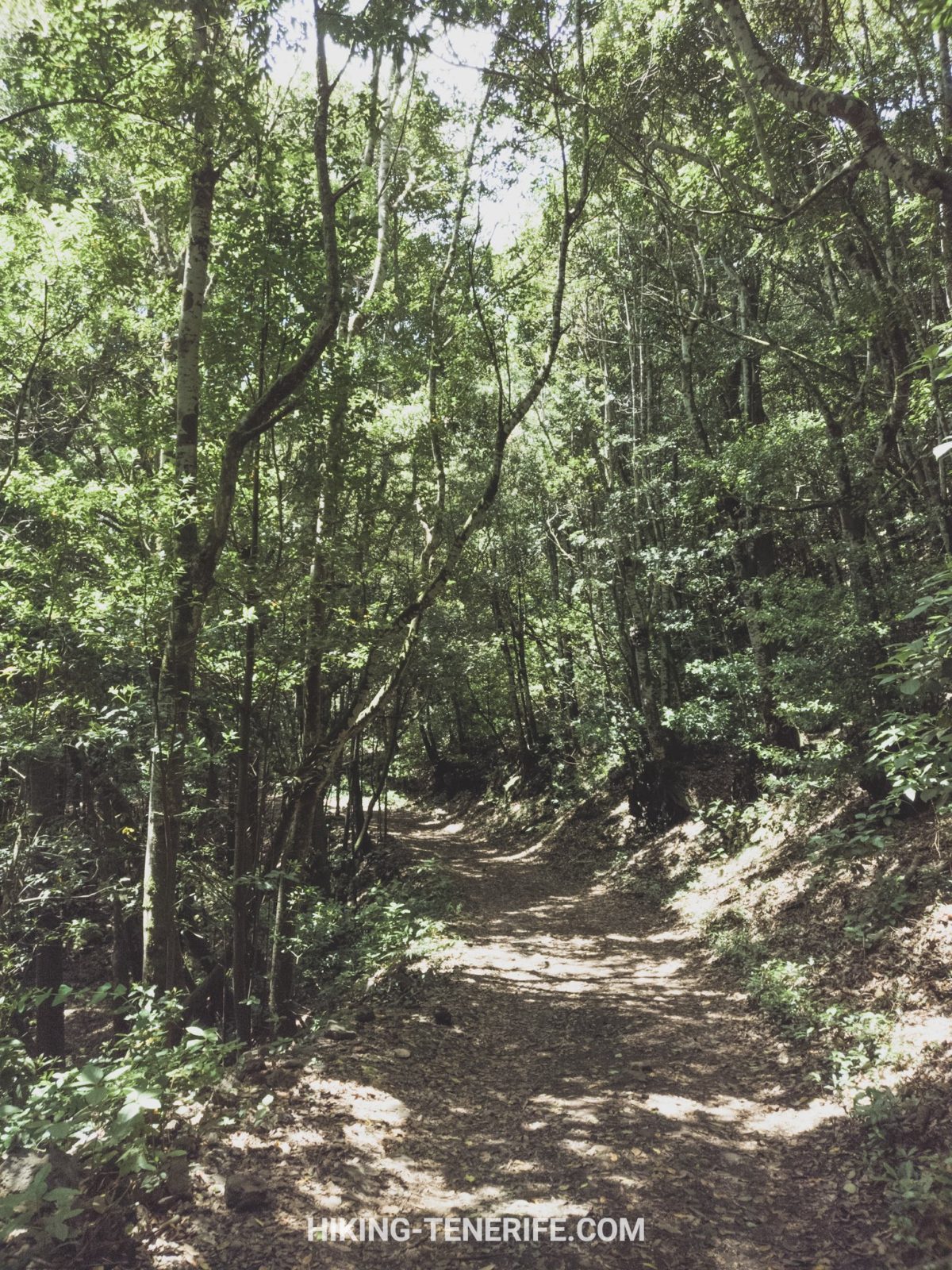
By November, chestnut country around the northern slopes and forest roads feels very different from the dry south.
Treat it as a woodland walk, not a chestnut-harvesting mission. Stay on marked paths and check whether the particular recreation area or trail is open.
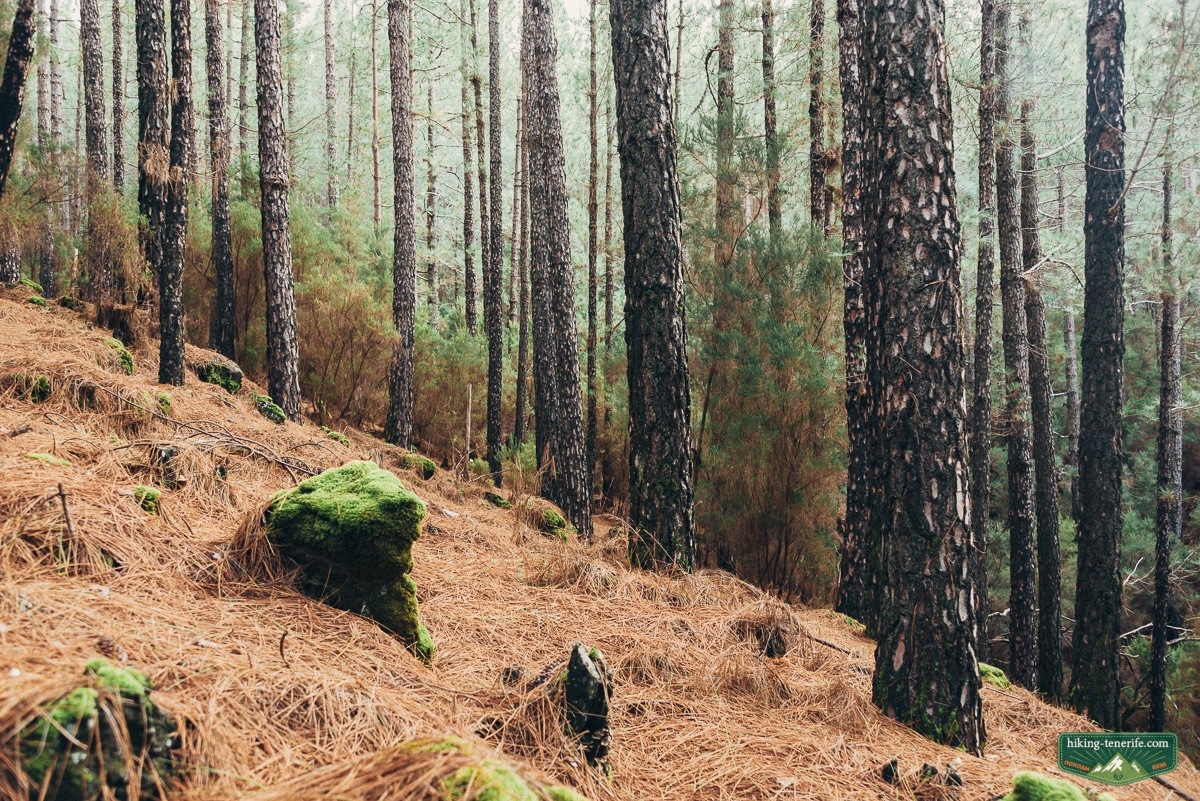
After rain, the forest gets the last word.
The useful pairing is a forest walk followed by La Orotava or a north-coast food stop. If you want a bigger route day, start with things to do in North Tenerife and choose the route after looking at the weather.
2. Use October Nights For Towns, Not Assumed Events
Late October can bring themed nights and family events, but programmes, opening hours and tickets change.
Do not fly in expecting a copied calendar from an old article. Pick a town dinner, a walk in La Laguna or Santa Cruz, then add an event only when the organiser has actually published it.
Check the real programme before choosing a costume.
For a low-risk evening, old streets, a proper meal and a short drive back to the coast usually beat chasing a vague party poster. Beautiful idea. Less beautiful if it ended last year.
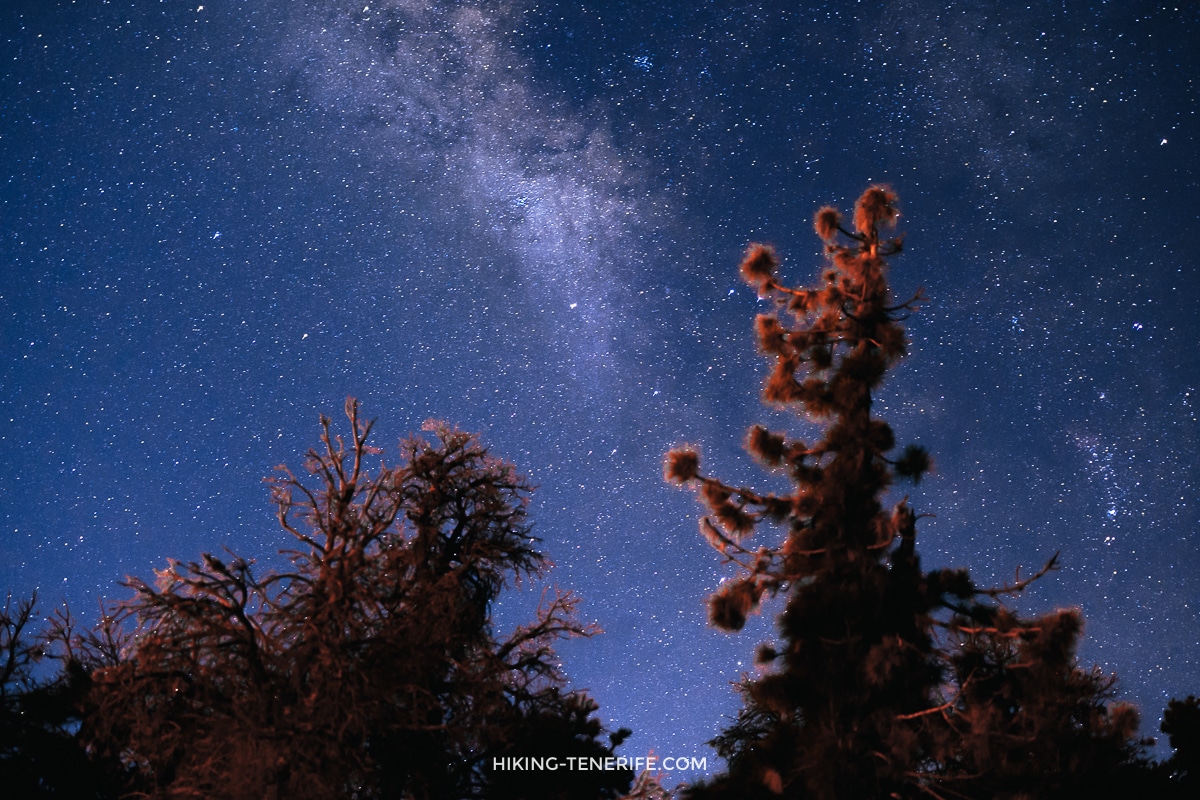
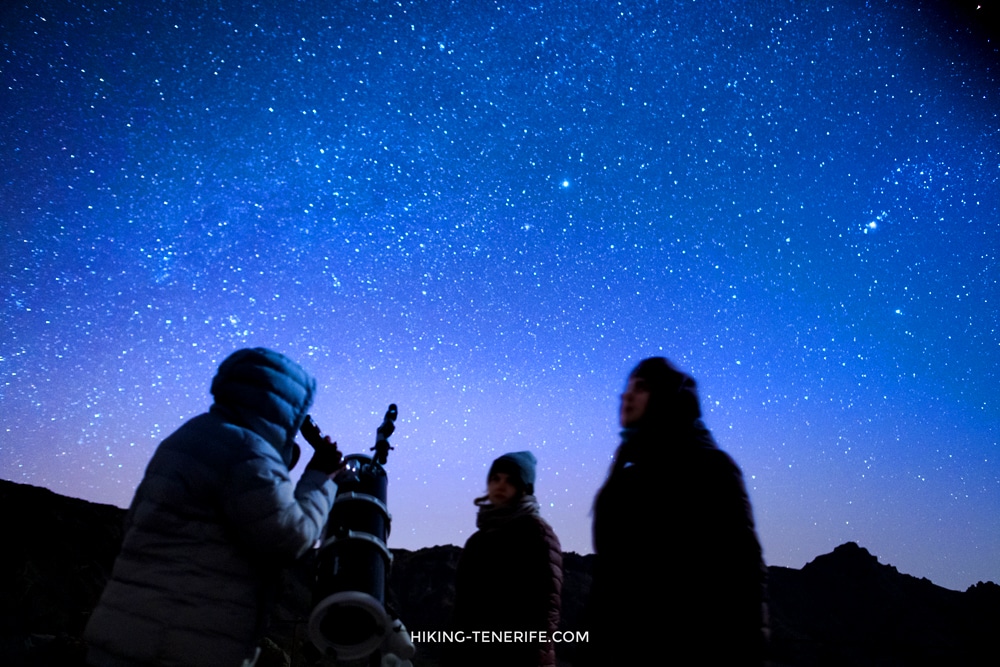
3. Look For Andromeda, But Let Cloud Win Honestly
Andromeda is an autumn-evening target, which makes the source idea a good one. Tenerife’s high dark skies can be special, but cloud, moon, wind and the road back matter more than a romantic promise about stars.
Clear sky is a plan, never a promise.
Use a telescope or an experienced astronomy guide if you want more than a hopeful squint. Bring warm layers for Teide, and cancel happily if conditions are poor. The sky will not take it personally.
Mountain night means warm layers and a slow drive back.
4. Treat Mushroom Season As A Forest Walk First
After rain and warm days, Esperanza, La Lagunetas and higher forests can look properly alive. That does not turn every mushroom into dinner.
Harvesting and access rules can change by area, so verify them locally before picking anything and never eat an unidentified mushroom.
Look closely, then leave the forest undisturbed.
For most visitors, the better activity is simple: walk, photograph the forest, then eat something cooked by someone who knows exactly what it is.
5. Chase Water Only After Rain Has Earned It
Autumn rain can wake up streams and ravines. It can also leave them dry, muddy, slippery or inaccessible.
Waterfalls are a seasonal bonus, not a fixed attraction to schedule before you have seen the forecast.
Water is a bonus, not a booked attraction.
Use towns as the rainy-day alternative: La Laguna for streets and cafés, La Orotava for historic atmosphere, and Santa Cruz for a city day. Rain makes a good plan smaller, not worse.
6. Try Young Wine And Chestnuts When The Season Is Real
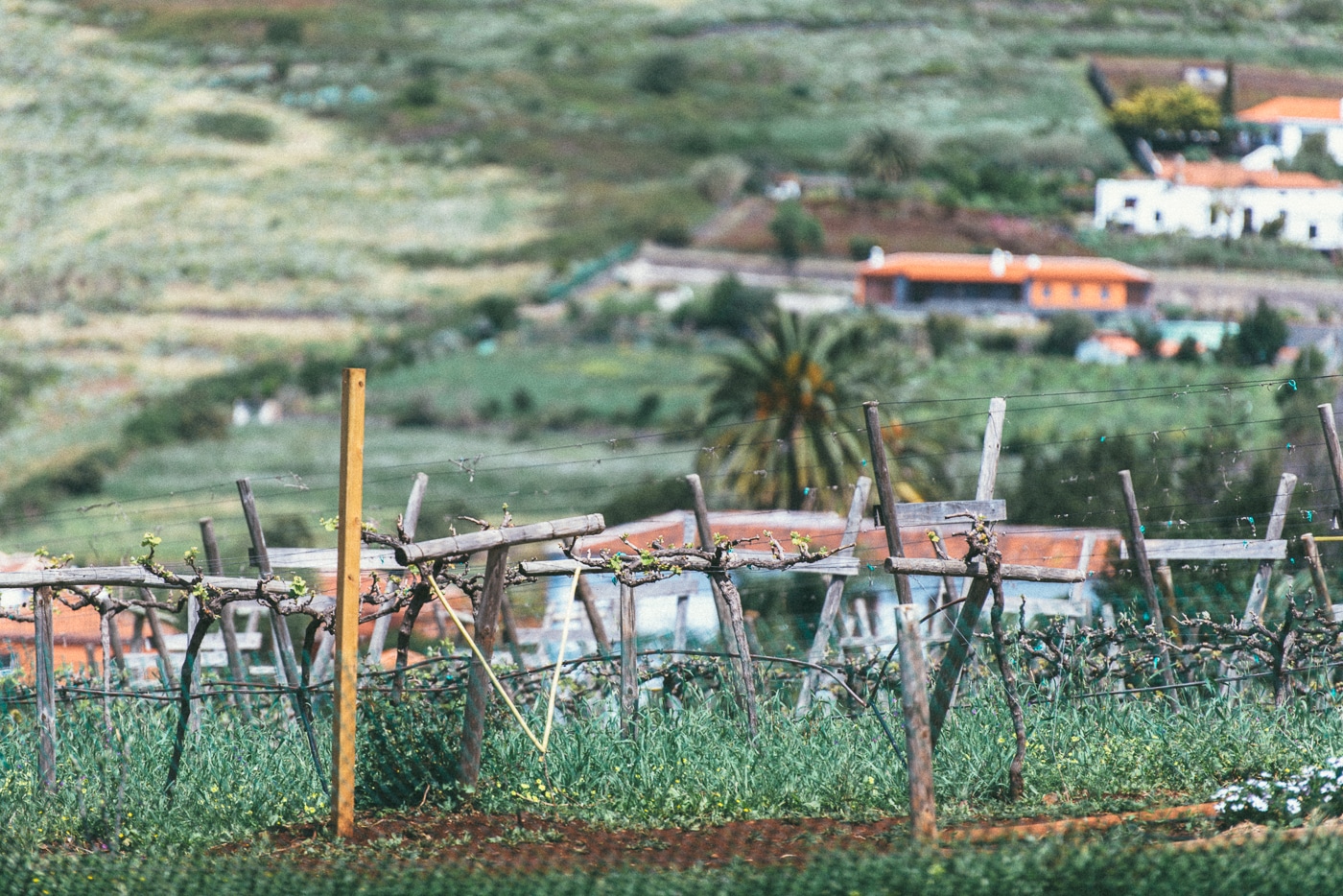
Late autumn is a lovely time to look for local wine, chestnuts and seasonal food, especially around northern wine areas.
Availability is not a fixed tourist timetable, so ask a bodega or restaurant what is actually being poured rather than demanding the harvest by date.
Young wine tastes better after an unhurried walk.
Tenerife wine is volcanic, sometimes strange, and very worth tasting without pretending you need to understand every grape.
Start with a small tasting, eat well, and do not drive afterwards. This part should be obvious, but wine has a way of making obvious things philosophical.
Volcanic soil is not subtle in a glass.
7. Keep The Geminids As A December Add-On
The source correctly loved the Geminids, but they peak in mid-December, not autumn. Keep them as a reason to extend a late-November trip into December, not as a false October activity.
For an autumn night, Andromeda and a clear-sky stargazing session are the more honest fit.
Night-sky rule: Never promise a meteor shower, Milky Way or clear sky from an old date. Check the current forecast, moon and official astronomy information before driving into the mountains.
A forest day earns its place in an autumn plan.
8. See San Andrés As Culture, Not DIY Adrenaline
The Las Tablas tradition around San Andrés is one of those local images people remember. It is also not a reason to improvise a downhill ride.
If the official town programme is running during your dates, watch respectfully, follow local barriers and instructions, and leave the dangerous enthusiasm to people who know the tradition.
If it is not on during your trip, you have not lost Tenerife. Pair a north-town day with wine, chestnuts, a coastal walk or a forest drive instead.
Local verdict: San Andrés is worth seeing when the real programme is running. It is not worth inventing a dangerous version of the tradition for a photograph.
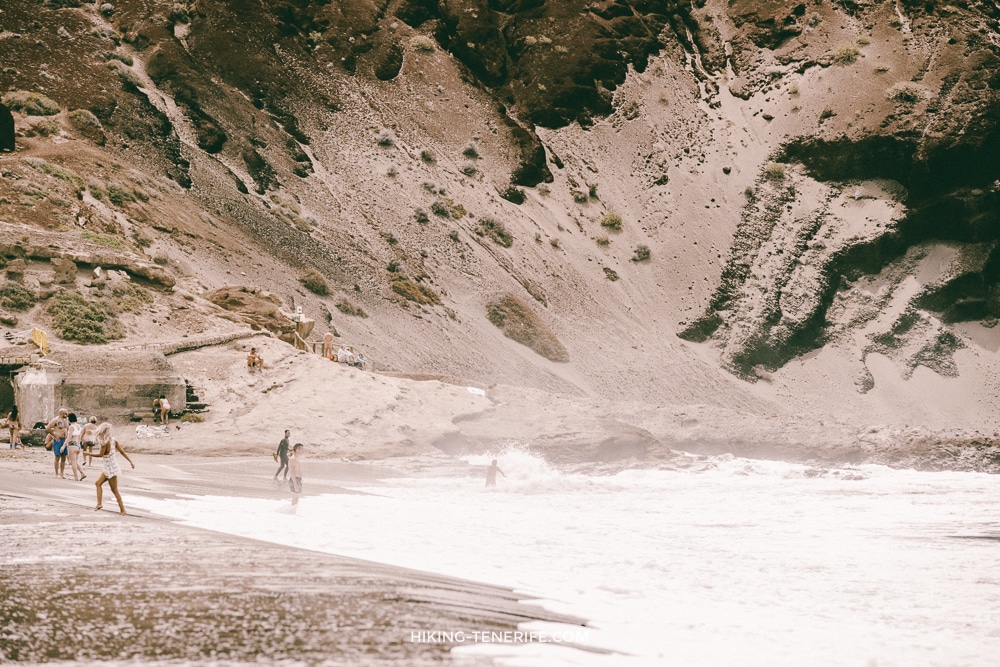
A wild beach needs more judgement than a resort pool.
A Slower Side Of Autumn In Tenerife
Autumn here is not only a list of excursions. A quiet countryside stay, a home-cooked afternoon and the choice to slow down when rain arrives can belong to the trip too.
In this personal video, Ana welcomes September and October through slow living, rainy-day baking and a simple home makeover. Treat it as atmosphere and lived experience, not as a Tenerife weather forecast or a promise about conditions across the island.
Ana’s quiet September and October rhythm at home.
Use that mood as permission to leave space in the itinerary. A slow lunch, a town walk after rain or an early evening at your rural base can be a better autumn memory than forcing one more viewpoint into poor weather.
Beach, Swimming And Wind Sports In Autumn
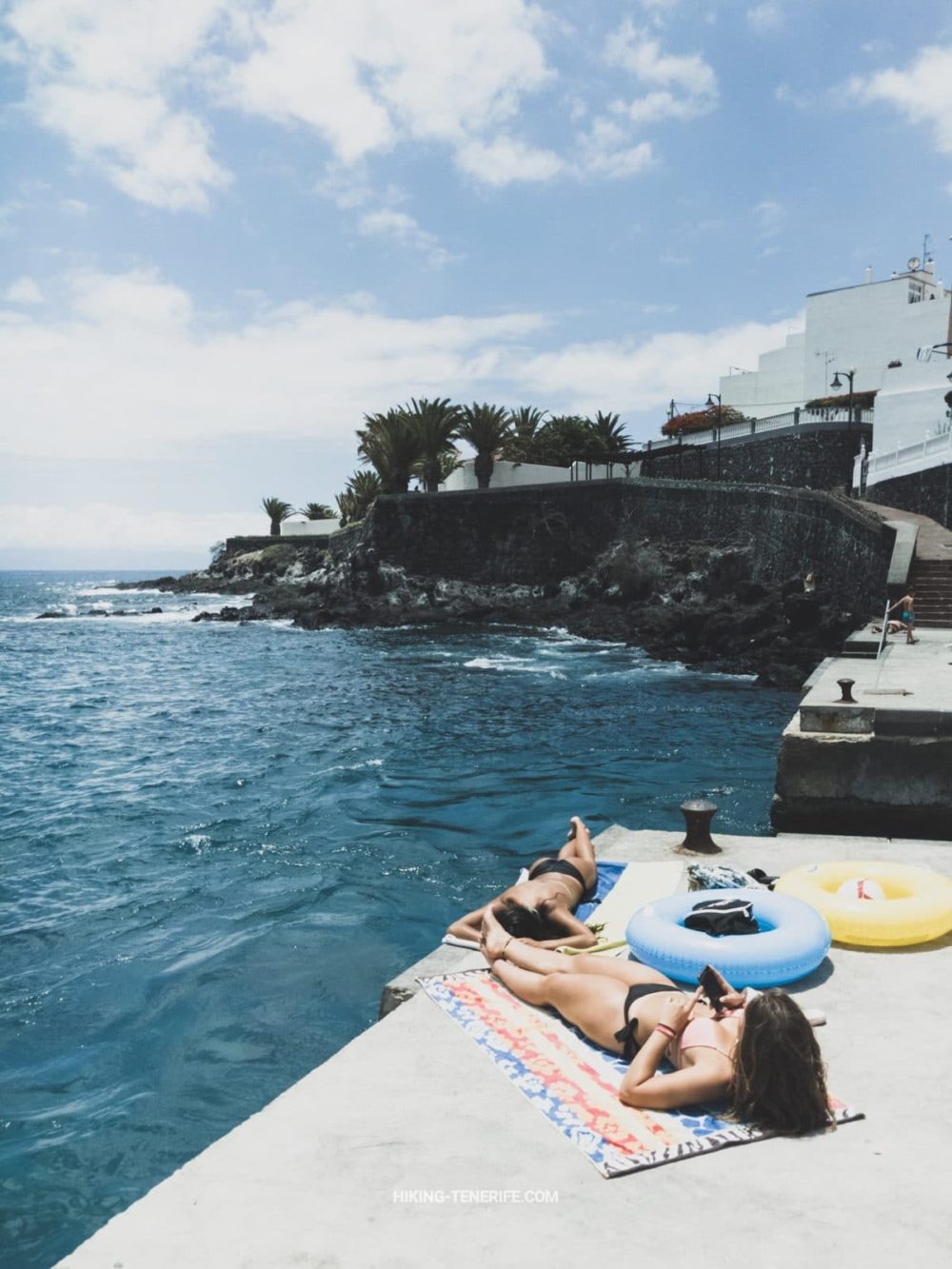
The ocean stays usable through autumn, especially in September and October. But sea temperature is only one clue.
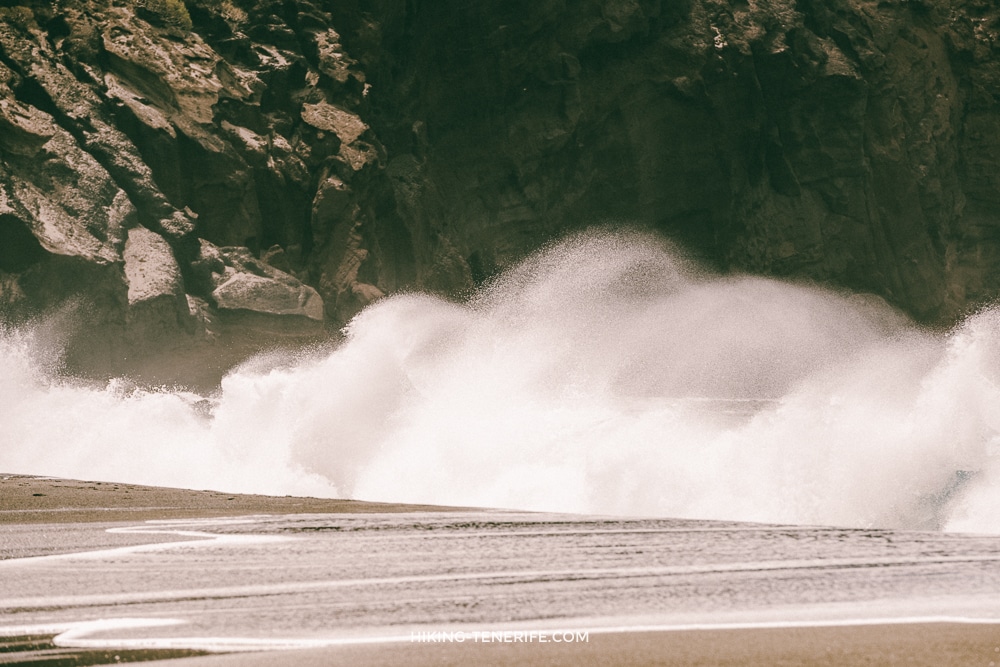
Swell, currents, flags, lifeguard hours, wind and the beach shape decide whether it is a swimming day.
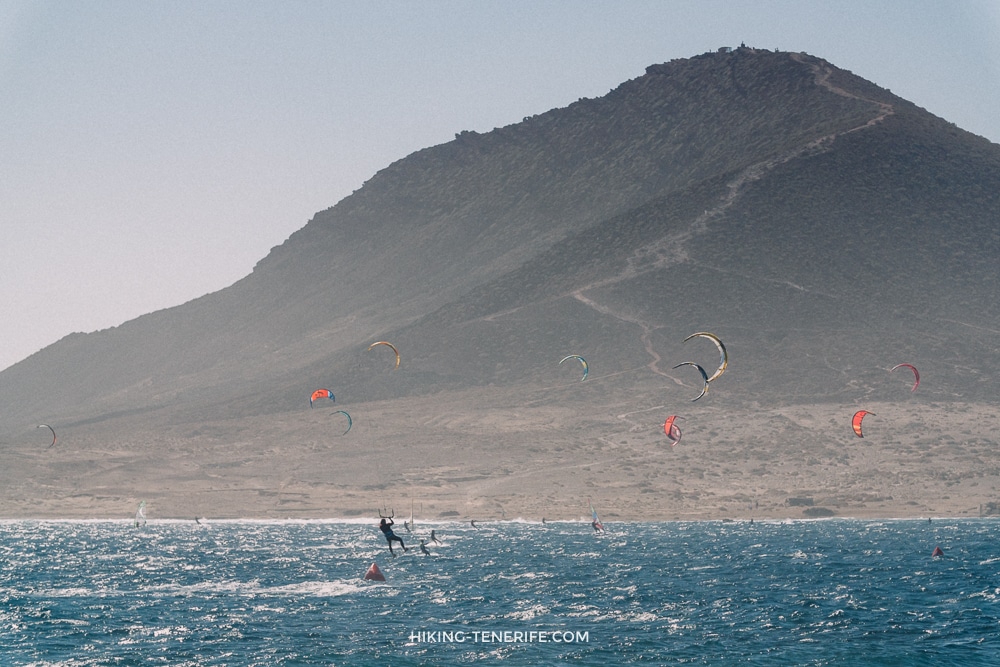
Warm water is not a safety signal.Kites are part of El Médano’s skyline.
For a relaxed swim, use sheltered, managed south-coast beaches and respect the flag in front of you. The La Tejita beach guide is useful when you want a wilder beach day, but it is not a lifeguard guarantee. For a wild north beach, assume the answer may be “walk, photograph, do not enter”. That is not failure; it is sensible travel.
Wind is excellent news for the right person. El Médano and the kitesurfing in El Médano guide are for people who want wind sports and understand that wind can also make a towel day feel like an argument with sand.
Sea-safety rule: Do not use this article, a hotel forecast or a brave stranger’s Instagram as the sea-state decision. Check flags, lifeguards and local conditions at the beach. For wider visitor risks, read Is Tenerife Safe?.
Hikes, Towns And Boat Days: Choose The Version That Fits
Hikers should prioritise Anaga, forest trails, Teide viewpoints and the north-west, but keep the route flexible.
Photographers get soft autumn light, moody north cloud and long evenings. They also need to accept that the best light is often followed by rain, wind or a damp lens. Welcome to the job.
The best light often comes with a damp lens and a colder drive home. That is part of the deal.
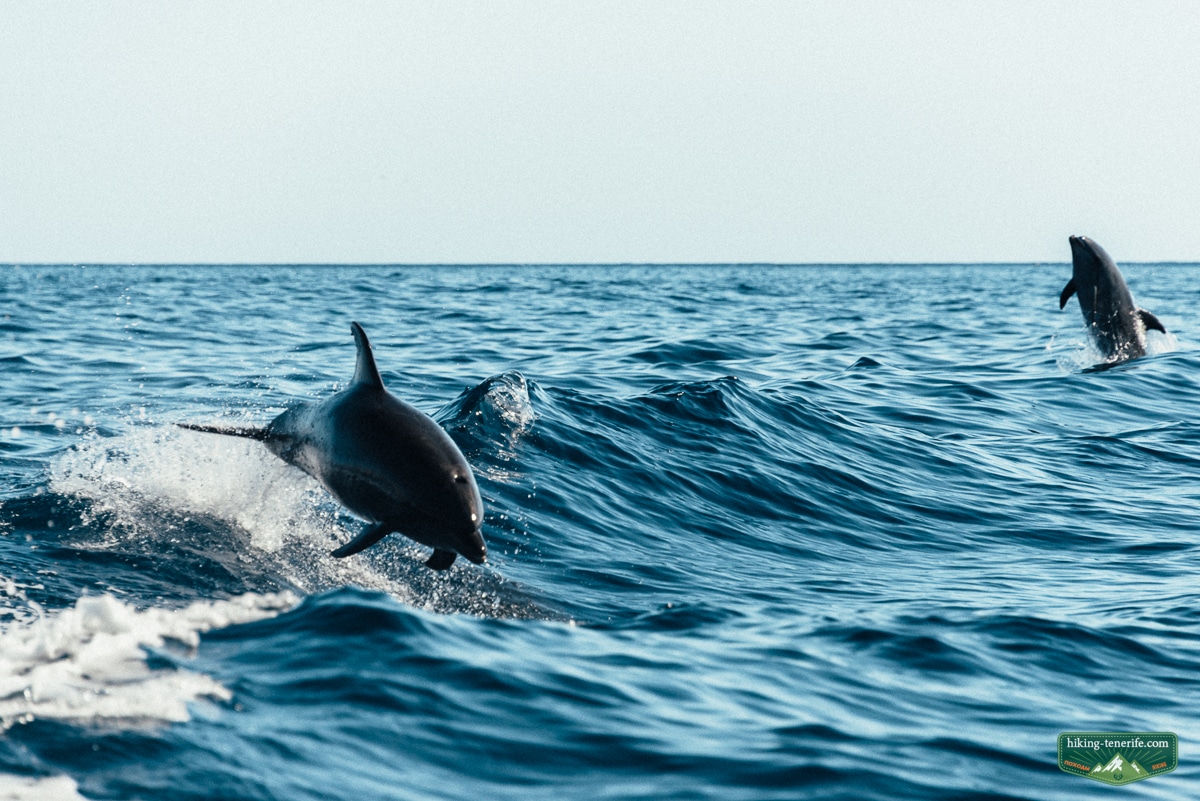
No-car travellers do best with a practical south base and selected town or boat days. Boat trips are weather-dependent too: choose a licensed, responsible operator, do not expect wildlife on command, and let rough sea cancel the plan if necessary.
Responsible trips start before booking.
When the sea is not playing nicely, trade the boat for a town. A slow afternoon in La Laguna is a much better backup than standing on a windy pier trying to negotiate with the Atlantic.
A rainy-day town still has a pulse.
Families should use a managed beach or hotel pool as the easy part of the day, then add one town, short walk or attraction.
South or south-west; beach mornings, one easy town or sunset plan.
Wind-exposed beaches and a north-only base.
Hiker
Car, flexible days, north and Teide checks, proper layers.
Fixed high-route bookings without access checks.
No-car visitor
Los Cristianos or a practical south base; buses, tours, selected town days.
Trying to cover Anaga, Teide and Teno in one rigid week.
Photographer
North plus south, spare weather day, sunrise or late light.
Promising yourself a clear Teide night on one date.
Wind-sport traveller
El Médano, lessons or hire with local conditions.
Calling wind a beach problem when it is your sport.
If your trip is short, do not split bases just because every part of Tenerife looks tempting. Choose one sensible base and day-trip.
For a week or more with a car, a south-and-north split can work beautifully.
A town day is a strong rain backup.
Planning rule: choose one side of Tenerife per day. The island is compact on a map and slower on a mountain road.
Planning Teide in autumn? My Teide Volcano Magic guide helps you order the mountain stops, time the road and keep a quieter alternative ready when cloud, wind or crowds change the day.
Pack for two temperatures, not one. Beach clothes, swimwear, sunglasses and sunscreen are still useful. Add a warm layer for evenings, a light waterproof or windproof jacket, and real shoes if you are going north, to Teide or onto trails.
Warm coast, cold mountain: pack for both.
Swimwear, sunscreen and a hat for south-coast days.
A light warm layer for evenings and boat trips.
Windproof or waterproof jacket for the north, Anaga, Teno and rain days.
Closed shoes for Teide and hikes; sandals are not mountain equipment.
Water, offline map, charged phone and enough flexibility to change route.
The least glamorous item is the most useful: a small day layer. It weighs almost nothing and stops Teide sunset from becoming a lesson in character.
Autumn Mistakes I See Every Year
The first mistake is treating the south, north and mountains as one forecast. The second is assuming warm air guarantees safe swimming. The third is making a Teide, Anaga or boat plan too rigidly.
The fourth is copying old event dates, mushroom advice or trail tips. Seasonal information belongs to the exact day and place. Check the official source, then go enjoy the island.
Teide weather changes before the summit appears.
Autumn Tenerife works best when you arrive curious rather than entitled. You get beach days, town days, wine days, mountain air and sometimes a useful rainy excuse to slow down. That is a good trade.
Local verdict: the best Tenerife autumn plan is flexible by design. Keep one beach day, one town day and one mountain backup, then let the weather choose the order.
At altitude, the same autumn day feels much colder.
Tenerife In Autumn FAQ
Is autumn a good time to visit Tenerife?
Yes. September is more summer-like, October balances beach weather with road trips, and November suits visitors who enjoy cooler air, greenery, towns and walking.
Pick the coast and month for your real priority.
Can you swim in Tenerife in autumn?
Often, especially in the south and early autumn. Check the flag, swell, currents and lifeguard advice on the beach. A warm day does not make every beach safe for swimming.
Should I stay in north or south Tenerife in autumn?
Stay south for the easier beach base and no-car logistics. Choose north for old towns, Anaga, food, greenery and atmosphere if you accept more cloud and rain.
High-country views need the same-day mountain check.
Is Teide safe to visit in autumn?
It can be, but only with current information. Weather, wind, road condition, cable-car status, trail rules and permits are separate checks. Use AEMET and Tenerife ON before you leave the coast.
Cable-car plans still depend on mountain weather.
Which autumn month is best for Tenerife?
Choose September for warm sea, October for the broadest beach-and-road-trip balance, and November for cooler walking weather, greenery and a more autumnal island.
Each one has a separate guide because the details matter.
La Laguna Tenerife: What To See & How To Plan Your Day
Best Viewpoints In Tenerife: 20 Stops Worth The Drive