

Tenerife safety update, 5 November 2026: two things people are asking me about this week.
- The volcano alert on 22 October was a drill. The ES-Alert message about the volcanic light turning orange was part of the VOLCANEX Tenerife 2026 exercise. There was no real emergency. INVOLCAN’s weekly report on 23 October kept Tenerife on green.
- Teide summit trails are iced. The 1 November storm left snow and ice above about 2,700 m. Seven high trails, including the summit path, are now only open to experienced mountaineers with crampons, an ice axe and a mountain federation card. The national park, roads, viewpoints and lower trails are open. No reopening date yet.
People ask me about jellyfish, sharks, snakes and mosquitoes before they ask about currents, heat or mountain weather. I understand. A blue float on the sand looks more dramatic than a yellow flag. But Tenerife is not a wildlife-thriller holiday. The risks that actually change a good day are usually the ordinary ones: sea conditions, sun, wind, uneven ground, a road taken too late, and a plan that refuses to change.
This guide answers the real questions visitors ask before a trip: what is normal, what deserves care, and when to stop trying to solve it yourself and get help. Start with the wider island picture in my Things to Do in Tenerife guide if you are still choosing a first-week plan.
Planning note: build the holiday around choices, not guarantees. Keep one easy town or food plan in reserve. Tenerife becomes much simpler when a beach, trail or road can be postponed without drama.
Short answer after 10 years of living in Tenerife: yes, Tenerife is safe for visitors right now. Crime is mostly petty theft, the volcano is on green and there are no native snakes. The real risk is the Atlantic: 21 people drowned in Tenerife between January and October 2026.
So I would spend less energy worrying about sharks or “bad areas” and more energy deciding whether today is actually a swimming day.
| Question | Honest local answer (November 2026) |
|---|---|
| Official travel advice | Canada: normal precautions for the Canary Islands. US: Level 2 for all of Spain (terrorism and unrest). UK: no warning against travel. |
| Volcano | Green (normal). The orange alert on 22 October was a drill. |
| Crime | Mainly pickpocketing and theft from hire cars. Violent crime against visitors is rare. |
| Biggest real risk | The sea: 59 drownings in the Canary Islands in January-October 2026, 21 of them in Tenerife. |
| Snakes | None native. About 10 escaped pets found in 20 years, none venomous. |
| Jellyfish | Occasional, mostly after wind. Follow flags and lifeguards. |
| Mountains | Teide summit trails iced since 1 November; the park is open. |
| Emergency number | 112: free, 24 hours, English spoken. |
Updated on 5 November 2026 with current travel advice, the volcano drill, the November storm, drowning figures, crime numbers, areas to avoid, snakes, lizards and first-timer tips for North American visitors.
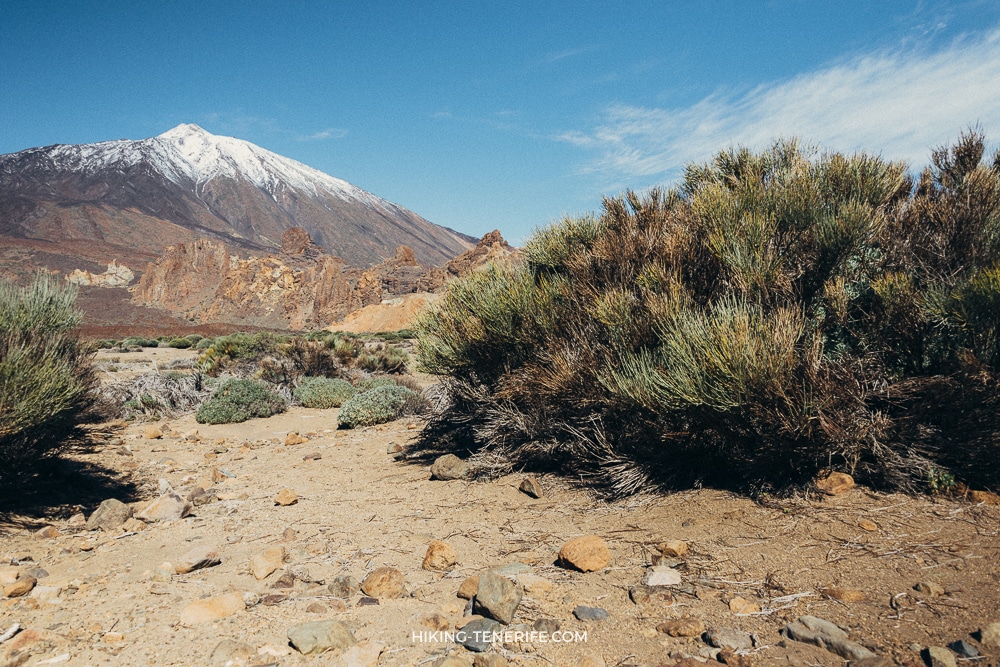
Is Tenerife Safe Right Now? November 2026
If you are searching this the week before a flight, here is the honest picture as of 5 November 2026.
What Official Travel Advice Says
| Country | Official advice | What it means for Tenerife |
|---|---|---|
| United States | Level 2, Exercise increased caution (all of Spain), updated 1 August 2026 | The reasons given are terrorism and unrest across Spain. Only Ceuta, in North Africa, is higher (Level 3). Nothing is specific to Tenerife. |
| Canada | Take normal security precautions in the Canary Islands | Canada rates the islands lower than mainland Spain. It warns about petty theft and theft from rental cars. |
| United Kingdom | No warning against travel to Spain | The UK says terrorists are likely to try attacks anywhere in Spain and warns about airport and hire-car theft. |
Local detail: none of these advisories singles out Tenerife. Read your own government’s page before you travel, but do not confuse a Spain-wide terrorism level with a dangerous island.
Is The Teide Volcano Safe?
Yes, for visitors. Teide is an active volcano and it is watched closely, but the scientific alert light for Tenerife is green, which means normal life with no special warnings. The last eruption on the island was Chinyero in 1909.
There are small earthquakes under Tenerife almost every week, and almost none are felt. In July 2026 the National Geographic Institute (IGN) recorded a swarm of more than 380 tiny quakes in two days under Las Cañadas. None were felt by people. INVOLCAN says the slow build-up of gas pressure under Teide, measured since 2016, is normal for this kind of volcano in the short and medium term.
Why your phone may have buzzed: on 22 October 2026 the Cabildo ran VOLCANEX Tenerife 2026, a full volcano drill with ES-Alert messages, a simulated orange light and a practice evacuation of a hotel in Guía de Isora. It was an exercise. If a real alert ever comes, it will arrive the same way, in Spanish and English, and you follow it.
Storms, Calima And Weather Alerts
Tenerife does get real storms, usually between October and March. On 1 November 2026 a storm dropped about 26 mm (1 inch) of rain in one hour around Tenerife South Airport and El Médano, caused rockfalls on some roads and briefly cut power to up to 190,000 customers. By the next day the island alert had been lowered and life was normal on the coast.
The pattern is the useful part: when the Canary Islands government declares a pre-alert or alert, Tenerife closes trails, forest roads and some public buildings. Check Tenerife ON alerts and AEMET before a mountain or north-coast day, and treat a closure as a real closure.
Are The Tourism Protests A Safety Problem?
No. Since April 2024 there have been large marches in Santa Cruz and other island capitals under the slogan “Canarias tiene un límite” (the Canaries have a limit). They are about housing costs, low wages and the tourism model, not about attacking visitors, and they have been peaceful.
In practice you might see a march in a city centre on a weekend, announced in advance. Watch from a distance or walk around it. In Anaga, residents have also protested about traffic, so park only in marked spaces and use the bus when you can.
Is Tenerife Safe From Terrorism?
There is no Tenerife-specific threat in any official advice. Spain as a whole has kept its national terrorism alert at level 4 of 5 for years, and that level covers the islands too. The sensible response is the same as in any European city: stay aware in big crowds, such as Carnival in Santa Cruz, and follow police instructions.
What Visitors Actually Need To Worry About
The useful answer is not one dramatic warning. It is a small set of decisions repeated through the week. The ocean can be beautiful and unsuitable at the same time. The coast can feel easy while Teide, Anaga or a north-road day needs warm layers, daylight and another forecast. A calm holiday gets safer when you let each place be what it is.
| Situation | Normal | Take care | Get help |
|---|---|---|---|
| Wildlife | See lizards, fish or a mosquito and leave them alone. | Jellyfish reports, rocky entries or an unfamiliar animal mean more distance, not closer photographs. | Urgent or worsening symptoms after a sting or bite need local medical assessment. |
| Beach | Green flag and lifeguard guidance still require common sense. | Yellow flag, waves, currents, wind, jellyfish signage or no lifeguard change the plan. | Someone in trouble in the water: alert a lifeguard, call 112 and do not become a second casualty. |
| Heat and walking | Short shaded walks, water and a simple route are normal. | Heat, calima, wind, wet rock, low cloud or a late start mean shorten or swap plans. | A fall, serious illness or a lost person in unsafe conditions needs emergency help. |
| Driving | Slow mountain roads can be a lovely part of the day. | Darkness, fatigue, wind, poor visibility and rushing make them a bad shortcut. | After a crash or serious road emergency, call 112. |
Local verdict: Tenerife rewards the traveller who changes one plan. Skipping a swim, moving lunch inland or leaving Teide for tomorrow is not losing a holiday day. It is usually how you keep the good part of it.
Beach Flags, Waves And Currents: The Main Water Decision
If swimming matters to your holiday, choose a beach with lifeguards and read the beach before you read your hotel brochure. The current Canary Islands bathing guidance is simple: green does not remove the need for judgment, yellow means caution, and red means do not enter. If you are not a strong swimmer or you have children with you, yellow is a good reason to choose a different plan.
Do not stand on rocks, breakwaters or piers for a closer wave photo. Do not let an inflatable decide how far you drift. And do not assume the south is automatically calm or the north automatically impossible: exposure, swell and wind change the exact beach. Ask the lifeguard, watch the water for a few minutes, then choose.
If You Go Swimming In Tenerife: The Numbers
This is the part of Tenerife safety that actually costs lives. According to the water-safety association Canarias 1500 Km de Costa, 59 people drowned in the Canary Islands between January and October 2026, five more than a year earlier. Tenerife had the most deaths of any island: 21.
- 39% of the people who drowned went into the sea while a coastal pre-alert or alert was active.
- 60% of incidents happened on beaches, 25% in ports and along the coast, often after a wave or a slip from rocks or a sea wall.
- Lifeguards are not everywhere: the association counts more than 750 bathing spots in the islands, only about 135 of them officially equipped, and says many lifeguard contracts end in mid-September, just before the winter high season.
- Children: 8 minors drowned in 2026, the highest number in at least a decade. The association warns that pools are the bigger trap for children, because adults relax there.
My local rule: swim at a beach with a lifeguard, ask them about the day, and stay in the water with your children. If the coast has an alert, the answer is a walk or a pool, not a quick dip.
Safety rule: a beautiful wild beach is often a walk, a photograph or a picnic stop. It becomes a swimming beach only when the sea, signs and your ability agree on that day.
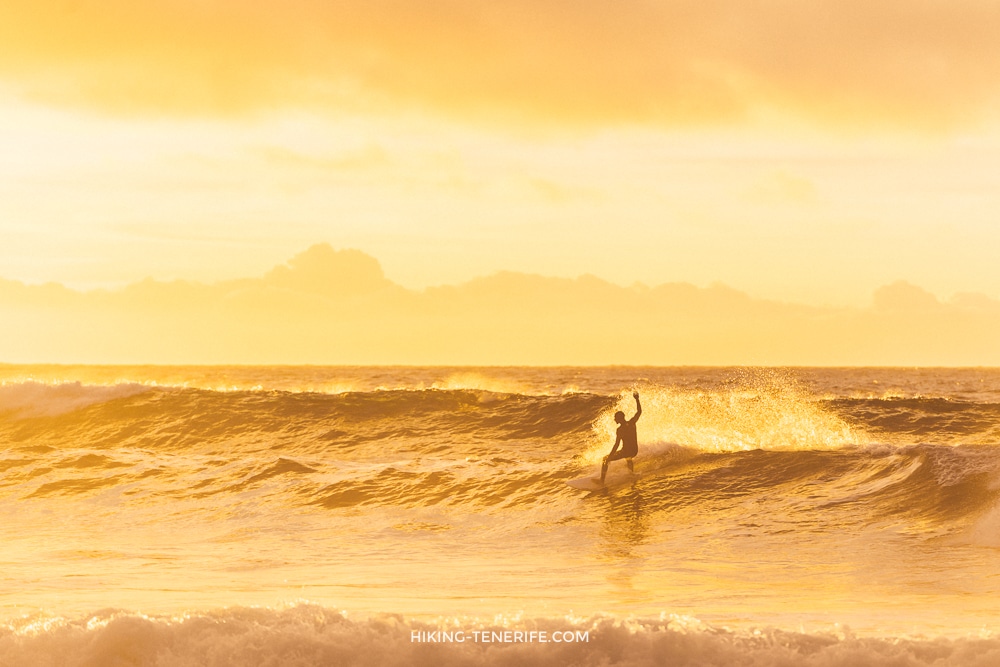
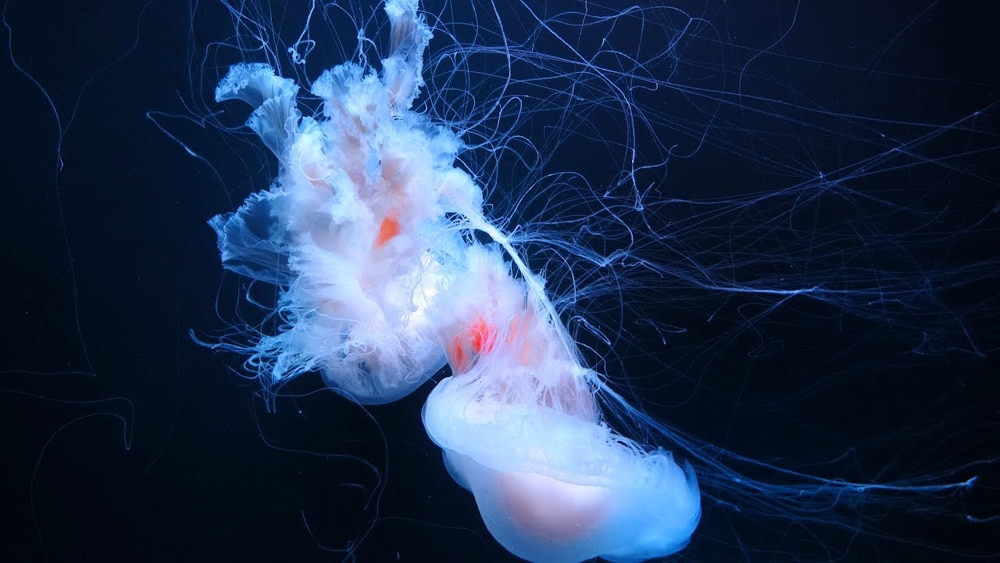
For an easier first beach base, read my guides to Los Cristianos and South Tenerife. For a wilder north-east day, use the Anaga guide as a route-and-weather decision, not a promise of easy swimming.
Jellyfish In Tenerife: Real, But Not A Reason To Panic
Jellyfish and Portuguese man o’ war can reach Tenerife beaches. They are not a permanent feature of every bay, and their presence is not something a holiday website can predict weeks ahead. Wind, swell and local conditions decide the answer. That is why the flag, sign and lifeguard matter more than a species quiz on your phone.
A jellyfish flag, or a yellow or red flag used because of jellyfish, means do not improvise. Avoid swimming and do not make a shore game of stranded tentacles. The Canary Islands sting guidance also warns that tentacle fragments can remain active, especially around rocks and barriers.
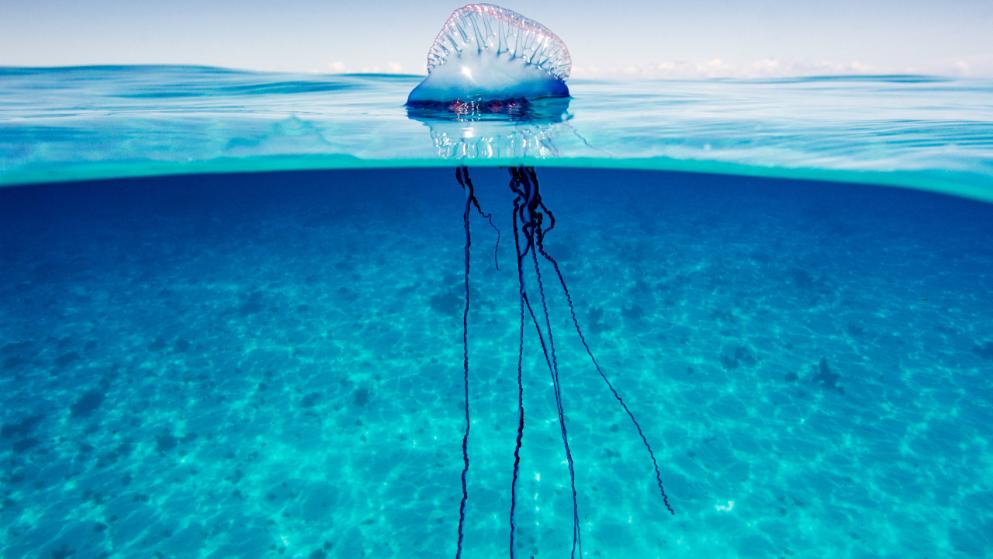
Portuguese Man O’ War
The bright blue or purple float is the one visitors remember. It is a striking thing to see on a Tenerife beach and a poor reason to get closer. Treat it as a no-swim and no-touch signal. Keep children away from it, give other people a heads-up, and let beach staff handle the situation.
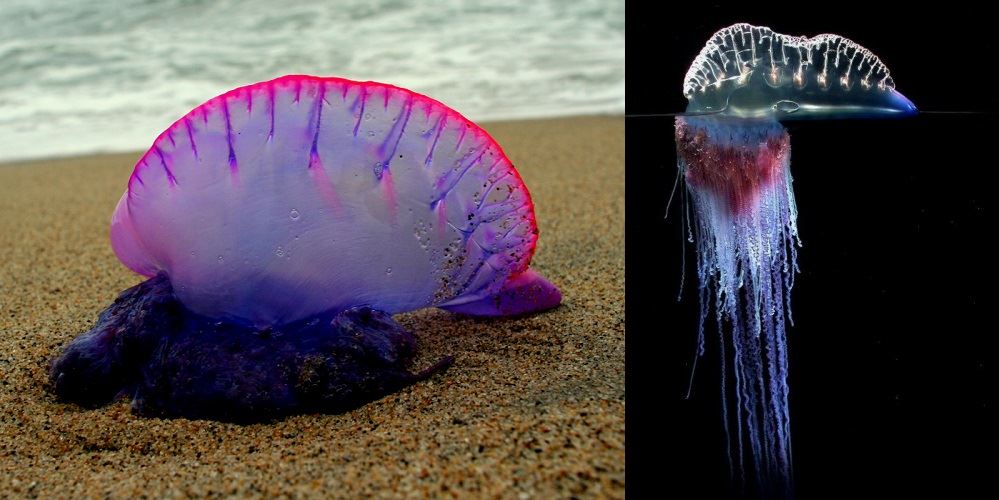
The important part is not whether you can name it perfectly. The safe decision is the same: do not enter water where jellyfish are reported or visible, and do not touch stranded animals or loose tentacles.
Pelagia And Other Stinging Jellyfish
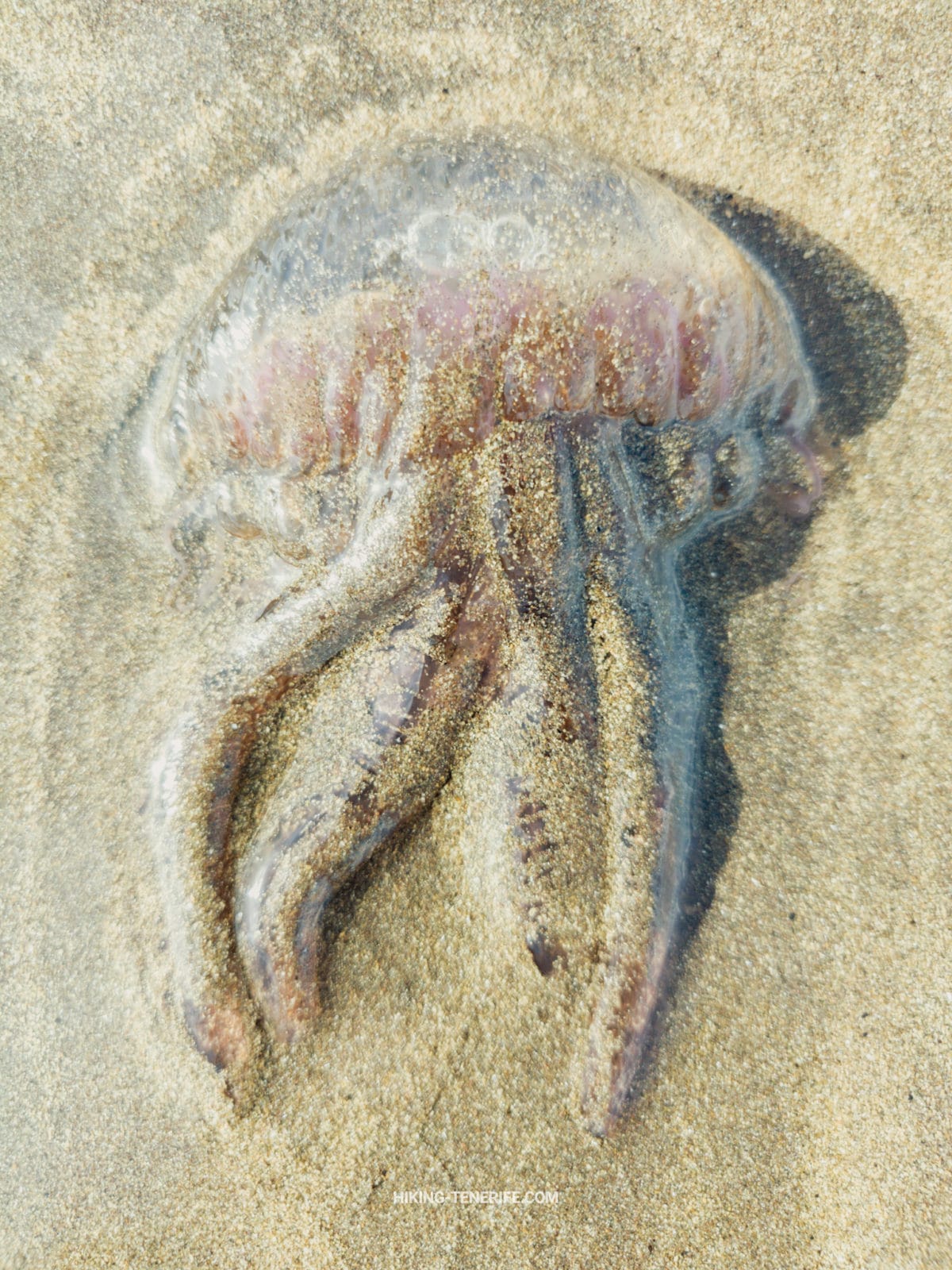
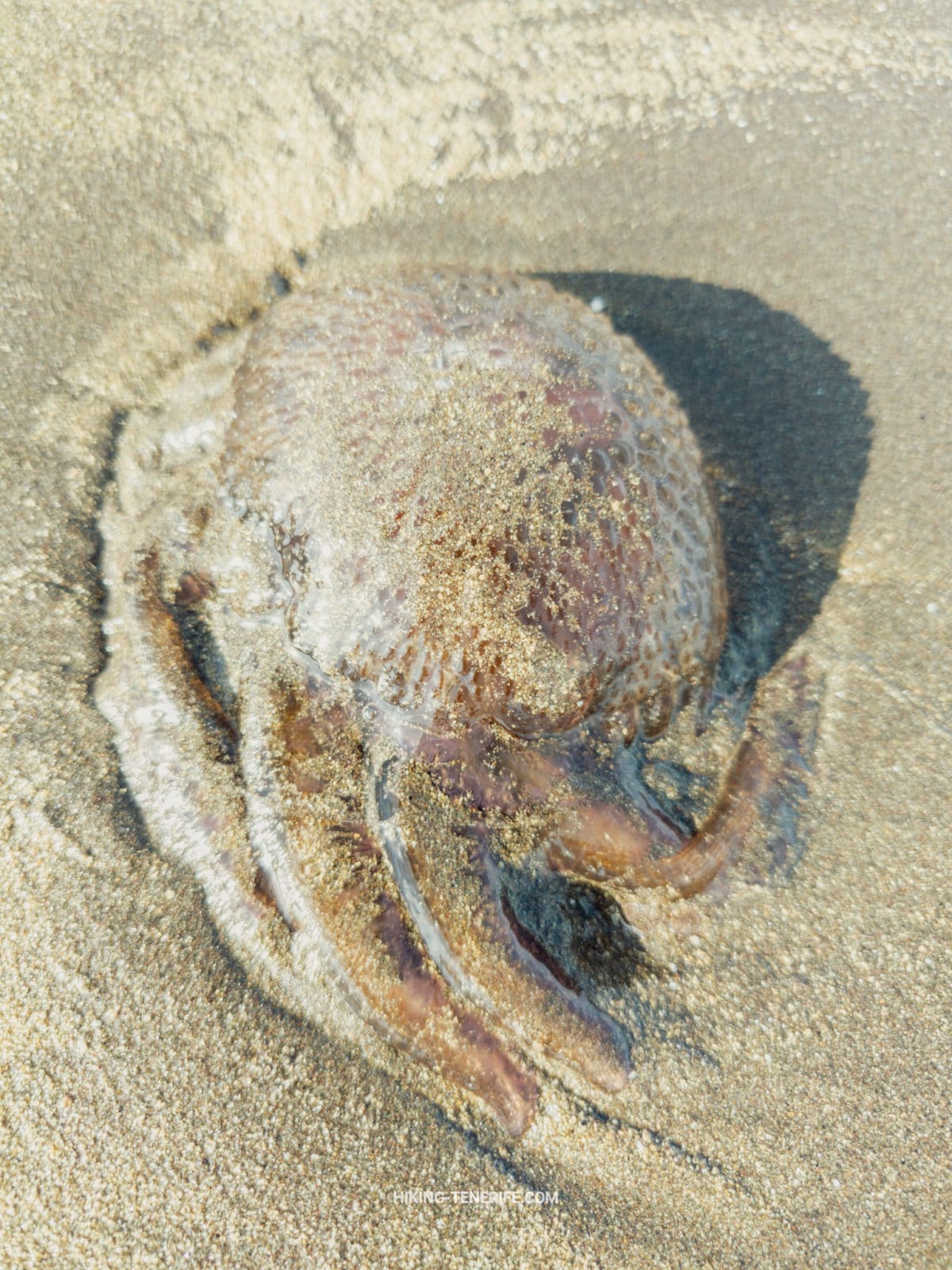
These close local photographs show the kind of thing people genuinely notice at the shore. Use them as a reason to keep distance, not as a field guide that asks you to identify a species with absolute confidence.
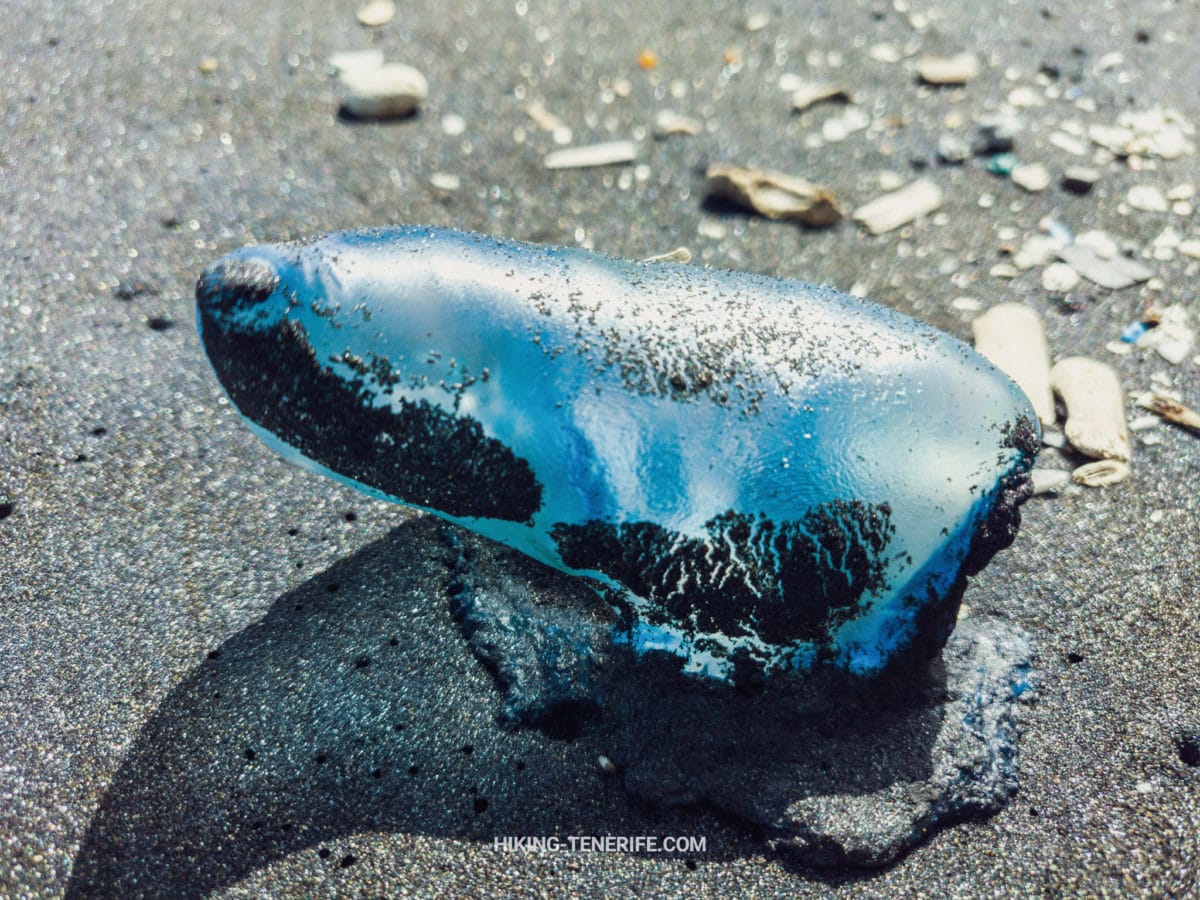
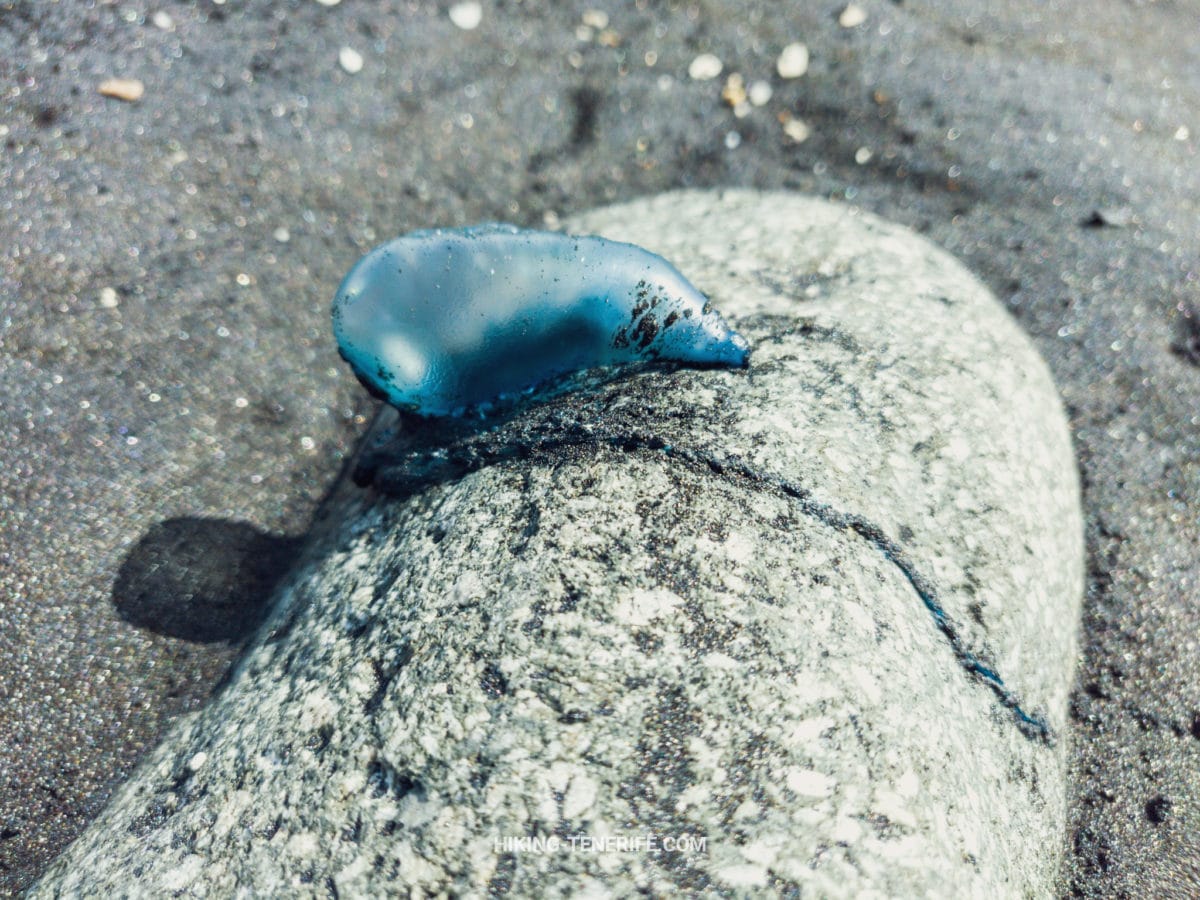
If you are stung, get out of the water, tell the lifeguard and follow their direction. The local health guidance says not to rub the skin, not to use fresh water, and not to remove visible tentacle pieces with bare hands. It advises seawater or saline for rinsing and a cold pack wrapped in plastic for 15 minutes; go to the lifeguard post or medical help if problems continue.

Get help: call 112 for an urgent emergency, including serious or rapidly worsening symptoms, trouble breathing, collapse, or someone in danger in the water. Do not try to diagnose the reaction on the beach.
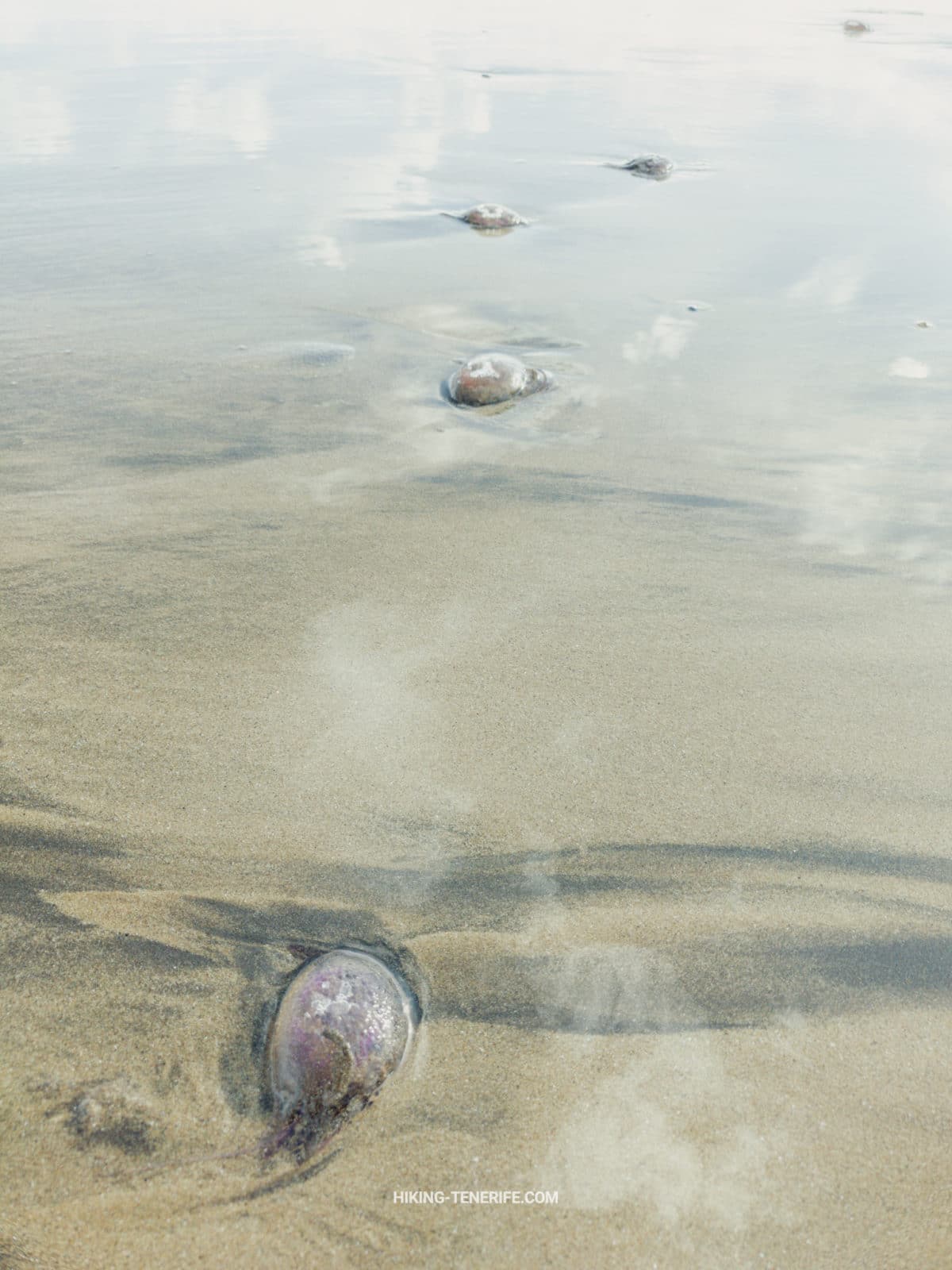
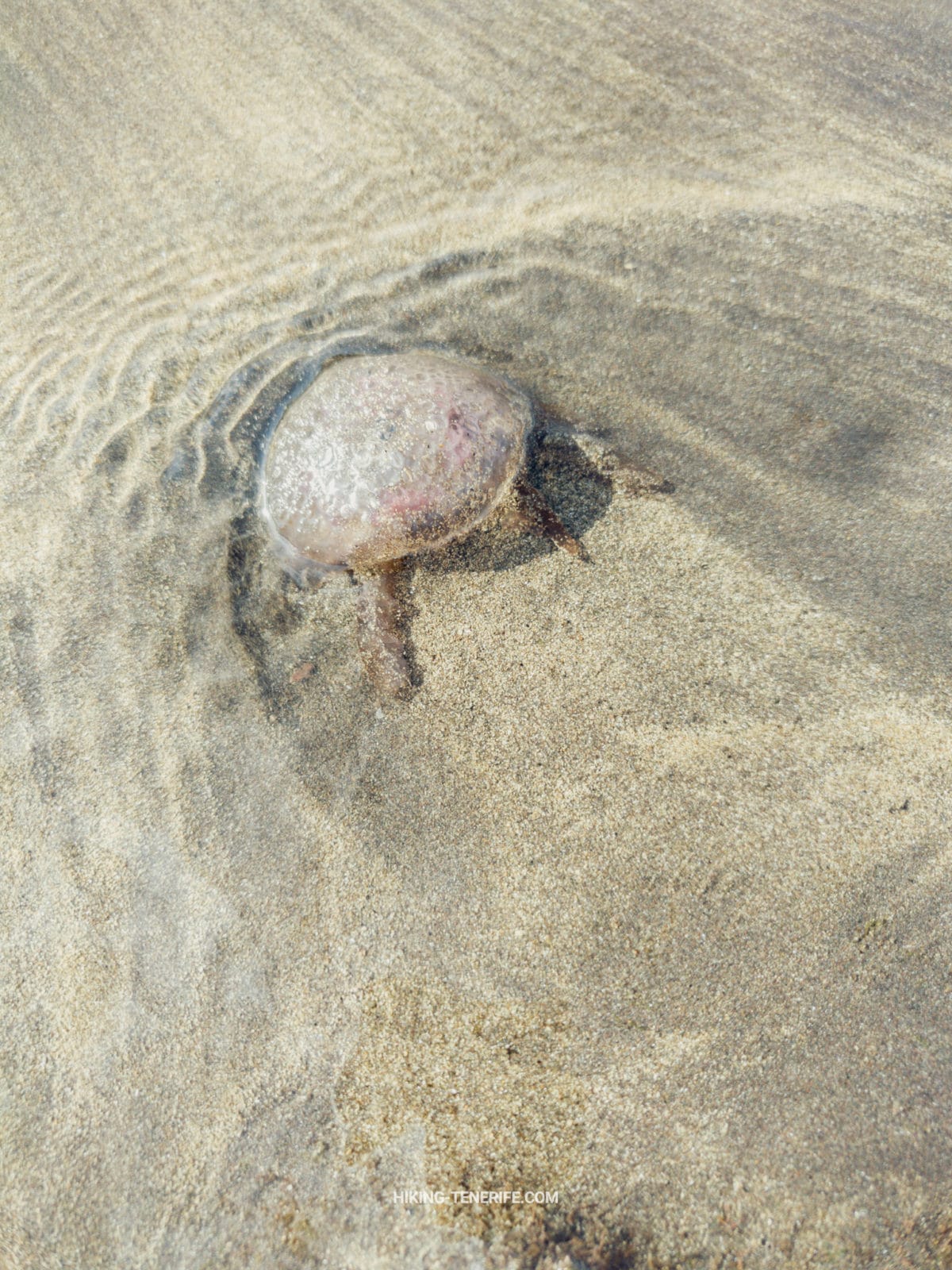
Real Tenerife shore photographs are more useful than a generic scary image. They are a reminder to look at the actual water and listen to the person in the lifeguard chair.
Sharks, Snakes And Mosquitoes: Keep The Scale Right
Here is how I would honestly rank the animals visitors ask me about, from “pay attention” to “do not worry”.
| Animal | How common | Real risk | What to do |
|---|---|---|---|
| Portuguese man o’ war | Occasional, after wind | Painful sting, rarely serious | No swimming when reported; do not touch on the sand |
| Other jellyfish (Pelagia) | Occasional | Painful sting | Follow flags, rinse with seawater, ask the lifeguard |
| Sea urchins | Common on rocky entries | Spines in feet or hands | Water shoes on rocks; do not grab rocks underwater |
| Mosquitoes | Varies by place | Nuisance | Repellent and screens |
| Sharks | Present offshore, rarely seen | Not a practical beach risk | Choose the beach by flags and currents |
| Lizards and geckos | Everywhere | Harmless; may nip if grabbed | Watch, do not feed or handle |
| Snakes | None native | None in practice | Leave any snake alone and call 112 |
Sharks In Tenerife
Sharks are part of Canarian marine life, including protected species such as the angel shark. That is a conservation fact, not a sensible reason to stay out of a managed beach. The Canary Islands fisheries information is useful for respecting marine life; your immediate swimming decision still comes from flags, currents, waves and lifeguard advice.
Do not touch, chase, feed or turn marine wildlife into a holiday attraction. If you want a sea day, choose it by conditions. If you want wildlife, give it space. Those two rules survive every social-media rumour.
Are There Snakes In Tenerife?
No. Tenerife has no native snakes, so visitors do not normally meet one. A rustle in the bushes is far more likely to be a lizard.
The only snakes found here are escaped or released pets. In August 2025 a California kingsnake was found under a recycling bin in La Laguna and taken away by specialists; no other snakes or eggs turned up. Experts say only about 10 have been found in Tenerife in 20 years. The kingsnake is not venomous. It matters because it eats native lizards, and Gran Canaria has a real invasive population, not Tenerife.
Short answer: Tenerife is not a snake-anxiety destination for hikers or families. The California kingsnake is an invasive-species concern on nearby islands. It is not a normal Tenerife holiday encounter. Leave any unfamiliar animal alone rather than trying to identify or handle it.
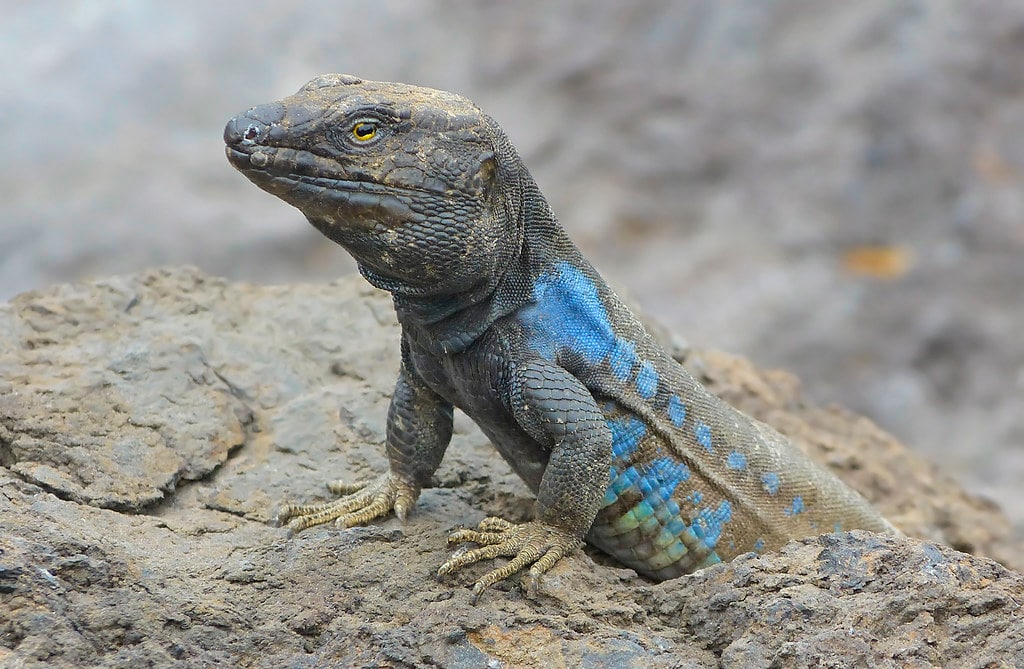
The animals most visitors notice on Tenerife are lizards. Tenerife lizards are not dangerous to visitors.
Watch them from a respectful distance. Do not feed them bananas or try to make them part of the picnic. The island is kinder when its wild residents do not have to negotiate with your lunch.
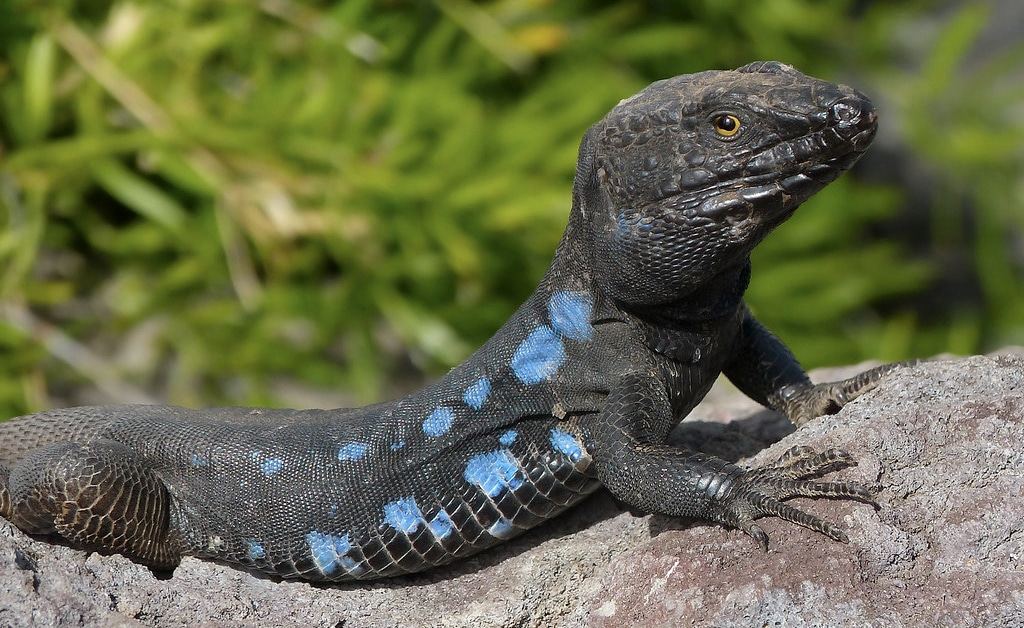
Do Lizards In Tenerife Bite?
Only if you grab one. The Tenerife lizard (Gallotia galloti) is not venomous and will run before it bites. If you pick one up or corner it, it can give a hard pinch. Wash the spot with soap and water and carry on with your day.
The small geckos you see on walls at night are harmless and eat insects. Leave both where they are.
Mosquitoes In Tenerife
Some travellers get bitten; others barely notice mosquitoes. Treat them as a nuisance that can change by place, weather and accommodation, not as a reason for health folklore. The local public-health advice suggests simple prevention such as window screens where available, clothing that covers skin when useful, and avoiding untreated standing water.
Bring the prevention that suits you, especially if bites spoil your sleep. For unusual or urgent symptoms, get local medical advice rather than relying on a travel forum. Calm preparation beats a dramatic conclusion.
Sun, Heat, Hiking And Weather: The Bigger Island Risks
The coast can make Tenerife feel effortless. Then a road climbs, the shade disappears, wind arrives or calima turns the air unpleasant. Before a hike, beach walk or Teide day, check AEMET weather warnings and the current Tenerife emergency guidance. If a warning changes the day, change the day.
For Teide, Anaga and longer walks around the north, match the route to the least confident person in the group. Use closed shoes with grip, water, sun protection, a charged phone and an offline route.
Teide has its own rules. Since 19 January 2026 non-residents pay 15 EUR for the summit trail permit (09:00-17:00), and since 1 November 2026 the high trails are restricted because of ice and snow. At Izaña (2,369 m) January averages 7.5 C by day and 1.1 C at night (45 / 34 F), so the summit can be freezing when the beach is at 25 C (77 F).
Start with my Teide National Park guide and, for the big walk, the Montaña Blanca route. For the gorge, read my Masca hike guide first: it has its own booking, days and closures.
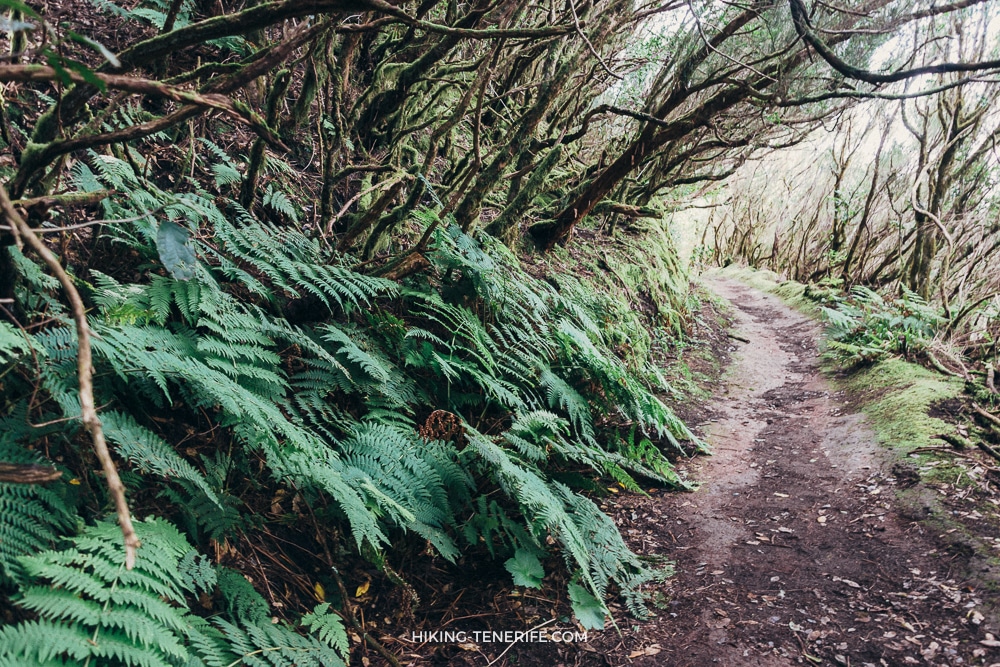
Stay on marked trails. Tell someone where you are going. Leave enough daylight to come back without rushing. A route that looks short on a map can feel very different in heat, cloud or wind.
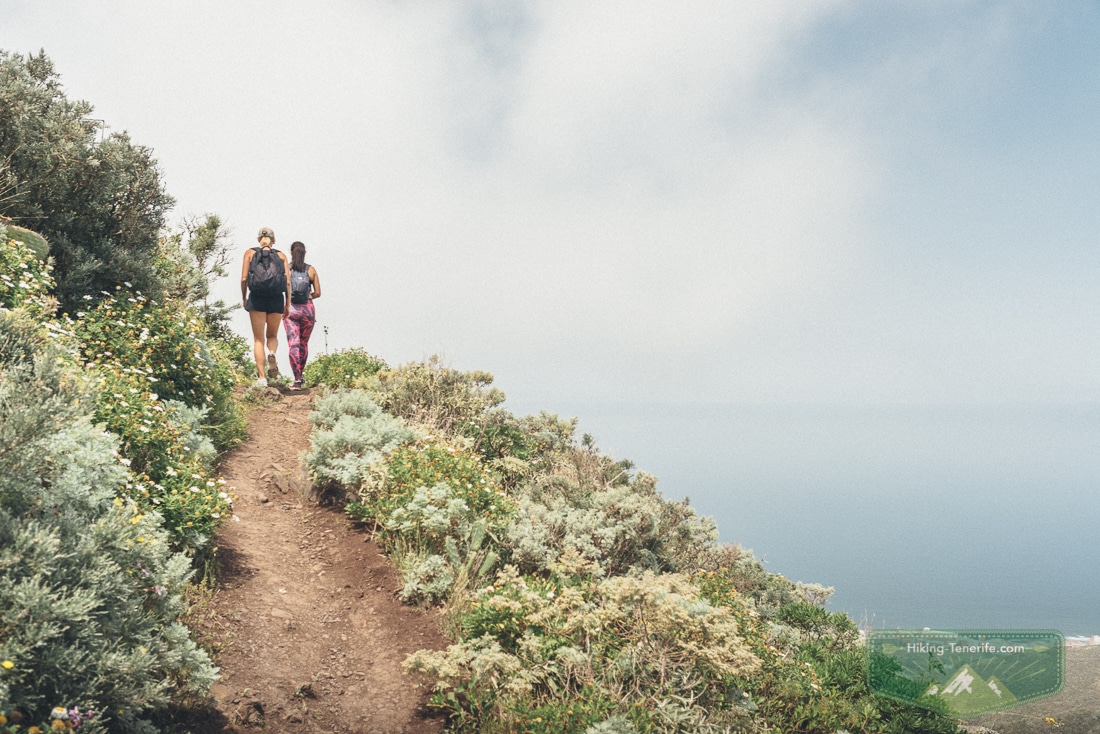
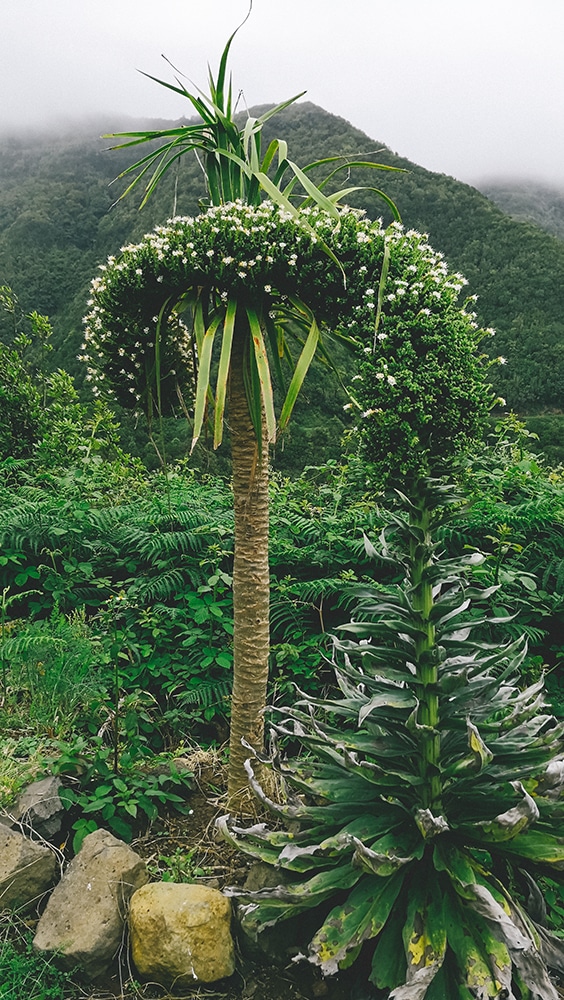
Safety rule: the warm coast is not a forecast for the mountain. A Tenerife hike becomes safer when you have a shorter exit plan before you need one.
If you want a town day when the weather is less cooperative, La Laguna and La Orotava give you a much kinder alternative than forcing a wet ridge walk. This is also why I would not build a first holiday entirely around one exposed beach or one big mountain day.
Plan the Teide day properly
If Teide is the day you are building around, use my local guide for route order, timing, weather and the quiet stops that make the mountain day feel less rushed.
Wind, Water Sports And El Médano
Wind is not an inconvenience you can wish away on the east and south-east side. In El Médano, it is part of the character and part of the sport. Kites, sails and boards are a sign to use the right area, the right school and the right skill level, not to treat the whole bay as a casual swimming pool.
If wind sports are the point, start with my kitesurfing and windsurfing in El Médano guide. If a relaxed swim is the point, be prepared to move beach or turn the day into a walk, lunch and a different coast. Wind changes the plan; it does not ruin it.
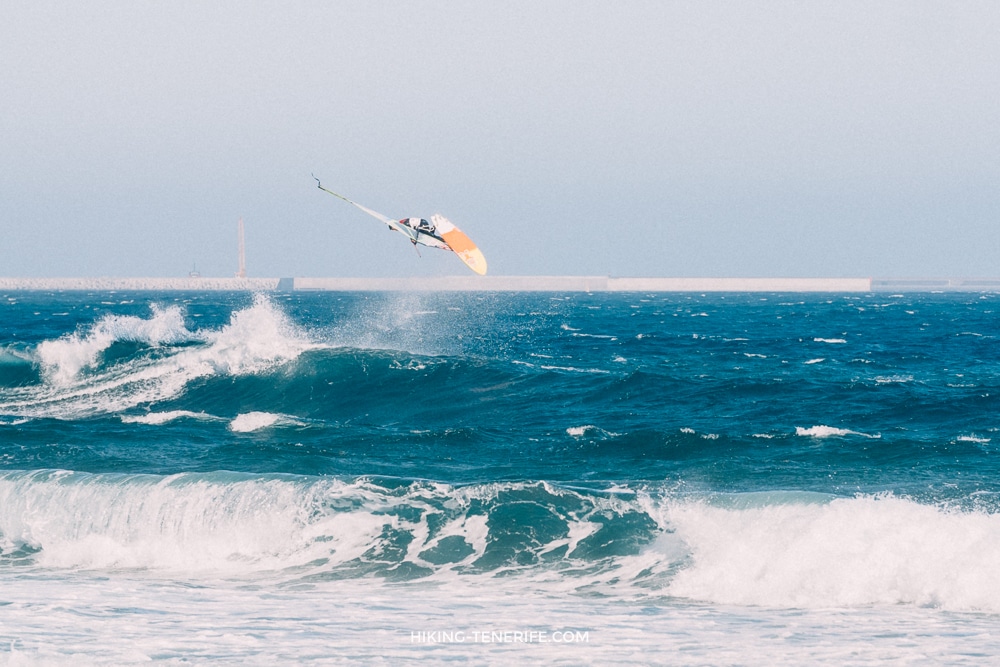
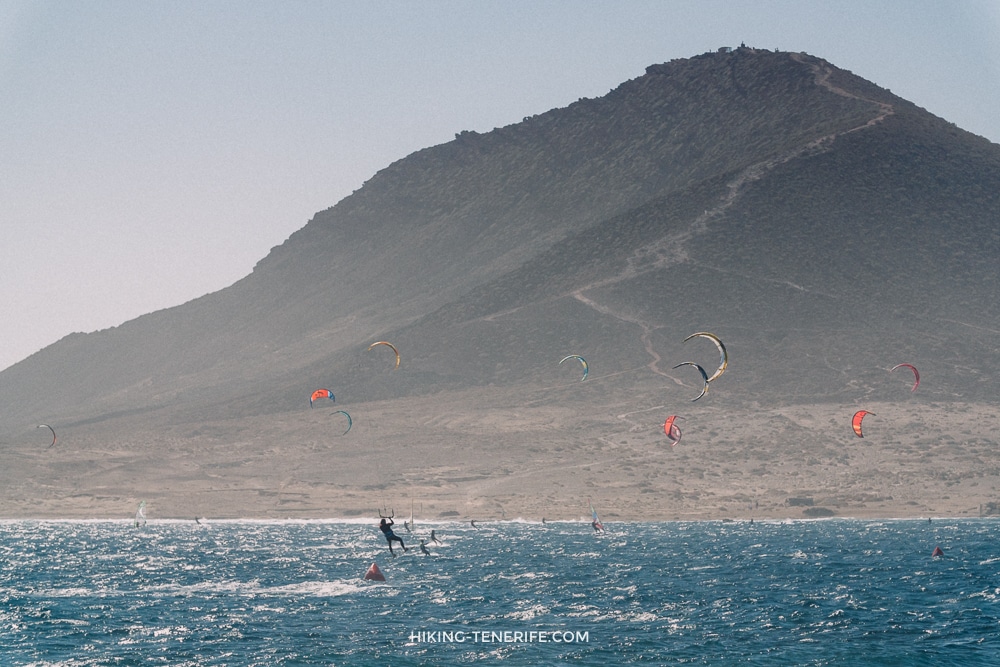
Planning tip: families, no-car visitors and first-time swimmers should choose a managed beach and keep the sporty coast as a separate outing. Trying to make one beach serve every traveller is how a simple afternoon becomes complicated.
Driving, Roads And Choosing A Sensible Base
Tenerife roads are not dangerous by default, but they do punish overstuffed itineraries. Mountain bends, fog, wind, darkness and the temptation to add just one more viewpoint make a small island feel larger. Drive to see one landscape well, not to prove you visited every point on a map.
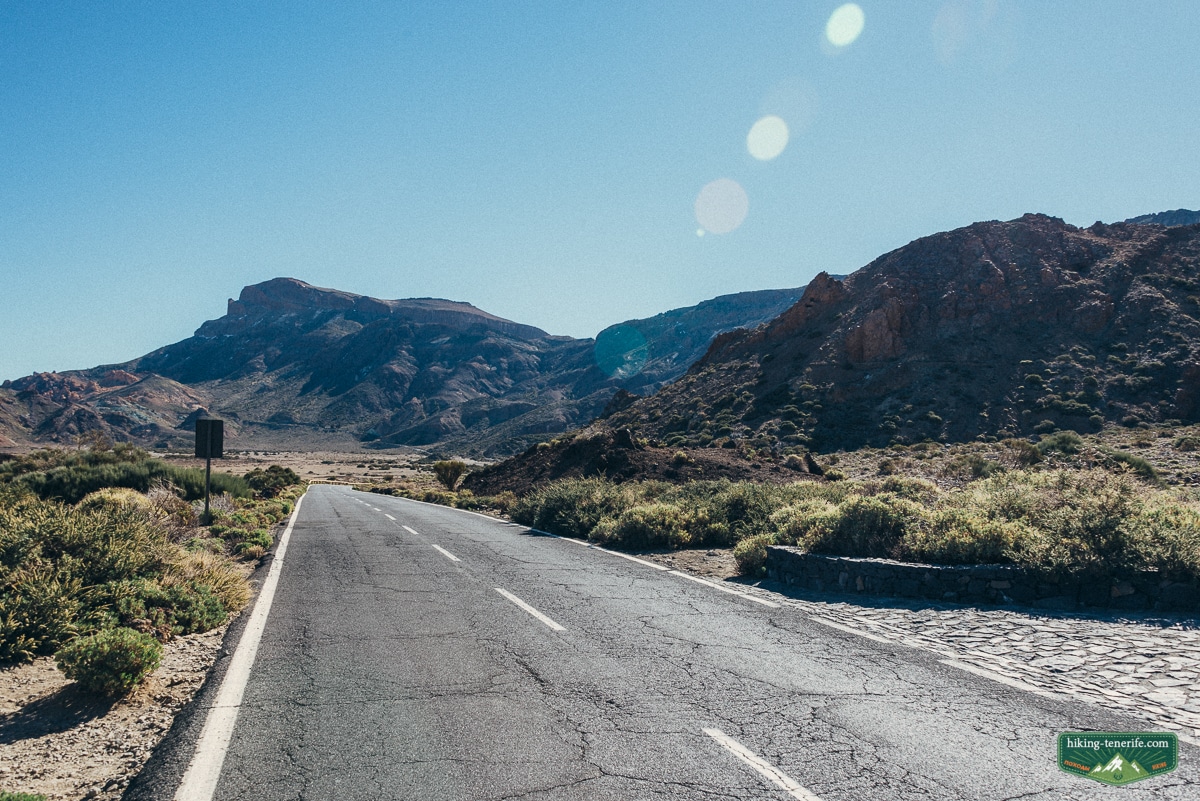
For a first trip, the south is usually easier for managed beaches, restaurants and no-car logistics. Playa de las Américas adds surf energy and nightlife; Los Cristianos is gentler; the north gives you a different island of towns, green slopes and slower weather.
Use my best beaches in Tenerife guide to compare swimming choices by conditions and access. Read Things to Do in North Tenerife before treating the north as a quick beach detour.
Local detail: the south, north and mountain can have completely different conditions on the same day. That is not Tenerife being difficult. It is the reason a flexible base and one honest daily plan work so well.
Crime, Scams And Areas To Avoid In Tenerife
Most visitors do not need a blacklist of Tenerife resorts. They need normal holiday awareness in busy places.
Some numbers help. Spain’s Interior Ministry recorded 40.4 conventional crimes per 1,000 people in 2025, at the low end of its historical series. Inside Tenerife, the tourist municipalities of Adeje and Arona have the highest recorded rates per resident, mostly because offences against millions of visitors are counted against a small resident population. What that looks like for a visitor is theft: phones, bags and things left in hire cars.
Street theft and distraction scams can happen around airports, luggage, car hire, nightlife and crowded tourist areas. Keep your phone and wallet secure. Do not leave a passport, camera or bag visible in a parked hire car.
Areas To Avoid In Tenerife: The Honest List
I would not avoid a whole town. But some places and times deserve more care than others. This is my local view, not an official list.
| Place | Is it safe? | What to watch for |
|---|---|---|
| Las Verónicas strip, Playa de las Américas | Yes, with care late at night | Drunk crowds, pickpockets and street touts after midnight. Go with friends and take a taxi back. |
| Los Cristianos | Yes, calm and family-friendly | Busy promenade and ferry port: watch bags. |
| Costa Adeje | Yes, one of the calmest resort areas | Usual resort sense on busy beaches. |
| Puerto de la Cruz | Yes, mostly quiet | The sea is rougher here than in the south; obey the flags. |
| Santa Cruz and La Laguna | Yes, normal city caution | Quieter at night than resorts. Carnival crowds are the pickpocket peak. |
| Trailheads, viewpoints and wild-beach car parks | The area is fine, the car is not | Theft from hire cars at Masca, Anaga, Teide and remote beaches. Leave nothing visible. |
| Unlit coastal paths and barranco shortcuts | Mostly a fall risk, not crime | Do not take them in the dark or after drinks. |
If you are still choosing a base, my where to stay in Tenerife guide and the north or south comparison explain which area suits which kind of trip.
Common mistake: searching for one dangerous area, then relaxing everywhere else. A quiet viewpoint with valuables in the car can be a worse choice than a busy resort street where you are paying attention.
My local rule: I would not tell a visitor to avoid an entire Tenerife town. I would avoid an empty shortcut at night, an unlicensed ride, an unattended drink and anyone creating urgency around money, tickets or your wallet.
If a stranger claims there is a problem with your hire car, stop only in a well-lit public place. Genuine police may ask for identification. They do not need you to hand over your wallet.
Spain’s official AlertCops app lets you contact the National Police or Civil Guard and share your location. Use 112 when the situation is urgent.
Is Tenerife Safe At Night?
Yes, in the places visitors normally go. Resort promenades, restaurant streets and town centres are busy and lit until late. Most night problems I hear about involve alcohol, an unlicensed ride, a dark shortcut or a phone left on a bar table, not a dangerous neighbourhood.
Use the official taxi ranks or a licensed taxi app, keep your accommodation saved in your phone and walk the lit way home, even when it is longer.
Nightlife safety: stay with people you trust, keep your drink in sight and save your accommodation in your phone before going out. If a place or person feels wrong, leave early. You do not owe the evening a second chance.
Security advice can change. Before travelling, check the current official advice for Spain from your own government. Follow local police instructions and move away from demonstrations or any disorder.
A Small Tenerife Safety Plan Before You Go
Save 112 before you need it. The Canary Islands CECOES 112 service is the emergency route for urgent medical, rescue, fire and safety situations; it is free, works around the clock and helps visitors in English. For an emergency, give your location, what happened and follow the operator’s directions.
- Choose a supervised beach for the swimming day that matters most.
- Check flags, lifeguards and the sea before entering; red means no swimming.
- Check AEMET and local alerts before Teide, Anaga, exposed coasts or a long drive.
- Carry water, sun protection, a charged phone and an offline route for walks.
- Keep one town, food or museum-style backup for wind, heat, cloud or swell.
- Leave wildlife, rocks, breakwaters and stranded jellyfish alone.
- Keep valuables out of sight in hire cars and keep drinks in sight at night.
First Time In Tenerife From The US Or Canada
Most of my North American readers arrive with good questions that European guides skip. The short version:
- Where it is: Tenerife is part of Spain, in the Canary Islands in the Atlantic, roughly 300 km off the coast of Morocco and the Western Sahara (my estimate). It is in the EU, uses the euro and has European healthcare standards.
- Which airport: Tenerife South (TFS) for the resorts, Tenerife North (TFN) near La Laguna for the north. Air Canada flies nonstop from Toronto and Montreal to TFS in winter 2026-27; there is no nonstop from the US, so most Americans connect in Madrid or another European hub.
- Emergency and police: 112 works for everything. Police come in three forces (Policía Local, Policía Nacional, Guardia Civil); all of them help visitors.
- Healthcare: public hospitals and many private clinics in the resorts. Bring travel insurance with medical cover: your US or Canadian plan usually does not work here.
- Weather and units: November days are around 25 C (77 F) on the south coast, but Teide can be below freezing. Pack one warm layer even for a beach trip.
- Time zone and entry: Canary Islands time is the same as London, one hour behind mainland Spain. The EU Entry/Exit System has been running since 10 April 2026; ETIAS is not running yet.
For phones and data, see my best SIM card in Tenerife guide, and for driving, my Tenerife car hire guide.
Common mistake: treating Tenerife safety as a list of frightening animals. The real local skill is smaller and more useful: read conditions, respect signs, choose the easier option when they change, and ask for help early when something is genuinely wrong.
Tenerife Safety FAQ
These are the questions worth answering before a beach, hike or road day.
Is Tenerife safe for a holiday?
Yes, if you treat it as an Atlantic island rather than a resort brochure. For most visitors the useful checks are beach flags, sea state, sun and heat, wind, terrain, road conditions and current weather alerts.
Are there jellyfish in Tenerife?
They can occur. Do not guess from a photograph or a warm day: follow beach flags, signs and lifeguard instructions, and skip both swimming and shore play when jellyfish are present.
Are sharks dangerous in Tenerife?
Sharks are part of Canarian marine life, including protected species. For a beach visitor, flags, currents, waves and lifeguard advice are the practical safety decision; do not turn a wildlife fact into a reason to ignore the sea.
Are mosquitoes a problem in Tenerife?
Some travellers get bites, especially where conditions suit mosquitoes. Simple prevention helps: use screens when available, cover up when useful and avoid untreated standing water. Seek medical help for urgent symptoms rather than diagnosing them yourself.
Is Tenerife safe for hiking?
It can be, with a route matched to the weather, daylight and your actual fitness. Stay on marked trails, carry water and a charged phone, check alerts and closures, and turn around when conditions stop making sense.
What number should I call in an emergency in Tenerife?
Call 112 for urgent medical, rescue, fire or safety emergencies. It is free, operates around the clock and is available to visitors in English as well as other languages.
Is Tenerife safe right now?
Yes. As of November 2026 the volcano is on green, crime is mostly petty theft and no official advice warns against Tenerife. The 22 October volcano alert was a drill. The real risk is the sea, so swim only where flags and lifeguards say it is safe.
Is the Teide volcano going to erupt?
Nothing suggests an eruption soon. The volcanic alert light for Tenerife is green, small earthquakes are normal and are monitored around the clock by IGN and INVOLCAN. The last eruption was Chinyero in 1909.
Are there snakes in Tenerife?
No native ones. Only about 10 escaped pet snakes have been found in 20 years, none of them venomous. If you ever see one, keep away and call 112.
Do lizards in Tenerife bite?
Only if you pick one up or corner it. Tenerife lizards are not venomous and are harmless to visitors. Watch them, but do not feed or handle them.
Are there areas to avoid in Tenerife?
Not whole towns. Take extra care on the Las Veronicas nightlife strip late at night, never leave valuables in a car at viewpoints, trailheads or wild beaches, and avoid unlit coastal paths after dark.
Is Tenerife safe at night?
Yes in resorts and town centres, which stay busy and lit until late. Use licensed taxis, keep your drink in sight and walk the lit way home.
Is Tenerife safe from terrorism?
There is no Tenerife-specific threat. Spain keeps a national terrorism alert of level 4 of 5 that covers the islands, so stay aware in big crowds such as Carnival and follow police instructions.
Can you drink the tap water in Tenerife?
Mains water is treated, but much of it is desalinated and tastes of minerals or chlorine, and a few northern neighbourhoods have had local restrictions. Most residents and visitors drink bottled water; brushing your teeth with tap water is fine.
Tenerife is generous with good days. Let the weather, sea and people who work on the beach have a vote in yours.

