

Short answer: legal camping in Tenerife means matching your tent, camper or bivouac plan to the correct authorised place. Reserve through Tenerife ON when required, carry the authorisation and check live alerts before leaving the coast.
A beautiful forest, beach, car park or volcanic shoulder is not automatically a campsite. If the official zone, vehicle category or local parking rule does not fit your plan, change the night plan.
Sleeping under Tenerife’s stars can still be wonderful. The legal address, water plan, fire controls and backup room are what make it a good story instead of an expensive mistake.
The Quick Verdict: Where Can You Sleep Legally?
There are four different ideas hiding inside “camping in Tenerife”. They are not interchangeable, even when the photographs look similar.
| Your plan | Legal route | The catch |
|---|---|---|
| Tent in a public zone | Reserve the exact Tenerife ON tent entry and carry the authorisation. | The booking covers only the named zone, dates, people and pitch type. |
| Campervan or motorhome in a public zone | Book a vehicle-specific entry that accepts your vehicle. | A tent reservation and an ordinary parking bay are not substitutes. |
| Ordinary parked vehicle | Obey the municipality, road signs, time limit and protected-area rules. | Sleeping inside is not an island-wide right. Anything outside the vehicle can turn parking into camping. |
| Private campsite | Book the operator directly and check its current services. | Showers, electricity, waste disposal and reception are never automatic. |
| Teide bivouac | Reserve one of the four authorised areas and follow the high-mountain conditions. | This is open-air bivouac, not casual tent camping. |
| No legal place or bad conditions | Use a hotel, hostel or other legal indoor fallback. | A secret beach, lay-by or rental car does not solve a closed or unsuitable booking. |
Local verdict: if a campsite is full, closed or wrong for the forecast, change the night plan. A secret beach, lay-by or rental car is not a legal backup.
What “Camping” Means In Tenerife
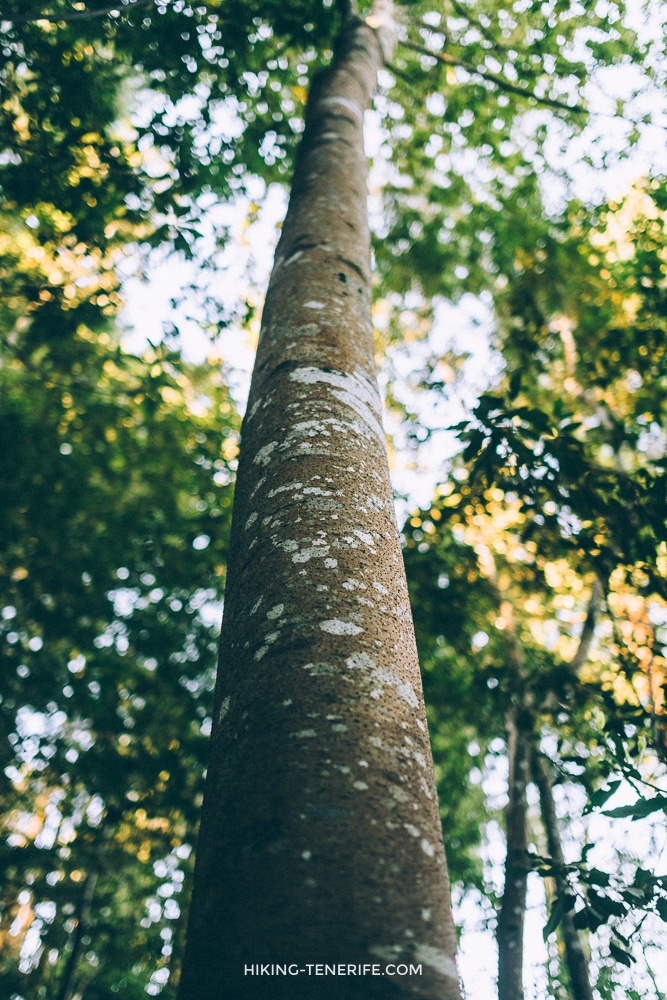
The Cabildo camping guidance defines a camping zone as a delimited and signposted outdoor space where people may stay overnight for up to seven consecutive days with prior authorisation.
This can include tents, caravans, motorhomes and other adapted vehicles. The individual Tenerife ON fiche decides what that particular zone accepts.
Camping on private forest land and camping as part of a traverse use separate authorisation routes. A reservation for a public zone does not cover either one.
Most public zones do not have a hotel-style reception or their own complete service block. They are usually next to a recreational area where campers may use toilets, water points, tables and designated cooking places under the recreational-area rules.
Water is not automatically drinking water. Toilets may have opening hours. “There is a picnic area nearby” is not the same as “there are campsite facilities beside your tent”.
Private campgrounds are a separate category. They may offer showers, electricity, pitches, waste services or a more predictable check-in, but their rules and prices come from the operator. I am not mixing commercial listings into the Cabildo inventory below.
Wild camping means choosing your own place outside an authorised facility. That is exactly the version I would not recommend.
Sleeping in a car, parking a campervan, pitching on a beach and staying inside a protected landscape can trigger different rules. None becomes legal because you leave early or saw someone else do it.
Parking is not a universal camping loophole: keep the vehicle within its marked footprint, put nothing outside, discharge no fluids and run no generator. Then check the exact municipal signs and time limits, because those conditions still do not create permission everywhere.
The Current Official Camping Inventory
Use the current Tenerife ON reservation system for availability and authorisation. The older Central Reservations pages now direct campers to Tenerife ON and are not the final inventory.
The table below is an island-planning index of established public zones checked against Cabildo and Tenerife ON information on 24 July 2026. A live fiche can be blocked, closed or split into separate tent and vehicle entries, so open Tenerife ON before choosing a date.
The live calendar is the only honest way to know whether a date has a place. Being listed does not mean the site is open every day or every season.
The town in the last column is a realistic food, fuel, pharmacy or warm-night reference. It is not a claim that the campsite is inside that town.
Most of these places are up a forest road, beside a protected landscape or on a high mountain route.
| Official site | Municipality / setting | Booking, status and practical notes | Useful town or base |
|---|---|---|---|
| Arenas Negras | Garachico; Corona Forestal, about 1,240m. | Prior reservation; dynamic date calendar. Forest dirt-track access, no public transport listed. Adjacent area has toilets, fogones, non-potable water, tables, bins and playground; parking is about 150m away. | Garachico for a town stop; Icod de los Vinos for a larger food and supply run. |
| Chío | Guía de Isora; Corona Forestal, about 1,600m. | Prior reservation; dynamic date calendar. Short dirt-track approach from TF-38 km 12.6; no public transport listed. Tent zone and a separate mobile-home area; toilets, non-potable water, bins, playground and parking in the attached recreation area. | Guía de Isora for practical supplies; Los Gigantes is a scenic coast base, not a nearby walk. |
| El Lagar | Icod de los Vinos; Altos de Icod, about 1,000m. | Prior reservation; dynamic date calendar. The official fiche describes roughly 9km of dirt forest track. Adjacent area has toilets, fogones, non-potable water, tables, bins, playground and parking; portable barbecues are prohibited. | Icod de los Vinos for food, fuel and a warm fallback. |
| Las Lajas | Adeje; Corona Forestal, above 1,500m. | Prior reservation; check the tent fiche for tent rules and the separate vehicle fiche for motorhomes. Access from TF-21 around km 58.2; TITSA route 342 is listed. High-altitude weather, shared recreational facilities and no promise of drinking water. | Adeje / Costa Adeje for supplies; the campsite is in the highlands, not at the resort. |
| San José de los Llanos | El Tanque; north-side forest, above 1,000m. | Prior reservation for the camping zone; dynamic calendar. Easy road access beside the general road and TITSA 360 to San José de los Llanos. Tent camping area; nearby services include toilets during staff hours, fogones, non-potable water, bins, parking and a playground. | San José de los Llanos for a small local stop; Garachico for a fuller day. |
| Fuente del Llano | Arico; Corona Forestal. | Prior reservation; dynamic calendar. The live portal is the authority for current access and facilities. The public description of these zones warns that equipment is generally supplied by the attached recreational area, not necessarily by the camping plot itself. | Arico for food and fuel; use El Médano only as a wider south-east base reference. |
| La Caldera | La Orotava; Corona Forestal. | Prior reservation; dynamic calendar. Forest setting and changeable access; check Tenerife ON alerts because this area has appeared in past temporary-closure notices. Do not assume the old map or a remembered opening. | La Orotava for food and pharmacy; Puerto de la Cruz for a warmer overnight alternative. |
| La Tahona | San Juan de la Rambla; Corona Forestal. | Prior reservation; dynamic calendar. Outdoor zone beside a recreational area; check the current fiche for the final road, transport and facility state before choosing it for a no-car trip. | San Juan de la Rambla as a map reference; Los Realejos for wider services. |
| Las Calderetas | El Sauzal; Protected Landscape of Las Lagunetas. | Prior reservation; dynamic calendar. The site is forest-based and its access or opening can be affected by wildfire and conservation notices. Check Tenerife ON alerts before travelling. | El Sauzal for food and a coast-side stop; La Laguna for a stronger no-car base. |
| Las Hayas | Icod de los Vinos; Montes del Norte. | Prior reservation; dynamic calendar. Tent zone in a forest setting; check the live fiche for final access, transport and attached recreational-area services. | Icod de los Vinos for supplies; Garachico for an easy town-and-coast combination. |
| Las Raíces | El Rosario; Protected Landscape of Las Lagunetas. | Prior reservation; dynamic calendar. A forest camping choice on the La Esperanza side; check current access and fire notices. The surrounding area is useful for short forest routes, not resort convenience. | La Esperanza for a local stop; La Laguna or Santa Cruz for a full service base. |
| Los Pedregales | Buenavista del Norte; Teno Rural Park, about 600m. | Prior reservation; dynamic calendar. Paved-road access and TITSA 355, 365 and 366 are listed. No caravans or motorhomes in this camping area. Nearby services include toilets and accessible showers when staff are present, outdoor toilet/shower, non-potable water, tables, bins and parking. | Buenavista del Norte for food and fuel; Los Silos is a useful north-west town reference. |
| Ramón el Caminero | La Orotava; north Corona Forestal, above 1,500m. | Prior reservation; dynamic calendar. TF-21 km 24.3 and TITSA 348 are listed. Tent camping area; toilets are only open during staff hours, with fogones, non-potable water, bins and parking in the attached recreation area. | La Orotava for food and a warm fallback; this is high forest, not an urban campsite. |
| Fuente de Pedro | San Juan de la Rambla; Corona Forestal. | Prior reservation; dynamic calendar. The official page says the nearby recreation area closes at 19:00 in winter and 21:00 in summer. Check the current fiche for access, toilets and water before arrival. | San Juan de la Rambla; Los Realejos for a larger supply run. |
| El Contador | Arico; official overnight-stay entry. | Prior reservation; dynamic calendar. The public list does not publish a dependable price or capacity. Treat all facilities, access and fire use as current-fiche questions, not as promises. | Arico for food and fuel; a south-east hotel is the fallback if weather changes. |
| Chío motorhome / caravan area | Guía de Isora; vehicle-specific area near Chío. | Separate prior reservation. The current Tenerife ON entry records the vehicle for the authorised stay, with accompanying people sleeping inside it. Use this entry for the vehicle, not the tent-zone entry. | Guía de Isora for supplies; Los Gigantes for a coast-side base. |
What the table does not promise: none of these rows is a guaranteed year-round opening, a guaranteed empty calendar, a shower promise or a price list. The reservation portal’s calendar, the individual Tenerife ON fiche and current alerts override this article.
Local detail: a town in this table is a supply point, not a promise of a taxi, late bus or warm room at midnight. I would choose the fallback before driving up the forest road.
How To Use The Official Reservation System
Start with Tenerife ON reservations. Choose the exact activity type first: tent, caravan, motorhome, camper vehicle or authorised Teide bivouac.
The confirmation is the administrative authorisation. Carry it on paper or on your phone with identification, and follow any instructions from wardens.
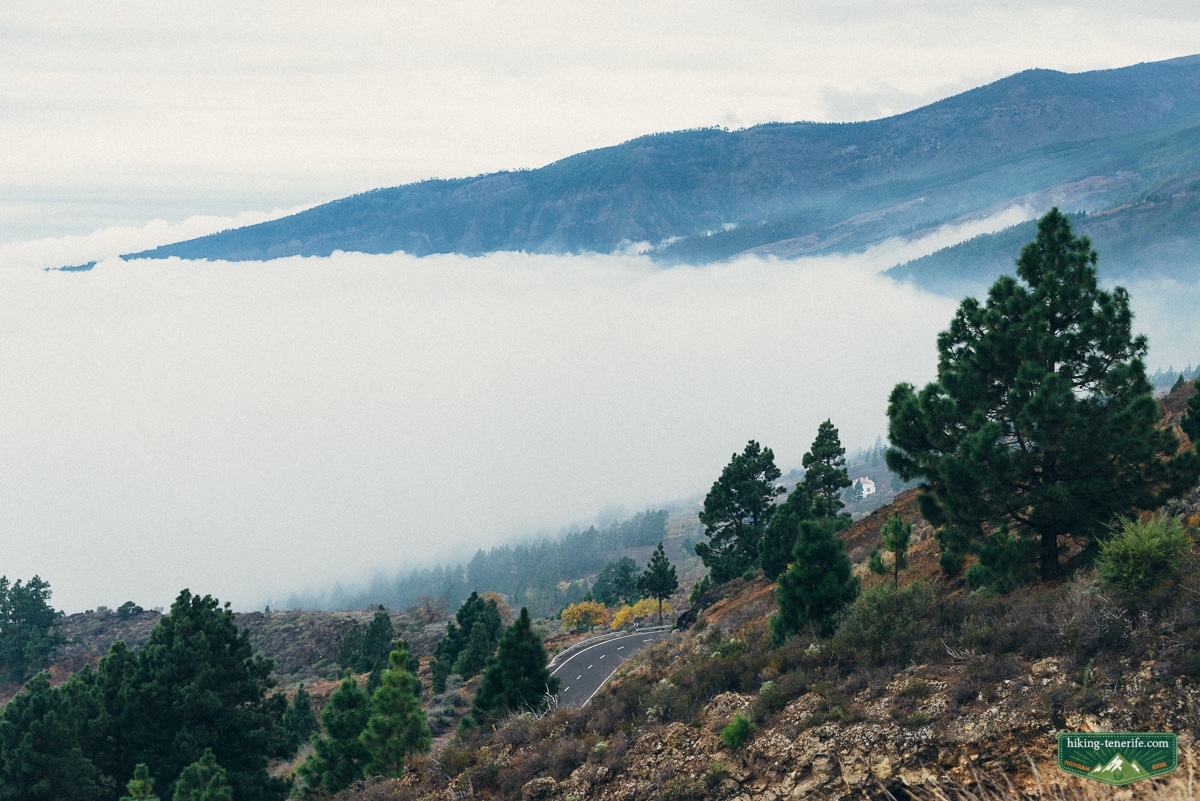
- Choose the exact job: tent, campervan, caravan or authorised Teide bivouac. Do not book a tent zone for a motorhome.
- Open the individual fiche, not only the list page. Check municipality, altitude, access, vehicle restrictions, attached facilities and the protected landscape.
- Create or use a Tenerife ON account where the page requires registration. The current pages ask for adults and children under 16, then check-in and check-out dates.
- Read the availability calendar as a date-specific answer. A day with a place is not a promise that the area is generally open, comfortable or unaffected by a fire/weather closure.
- Read the conditions before submitting. The public pages state that the booking document has the value of an administrative authorisation and must be carried on paper or on your phone.
- Check the permitted set-up: tent type, vehicle type, one vehicle per request where applicable, pets, parking and whether the campsite allows caravans or motorhomes at all.
- Save the confirmation and carry identification. Do not rely on a screenshot of a third-party directory or on an old PDF.
- Check Tenerife ON alerts, the Canary Islands emergency alerts and the Cabildo fire page again on the day.
- If plans change, cancel the reservation rather than leaving an unused slot. No universal public refund/change timetable covers every zone, so use the conditions shown in your live booking.
Availability windows and blocked dates can change. Read the live calendar and booking conditions instead of relying on an old release-time screenshot.
Plan like this: save the authorisation, the exact arrival time and one lower-altitude fallback before you leave the coast. Camping in Tenerife is much easier when the backup is part of the plan.
Planning a Teide night rather than a general campsite stay? Use the handcrafted Teide guide to put the route, timing and legal fallback in a sensible order before you leave the coast.
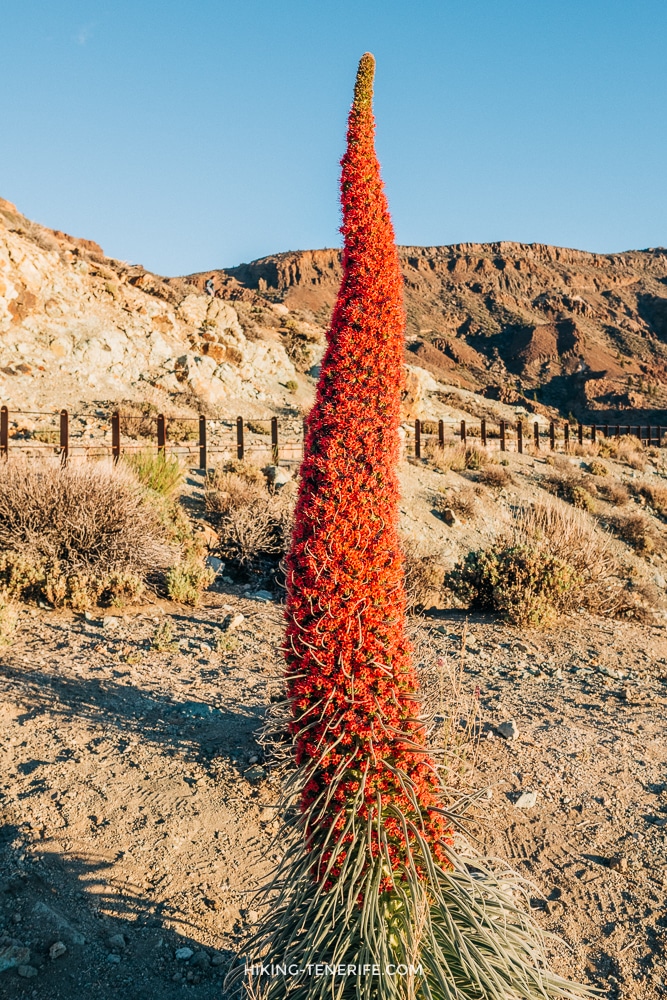
Teide Is Different: Four Authorised Bivouac Areas
Inside Teide National Park, free camping is prohibited. The park’s official visitor rules list free camping, fires and leaving the roads or authorised paths as offences.
There is, however, a separate authorised vivac system: sleeping or resting in the open air with a sleeping bag or bivvy equipment, without altering the landscape. A tent or similar shelter is forbidden in these Teide bivouac areas.
The National Park says there are four authorised bivouac areas, with a maximum of one night in one area and up to two consecutive nights only when they are in different areas. Prior booking is compulsory through Tenerife ON.
The official park page publishes these access and capacity notes:
| Area | Access and setting | Capacity / rule | Official detail |
|---|---|---|---|
| Teide bivouac area | PNT 07 Montaña Blanca–La Rambleta; about 3,523–3,529m. | 15 people while Altavista Refuge is closed; 7 if the refuge reopens. Small natural shelter areas. | Park detail / Reserve on Tenerife ON |
| Montaña Blanca bivouac area | PNT 07 and ramal 7.1; about 2,717–2,730m. | Maximum 30 people. Open rocky area beside the historic Puesto de Mulas. | Park detail / Reserve on Tenerife ON |
| La Degollada de Pico Viejo | PNT 09 Teide–Pico Viejo and PNT 23 Los Regatones Negros; about 3,061–3,094m. | Maximum 20 people; rocky shelter and pumice platforms. | Park detail / Reserve on Tenerife ON |
| Alto de Montaña Guajara | Access through PNT 15 Alto de Guajara, around 2,715m. | Maximum 20 people under the current park management resolution; live availability still controls. | Park bivouac list / Reserve on Tenerife ON |
Do not treat Teide bivouac as an easy camping shortcut. The National Park is high mountain above 2,000m for much of its area. Cold, wind, sun, altitude, dehydration, poor visibility and a difficult descent are the real conditions. There are no showers, campsite pitches or convenient late-night food stop waiting beside your sleeping bag.
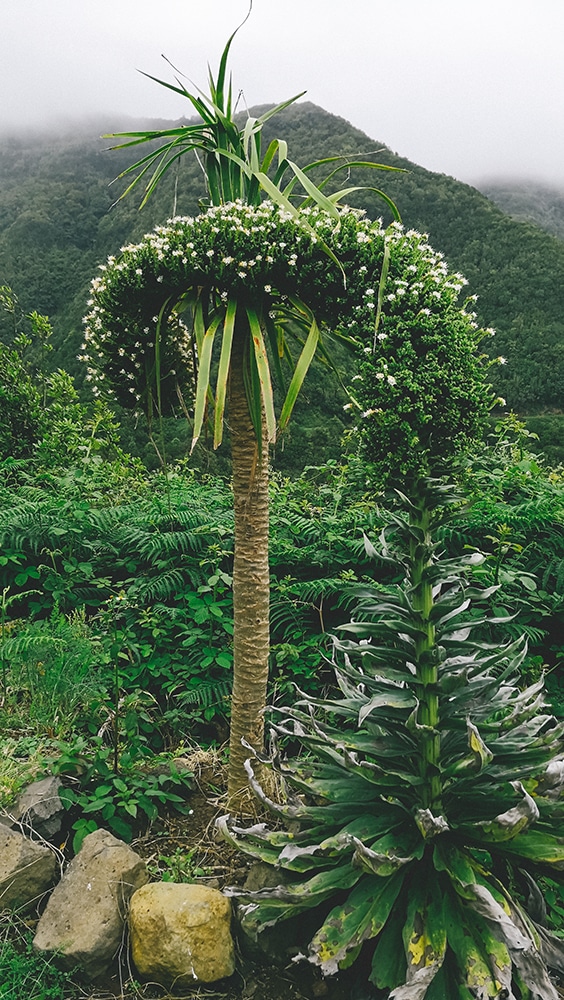
Anaga, Teno, Teide And The Forest Rule
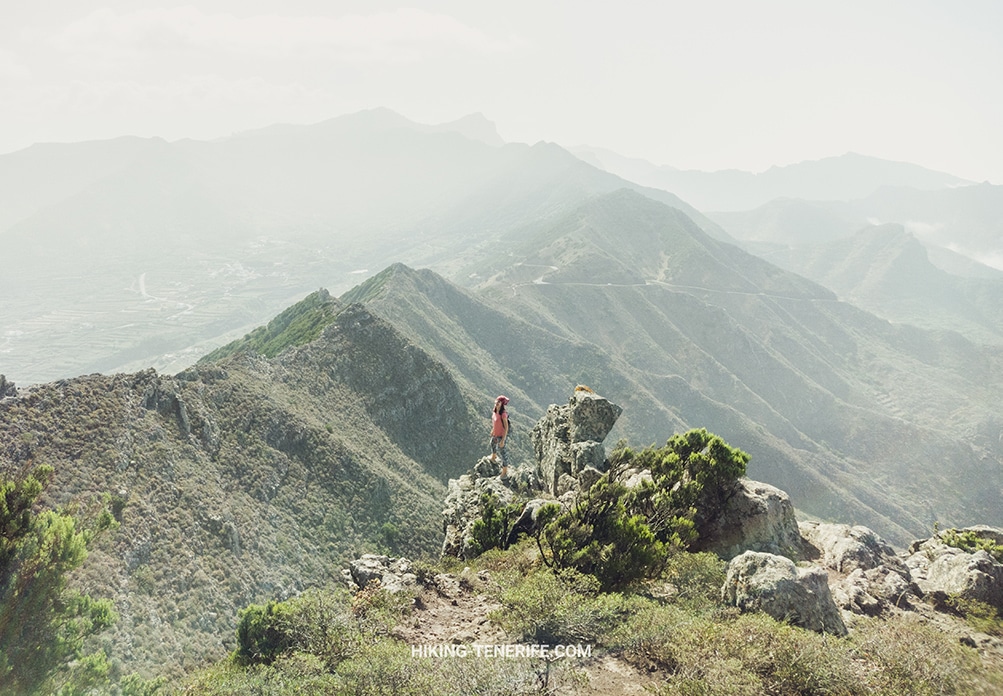
Anaga and Teno are not blank spaces on the map. They are protected landscapes with their own plans, paths, access controls and conservation pressures. A beach near Almáciga, a laurel-forest clearing, a cliff road or a quiet village lane is not an invitation to pitch a tent.
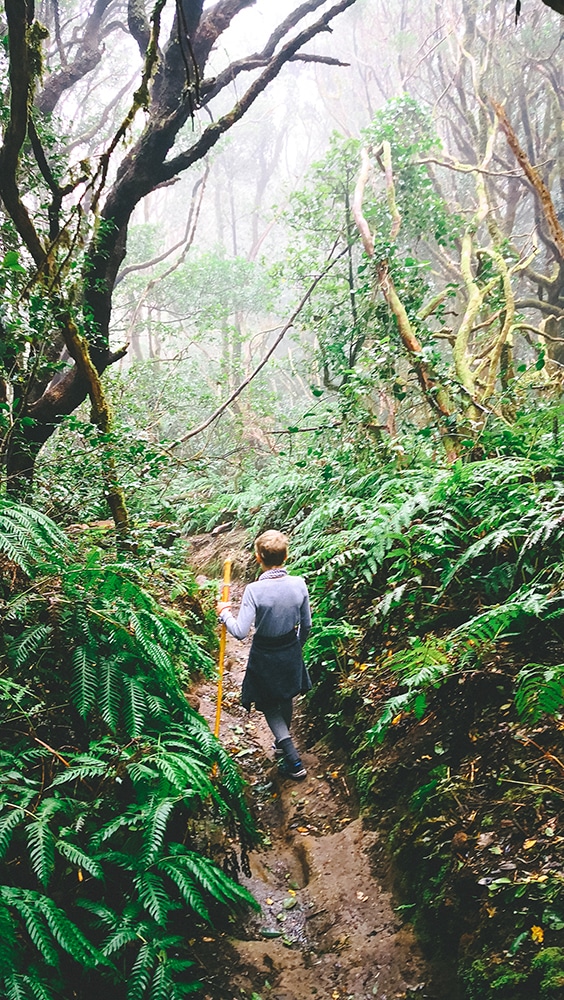
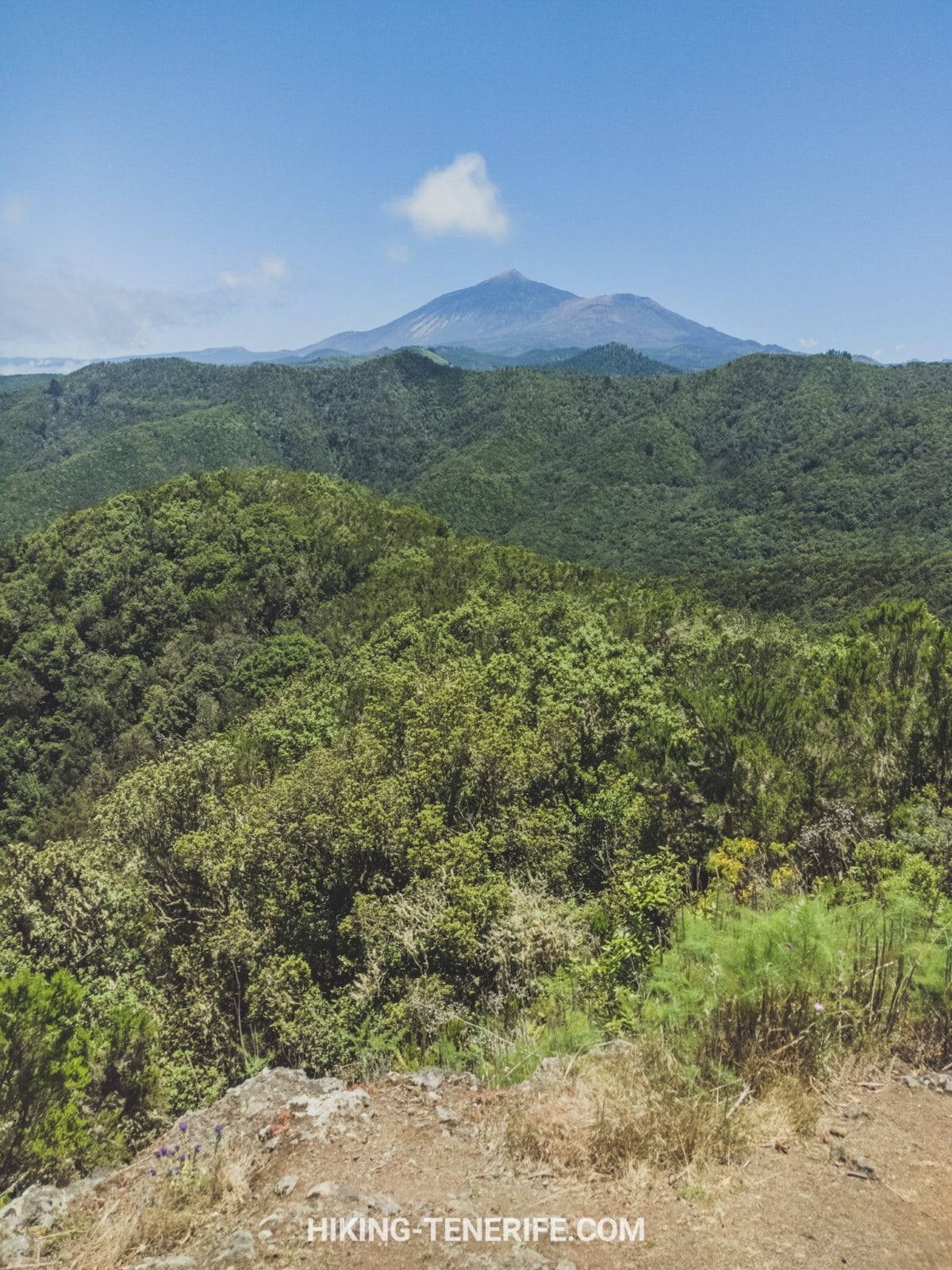
The same applies to the Corona Forestal. Some official camping zones are inside or beside protected forest because they are specifically designated and managed there. That does not make the rest of the forest available for camping. If the location is not an official zone or a separately authorised activity, walk through it and sleep elsewhere.
For Anaga logistics, use the current Taganana and Anaga guide as a route-planning companion, not as a camping permit. For Teno, my Teno Rural Park guide is useful for the daylight walk around the legal Los Pedregales option.
Campervans, Beaches And Municipal Parking Rules
Do not present overnight parking as automatically legal camping. Coastal public land, protected landscapes, road rules and municipal ordinances can all narrow the answer.
Santa Cruz currently allows designated motorhome parking at Las Teresitas and the Palmetum for up to 48 hours. The vehicle must stay within its footprint, discharge no fluids and run no generator.
That is a Santa Cruz example, not an island-wide permission. Granadilla directs campers and motorhomes to the authorised Montaña Roja camping area and does not treat ordinary El Médano coastal parking as a campsite.
Coastal rule: never pitch a tent or spread camping equipment on a beach because the parking area looks informal. Read the signs, check the municipality and move to an authorised place when the rule is unclear.
Fire, Heat, Wind And Closure Checks
The Cabildo’s fire guidance says to camp only in indicated places and with prior authorisation, and to use fire only in habilitated places with fogones and during authorised periods.
Individual camping fiches prohibit portable barbecues and limit cooking fire or gas use. A wildfire alert can override all of that and close a zone or ban fire completely.
Fire controls can change on the day and can close zones, seal fixed cooking places, restrict smoking or suspend access. Permanent infrastructure is not permission to use it during an alert.
Check Tenerife ON alerts, Cabildo notices, Canary Islands emergency alerts and the forecast on the morning of departure.
- High forest and Teide: cold after sunset, strong wind, low cloud, rain, frost or sudden visibility loss.
- South and lower elevations: heat, dehydration, sun exposure and wildfire risk even when the coast feels pleasant.
- All zones: falling branches, uneven ground, loose rock, insects, darkness, poor phone signal and a long drive for help.
- Emergency: call 112. Tell someone your route and expected return, and do not rely on one fully charged phone as your entire safety system.
Common mistake: seeing fogones in a photograph and assuming you may light one tonight. The current fire restriction, not the permanent infrastructure, decides that answer.
Car, No-Car And The Nearest Town Reality
A rental car makes most public camping zones easier, but it does not turn a forest track into a normal road. Use only roads and accesses allowed by the live fiche.
The Cabildo says access to recreational areas and camping zones may be made with roadworthy cars, vans, buses or motorcycles, while general recreational driving on forest tracks is separately regulated.
Without a car, choose deliberately. San José de los Llanos, Las Lajas, Los Pedregales and Ramón el Caminero have official public-transport references in their fiches. That does not mean a late bus will meet your arrival, your tent, your food and your return. A bus stop near a facility is not a night transfer guarantee.
Use the nearby town as a supply or fallback node. Garachico and Icod help the north-west choices; La Orotava helps the high north; La Laguna or Santa Cruz helps the Las Raíces side.
Buenavista and Los Silos help Teno; Guía de Isora and the south-west coast help Chío; Adeje helps Las Lajas. Food, fuel, pharmacy and a warm room are sensible parts of the route, not evidence that the campsite is urban.
Map note: “Near La Laguna” still means a forest drive. Use the La Laguna guide for a no-car base, food and indoor fallback; do not treat it as a late-night transfer to Las Raíces.
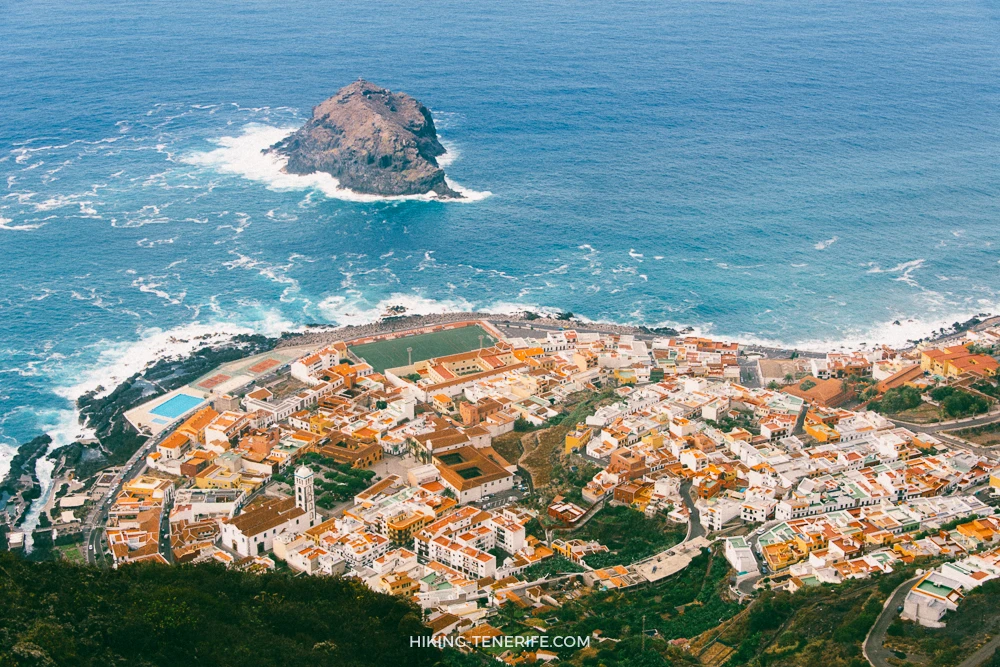
If you are staying south, the Costa Adeje guide, Los Cristianos guide and Playa de las Américas guide are better starting points for choosing a comfortable base than pretending a high campsite is beside the promenade.
Tent, Food, Water And Leave-No-Trace Basics
I still agree with the old practical minimum: tent, sleeping bag, sleeping mat, headlamp, food and enough water.
I would add a warm layer, rain shell, sun protection, offline map, power bank, first-aid kit, lighter food, rubbish bags and a way to keep your phone dry.
At altitude, a warm afternoon can become a cold night. Around Teide, the temperature change can be extreme. Near the coast, wind can make a mild forecast feel uncomfortable. Do not pack for the daytime photograph; pack for the coldest and wettest realistic hour.
- Carry drinking water even when a fiche mentions a fountain. Several official pages say their water is not suitable for human consumption.
- Bring food that needs little cooking. If fire or gas use is restricted, dinner should not become an emergency.
- Take every wrapper, wipe, food scrap and toilet item out with you if the facility cannot accept it.
- Keep food sealed and never feed wildlife. Do not leave crumbs around a tent.
- Keep noise low, generators off, dogs controlled and lights pointed down around other campers.
- Stay on marked paths and use the designated pitch or bivouac area. “Only one metre over there” is still the wrong side of a boundary.
Who Should Camp – And Who Should Not
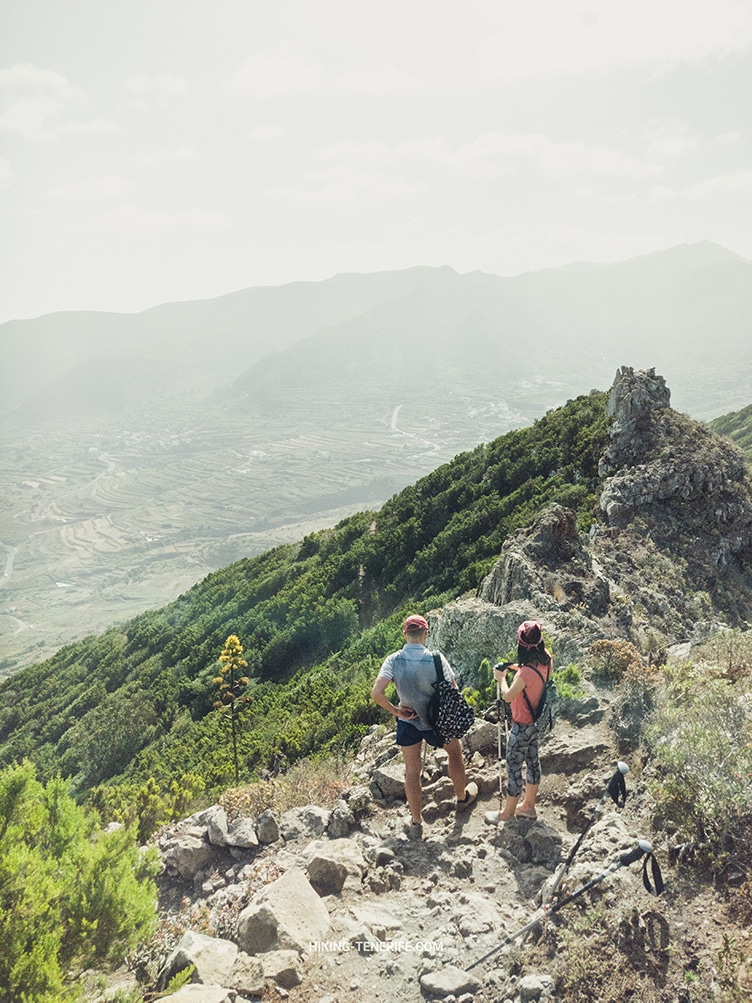
Beginners: start at a lower, road-accessible designated zone with a confirmed reservation and a hotel fallback. Do not begin with a high Teide bivouac or a remote dirt-track arrival after dark.
Families: Los Pedregales or a lower, accessible public zone may make more sense than the exposed high forest. Check toilets, water, tent rules and weather for the exact date. Children should not be your excuse for carrying extra furniture, loud speakers or a portable barbecue.
Solo travellers: choose a place with a clear road or public-transport plan, tell someone your exact reservation, and avoid arriving on an unfamiliar forest track in darkness. Poor signal is normal enough that “I will message when I get there” is not a plan.
Campervan travellers: book the vehicle-specific entry where the system provides one. Los Pedregales is explicitly not for caravans or motorhomes; the Chío motorhome entry is separate; and sleeping in a car at a random viewpoint is not the same as using a designated vehicle area.
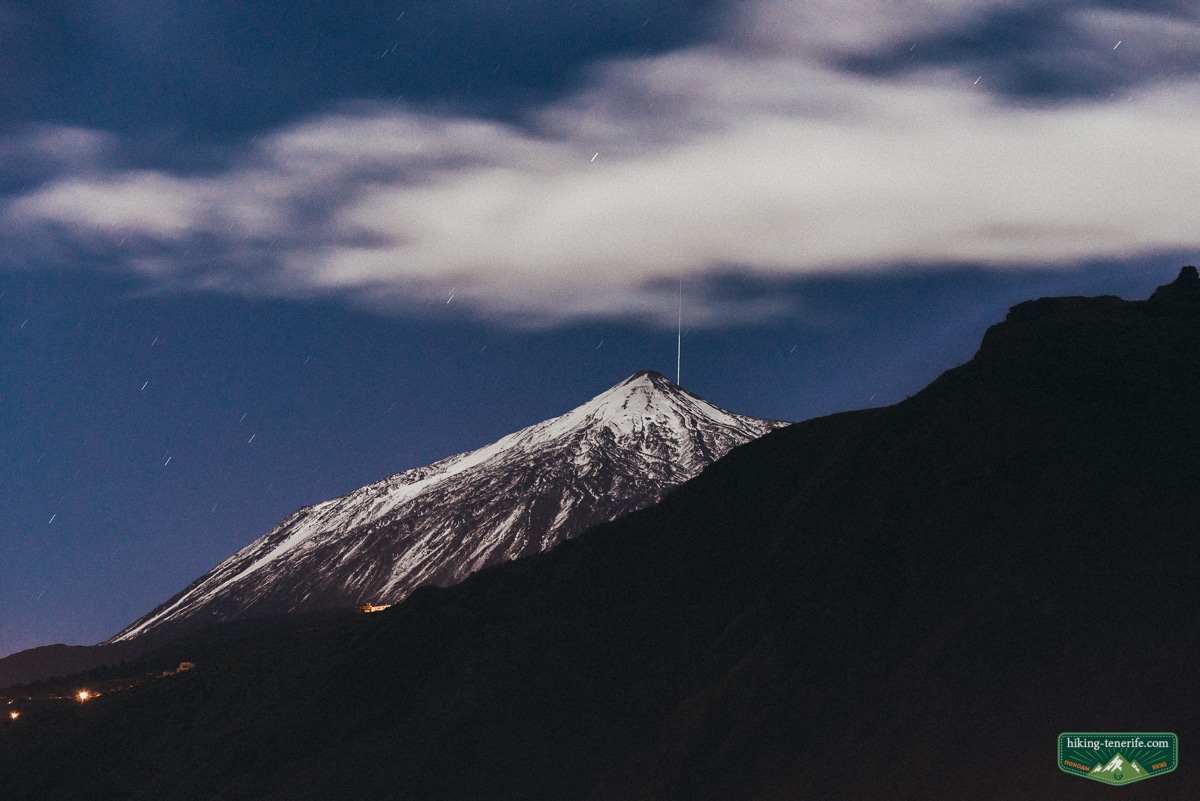
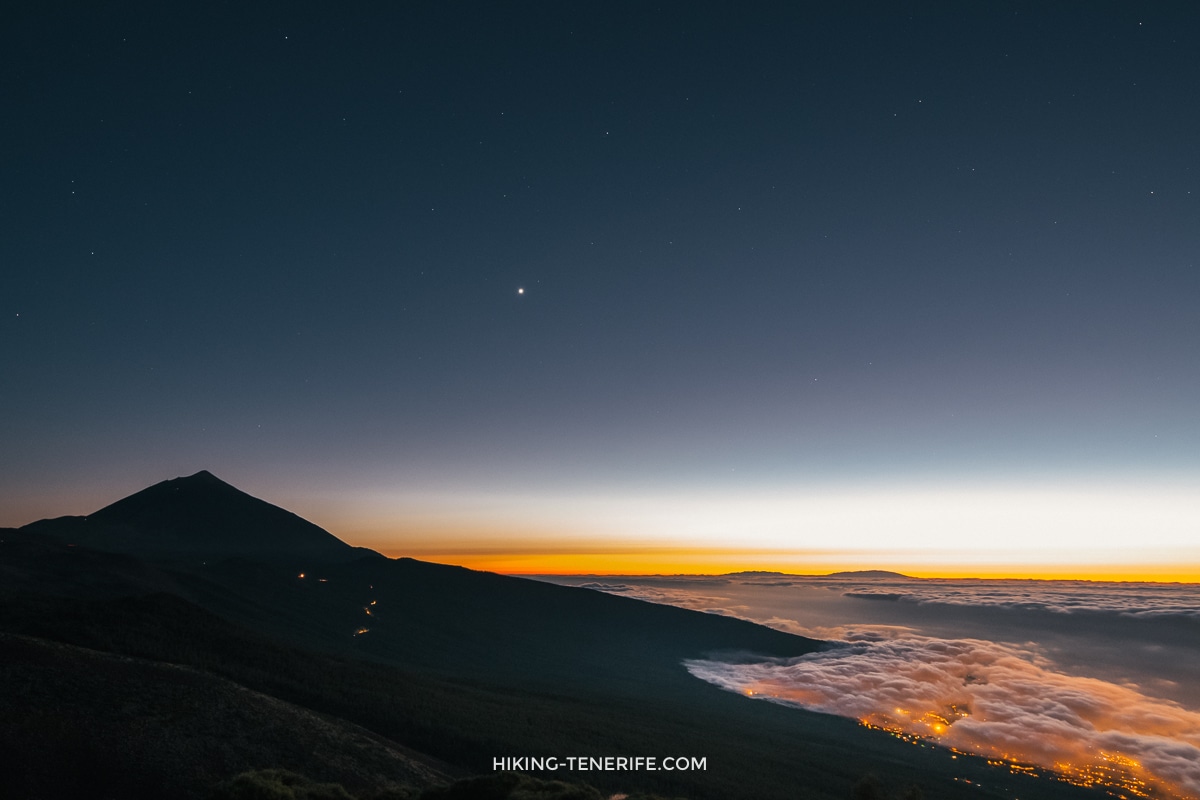
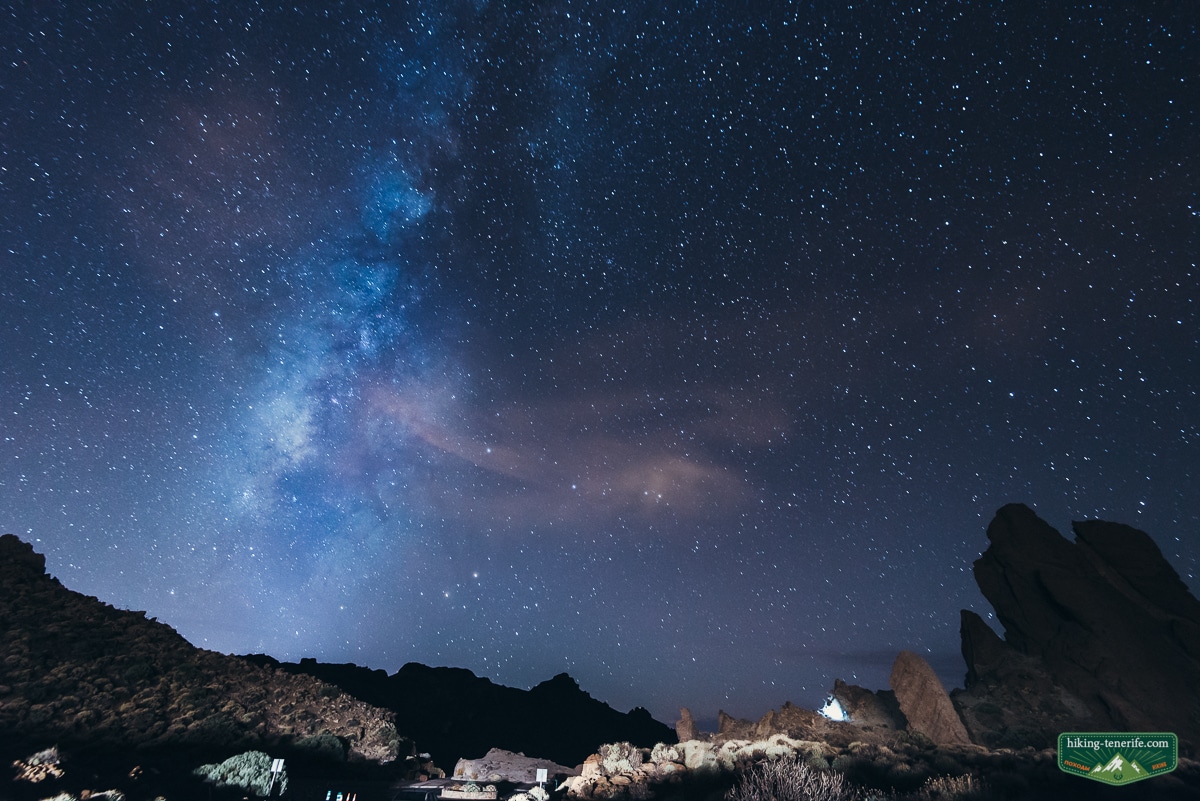
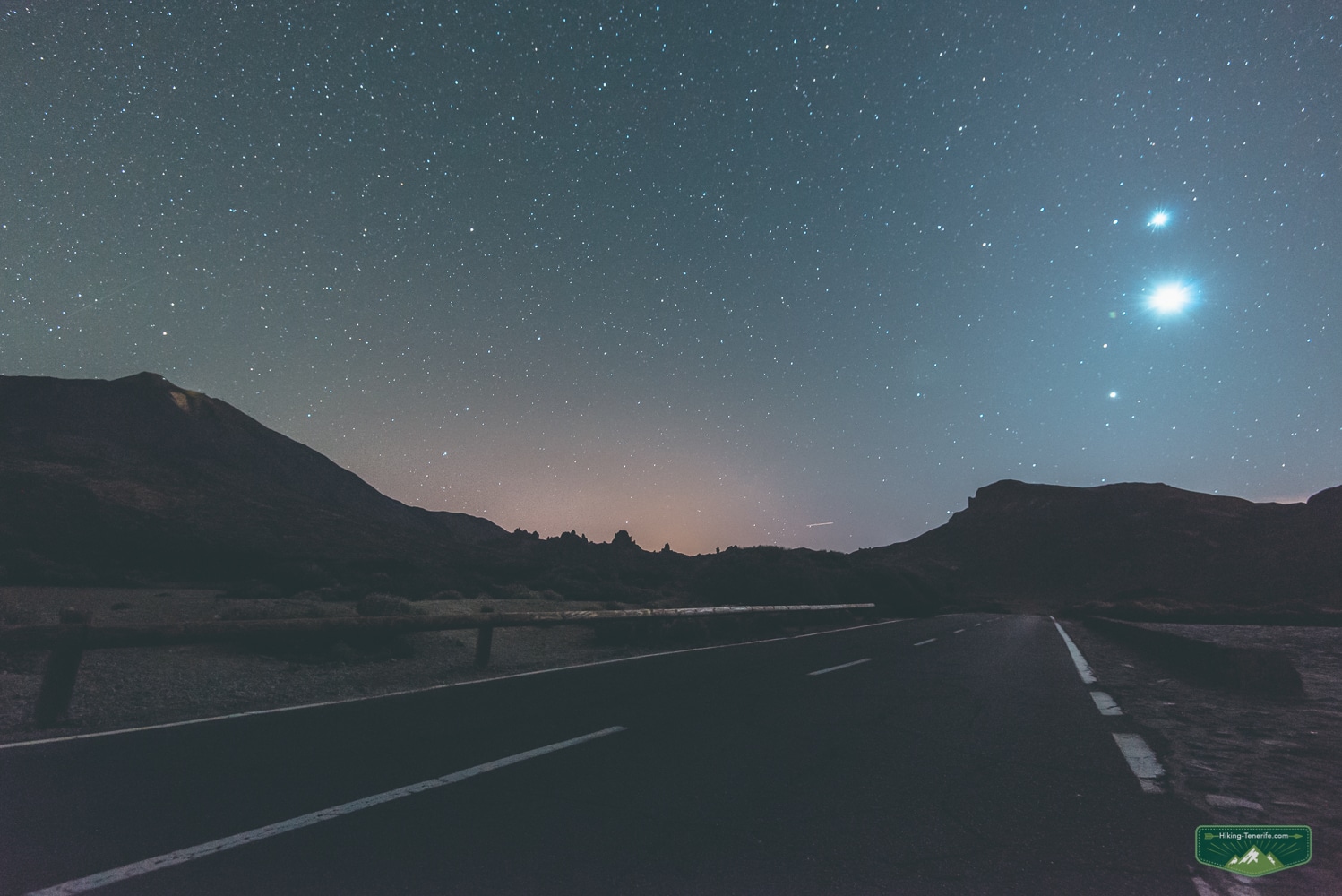
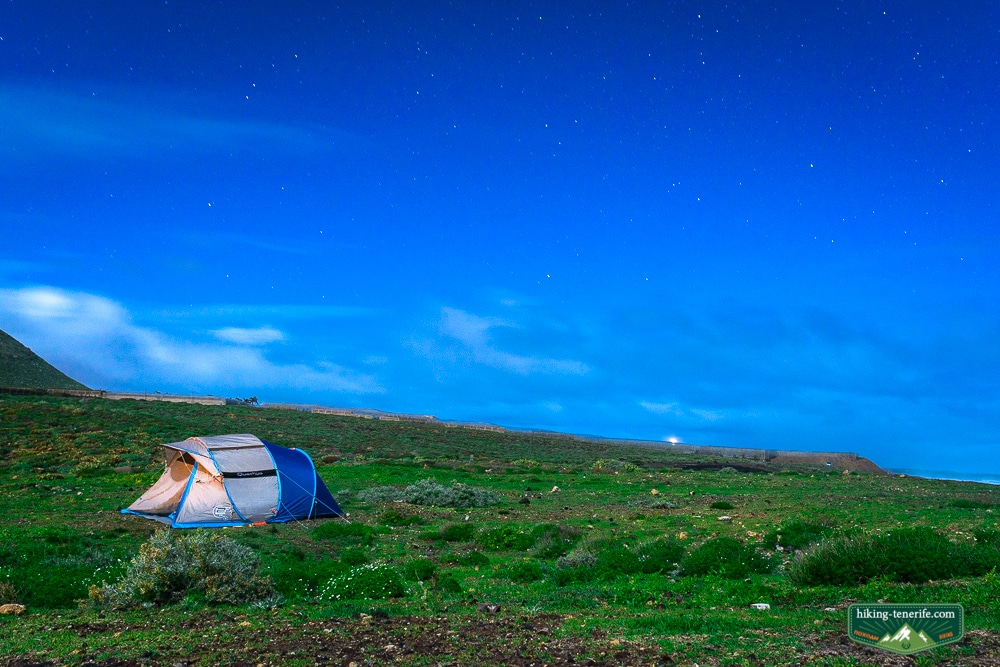
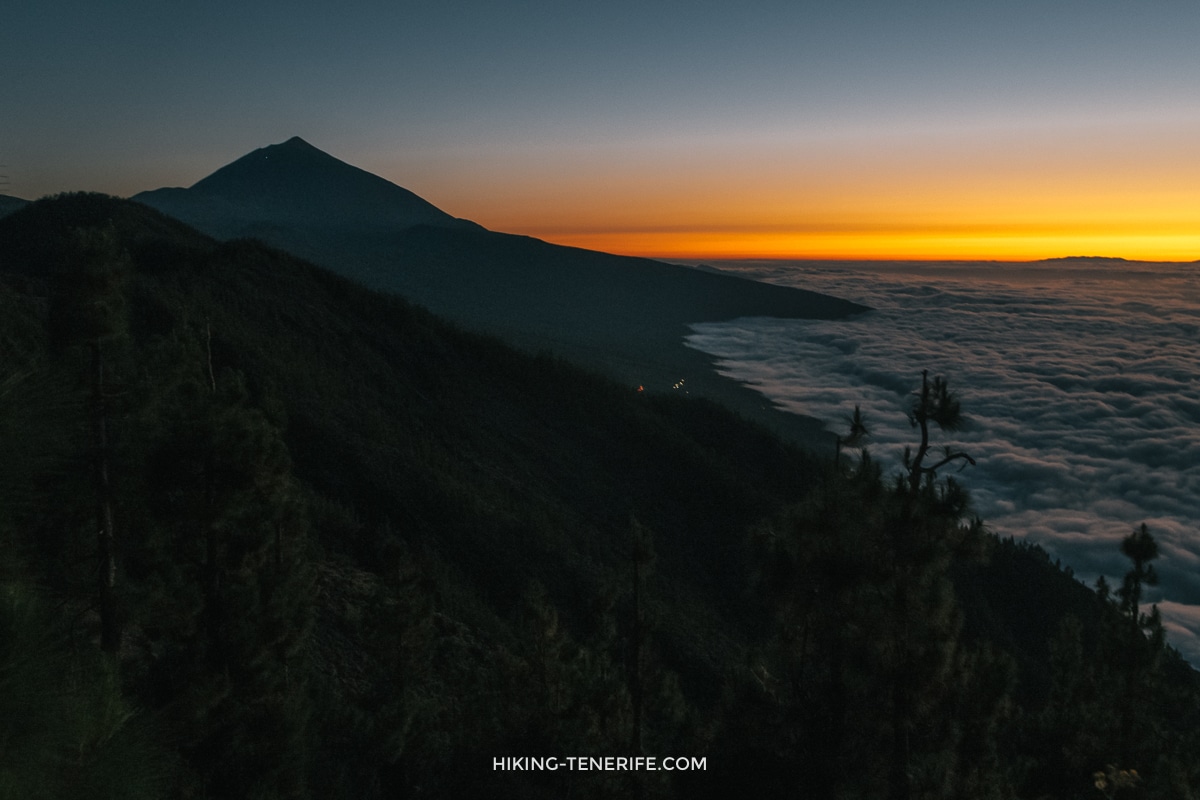
Astrophotographers: the sky can be excellent, but the tripod, batteries and lens are not more important than the fire ban, quiet hours, marked paths or your descent. The old photos in this article are a memory and a mood, not a location permission.

What To Do When A Site Is Full, Closed Or A Bad Idea
If the calendar is full, check another official zone in a different region rather than searching for a secret unofficial one. Move from high forest to a lower site only after checking the route, weather and transport.
If all sensible public options are full, use a private campground or book a room in the nearest town.
If an alert or closure appears after you book, the reservation does not override it. Contact the operator or Cabildo channel shown in the booking.
Do not enter a closed zone. Do not treat a gate as a puzzle to solve.
If the forecast turns bad, my preferred alternative is a warm base and a sunrise walk.
Things to do in Tenerife, La Orotava, La Laguna, the Tenerife markets guide and Things to do in Puerto de la Cruz all make better rainy or tired-day plans than pretending a wet tent is character-building.
Camping Mistakes I Would Avoid
- Using the phrase “wild camping” as if it were a legal permit.
- Sleeping in a car or campervan in a parking area without checking the exact rules.
- Assuming a picnic area is available for overnight use because it has a barbecue.
- Carrying an old camping map whose closures, roads or legal categories have changed.
- Booking a date without checking the vehicle type, child fields, arrival time and maximum stay.
- Promising yourself a beach night at Almáciga, Teno or another protected coast because the sunset looks perfect.
- Relying on a phone signal, a single bus or a tiny summer sleeping bag.
- Lighting a designated fogón during a fire restriction. The word “designated” does not cancel the alert.
- Leaving toilet paper, food, charcoal, wipes or “biodegradable” packaging behind.
Camping In Tenerife FAQ
Is wild camping legal in Tenerife?
Do not assume it is. The safe legal route is a designated, reserved camping zone, a private campground or a separately authorised activity such as Teide bivouac. Protected areas and local restrictions can add stronger rules.
Can I sleep in my car or campervan?
Only where the current booking or municipal parking rules allow it. A vehicle camping zone, private campsite and ordinary parking bay are different things.
Chío and Las Lajas use vehicle-specific Tenerife ON entries. Los Pedregales does not accept caravans or motorhomes in its camping area. In ordinary parking, keep everything inside the vehicle and obey the signed time limit.
Can I camp in Teide National Park?
Free camping is prohibited. Four official bivouac areas allow prior-authorised open-air overnight stays under strict conditions, and tents are not allowed in those bivouac areas. Expect high-altitude cold, wind and a demanding trail.
Do Tenerife camping zones have showers and drinking water?
Do not book assuming either. Many zones share an adjacent recreational area, but official fiches repeatedly warn that water may not be suitable for drinking and toilet hours may be limited. Los Pedregales publishes the clearest accessible shower and toilet information, subject to staff hours.
How long can I stay in a public camping zone?
The Cabildo’s current camping-zone definition says up to seven consecutive days with prior authorisation. Your confirmation and the individual site conditions control the booking you actually receive.
Can I make a fire at a Tenerife campsite?
Only under the current site and fire rules. The published camping fiches prohibit portable barbecues; cooking fire is limited to authorised places and periods, and alerts can ban it altogether. Never bring a campfire to a beach, forest clearing or Teide viewpoint.
Final Verdict: Sleep Outside, But Choose The Address First
I still love the idea of a Tenerife night under the stars. I love the quiet after the last road noise, the strange volcanic darkness and the feeling that the island has become much larger than it looked from the beach.
But the best version is not the one where you hide a tent from a ranger or wake up beside a closed gate. It is the one where you know the zone, have the authorisation, carry enough water, respect the fire rules, and can change the plan when Tenerife says no.
My final advice: reserve first, check the alert page on the day, keep the town fallback in your route, and leave no trace except a few honest photographs. The sky will still be there. Your old map may not be.

