

There is no single best restaurant in Tenerife. There is a right place for the job: a fish lunch after the coast, a slow tasting menu when you have booked the evening, a guachinche with local wine, or a coffee and pastry that does not require a two-hour detour. I have eaten enough of the island to know that a beautiful view can hide a weak plate, and that a plain dining room can deliver the meal you remember.
This is my practical guide to where to eat in Tenerife now: what I would choose, what I would not promise, what to order, who each place suits, and how to connect food with the rest of your day. The old Russian version of this guide was a wide personal list—from Los Cristianos and El Médano to Puerto de la Cruz, La Laguna, fish villages, vegetarian stops and guachinches. I keep its local spirit and useful memories, but current opening details, awards and prices below are treated as date-sensitive checks, not eternal truths.
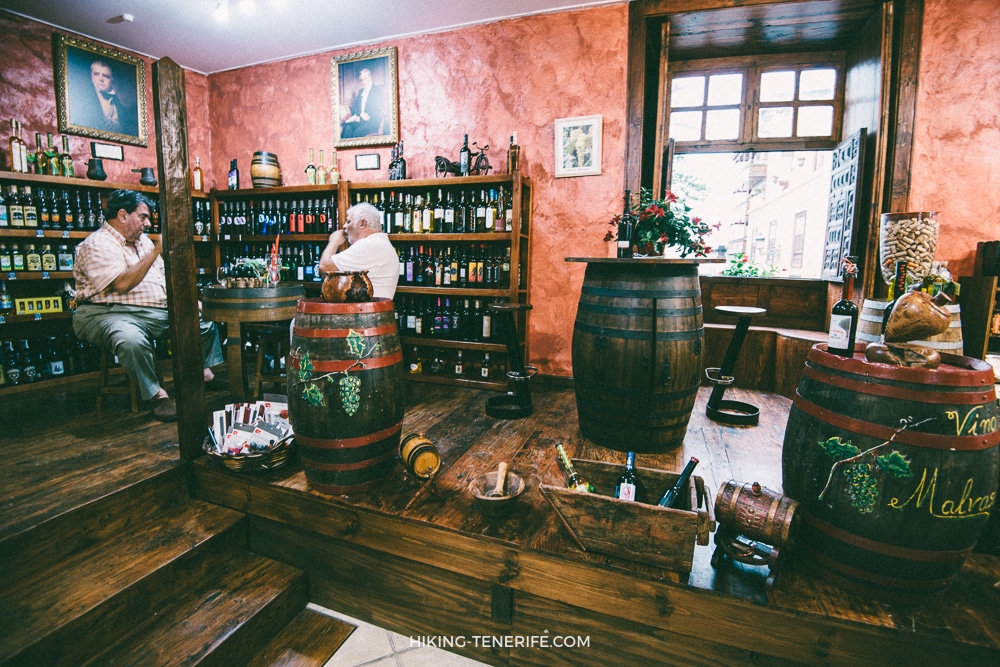
Quick Verdict: Where I Would Eat In Tenerife
If you are staying in the south and want one memorable dinner, I would separate the choices: Asador Goxoa for a serious grill, Donaire or San-Hô for a tasting-menu evening, El Cine for an informal seafood lunch, and El Médano for a looser coffee-to-dinner day. If you are driving north, El Calderito de la Abuela is one of the best combinations of local produce, Canarian character and a manageable bill. In Puerto de la Cruz, El Taller Seve Díaz is the special-occasion decision, not a spontaneous sandwich.
For traditional food, look beyond the polished resort strip: a current guachinche, a fish village such as Tajao or Los Abrigos, and a normal café in Santa Cruz or La Laguna often tell you more about everyday Tenerife than a “top 10” list. For families and mixed groups, choose the route first and the restaurant second. A hungry child, a mountain road and a 21:00 reservation are a bad tasting menu.
| If you want… | Start with… | The honest trade-off |
|---|---|---|
| A local Canarian meal | El Calderito, El Pole or a checked guachinche | Menus and opening days can change; ask what is actually cooking. |
| Fresh fish without ceremony | El Cine, Tajao or Los Abrigos | Queues, fish-by-weight pricing and limited booking are common. |
| A Michelin-level evening | El Taller Seve Díaz, Donaire, San-Hô, M.B or Juan Carlos | Book ahead, budget honestly and check dietary limitations. |
| Coffee, breakfast or a light meal | El Médano cafés, La Laguna or Santa Cruz | The best stop is usually near your route, not across the island. |
| Dinner without a car | Los Cristianos, Las Américas, Costa Adeje or La Laguna | You get transport and choice, but less of the rural island. |
How To Choose A Tenerife Restaurant
First decide the shape of the day. A restaurant in La Caleta is a useful south-coast dinner; the same restaurant becomes a poor idea if you are driving back from Anaga after dark. A guachinche is rewarding when you have time, a sober driver or a taxi plan, and patience for a menu that may be shorter than the internet suggests. A tasting menu is not a reward for reaching a viewpoint late—it is an appointment.
Second choose the island zone. The resort south—Costa Adeje, Las Américas and Los Cristianos—has the strongest concentration of bookable international and fine-dining restaurants, plus easy taxis. My broader things to do in south Tenerife guide helps connect the meal to the rest of the day. El Médano is more relaxed and wind-shaped. Santa Cruz and La Laguna are better for normal city food, cafés and an evening where you can walk between options. The north and wine country reward a car and a daytime route; do not combine them with a long south-resort dinner unless you enjoy driving hungry. For the coast choice itself, compare Tenerife north or south before booking a base.
| Area | Best food decision | Car or no car? |
|---|---|---|
| Costa Adeje / La Caleta | Fine dining, seafood, slower dinner | No car is fine locally; a car helps for wider coast routes. |
| Las Américas / Los Cristianos | Central casual meals, grill, seafood and late choice | Among the easiest areas without a car. |
| El Médano / San Isidro | Coffee, breakfast, casual food and wind-sports days | No car works in town; car helps for markets and La Tejita. |
| Santa Cruz / La Laguna | Cafés, tapas, modern Canarian cooking and a walkable evening | Excellent without a car if you stay central. |
| La Orotava / Santa Úrsula / Tacoronte | Local produce, wine, traditional food and guachinches | A car or taxi plan is strongly useful. |
| Puerto de la Cruz | North-coast seafood, cafés and destination restaurants | Possible by bus; a car gives more route freedom. |
My rule: if the restaurant is the reason for crossing the island, book it and build the day around it. If it is only one pin among ten, choose a good place near the route and keep the island pleasant.
The Restaurants And Cafés I Would Actually Shortlist
This is not a rigid ranking. It is a decision list. I am deliberately mixing current high-end restaurants with places that solve more ordinary meals, because “best” depends on whether you want a two-hour tasting menu, grilled fish, a child-friendly lunch or coffee before a walk.
El Calderito De La Abuela: My North-Side Local-Produce Pick
El Calderito de la Abuela in Santa Úrsula is the kind of place I use when I want the north to feel like the north: local produce, a garden-and-island identity, Canarian flavours and enough care to make the meal feel special without turning it into theatre. The official site currently lists an average of €35–39 per person, with service Wednesday to Sunday from 13:00 to 22:30 and Monday and Tuesday closed; because this is exactly the sort of information that changes with holidays, I would still book through the restaurant before driving there.
What I like: it works as lunch after La Orotava or a north-coast drive, and the menu is connected to the island rather than built only for passing tourists. Who it suits: couples, curious eaters, and families who can manage a proper sit-down lunch. The catch: it is not a spontaneous resort stop, and the menu changes. Ask about allergies before ordering; do not assume a traditional-sounding dish is automatically safe for you.
El Taller Seve Díaz: Puerto De La Cruz For A Tasting Menu
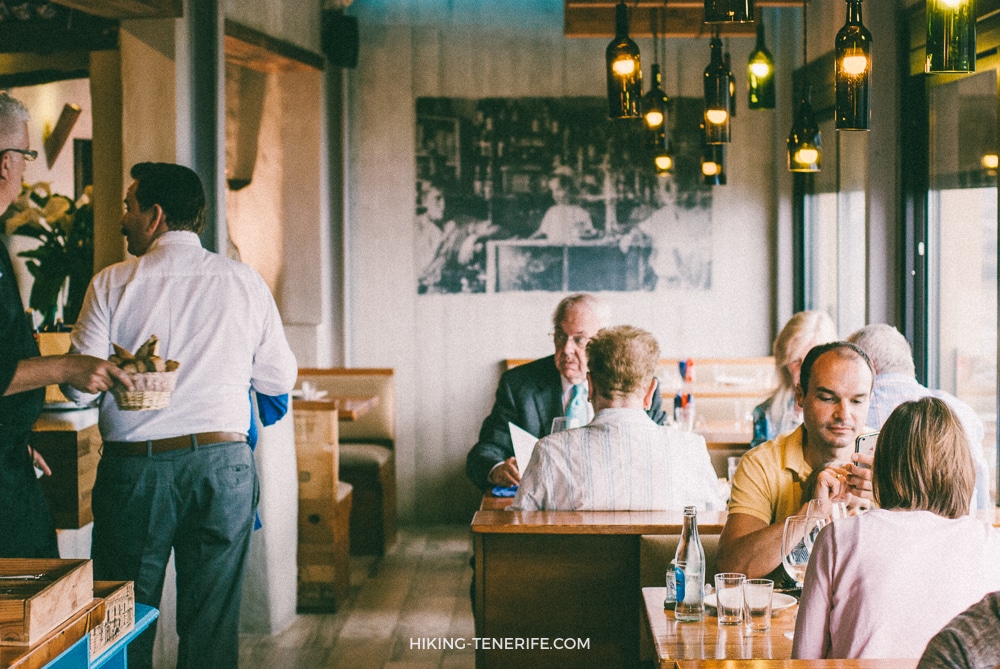
El Taller Seve Díaz is a current one-Michelin-star restaurant in Puerto de la Cruz, and its own reservation page is refreshingly clear: tasting menus only, no à la carte, a 60-day booking calendar, and a €90-per-guest cancellation or no-show charge in the stated cases. The current schedule shown by the restaurant is Tuesday to Friday dinner and Saturday lunch and dinner. This is useful information because it stops you from arriving with the wrong expectation.
The restaurant says it does not offer a vegetarian or vegan menu, and asks guests to contact the team about allergies. That is not a small footnote; it changes whether the restaurant is suitable. I would choose it for a planned north-side evening, not because a guide called it “the best restaurant in Tenerife”. Give the meal time, transport and a budget. The point is the complete experience, not eating quickly before the next attraction.
Silbo Gomero And El Pole: Modern Or Traditional Canarian Food
Silbo Gomero in La Laguna is a strong option when you want Canarian roots interpreted in a modern restaurant rather than a rustic dining room. Michelin currently lists it as a selected restaurant in the city, with local ingredients and a contemporary approach. El Pole in Tacoronte is the opposite kind of decision: traditional island products and dishes such as morena, sardines, chicharros, potas, carne fiesta and local wine. I would choose between them by mood, not status. If you want to turn lunch into a broader route, use my things to do in north Tenerife guide.
La Laguna is also one of the easiest places to make food part of a walk. Start with a coffee, browse the old streets, eat, and keep a second café in reserve. The city is much better for this than trying to squeeze one “must eat” venue between Teide and the airport. If you want a deeper town plan, use my guide to La Laguna before deciding where to park or sleep.
El Cine: The Useful Los Cristianos Seafood Lunch
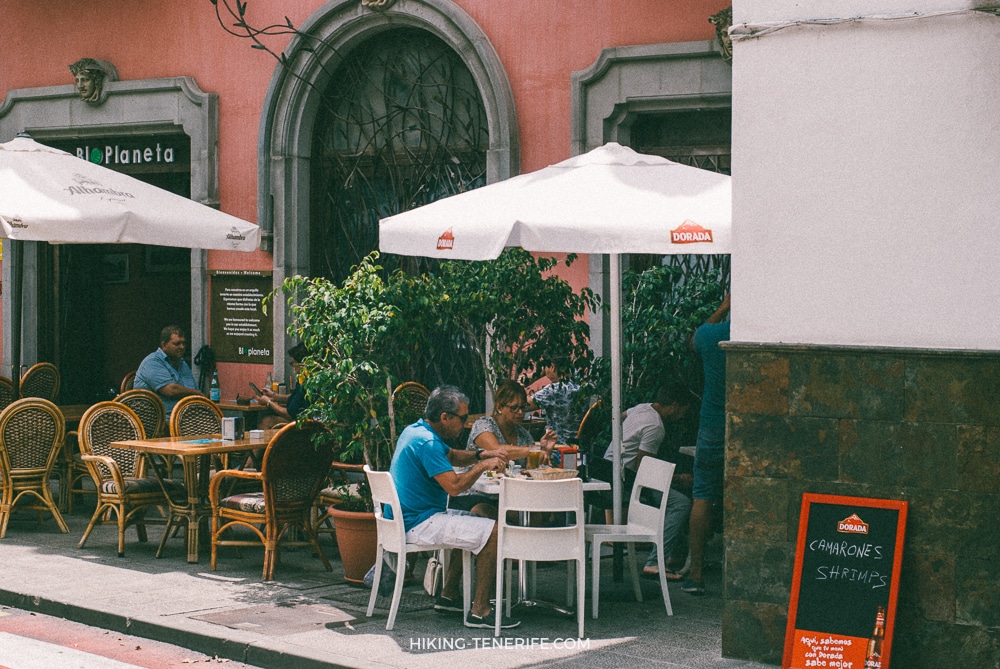
El Cine in Los Cristianos is the kind of place the old guide remembered for a reason: informal, central, seafood-focused and not interested in being a luxury dining room. The official restaurant currently lists Calle Juan Bariajo 8, service Wednesday to Sunday from 12:00 to 22:30, and dishes such as chocos, hake and sardines. Independent current listings describe the practical reality: it is popular, queues happen, and reservations may not be available. Confirm before you go and arrive with a plan B.
What to order: ask what is fresh and how it is priced before you build the table around a fish you have not seen. Who it suits: a casual lunch, seafood fans, and people staying in or travelling through Los Cristianos. The catch: do not promise yourself a quiet table at the time you want. This is one of those restaurants where a queue is part of the decision, not a personal insult.
Tajao And Los Abrigos: Go For The Fish Village, Not A Ranking
For a fish-focused day, I prefer choosing a village and walking the waterfront before choosing a table. Tajao is a useful south-east option; Agua y Sal is widely known for fresh seafood and generous portions, but I would check the same-day menu, opening status and fish price rather than relying on an old review. Los Abrigos solves a similar problem with more choice along the harbour. Go at lunch, ask what came in, and keep one alternative restaurant in mind.
This is where the island’s pricing can surprise visitors. “Fresh fish” is not a fixed menu category: weight, species, preparation and side dishes matter. Ask whether the quoted price is per portion or per kilo, whether bread and drinks are extra, and whether the fish is local or simply available on the day. That short conversation is more useful than a 2018 price list.
Asador Goxoa: A Serious Grill In Las Américas
Asador Goxoa is a good answer when one person wants meat, another wants local fish and everyone wants a proper dinner without committing to a three-hour hotel tasting menu. The restaurant is in the El Camisón area of Playa de Las Américas. Its current evening service is listed Tuesday to Saturday, and its official menu and wine pages are the places I would check before booking. Michelin currently lists it for its modern grill approach and Canarian products.
The official menu PDF I checked on 3 October 2025 gave a useful price signal—local fish and tuna around €32, beef fillet around €35, sides roughly €5–12, desserts around €9—but treat those as dated examples, not a promise for your visit. This is a good restaurant for a planned dinner after a south-coast walk. It is not a reason to drive across the island for a single steak if your accommodation already has good options.
Donaire, San-Hô, Taste 1973, M.B And Juan Carlos: Different Levels Of Splurge
The south has enough high-end restaurants that “Michelin restaurant” is not a useful final answer. Donaire in Costa Adeje is a one-star tasting-menu choice with Canary and French influences, current dinner service Tuesday to Saturday and a clear need to reserve. San-Hô in La Caleta is a one-star Japanese-Peruvian-Canarian conversation, with tasting and à la carte options and service listed Thursday to Monday. Taste 1973 in Playa de Las Américas is another one-star modern Canarian menu; current booking listings put its average spend around €130, with menu signals around €135–160. Check the live calendar and menu before paying for a taxi.
M.B at The Ritz-Carlton Abama and El Rincón de Juan Carlos at Royal Hideaway Corales are different decisions again. The current M.B menu lists a complete à la carte experience around €180 and a Great Tasting Menu around €240, with a seasonal closure listed from 14 June to 4 August 2026. Juan Carlos is an adults-only, roughly three-hour tasting-menu experience and its current booking rules include a card guarantee and a serious late-cancellation/no-show charge. Both can be extraordinary; neither is a casual backup when your first restaurant is full.
Splurge rule: ask four questions before booking: Is the menu adaptable to my diet? Is the service date actually open? How long is the meal? How am I getting home? A Michelin symbol answers none of those.
El Médano Cafés: Breakfast, Coffee And A More Relaxed Day
El Médano is where I would send someone who wants food to sit inside the day rather than interrupt it. Café El Médano serves breakfast, lunch and dinner, with English and Italian options listed by the local tourism site. La Bohême has handmade sweet and savoury crêpes and salads on the promenade. These are not substitutes for a Michelin dinner; they are better at solving coffee, breakfast, a light lunch or a late return from the beach.
The trade-off is the wind. El Médano’s character is connected to the same conditions that make it good for wind sports. If you want a long outdoor breakfast, look at the tables and wind before ordering; if you are planning a sports day, my El Médano kitesurfing guide explains why the weather changes the whole rhythm. For a broader town plan, use my El Médano guide.

What To Eat: Canarian Dishes Worth Ordering
Papas arrugadas are small potatoes boiled in salted water until the skins wrinkle, normally served with mojo. Mojo is not one single sauce: red and green versions vary by recipe, heat, herbs and garlic. Gofio is toasted grain flour used in several preparations, including escaldón and desserts. Almogrote is a strong cheese-and-pepper spread associated especially with La Gomera, and local cheeses deserve their own place on a table rather than being treated as a decorative tapa.
You will also see grilled fish, vieja when available, sancocho, carne fiesta, rabbit, stews and island wines. Do not order a dish only because a list says it is “authentic”. Ask whether it is available today, whether it is a full portion or a share plate, and whether the restaurant prepares it in the style you want. Canarian cooking is regional and practical; it is not a museum menu that every restaurant must reproduce identically.
For coffee, try a barraquito if you enjoy a sweet, layered drink with coffee, condensed milk, citrus and cinnamon. I would not drink one before a steep hike and then blame the mountain. Food and drink are part of the route plan, especially when you are driving.
Guachinches: The Local Wine Decision With A Catch
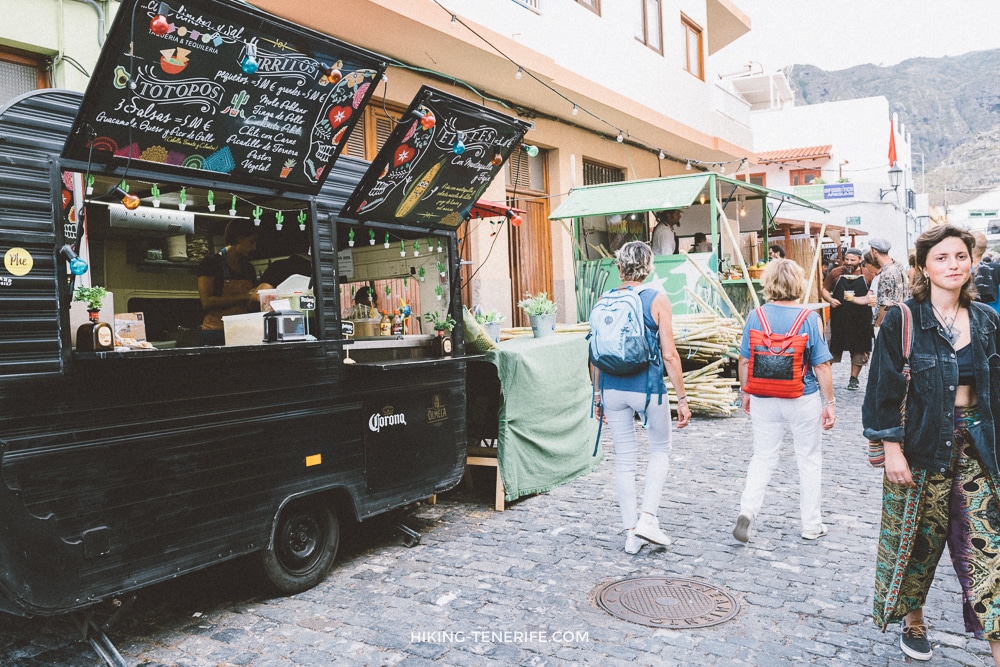
A guachinche is not simply “a cheap local restaurant”. The idea is a place connected to local wine and homemade or traditional food, often with a small, changing menu and a seasonal rhythm. The official directory at guachinches.es is a better starting point than copying an old list of names. Opening days, locations and what is being served can change, and some places are busy precisely because they are small.
My method is simple: choose a wine-growing area, check the venue on the day, call if possible, carry cash as a backup, and have a second plan. Ask whether wine is made there, what food is available, whether portions are for sharing and how you will get home. A guachinche is a poor place to arrive with a rigid fine-dining expectation or a driver who has decided to “just taste one glass”.

Markets, Local Wine And A Food Day That Feels Like Tenerife
Markets are useful when you want ingredients, breakfast, fruit, cheese or a sense of ordinary island life—not just another restaurant photograph. Start with my guide to Tenerife markets, and use the San Isidro farmers market when it fits a south-side route. Keep food cool, do not leave perishables in a hot car, and remember that a market is not an excuse to sample everything in the sun and then drive up a mountain.
Tenerife’s wine geography is part of the restaurant decision. Tacoronte-Acentejo, Valle de La Orotava, Ycoden-Daute-Isora, Valle de Güímar and Abona produce very different expressions of volcanic island wine. You do not need to memorise the denominations. Ask the restaurant what local bottle matches the dish, and accept that the best pairing may come from a small producer you will not see in a supermarket.
A good north food day might be La Orotava in the morning, a market or wine stop, lunch at El Calderito, and Puerto de la Cruz later. A good south day could be San Isidro or El Médano in the morning, fish at Tajao, and a short coastal walk near Los Cristianos. My La Orotava guide and north Tenerife guide help keep the food stops connected to a sensible route. If the day is built around the volcano, use the Teide National Park guide before you reserve dinner.
Dietary Needs, Children, Accessibility And Service
Vegetarian and vegan food is possible in Tenerife, but the answer is venue-specific. A restaurant that serves vegetables is not necessarily able to provide a balanced vegan menu, and a tasting menu may have limits. Contact the restaurant before booking, say the allergy or restriction clearly in Spanish and English, and ask what can genuinely be adapted. Do not rely on a booking note alone for a severe allergy.
For children, lunch is usually easier than a late tasting-menu dinner. Check whether the restaurant has high chairs, enough space for a pram, a short-order option and a non-fussy side dish. This is one reason I like El Médano cafés, Los Cristianos and walkable La Laguna for mixed groups: if one person finishes early, the whole day does not collapse. For more family route ideas, see my Tenerife with kids guide.
Accessibility is also local, not a category badge. A flat promenade can lead to steps, a narrow dining room or an old-town street with uneven paving. Ask about entrance steps, toilets, table space and parking directly. In resorts, taxi access is often easier than parking; in rural areas, the opposite may be true. Service is commonly relaxed and meals can take time. Tipping is appreciated for good service but is not a compulsory performance; check the bill and pay what feels fair.

What To Book Ahead, And What To Keep Flexible
Book Michelin restaurants, tasting menus, destination restaurants, Christmas dinners and any venue with a small room. Book El Taller Seve Díaz within its 60-day window if the date matters. Book M.B and Juan Carlos early, and read cancellation rules. For popular casual seafood places, verify whether they take reservations; if they do not, go at lunch and have a second option nearby.
- Book ahead: tasting menus, weekends, Christmas and New Year, large groups, dietary adaptations, and dinner in a resort with a fixed holiday schedule.
- Keep flexible: guachinches, fish-village lunch, market stops, cafés and any meal attached to a windy beach or mountain road.
- Check on the day: opening hours, seasonal closure, menu availability, fish price, weather, road conditions and whether the restaurant still serves the meal you saw online.
- Have a fallback: one nearby café or restaurant, especially when travelling with children, without a car or on a public holiday.
Christmas is its own category: menus, opening days, deposits and family schedules change quickly. If you are visiting in December, read my guide to Christmas in Tenerife before assuming your favourite normal Tuesday restaurant will operate normally.
Twelve Months Of Food Planning In Tenerife
Food planning changes with light, wind, holidays, produce and your tolerance for driving. These are the monthly guides I use when deciding whether a restaurant should be a lunch route, a late dinner or a flexible café stop: January, February, March, April, May, June, July, August, September, October, November and December. Each link is here once because the month is a planning decision, not a keyword parade.
In winter I favour a long lunch and keep evening weather in mind. In the windy months, El Médano can be brilliant or uncomfortable depending on your table and your clothes. In summer, book the evening restaurants you care about and avoid treating the hottest part of the day as a market picnic. In December, reserve early and verify every holiday schedule.
Three Food-Focused Day Plans
South Without A Car
Stay near Los Cristianos, Las Américas or Costa Adeje. Have breakfast close to the hotel, walk the coast, eat seafood at El Cine or choose a booked restaurant in La Caleta, and keep the evening within taxi range. My guides to Los Cristianos and Las Américas are useful for connecting the meal with a real walk rather than a restaurant-only day.
El Médano And The South-East
Start with coffee or breakfast in El Médano, decide whether wind makes the beach pleasant, then continue to San Isidro or Tajao for a market or seafood lunch. Return through the south only if the traffic and your driver make sense. This route is better with a car, but the town itself is easy without one.
North Towns And Wine
Choose La Laguna or La Orotava as the anchor, add one restaurant and one coffee stop, and leave time for the old town. Do not add Anaga, Teide, a winery and a tasting menu to the same day because a map made the island look compact. For an Anaga day, use my Anaga guide and decide where lunch fits before you start driving.
Common Tenerife Restaurant Mistakes
- Choosing a restaurant because it has a view, then discovering that the view is doing all the work.
- Driving from the south to the north for a single lunch and forgetting the return journey.
- Treating an old price, award, menu or opening hour as current without checking the official page.
- Assuming “local food” means every dish is available every day.
- Booking a tasting menu without asking about allergies, vegetarian options, timing or cancellation.
- Ordering fish without asking whether the price is per portion or per kilogram.
- Leaving a market bag of cheese or fish in a hot car while visiting another attraction.
- Trying to drive after wine because the restaurant is “only a short distance”.
The last one is not a moral lecture. Tenerife has steep roads, unfamiliar junctions and long routes between food areas. If wine is part of the meal, choose a taxi, stay nearby, use a sober driver or keep the bottle for later. The island will still be there tomorrow.
FAQ: Eating In Tenerife
What is the best area to eat in Tenerife?
Costa Adeje and La Caleta are strongest for planned fine dining, Los Cristianos and Las Américas are easiest for no-car choice, El Médano is best for a relaxed café-and-coast day, and La Laguna, Santa Cruz and the north are better for normal city food and local routes. Choose the area that fits your day.
Is Tenerife expensive for food?
It can be inexpensive at a café or traditional lunch and very expensive at a tasting-menu restaurant. The current official signals checked for this guide range from roughly €35–39 at El Calderito to around €130 at Taste 1973, €180–240 at M.B and additional charges for late cancellation at some tasting-menu venues. Menus and seasons change, so use these as planning bands, not guarantees.
Where can I eat Canarian food?
Look for a current guachinche, a traditional restaurant in the north, a fish village, or a Canarian-focused modern restaurant such as El Calderito, Silbo Gomero or El Pole. Ask what is being cooked that day. A good Canarian meal is about ingredients, preparation and context, not a checklist of dish names.
Can I eat in Tenerife without a car?
Yes. Stay in a walkable south base, La Laguna, Santa Cruz or Puerto de la Cruz; use buses and taxis for planned dinners; and keep rural guachinches and wine-country restaurants for a day when transport is sorted. My where-to-stay guide and car-hire guide help make that choice before you book the room.
What if the restaurant is full or closed?
Do not turn a closed restaurant into a ruined day. Walk the nearby streets, ask a café or hotel receptionist for a current alternative, and use the route you are already on. This is why I prefer shortlists by area rather than one “best restaurant” that carries the whole holiday.
My Final Local Verdict
If I had one week and wanted to eat well, I would book one serious dinner in the south, take one relaxed seafood lunch, make one north-side local-produce route, spend a coffee-and-food day in El Médano or La Laguna, and leave one meal open for a guachinche or market discovery. I would not chase ten famous names. I would choose food that matches the weather, the road, the people at the table and the part of Tenerife I was actually visiting.
For the bigger route decisions, start with my Things To Do In Tenerife guide, or use the free Tenerife route and map resources when you want to connect food with beaches, Teide, villages and walks. A good restaurant is memorable. A good day around it is the part you keep.

