
Most mornings in our Tenerife home begin with two sounds: the kettle and Anastasia’s knife on a chopping board. On the morning I finally admitted I needed a break from social media, there was a third sound—the tiny, familiar click of my phone waking up before I had decided to touch it.
The Atlantic was bright outside. Anastasia was making a healthy Mediterranean breakfast and thinking about a recipe. I was looking at a notification from a photograph I had taken the day before, then another, then a feed that had nothing to do with the breakfast, the island or the person sitting beside me.
That was the honest reason. I was not bored with people. I was tired of being available to everything, comparing our ordinary life with edited lives, and turning moments into material before I had lived them.
So I am taking a break from social media. I am pausing passive feeds, automatic checking, endless short videos, immediate posting and the feeling that every quiet minute must be filled. I am not throwing away my phone, disappearing from the internet, or pretending that social media has no benefits.
I still need calls, maps, weather, emergency access, direct messages from people I love and a camera when I genuinely want to make a photograph. The difference is whether the tool serves a chosen purpose or whether I open it because my hand has learned the route.
If you are searching for taking a break from social media, social media break, how to quit social media or life without social media, this is the practical answer I needed: make the break specific, protect real connection, prepare something to do with the attention you recover, and review what actually changed.
This is our experience from Tenerife—not a universal prescription and not a promise that a social media detox will cure anxiety, depression, burnout or loneliness. Anastasia and I are learning what happens when we stop feeding the part of the phone that keeps asking for more.
Before the practical plan, watch Anastasia’s own video about the moment she realised her phone was running her life. Notice the smallness of the change she describes. The point is not to become unreachable; it is to make room for cooking, books, hobbies, boredom and being with another person without a second audience.
I want readers to watch this early because it explains the emotional centre of the article better than a list of screen-time tips. A social media break becomes useful only when the reclaimed time has somewhere gentle to go.
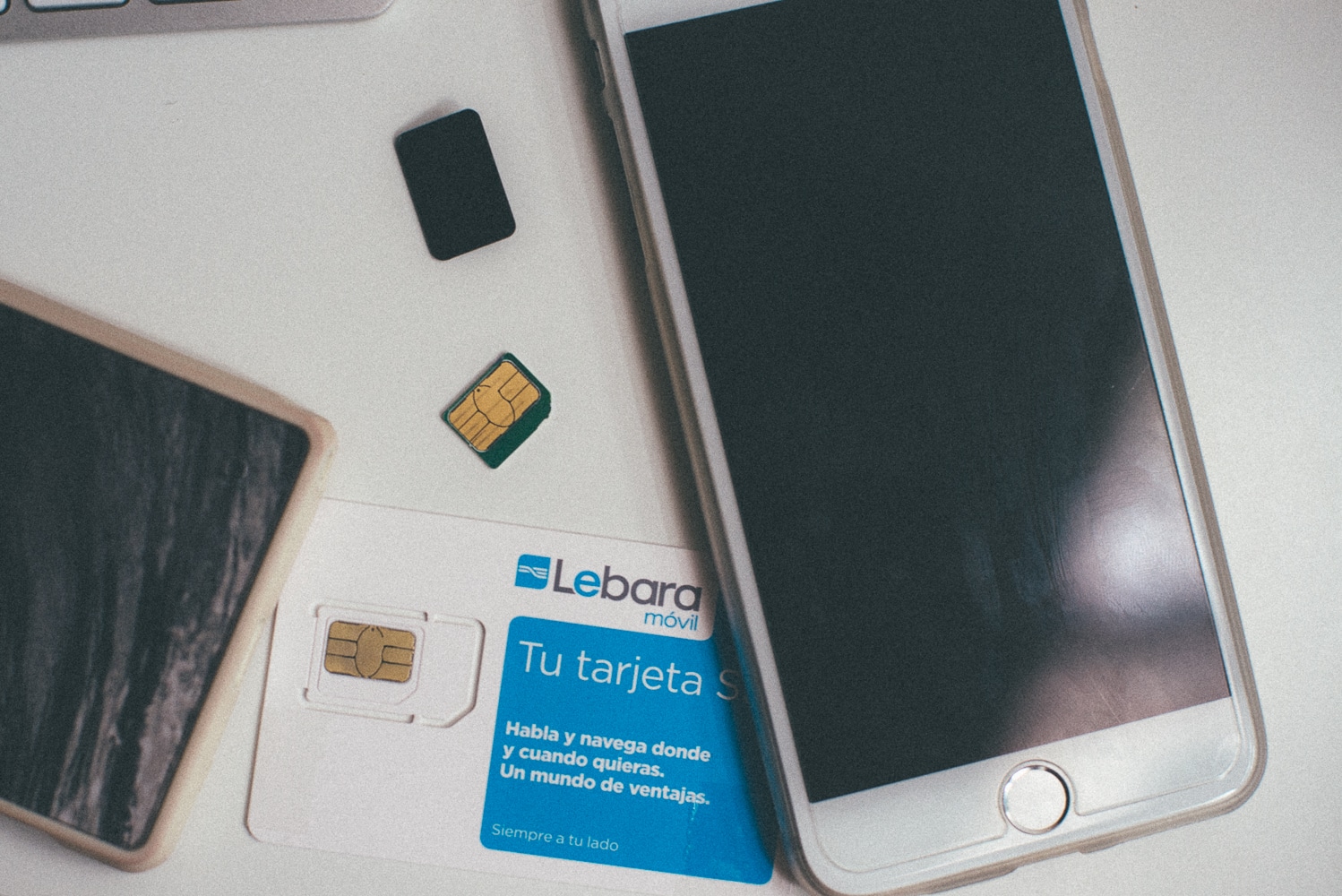
The phone in this photograph is a useful object. It can help you find a road, call for help, check a storm warning or tell somebody you are late. A phone can also become a tiny slot machine in your pocket. The same object needs a boundary, not a moral panic.

What I am taking a break from—and what I am keeping
I do not want the dramatic sentence “I am deleting all social media” to hide the more important decision. The exact thing I need to stop is passive consumption: opening an app without a reason, checking reactions, watching one more reel, comparing our kitchen with somebody else’s kitchen and allowing distant people to occupy the first part of my day.
Anastasia’s work makes this complicated in a useful way. She is the founder of Greeny App, a healthy chef, a recipe and meal-plan creator, and the person who makes authentic Mediterranean meals look like an invitation rather than a lecture. She also makes quiet videos about countryside life, cottagecore, ordinary beauty, motherhood, creativity and simple living.
That work lives online. We are not pretending otherwise. The question is how to create, communicate and share without spending the rest of the day consuming whatever the platform serves back.
| Keep for a purpose | Pause for this experiment |
|---|---|
| Calls, essential messages and family contact | Passive feed scrolling |
| Maps, weather, emergency access and transport | Notifications, red badges and like checking |
| Camera for a memory or a planned piece of work | Photographing every meal before tasting it |
| Scheduled publishing and direct replies | Opening the app whenever the mind feels empty |
| A deliberate YouTube video or long article | Short-form loops that decide what comes next |
My aim is not no phone. My aim is no automatic phone.
This distinction also answers a confusing search query: what does take a break mean on Facebook? Facebook’s “Take a Break” feature is a platform setting that changes how you see or interact with a particular person. A personal social media break is different: it is the boundary I set around my own attention. One is a feature. The other is a decision.
I may still use WhatsApp or another direct messaging tool. If a person matters to me, I would rather call, text or arrange a conversation than ask a feed to carry the whole relationship. An offline social media break should not become an excuse to isolate yourself from people who support you.

There are good reasons why social media is good. It can help people find community, stay close across distance, discover work, learn a skill, hear about an event, organise mutual aid or feel less alone when in-person access is difficult. The phrase social media is bad is too blunt to guide an actual life.
My break is not a verdict on every platform or every person who uses one. It is an experiment in whether our household can choose how we use them instead of treating constant access as the default.
Why I reached the point of needing a break
The first sign was not that I used a phone for a particular number of minutes. It was that the phone began entering moments before I had decided to invite it. I woke up and checked. I cooked and checked. I walked and checked. I took a photograph and checked whether anybody had reacted before I had really looked at the photograph myself.
The second sign was comparison. Social media can make a private life feel like a public audition. Someone else’s clean kitchen, trip, body, business, relationship, home, garden or breakfast arrives without the laundry, debt, grief, argument, fatigue or ordinary Tuesday that made it possible.
Anastasia notices this differently from me. She feels the pressure to turn a quiet moment into a useful or beautiful piece of content. I feel the pressure to document the island, answer work messages and keep up with what other people are publishing. We can both be doing meaningful work and still lose the moment to the machinery around it.
The third sign was that our real life had started competing with its representation. A meal could be delicious and still be interrupted by the question of how it would look. A walk could be restorative and still be measured by whether I had a photograph to show for it. A slow-living idea could become another thing to perform quickly.
The fourth sign was the phantom reach: the hand moves before the mind has named a need. That is why simply promising to use less social media is often not enough. I need friction between the urge and the feed, and I need a replacement that is not just another app.
The fifth sign was noise. Not always dramatic distress—sometimes just a crowded feeling, a shortened attention span, a vague sense that I had been everywhere except inside my own day.

None of these signs proves that social media caused a mental-health condition. They are observations about a habit. If you are struggling with severe anxiety, depression, self-harm thoughts, addiction or a crisis, a break can sit alongside professional care; it should not replace it.
Ask these questions before deleting anything
Competitors often begin with reasons to delete social media. I prefer beginning with questions because the right boundary depends on what the platform is doing in your life, what it is giving you, and what would become difficult if it disappeared.
- Do I open the app because I want to, or because the empty moment feels uncomfortable?
- How do I feel ten minutes after using it: calmer, connected, informed, inspired, tense, jealous, numb or scattered?
- Who receives the best of my attention, and who receives what remains?
- Am I using social media for work, community, accessibility, news, friendship, entertainment or habit?
- What am I afraid will happen if I stop for seven days?
- What direct way could I use to stay connected to the people I actually need?
- What would I like to do with the time instead of leaving a blank space for another feed?
Write the answers in a notebook before you change the phone. The purpose is not to produce a perfect digital-minimalism manifesto. It is to make the experiment measurable enough that you can learn from it.
A small self-monitoring practice is useful: once a day, rate your mood, tension and sense of presence from zero to ten before opening a feed and again fifteen minutes after. The Deconstructing Stigma guide describes a similar behaviour experiment, including tracking emotional effects instead of assuming one rule fits everybody. Read the mental-health guide here.
What the research says about a social media break
The research is more interesting when it is not used as a slogan. Some studies suggest that short breaks can improve certain outcomes. Other studies show loneliness, lower satisfaction or negative feelings in some participants. The honest answer to does taking a break from social media help is: it may, depending on what the platforms do for you and what you put in their place.
A Harvard Gazette report on early research described a one-week detox study in young adults: anxiety symptoms fell by 16.1 percent, depression symptoms by 24.8 percent and insomnia symptoms by 14.5 percent. The same report says this was the first phase of a larger effort, not a treatment trial, and that responses varied dramatically between participants. See the Harvard explanation.
One detail matters especially: during that study, social-media use fell sharply but total screen time did not fall by the same amount. Removing social apps is not automatically the same as resting, sleeping, moving, speaking to somebody or becoming present. The vacant space can simply be filled by another distraction.

Psychology Today summarises the tension clearly: quitting can reduce stress, but an abrupt exit can also lead to loneliness. It discusses variable rewards, offline social ties, a personal inventory, short experiments and ways to stay informed without returning to endless scrolling. Read the psychology overview.

A 2022 randomised trial of 154 people found short-term improvements after one week without several social platforms, but it was small and recruited people who were motivated to stop. That is promising, not proof that deleting social media is a universal mental-health treatment. I would rather use the result to justify an experiment than to promise a transformation.
If social media is part of your only community, your income, your disability access, your news system or your family network, removing it can have a cost. The answer may be a narrower break, a scheduled window, a browser-only boundary or a single-platform pause—not deleting all social media because an article told you to.
Evidence can support a small experiment. It cannot live your ordinary Tuesday for you.
How to take a break from social media: my step-by-step plan
This is the part I wanted from the search results. Not just “delete the app,” but a sequence that includes work, relationships, boredom, safety and the moment when the first motivation disappears. You can use it for a weekend, seven days, a month or an open-ended pause.
1. Name the exact behaviour you are pausing
Write one sentence: “For the next seven days, I will not use Instagram, Facebook or TikTok feeds, passive scrolling, recommendation loops or reaction checking.” If you want a break from YouTube Shorts, Reddit or X as well, name them. If you need LinkedIn for work, do not pretend it belongs to the same experiment.
2. Record a baseline without judging yourself
Look at Screen Time or Digital Wellbeing. Note the apps, the number of pickups, the times you reach for the phone and the emotional triggers. The goal is not to win a clean number. It is to learn when the habit appears: after waking, between tasks, during stress, before sleep, while cooking or when you are waiting.
3. Choose a period you can actually complete
Seven days is long enough to notice boredom, reflex checking and the first replacement habits. A weekend is a good start if work or care makes a week impossible. A longer break can be useful, but do not turn duration into a moral score. The best social media cleanse is the one you can examine honestly.
4. Tell the people who need to find you
Send a simple message before you remove the apps: “I am taking a break from social media until next Monday. I am still reachable by text, WhatsApp, email or phone. If something is time-sensitive, please contact me there.” This removes the fear that a friend will assume you are angry, missing or ignoring them.
5. Protect practical phone functions
Keep maps, weather, banking, transport, emergency contacts, two-factor authentication and any work tools you genuinely need. If you hike, keep a charged phone for navigation and emergencies. A social media detox should not make you careless about the Atlantic, mountain weather, low battery or getting lost in Anaga.
6. Turn off the invitation before deleting the app
Disable push notifications, email alerts, lock-screen previews and red badge counts. Then remove the feed apps from your phone or log out. You do not need to delete your Instagram account on day one. Delete the invitation first; make the future decision when you are not standing inside the urge.
This is one of the most useful practical ideas repeated in the competitor pages and real-life discussions: make the unwanted action slightly harder. It is not about willpower. It is about not asking a tired future version of yourself to negotiate with a feed at midnight.

7. Decide what happens to the camera
For me, the camera is part of work and part of joy. I am not banning photography. I am separating taking a photograph from publishing it immediately. During the break, I can make a private image, leave it unedited, and decide later whether it deserves a public life.
This matters in Tenerife because the island is full of views that are easy to collect. A windy coast, a cloud over Teide or a familiar street in La Laguna can become a visual trophy if I am not careful. The photograph should help me see, not replace seeing.
8. Replace each trigger with a small action
Do not write “I will be productive” as your replacement. That is too vague and slightly threatening. Match the action to the trigger: a five-minute walk for restlessness, a voice note for connection, a book for curiosity, a shower for a reset, chopping vegetables for a restless body, or a notebook for the need to express something.
| When I usually scroll | The smaller replacement |
|---|---|
| Waiting for water to boil | Read one page or look out the window |
| Feeling lonely | Send one direct message or make a call |
| Avoiding a difficult task | Work for five minutes with the phone in another room |
| Comparing my life | Write down one real thing I enjoyed today |
| Needing stimulation | Put on music, cook, stretch or take a short walk |
| Wanting to share | Take a private note or photograph and revisit it later |
The replacement is allowed to be ordinary. Healthy Mediterranean cooking is not a productivity hack in our house. Anastasia chops onion, garlic and pepper because dinner needs them, because food is care, and because hands doing one real thing can give a noisy mind somewhere to land.
9. Prepare for the first three days
The first day may feel easy because the decision is fresh. The second can feel strange. You may reach for the phone and find the missing app, feel bored in a queue, wonder what everybody is doing, or think you are missing an important announcement. That does not mean the experiment failed. It means the habit was doing a job.
When the urge arrives, name it before you act: “I am bored,” “I want reassurance,” “I am avoiding work,” “I want to know what is happening,” or “I need to speak to somebody.” Then choose the matching action. If you still need the phone, use it deliberately and return to the experiment without shame.
10. Review before you return
At the end, write what changed and what did not. Did mornings feel quieter? Did you sleep differently? Did meals become calmer? Did you call somebody? Did your attention improve, or did it move to another app? Did you feel less comparison and more loneliness? A useful break gives you information, not a badge.
If you are taking a longer break, repeat the review weekly. Life without social media is not a single emotional state. It includes relief, boredom, freedom, awkwardness, missing out, connection, habit, confidence and the occasional desire to see what the internet is talking about.
What to do instead of scrolling
The best alternatives are not necessarily impressive. They are activities that return you to your senses, your relationships or a task with a beginning and an end. In our home, the replacement often looks like a market, a meal, a walk, a book, a conversation or a little making.
Watch this next video from Anastasia after the section above. It is about everyday rituals making a place feel like home. That is exactly the question after deleting an app: where does the attention go when it is no longer being pulled away? Notice the repeated care, not the aesthetic surface.
If you are scrolling because you need rest
Rest is not the same as stimulation. A feed can feel easy because it asks very little from the body, but it may leave the mind busy. Try lying down without an audio stream, sitting outside for five minutes, making tea, stretching, breathing, reading a familiar chapter or going to sleep earlier.
You do not need to make rest beautiful. A tired person may need a nap, a quiet room, medication, help with childcare, a day off or a conversation with a professional. “Go for a walk” is not a universal answer to exhaustion.
If you are scrolling because you need connection
A story feed can create the feeling of contact without the vulnerability of a conversation. Try one direct message, a voice note, a call, a shared meal or a plan to see somebody. If you live far away or cannot meet in person, direct digital contact is still real contact; the goal is not to romanticise distance.
In our household, a phone-free meal does not mean silence. It means Anastasia can tell me about a recipe without me checking an unrelated message, and I can ask a proper question about her day without half-listening to somebody else’s.
If you are scrolling because you need inspiration
Make something badly and privately. Bake bread, cook beans, photograph a shadow, write three sentences, mend a button, draw a plant, read a recipe, learn a few words of another language or rearrange one corner of the room. Making is slower than consuming, which is part of the point.
Anastasia’s cooking is especially useful here because it has a real sequence: choose ingredients, wash them, chop, season, wait, taste and share. A recipe is not content while you are cooking it. It is a small relationship with time.
If you are scrolling because you need novelty
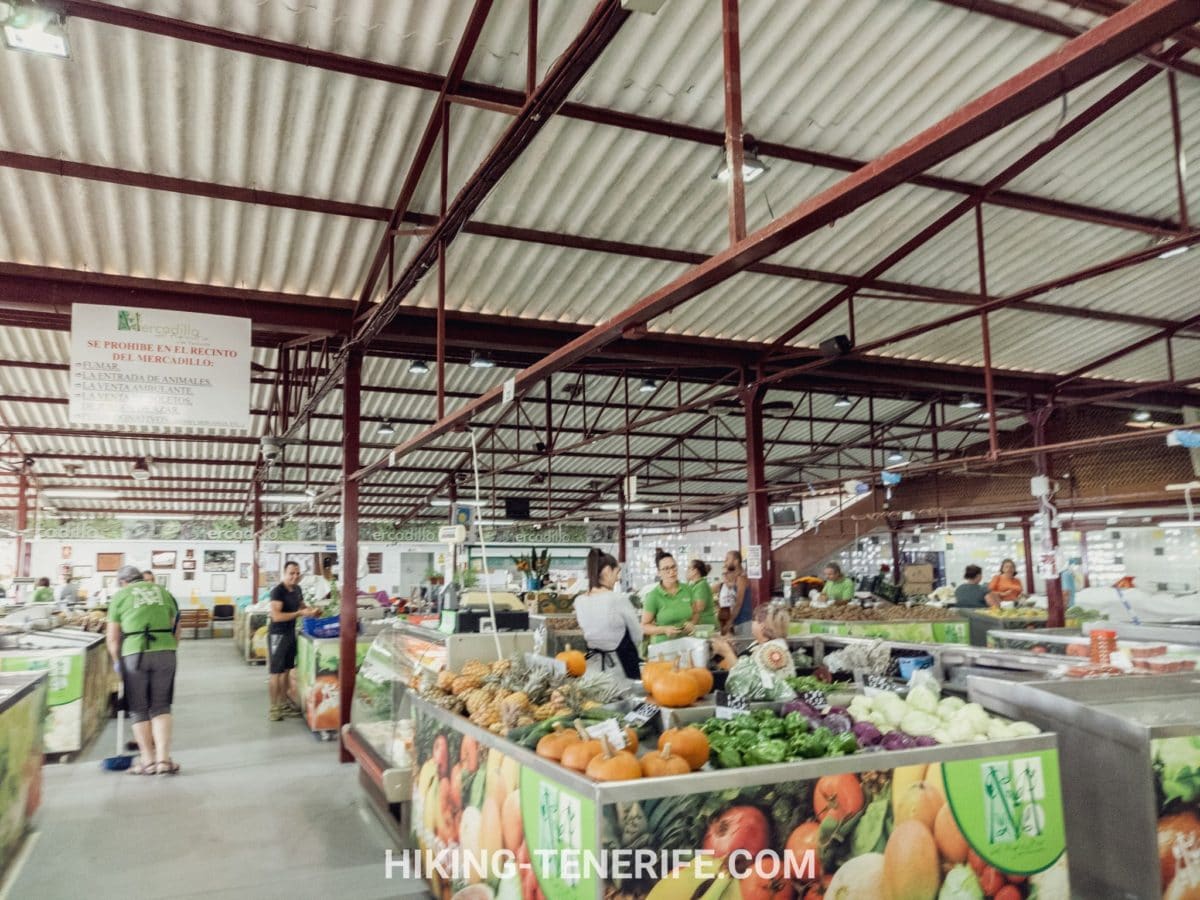
Go somewhere ordinary by a different route. Walk around your neighbourhood, visit a market, sit in a public square, take a bus to a familiar town, listen to the wind, notice the light on a wall or ask a person a question you normally rush past. Tenerife is not a cure for distraction; it simply offers enough texture to practise attention.
I like the island most in these small doses. The north can be wet, the coast can be windy and a planned outing can become a supermarket trip. That is useful. Intentional living has to survive the weather that actually arrives.

A seven-day social media break that can survive ordinary life
If you want a simple plan, use this seven-day reset. You can make it gentler if you work online, care for children, rely on a digital community or have a health condition that makes routine changes difficult. The point is not to prove that you are stronger than a platform.
| Day | Small experiment | Question to write down |
|---|---|---|
| Day 0 | Tell close contacts, record your baseline, disable notifications and choose the apps to pause. | What do I want this break to make possible? |
| Day 1 | Keep the phone away from the first part of breakfast. | What did my hand reach for automatically? |
| Day 2 | Take one walk without a podcast or feed. | What did I notice when nothing was explaining the walk? |
| Day 3 | Cook or eat one meal without filming or checking. | Did the meal feel different in my body or conversation? |
| Day 4 | Contact one person directly instead of viewing their updates. | What kind of connection was I actually seeking? |
| Day 5 | Make something private: write, cook, photograph, repair or draw. | How did it feel not to prepare the result for an audience? |
| Day 6 | Use the phone only for chosen tasks until lunch. | Which tasks were useful, and which were invitations? |
| Day 7 | Review the week before deciding whether to return. | What should I keep, remove or protect? |
The “what happens when you stop using social media” answer is not one guaranteed sequence. Some people notice relief; some feel restless. Some call friends; some realise they need help with loneliness. Some discover that the feed was not the whole issue—the phone, work stress, sleep, isolation or an unstructured day was part of it.
If you relapse into scrolling on day three, do not turn it into a personal drama. Notice what happened, add friction, adjust the replacement and continue. A weak moment is information. Shame is usually just another way of avoiding the information.
Taking a break as a couple
Anastasia and I do not have identical digital habits. We share a home, a business context, work, food and a lot of ordinary decisions, but we are still two people with different needs. One of us may want the phone for a recipe or a message while the other needs an evening without it.
That means the break cannot be a surveillance exercise. We can agree on phone-free meals, no feed checking during a walk and a quiet first part of the morning without policing one another’s necessary work. The boundary should protect the relationship, not become another argument about who is more disciplined.
A healthy Mediterranean meal is one of our easiest replacements because it creates a shared task. Anastasia can work with vegetables, beans, herbs, grains, fish or a simple authentic dish from the region. I can set the table, wash up or stop trying to photograph the steam. The goal is not to make dinner into a wellness performance.

We also borrow a few blue-zone-inspired techniques in the modest sense: walking often, eating with people, using simple ingredients, staying connected to neighbours and allowing ordinary movement to be part of the day. These are rhythms, not medical promises or a recipe for a particular lifespan.
The island can make a meal, market or walk feel spacious. It cannot make us present automatically. I can stand beside the Atlantic and still scroll. A cottagecore table can still be a stage. Slow living becomes real only when the phone is put down while the soup is hot and the person is speaking.
The positive landing: build a life you do not need to escape from
A break is easier to maintain when it is not only an escape from something. The feed has been taking attention, but what do I want to build with that attention? A calmer kitchen, a more private creative practice, a walk, a book, better sleep, a conversation, a small garden, a craft, a healthier dinner or the ability to be bored without panicking?
This is where I want readers to watch Anastasia’s longer letter about building a life you do not need to escape from. It is not a social-media tutorial. It is the positive answer: slow mornings, food, movement, journaling, relationships, hobbies and flexible routines that can bend when the day is difficult.

If comparison and shopping are part of your social-media fatigue, Anastasia’s video about owning less is also relevant. The point is not to buy a new minimalist identity. It is to ask whether the feed keeps teaching you that your life is incomplete until you purchase, improve or display something else.
What if social media is part of my work?
This is one of the biggest gaps in generic social media detox advice. A creator, small business owner, artist, coach, community organiser or freelancer may need social platforms professionally. “Delete everything” can be irresponsible if your income, clients or audience depend on the account.
Use a work boundary instead: schedule one publishing window, answer messages from a desktop, remove the feed from the work phone, use an assistant or trusted person for moderation, draft content offline, turn off recommendations and separate creating from consuming.
- Open the platform with a written task: publish, reply to five people or check one campaign—not browse.
- Set a timer for the task, then close the tab when the task is complete.
- Do not use performance numbers as a mood report. A post can underperform without saying anything about your value.
- Keep a list of questions and comments to answer later instead of interrupting every meal or walk.
- Review whether the platform is earning its place in your work every month.
For Anastasia, this might mean filming a recipe or a quiet letter, then leaving the platform. For me, it might mean uploading a local photograph or answering an editorial question and then returning to the actual island. The professional task has an end. The feed does not.

Deleting the app, deactivating the account or deleting the account
Several searches ask what happens when you delete Instagram, whether deleting the Instagram app deletes your account, and if you should delete Instagram. These are different actions. Removing the app from your phone usually removes the easy access point; it is not the same decision as deactivating or permanently deleting an account.
Platform rules, recovery periods, downloaded data and account settings can change. Before deactivating or deleting an account, read the platform’s current help page, export anything you need, check how two-factor authentication works and tell people how to reach you. Do not rely on an old social-media detox article for a current account policy.
For a first experiment, I prefer the reversible order: mute notifications, remove the apps, log out, use a browser only if absolutely necessary, and review after seven days. If the break is helping and you want a longer absence, make the account decision deliberately.
How to return without repeating the same pattern
A break can fail if the return has no design. You come back because a friend sent a message, answer one thing, see a recommendation, remember a trend, and suddenly the old routine is back. The return needs to be smaller than the departure.
- Reinstall one platform, not all of them.
- Keep notifications and badge counts off.
- Use a scheduled window and a clear purpose.
- Prefer a browser or desktop for publishing and messages.
- Unfollow, mute or block accounts that reliably create comparison, anger or anxiety.
- Keep one phone-free meal and the first part of breakfast.
- Separate posting from browsing; create first, consume later—or not at all.
- Review your mood and attention after a week back, not just your minutes.

You can also decide not to return. The benefits of no social media may include more privacy, less comparison, fewer interruptions and a smaller world that feels deeper. But no social media is not automatically a better life if it leaves you cut off from work, support, community or people you love. The useful question is whether the arrangement helps you participate in your real life.
Common mistakes when taking a social media break
Mistake 1: turning the break into a public performance
Posting a dramatic goodbye can simply create another round of reactions, questions and checking. Tell the people who need to know. You do not owe the feed a farewell tour.
Mistake 2: replacing Instagram with another infinite feed
If you delete Instagram and spend the evening on Shorts, news, shopping or another app, you may have changed the wallpaper rather than the habit. The question is not only which app is bad. It is what function the scrolling serves.
Mistake 3: expecting a cure
A break may create useful space. It cannot repair every cause of depression, anxiety, grief, isolation, financial pressure, relationship pain or exhaustion. If your symptoms are serious or persistent, seek appropriate help.
Mistake 4: using willpower instead of design
Notifications, saved passwords, the phone beside the bed and a blank evening all make the old behaviour easy. Change the environment. Put the phone away, create friction and decide what you will do when the urge appears.
Mistake 5: making rest another optimisation project
You do not need to use the recovered hours to learn a language, start a business, exercise, declutter and cook from scratch. A social media break can give you an ordinary empty hour. Let it be empty sometimes.

Frequently asked questions
These are the direct answers I would have wanted before starting. They include the questions people type when they are deciding whether to quit, pause, delete, deactivate or simply use less social media.
What are the benefits of taking a break from social media?
Possible benefits include fewer interruptions, more awareness of your habits, less comparison, more time for direct relationships, calmer meals or better focus. They are possibilities, not guarantees. Your result depends on what you use instead and why you were using social media.
How long should a social media break last?
There is no universal ideal length. A weekend can reveal a pattern; seven days gives the habit more time to settle; a month can test whether new boundaries survive ordinary life. Choose a period you can review honestly rather than a dramatic number.
How do I take a break from Instagram without deleting my account?
Turn off notifications, remove the app, log out and tell close contacts how to reach you. If you need access for work, use a scheduled browser window. Read Instagram’s current help pages before deactivating or deleting the account because settings and recovery rules change.
If I delete the Instagram app, what happens?
Removing the app from your phone is generally different from deleting the account. It removes the shortcut and local app access, while your account and content may remain online. Check the current platform help centre if you need a definitive answer for your account or want to export data.
What does taking a break mean on Facebook?
Facebook’s “Take a Break” feature is a relationship and feed-control option for seeing less of a particular person. It is not the same as taking a personal break from social media, which means changing your own access and habits.
Can I still use WhatsApp during a social media break?
Yes, if direct messaging supports the kind of connection you want to keep. A break from social media does not need to mean a break from family, friends, work contacts, maps, emergency access or useful communication. Decide what counts as essential for you.
Will taking a break improve my mental health?
It may improve some parts of your experience, especially if feeds are worsening stress, comparison or sleep, but research shows mixed and individual results. A break is not therapy or a guaranteed treatment. If you are struggling, speak with a qualified professional and keep the support you need.
Is deleting social media a sign of depression?
No. Deleting or pausing social media is not, by itself, a sign of depression. People step away for privacy, focus, work, relationships, religion, creativity, parenting, stress or simple preference. The important question is how you are feeling overall and whether you have support.
What can I do instead of social media?
Choose a replacement that matches the need: call someone for connection, cook for a sensory task, walk for movement, read for depth, journal for expression, rest for fatigue or make something private for creativity. The smaller version is valid: one page, one ingredient, one message or five minutes outside.
Is it better to have no social media?
Not automatically. Some people feel better without social media; others rely on it for community, access, work or news. The better arrangement is the one that protects your attention while keeping the connection and tools your life genuinely needs.
How do I tell people I am taking a break from social media?
Keep it simple: “I am taking a break from social media for the next seven days. I am still reachable by text, WhatsApp, email or phone. Please contact me there if you need me.” You do not need to explain your entire relationship with the internet.
Can I take a break if social media is my job?
Yes, but design a work boundary rather than copying a total-delete plan. Schedule publishing, answer messages from a desktop, remove feed access from your phone, delegate moderation where possible and measure the work task separately from passive consumption.
Can I still use my phone while hiking in Tenerife?
Yes—and you should keep practical safety tools available. Use the phone for maps, weather, emergency communication and a planned photograph. Keep it charged, check local conditions and do not let a social media rule push you into ignoring mountain or sea safety.

What I want to notice now
Tenerife did not solve this problem for us. The island simply made the contrast difficult to ignore. The ocean, markets, green mountains, windy coast, shared meals and ordinary streets were already here. The break asks whether we are actually living them or only documenting them.
I want to notice the first taste of a meal before I describe it. I want Anastasia to cook without feeling that every beautiful plate needs to become a public one. I want to walk without checking who else is walking somewhere more impressive. I want to photograph because I saw something, not because I need proof that the day happened.
I also want to keep the good parts: direct messages, useful work, long-form videos, people who live far away, a recipe somebody sends us, a weather warning, a map when the road bends and the ability to share a real letter when we have something honest to say.
The smaller version of the practice is available on difficult days. Put the phone in another room for breakfast. Cook one thing. Take five quiet minutes. Call one person. Leave the feed unopened until lunch. Return tomorrow if today went badly. This is not a purity contest.
If you want the positive version of that practice, watch Anastasia’s channel, Ana’s Letters. Her videos are not a collection of social-media rules. They are quiet letters about ordinary beauty, healthy cooking, countryside life, creativity, home, motherhood and building a life that feels good to be inside.
If your break has made you curious about slower kitchen rituals, authentic Mediterranean meals, affirmations, simple weekly ideas and the small mechanics of a more attentive life, you can receive Anastasia’s letters by email. I adjusted the invitation for this article because the point is not another feed. It is a useful letter you choose to open.
Get Anastasia's Mediterranean attention secrets by email
Anastasia writes from our Tenerife kitchen about healthy Mediterranean meals, calm cooking rituals, simple weekly ideas, affirmations and the practical boundaries that help a real life feel more present. Join the letters for useful details you can try without turning your break into another performance.
- Phone-free kitchen rituals
- Mediterranean meals
- Practical slow-living letters
Free to join. No noisy feed, just useful letters from our home.
One last note before you close the tab
You do not need to delete every account tonight. You do not need to become a person who never wants to scroll. Start with one honest experiment and make the next action smaller than the speech you have been giving yourself.
Take the feed away from one meal. Put the phone down while somebody is speaking. Walk without recording it. Cook something you will actually eat. Notice whether the world becomes quieter, or whether you simply hear what was already underneath the noise.
Then decide. Keep, remove, protect and return with intention.
Receive Anastasia's letters about a quieter digital life
Get practical notes from our Tenerife home: Mediterranean recipes, calm kitchen rituals, simple weekly ideas, affirmations and gentle ways to return to attention when the internet becomes too loud.
- Mediterranean food
- Attention mechanics
- Letters from our home
Free to join. Come for the useful details and stay for the quiet encouragement.

