

Short answer: intentional living means making ordinary choices that match what matters to you. It is not a perfect morning routine, a quiet island, or an attractive shelf. It is deciding where your time, attention, money and energy should go, then building small ways to return there.
Intentional living is easier to understand when you see it inside a normal week. Not inside a mood board. Not on a day when every room is tidy and nobody needs anything from you.
Here in Tenerife, my wife Anastasia and I still have deadlines, errands, laundry, traffic, paperwork and tired evenings. We also cook, walk, notice the weather, protect time for each other and try not to let the phone decide the shape of the day.
Intentional living is not making life look slow. It is making your next choice more honest.
What does intentional living actually mean?
To live intentionally is to stop letting every decision come from habit, urgency, comparison or somebody else’s expectations. You still make quick decisions. You still have boring obligations. The difference is that your important choices are not made entirely on autopilot.
That can mean choosing a smaller home because you want fewer maintenance jobs. It can mean taking a demanding job because it supports your family. It can mean declining a social plan because your body needs rest.
It can also mean saying yes. If cooking feeds you, make room for it. If your friend needs a long conversation, give it proper attention. If your work matters, let it have a focused block instead of scattering it between notifications.
Local verdict: the best definition of intentional living is practical alignment. Your calendar, spending, attention and daily habits should show at least some connection to the values you say you have.
Intentional living is not an aesthetic
Slow-living images often show linen, ceramics, candles, bread and an empty table. Those things can be beautiful. They can also become another form of pressure.
You do not need a country house, organic groceries or a free hour every morning. You do not need to move to Tenerife. You do not need to own less than your neighbour.
A calm-looking life can still be disconnected. A busy-looking life can still be deeply intentional.

Intentional living is not the same as minimalism. Minimalism may help you reduce possessions or visual noise. Intentional living also asks how you work, eat, rest, spend, speak, create and care for other people.
It is not a promise that every day will feel peaceful. Some intentional choices are uncomfortable. You may need to set a boundary, change direction, leave a familiar goal, have a difficult conversation or accept that your energy is limited.
Common mistake: copying the visible habits of somebody else’s slow life. Start with your own pressure, responsibilities and memories. A ritual is useful only when it helps your real life, not when it photographs well.
What intentional living looks like in our Tenerife home
Anastasia and I live in Tenerife, in the Canary Islands. The island gives us light, ocean, markets, mountain roads and a strong outdoor life. It does not remove the ordinary work of making a home.
She is a healthy chef and the founder of Greeny App. Her work includes recipes, meal plans, affirmations and practical slow-living mechanics. I work with photography, filming and the editorial side of our projects.
Our intentional life is not one perfectly shared schedule. It is a set of agreements. We try to eat proper food. We try to notice when one of us is overloaded. We make space for work and for ordinary time together.
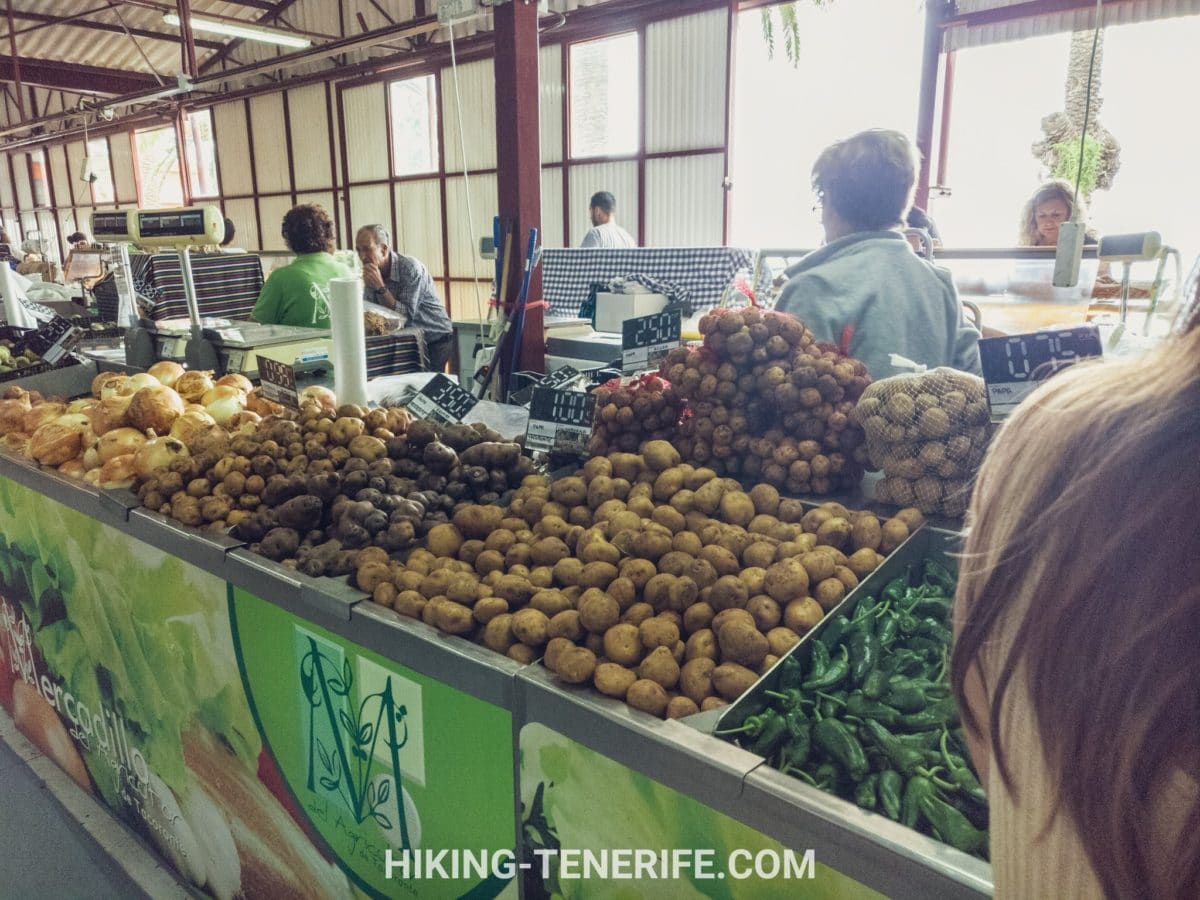
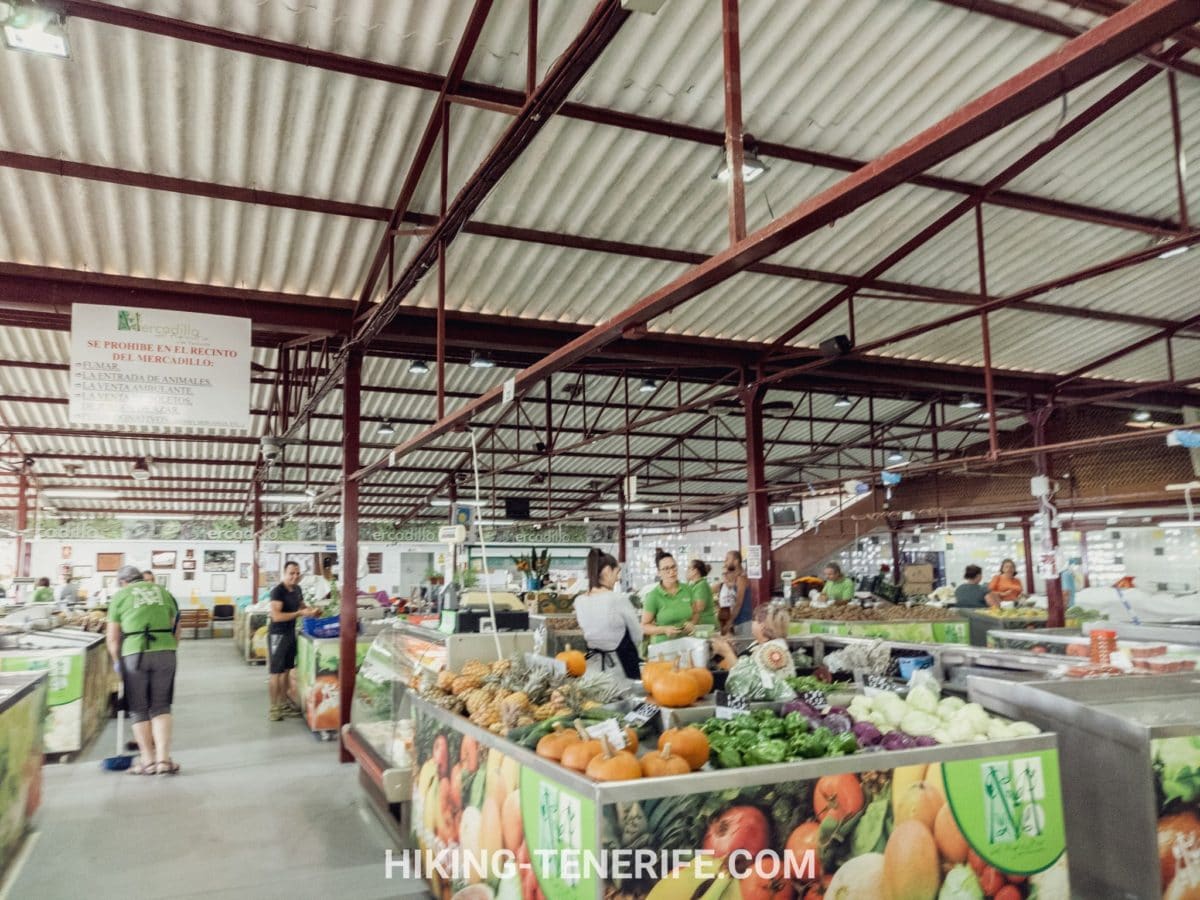
A market visit is a good example. We do not go only to buy the most impressive ingredients. We ask what is fresh, what we already have, how much time the week allows and what will make dinner easier.
Sometimes the answer is a serious cooking session. Sometimes it is soup, eggs, fruit and bread. The intentional choice is not always the more ambitious one.
Plan like this: choose one value for the season, then give it a small place in the week. “Health” might become one reliable dinner. “Connection” might become one phone-free meal. “Creativity” might become one hour with no useful outcome.
Choose values you can recognise in daily life
People often begin intentional living by writing a long list of values. That can feel productive, but ten abstract words are hard to use on Tuesday afternoon.

Choose two or three. Then ask what each one looks like in a normal week. If you choose “family”, does it mean a shared breakfast, a weekly call or protecting one evening? If you choose “freedom”, does it mean lower expenses, flexible work or fewer commitments?
Values are not personality labels. They are priorities that guide trade-offs. If you value rest, you may disappoint somebody. If you value creative work, you may need to leave some tasks unfinished.
Your values become real when they change what you do with a limited amount of time.
Write one sentence: “This season, I want my week to make more room for ___.” Then write: “To do that, I may need to do less of ___.” The second sentence matters. Every value has a cost.

Protect attention before you add more habits
Many people search for intentional living because they feel their attention has been taken from them. The phone fills small gaps. Comparison enters before breakfast. A message interrupts a conversation. Work follows you into bed.
Anastasia has spoken openly about this on Ana’s Letters. Her point is not that phones are evil. The point is that a tool can quietly become the manager of your day.

Start small: choose one place or time where your phone does not come with you. Try the table, the first twenty minutes of the morning, a walk around the block or the last half-hour before sleep.
The first attempt may feel awkward. You may reach for the phone without thinking. That is useful information. It shows where the habit has become automatic.
Do not replace every empty moment with another self-improvement exercise. Look out of the window. Wash a cup. Stand in the sun. Let your mind finish one thought.
Local detail: a walk beside the Atlantic does not need a destination to be useful. Leave the camera and the phone in your pocket sometimes. A place can give you attention without becoming content.
Enough is a useful decision
Consumer culture makes “more” look like a solution. More space. More equipment. More clothes. More experiences. More proof that the life is working.

Choosing enough does not mean refusing every purchase. It means asking what the purchase is for. Will it support a value, solve a real problem or simply calm a temporary feeling?
We have made this mistake too. A new project can make you believe you need new things. Sometimes you do. Often you need a clearer plan, a smaller promise or a day without adding another layer.
Enough is not an empty room. It is knowing what does not need to be added.
Local verdict: reduce the commitments that keep you permanently behind before you buy another organiser to manage them. The best slow-living tool may be a clear no.
Food is one of our strongest slow-living practices
Food gives intentional living a physical form. You choose ingredients. You prepare them. You wait. You share the result or you feed yourself properly before returning to work.
Anastasia is especially good at making healthy food feel generous rather than restrictive. She looks at nourishment, flavour, texture, timing and the people who will eat the meal.
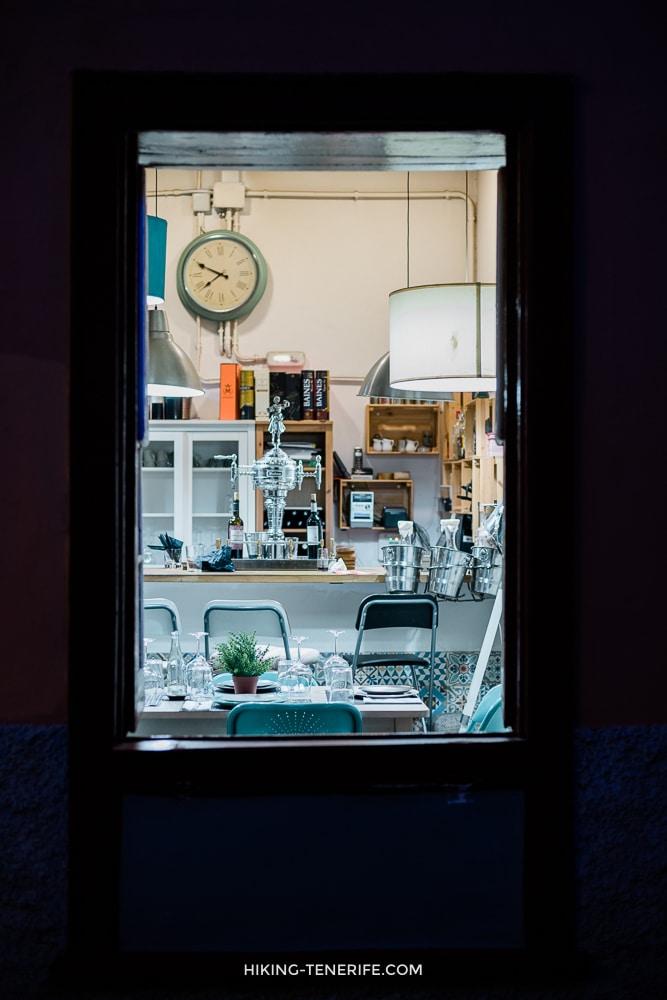
Her seafood paella from Tenerife is a useful example. The recipe has practical steps, but the deeper lesson is about the table. A shallow pan lets people watch, talk and wait together.
Intentional cooking does not mean making everything from scratch. A useful meal can be assembled from leftovers, frozen vegetables, beans, eggs or bread. The goal is care that you can repeat.
Make the healthy choice easier: keep one fast meal in the freezer, one prepared ingredient in the fridge and one simple option for a low-energy evening. A fallback is part of the plan.
When we cook together, the meal is also a change of pace. The kitchen has sounds and smells that do not arrive through a screen. The food gives conversation a place to happen.
There is a useful limit here. Do not turn food into another test of virtue. Healthy eating is not punishment. It is not a reason to feel guilty about a tired day.
The same principle applies outside the kitchen. Build routines that support your body. Do not build routines that give you one more reason to criticise it.
Get Anastasia's free slow-living guide for real life
Anastasia made this gentle guide for people who want more calm, nourishing food and meaningful time without turning life into another project. You will receive a simple seven-day reset, Mediterranean meal ideas and small prompts from our home in Tenerife.
- 7-day reset
- Mediterranean meals
- Gentle prompts
Free to join. Useful letters from our Tenerife home.
Make things before you feel ready
Intentional living needs something to replace constant consumption. That does not have to be a business or a public project. It can be cooking, drawing, pottery, gardening, writing, repairing or learning a skill badly at first.
Anastasia’s creative stories return to a simple problem: people wait for permission. They say they are not artistic. They wait until they have better tools. They decide the first attempt must justify the time.
The first version is allowed to be awkward. Making is still valuable when nobody sees the result.

Give yourself a small container. Twenty minutes. One page. One bowl. One recipe. One walk with a camera. Stop while it is still possible to return tomorrow.
Let the body and the weather join the plan
Many routines fail because they treat the body as an obstacle. They assume the same energy every day. They ignore heat, rain, poor sleep, illness, care work and ordinary changes of mood.
Tenerife makes this visible. The south may be bright while the north is wet. The coast may be warm while the mountains are cold. A plan that works at sea level may be wrong higher up.
Local detail: weather-shaped plans are not failed plans. Keep a short version for hot afternoons, a home version for rain and a slower version for tired days. Flexibility is a practical part of living intentionally.

A walk can be ten minutes. It can be sitting outside. It can be noticing the temperature before you decide what to do next. The point is not to collect exercise points. The point is to regain contact with the body and the place around it.

Safety rule: do not turn nature into proof of discipline. Check weather, water, footwear and your energy before a mountain day. A quiet town walk or a rest day can be the more intentional choice.

Relationships and work need intention too
It is easy to make intentional living about objects and routines. The harder questions are relational. Who gets your best attention? What conversations are you avoiding? Which commitments are held together only by your exhaustion?
For us, shared life includes working near each other without being available every minute. It includes saying when a filming day has taken too much energy. It includes eating together even when the meal is simple.
Intentional work is not always slow work. It may be a deadline, a difficult edit or a long day. The useful question is whether the work has a clear place and whether the rest of life is allowed to exist around it.

Caregivers and parents need an especially flexible definition. A slow morning may not be available. A phone-free meal may last four minutes. A creative practice may happen with a child beside you.
That still counts. A routine should fit the season of life you are actually in. If it disappears whenever life becomes demanding, it was probably designed for somebody else.
Let your values guide ordinary choices
A value becomes real when you can recognise it in an ordinary day. If connection matters, it may look like dinner without phones or ten minutes of conversation while washing dishes.
If nourishment matters, it may look like cooking twice a week or putting together a balanced plate from food you already prepared. The choice does not need to be impressive. It needs to help you care for the life you have.
When a day goes wrong, choose the smaller version. Four minutes of conversation still matters. A simple meal still feeds you. A short walk still brings you back to your body.
A routine becomes kind when it tells you how to come back, not only how to begin.
Try a realistic seven-day experiment
Do not redesign your whole life in one weekend. Use one week to observe and test. The aim is not a perfect score. The aim is to learn what helps.
- Day one: notice where your attention goes without trying to fix it.
- Day two: choose two values for this season.
- Day three: remove one small source of friction.
- Day four: cook or assemble one simple meal from what you have.
- Day five: take a sensory pause outside or beside a window.
- Day six: give one person your full attention.
- Day seven: review what made care easier and choose one return practice.
Keep the experiments small enough to survive a bad day. If the practice needs perfect weather, perfect energy and perfect cooperation from everybody around you, it is not ready yet.

Mistakes that make intentional living feel difficult
- Changing everything at once. Choose one practice and give it time.
- Borrowing somebody else’s values. Use your own responsibilities as evidence.
- Confusing slow with lazy. Focused work can be part of a good life.
- Using food as moral proof. Nourishment should not become guilt.
- Waiting for ideal conditions. Design a low-energy version now.
- Turning nature into content. Leave some walks private and respect the landscape.
- Expecting a move to solve everything. A new place changes the questions; it does not answer them.
There is also a privilege problem in some slow-living advice. Quiet rooms, organic markets, flexible work and island moves are not equally available to everyone.
Good advice must leave room for rent, disability, immigration, care work, shift work, unsafe homes, limited money and limited energy. A practice that requires resources you do not have is not a moral obligation.
Keep this: intentional living should give you more agency, not another standard by which to feel behind.
Where to begin without creating more pressure
Begin with one honest sentence: “I want more of ___, and too much of my life is going to ___.” Make it specific enough to change a Tuesday.
Then choose one action that takes less than twenty minutes, one boundary you can explain and one fallback for a tired day.

In our Tenerife life, this may mean going to the market, cooking, walking by the sea, working without the phone beside us or staying home when we planned to go out. The island gives us a setting. It does not make the choices for us.
You can practise the portable parts anywhere. Protect attention. Cook simple food. Call someone. Make something. Put a limit around work. Spend less on what does not matter. Notice the season you are in.
Intentional living is not a finished identity. It is a repeated adjustment between what matters and what the current season allows.
How to start intentional living this week
The practical answer: notice what is taking your time, choose what matters most now and give it one small place in tomorrow.
You do not need a new identity, a perfect home or a free month. Start with one ordinary evening. A small choice that you can live with is more useful than a grand plan that makes you feel behind.
Start tonight
- Write one thing you want more of.
- Write one thing taking too much of your attention.
- Choose one small action for tomorrow.
- Put one helpful thing ready before bed: ingredients, walking shoes, a book or a message you want to send.
- Choose one place where your phone will wait.
For the next seven days: repeat that one action when you can. If the day is hard, make it shorter. A ten-minute meal, a short walk or four quiet minutes with someone you love still counts.
Do not ask how to change your whole life. Ask what would make tomorrow more honest.
Real intentional living FAQ
What is intentional living in simple words?
It means making repeated everyday choices that reflect your values instead of letting pressure, comparison, distraction and habit make every choice for you.
What is the meaning of living intentionally?
Living intentionally means deciding what deserves your time, attention, money and energy, then giving those priorities a practical place in ordinary days.
Is intentional living the same as slow living?
They overlap but are not identical. Slow living focuses on pace and presence. Intentional living focuses on whether your choices match what matters. Sometimes the intentional choice is slow. Sometimes it is difficult, focused work.
How can I live more intentionally if I am busy?
Choose a small version of one value. A ten-minute walk, one phone-free meal, a weekly call, a prepared ingredient or a simple planned dinner is enough to begin.
How can parents or caregivers practise intentional living?
Expect interruption. Keep the first version small. A shared snack, three breaths, five minutes of rest or one undistracted question can express your values. A routine that changes during caregiving is not a failure.
Is intentional living only for people with money and free time?
No. But money, health, safety, time and caring responsibilities change what is possible. Start with choices that return some attention or agency without pretending they solve structural problems.
Does intentional living mean minimalism?
No. Minimalism can reduce possessions or visual noise. Intentional living is broader. It includes relationships, work, food, rest, nature, money, boundaries and creativity.
Can I live slowly without moving to an island?
Yes. The portable parts are attention, boundaries, simple food, relationships, making, sensory pauses and flexible rituals. Tenerife is our setting, not a requirement.

How do you practise intentional living in Tenerife?
We build ordinary rhythms around markets, cooking, walking, nature, focused work, photography, relationships and enough empty space. We also deal with traffic, deadlines, fatigue and days that do not look like a postcard.

Is intentional living always peaceful?
No. It can require a difficult conversation, a boundary, a change of plan or the admission that an old goal no longer fits.
How do I start without turning intentional living into pressure?
Choose one value and one small ritual. Try it for a week without scoring yourself. Keep what helps you meet real life more directly.
You do not need to solve your whole life tonight. Choose one ordinary thing, give one value a practical place and return tomorrow.

