

We did not move to Canary Islands for paella, but it has become one of our favourite ways to gather people around the table.
Anastasia’s version is seafood-led, vegetable-rich and happily unfussy.
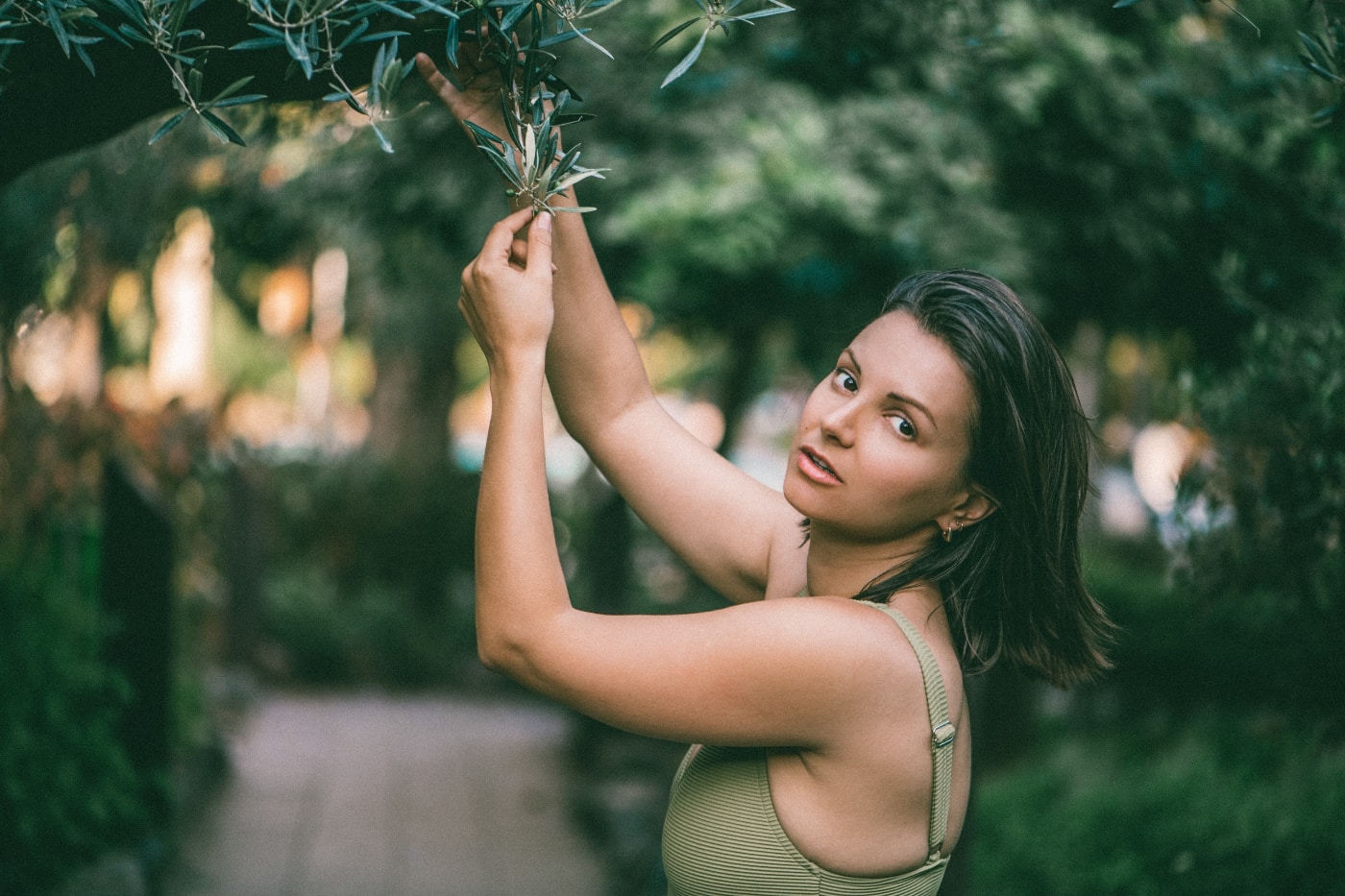
Now let’s give Anastasia the mic.
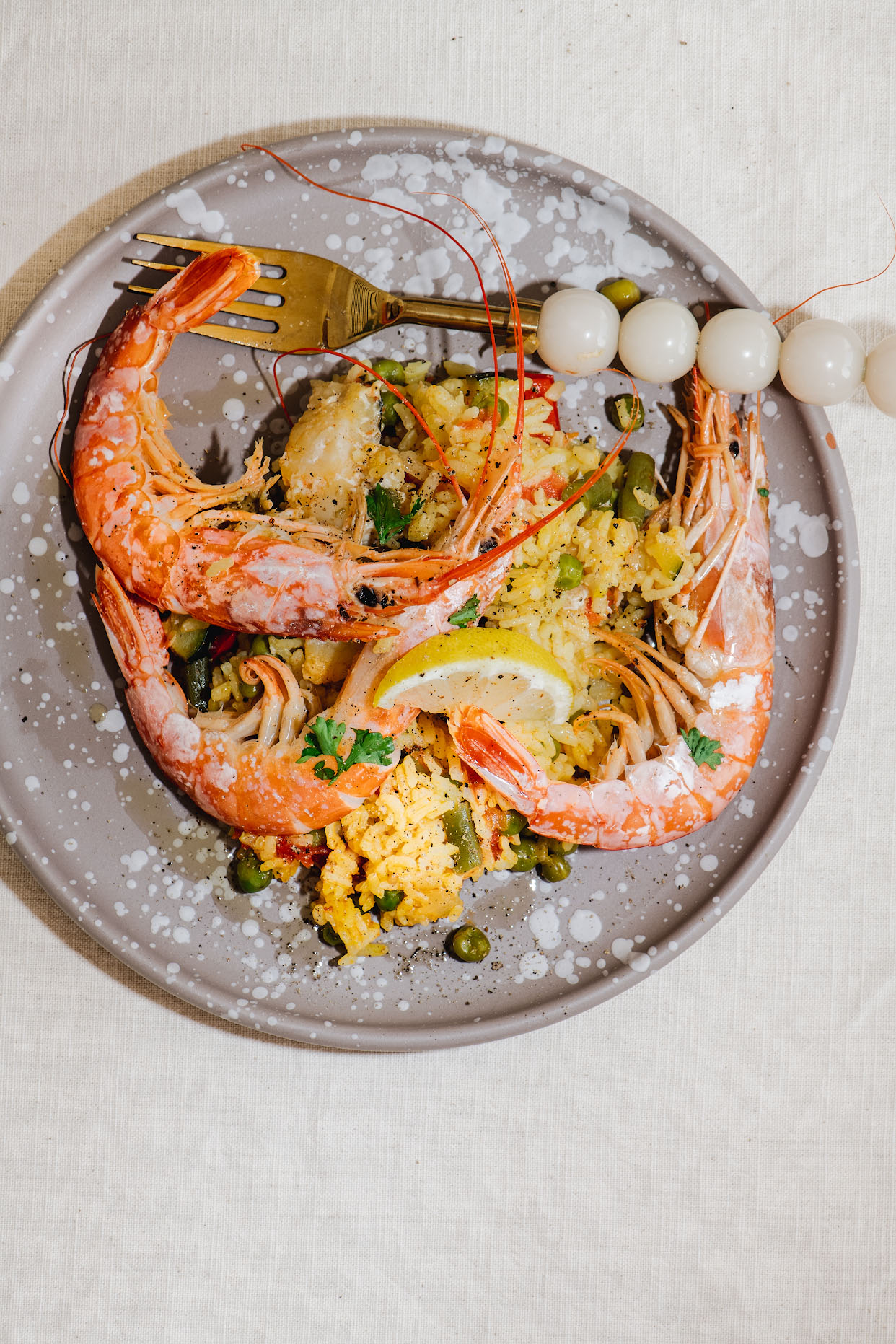
My seafood paella recipe starts with saffron rice, sweet vegetables, whole prawns, white fish and a properly shallow pan.
I’ll show you how to cook the best paella you’ve made at home yet.
It is healthy in the sensible sense: real seafood, plenty of vegetables and good olive oil. No nutrition lecture required.
It is not Paella Valenciana—and it does not need to pretend to be.
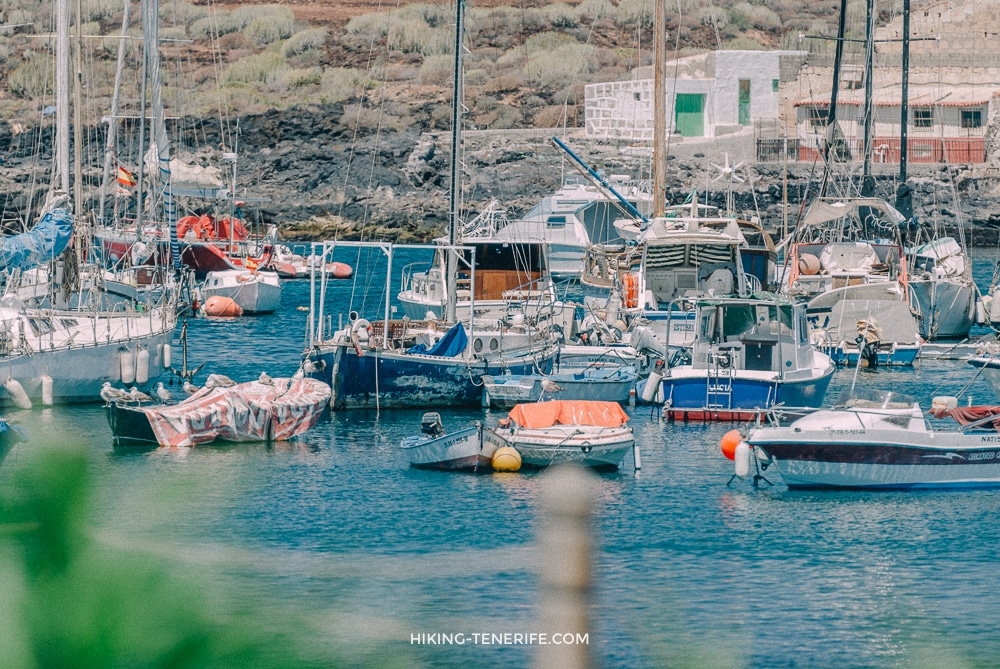
We live in the Canary Islands, where fishermen and fish markets keep us honest: cook seafood simply, and let it taste like the Atlantic.
Ready? Let’s start—or use the contents below to jump straight to what you need.
What makes this an authentic seafood paella?
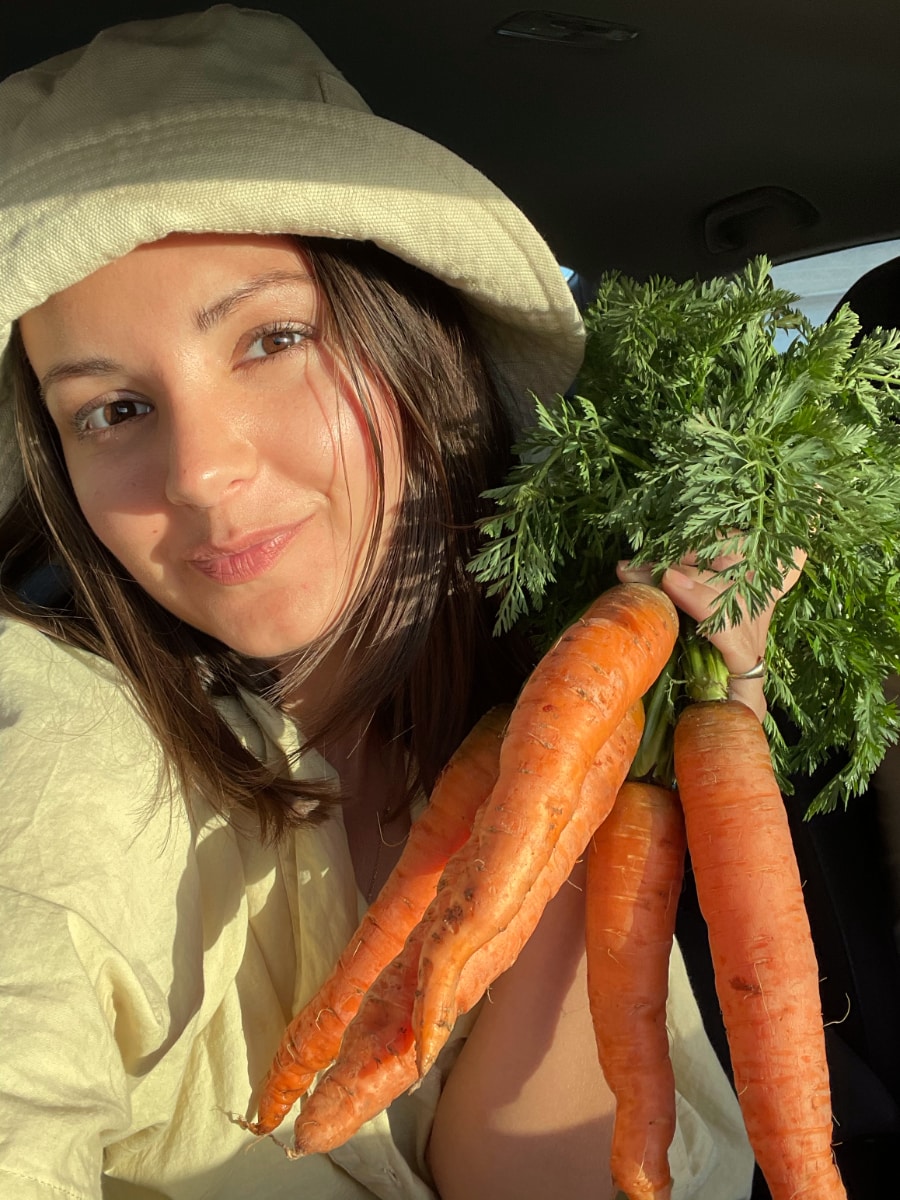
Dmitri and I live in the Canary Islands, where a paella pan can feed people without ending the conversation. He is obsessed with photography and filming. I’m a self-taught healthy chef and the founder of Greeny App.
It is the version we cook at home: bright, seafood-led and a little generous with vegetables.
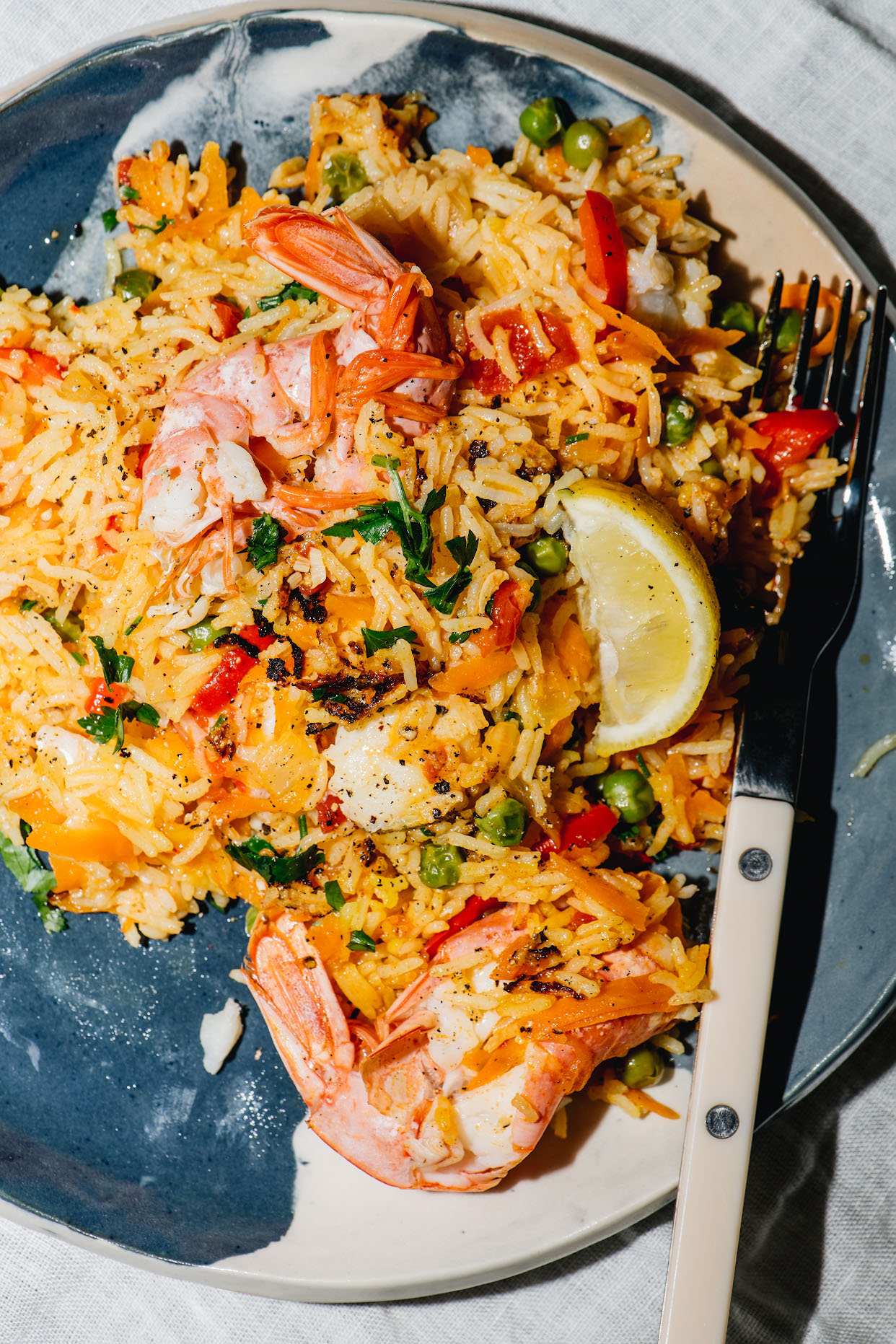
Paella began in Valencia, and Paella Valenciana follows a much more specific tradition.
A seafood paella, or paella de marisco, is its own version of the dish. Spain is not one recipe in a large hat, which is why the name matters.
Kitchen verdict: call this seafood paella, not Paella Valenciana. It tastes better when nobody is arguing with a map.
Paella ingredients for four generous plates
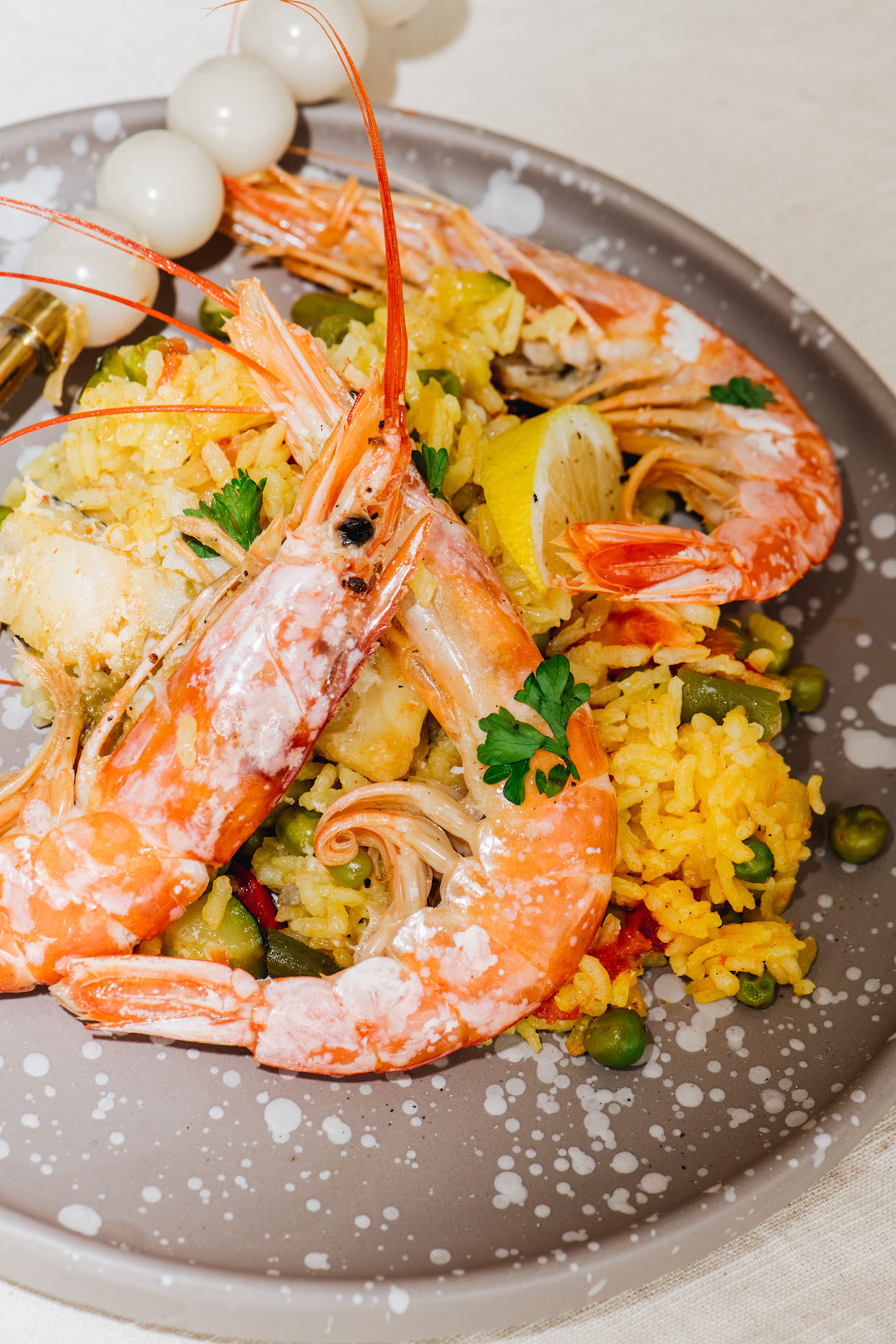
Use these quantities as a reliable home-kitchen starting point.
Rice brands and pan width change the final stock amount. Keep a little hot stock back rather than treating one number as sacred.
Mediterranean hint: Make the sofrito patiently. Keep the stock hot. Spread the rice in a thin layer. Once the liquid goes in, stop stirring.
Anastasia’s rice note: I use long-grain basmati rice for this version. It is not the traditional rice for Paella Valenciana, but it gives me the light, separate grains I like at home.
- 320 g long-grain basmati rice or other Spanish round-grain paella rice
- 1 to 1.1 litres good hot seafood stock, plus 150 ml held back
- 8 large raw shell-on prawns, kept cold until needed
- 350 g firm white fish, cut into large bite-size pieces
- 2 tablespoons extra-virgin olive oil
- 1 medium onion, finely diced; 3 garlic cloves, finely sliced
- 1 red pepper, 2 carrots, 1 small courgette and 150 g green beans, all cut small
- 200 g ripe tomatoes, grated or finely chopped; 120 g peas
- 1 teaspoon sweet smoked paprika and a generous pinch of saffron threads
- 1 lemon, flat-leaf parsley, black pepper and salt
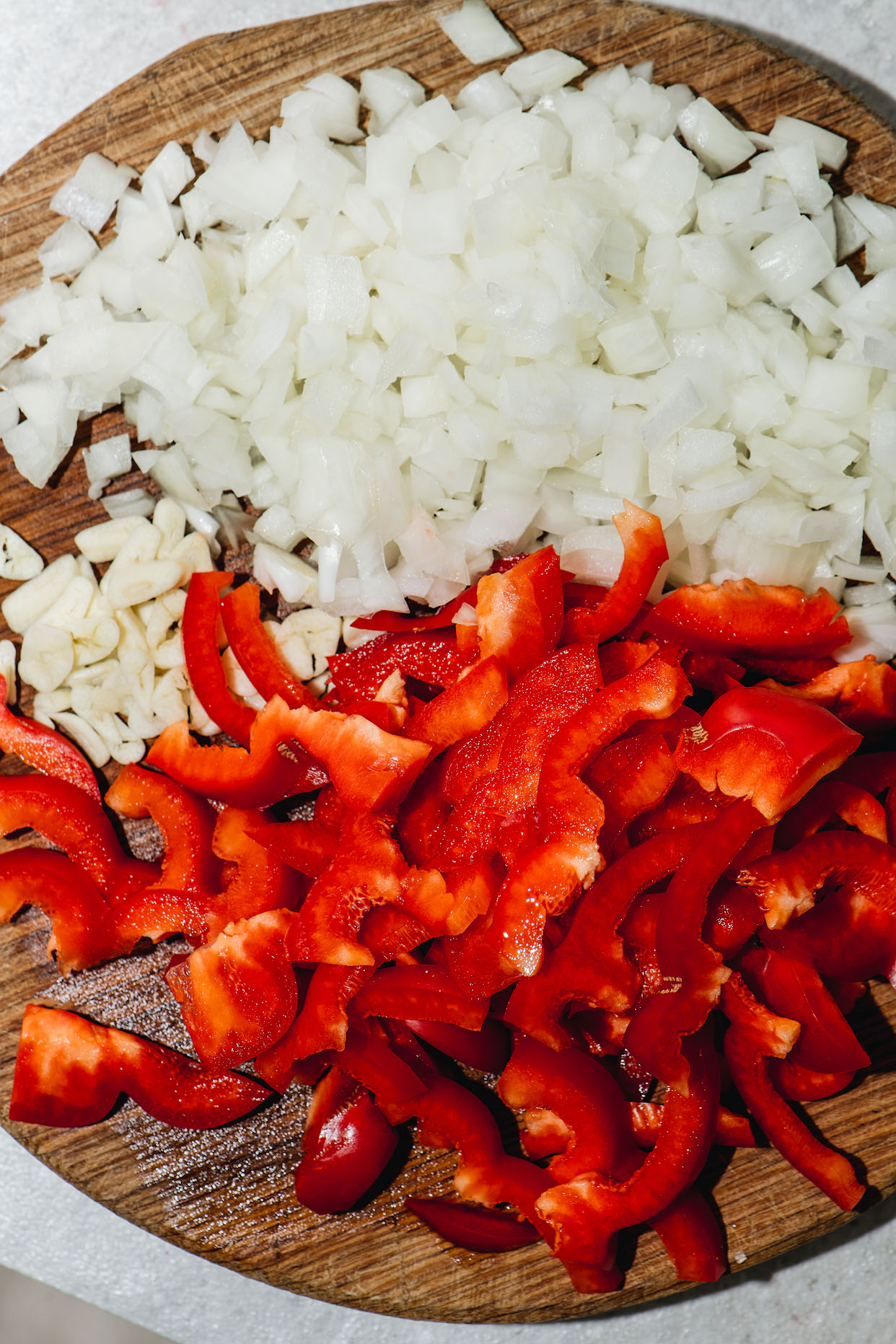
Basmati rule: use the rice you know and like, but watch it closely. Different brands and pan widths change how much stock it needs.
Cut the vegetables small and evenly. The sofrito will cook more gently that way.
Plan like this: cut the vegetables first and keep 150 ml of hot stock aside. Both decisions make the last minutes calmer.
The vegetables bring sweetness and colour. They are there to support the rice, not bury it under a fridge-clean-out.
The pan, rice and stock: three decisions that matter
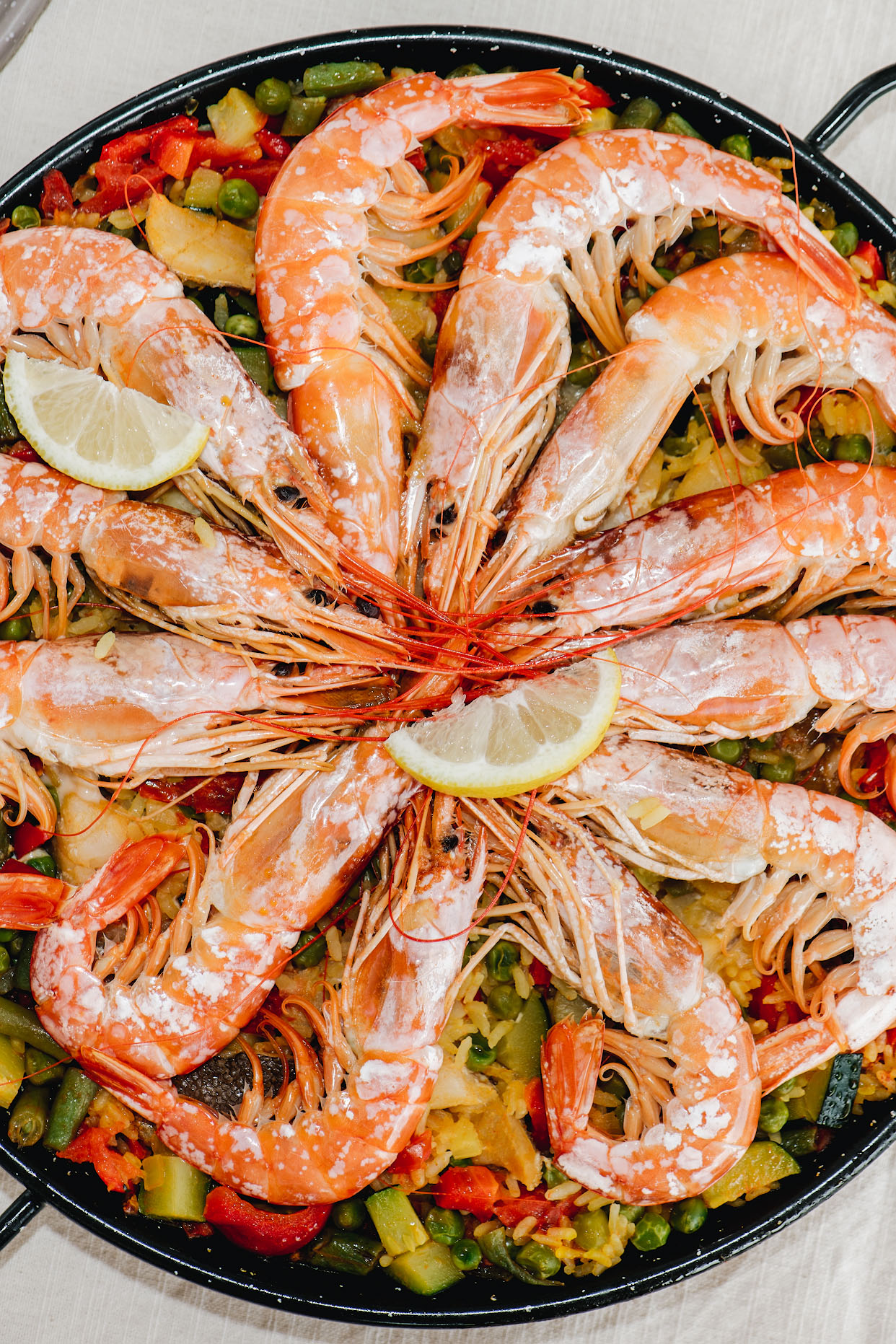
A paella pan is wide and shallow, so the rice cooks in a thin, even layer.
You do not need to buy one before dinner tonight. You do need the widest heavy pan you own; a deep pot makes excellent rice dishes, but a poor paella.
| For this recipe | Good choice | Avoid |
|---|---|---|
| Pan | A 34–38 cm shallow paella pan or wide skillet | A narrow, deep saucepan |
| Rice | Long-grain basmati – the rice I use at home or another Spanish round rice | Risotto-style stirring |
| Stock | Hot, flavourful seafood stock added all at once | Cold stock or repeated splashes without a plan |
| Heat | A steady simmer, then a brief final toast | Hard boiling from beginning to end |
Taste the stock before you add it. The rice should taste seasoned before it is fully cooked.
Kitchen rule: if the stock is bland, the paella will not become interesting by positive thinking.
Get my best step-by-step paella recipe in cosy focus mode
Get 500+ healthy Mediterranean recipes handcrafted by me in our Canary Island kitchen.
- Cosy focus mode
- 500+ Mediterranean recipes
- Cook something lovely
Free to join. No noise, just very good food.
How to make seafood paella, step by step
Read the whole method once before you heat the pan. This is how to cook paella without turning it into risotto.
1. Wake up the saffron and prepare everything
Warm a small ladle of stock and soak the saffron in it for 10 minutes. Put the remaining stock in a small pan over low heat.
Have the prawns, fish, parsley and lemon ready before the rice goes in. This is not the moment to start chopping.
Pat the seafood dry and keep it chilled. Keep the prawns in their shells, and cut the fish into sturdy pieces.
2. Build a sweet, savoury sofrito
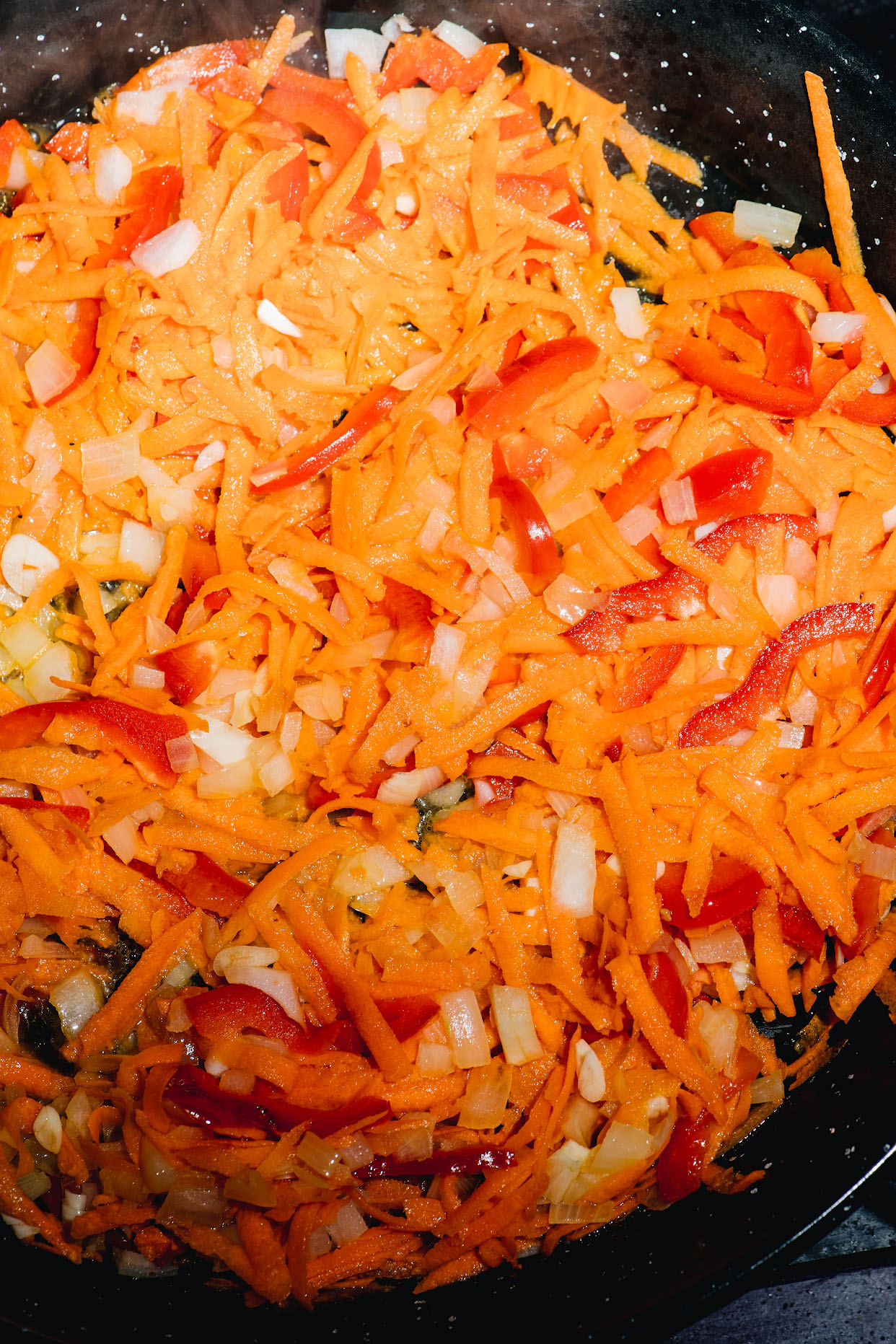
Heat the olive oil over medium heat. Cook the onion, carrots, pepper, courgette and green beans with a pinch of salt for 8–10 minutes.
They should soften and smell sweet. Add garlic for the final minute, then the tomatoes and paprika.
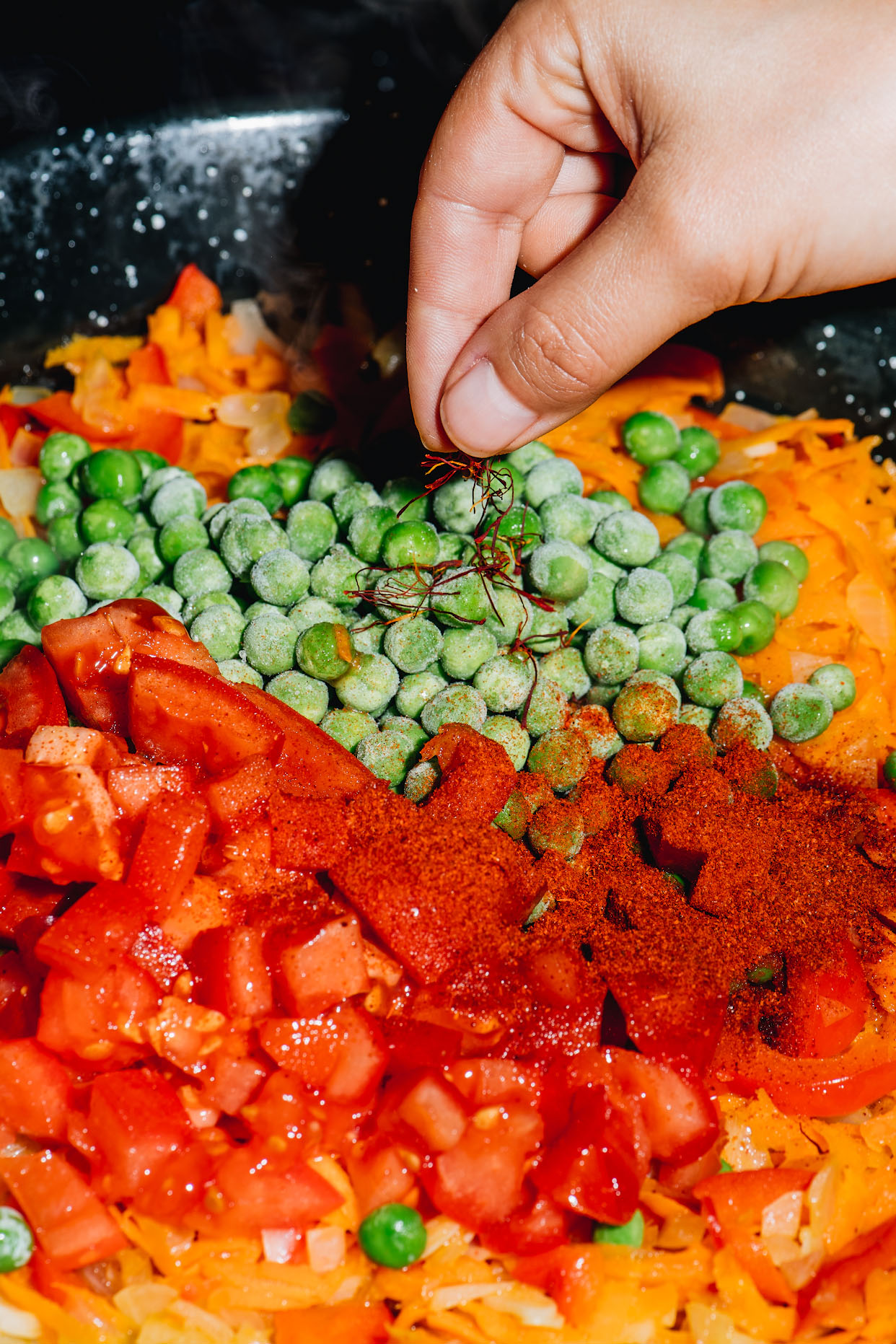
Cook until the tomatoes lose their raw edge and the base looks jammy rather than wet. This is where the paella gets its depth.
Common mistake: burning the paprika. It turns sulky very quickly, so add it only when the tomatoes are ready to soften it.
3. Add the rice and stock, then stop stirring
Stir the dry basmati through the sofrito for one minute. Every grain should look glossy.
Pour in the hot stock and saffron liquid. Season with pepper, then gently shake the pan until the rice lies in one even layer.
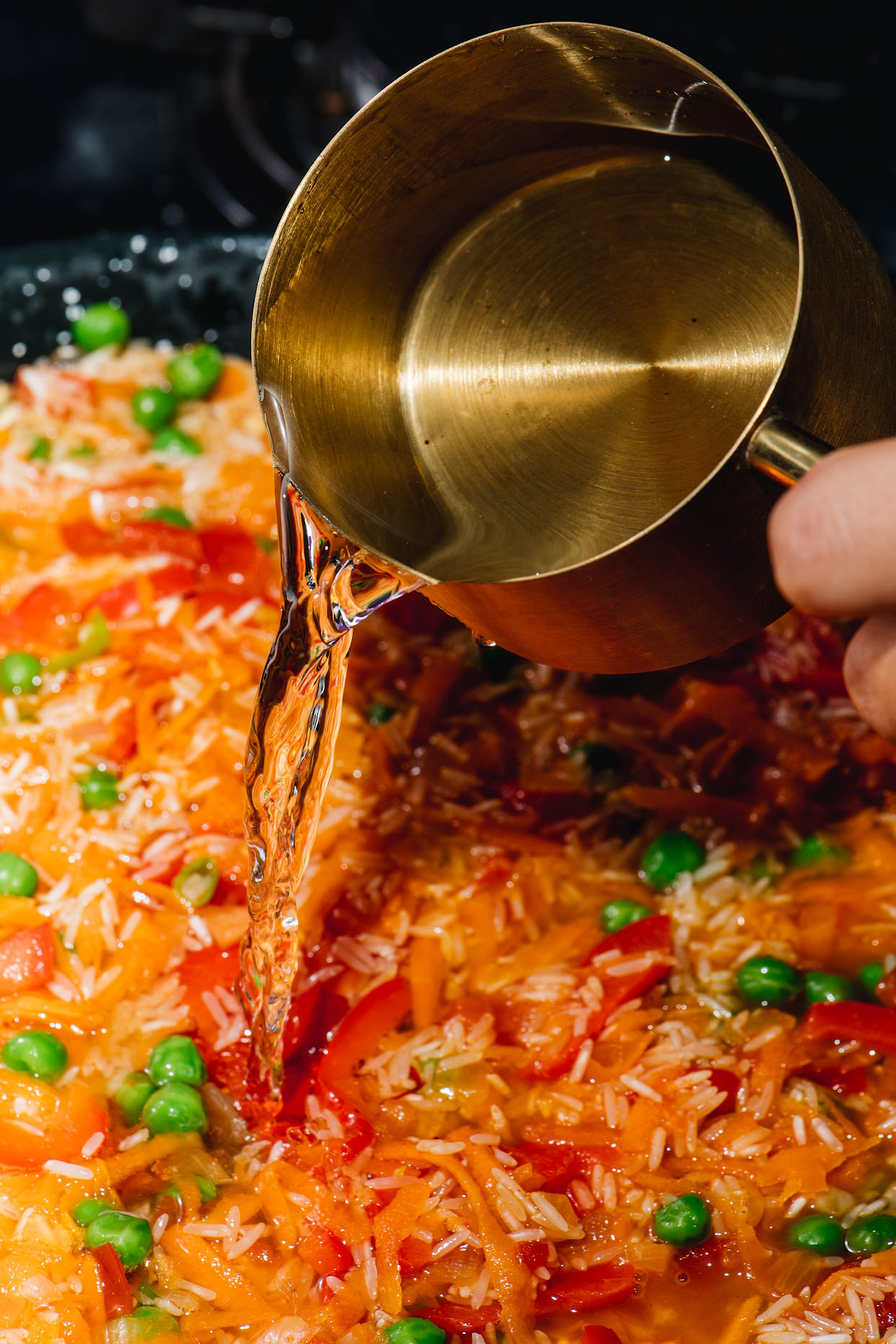
Pouring in the hot stock is where the no-stir part begins. Bring it to a lively simmer, then lower the heat so it bubbles steadily. From this point, do not stir.
A gentle pan shake is fine if one edge is racing ahead. A spoon is how paella becomes a very tasty risotto.
Cook uncovered until the basmati is nearly tender.
- Start checking sooner than you expect. The pan and rice brand change the timing.
- If the pan looks dry too soon but the grains are still firm, add reserved hot stock around the edges.
Local kitchen verdict: once the stock is in, patience does more than stirring.
4. Add the seafood late
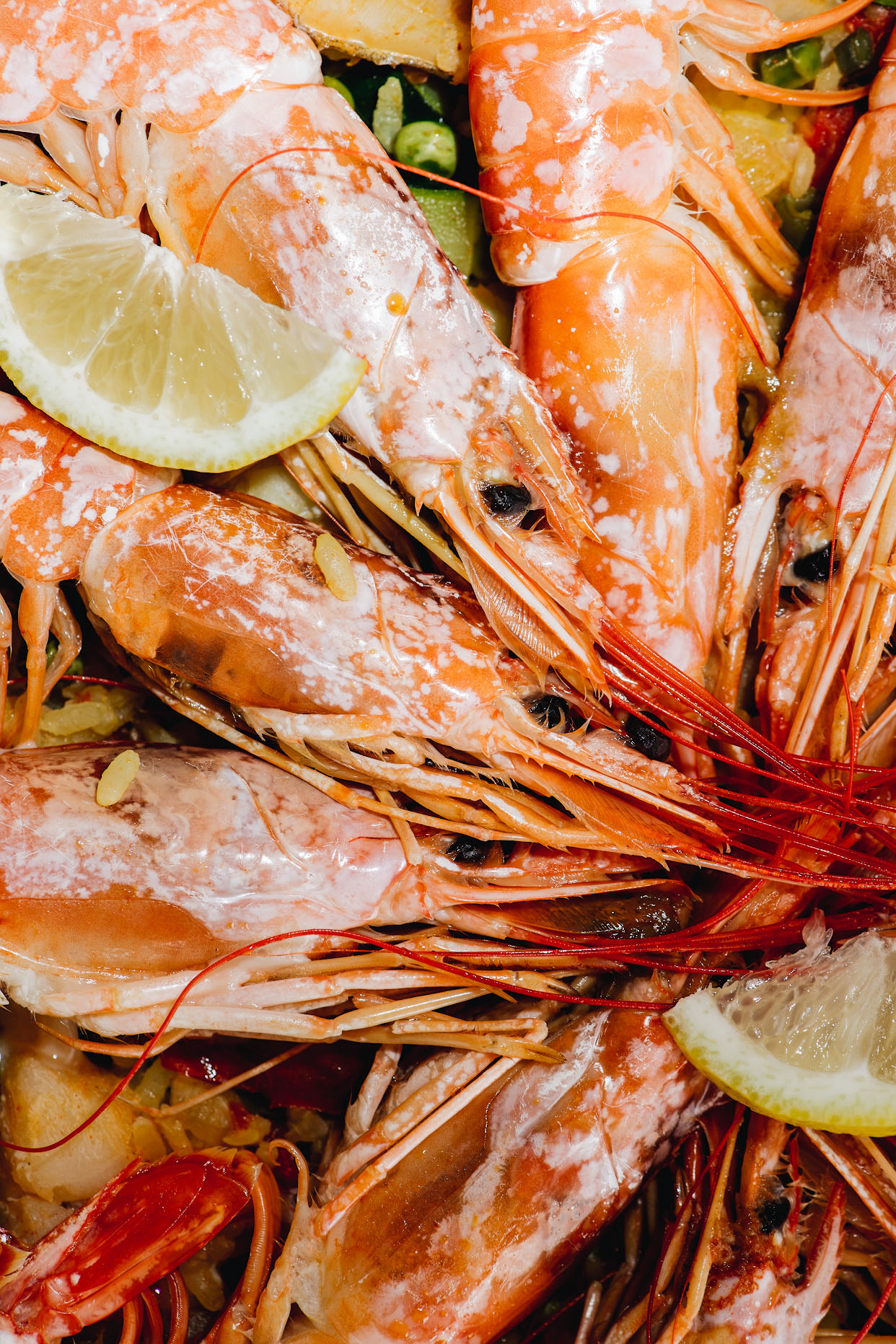
When the basmati is nearly tender, nestle the fish pieces into the rice and arrange the prawns on top.
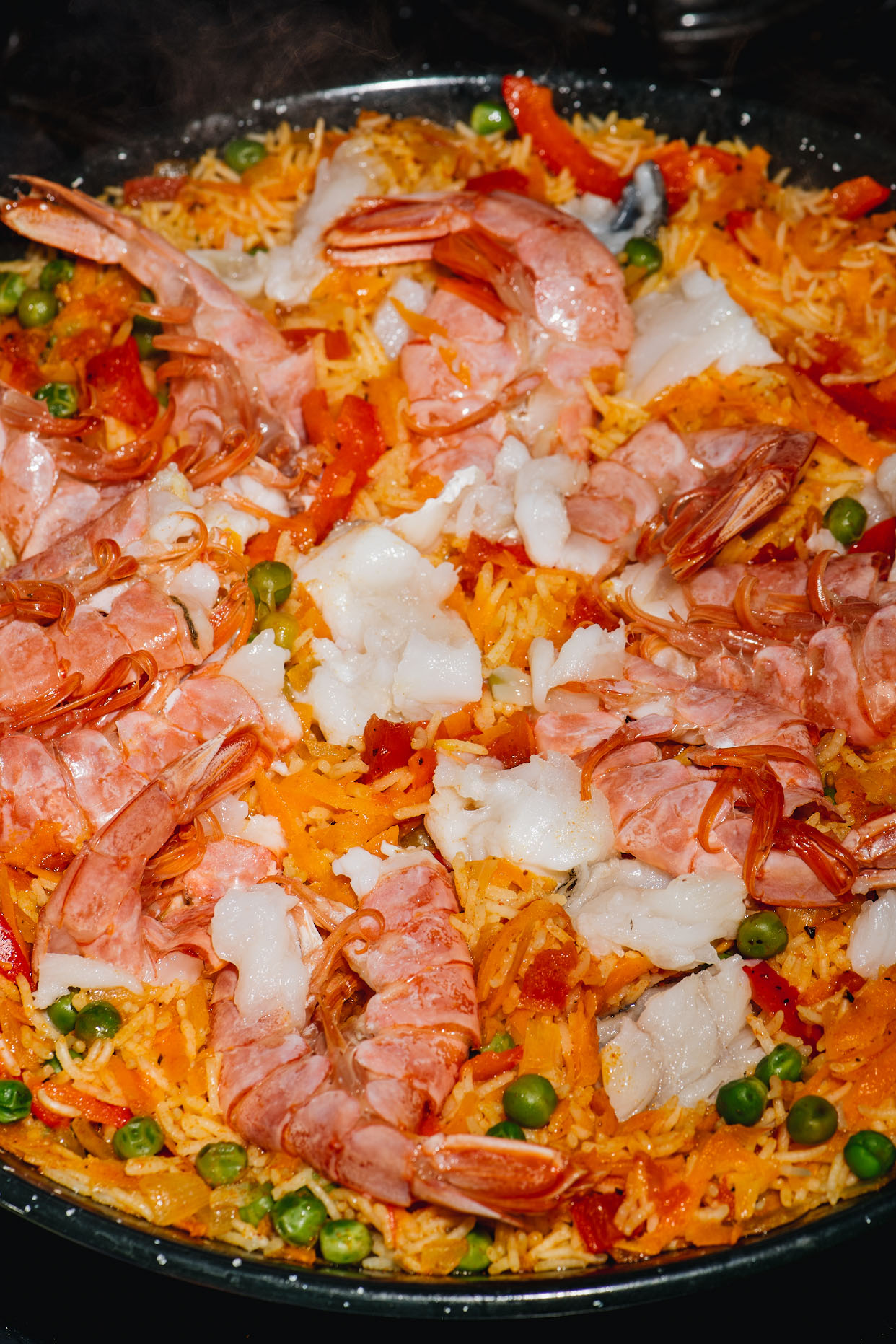
Cook until the fish is opaque and separates easily with a fork, and the prawns are firm and opaque. Add peas in the final few minutes so they stay green and sweet.
- For mussels or clams, use unbroken shells that close when tapped. Cook them until they open, then discard any that stay closed.
- For cooked seafood, fold it in at the end just to warm through. Otherwise it becomes a rubbery punishment.
Safety rule: keep raw seafood cold until it is time for the pan, then cook fish and prawns through before serving.
5. Make a little socarrat, then let it rest
When the liquid is mostly gone and the rice is just tender, turn the heat up for 30–60 seconds and listen for a quiet crackle. This makes the thin golden rice crust called socarrat.
If you are unsure, skip the heroics. Good rice is better than burnt rice.
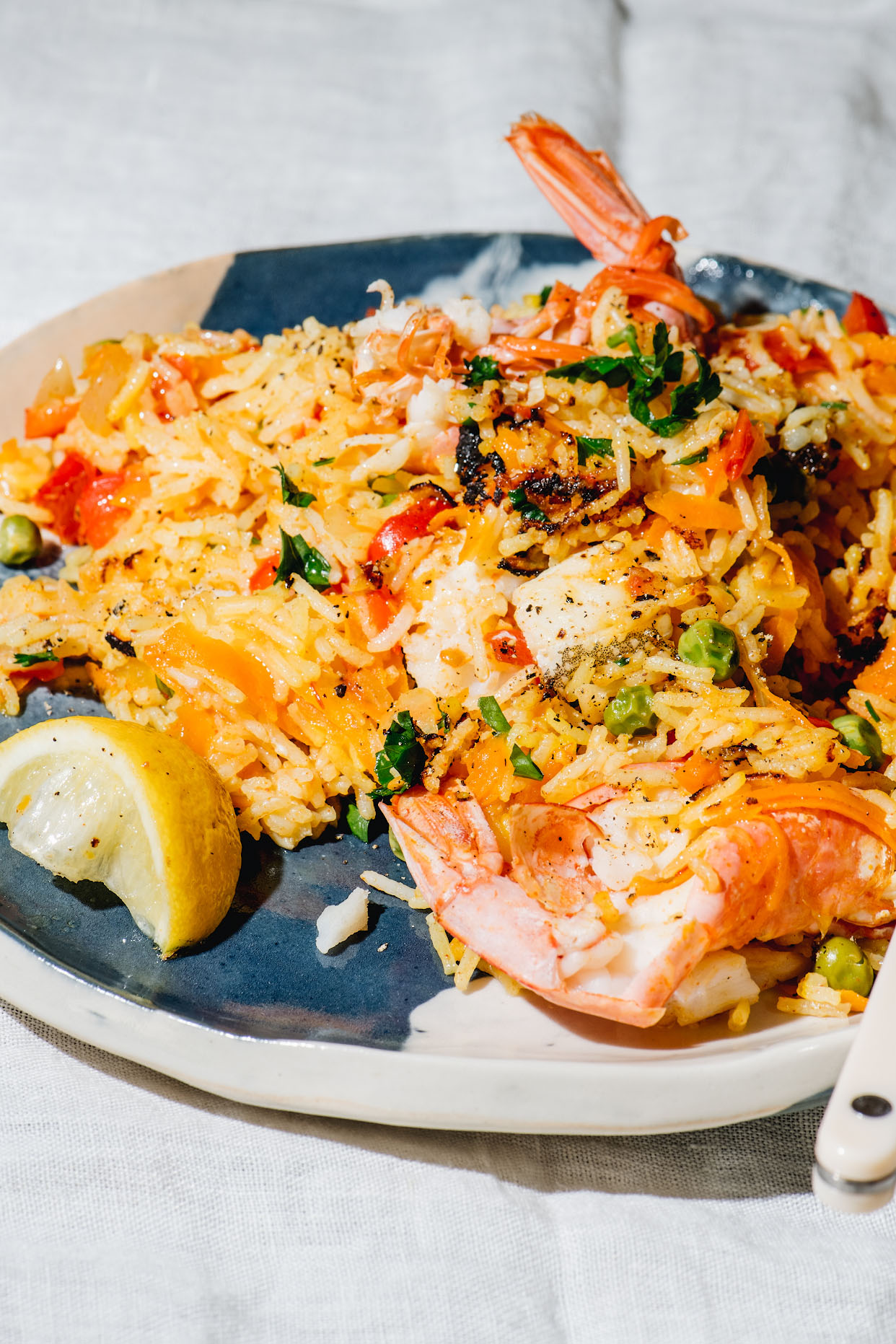
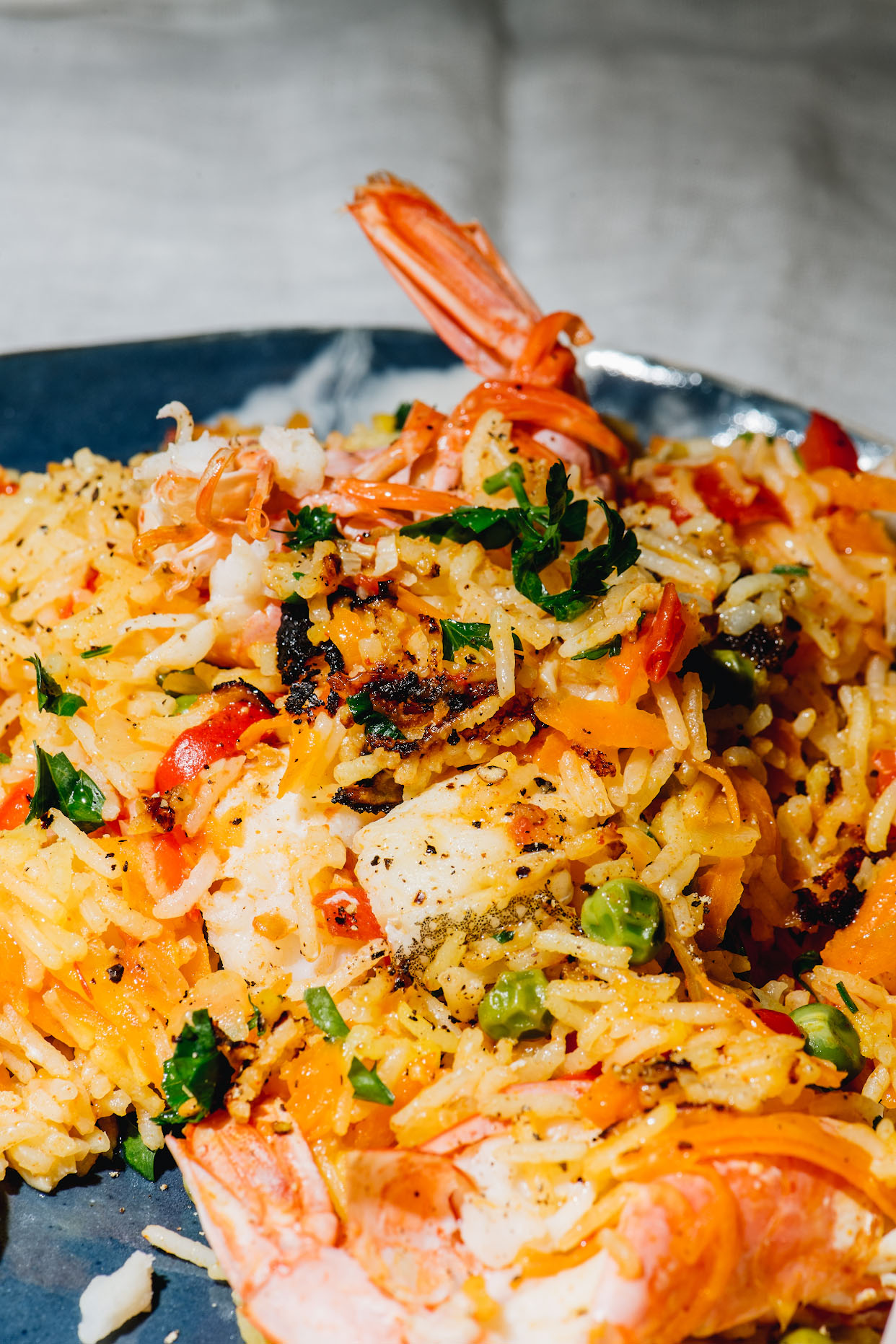
Take the pan off the heat, cover loosely with a clean tea towel or lid and rest for 5 minutes.
Finish with parsley and lemon at the table. The lemon should lift the seafood, not turn every spoonful into lemonade.
Local detail: let the pan rest before anyone starts serving. It gives the rice a moment to settle and gives the cook a moment to breathe.
Is paella healthy? A satisfying version without becoming sad
Healthy is not a magic label.
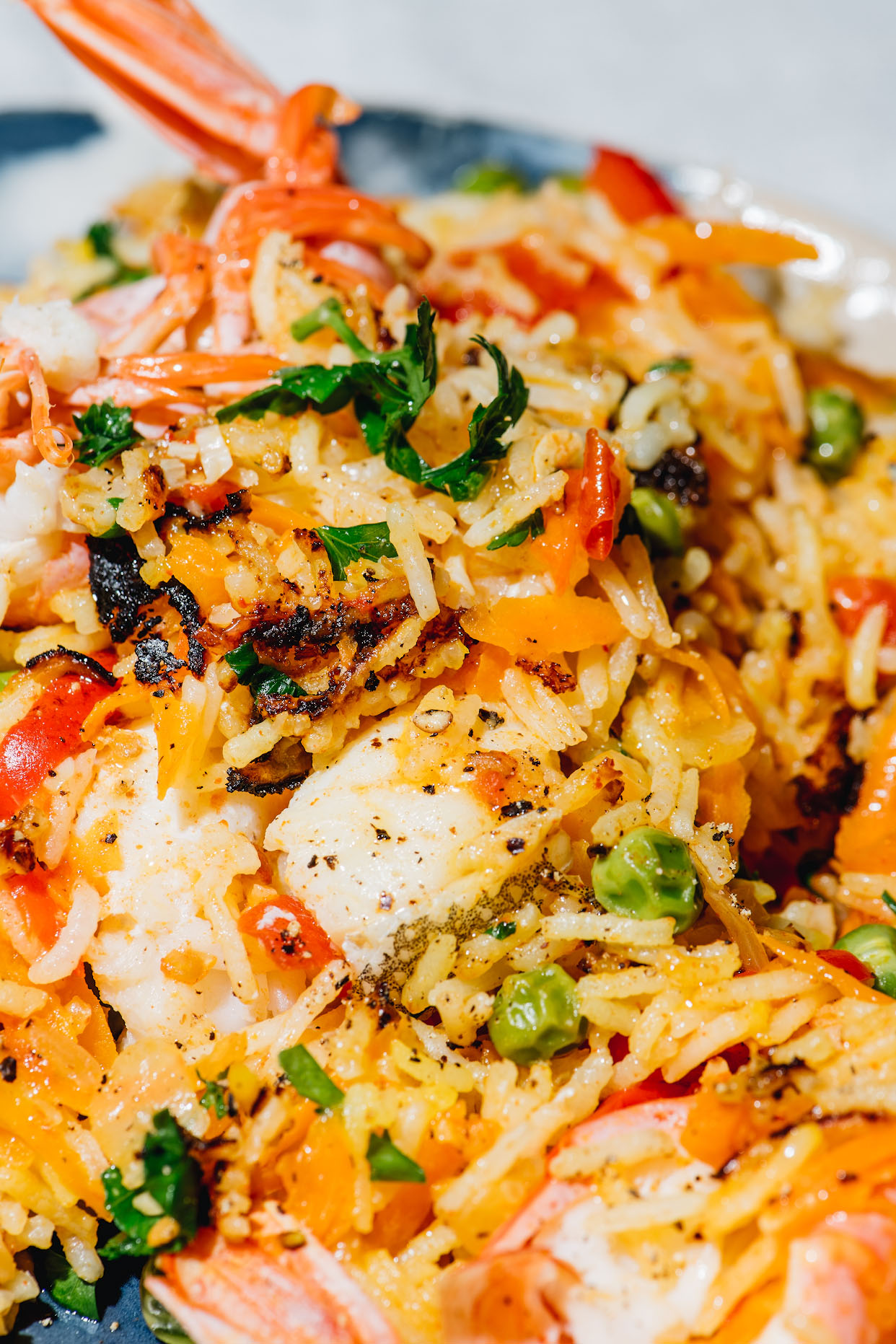
This paella is a satisfying meal built around seafood, vegetables, rice, olive oil and a portion that makes sense for your table.
It is not low-carb. It does not need to apologise for being rice.
- Use enough olive oil to cook the sofrito well, not a slick lake of it.
- Choose unsalted or lightly salted stock when possible, then season after tasting.
- Let vegetables support the rice instead of replacing it with cauliflower impersonation.
- Serve a sharp tomato salad or bitter leaves alongside if you want a fresher table.
This seafood paella can be gluten-free only if your stock and seasonings are certified gluten-free. Check the label rather than assuming a rice dish answers every ingredient question for you.
Substitutions that keep the dish itself
Prawns and firm white fish are easy to buy in Tenerife. That is why they are in our pan.
Elsewhere, use the freshest seafood you can source, or frozen seafood thawed safely in the refrigerator.
| If you do not have | Use instead | What changes |
|---|---|---|
| Long-grain basmati | Calasparra or another Spanish round rice | Use its own stock amount and start testing it earlier |
| Prawns | Large shrimp, mussels or clams | Use intact shells that close when tapped; cook until they open |
| White fish | Monkfish, cod or another firm fish | Use larger pieces; add late |
| Fresh tomatoes | Good passata or canned grated tomato | Cook it down until thick |
| Saffron | Nothing perfect | Do not try to fake it with a heroic amount of turmeric |
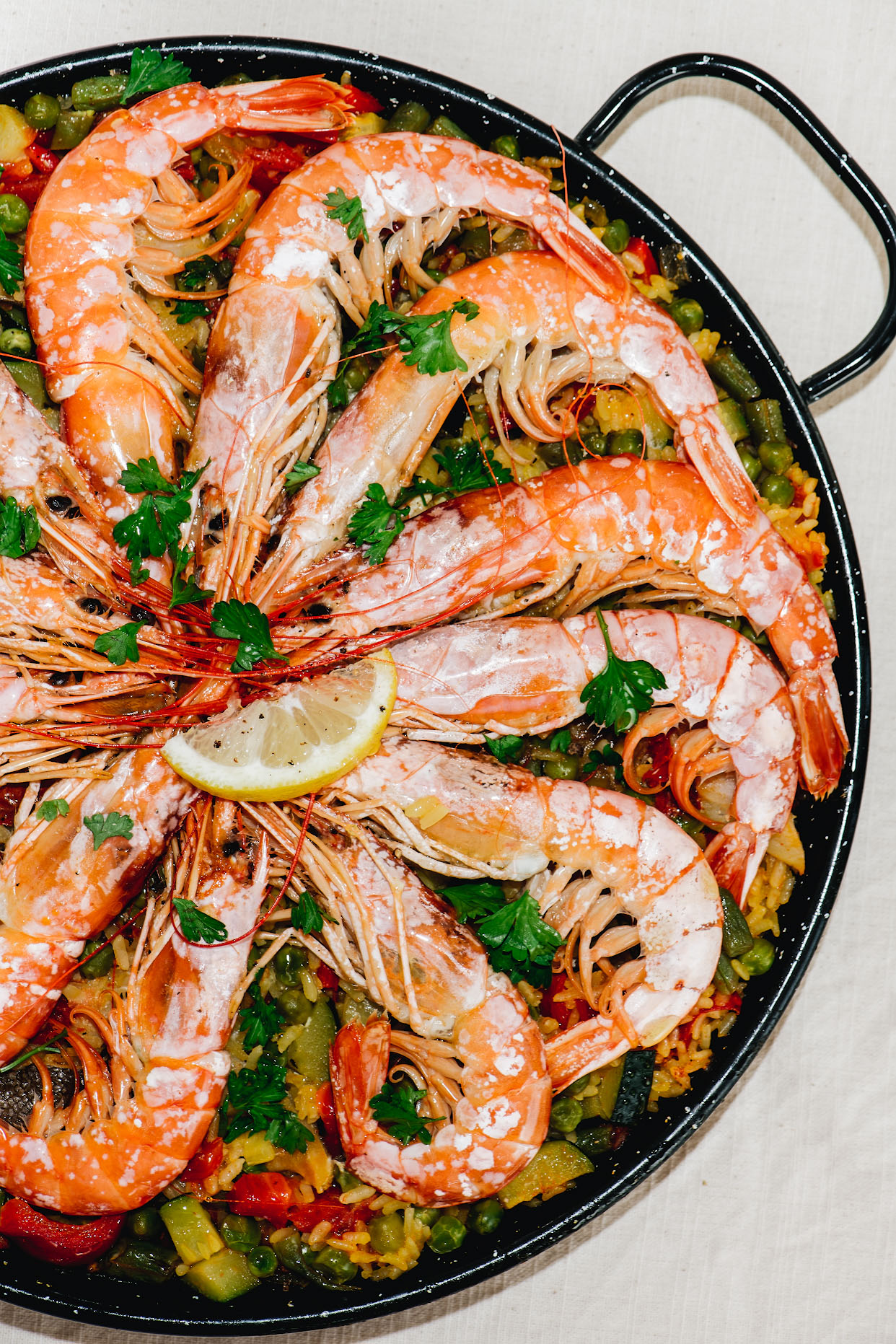
Kitchen verdict: chorizo is delicious, but it changes this into another style of paella. Add it because you want it, not because every Spanish rice dish needs a sausage chaperone.
Paella for a group: scale the pan, not just the shopping list
Paella is one of the best group meals because the pan arrives at the table already looking celebratory.
Common mistake: doubling the ingredients in the same pan. A deep layer of rice cooks unevenly and gives you very little chance of socarrat.
For eight people, use two pans or one truly large pan with enough burner coverage.
Keep the rice shallow, prep every ingredient in advance and serve the pan straight away. This dish enjoys an audience, not a queue.
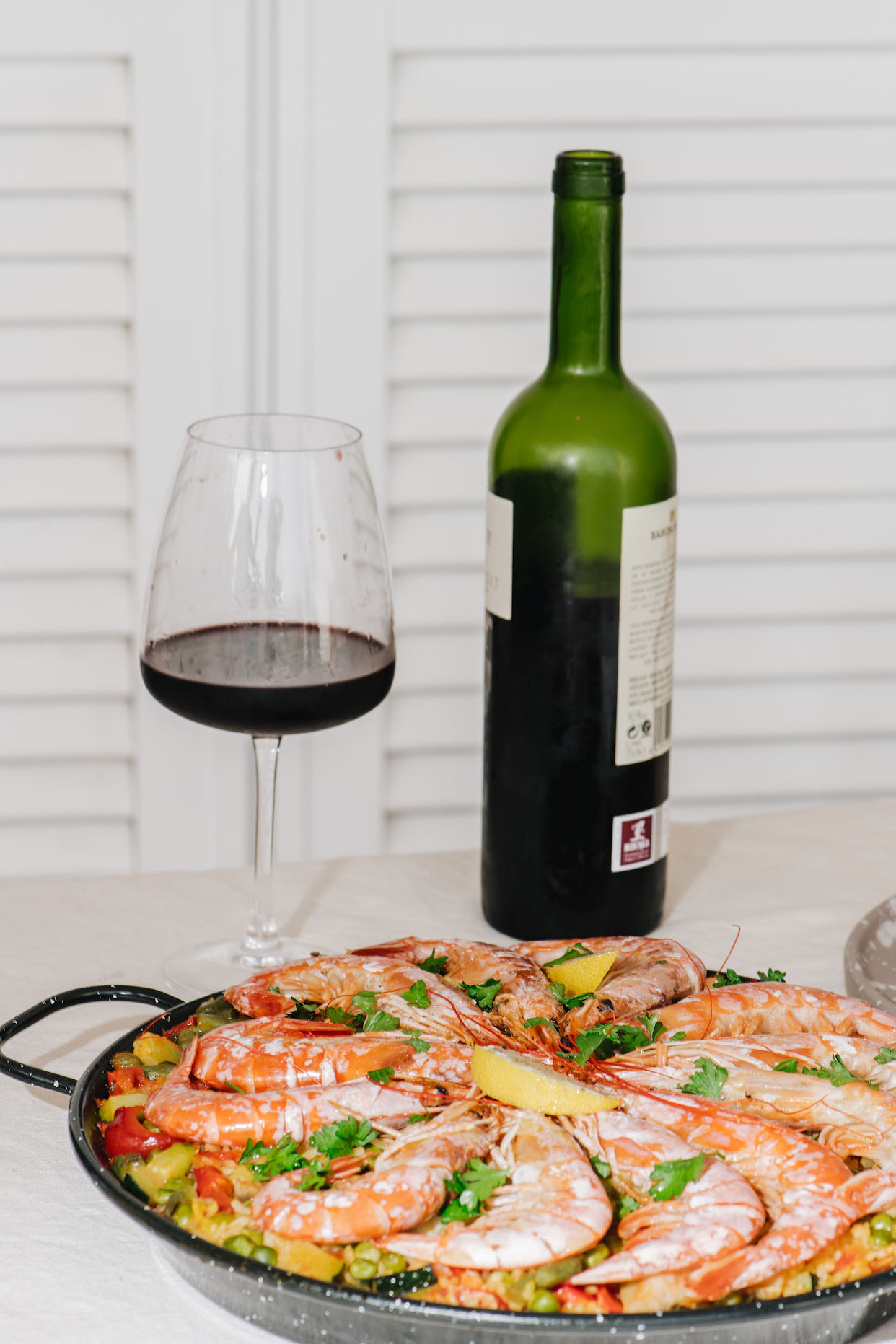
For a relaxed Tenerife-style table, add a green salad, crusty bread if you want it and something cold to drink.
You do not need five side dishes. The paella has already done the hosting.
Troubleshooting: rescue the pan without panic
Most paella mistakes are fixable while the pan is still warm. Breathe first, then match the problem to the fix below.
| What happened | Likely reason | What to do now |
|---|---|---|
| Rice is hard and the pan is dry | Heat was high or your rice needed more stock | Add hot stock in small amounts, cover briefly, then test again |
| Rice is soft and soupy | Too much liquid or too narrow a pan | Cook uncovered at a steady simmer; do not stir |
| Bottom is black | Heat was too high for too long | Do not scrape it through the whole pan; serve the good rice |
| Seafood is tough | It went in too early | Next time add fish and prawns only near the end |
| Flavour is flat | Under-seasoned stock or rushed sofrito | Season at the table now; build the base longer next time |
The finished rice should be tender with distinct grains and a little bite.
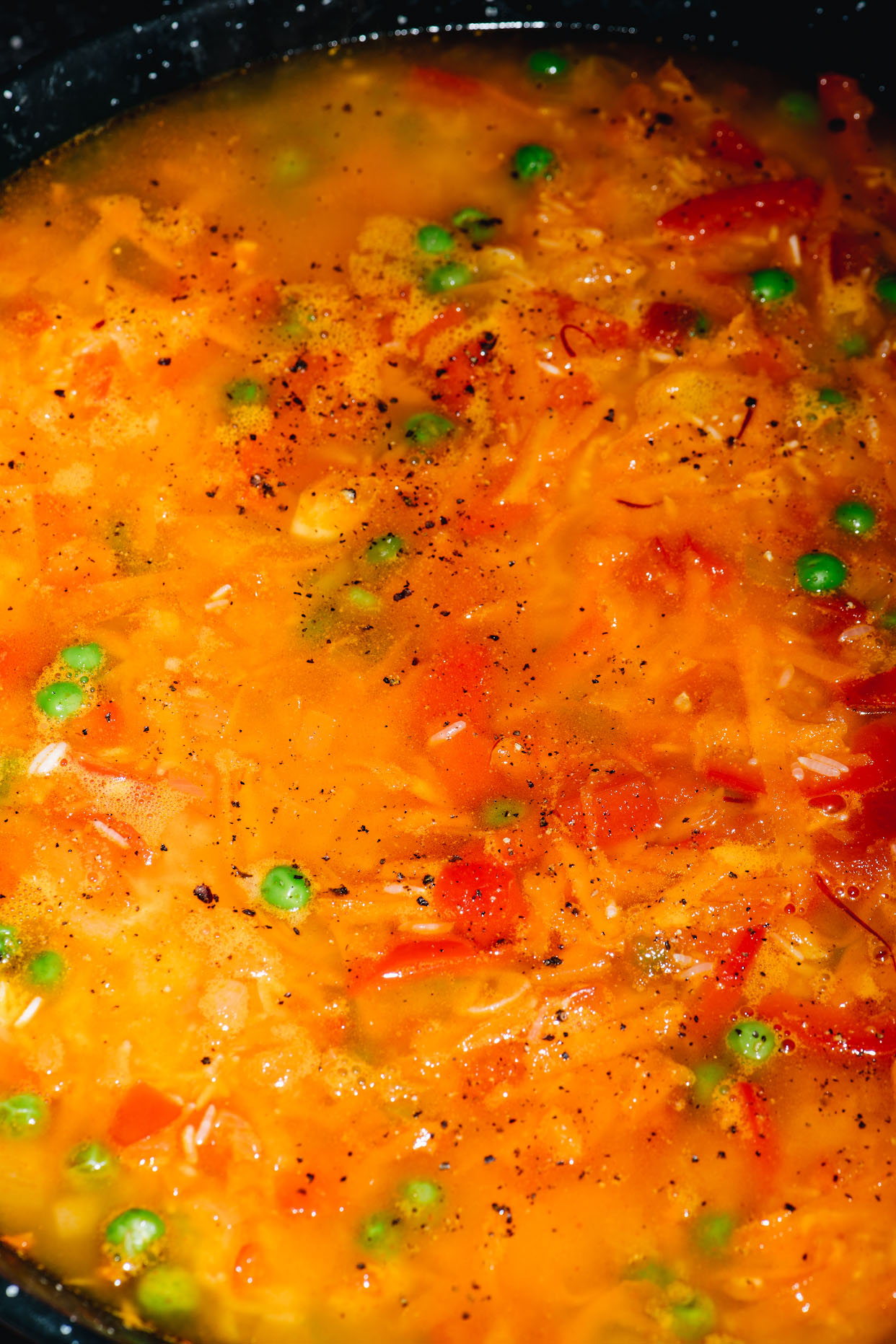
Local verdict: it should not be creamy, but it should not be dry enough to file paperwork on either.
Leftovers and seafood safety
Serve seafood paella hot. For leftovers, the timing matters as much as the recipe.
Safety rule: refrigerate leftovers in shallow containers within two hours of cooking, or within one hour on a hot day. Reheat only the portion you will eat, until it is steaming hot throughout.
If seafood sat out for longer than two hours, or longer than one hour on a hot day, discard it. If it smells sour, rancid, fishy or of ammonia, do not rescue it with optimism.
Seafood paella FAQs
These are the questions that come up most often once the pan is on the stove.
What is paella?
Paella is a Spanish rice dish named for the wide, shallow pan it is traditionally cooked in. It comes from Valencia, but there are many regional and household versions, including seafood paella.
Can I make paella without a paella pan?
Yes. Use the widest shallow skillet you have and keep the rice in a thin layer; the pan shape matters more than owning a pan called paella.
Do I stir paella after adding the stock?
No. Stirring releases starch and makes the rice creamier, so level the rice and leave it alone apart from an occasional gentle pan shake.
Which rice do you use for this paella?
I use long-grain basmati because I like its light, separate grains. Bomba and Calasparra are excellent Spanish round rices, but they need their own stock amount and timing.
Can I use frozen seafood?
Yes, if it is thawed safely in the refrigerator and added at the right time. Dry it well first so it does not cool the pan and water down the rice.
How do I get socarrat without burning the whole pan?
Wait until the rice is almost tender and the liquid is nearly gone. Then give the pan 30–60 seconds of slightly higher heat; a gentle toast is enough.
What to serve with paella?
A sharp salad, lemon wedges and something cold to drink are enough. Paella is the main event, and it prefers not to compete with a crowded table.
Local detail: if you make it, tag us from your kitchen. I want to see the rice, the prawns and the tiny bit of chaos around the pan—that is usually the best part.
A little more from my kitchen
If you would like to stay in my kitchen a little longer, these two videos are for you. The first is about the small rituals that make home feel like home.
And this one is a cosy food watch for the next day you feel like cooking something warm.
Make the next Mediterranean dinner less of a puzzle
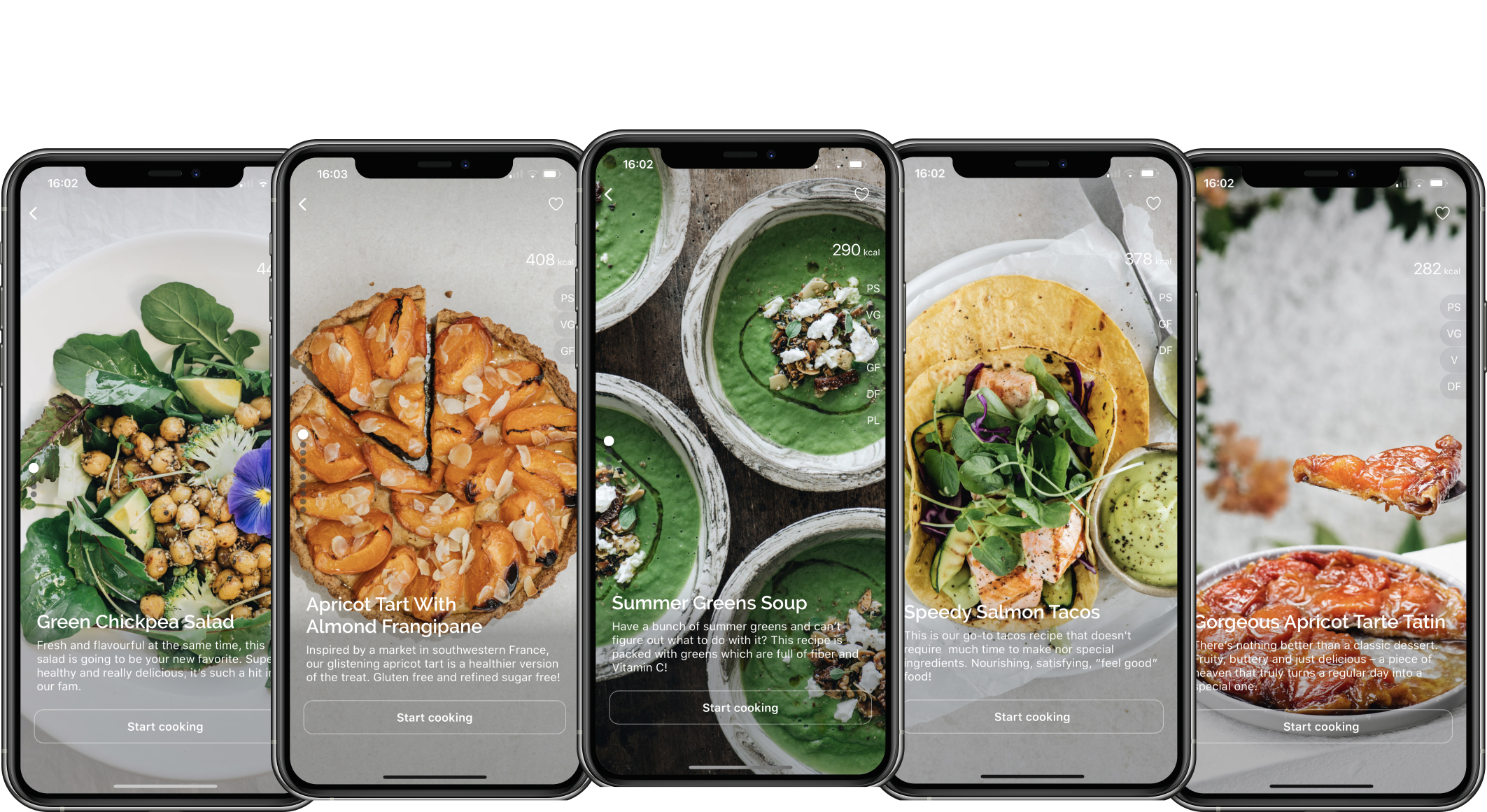
I built Greeny for the ordinary evenings too: chef-created recipes, a calm meal plan, and a shopping list that does not require seventeen open tabs. It is a useful companion when you want healthy Mediterranean cooking to feel generous, not preachy.

