

The best SIM card in Tenerife depends on three boring but important questions: how long you are staying, how much data you really use, and whether you need a Spanish phone number. A tourist coming for six days should not casually adopt a long-stay contract just because the salesperson says the word unlimited with confidence.
I have kept the useful bones of my old Tenerife mobile guide, but the old prices are history.
The Spanish market has become more generous with data. Activation rules, roaming limits and promotional extras have also become more complicated. Here is the current practical version, checked on 2026-07-13.
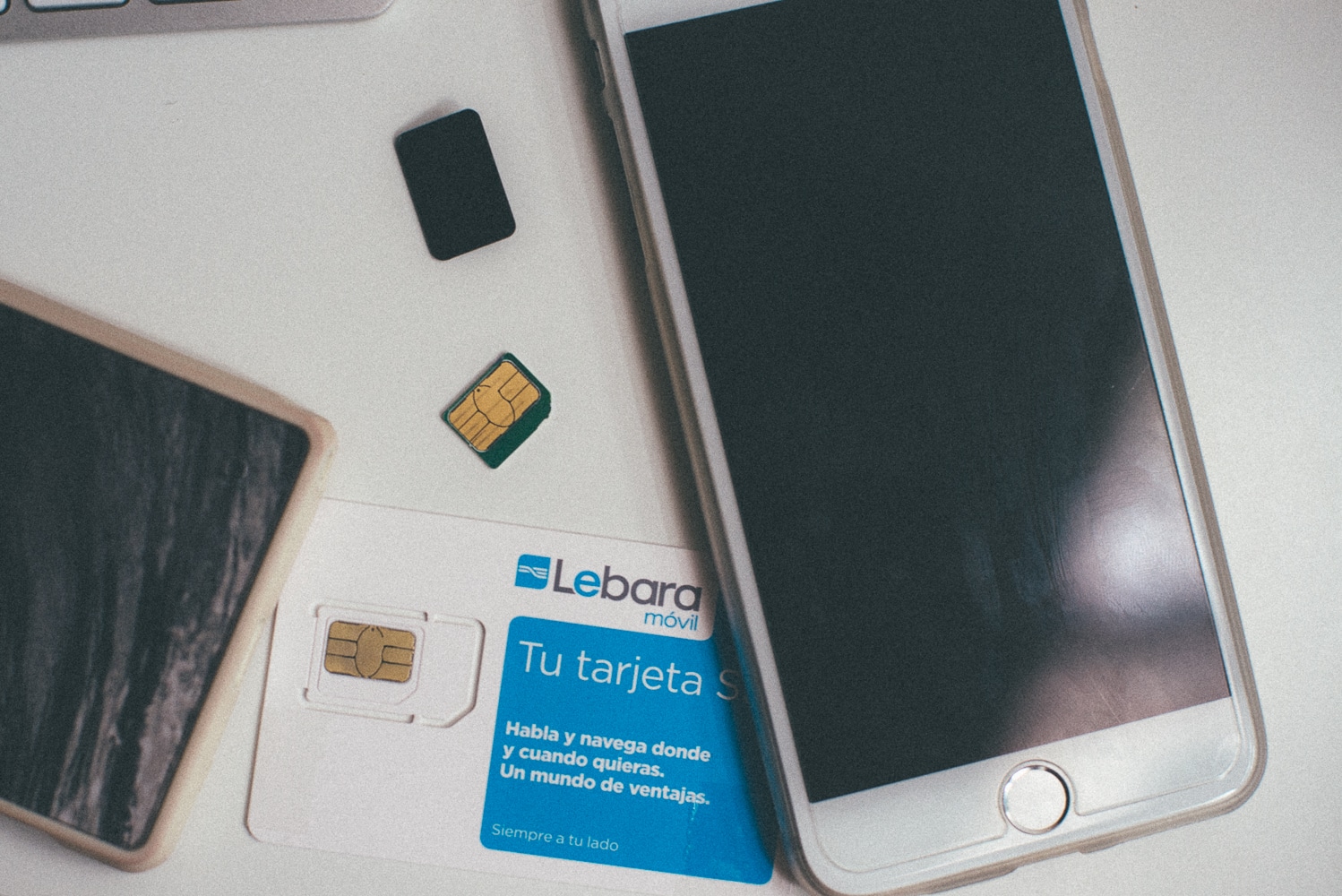
Quick verdict by trip length and traveler
For one to seven days, keep your home SIM active and use EU roaming if your allowance is good and your operator confirms Spain is included. If you are outside the EU roaming area or your home plan is expensive, Vodafone’s official DataOnly eSIM is the lowest-friction tourist option I found: data-only, no Spanish number, 5G, instant email delivery and no shop visit. A local prepaid Vodafone, Orange or Lebara eSIM also works if you want calls or a Spanish number.
- One to seven days: home SIM with confirmed EU roaming, or a data-only eSIM if you need certainty before landing.
- One to four weeks: a 28-day prepaid plan. Vodafone Prepago S at €10 is the cleanest all-round arrival option; Orange Prepago 10 and Lebara Todo Incluido 10 are serious alternatives.
- One month or more: compare DIGI, Lowi, O2, Simyo and MásMóvil. A cheap Spanish plan can beat tourist eSIM pricing, but online registration and address friction matter.
- Heavy hotspot: start with a high-data Vodafone, Orange or Lebara prepaid plan, but read tethering and fair-use terms. For a real remote office, fixed internet is still less romantic and more reliable.
- International calls: Lebara, Vodafone and Orange deserve a closer look. WhatsApp is not a substitute when your landlord, clinic or rental-car desk wants a normal number.
My local answer: buy flexibility first. You can always upgrade data. Escaping an unwanted monthly renewal after you have left the island is less entertaining.
SIM, eSIM or roaming from home?
A physical SIM is still the simplest choice if your phone is old, your model is imported, or you want to walk into a shop with a passport and leave with a working line. It also gives you something physical to remove before the flight home. This is not glamorous technology, but it is hard to misunderstand.
An eSIM is better when you land late, want to keep your home SIM in the phone, or do not want to find a shop before the first airport transfer. Check that the phone is unlocked and eSIM-compatible. Dial *#06#: an EID usually means the device can use eSIM. You need Wi-Fi or another working data line to download the QR profile.
A dual-SIM setup is my favourite arrangement: home SIM for your existing number and bank messages, Spanish eSIM or physical SIM for data and local calls. Set the Spanish line as mobile data, leave data roaming off on the home SIM, and choose which line handles outgoing calls. WhatsApp normally stays attached to your old number unless you deliberately change it.

Before buying anything, check four things: the phone is unlocked, the bands are compatible, you know where the SIM tray pin is, and you can receive a verification SMS on the number you are registering. The last one is where clever travel plans occasionally meet a very ordinary wall.
The best eSIM is the one your phone can install before the airport transfer, not the one with the loudest data number.
Coverage on Tenerife: the honest version
In the south resorts, Santa Cruz, La Laguna and most main roads, the large networks are usually perfectly usable for maps, messaging, calls and normal video. The island becomes less predictable in rural valleys, Anaga, the Teno roads, high Teide and inside thick-walled apartments or underground garages.
Do not read a national coverage percentage as a promise that your phone will work beside every volcano. Provider maps are estimates, normally strongest outdoors, and indoor signal depends on walls, floor level, antenna direction, the handset and congestion. Vodafone’s map specifically warns that its coverage view is exterior-estimated; that is a useful warning for everyone, not only Vodafone customers.
- South resorts and the airport corridor: all major networks are reasonable starting points; check the exact apartment if you work from it.
- Santa Cruz and La Laguna: strong urban coverage, but old buildings can still turn a good plan into a window-side plan.
- Rural north, Anaga and Teno: expect pockets of weak or absent service. Download maps and do not use mobile signal as your only emergency plan.
- Teide and high mountain roads: coverage can disappear, weather can change, and 5G is not the point. Tell someone your route and keep offline information.
- Indoor and underground spaces: Wi-Fi calling may help if your provider and phone support it; otherwise walk toward a window, the oldest Spanish connectivity ritual.

Check the official Movistar coverage map, Vodafone map, Orange 5G map, Lowi/Vodafone map or Simyo/Orange map for the address that matters. For a remote rental, ask the host which network actually works in that building.

Coverage maps are useful before the trip. Offline maps are useful when the mountain has the final word.
Current prepaid and mobile prices compared
The table below uses official provider pages checked on 2026-07-13. Prices are the advertised headline prices I could verify, generally including Spanish VAT where the provider says so. The Canary Islands use IGIC and some sites display a different Canary total or only reveal the local price in the purchase flow. Treat every promotion, bonus gigabyte and ‘unlimited’ label as temporary until you read the current conditions.
| Provider and official plan | Price checked | What the page currently says | Best fit / catch |
|---|---|---|---|
| Vodafone Prepago S | €10 / 28 days | 90GB 5G; unlimited national and Romania calls; 500 international minutes; 15GB EU/UK roaming; eSIM instant or SIM delivery | Best low-friction all-rounder. Auto-renewal and 28-day cycle still need managing. |
| Orange Prepago 10 | €10 / 28 days | 80GB shown as 60GB accumulable + 20GB extra; unlimited national calls; 500 international minutes; 15GB EU roaming; SIM or eSIM | Good shop and international-call option. The extra 20GB is promotional, not a permanent baseline. |
| Movistar Prepago Plus | €10 / 28 days | 60GB plus 10GB each renewal; unlimited national/EU calls; 200 international minutes; 15.03GB roaming | Coverage, shops and support. Prepaid eSIM requires a Movistar shop; not the quickest airport solution. |
| Movistar Navega add-on | €2 / 7 days | 1GB 5G+ data add-on; no commitment; national and EEA roaming | Useful if you already have a prepaid line. It is not a complete stand-alone tourist plan. |
| DIGI IlimiTODO | €10 / month solo | Unlimited data and calls; €8 with fibre; lower per-line prices with multiple lines; eSIM free; no mobile permanence | Interesting for heavy users and families. The €6 100GB figure is a fibre bundle, not a tourist-only price. |
| MásMóvil prepaid | €5–€20 / 28 days | 15GB €5; 20GB €7; 60GB €10; 240GB €15; 300GB €20; speed drops to 64kbps after allowance | Cheap high-data menu. Check the included minutes, activation route and renewal terms before paying. |
| Simyo prepaid | From €2 / 28 days | 15GB + 0 minutes shown at €2 mainland / about €1.77 Canary tax column; 50GB + 0 minutes €4.50 / about €3.98 Canary; higher voice bundles available | Potentially the cheapest useful data. The zero-minute plans suit WhatsApp, not normal calls; confirm eSIM and onboarding. |
| Lowi mobile | €8–€20 / month | 50GB €8; 100GB €10; 150GB €15; 300GB €20; unlimited calls; 5G; accumulated data; EEA roaming; eSIM QR | Excellent long-stay value on Vodafone’s network. Online contract onboarding is less convenient for a short visitor. |
| O2 mobile | €7–€20 / month | 50GB €7; 100GB €10; 150GB €15; 300GB €20; unlimited calls/SMS; Telefónica 5G+; no permanence | Good resident or renter option. It is a contract-style online purchase, not my first airport recommendation. |
| Yoigo prepaid | €10–€35 / 28 days | 25GB €10; 50GB €15; 100GB €20; 150GB €35; 5G; unlimited national calls; EU roaming; automatic renewal | Clear pricing, but delivery to the Canary Islands can take seven days and ID is checked at delivery. |
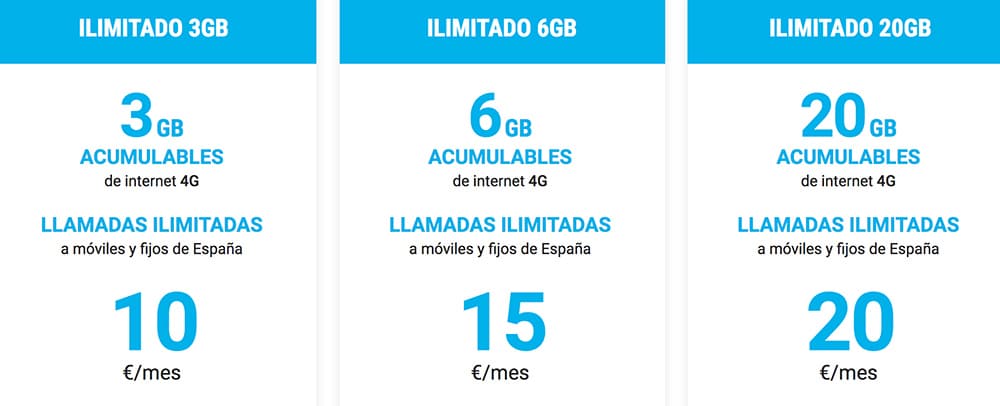
| Lebara Todo Incluido eSIM | €7–€30 / 28 days | 7GB €7; 100GB €10; 250GB €15; 300GB €20; unlimited national calls; 100–2,000 international minutes; EU roaming data | Strong for international calls and instant eSIM. Verify the destination list and 28-day renewal before topping up. |
The genuinely cheapest useful option depends on what ‘useful’ means.
Simyo’s low-data/no-minutes bundles win on pure price if you mainly use WhatsApp. MásMóvil, Lowi and DIGI are stronger value for a month of heavy data.
Vodafone is the easiest recommendation when arrival friction matters more than squeezing the last euro. Lebara is the logical specialist when calls abroad are part of the plan.
Cheap data is not cheap if the plan cannot activate on your phone, renews while you are away, or leaves you without the calls you actually need.
Which provider fits which traveler?
Short tourist trip: Vodafone, Orange or a data-only eSIM
For a one- or two-week holiday I would choose Vodafone Prepago S if I want a Spanish number, local calls and a fast eSIM.
If I only need maps, ride apps and messages, I would compare the official Vodafone DataOnly eSIM. It has no phone number or contract and is designed for international visitors. Orange is also practical if there is a convenient shop and you need international minutes.

Digital nomad or long-stay renter: compare DIGI, Lowi, O2 and Simyo
For one month and beyond, I would stop thinking like an airport customer. Check the exact address and whether the plan is prepaid or contract.
Also check how the first payment works, whether you can get eSIM, and what happens after the data allowance. Lowi and O2 are clean resident-style options; DIGI and Simyo are more aggressive on price.

A stable apartment Wi-Fi connection still matters more than a heroic mobile bundle if you work all day.
Family or heavy hotspot: Orange, Vodafone, DIGI or a fixed connection
A family should compare total lines, not one impressive number. DIGI discounts multiple lines and Lowi allows data sharing between Lowi users.
Orange and Vodafone have large prepaid tiers with calls included. Test hotspot on the actual handset.
Do not assume an unlimited phone plan is a replacement for a router. Video calls, cloud backups and streaming can eat a supposedly enormous allowance with professional enthusiasm.
For a working family, the right question is not ‘how many gigabytes?’ It is ‘which line carries the laptop when the apartment Wi-Fi gives up?’

Calls abroad: Lebara first, then Vodafone or Orange
Lebara’s current prepaid eSIM menu is still built around international calling. Its minutes and country lists are more useful than a generic ‘unlimited’ badge.
Vodafone and Orange also include international minutes in several prepaid plans. Check whether a destination means landlines only, which mobile prefixes are excluded, and whether the minutes are calls from Spain rather than roaming calls abroad.
Emergency-only phone: a small prepaid bundle or your home SIM
For an emergency phone, keep the home SIM active if it has no punishing roaming charge, or use a tiny local prepaid bundle and make a test call before leaving the shop. Download offline maps anyway. In Anaga or Teide, the best emergency plan is still telling someone where you are going and not treating the last signal bar as a rescue service.

Buying and activating a Spanish SIM
Spanish prepaid lines are registered. Bring your passport or EU identity document; the exact accepted document and verification flow depends on the operator and sales channel. Orange explicitly describes passport, DNI or NIE validation. Vodafone’s online help asks for identity details and its eSIM flow uses online identification. Do not hand over a blurry document photo to an untrusted kiosk just because the queue behind you is growing.
- Buy in an official Movistar, Orange or Vodafone shop if you want human help and immediate physical activation. Lebara is also available online and through partner shops/locutorios.
- Ask for prepago, not contrato, unless you genuinely want a resident-style monthly arrangement. Say the number of days and whether you need a Spanish number.
- Before leaving, ask the seller to make a test call, check mobile data, confirm the phone number and show you the renewal date.
- If the phone has no data, restart it and check the operator’s current APN instructions. Old blog posts often preserve APNs that have since changed.
- Keep the packaging, PIN/PUK and receipt. They are boring until the line stops working on a Sunday.
Online delivery is less useful when you are already on the island without a Spanish address. Yoigo’s official page says Canary delivery can take about seven days, while Vodafone advertises physical SIM delivery in 24–48 hours and instant prepaid eSIM. Those are different products with different friction, not contradictory promises.
If you are based in a resort, the useful next decision is usually geographical rather than telecom-related. Compare Los Cristianos for no-car logistics, Las Americas for central resort energy, or El Médano if wind and a less glossy town matter more. If you like choosing a base by ordinary errands, browse the Tenerife farmers markets too. If you are staying longer, read where to stay in Tenerife before signing a contract around one apartment.
For the rest of the island, my useful next reads are La Laguna for old streets and student life, La Orotava for a greener north-side base, and the Teide guide before you trust a signal bar at altitude. Families can use the Tenerife with kids guide; winter visitors may want Christmas in Tenerife; and wind-sport people should see the practical El Médano kitesurfing guide.


A little Tenerife planning help
Do not let the phone plan become the holiday plan.
Once the practical connection is sorted, use my Teide planning guide to build the volcano day around weather, timing, layers and the route that fits your base. Your phone should support the plan, not become the plan.

EU roaming, international calls and dual SIM
If your home operator is from the EU/EEA, Spain normally falls under EU ‘Roam Like At Home’. The European Commission still warns that operators can apply fair-use data limits.
Check your own tariff, not a friend’s memory. A plan from the UK, Switzerland or another non-EU country may have its own agreement or may be expensive; do not infer coverage from the flag on your passport.
EU roaming is a rule with conditions, not a magic sticker. Check the home operator before you fly.
A Spanish-issued plan can also roam in the EU, but the amount of data may be lower than the Spanish allowance. Vodafone S lists 15GB in EU/UK, Orange Prepago 10 lists 15GB in EU, Movistar Plus lists 15.03GB in its current page, and other brands publish their own caps. Read the roaming column before using a Spanish SIM as your Europe-wide plan.
For dual SIM, leave the home line on for bank SMS but turn off its data roaming. Use the Spanish line for data. If you make a call, watch which line the phone selected. A phone can be clever in several menus at once and still choose the expensive one.

WhatsApp, Signal and FaceTime calls use data and normally keep your existing account. Normal calls to Spanish numbers, landlords, clinics, car-hire desks and local businesses are where a Spanish number becomes genuinely useful. International minutes usually exclude premium numbers and may distinguish fixed from mobile destinations.
Data, hotspot, 5G and unlimited wording
For maps, messaging, restaurant searches and occasional photos, 5–15GB is already comfortable for most short trips.
Video calls, cloud backups, tethering a laptop, streaming, uploading video and remote work can consume 50GB faster than expected. Use Wi-Fi for system updates and photo backups, and set a data warning on the phone.

5G is useful when the handset, tariff, local cell and congestion all agree. It is not a guarantee of better rural coverage, and it can use battery faster. In Tenerife, a stable 4G signal in a mountain town is more useful than a 5G badge that disappears when you turn the corner.
Treat ‘unlimited’ as a question, not an answer. Ask: unlimited at what speed, for which traffic, with what fair-use policy, and is hotspot allowed?
DIGI, Orange and Vodafone publish large or unlimited-looking bundles, but the exact conditions differ. If you need a router or a full-time hotspot, choose a plan that explicitly supports that use or buy a separate fixed/mobile-home product.
A big data allowance is comforting. A clear hotspot rule is more useful.
Common buying and cancellation mistakes
- Buying at the airport because the sign says tourist, without comparing the official provider pages first.
- Confusing 28 days with a calendar month. Your plan may renew four weeks after activation, not on the first day of the next month.
- Leaving enough balance for automatic renewal, then discovering the line charged you after the holiday. Turn off auto-renewal in the app or do not leave funds available; confirm the operator’s exact cancellation method.
- Assuming unused data lasts forever. Many bundles accumulate only if you renew; others expire after 28 days. Read the provider’s conditions.
- Choosing a contract because it is €2 cheaper, then finding it expects a Spanish address, bank details or a portability process.
- Putting the SIM in without saving the original SIM, PIN and PUK. Small plastic cards are excellent at hiding in hotel rooms.
- Expecting one network to work equally well in an old La Laguna house, a Teide car park, an Anaga ravine and a concrete apartment basement.
For current official details, open the provider page on the day you buy.
Promotions move quickly and product names change. A plan that was brilliant in the old guide may now be a museum exhibit with a monthly charge.
FAQ
What is the best SIM card in Tenerife for tourists?
For most tourists, a 28-day prepaid plan from Vodafone, Orange or Lebara is easier than a contract. Vodafone Prepago S is the cleanest all-round choice when you want a Spanish number, large data allowance, eSIM and EU/UK roaming. Choose a data-only eSIM if you only need internet and want to avoid a shop visit.
Is it cheaper to buy a SIM card in Tenerife or use an eSIM?
A local prepaid SIM or local-number eSIM is often cheaper per gigabyte than a generic travel eSIM, especially for a month or heavy use. A travel or data-only eSIM can still be cheaper in time and stress for a short trip if it activates before landing. Compare the total price, number, roaming, hotspot and activation effort.
Can I buy a Spanish SIM with a passport?
Usually you need an identity document and the line must be registered. Orange explicitly lists passport, DNI or NIE in its prepaid validation flow. Bring the original passport, not only a photograph, and expect an online eSIM provider to use identity verification.

Which mobile network has the best coverage on Tenerife?
There is no honest island-wide winner for every building and mountain road. Movistar, Vodafone and Orange all have strong practical cases, while MVNOs use a host network or network arrangement. Check the provider map for your accommodation and accept that Anaga, Teno and Teide can have gaps on every network.
Does an EU SIM work in Tenerife?
Usually, EU/EEA plans roam in Spain under EU Roam Like At Home, subject to your tariff and fair-use limits. Check your operator before flying. UK, Swiss and non-EU plans depend on their own agreements and can be very different.
What is the cheapest useful mobile plan in Spain?
For pure data, Simyo’s current prepaid table shows very low-cost bundles, including 50GB with no minutes at its Canary tax column. For a quick visitor who also wants easy activation, Vodafone’s €10 Prepago S is a more practical value choice. The cheapest number on a page is not always the cheapest plan after activation friction and unused data.
Can I use a Tenerife SIM for hotspot and remote work?
Often yes, but do not assume it. Check the exact plan’s hotspot, fair-use and speed conditions, and test the phone before relying on it for work. For regular video calls and large uploads, apartment Wi-Fi or a dedicated router is safer.

How do I stop a Spanish prepaid SIM renewing?
Turn off automatic renewal in the provider app or account, and do not leave enough balance for the next 28-day charge. Check the provider’s help page because the button names differ. Also check the line’s longer validity: the service may stop while the number remains alive for a period, or the number may eventually be cancelled after inactivity.
Should I buy a SIM at Tenerife South Airport?
Only if immediate convenience is worth an unknown markup or limited choice. Install a verified eSIM before the flight, or use airport Wi-Fi and buy from an official shop in town. The airport is a good place to arrive; it is not automatically the best place to compare telecom tariffs.
If you are ready to leave the tariff spreadsheet and plan the actual island, start with things to do in Tenerife. For a north day use North Tenerife or Anaga; for a south base use South Tenerife. Your phone should help the trip, not become the trip.
Choose the line that removes friction from your trip. Then put the phone away and go see Tenerife.

