

Short answer: Tenerife can offer genuinely good shore snorkelling. A beautiful beach is not automatically a good snorkel beach.
For a first easy swim, choose a serviced bay such as Playa de La Arena. Pick a calm, supervised beach if you are still finding your fins.
I wrote this guide because people keep asking for “the best snorkelling spot” as if the Atlantic has signed a contract to behave. It has not.
Wind, swell, surge, visibility, boat traffic and your own confidence matter more than a colourful pin on a map. Same-day conditions override evergreen advice, and wild animals are not hotel entertainment.
Local verdict: sometimes the sea gives you a memorable hour. Sometimes it gives you bubbles, brown water and a very honest lesson in checking the forecast.
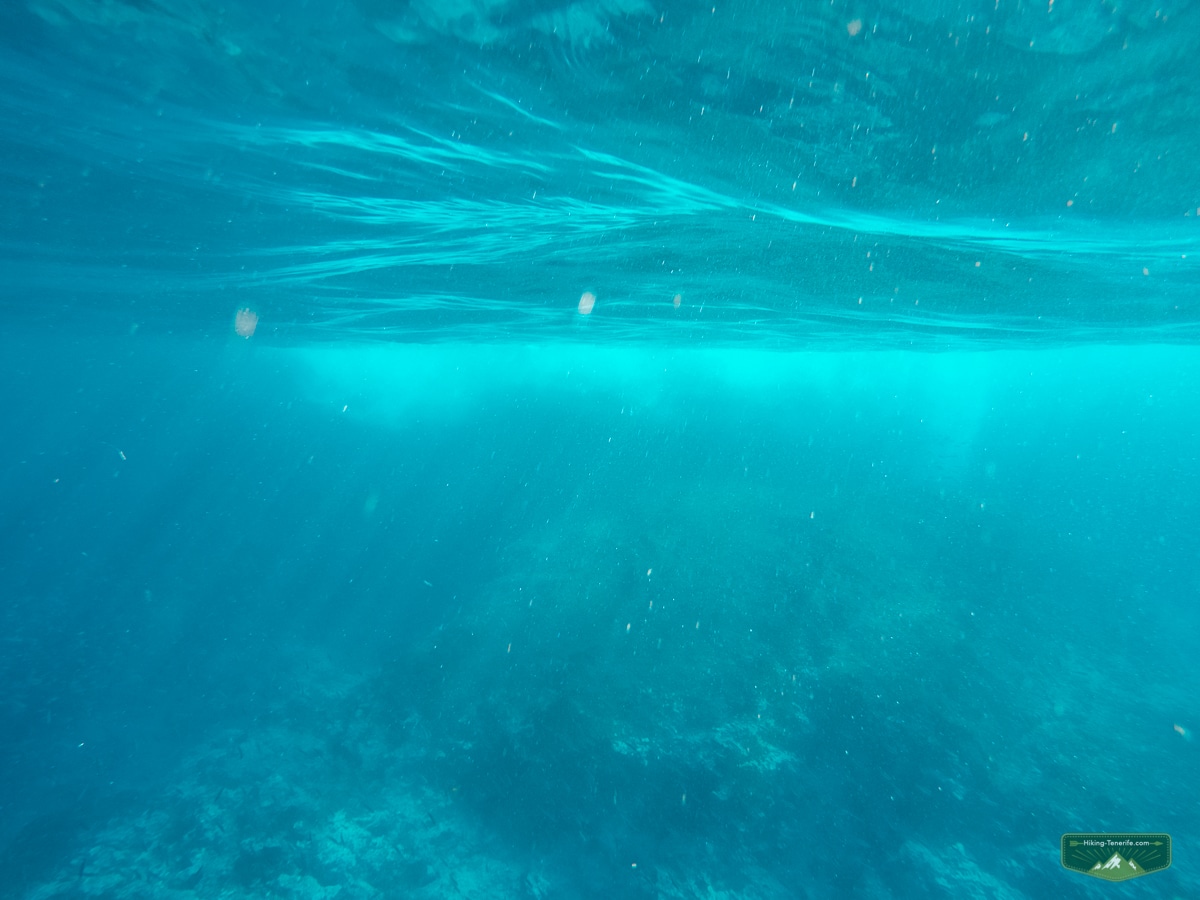
Quick verdict: choose by conditions, not fame
The easiest mistake is choosing a spot because someone called it “the best”. My quicker method is to choose the kind of swim you actually want first.
| Location | Entry and exposure | Best fit | Access and services | Skip when |
|---|---|---|---|---|
| Playa de La Arena | Serviced beach, but Atlantic swell and currents still matter | First session, families and swimmers who want facilities | Public transport, restaurants, toilets, showers and adapted bathing support | The flag, lifeguard or water movement says no |
| Montaña Amarilla | Rock shelf with uneven footing and reflected waves | Confident swimmers who want volcanic scenery | Path access, little beach infrastructure | Entry or exit is slippery, exposed or unclear |
| Radazul and La Nea | Urban shore access beside marina activity | Confident swimmers wanting an east-coast option | Road and public-transport access, nearby services | Boat traffic, wind or visibility compromises the route |
| El Puertito | Small cove with boats, fishing activity and limited services | Flexible swimmers with realistic wildlife expectations | Road access, but do not assume easy parking or supervision | You are visiting only for a promised turtle sighting |
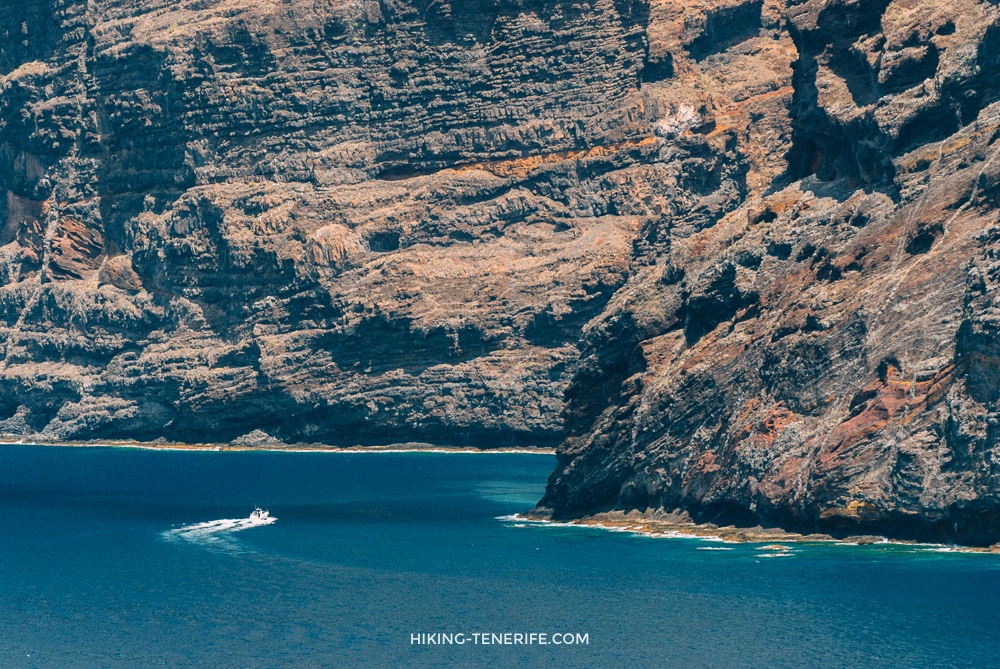
| Punta de Teno | Remote, rocky and exposed Atlantic entry | Experienced swimmers on a genuinely suitable day | Regulated TF-445 access and TITSA line 369 | You need easy entry, family facilities or a guaranteed return plan |
My local verdict: if you are unsure, spend your first session in a supervised, easy-entry bathing area. You can always graduate to lava shelves. The lava shelves do not become safer because you are carrying a new mask.
Tenerife beach planning
Choose the beach before you choose the fish.
Compare Tenerife beaches by swimming conditions, family fit, access and coast before crossing the island for one optimistic patch of blue water.
What makes a Tenerife snorkel spot good?
A good snorkel spot is not simply a beach with clear water. You need a safe way in and a safe way out.
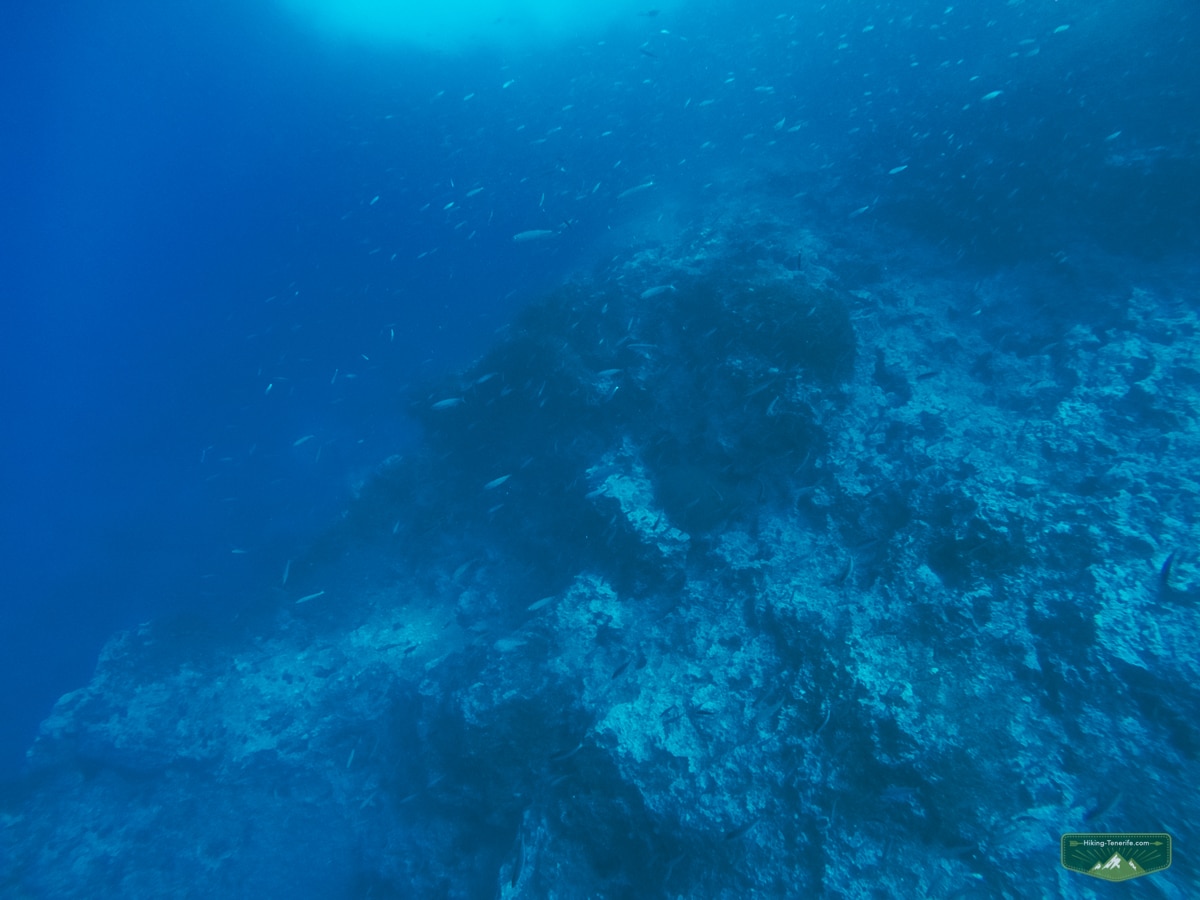
You also need enough depth to move without scraping your knees, a bottom worth looking at, and conditions that let you stay relaxed.
- Entry and exit: sand is easiest. A ladder or broad, stable steps can work. Slippery lava, surge and a shore break are a different sport.
- Water movement: a sheltered bay may still have a strong sideways pull near rocks, a harbour entrance or a channel.
- Visibility: wind and swell stir the bottom. Wait for the sea to settle rather than trusting yesterday’s photo.
- Traffic: stay inside marked bathing zones and out of boat lanes. Never swim toward fishing gear or an anchorage.
- Services: a lifeguard, toilets, shade, a café and equipment hire change the answer for children, older travellers and nervous swimmers.
Read the beach, not just the map: watch the water for ten minutes before changing clothes. If the entry looks awkward from dry land, it will not become elegant once you are wet, horizontal and wearing fins.
The source spots, checked honestly
Punta de Teno: beautiful, remote and not a beginner beach
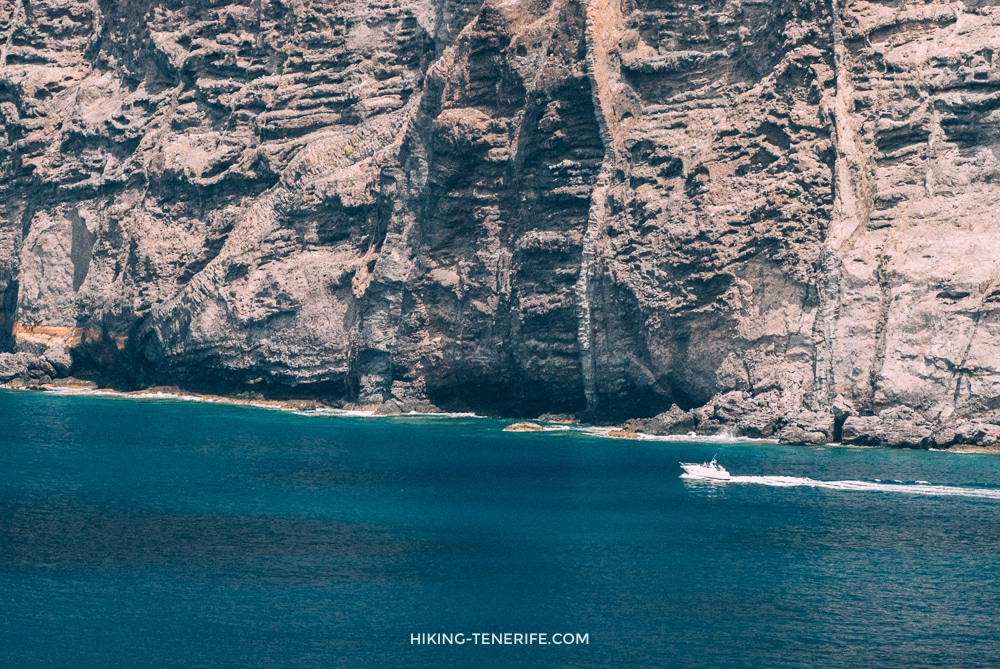
Punta de Teno is the far western headland of Buenavista del Norte, inside the Teno Rural Park. The lighthouse, cliffs and open Atlantic are worth the drive for the landscape alone.
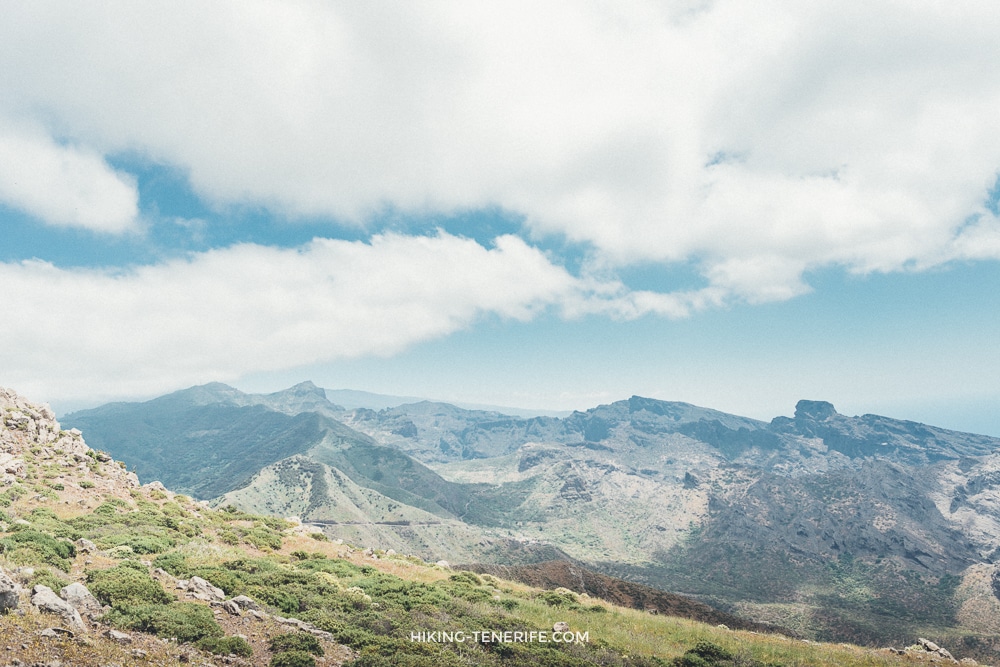
Snorkelling can be rewarding on a genuinely calm day. This is still a rocky shore entry with exposure, surge and no resort-style safety net.
The Cabildo regulates access along the TF-445. Its current access notice directs visitors to TITSA line 369 during controlled periods.
Map note: check the current timetable and road notice before leaving. A quiet-looking road does not mean you can drive to the lighthouse.
Who should skip it: children learning to swim, weak swimmers, anyone alone, and anyone who cannot climb out confidently if the water changes. The cliffs are a spectacular backdrop, not an emergency exit.
Montaña Amarilla: volcanic rock and a protected coastline
Montaña Amarilla sits beside Costa del Silencio, between the municipalities of Arona and San Miguel de Abona. It is a Natural Monument, not an ordinary beach.
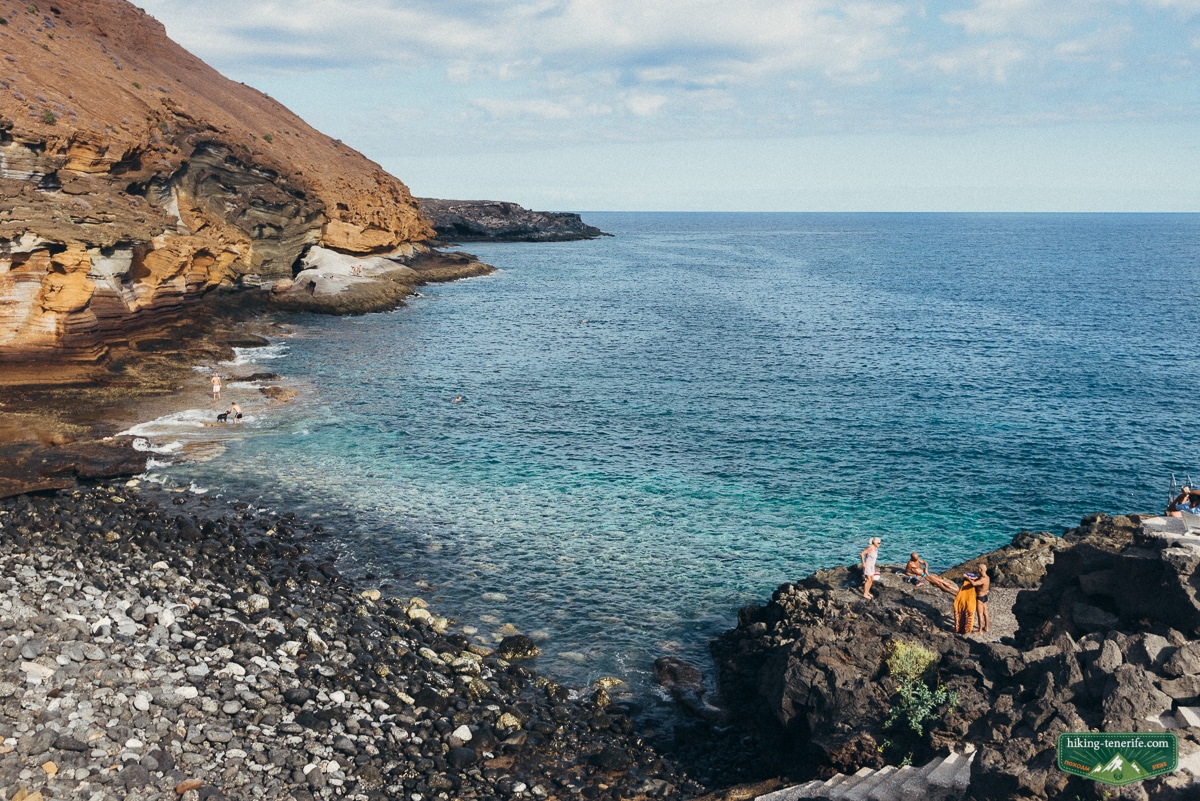
Official access is by a path from the edge of the urbanisation. The protected area has no reason to be treated like an adventure playground.
The yellow volcanic cone and rock shelves make the setting excellent for looking into clear water when conditions cooperate. Entry is rocky, footing is uneven and waves can rebound from the shore.
My local verdict: choose Montaña Amarilla for a short, careful session with a confident swimmer. I would not choose it for a family’s effortless first dip.
The useful nearby plan is Costa del Silencio or Las Galletas for food, supplies and a less awkward place to finish the day.
Keep to marked paths on land and do not climb fragile slopes. In the water, do not stand on living rock or shallow habitat.
Puerto Santiago and La Arena: the most practical source option
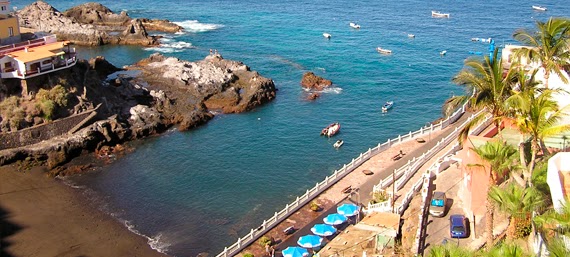
“Puerto Santiago” is an area, not one single snorkel entry. For a serviced version, look at Playa de La Arena and the nearby Los Guíos area.
Do not improvise beside a harbour wall. Santiago del Teide’s tourism office presents snorkelling here as an activity, with guided options and local companies that can adapt sessions for different abilities.
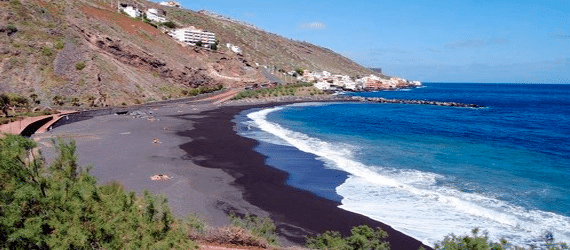
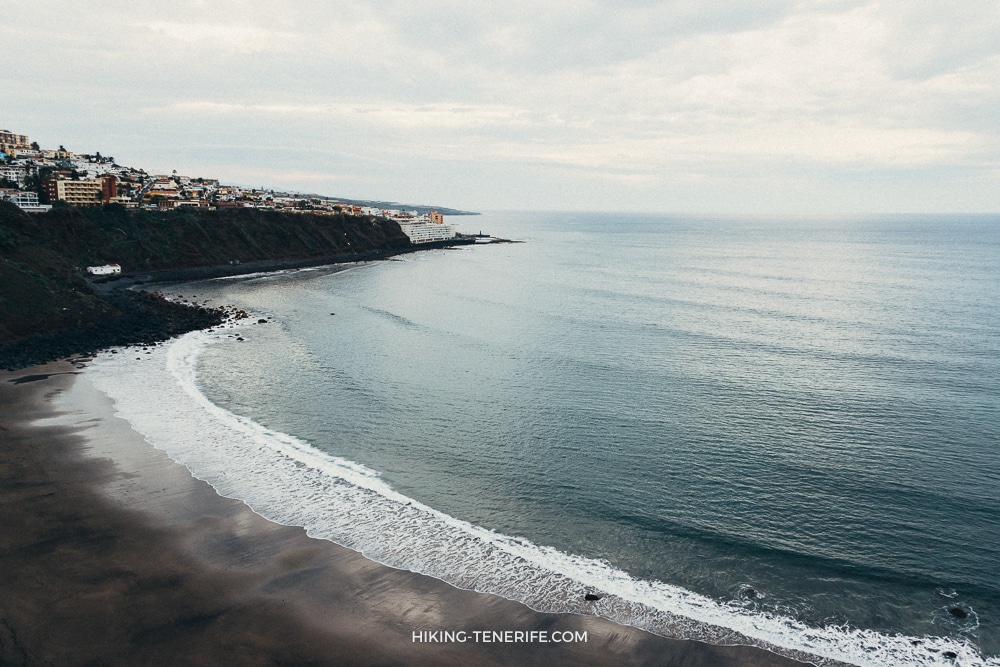
La Arena has black sand, rock formations, public transport, restaurants, toilets, showers, ramps and adapted bathing equipment. That makes it a sensible first choice when the bathing zone is open and conditions are kind.
Safety rule: the same beach guidance warns about strong currents, slippery rocks, rough sea and drowning risk. Facilities are helpful. They are not a force field.
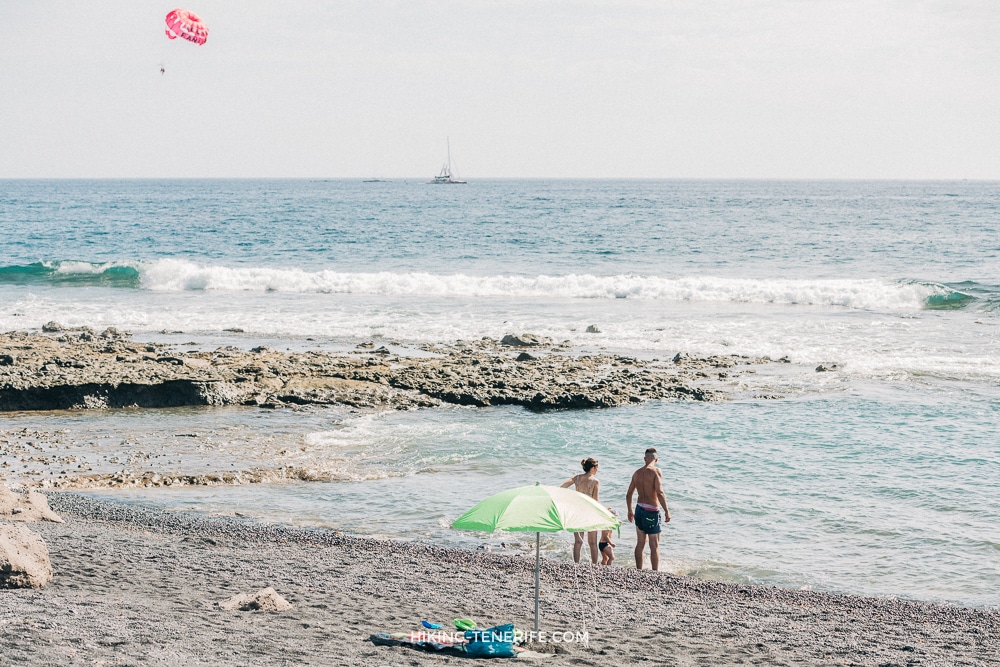
That is why I would start here before moving to rougher lava shelves.
Best for first-timers: La Arena is the most practical source option when the bathing area is open and calm.
Playa Paraíso: more dive coast than family snorkel
The original note was right to separate Playa Paraíso from easy beach snorkelling. This is a developed Costa Adeje coastline with rocky entries and dive sites.
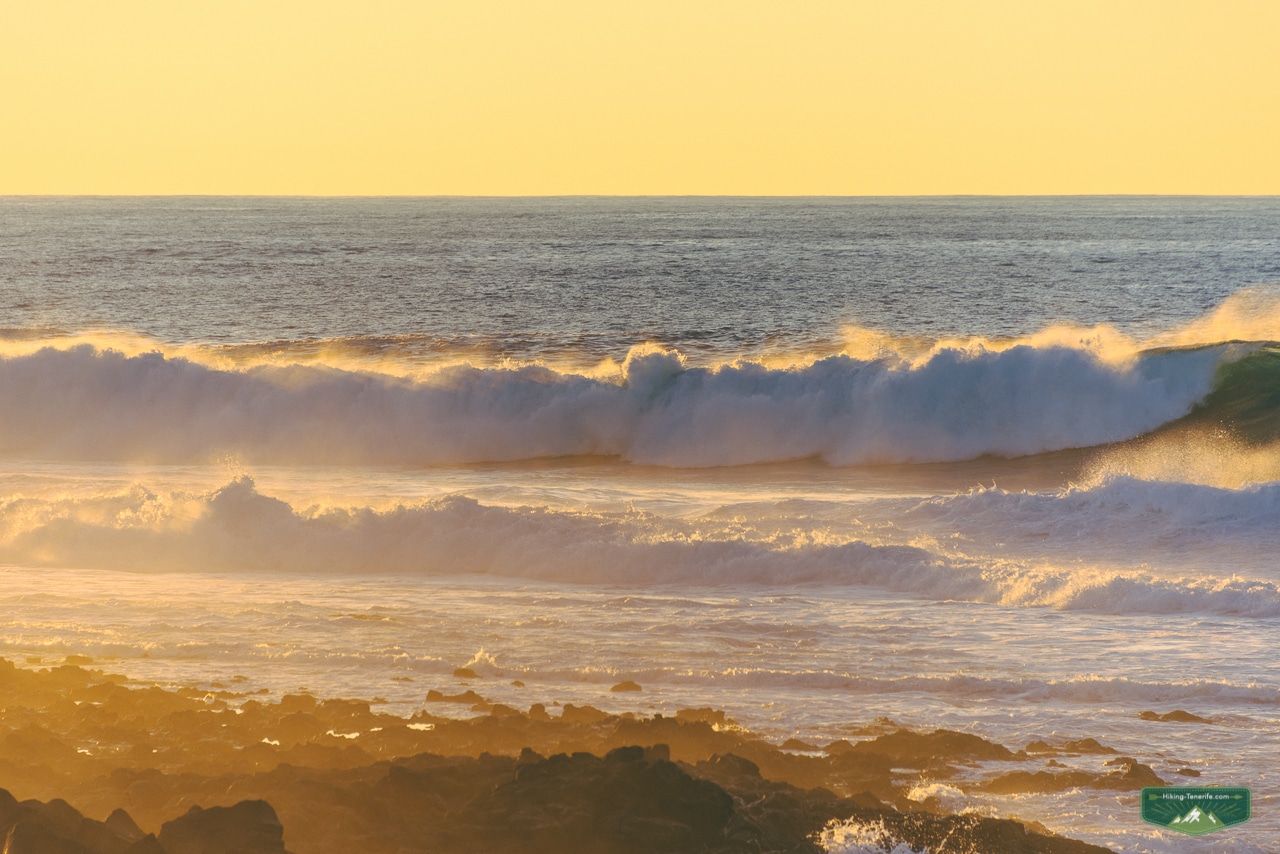
A platform, ladder or beach entry may work in the right conditions. Underwater rock, depth and swell still make it a poor place to teach a nervous child the basics.
Use the municipal Adeje beach information and current bathing notices before entering. If the sea is moving, enjoy the view, use a pool, or choose a calmer serviced beach.
Plan like this: a dive centre or instructor adds real value here. They can judge the entry and keep the session within your ability. A rental mask alone cannot do that.
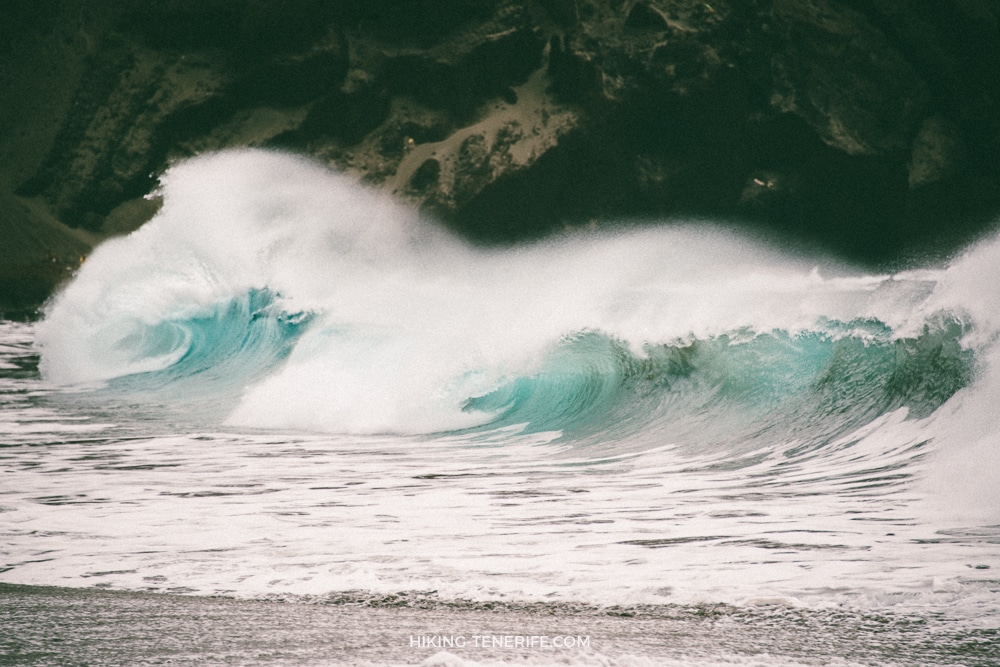
Alcalá: a town coast where calm timing matters
Alcalá, in Guía de Isora, has a small town beach, rocky coastline and nearby natural bathing areas. It can be a pleasant base for a short snorkel followed by lunch.
I would not turn “people sometimes see turtles here” into a wildlife promise. You might see fish around the rocks. You might also see nothing more dramatic than your own mask strap.
Do not confuse a natural pool with an ocean guarantee: a pool may look calm while water is surging over the rim.
Enter only when the local signs, water movement and exit all make sense. Never climb a wet wall because somebody else did it ten minutes earlier.
El Puertito de Armeñime: a turtle story with conservation attached
El Puertito is a small fishing neighbourhood and semi-urban cove in Adeje. The municipality describes a marine micro-reserve where green turtles swim freely.
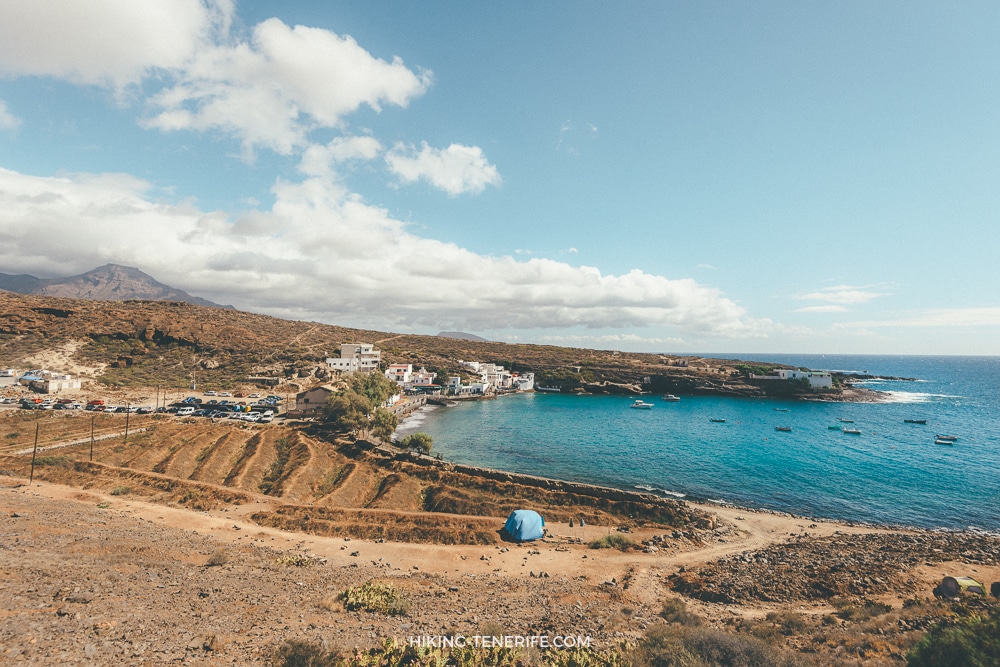
A long-running conservation, research and education project has worked to restore the seabed. That explains why the place attracts snorkellers. It does not mean a turtle is waiting for every visitor.
The cove is more suitable for a calm-water session than the exposed headlands, but it is still a real sea entry. Check current municipal beach information and keep away from boats and fishing gear.
Safety rule: do not chase animals toward the rocks. The small beach has fewer services than a resort beach, so bring water, shade and a plan for getting out.
Radazul: clear water, easy access and a boat-traffic catch
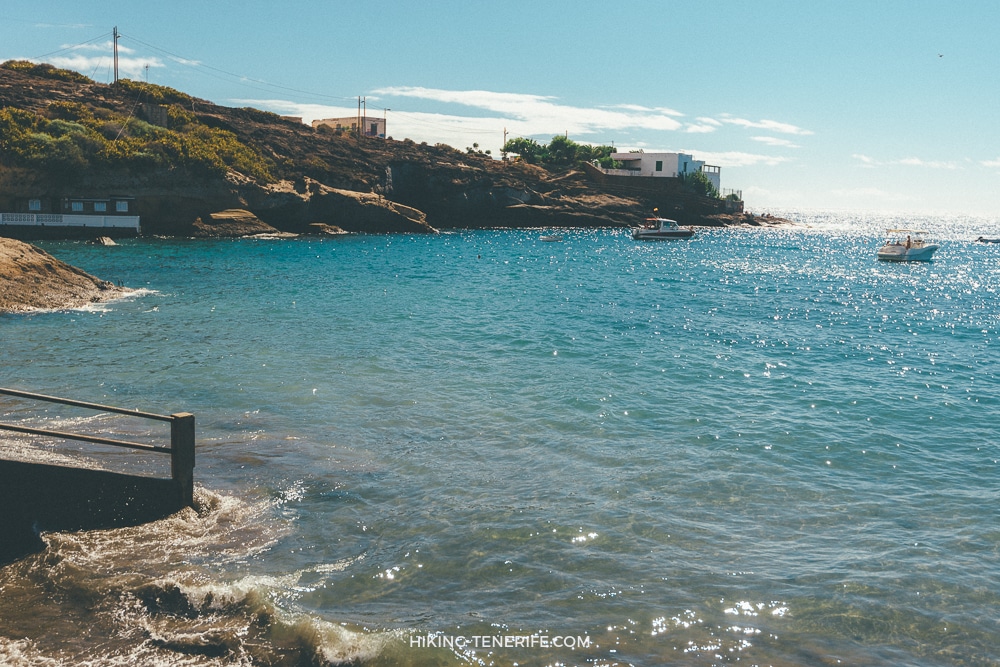
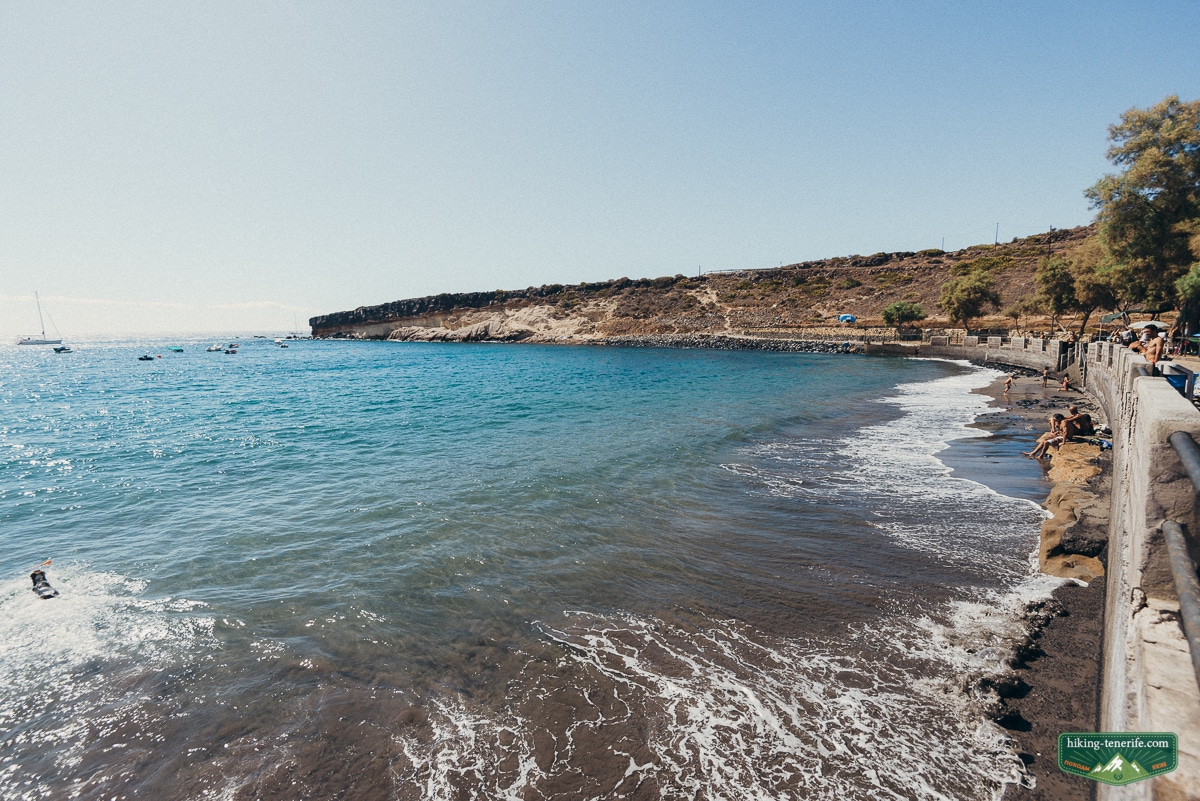
Radazul, in El Rosario, is one of the more accessible east-coast choices from Santa Cruz. Playa de Radazul and Playa de La Nea sit beside a marina, with promenades, parking and direct access to the water.
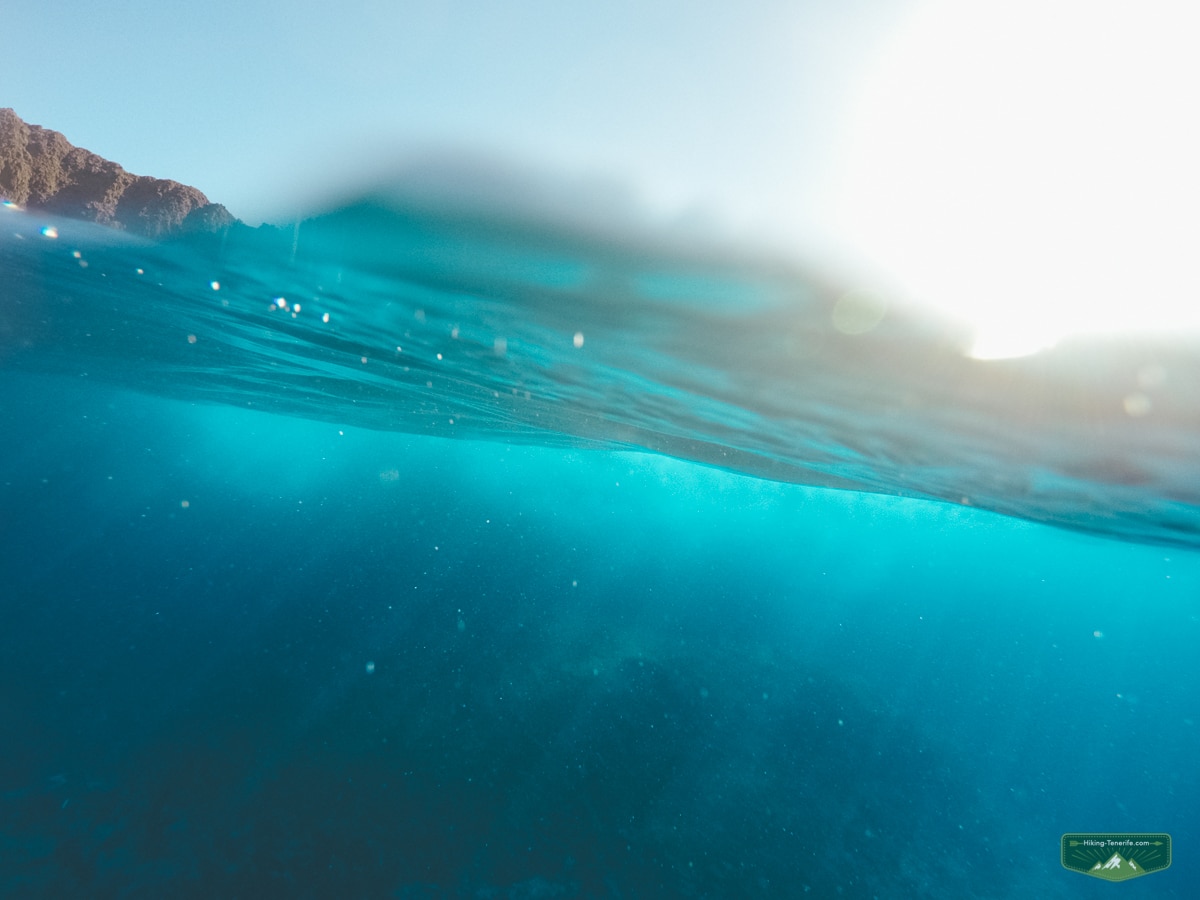
Local divers have long valued the clarity and rock life. That is not a reason to ignore the marina.
The catch is the marina. Do not swim into the harbour entrance or toward boats to reach a more interesting wall.
Safety rule: recent local reporting about a serious boat collision in the Radazul area is a useful reminder that clear water can still carry traffic risk. Use marked bathing areas and watch for vessels.
Choose a guided session if you are not comfortable reading a harbour coast.
South, north, east or west?
For winter sun and the largest choice of serviced beaches, the south and south-west are usually the easiest base. Costa Adeje, Los Cristianos and Playa de las Américas make equipment, food, buses and backup plans simple.
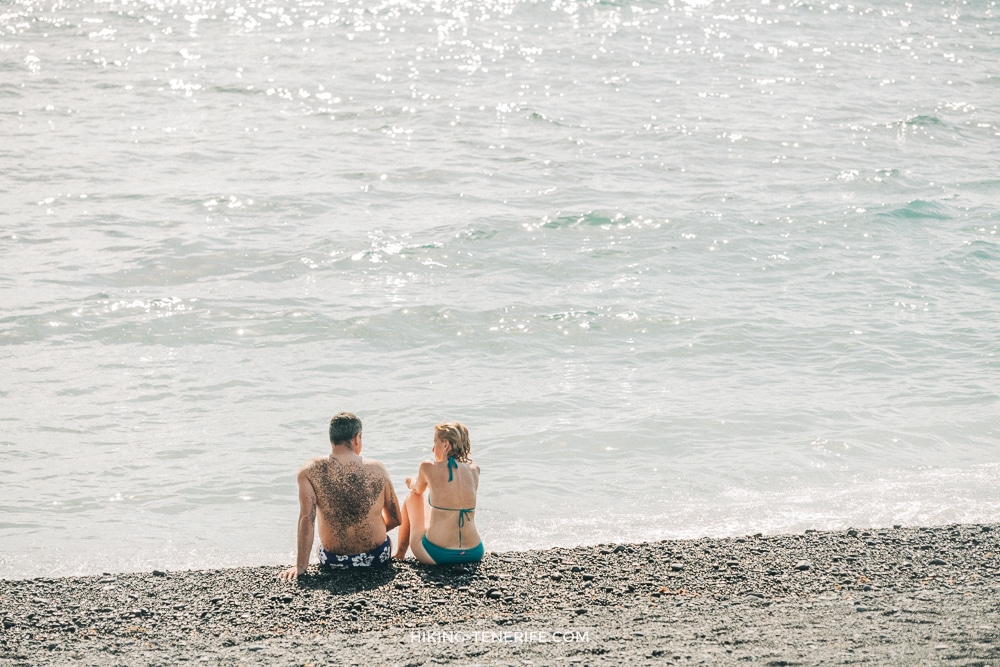
Start with the practical guides to Costa Adeje, Los Cristianos or Playa de las Américas. If you want a wider day, use things to do in South Tenerife.
The east can offer clear water and useful access around Radazul, but wind and boat traffic deserve more attention. The north and west can be visually spectacular, greener and quieter, yet the open Atlantic is less forgiving.
When the sea is telling you no, switch landscapes. North Tenerife, Anaga and Teide are better plans than forcing a rough-water swim.
Wind rule: do not drive across Tenerife hoping the other coast will be calm without checking it.
Compare AEMET’s coastal forecast, the beach flag and the actual water at the entry. The island is small on a map and surprisingly large when everyone is wet, hungry and in a rental car.
Equipment for a better, safer swim
- Mask: fit it dry before renting. Press it gently to your face, inhale through your nose and check that it holds without a strap gymnastics routine.
- Short fins: useful for efficiency and for keeping your hands free, but awkward on a rocky entry. Put them on in the water if the shore is uneven.
- Wetsuit or top: the Atlantic can feel cool even in sunshine. A thin suit also protects you from accidental scrapes, not from bad decisions.
- Bright visibility aid: a tow float or brightly coloured surface marker helps boats and other swimmers see you. It does not make boat lanes safe.
- Waterproof phone: useful for an emergency contact and a dry-land photo. Attach it securely; do not carry loose valuables into the water.
- Foot protection: reef shoes can help on stable volcanic ground, but they do not turn slippery lava into a pavement.
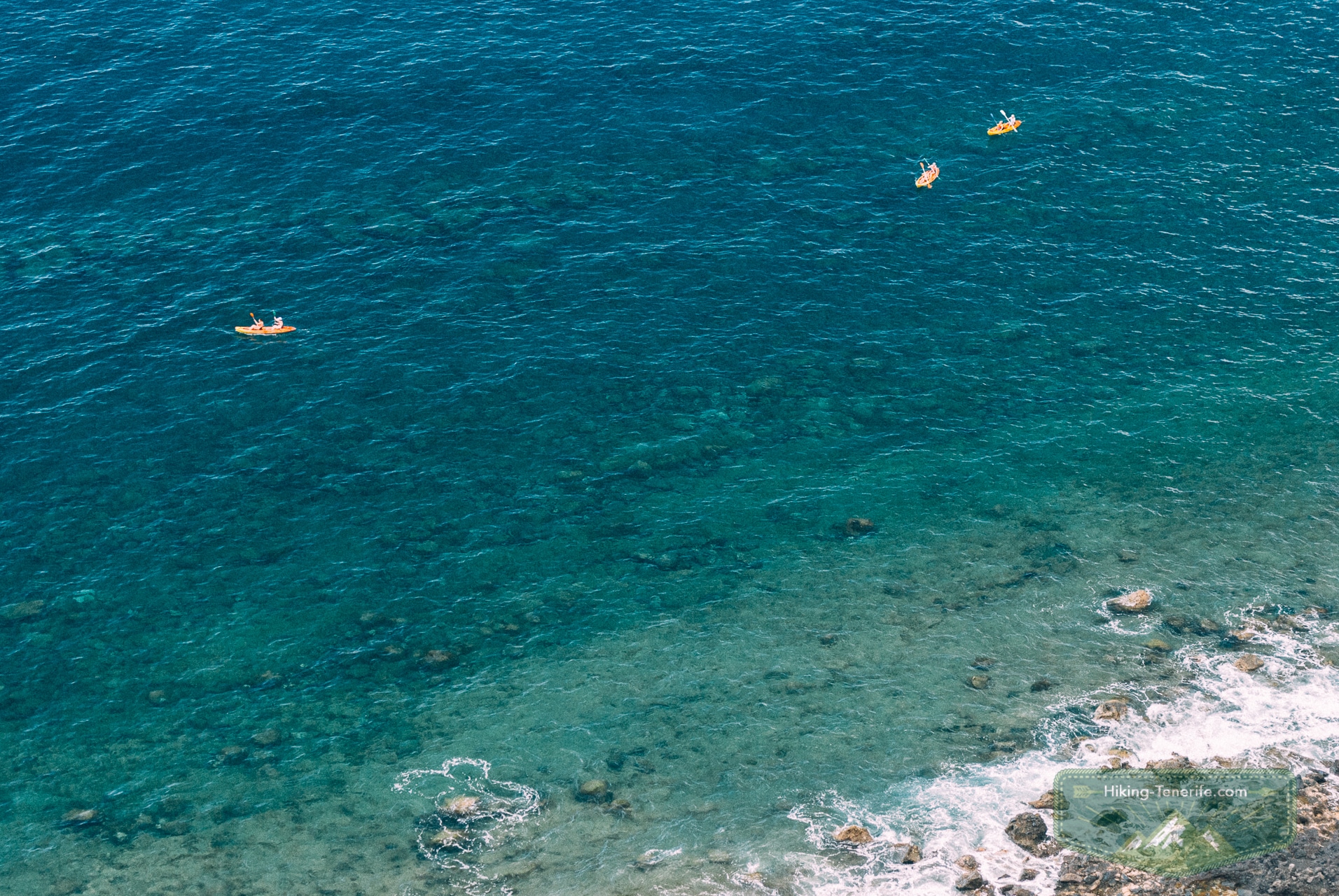
For a family or nervous swimmer, hiring equipment through a reputable school or joining an instructor is often worth more than buying the cheapest fins.
Worth paying for: fit, briefing, local conditions and somebody who knows when to cancel. A cheap mask cannot provide that.
Flags, forecasts and the do-not-enter rule
Check the AEMET coastal marine forecast before you leave and again at the beach.
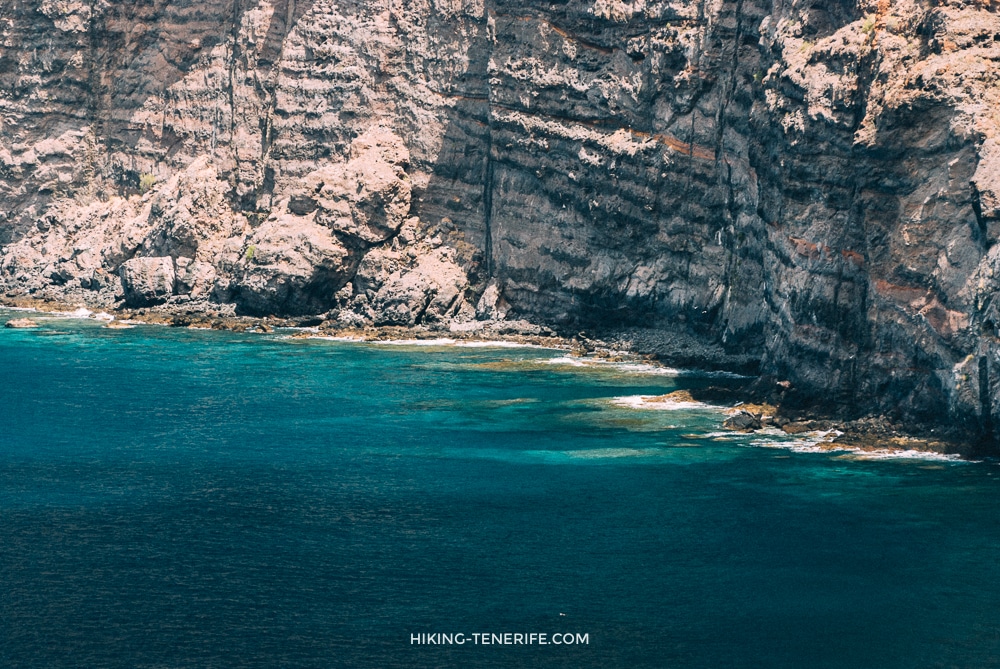
Safety rule: check the municipality’s beach notice, the flag, the lifeguard’s instructions and whether access is open. A yellow flag is not a challenge. A red flag means stay out.
Cabildo safety guidance says to avoid isolated or unfamiliar beaches, red flags, strong swell and areas without rescue services. Stay away from where waves break on rocks, jetties and seawalls.
If a current carries you, stay calm. Do not fight it head-on. Signal for help and follow local rescue advice.
My do-not-enter rule: if you cannot point to your entry, exit, buddy, flag, escape from a current and safe distance from boats, you are not ready for that spot today. If the water is already making you nervous from shore, listen to it.
- Do not snorkel alone, especially from rocky shore.
- Do not enter after heavy swell just because the surface looks briefly calm.
- Do not swim beyond your ability, out of a marked zone or into a harbour entrance.
- Do not go straight from a hot car into a long swim without water, shade and a slow start.
- Leave if visibility collapses, you start panicking, or your buddy is no longer comfortable.
Families, solo swimmers and photographers
Families: choose sand, shallow water, shade, toilets and a visible lifeguard before chasing fish. The beach that is slightly less exciting underwater is often the one where everyone still enjoys lunch.
Plan like this: if you are travelling with children, start with the family advice in things to do in Tenerife with kids. Then choose the sea entry, not the most exciting photograph.
Solo travellers: stay with supervised bathing areas or book a guided session. A bright float and a shore-based check-in are sensible.
A conservative route is sensible too. Courage is not a flotation device.
Non-swimmers and older travellers: choose adapted beaches, a pool or an instructor who can explain the entry.
Safety rule: do not let a companion pull you over rocks or push you into deeper water. A comfortable exit matters more than proving anything.
Underwater photographers: accept that the best image may be the one you do not take. Keep one hand free.
Never hold coral or animals for a shot. Leave surge-exposed rock before the camera becomes more important than the exit.
Shore snorkelling or a boat tour?
Shore snorkelling is cheaper and gives you control over time. It also demands that you judge the entry, current and exit yourself.
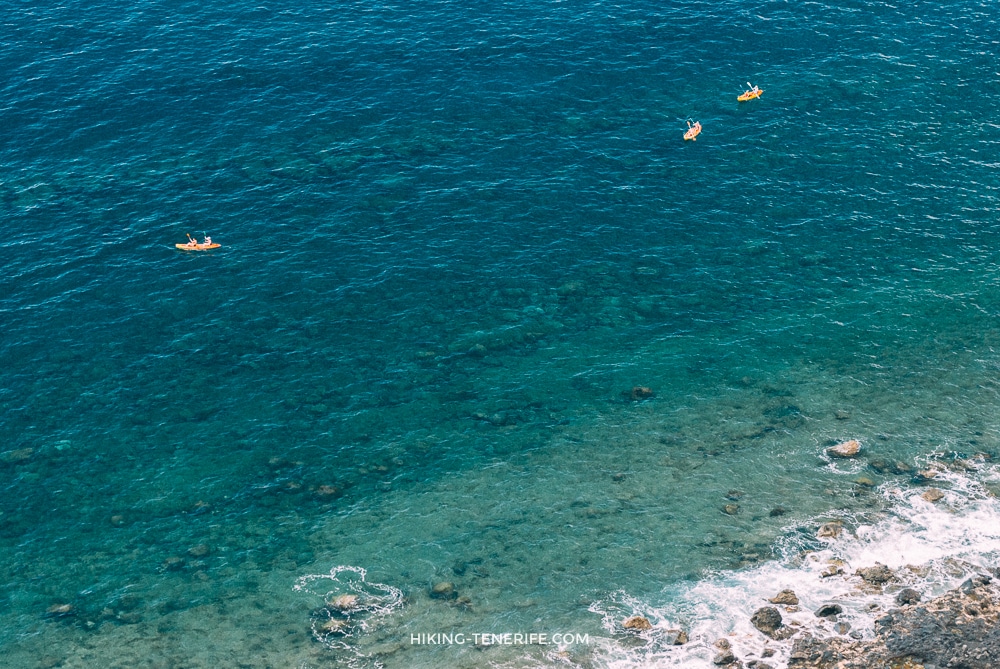
A boat or kayak session can be worth paying for when you want a briefing, equipment, a local guide, or access that is not sensible from land.
Choose an operator that explains conditions, keeps groups within ability and respects wildlife. Ask what happens if the sea is unsuitable, whether equipment is included, and where the session actually enters.
Plan like this: I am deliberately not quoting prices. Operators, seasons and inclusions change too quickly for a useful permanent number.
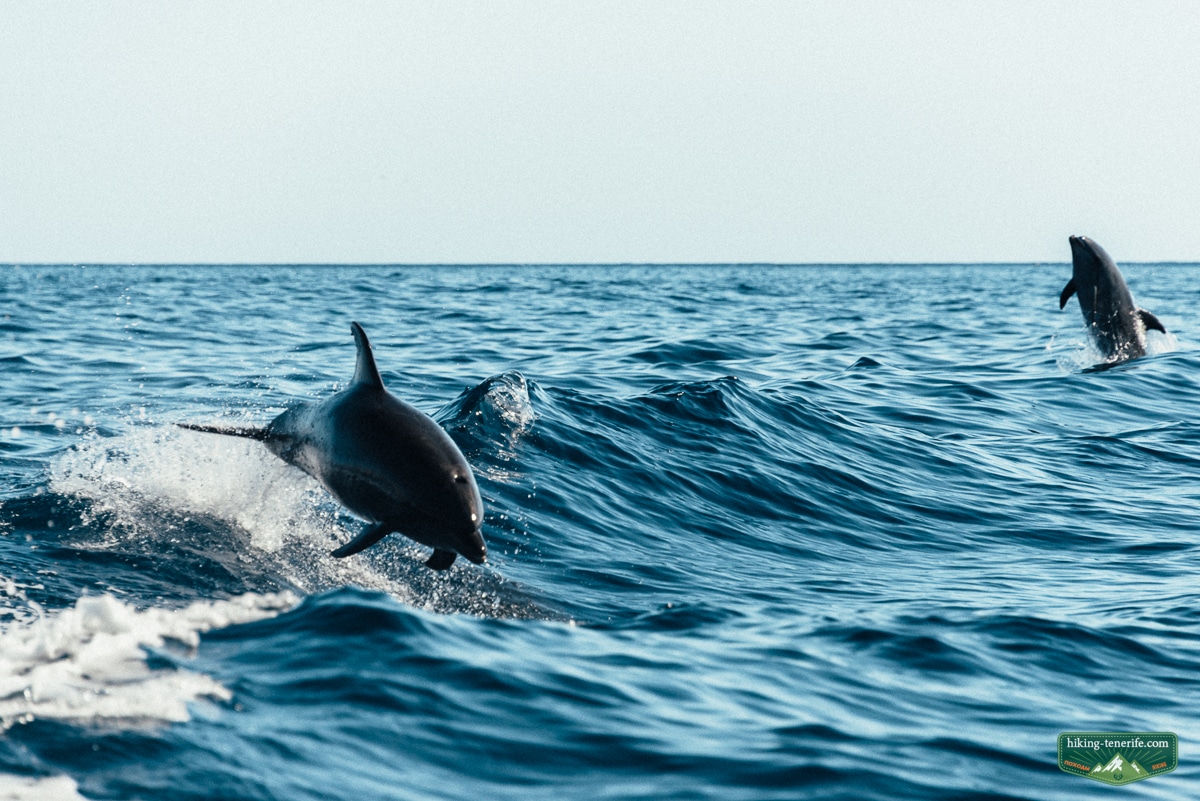
Whale and dolphin watching is a separate boat activity, not snorkelling. Sightings are never guaranteed.
Tenerife’s responsible-watching guidance says boats must not chase cetaceans, should approach parallel and must keep the required distance. Watch from the boat. Do not try to swim after wildlife.
Wildlife etiquette and conservation
Never touch, feed, chase, block or corner marine life. Do not stand on living rock, seagrass or other habitat.
Do not remove shells, stones or sea creatures. Keep clear of fishing lines, nets, traps and boat lanes. Leave protected or no-entry zones alone unless you have the required permission.
Use careful habits without pretending that a product label solves everything. Apply sunscreen before entering, cover up in strong sun, take your rubbish home and avoid stirring the bottom.
If you see litter, pick it up only when doing so is safe. The sea is not a free storage unit for your snack wrappers.
Common mistakes and a first-timer plan
- Choosing the most famous turtle bay instead of the calmest legal entry.
- Believing a visibility number from an old dive report applies to today’s wind.
- Walking barefoot over hot or slippery volcanic rock.
- Swimming alone around headlands, harbour mouths or fishing gear.
- Leaving valuables on the sand or carrying a loose phone into the sea.
- Assuming an attractive natural pool is safe because it looks still for thirty seconds.
- Driving to three coasts in one day and entering the sea tired, hungry and impatient.
Common mistake: choosing the most famous turtle bay instead of the calmest legal entry. On Tenerife, the safer choice is often less dramatic from the road.
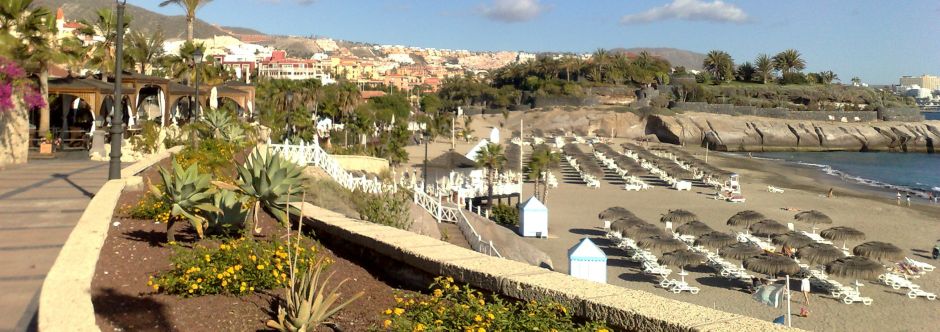
A sensible first session: choose a serviced beach. Arrive early enough to see the water before the wind builds.
Watch for ten minutes. Ask the lifeguard if present. Swim parallel to shore with a buddy, stay close to your exit and stop while you are still enjoying it.
Then have lunch. Tenerife has many excellent lunch-based recovery plans.
Use the rest of the day for the nearby decision you actually want: El Médano and its wind-and-water culture, the town and food around San Isidro’s farmers’ market, or a slower coastal stop.
If you are building a full first trip, use the broader things to do in Tenerife guide instead of adding random pins.
FAQ
Is Tenerife good for snorkelling?
Yes, especially around calm south, south-west and sheltered east-coast entries with volcanic rock nearby.
Conditions vary quickly, so Tenerife is better for flexible snorkelling than for a guaranteed daily wildlife show.
Where is the best place to snorkel in Tenerife?
For an easy first attempt, start with a serviced beach such as Playa de La Arena when the bathing area is calm and open.
For experienced swimmers who want volcanic scenery, Montaña Amarilla, Radazul, Punta de Teno, Playa Paraíso, Alcalá and El Puertito each offer a different trade-off. There is no universal winner.
Can you snorkel with turtles in Tenerife?
You may see turtles in places such as El Puertito, but sightings are never guaranteed.
Safety rule: do not touch, feed, chase or follow a turtle. Do not book anyone who promises a wild-animal encounter as if it were a timed attraction.
Is snorkelling in Tenerife safe for children?
It can be, in calm marked bathing areas with a lifeguard, easy entry and close adult supervision. Children should be genuinely comfortable in open water.
Rocky headlands, natural pools, boat entrances and red or uncertain flags are not family snorkel options.
Do I need a car for snorkelling in Tenerife?
No for serviced resort beaches and guided sessions. Yes, usually, for the more remote spots.
Punta de Teno has regulated road access and a public transport option. It is still a remote headland rather than an easy no-car beach day.
What is the best month for snorkelling in Tenerife?
There is no single best month because wind and swell decide the session. Tenerife can be snorkelled year-round on suitable days.
Water temperature, daylight, wind direction, visibility and your tolerance for a wetsuit matter more than the calendar.
If the sea says no, believe it. You still have La Laguna, La Orotava, the north and a great deal of island left to explore. The Atlantic will not be offended.

