

Short answer: Drago Milenario is worth visiting as part of an Icod or North Tenerife day. Pay for Parque del Drago if you want the garden and closer protected view. Use the free outside view if you only want a photograph.
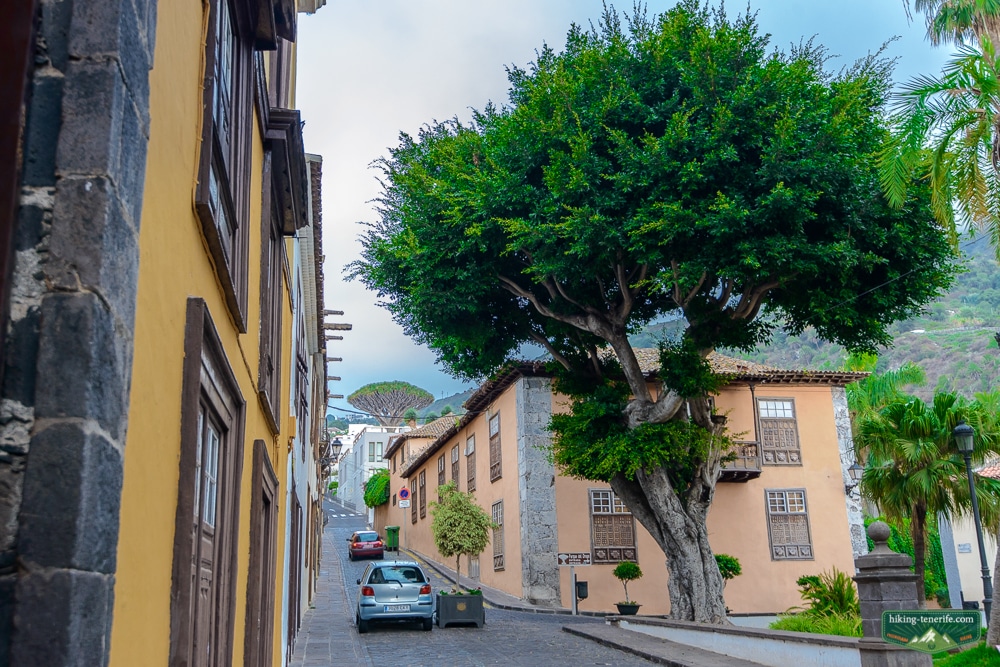
Icod de los Vinos is one of those Tenerife towns that is easy to underestimate. Many visitors arrive for one plant, take one photograph, and leave before noticing the old centre around it.
I would use Drago Milenario as the anchor for a north-Tenerife stop, not as the entire day. The park is compact. Icod is hilly. The combination is much more interesting than either one alone.
| Decision | Practical answer |
|---|---|
| Is it worth visiting? | Yes, when combined with Icod or another north-west stop |
| Paid or free? | Pay for the garden and closer view; use the square for a quick outside view |
| Time needed | 45–90 minutes for the park, plus 1–2 hours for Icod |
| Standard adult ticket | €5 on the current official listing |
| Terrain | Park paths plus hilly, sometimes uneven old-town streets |
| Best pairing | Icod old town first, then Garachico or one other north-coast stop |
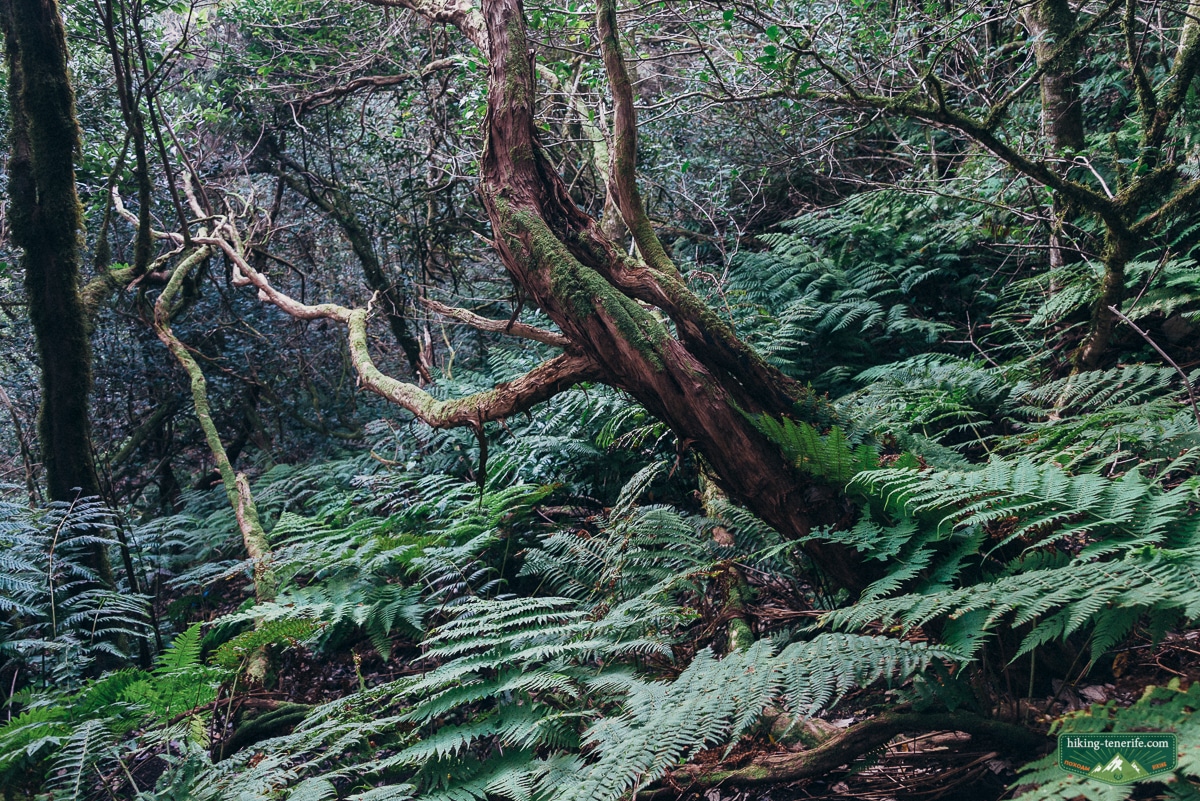
My verdict: pay for the park if you want the protected close view and the endemic plant garden. Use the public square and town streets if you only want to see the tree from outside.
What Is Drago Milenario?
Drago is the Spanish name for the Canary Islands dragon tree, Dracaena draco. The Icod specimen is the famous one. You will also see younger dragon trees planted in gardens and public spaces around the island.
Current official Tenerife tourism information describes the tree as more than 16 metres tall and about 20 metres around its base. It gives the age as an official estimate of more than 800 years.
About the name: “Millenary” is a cultural name, not a precise birth certificate. Current Icod tourism information uses an estimate of more than 800 years. Older exact claims belong to debate and folklore.
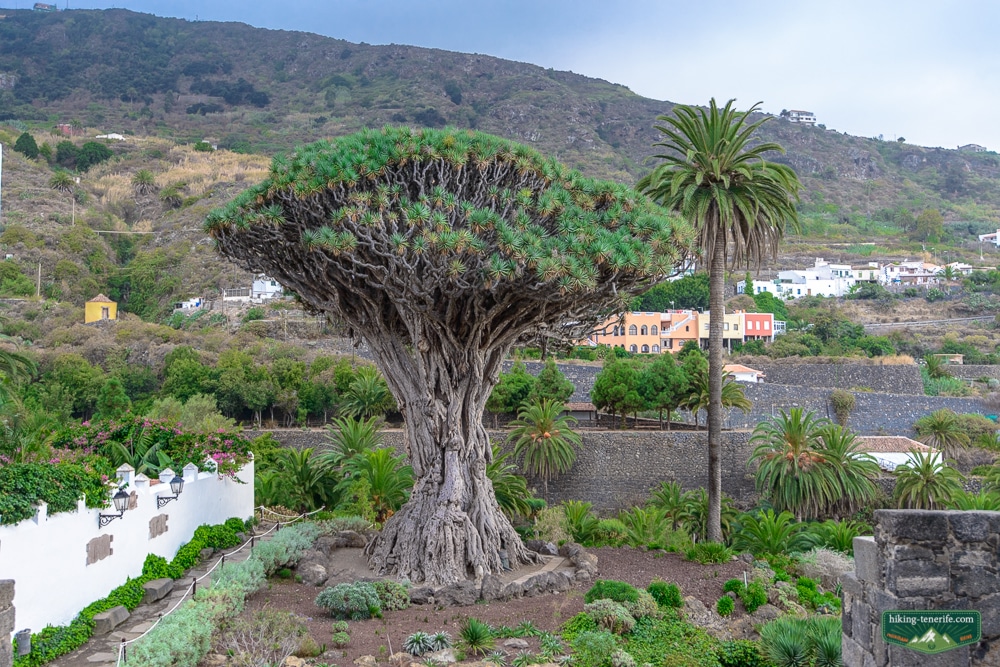
The reddish resin is traditionally called dragon’s blood. Its colour helped create legends about the plant’s powers and sacred character.
That is cultural history, not a reason to touch the trunk or repeat every old medicinal claim as modern science.
The tree is part of Icod’s civic identity. The protected area now combines it with a three-hectare garden representing Canarian ecosystems, a dragon-tree nursery, viewpoints and interpretation features.

Free Outside View Or Paid Parque Del Drago?
You can see Drago Milenario without buying a park ticket. The public streets and Plaza de Andrés de Lorenzo Cáceres y Ossuna give you an outside perspective, and the tree is close to the Church of San Marcos.
The free view is enough for a quick stop, a wide photograph, or a traveller who is already doing the old town. It is not the same as walking through the protected park around the tree.
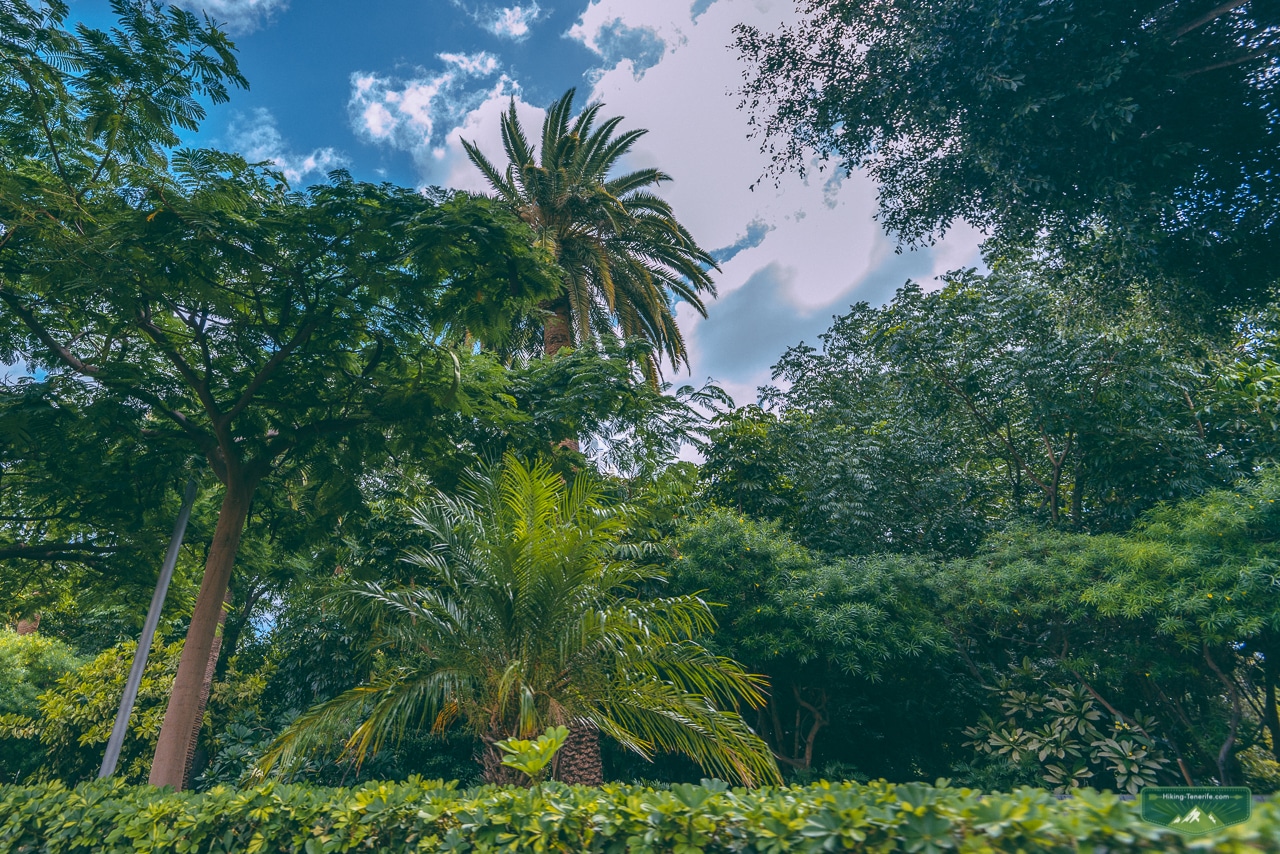
The paid park gives you a closer, controlled view, botanical paths, younger dragon trees and the landscaped area around the Caforiño ravine.
The official park description also includes island ecosystem zones, viewpoints, an ethnographic display and a cave interpreting Guanche life. This is what the ticket adds beyond one view of the tree.
My practical choice: pay once if you like plants, photography, history or slower visits. Skip the ticket if you only want to tick off the tree and have a full Garachico or Teide day still ahead.
Opening Hours, Tickets And Booking
The current official Icod tourism page lists the park as open daily. It also links to an official online ticket shop.
| Visitor | Current listed price |
|---|---|
| Adult | €5 |
| Student or pensioner | €3 |
| Child aged 6–11 | €2.50 |
| Child under 6 | Free |
| Canary Islands resident adult | €2 |
Current hours are 09:00–20:00 from April through October and 09:00–18:00 from November through March. The listed address is Plaza de la Constitución, 1, beside San Marcos.
Check before travelling: prices, hours and closures can change. Use the official Icod visitor page and ticket shop. Call +34 922 81 56 85 if accessibility or a current closure will decide your visit.
The park’s official role is conservation as much as sightseeing. Stay on the visitor paths, respect barriers and follow staff instructions.
Do not climb, carve, touch the roots, collect resin, seeds or cuttings, or enter restricted areas for a closer photograph.
Access, Hills, Families And Weather
Drago Park is compact, but Icod is not flat. The old streets rise and fall, pavements can be uneven, and a town visit adds more walking than the tree alone.
Use the public square for the outside view if someone in your group needs a shorter stop.
I would not promise a fully step-free visit from the public information available. The official visitor page does not publish enough route-specific mobility detail.
Contact the park before travelling with a wheelchair, mobility scooter or pushchair. The listed visitor telephone is +34 922 81 56 85.
For children, the tree and garden work well as a 45–90 minute stop if you add a simple mission: find younger dragon trees, volcanic details or the viewpoint.
A snack and short town walk help too. The old “stand still and admire botany” plan is optimistic parenting.

Icod sits on Tenerife’s greener north side. A cloudy morning does not ruin the visit because the old town, church and park can still work.
In heat, go earlier, carry water and remember that stone streets and uphill walking are more tiring than the map suggests.

How To Get To Icod And How Long To Allow
From Puerto de la Cruz or La Orotava, Icod works as a realistic north-Tenerife day trip by car or bus.
From Santa Cruz or La Laguna, allow more time. Choose whether the town or the wider north route is the main event.
From the south resorts, Icod is a long cross-island day. A car gives you the most control.
Map note: parking in Icod’s old streets is not always graceful. Use legal signed spaces and walk the final section rather than forcing a rental car into a historic lane.
Public buses connect Icod with the main towns, but a south-to-Icod day is less flexible than a car itinerary. Use the current TITSA journey planner for your date.
Allow: 45–90 minutes for the park, then another 1–2 hours for San Marcos, the old centre and a food stop. Add only one major nearby place unless you have a full day.
Want to turn Icod into a proper north-Tenerife day? Use my North Tenerife guide to choose one sensible route, weather backup and nearby town without driving back and forth.
A Sensible Icod Walking Order
Start around San Marcos and look at the outside view. Then buy the park ticket if the protected close view and garden are worth it for your group. This avoids paying first and discovering that you only wanted a quick photograph.
After the park, walk the historic centre, find a coffee or local food stop, and leave time for the valley views.
Icod’s wine identity is part of the town, but choose a real open local stop rather than relying on an old tasting recommendation.
If you have another half-day, continue towards Garachico. If you are based in Puerto, compare the route with my Puerto de la Cruz guide.
For a wider plan, use Things To Do In North Tenerife or my broader Tenerife things-to-do guide. Keep the day human-sized.
What To Combine With Drago Milenario
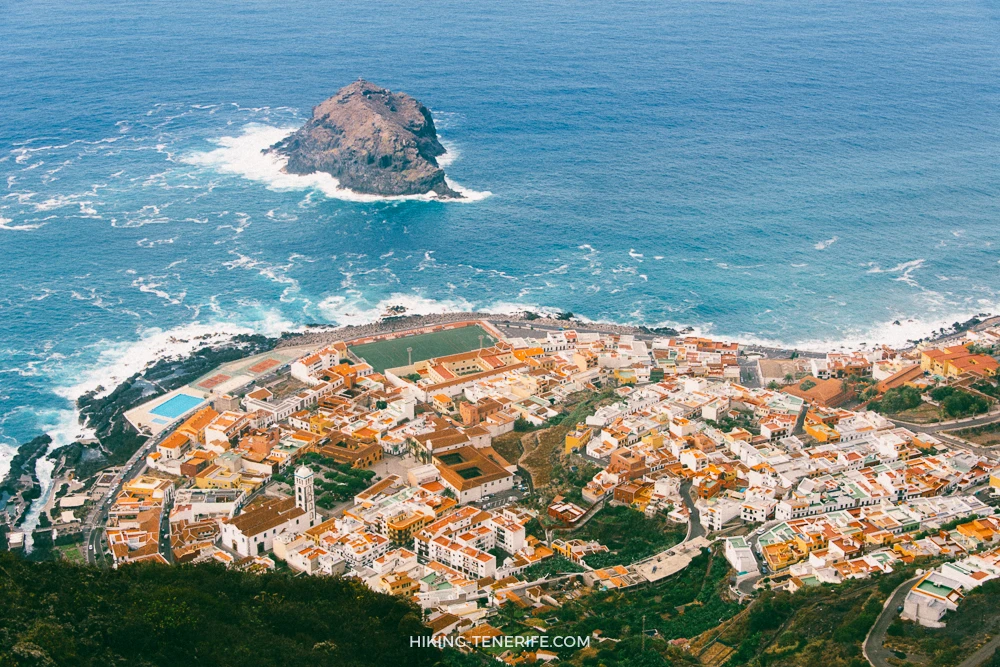
Garachico: the strongest easy pairing for a north-west day. Walk the old town and check the sea before treating the natural pools as a swimming plan.
Cueva del Viento: useful if you want geology rather than another viewpoint. Check its current visit slots and allow proper time; it is not a free ten-minute addition to the park.
La Orotava or Puerto de la Cruz: better combinations when you want old architecture, gardens, food and a weather backup. Do not try to add every town to one afternoon.

Skip the detour if: your day already includes Teide, Masca, a long hike or a fixed south-coast booking. Tenerife is not improved by adding one more famous name after everyone is tired.
Where To Stay Near Icod
Stay in Icod if you want the easiest morning visit. Garachico is a stronger base when you also want the volcanic coast and an evening old-town walk.
Do not wild-camp beside the park, on a viewpoint or on private land. Use registered accommodation or a designated campsite with a current reservation.
Drago Milenario Tenerife FAQ
Is Drago Milenario worth visiting?
Yes, especially when you combine the park with Icod’s old centre. The tree alone is a short visit, so it is a weak cross-island detour if you do not also want the town or north-west route.
Can you see the dragon tree for free?
Yes. Public streets and the square near San Marcos provide outside views. The paid park is for a closer controlled view and the surrounding botanical and interpretation areas.
Is the tree really 1,000 years old?
“Millenary” is its famous local name. Current official Tenerife tourism information gives an estimate of more than 800 years. Treat older exact ages as estimates, historical claims or folklore.
Is Drago Park good for children and older visitors?
It can be, because the park visit is short and the garden adds variety. The town is hilly and current accessibility should be checked in advance, especially for wheelchairs, mobility scooters and pushchairs.
My Final Verdict
Drago Milenario is one of Tenerife’s most memorable symbols, but symbols are not automatically full-day attractions.
Pay for the protected park if you want to understand the tree and its landscape. Take the free outside view if that is all your day needs.
Then walk Icod, eat something, look at the valley and decide whether Garachico or another north stop still fits. That is the local version: fewer rushed pins, more time in the place you actually came to see.

