

Short answer: for most travelers, the best Mount Teide sunrise is from a legal viewpoint in Teide National Park, not the summit. Drive up before dawn, park only where permitted, bring proper warm layers and let the lava plain change color.
A summit sunrise is a different mountain plan. It needs the correct summit and approach permissions, mandatory equipment, safe current conditions and enough experience to turn back.
Whoever wakes early gets the good part of Tenerife.
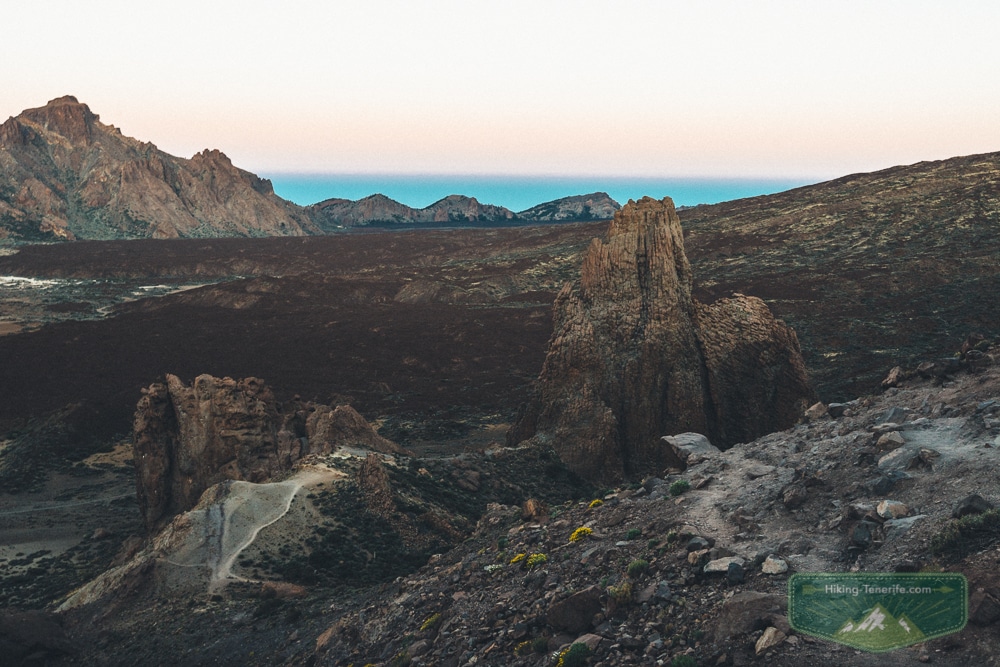
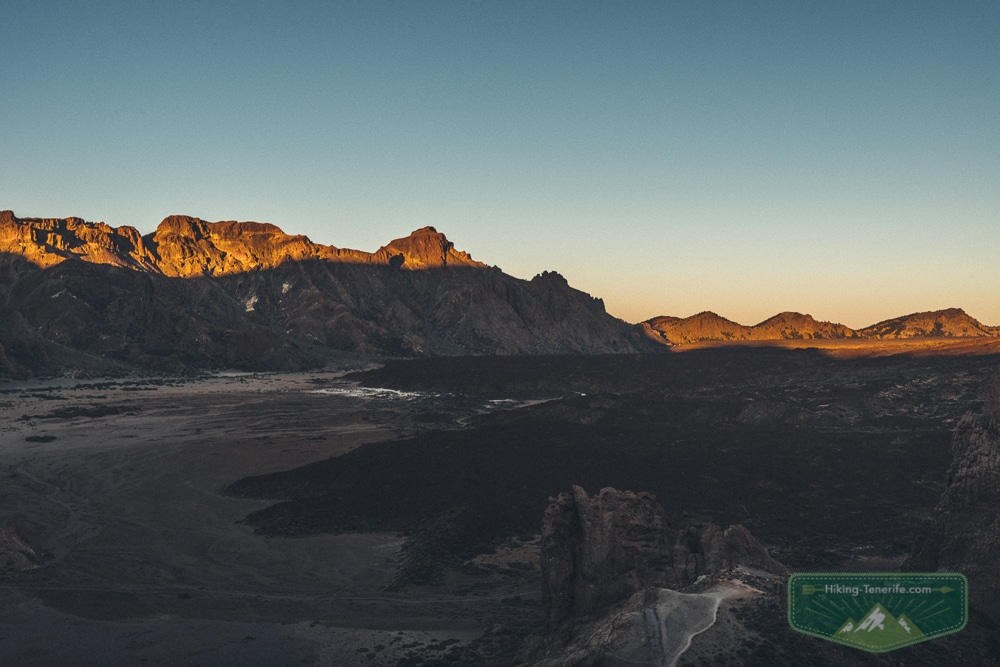
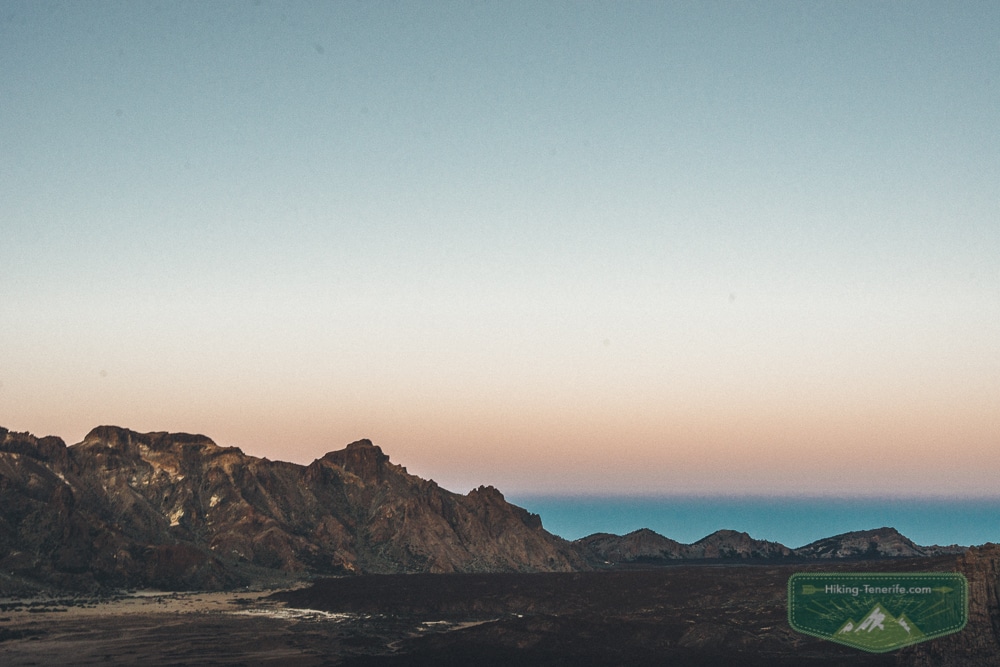
I have watched the park before the day shift arrives. A thin gold line appears behind the mountains. Roques de García stays in the dark. Then the whole caldera looks theatrical without needing any tourist-board adjectives.
Many visitors make a simple mistake. They arrive at midday and assume that is the whole Teide story.
It is not. The quiet hour is beautiful, but it is cold, high, dark and unforgiving of loose planning.
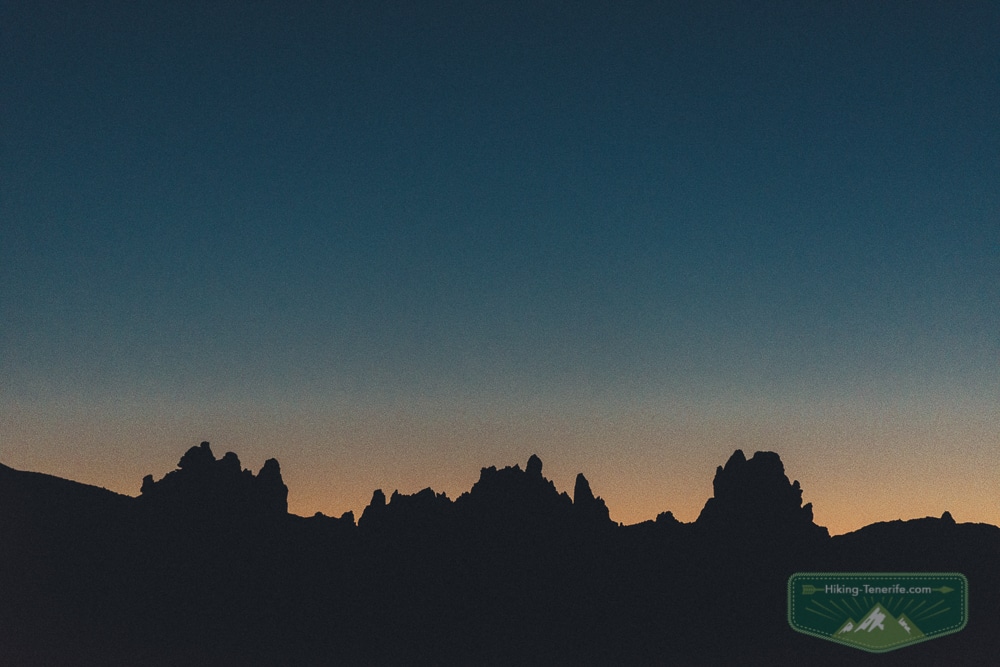
Choose Your Teide Sunrise First
A Teide sunrise can mean three very different mornings. Choose the experience before you set an alarm; this is the easiest way to avoid turning one beautiful hour into a bad night.
| What you want | What must be arranged | The important distinction |
|---|---|---|
| Legal park viewpoint dawn | A legal roadside or viewpoint parking place, plus road and weather checks. | No summit permit is needed when you remain in an open public area and off controlled trails. |
| Montaña Blanca to La Rambleta | A PNT 07 reservation, mandatory equipment and high-mountain competence. | This approach permission does not include the final summit path. |
| Sunrise from the summit | The separate 06:00–09:00 PNT 10 Telesforo Bravo permit, plus a legal approach. | A summit permit is not a cable-car ticket, PNT 07 reservation or bivouac booking. |
| Normal cable-car visit | A daytime ticket for the published seasonal timetable. | The normal service does not lift independent visitors to sunrise. |
| No car | A checked guided option or a daytime Teide visit. | Public transport rarely fits a self-guided dawn plan. |
Local verdict: choose a viewpoint dawn if you want the light without a mountaineering project. Skip the plan if your group dislikes cold, darkness or altitude, or if you cannot accept that roads, trails or weather may force a last-minute Plan B.
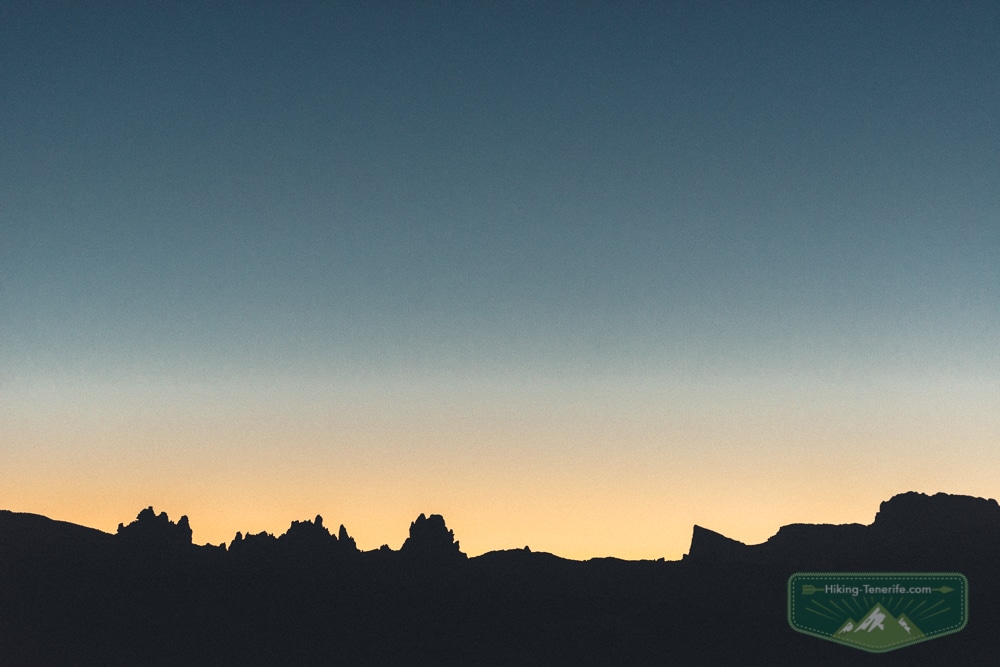
The National Park Sunrise: My Default Recommendation
For most visitors, I would keep the sunrise low and simple. Arrive in Las Cañadas before the light. Stop only where parking is allowed. Watch the sky work around the rocks instead of trying to conquer the summit before coffee.
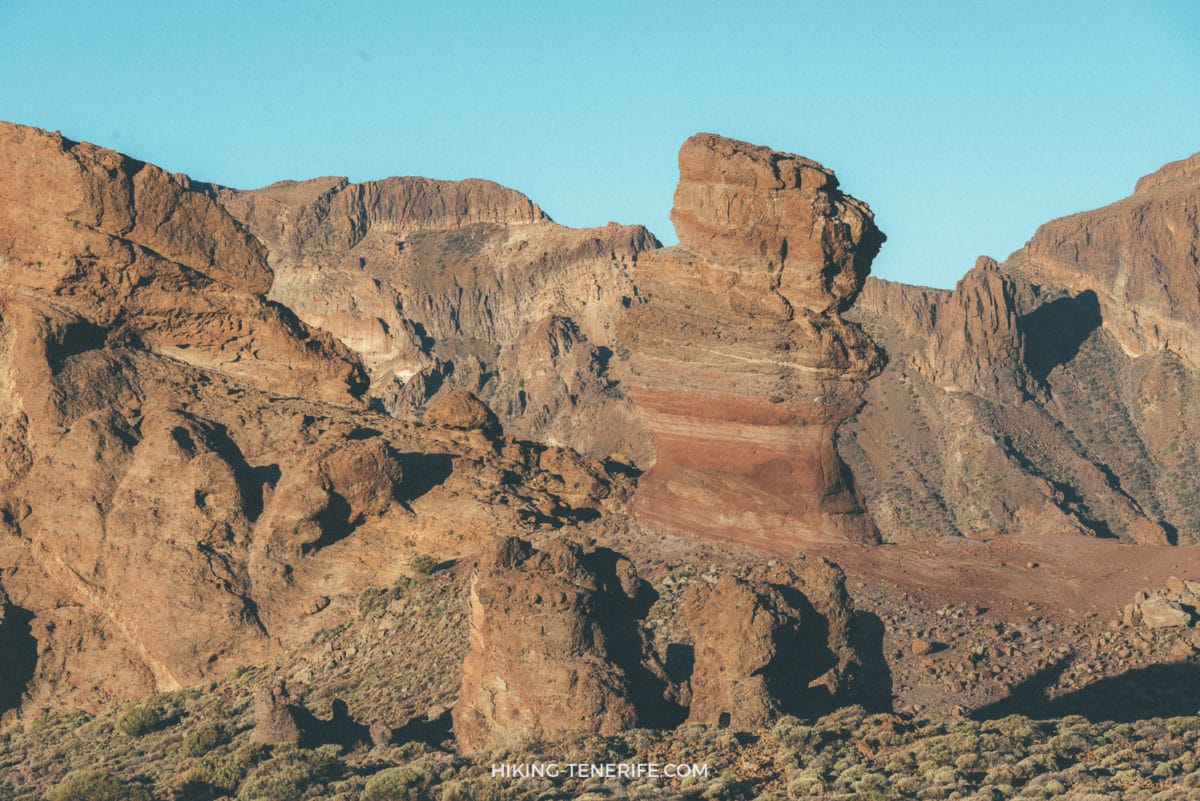
Roques de García gives you scale, strange lava shapes and room for the first light to find the landscape. The open caldera can be astonishing at dawn.
It can also be bitterly cold, windy and entirely cloudy. This is Tenerife, not a wallpaper guarantee.
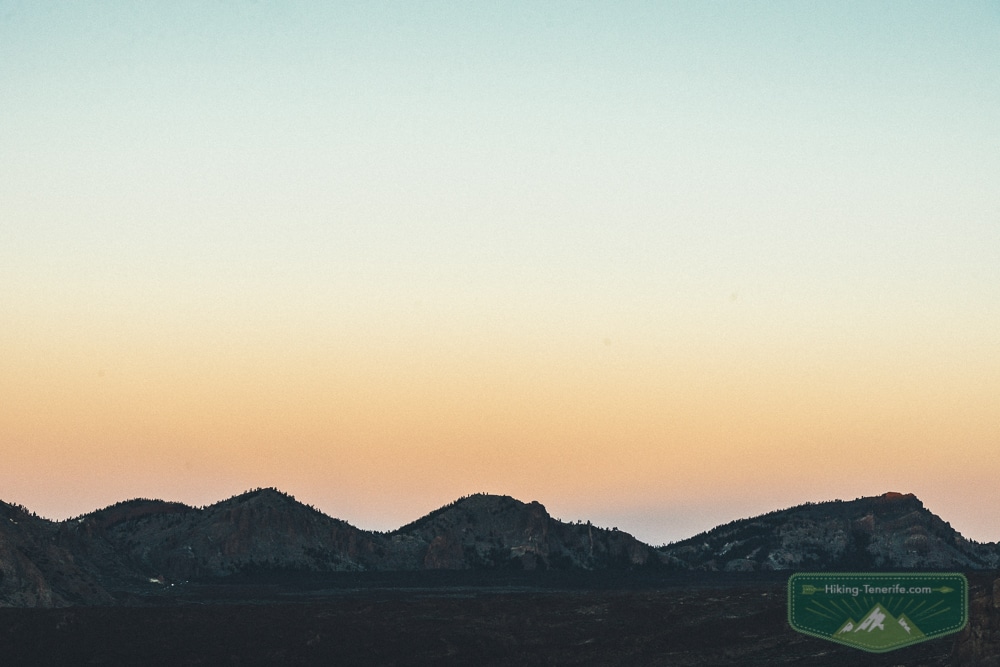
The old article was right about one thing: the gold arrives quickly.
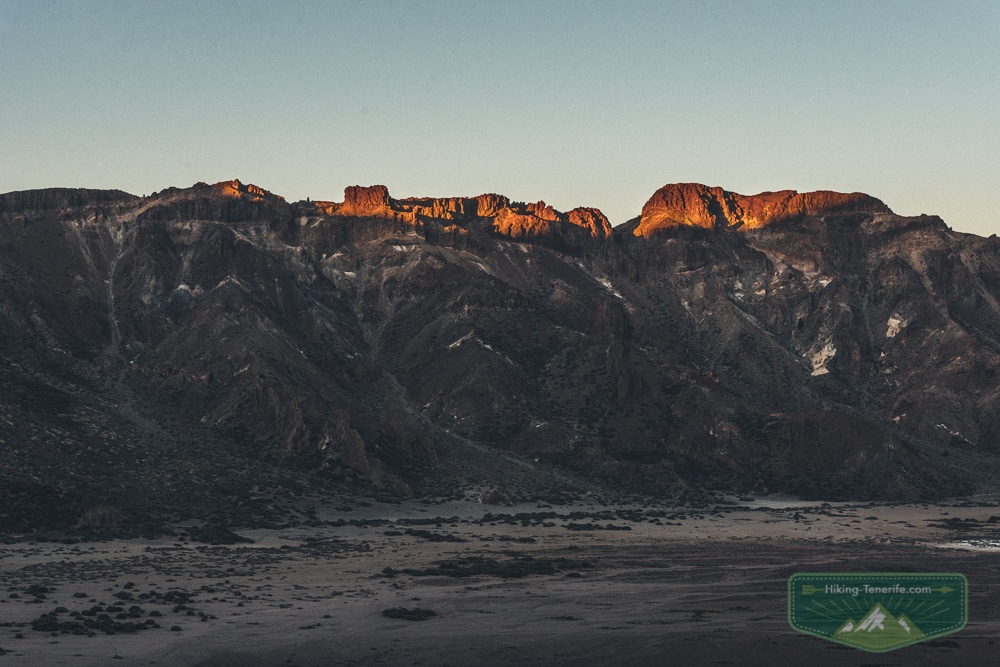
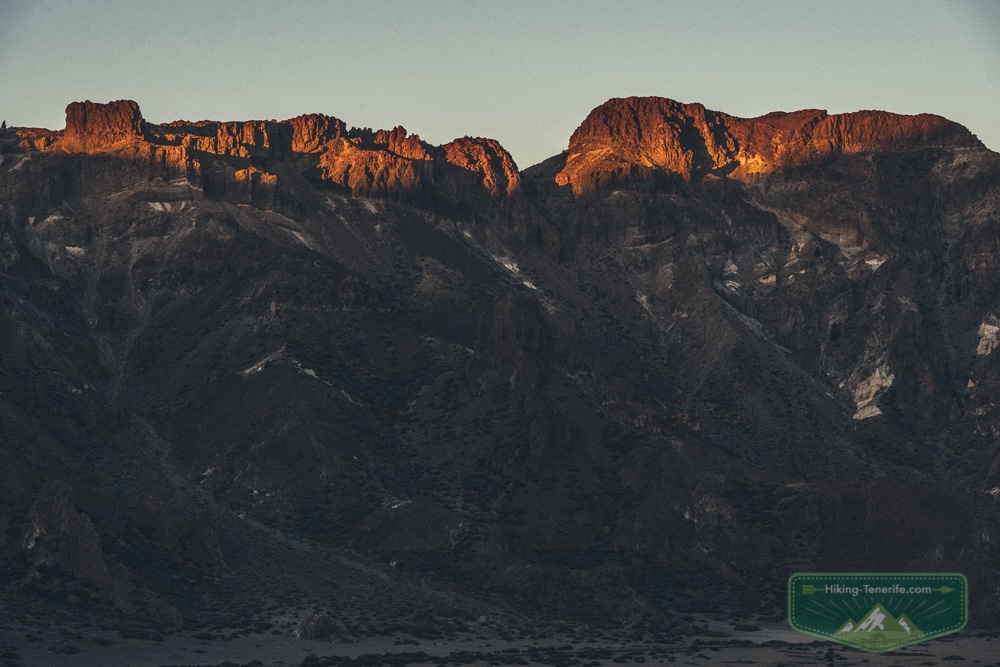
One minute you are looking at a black lava field and a few distant headlights. The next, the north-east mountains have a bright edge and the whole scene starts behaving like a film set.
Do not chase a particular pin just because a photographer used it. Use an official car park or a place where you can stop without blocking traffic or walking into fragile ground.
The nicest line in a photograph is never worth becoming the obstacle everybody has to drive around.
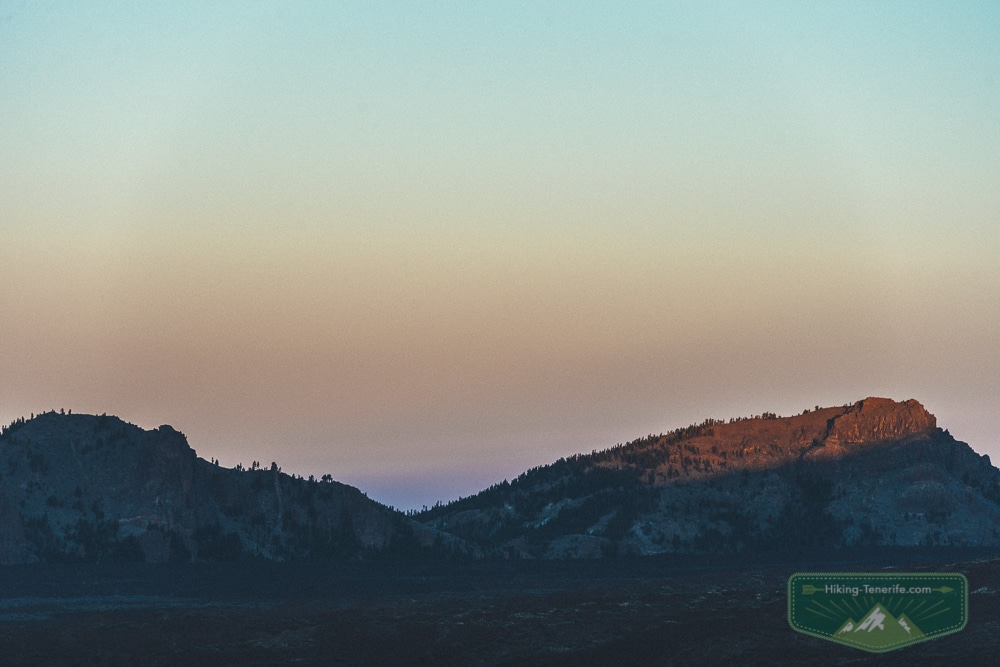
From up here, the south resorts look very far away. That is the point.
A trip based in Los Cristianos or Playa de las Américas can begin in beach weather and end in a high volcanic dawn. Pack for both islands on the same day.
Local verdict: if your real wish is to see Teide at sunrise, a viewpoint dawn is the beautiful, low-drama answer. The summit is a separate mountaineering project, not an upgrade button.
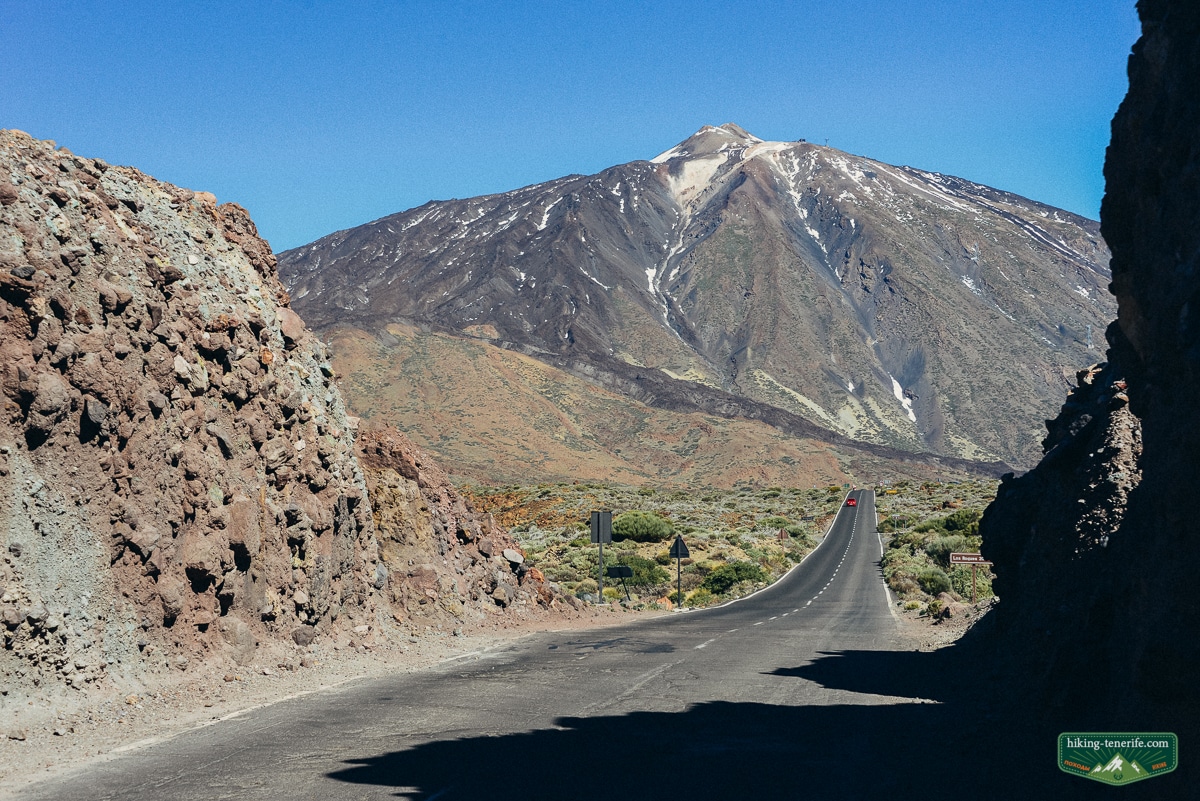
Driving To Teide Before Dawn
Leave earlier than your optimistic map suggests. Mountain roads are slower in the dark. Bends look sharper when your passengers are half asleep.
A quick fuel stop becomes irritating when the only open place is far below the park.
Fill the car, use the toilet and buy water or food before you climb. Do not expect the high park to behave like a resort promenade at 05:00.
Keep your phone charged. Download the route where possible. Carry a torch even if you do not plan to walk far. Tell somebody where you are going if the plan includes a trail.
Map note: Teide looks close from the south coast. It is not a quick detour before breakfast. Allow for dark bends, slow traffic, a safe stop and the drive back down.
Before leaving the coast, check the AEMET Teide mountain bulletin, current Tenerife ON alerts and trail status, and official road information for TF-21, TF-24 and TF-38.
Wind, snow, ice, falling rocks and temporary traffic controls can change an ordinary drive. If access is closed or the forecast turns ugly, turn around. A cloud inversion can wait.
Time it backward: start with the official sunrise time, then subtract your dark-road drive, a conservative mountain-road buffer, legal parking and ten to twenty minutes to settle safely. One fixed departure time cannot work for every resort, season or road condition.
Safety rule: do not try a forest track, a closed road or an unofficial shortcut because a navigation app says it is faster. A sunrise is optional. Getting home is not.
Can You Watch Sunrise From the Teide Summit?
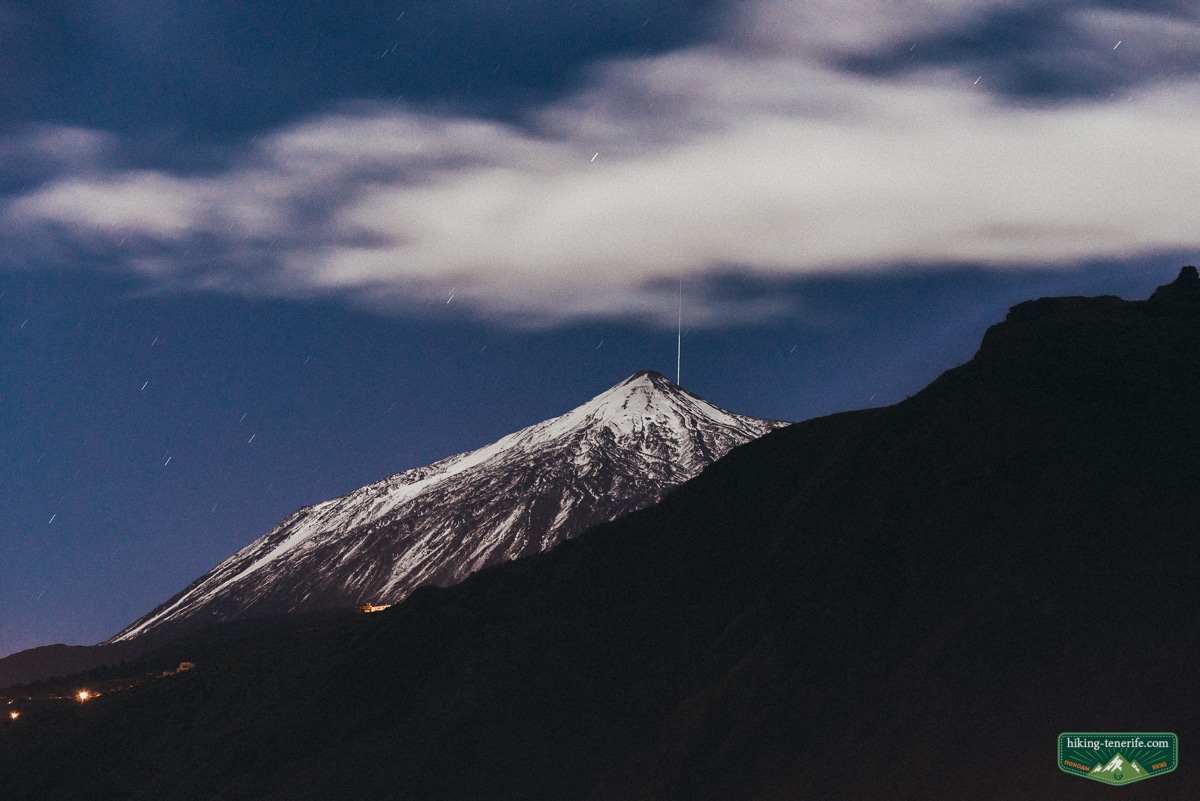
Yes, but this is where romantic internet advice becomes expensive. The final Telesforo Bravo path from La Rambleta to Pico del Teide is controlled.
The current sunrise activity is a specific 06:00–09:00 authorisation for PNT 10 Telesforo Bravo, managed through Tenerife ON. Availability, closures and your date’s conditions can still limit access.
This summit authorisation is separate from the reservation required for a controlled approach such as PNT 07 Montaña Blanca to La Rambleta. Neither permission is a blanket right to roam, camp, walk around the crater or choose any route you fancy.
Stay on the marked route. The crater and its surroundings are protected. The official rules do not allow visitors to leave the trail or enter it.
A cable-car ticket does not solve a sunrise summit. The cable car is a daytime service. The sunrise permit sits outside its normal operating hours.
Check the current cable-car timetable, status and parking hours yourself. Seasonal hours, wind and technical closures can change the answer even after you have planned the day.
Parking warning: the cable-car base car park is not general pre-dawn parking. The operator currently opens it from 08:00, with access outside published hours limited to customers booked on its night experiences. Use only a legal public parking place that is open for your plan.
Old Teide stories often make an overnight refuge sound like a tidy loophole. Do not build a current plan around that memory.
Official bivouacking is limited to an authorised Teide bivouac area. It needs its own advance booking and PNT 07 permission; tents and similar structures are forbidden.
Common mistake: booking a summit permit and assuming it covers the approach or makes a night hike suitable. PNT 07 requires its own reservation and mandatory equipment, and the sunrise summit needs a separate PNT 10 permit.
A summit permit opens one controlled path. It does not guarantee a lift, clear weather, an overnight plan or a safe ascent for every visitor.
Is an Overnight Teide Hike a Good Idea?
For a fit, experienced hiker with current permissions, suitable conditions and a sensible companion, a Teide ascent can be a serious mountain day.
For a first-time Tenerife visitor in holiday trainers, a solo dark start is a very bad way to meet the island.
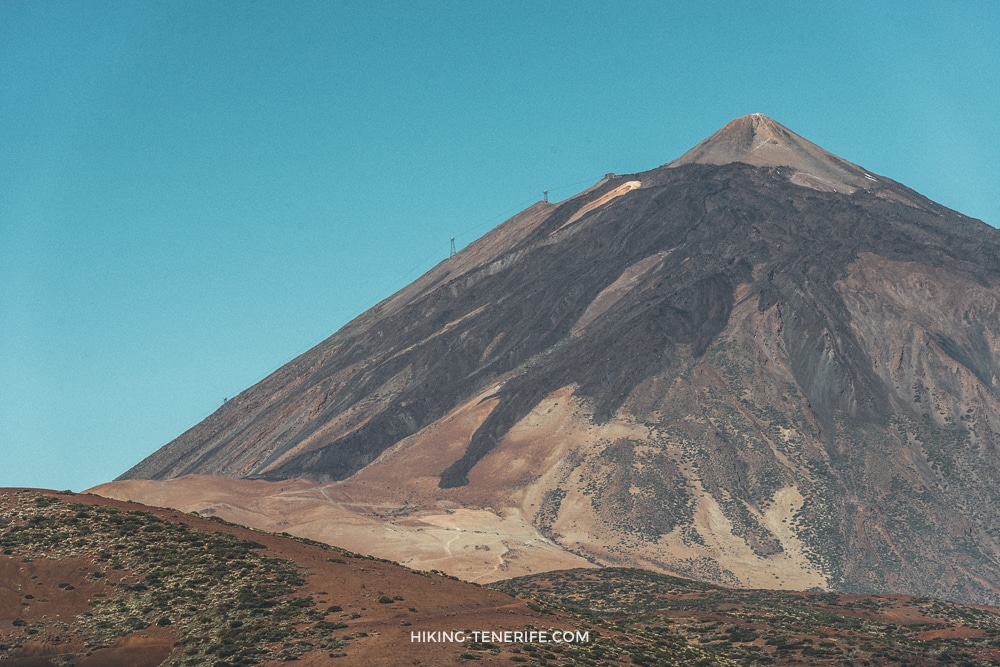
Altitude changes the mood fast. At the cable-car upper station you are already around 3,555 metres. The peak is higher still.
Headache, nausea, dizziness, unusual weakness or chest symptoms are reasons to stop and descend. So is the sudden feeling that the plan is not clever any more. Do not negotiate with your ego.
- For PNT 07, carry the official mandatory kit: a warm jacket, closed mountain footwear, water or hydrating liquids, a thermal blanket, a fully charged phone, a charged headlamp or flashlight and long mountain trousers or tights.
- Carry gloves and a hat, especially in winter, plus food and any additional equipment required by current conditions.
- Set a conservative turnaround time before you start. Sunrise does not become safer because you are nearly there.
- Never leave marked ground, approach the crater or continue through a closure.
If anyone in the group is not genuinely comfortable with darkness, exposure, cold or altitude, choose the viewpoint sunrise.
The viewpoint sunrise gives you the memory. It does not ask you to pretend that a high volcano is an adventure park.
Cold, Wind, Clouds and the Turn-Back Decision
I remember wanting to stay inside the warm car even with several good layers on. The magnesium camera body felt like ice.
That is not drama. Teide before sunrise is simply a different climate from the coast.
Bring a thermos if you like one. It is not essential gear, but a hot drink can make the first half-hour feel human again.
The more important items are insulation, wind protection, water and a willingness to leave when the weather becomes more mountain than holiday.
Cloud can hide the sunrise, but it can also create a beautiful inversion.
Wind is less poetic. It can make exposed places unpleasant, close the cable car and turn a short walk into a poor decision.
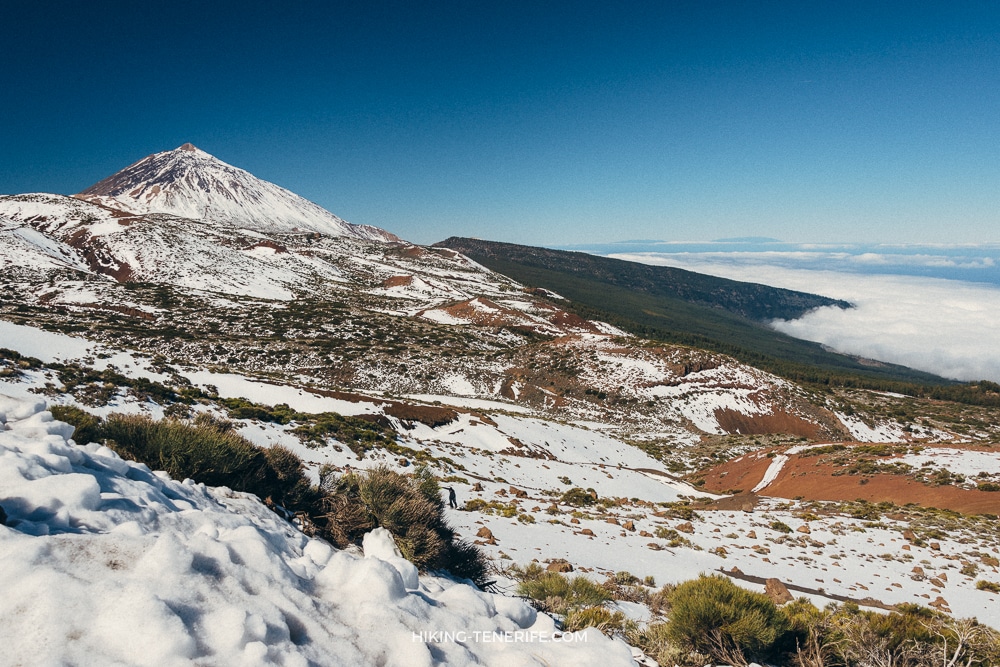
Do not wait for a perfect view if the road, your temperature or your group says otherwise.
Plan like this: decide before you leave the coast which forecast, road closure or wind level makes you cancel. A clear cancellation rule is the boring local trick that protects a good trip.
Planning the rest of the day? Use the free Tenerife map to pair a Teide dawn with one sensible coast or north-island stop, without turning an early start into a cross-island zigzag.
Which Teide Sunrise Fits Your Trip?
Photographers should choose a legal viewpoint dawn. Bring a headtorch and gloves. Give yourself time for the light after the actual sunrise.
The best color can be ten minutes later. The best frame is often not the summit.
Families should choose a short viewpoint stop only if the children cope with an early start and cold. There is no prize for making a tired child sit in a car at altitude for three hours.
A daylight park visit is often the smarter family story.
No-car travellers should not treat sunrise as a self-guided default. A checked guided option can make sense. Otherwise, plan a daytime park or cable-car visit and use the evening for a proper meal rather than a taxi puzzle.
For a wider first-trip rhythm, start with Things To Do In Tenerife and Things To Do In South Tenerife.
Local detail: a Teide dawn is a car-and-mountain plan, not a south-coast excursion with a convenient bus home. Without a car, daylight is often the better answer.
Hikers should separate ‘I want a sunrise photograph’ from ‘I want a legal high-altitude ascent’. If the second sentence is true, read the park rules and secure the appropriate authorisation first.
Check current access again. Then decide whether an experienced guide is the sensible answer.
If you are choosing a base for an island week, the north-or-south Tenerife guide helps more than a dramatic Teide photo.
The south is usually easier for an early Teide drive and beach recovery. The north adds greener weather, towns and a different road logic.
For a first Tenerife trip, I would spend the high-altitude effort on one good Teide morning. The rest of the week still needs room to breathe.
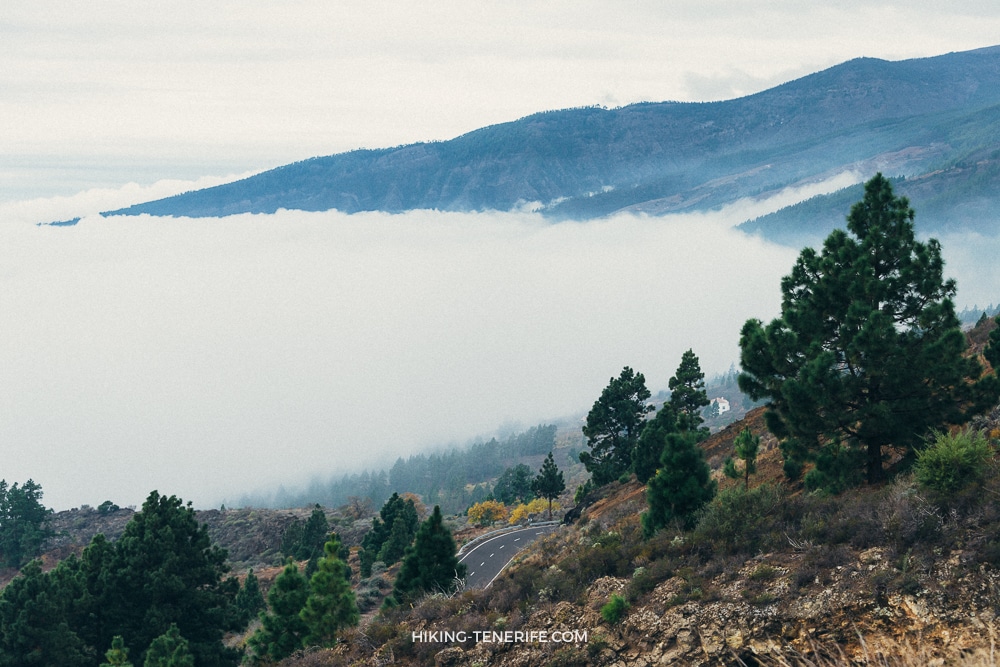
Sunrise, Stargazing or Sunset: Which Is Better?
Sunrise is quieter. It rewards people who can drive in the dark, stand in the cold and accept that breakfast will be late.
Stargazing is better when the sky is clear and you want the slow transition from stars to mountain silence. Sunset is easier for many visitors.
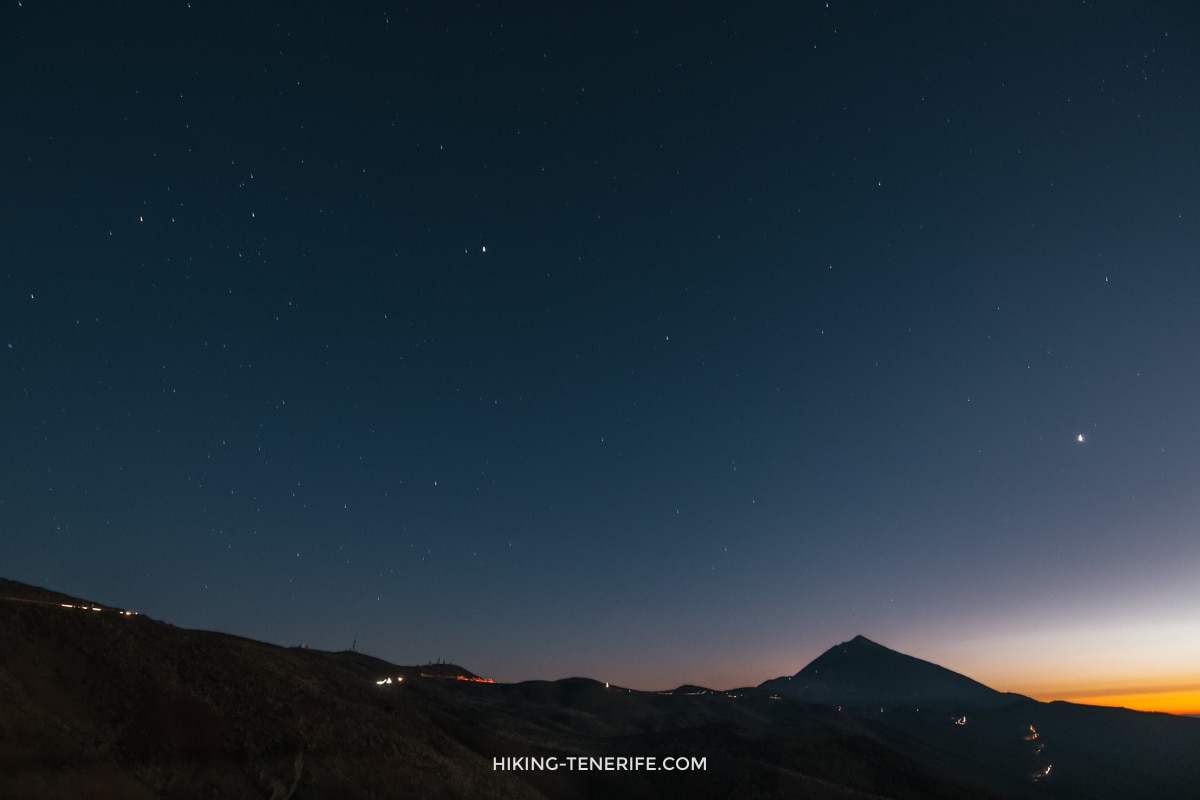
The return drive is still in darkness. Popular places do not suddenly become empty.
Choose the high-altitude moment that suits your real energy, not the one that sounds most heroic in a group chat.
Do not stack all three into one sleepless plan just because Teide looks close on a Tenerife map. Choose one main high-altitude moment and give it enough weather flexibility.
If you want professional help, verify that the guide or operator covers your exact sunrise plan, language, permits and transport before booking. A sunset or stargazing product is not automatically a summit-sunrise service.
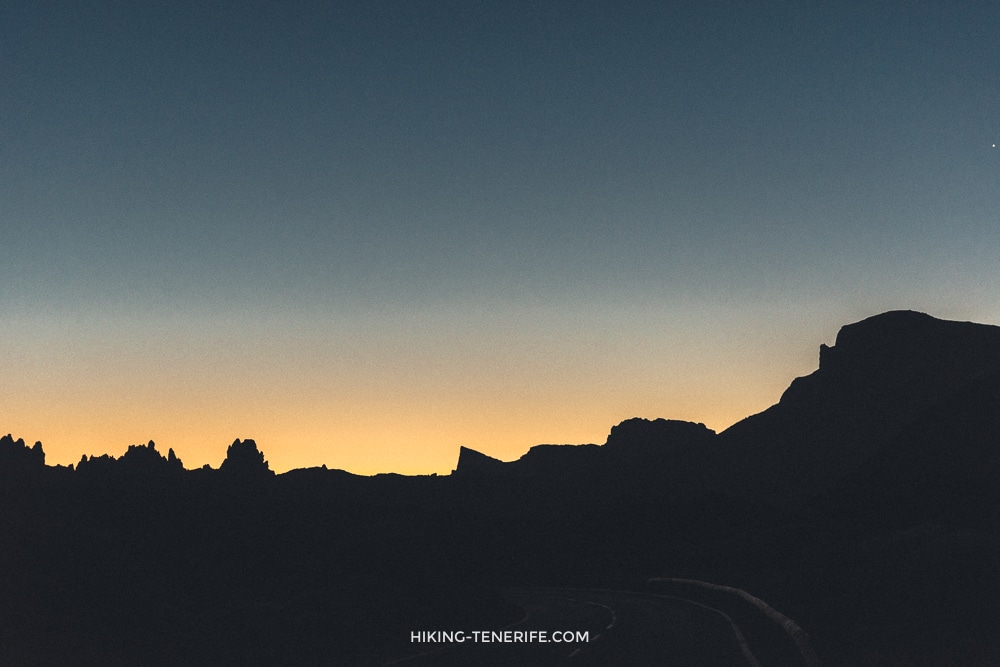
Local detail: Teide after dark is beautiful because it feels empty and huge. Keep it that way: stay on marked ground, keep noise low, take every scrap home, and do not turn protected plants into a foreground prop.
What To Do After a Teide Sunrise
The old rhythm is still my favourite: drink the tea, look once more at the caldera, then leave before the day becomes crowded.
Continue through the National Park in daylight. Add an easy walk where conditions allow. Or return to the coast for breakfast and sleep.
For deeper park context, use my Teide National Park guide. If the trip is becoming a hiking holiday rather than a viewpoint day, open the best hikes in Tenerife first.
The right route is better than the famous route when weather and energy are involved.
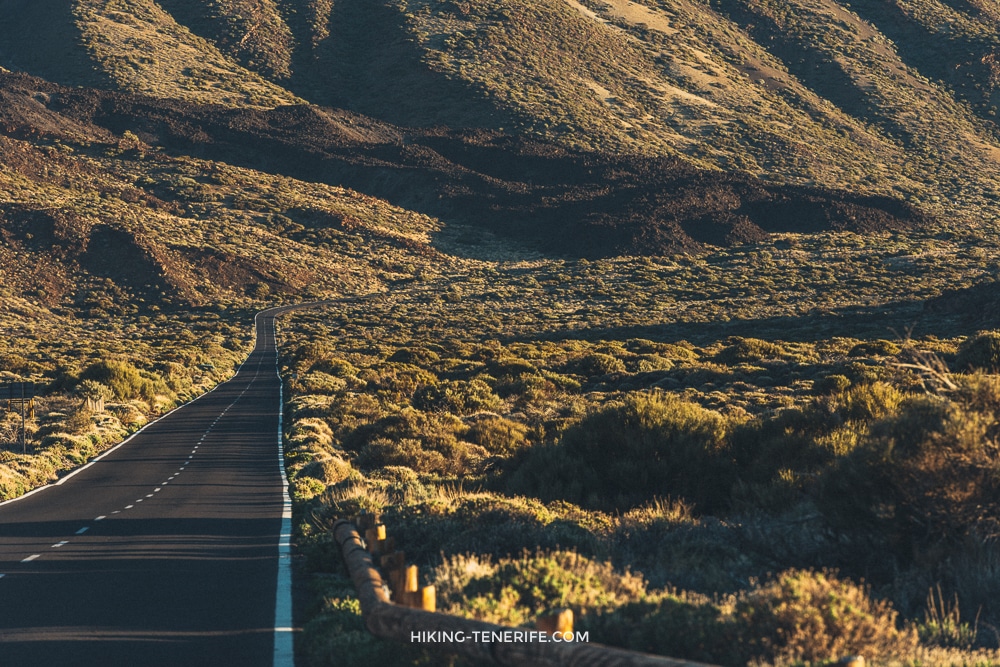
Back on the coast, choose the rest of the day by your actual energy.
Los Cristianos is easy for a recovery promenade and beach lunch. Las Américas is convenient if that is your base.
The north makes more sense if you still want La Laguna, La Orotava or a greener road day. Do not pretend you will be fresh for Anaga after a 03:00 alarm unless you know yourself very well.
A Teide sunrise is enough for one day. Let the island give you the rest at a human pace.
Mount Teide Sunrise FAQ
Where is the best place to watch a Mount Teide sunrise?
For most visitors, a legal stopping place or viewpoint in Teide National Park around Las Cañadas and Roques de García is the best answer. It gives a real dawn landscape without turning the morning into a summit expedition. Choose only places where parking and stopping are permitted, then check weather and road conditions on the day.
Do I need a permit for sunrise from the Teide summit?
Yes. The final Telesforo Bravo path to Pico del Teide is controlled. The current sunrise activity uses a specific 06:00–09:00 authorisation through Tenerife ON, subject to availability and closures. A permit for that path is not a cable-car ticket or permission to leave marked routes.
Can I take the Teide cable car for sunrise?
No. Treat the cable car as a daytime service, not a sunrise lift. Its timetable changes by season and it may close for weather or technical reasons. Check the official status and timetable before planning any cable-car day.
Is it safe to hike Teide at night for sunrise?
Only for properly prepared, legally authorised and suitably experienced hikers in safe current conditions. It is not a casual holiday walk: darkness, cold, altitude, route permissions and turn-back judgment all matter. A viewpoint dawn is the better choice for most visitors.
What should I wear for a Teide sunrise?
Wear proper closed shoes with grip and take warm layers, a windproof outer layer, hat and gloves. Carry water, food and a torch. The coast may be warm while Teide before sunrise feels close to winter.
Can I see a Teide sunrise without a car?
It is difficult to do independently because normal public transport rarely matches a pre-dawn viewpoint plan. Use a checked guided option if one fits your date, or choose a daytime Teide visit rather than forcing unreliable transport into a dark mountain morning.
With you was Dima, the photographer who makes a decent frame now and then. See you on the road, preferably after a proper sleep.

