

Short answer: cook the octopus gently until a knife slides into the thickest part, dry it properly, then grill it hard and fast for smoky edges. The grill is for char, not for tenderising.
We did not move to the Canary Islands to become the sort of people who keep a tiny seafood lecture ready at the dinner table.
We moved here, cooked here, and slowly learned that a good plate of food can make an ordinary evening feel like a small occasion.
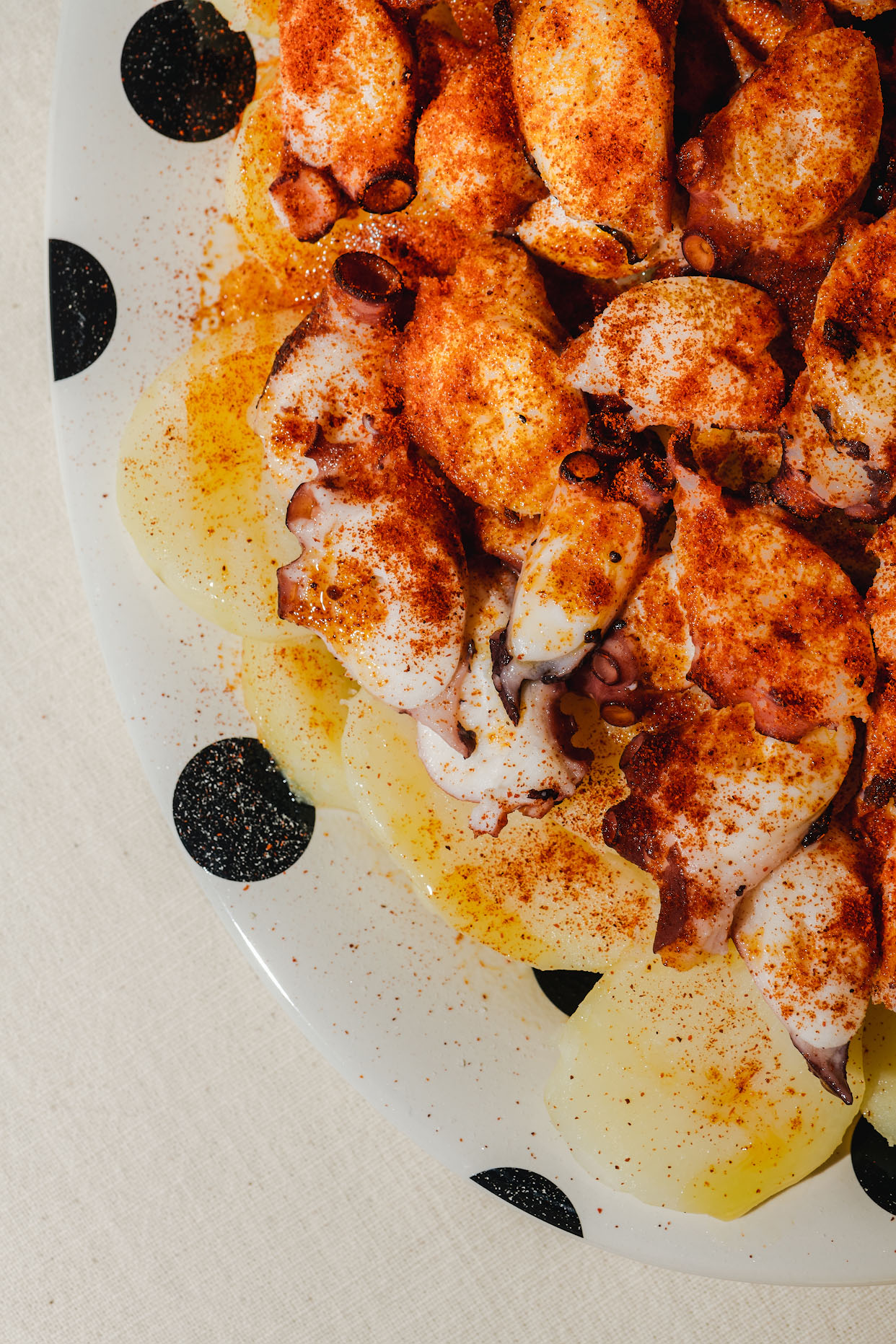
This grilled octopus recipe is our Tenerife kitchen version: tender inside, properly charred at the edges, and finished with olive oil, smoked paprika, lemon and herbs.
It is not presented as a traditional Canarian dish simply because we live here.
Now let’s give Anastasia the mic. I’m a self-taught healthy chef and the founder of Greeny App, and I’ll show you the method I use when I want octopus that feels generous and special without turning the kitchen into a science lab.
Ready? Let’s start–or use the contents below to jump straight to what you need.
What makes this our grilled octopus recipe?
The method has two separate jobs. Gentle simmering softens the connective tissue; the very hot grill adds colour, crisp edges and that little smoky bitterness you cannot get from a pot.
Kitchen verdict: if your octopus is rubbery, the usual problem is not a weak marinade. It was either undercooked before grilling, still wet when it hit the grill, or cooked over gentle heat on the grill for too long.
Canary Islands context, without the authenticity theatre
You may see pulpo on a Spanish fish-counter label or restaurant menu. Octopus is part of the wider Atlantic and Spanish food conversation, and potatoes, olive oil, paprika, lemon and herbs make complete sense around it.
That does not make this exact plate a traditional Tenerife recipe.
This is our household variation: a tender-first cook, a dry surface, a quick grill and a finishing oil with a little Canary-style mood.
If you want to see how we approach another generous seafood dish at home, our seafood paella from Tenerife is a useful companion, but it is a different recipe and technique.
How to buy octopus: fresh, frozen or already cooked?
For a first attempt, I usually choose a cleaned frozen octopus. Freezing helps break down some of the tough fibres, and the packaging gives you a predictable weight. It is not an inferior shortcut; it is often the less stressful option.
| What you find | My practical choice | What to remember |
|---|---|---|
| Fresh whole octopus | Good if your fishmonger can clean it | Freeze it for a day if you have time, then thaw slowly |
| Frozen whole octopus | Best beginner option | Thaw overnight in the refrigerator and drain well |
| Cooked tentacles | Fastest route to the grill | Dry them carefully and grill only until hot and charred |
| Uncleaned octopus | Only if you are comfortable preparing it | Remove the eyes, beak, innards and ink sac before cooking |
Buying and safety: choose a reputable fishmonger or a sealed package that has stayed properly cold. Fresh seafood should smell clean and marine, not sour, rancid, strongly fishy or ammoniacal. Keep it chilled on the way home, use a separate board for raw seafood, and wash hands and surfaces after handling it.
How to clean octopus before cooking
Ask the fishmonger to clean it when you buy it. That usually means the innards and ink sac are removed, but check whether the eyes and hard beak have also gone.
If the octopus is already cleaned, rinse it briefly under cold water and inspect the head and tentacle joins.
If you are doing the job yourself, cut away the eyes, push out the beak from the centre underneath the head, remove the contents of the head and rinse away any sand.
The skin and suckers can stay; they are edible and become pleasantly soft when the octopus is cooked.
Do not leave raw octopus sitting beside salad, cooked potatoes or the clean serving plate. The boring separation step is the one that keeps a relaxed seafood dinner relaxed.
Ingredients for four small plates or two generous mains
This amount works for one cleaned octopus weighing roughly 1–1.5 kg before cooking. It shrinks, so do not panic when the pot looks more generous than the final platter.
- 1 cleaned whole octopus, fresh or frozen and fully thawed
- 1 onion, halved
- 2 bay leaves
- 1 teaspoon black peppercorns
- A few parsley stems and a strip of lemon peel
- 2 tablespoons cider vinegar or dry white wine vinegar, optional
- 3 tablespoons extra-virgin olive oil, plus more for the grill
- 1 small garlic clove, finely grated
- 1 teaspoon sweet smoked paprika
- ½ teaspoon sweet paprika or hot paprika, depending on your table
- Finely grated zest of ½ lemon and lemon wedges to serve
- 2 tablespoons chopped flat-leaf parsley or coriander
- Black pepper and salt, added carefully at the end
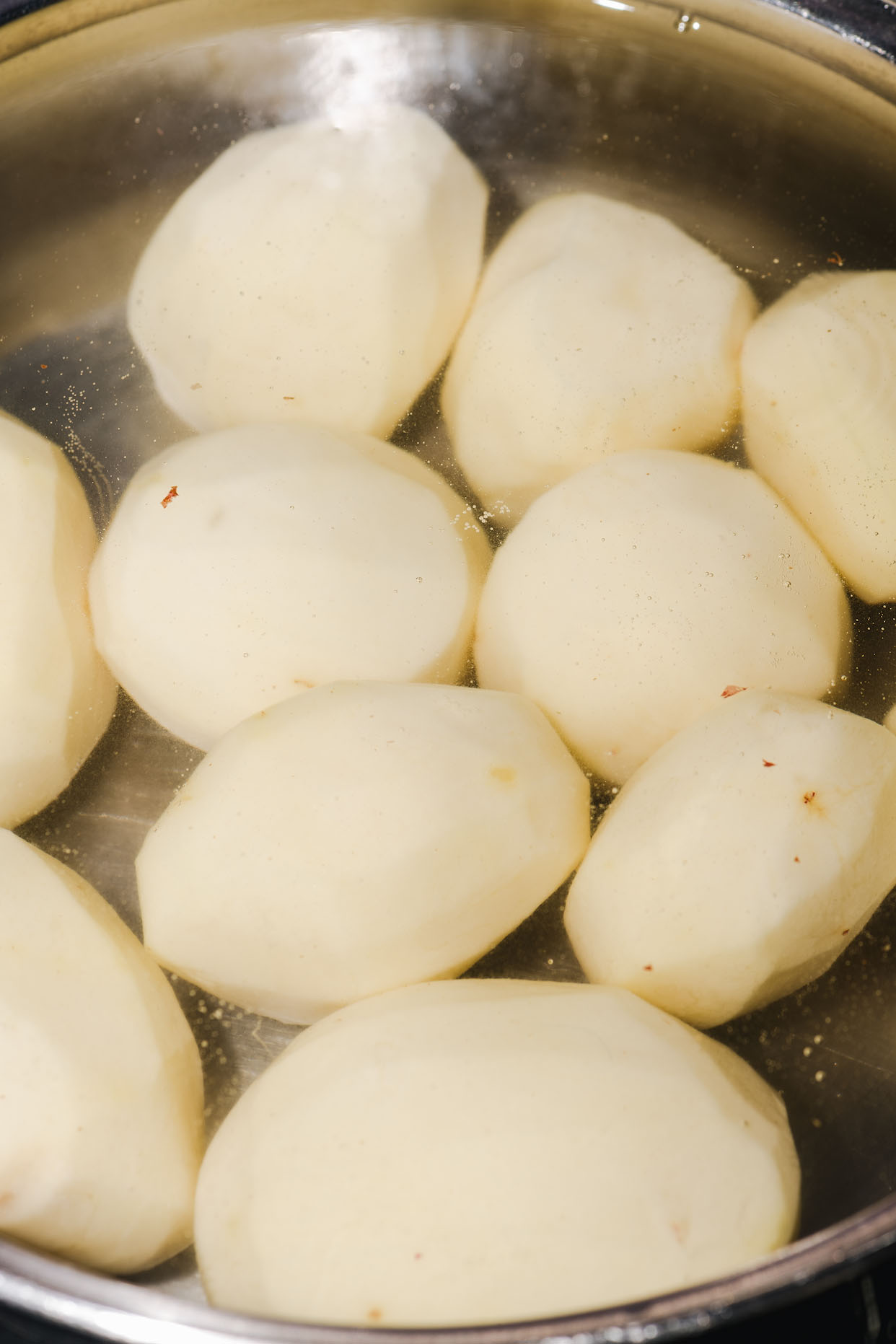
For a more Spanish-Mediterranean plate, add boiled or grilled potatoes, a tomato and cucumber salad, bitter leaves, olives, crusty bread, or a spoonful of a simple mojo-inspired oil.
“Inspired” matters here: this is our household finishing sauce, not a claim that this plate is a traditional mojo recipe.
How to make octopus tender before the grill
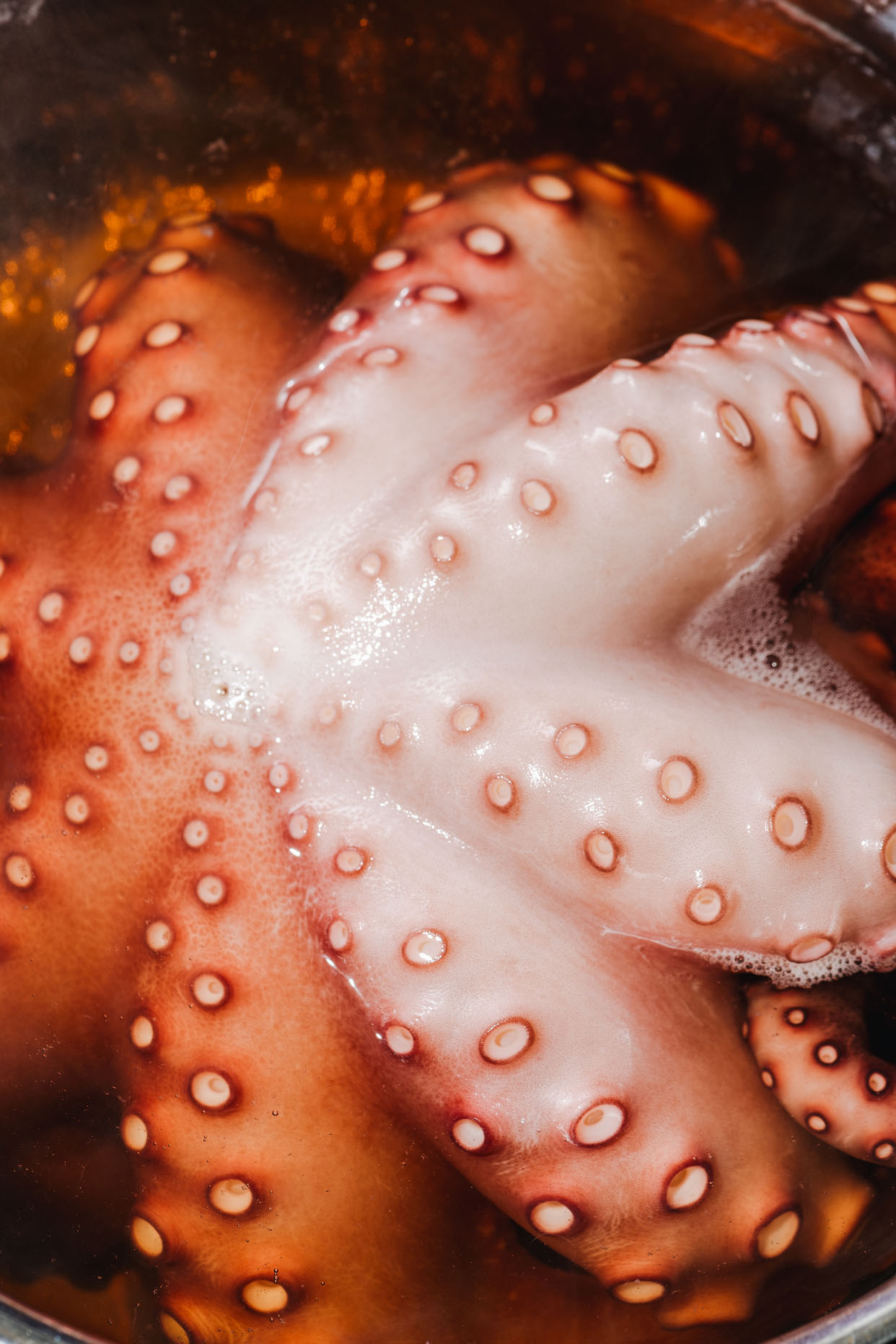
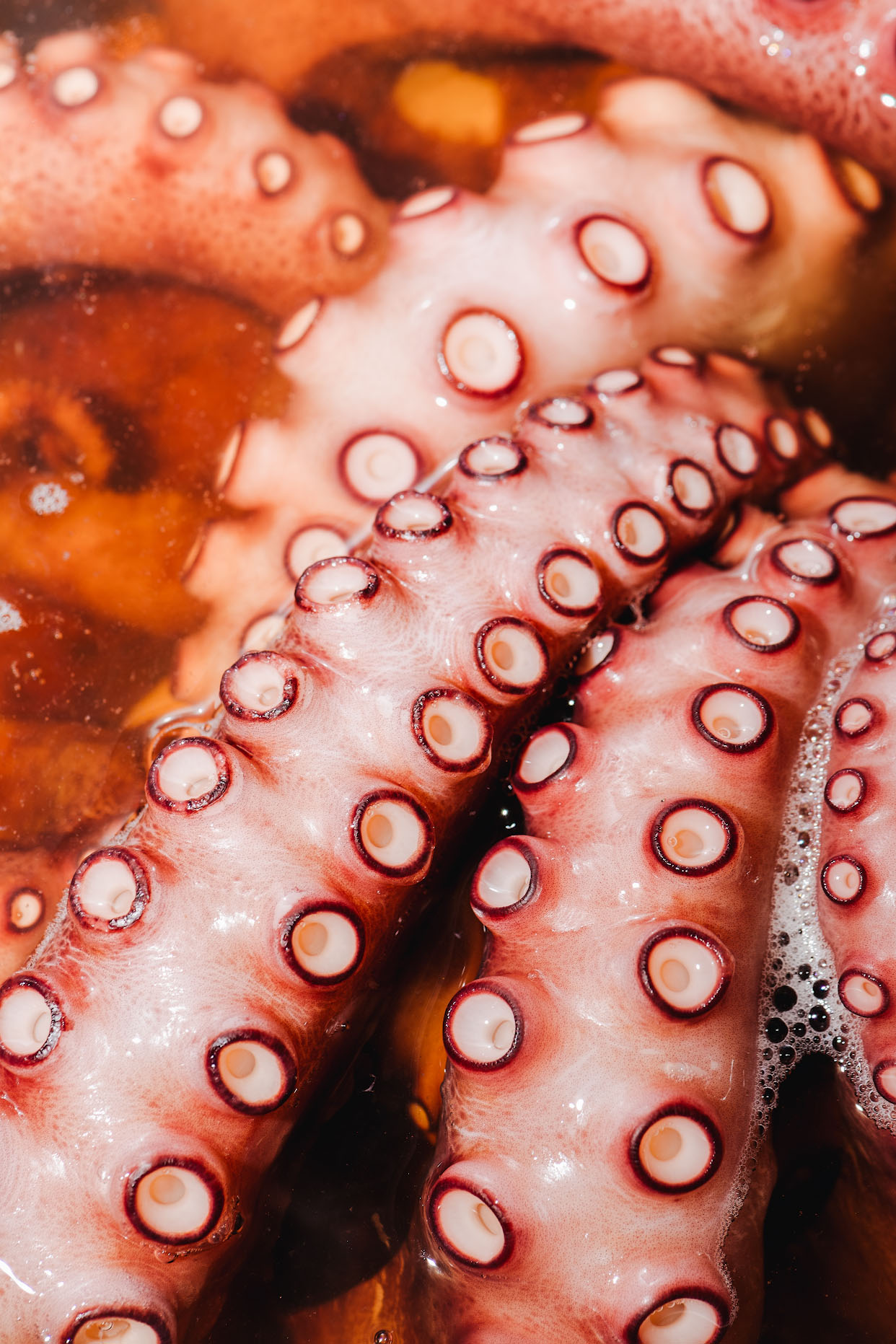
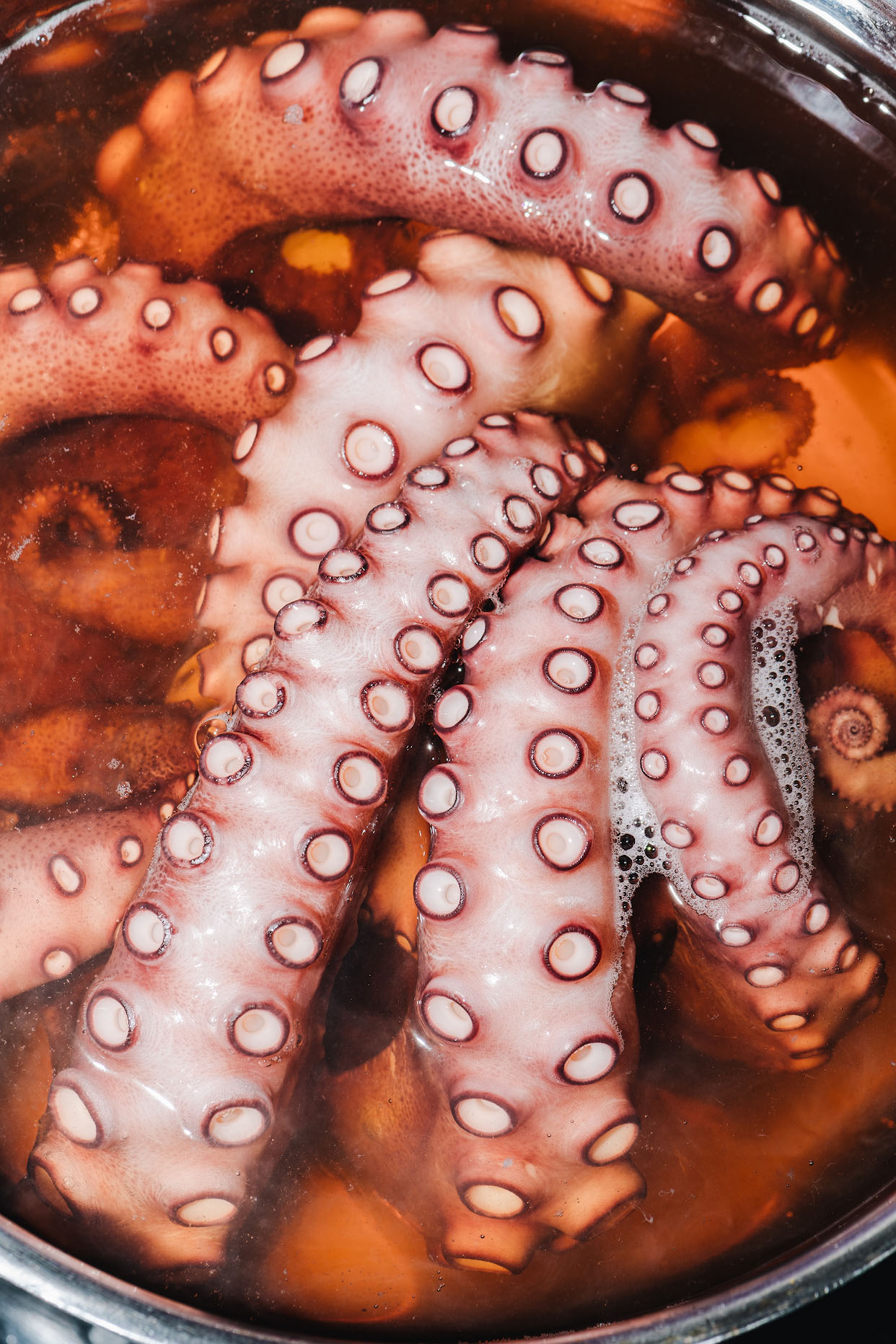
Freezing is one useful tenderising step, but the important step is still the gentle pre-cook. Put the thawed octopus in a large pot with the onion, bay leaves, peppercorns, parsley stems, lemon peel and vinegar if using.
Use a pot wide enough for the tentacles to sit without being tightly packed. Add enough cold water to come most of the way up the octopus, while leaving safe room below the rim for simmering.
Bring the pot up to a boil, then lower the heat immediately. You want a quiet simmer with small bubbles, not a violent boil that knocks the tentacles around.
Cover the pot loosely and cook until a thin knife or skewer slides into the thickest part of a tentacle with little resistance.
How long to boil octopus? Start checking at 45 minutes. A 1–1.5 kg octopus often takes around 60–75 minutes, but weight, shape and whether it was frozen all change the answer. The knife test matters more than the clock.
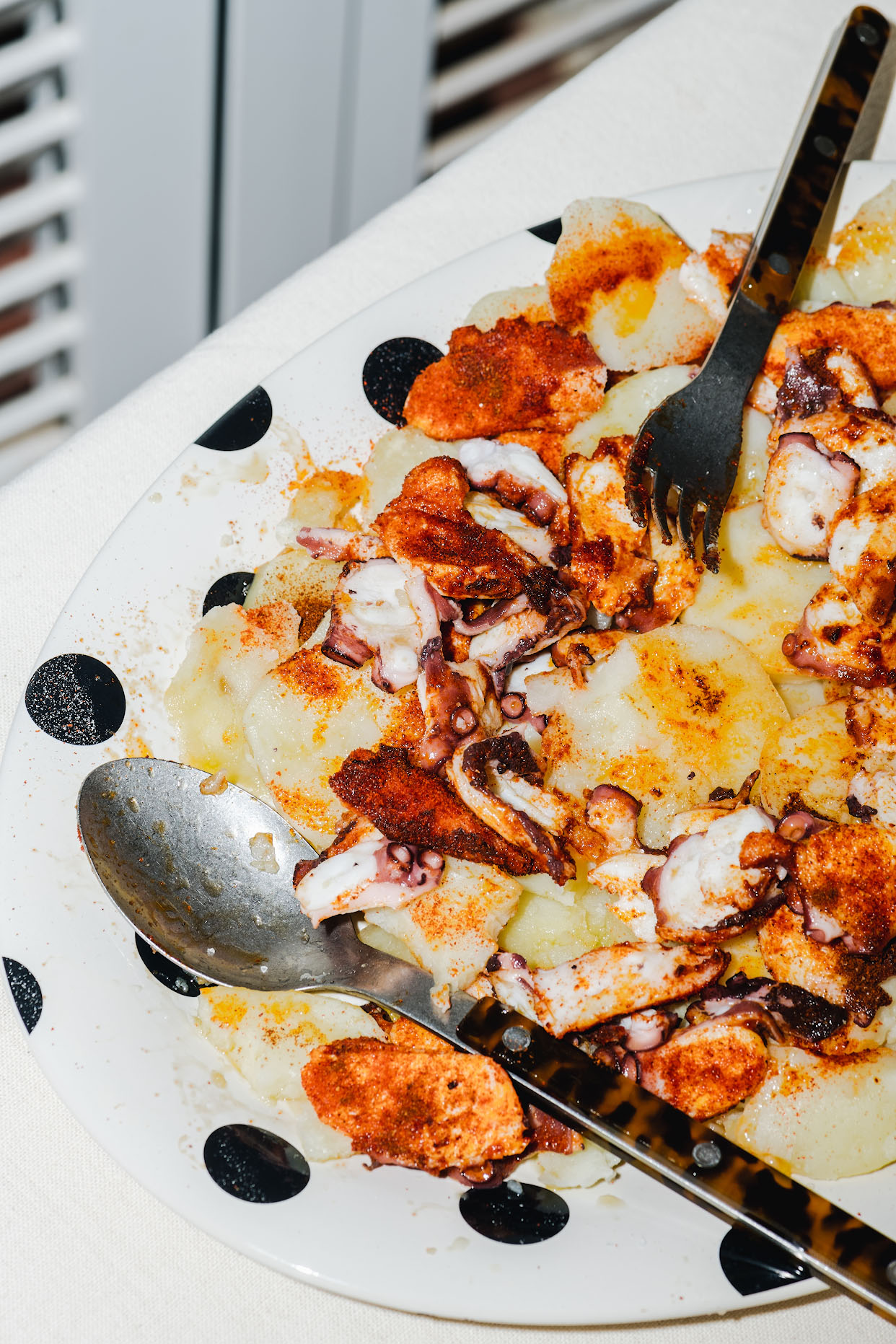
Let it cool in some of its cooking liquid for 10–15 minutes, then drain. At this stage you can grill it the same day, or chill it covered in the refrigerator and finish it tomorrow. Chilled tentacles are easier to dry and handle.
Skip the cork folklore. I do not add a wine cork as a tenderising trick. Freezing, gentle cooking and testing the thickest part are more useful than keeping a bottle stopper in the pot.
Marinade, seasoning and the dry-surface trick
Once the octopus is tender, separate the tentacles if necessary and pat them very dry. For the grill, surface moisture is the enemy: it creates steam, cools the metal and gives you pale, wet seafood instead of char.
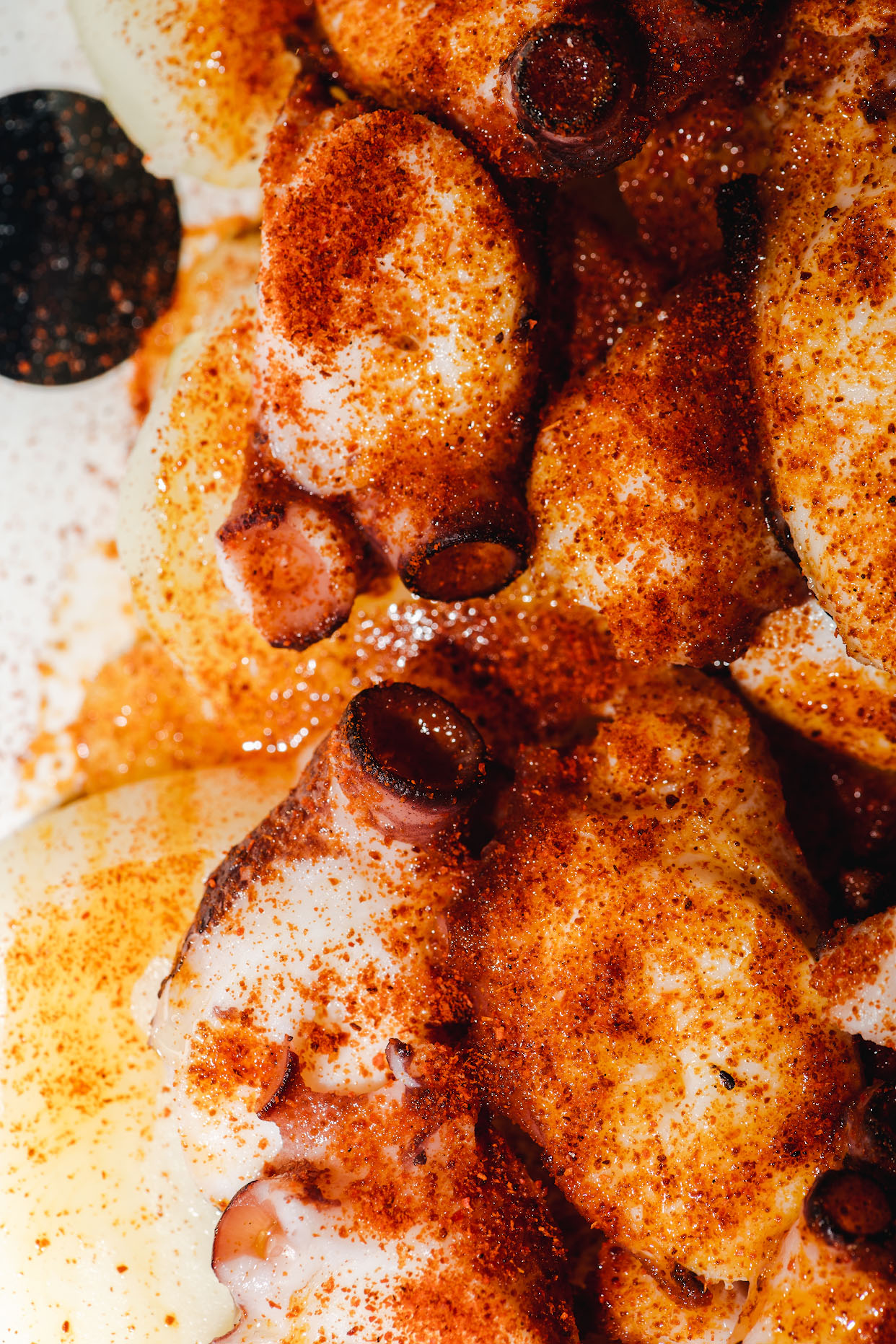
Mix the olive oil, grated garlic, smoked paprika, lemon zest and black pepper. Rub a thin coat over the tentacles. Save the lemon juice and vinegar for the finish rather than soaking the octopus in a watery acidic marinade before grilling.
| Finish | Mix | Best with |
|---|---|---|
| Canary-Mediterranean | Olive oil, garlic, smoked paprika, lemon zest, parsley | Potatoes and a tomato salad |
| Mojo-inspired | Olive oil, coriander, garlic, cumin, sherry vinegar, a little chilli | Boiled potatoes and bread |
| Bright and green | Olive oil, lemon, parsley, capers and black pepper | A warm lunch plate with bitter leaves |
| Smoky and simple | Olive oil, paprika, pepper and lemon at the table | A charcoal grill and cold drinks |
How to grill octopus without making it rubbery
Heat the grill to medium-high or high, aiming for a genuinely hot cooking surface. If you are using charcoal, wait until the coals are glowing with a light ash coating. If you are using gas, preheat with the lid closed.
The octopus is already cooked, so the grill should be quick.
Place the oiled tentacles on the hottest part of the grill. Cook for about 2–3 minutes on the first side, turn once, then give the second side another 2–3 minutes. Larger pieces may need 3–4 minutes per side.
Turn when the edges are darkening and the surface is releasing easily; do not keep moving them.
Take the octopus off as soon as it has dark edges and a few crisp marks. A little char is the point; a long second cooking is how the texture goes from tender to chewy.
No barbecue? Use a grill pan or heavy skillet
A hot cast-iron grill pan works well indoors. Heat it until a drop of water evaporates quickly, oil the octopus rather than flooding the pan, and work in batches so the pieces sear instead of steaming.
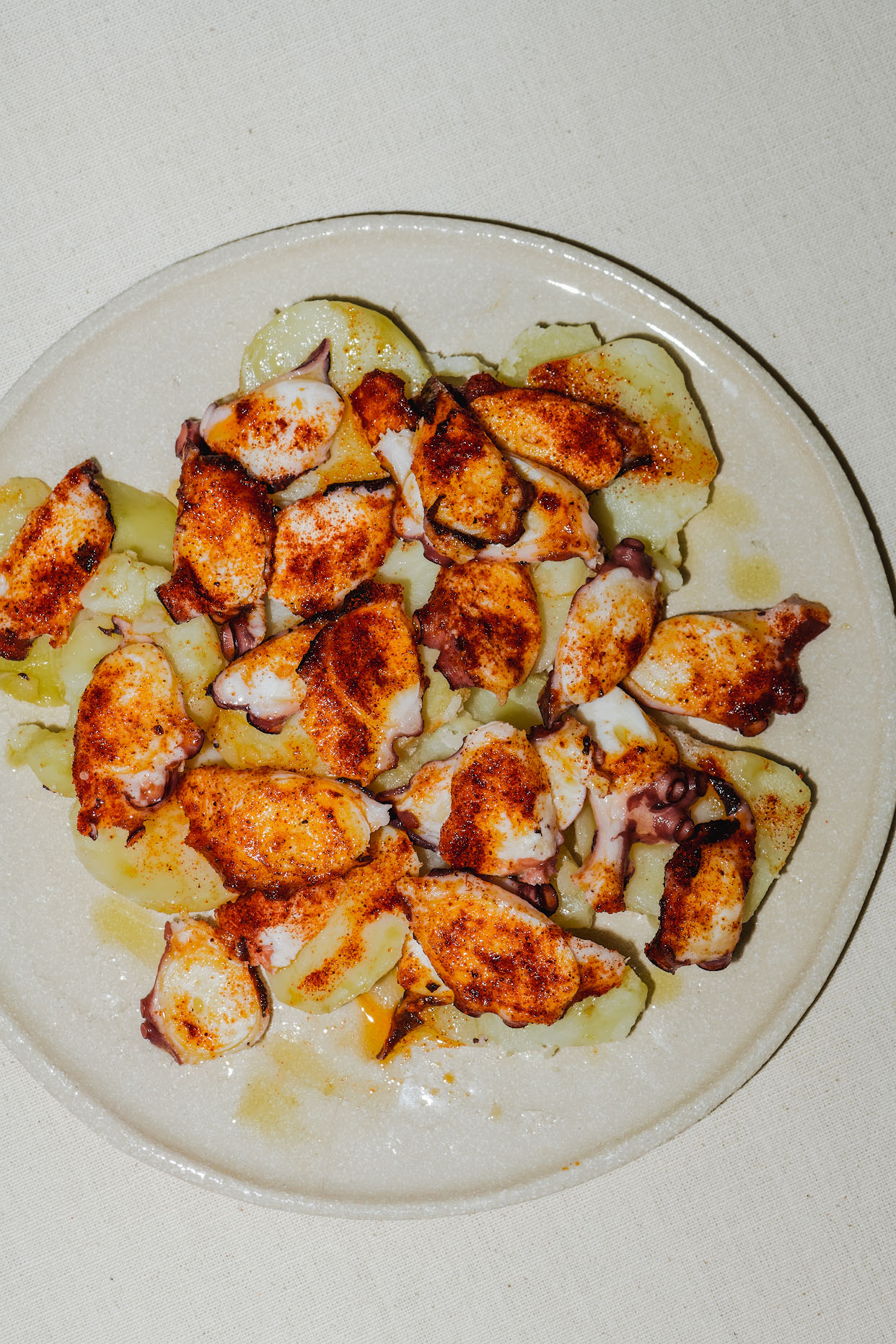
You can also use a heavy skillet. It will give you browned edges rather than neat grill stripes, but the flavour is still good. Open a window: octopus, paprika and a very hot pan are wonderfully aromatic and not especially shy.
Finish the grilled octopus at the table
Put the hot octopus on a wide plate, squeeze over lemon and spoon over the remaining paprika oil. Add chopped parsley or coriander at the last moment.
Taste before adding salt because cooked octopus can already carry plenty of ocean seasoning.
What to serve with grilled octopus
For a proper shared table, I like one soft side, one fresh side and something to catch the oil.
Boiled potatoes are the easy answer; a tomato, cucumber and onion salad keeps the plate bright; bread is there for anyone who believes leaving good paprika oil behind is a personal failure.
- Simple: boiled potatoes, lemon, parsley and a green salad.
- Spanish-Mediterranean: potatoes, roasted peppers, olives and a sharp tomato salad.
- Canary-inspired household plate: potatoes with mojo-inspired oil, grilled spring onions and crusty bread.
- Light lunch: sliced octopus over bitter leaves, beans, tomatoes and cucumber.
- For sharing: small grilled pieces with lemon wedges and toothpicks as a starter.
Is grilled octopus healthy in practical terms?
Healthy is not a magic label I want to stick on a plate and walk away from.
Here it means seafood cooked with olive oil, vegetables and potatoes or bread in a portion that suits the table, rather than a heavy creamy sauce or a deep-fried coating.
The balance still depends on the whole plate. Use enough oil to flavour and grill the octopus well, add vegetables for freshness, and let people choose how much bread, potato, salt and sauce they want.
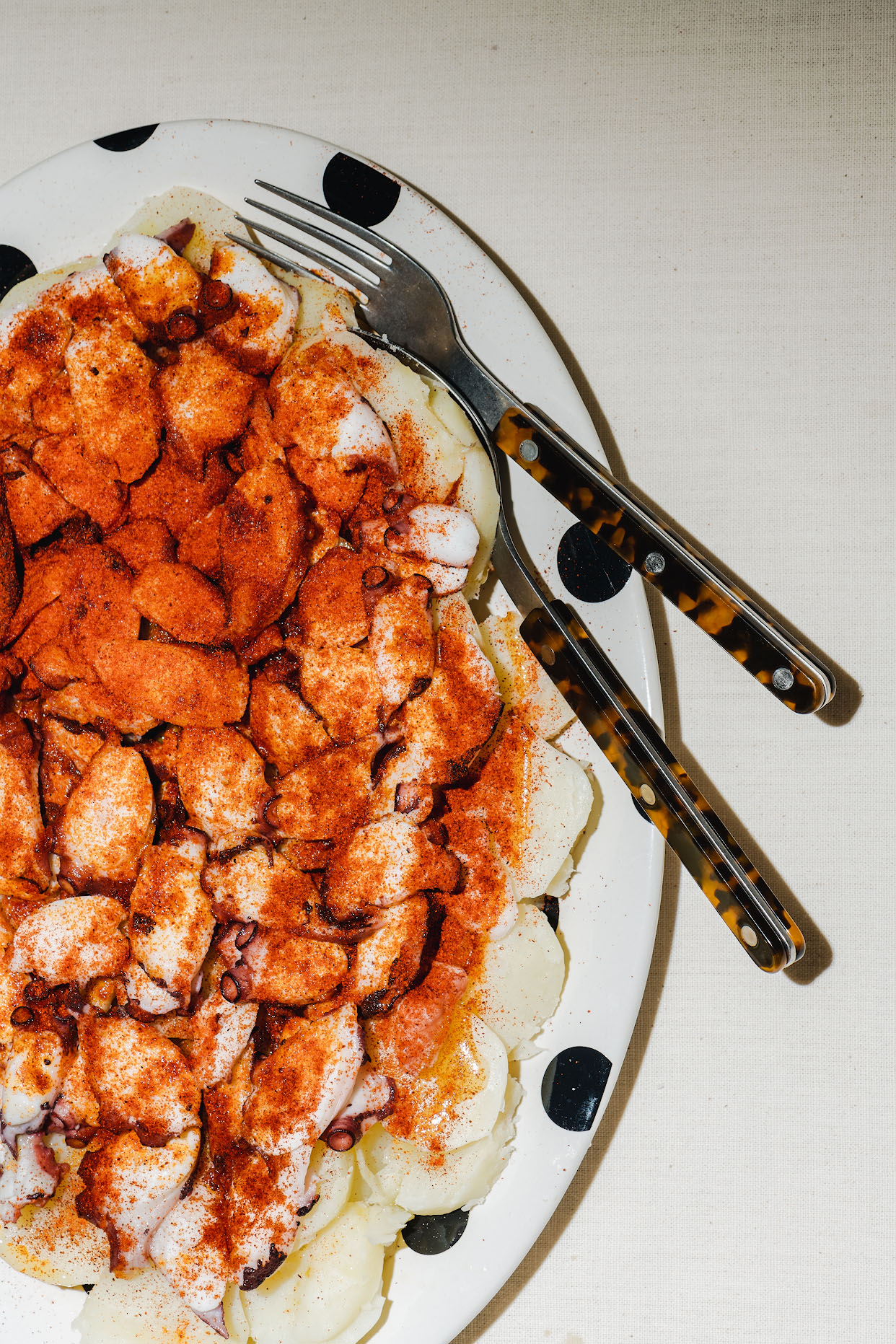
Troubleshooting: what went wrong?
| Problem | Likely reason | What to do next time |
|---|---|---|
| Rubbery after grilling | It was not tender before the grill or cooked too long over low heat | Return to the tender-first method and grill hotter, shorter |
| Pale and watery | The surface was wet or the pan was crowded | Drain, pat dry and cook in batches |
| Burnt outside, cold inside | Pieces were too large or the grill was fierce | Use smaller portions and let chilled octopus lose some fridge chill |
| Too salty | The cooking liquid, packaged octopus or finish was already salted | Season only after tasting; add lemon and salad rather than more salt |
| Soft and mushy | It cooked beyond the tender point | Start checking earlier and remove it as soon as the thickest part yields |
| No char | Low heat, too much oil or too much moisture | Heat the surface harder and keep the oil film thin |
The cue I watch is not the timer. It is a tender tentacle, a dry surface and a grill hot enough to finish the job quickly.
Storage and leftovers
Cool cooked octopus promptly, cover it and refrigerate it. I prefer to keep the tender octopus separate from the fresh herbs and lemon until serving, then grill only the amount we need.
Use cooked octopus within two to three days for the best texture. Refrigerate it promptly in a shallow covered container.
Leftovers are good cold in a salad, folded through potatoes, or chopped into a warm bean and tomato plate. If you reheat them, heat them through to 74°C, but avoid a long slow reheat that ruins the texture.
Food-safety reminder: thaw seafood in the refrigerator, keep raw octopus separate from ready-to-eat food, and refrigerate cooked seafood within two hours. Cook raw seafood thoroughly. If it smells sour, rancid, strongly fishy or ammoniacal, discard it rather than trying to rescue dinner.
Keep the next cooking day calmer
When I build a meal around one ingredient, I like having the next few decisions somewhere simple: save the recipe, plan the sides and make a shopping list without opening seventeen tabs.
That is the ordinary cooking rhythm I built Greeny for.

Get Anastasia's octopus timing cue in your inbox
I’ll send you the tender-first method, the dry-surface trick, and the finishing oil I use when the grill needs to do its fast, smoky work.
- Tender first
- Dry surface
- Canary kitchen notes
Free to join. No noise, just very good food.
Grilled octopus FAQs
Do you have to boil octopus before grilling?
For this home-kitchen method, yes: simmer it until tender first. Grilling raw octopus for the short time needed to create char is not a reliable way to soften the connective tissue.
How do you cook frozen octopus?
Thaw it overnight in the refrigerator, drain it, then cook it gently in a pot with aromatics until the thickest tentacle is tender. Frozen octopus is often convenient because the freezing step already helps with texture.
How do you cook octopus tentacles?
Use the same tender-first method, but start testing earlier if the tentacles are small. Once tender, pat them dry, coat them lightly with oil and grill for a few minutes per side until the edges char.
How long should octopus grill?
Usually 2–3 minutes per side over a hot grill, or 3–4 minutes per side for larger pieces. The octopus is already cooked; stop when it is hot with dark, crisp edges.
What goes well with grilled octopus?
Boiled or grilled potatoes, tomato salad, bitter leaves, olives, lemon, parsley, bread and a bright olive-oil dressing all work. Choose one soft side and one fresh side so the octopus stays the centre of the plate.
Can I make grilled octopus indoors?
Yes. Use a hot grill pan or heavy skillet, cook in batches and keep the oil thin. You will get seared edges rather than outdoor grill stripes, but the texture and finishing flavours still work.
Is this a traditional Canarian octopus recipe?
No. It is Anastasia’s household grilled octopus recipe from our Canary Islands kitchen, using Spanish and Mediterranean ingredients that make sense with seafood.
We would rather be precise about that than borrow the word “traditional” for atmosphere.
The final kitchen verdict
Buy the octopus from somewhere you trust, cook it gently until tender, dry it like you mean it and let the grill work quickly.
Then put the platter in the middle of the table, add potatoes or salad, and stop pretending dinner needs to be more complicated than that.
For more recipes and kitchen stories, return to our Spanish and Mediterranean Food journal. It is where we keep the food that makes sense for a real table in the Canary Islands.

