

The wind reached our kitchen before the light had properly found the table. It moved the palms outside the window, lifted the corner of a shopping list and made the house sound briefly less settled than usual.
Anastasia was cutting tomatoes for breakfast; I was trying to answer one message and looking at the sea instead.
She noticed before I did. The phone was face-up beside the bread, glowing every few minutes with somebody else’s urgency.
She turned it over, finished the tomatoes and asked whether I wanted coffee. Nothing dramatic happened.
That is exactly why I remember it.
Short answer: to romanticize your life is to give ordinary moments more attention, beauty and meaning without pretending they are perfect. You make a small ritual around what already exists, then build enough repetition for the day to feel inhabited.
It can be a Mediterranean breakfast or a walk when the Atlantic air is kind. It can be music while you cook, a clean shirt on a work-from-home day, a letter or five minutes of noticing rain.
This is not a performance of being the main character. It is a way of becoming present in your own life again.
Before the steps, watch this quiet letter from Anastasia. It shows the idea better than a definition can: home is made through repeated care while life is still moving, not after every uncertainty has been solved.

We live in Tenerife, in the Mediterranean region, and the island gives us a vivid setting: ocean, wind, markets, volcanic light, green northern hills and long outdoor evenings.
It also gives us traffic, laundry, admin, deadlines, tired bodies and days when dinner is whatever can be made before one of us becomes unreasonable.
This is my step-by-step guide to romanticizing your life from inside that reality. Anastasia is my wife and the founder of Greeny App.
She is a professional healthy chef. She creates many of the recipes, meal plans, affirmations and quiet practices that shape our home.
I am writing as her husband and as somebody who has lived on this island for years, not as a lifestyle prophet.
”
What does it mean to romanticize your life?
Romanticizing your life means changing the quality of your attention before changing the whole life itself. You stop treating an ordinary coffee, commute, shower, grocery trip or evening meal as dead time that must be rushed through before the real story begins.
The romanticizing life meaning is not that every moment becomes happy. Some moments remain boring, painful, expensive, loud or unfair.
The practice is smaller: notice what is here, add one act of care, and allow a normal experience to be more than a problem to get past.
A useful formula is attention → ritual → friction → return. Attention tells you what you are actually experiencing.
A ritual gives the feeling a repeatable shape. Friction names what will interrupt it.
Return is the version you can do when the beautiful plan collapses.
| The idea | What it looks like in real life | The honest catch |
|---|---|---|
| Attention | Taste the first sip, hear the pan, feel the air, finish the conversation. | Your mind will wander. That is normal. |
| Ritual | A favourite mug, a tablecloth, music, a walk, a page, a shared meal. | The object is not the magic; the repeat is. |
| Friction | Work, money, children, weather, illness, noise, low energy. | A practice without a fallback becomes pressure. |
| Return | Tea instead of a full morning, a ten-minute walk, eggs instead of a feast. | Small does not mean fake. It means portable. |
Romanticizing your life is not adding a filter to reality. It is refusing to abandon reality while waiting for a better one.
The object is not the magic. The repeat is.

This is why the idea belongs beside slow living, but is not identical to it. Slow living usually asks how to protect pace, presence and quality.
Intentional living asks whether your choices match what matters. Romanticizing life adds sensory attention and affection to the moment you are already in.
Minimalism can help if clutter, spending or commitments are stealing your time. Cottagecore can give you a visual language for baking, gardens, handmade things and countryside simplicity.
Neither is a requirement. You can romanticize a crowded flat, a hospital shift, a shared house, a city bus or a kitchen with one working pan.
If you came here searching for a romanticize your life aesthetic, take the useful part and leave the costume. Linen, candles, flowers and ceramics can be lovely.
They cannot tell you whether you are rested, connected, nourished or living by your own values.
Your life does not need to look expensive to feel cared for. A clean glass, a favourite song, a ripe tomato and a note in your pocket can change the tone of a day.
Sitting down for ten minutes can do more than a shopping basket full of things that promise a new identity.

What romanticizing looks like in our Tenerife life
I do not want to turn Tenerife into a generic backdrop of sunshine and palm trees. We live here.
The island is beautiful, but beauty is not the same as ease. The north can be grey while the south is bright.
Wind can rearrange a plan. A short errand can become a half-day.
A mountain walk needs shoes, water and judgement, not just a caption.
Our version of a romantic life is therefore ordinary and Mediterranean. We buy food with the week in mind.
Anastasia cooks healthy meals that still taste like food, not a punishment for enjoying dinner. We walk because movement is easier to repeat when it is attached to a place.
We eat at a table when we can. We notice the weather because it changes what care looks like.

The blue-zone-inspired part is not a promise that an island or a particular ingredient will make anyone live longer. It is a collection of practical habits we respect.
They include natural movement, simple food, social connection, a reason to get up, time outdoors, enough rest and a rhythm that is not built entirely around consumption.
Sometimes that means a market, a pot on the stove and a walk before the heat arrives. Sometimes it means cancelling the walk, making soup and letting the body be quiet.
Mediterranean life is not a costume either. It includes bills, family logistics, work and a sink that does not care how poetic you felt at breakfast.
Beautiful setting. Ordinary work. That is the version I trust.
Anastasia’s work starts from the same place. She is serious about ingredients and technique, but she is also practical about the person who has to cook on a Wednesday when their attention is thin.
The best healthy meal is not the one that photographs most beautifully. It is the one you can make, eat and return to without resentment.
. This article is more specific: it asks how to make the ordinary feel warmer, more vivid and more worth inhabiting.

How to romanticize your life: a step-by-step guide
You do not need to complete every step. Think of them as doors into the same room.
Choose the door that answers today’s problem. Maybe you feel numb, rushed or compared.
Maybe your home feels flat, your evenings feel lonely or your phone is too full. Maybe you feel that you are saving your life for later.
1. Choose what romance means for this season
Start by choosing a feeling, not a shopping list. Do you want your days to feel more peaceful, playful, grounded, creative, nourished, connected, curious or alive?
The answer can change with work, parenthood, illness, money, weather or a move.
If you choose connection, the next action might be dinner without phones. If you choose creativity, it might be twenty minutes with clay, a camera, a recipe or a notebook.
Do not choose ten values. Two are enough.
Romanticizing your life works when the idea changes a small decision, not when it becomes another beautiful list you never use.
2. Build a private list of tiny pleasures
Make a list of things that reliably bring you back to yourself. Do not choose things that only look impressive online.
Choose what you actually notice: warm bread, birds, the first orange after a market trip, a particular street, fresh sheets, the smell of garlic, a favourite chapter or clean socks. Add a cloud over Teide or your partner asking whether you have eaten.
Reddit conversations about romanticizing life are useful here because people describe small, private acts rather than grand transformations. They wear a favourite robe, light candles on a rainy day and take photographs they never post.
They use the good tea and put stickers in a journal instead of saving them for the perfect reason.
Keep the list somewhere you can see it. When the day feels flat, choose one item.
The point is not to force happiness. It is to remind your attention that life contains more than the loudest problem.
3. Give the first thirty minutes a beginning
You do not need a five-step morning routine. You need a beginning that is not immediately owned by your phone.
Put the alarm away from the bed if that helps. Drink water.
Open a curtain. Feel the floor.
Make coffee or tea in a cup you like. Let the first few minutes be quiet before the world starts making requests.
If mornings are chaotic, use a five-minute version: sit up, take three slower breaths, look outside, drink something and decide what matters first. That still counts.
A ritual is not invalid because a child, shift, medication schedule or bad night makes it short.
Romanticizing your morning is not about pretending to be serene. Some mornings you will be groggy, late or irritated.
You can still stop treating that state as a personal failure and give yourself one gentle transition before asking the body to perform.

4. Put your phone somewhere the ritual cannot reach
A phone does not have to be evil to be too close. When it lies beside breakfast, work, a walk or a conversation, it invites comparison into every pause.
The problem is not only screen time. It is the feeling that somebody else’s life is always one tap away from judging yours.
Choose one boundary for seven days. Try no phone for the first twenty minutes, one meal without documenting it, a walk without a podcast or charging outside the bedroom.
You can also remove one feed from the home screen. Make the boundary physical when possible.
A phone across the room is easier to resist than a phone face-down beside your hand.
Anastasia’s phone video is worth watching here because it is not a sermon about deleting the internet. It is about making room for cooking, books, hobbies, boredom and real presence when comparison stops filling every gap.
If the boundary fails, do not turn it into a moral drama. Notice the moment you reached for the phone, move it a little further away and try again at the next meal.
Returning is part of the practice.
A failed boundary is information, not a character verdict.

5. Turn food into a daily love language
Food is where romanticizing life becomes tangible. In our home, Anastasia’s Mediterranean cooking is not decorative.
It is the repeated work of choosing, chopping, tasting, waiting, serving and sitting down. Those actions make the kitchen a place where attention has somewhere to go.
Start with one meal. Put the phone away.
Use a plate instead of eating from the pan if that makes you feel cared for. Add colour because it is pleasant, not because a meal must prove your virtue.
Use olive oil, vegetables, beans, seafood, eggs, herbs, fruit, bread or rice in combinations that fit your culture, budget and appetite.

The romantic part is not complexity. It is a rough plan that makes the next meal kinder.
Keep three dependable dinners. Prepare one ingredient before you are hungry.
Make one flexible meal from what is already in the kitchen. Leave room for takeaway or a frozen meal when that is genuinely the caring choice.
A healthy chef can make this sound effortless if we only show the finished plate. The real mechanics matter more.
Shop with a little intention. Keep a few sauces and staples.
Prepare before hunger removes your choices. Allow pleasure to remain part of nourishment.

For a concrete taste of our kitchen, see how Anastasia turns concentrated tomatoes, garlic, vegetables and pasta water into a generous weeknight dinner. The recipe is our healthy sun-dried tomato pasta from Tenerife.
It is practical food, not a fantasy of perfect Mediterranean living.
Sometimes we cook seafood paella and let the pan organise the room around it. Someone asks about the day.
Somebody reaches for lemon. The meal lasts longer than the cooking, which is exactly the point.
A simple meal can still feel like care.

6. Use the good things now
Many of us save favourite clothes, perfume, stationery, candles, glasses, tea and recipes for a future occasion. The future keeps moving.
The nice thing becomes too old, the body changes, the style changes, or the special day never arrives in the form we expected.
Use the good mug on a Tuesday. Wear the shirt when you are working from home.
Put flowers in a jar. Write with the pen.
Eat the beautiful orange. Light the candle before the room is perfect.
This is not reckless consumption. It can be the opposite: enjoying what you already own instead of buying a replacement for an experience you keep postponing.
Anastasia’s story about owning less adds an important correction. Enough is not an empty-room aesthetic or a competition to own as little as possible.
It is asking whether a thing gives you use, beauty, freedom or connection, and whether its maintenance is worth the cost.
Sometimes you do need the new tool, coat, wheelchair, book or kitchen appliance. Intentional living leaves room for real needs.
Get Anastasia's romantic slow-living secrets by email
Anastasia writes from our Tenerife kitchen about beautiful everyday rituals, healthy Mediterranean meals, simple meal plans, affirmations and the small choices that make a real life feel more generous. Join the Slow Living letters for practical ideas you can use without buying a new identity.
- Mediterranean meals
- Small daily rituals
- Quiet practical letters
Free to join. No performance, just useful ideas from our home in Tenerife.

7. Make your space support the feeling
You do not need to redecorate the whole house. Change the next ten minutes.
Clear one surface. Put the book where you will see it.
Move the chair toward the light. Put the fruit in a bowl.
Fold the blanket. Open a window if the air is good.
Make the room easier to enter.
This is where cottagecore can be useful as a practice rather than an aesthetic. Bake something simple.
Mend a button. Put herbs in water.
Use a cloth napkin. Make a shelf hold the objects you actually touch.
Let the room show the life you are living, not a life you are trying to perform.

Scent and sound can help because they reach attention before language does. Use a playlist while cooking.
Let rain or birds be the background. Choose one scent you associate with rest.
Avoid buying five new products for a ritual that might be satisfied by opening the window and turning down the overhead light.
A romantic home is not a perfect home. Our own rooms include chargers, ingredients, camera equipment, laundry and paperwork.
The aim is not to erase evidence of living. It is to give care a visible place inside the mess.
8. Dress for the day you actually have
Getting dressed can be a small act of self-respect even if nobody else sees you. Choose a colour, a piece of jewellery or comfortable trousers.
Wear a shirt that makes you stand differently. Or choose soft clothes that tell your body it is allowed to rest.
This is not about becoming more attractive for other people. It is about stopping the day from feeling like something that happened to you while you were waiting to become presentable.
You can romanticize your life in work clothes, a uniform, disability aids, a headscarf, old jeans or the outfit that makes movement possible.
If you are tired, use a two-minute version. Wash your face.
Brush your hair. Change into clothes that are clean and kind.
Choose one detail you enjoy. That is enough to shift the relationship with the next hour.

9. Make movement a meeting with your body
Romanticizing movement means noticing the body instead of using exercise as punishment. Walk because the air feels good.
Stretch because your shoulders are carrying the day. Dance while dinner cooks.
Swim when the sea is safe. Take the stairs because your body is doing something capable.
Tenerife helps because the landscape is close and varied. But a mountain is not more virtuous than a neighbourhood loop.
If the weather is hot, windy or wet, adapt. If you are ill, pregnant, caring for a child or living with pain, a smaller practice may be the right practice.

In Anaga, I am careful with the difference between beauty and invitation. A trail can be gorgeous and still be too exposed, steep or wet for the energy you have.
Go for contact with the island, not proof that you are disciplined. Stay on the path, carry water, check conditions and do not turn a fragile landscape into a disposable backdrop.
Go for contact with the island, not proof that you are disciplined.

A five-minute sensory walk is enough for a start. Notice three colours, two sounds, one texture under your feet and the temperature on your skin.
You are not collecting data for a wellness report. You are giving the mind a place to land.
10. Give chores and work a beginning, middle and end
The most useful romanticizing happens in tasks that are not inherently romantic. Washing dishes, replying to email, commuting, folding laundry and editing a video all become less punishing when they have a small beginning and a clear ending.
Try a three-minute opening ritual: fill your water glass, clear one corner, choose music, write the one task that matters and put the phone out of reach. During the task, stay with one channel of attention.
When it ends, stand up, open a window or wash your hands so the body can feel the transition.
This does not mean pretending admin is a candlelit movie scene. It means not adding unnecessary resentment to a necessary job.
Liz Davis’s therapist story is useful because it shows deliberate transitions. Coffee, lamps, a work blanket, movement, getting dressed and a commute become separate parts of the day instead of one long blur.
If music makes work easier, use it. If silence makes your mind settle, use that.
If your job is caring for somebody else, the ritual may be washing your hands and taking one breath before you enter the next room. Romanticizing daily life should return agency, not demand that every task be enjoyable.
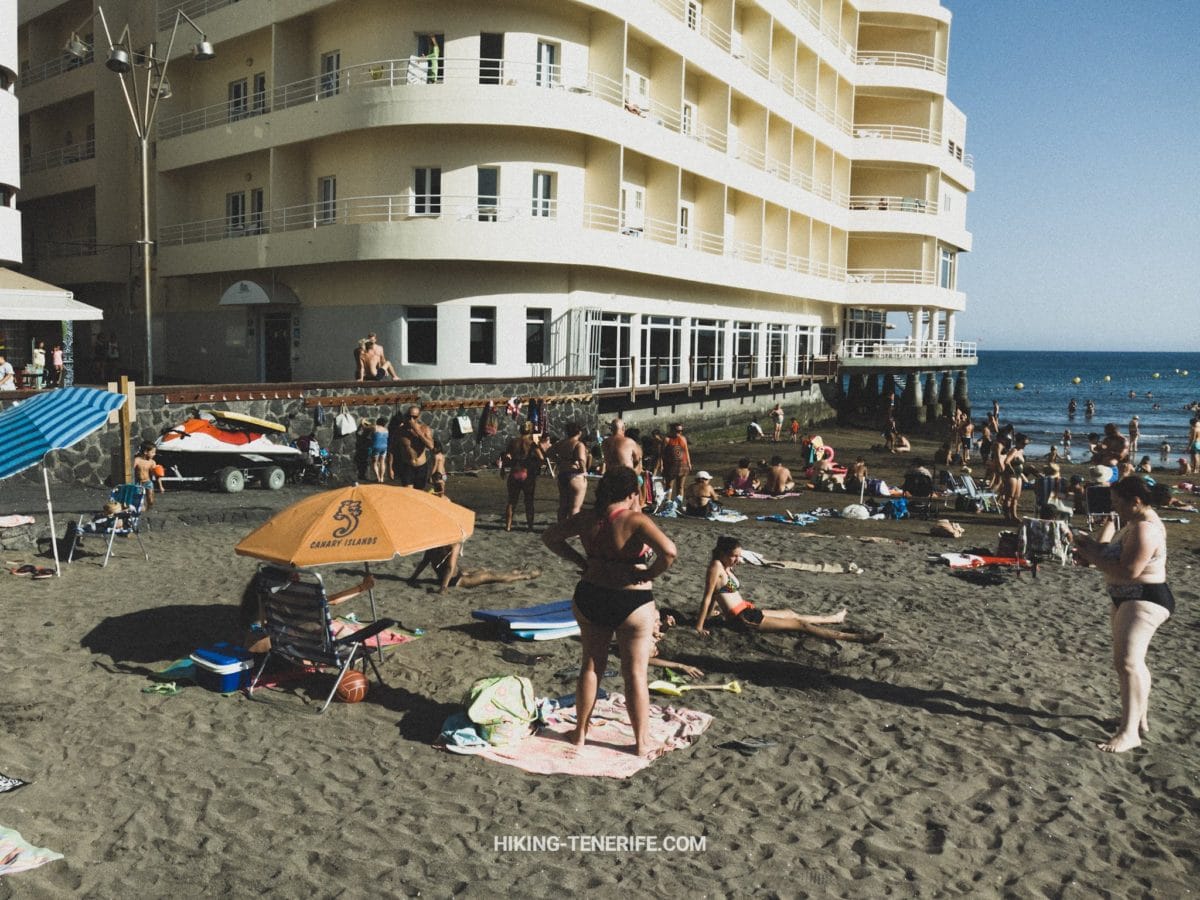
11. Romance yourself and let other people in
Self romance is not narcissism. It is the practice of treating your own life as worthy of attention.
Take yourself for a coffee. Go to a museum.
Buy flowers within your budget. Sit at a window.
Read in a park. Make a dinner reservation for one.
Use a favourite outfit because you are there.

At the same time, romanticizing your life does not mean withdrawing from relationships. A beautiful day is often made more beautiful by somebody who knows how you take your tea.
Send a letter. Ask a real question.
Put the phone in another room while someone speaks. Make a small meal for your partner or invite a friend to walk.
If you are searching for how to be more romantic, begin with attention rather than grand gestures. Notice what the other person likes.
Remember the detail. Make room for a conversation.
The same principle works for a wife, husband, friend, child or yourself: care becomes convincing when it is specific.
A partner does not have to share every ritual. Anastasia and I do not have identical energy, work rhythms or tastes.
Shared life is not a demand for matching aesthetics. It is an agreement to make room for each other’s way of feeling at home.
12. Close the day so it does not leak into tomorrow
An evening ritual can be very simple. Lower the lights, wash the cup and write down what still needs doing.
Put the phone to charge, take a shower, read a page or ask the person beside you what was real about their day.
Do not use a gratitude list to argue with grief, anger or exhaustion. ” If the day was good, let yourself say so without demanding that tomorrow repeat it.
Anastasia’s letters often leave room for gentle continuation rather than a dramatic close. That is the right rhythm for this practice too.
You do not need to transform your life before bed. You need a way to return to it in the morning.

A romantic life is not a life without ordinary problems. It is a life where ordinary problems do not get the only words.
A realistic seven-day romanticize-your-life reset
Use this as an experiment, not a challenge. There is no score.
Each day gives you one small action and one question. If your work, health, family or budget makes a step unsuitable, adapt it until it fits.
One small practice per day
- Day 1 — Notice: write down three moments that felt good, even if they were tiny. Notice when your attention was taken from you.
- Day 2 — Choose: pick two feelings for this season and one thing you will do less often to protect them.
- Day 3 — Begin: create a five-minute morning transition before the phone or the first demand.
- Day 4 — Nourish: make or assemble one meal with a plate, a pause and no screen. Use what you have.
- Day 5 — Move: take a sensory walk, stretch, dance or sit outside. The body decides the scale.
- Day 6 — Connect: give one person your full attention or send a specific message of appreciation.
- Day 7 — Return: review what made care easier, what cost too much and what small version you will keep.
What the week can teach you
The seven-day reset is deliberately boring in the best way. It gives you evidence.
You may discover that a quiet breakfast helps more than a new planner. Your phone boundary may need to happen at dinner rather than in the morning.
Cooking may become easier when you prepare one thing in advance.
If you miss a day, continue with the next one. Do not restart from the beginning as punishment.
A life is not a course you fail because Tuesday became difficult.
Continue with the next day. Do not restart as punishment.
Romanticizing life when you have little time, money or energy
A lot of advice assumes a quiet home, flexible work, a private bedroom, spare money, safe access to nature and a body that cooperates. Those things matter.
You should not have to pretend they do not in order to make a small moment better.
Low-cost versions that still feel like care
Start with what is already in the room. Use the good tea.
Rearrange a chair. Open the curtains.
Put on music. Take a shower.
Write a letter. Photograph a beautiful detail without posting it.
Cook one simple staple, share a snack, notice the sky or sit near a window.
Shrink the ritual for a busy season
For a busy or caregiving season, shrink the ritual instead of abandoning it. A phone-free question can take three minutes.
A full dinner can become toast, eggs and fruit. A walk can become standing outside the door.
A creative practice can be five minutes of making while somebody else is beside you.
When attention is not enough
For a difficult health or emotional season, romanticizing life is not a replacement for professional or practical support. Attention can make a moment gentler, but it does not solve illness, grief, unsafe conditions or structural pressure.
Keep the promise small and honest.
You can also romanticize a life that is not aesthetically quiet. A crowded kitchen, a shared bathroom, a late shift and a city street all contain details worth noticing.
So do a wheelchair, a uniform, a noisy family and a tight budget. Beauty does not belong only to people with time.
Common mistakes that make romanticizing your life feel fake
The aesthetic is not the practice
- Buying the mood: candles, baskets and linen can help, but a purchase cannot create attention for you.
- Copying another person’s values: their cottage, morning or wardrobe may not fit your body, budget or responsibilities.
- Turning gratitude into denial: you can appreciate one good thing and still admit that something hurts.
- Making every moment content: keep some walks, meals and photographs private so they belong to your life first.
- Using the aesthetic to avoid a decision: music and candles cannot replace a boundary, apology, budget or difficult conversation.
- Expecting constant peace: a romantic life can include ambition, grief, anger, deadlines and disagreement.
- Making food a moral test: healthy meals should support care, not punish desire or ignore access.
- Starting too big: build a return version before you need one.
A beautiful table is lovely. A comfortable table is better.
Keep the useful part
The most common mistake is believing the visible layer is the whole practice. A beautiful table is lovely.
The more important question is whether anybody at it feels able to breathe, eat, speak and be there.
How to romanticize your life without escaping it
There is a difference between making a day more vivid and using fantasy to avoid your life. Romanticizing can help you notice the coffee, make the dinner, put on the music and take the next step.
It should not require you to deny debt, grief, conflict, exhaustion or the fact that a job is harming you.
Anastasia’s video about building a life you do not need to escape is relevant here. The point is not to make every day a holiday.
It is to put small sources of meaning inside the week: movement, breath, nourishing food, reading, nature, creativity, shared meals and flexible self-care.
Some days the most romantic thing you can do is stop. Some days it is ask for help.
Some days it is make a decision you have postponed. A life becomes more beautiful when you are in a real relationship with it, not when you are constantly decorating your way around the truth.
Tenerife has taught us that a landscape can return a person to scale. But the island is not a cure and moving is not a shortcut.
You can practise the portable parts anywhere: attention, food, movement, music, making, connection, boundaries and the courage to use the good things now.
Romanticizing your life FAQ
These are the questions underneath the search. The short answers are direct; the steps above show how they work in a real week.
What is romanticizing your life in simple words?
It means paying closer attention to ordinary moments and adding small acts of care, beauty or meaning without pretending your life is perfect. You make the life you already have feel more inhabited.
What does it mean to romanticize your life if I am busy?
Choose one small transition you can repeat: a phone-free first drink, music while cooking, a prepared ingredient, a short walk or a two-minute evening close. The smallest version is the one you can keep.
How do I romanticize my life on a budget?
Use what you already own and change the attention around it. Drink the good tea.
Wear the favourite shirt. Move a chair toward the light.
Make a simple meal, listen to music, write a letter or take a walk. Notice one beautiful detail without buying a solution.

How can I romanticize my life alone?
Take yourself seriously as company. Make a nice breakfast.
Go to a café or museum. Buy one flower, read somewhere pleasant or cook by candlelight.
Take photographs for your own album or plan a solo date. Romance is not limited to couples.
Is romanticizing life the same as slow living?
They overlap but are not identical. Slow living emphasises pace, presence and quality.
Romanticizing life adds affection and sensory meaning to ordinary moments. You can romanticize a focused workday or a difficult season; you do not have to make every day slow.
What does romanticize your life aesthetic mean?
It usually refers to visual cues such as candles, flowers, books, music, cottagecore details, beautiful meals or a cosy room. Those cues can support a ritual, but the deeper practice is attention and care.
The aesthetic is optional; the relationship with your day is the point.
Is it romanticise or romanticize your life?
Both spellings are correct. Romanticize is common in American English, while romanticise is common in British English and other varieties.
The meaning is the same.
Why do I romanticize everything?
You may be naturally attentive to beauty, using imagination to make ordinary life meaningful or looking for relief from a flat period. That can be a healthy creative practice.
If it feels compulsive, makes reality harder to face or causes distress, speak with a qualified professional rather than trying to solve it through aesthetics alone.
How can I be more romantic in a relationship?
Be specific and attentive. Remember details and protect time.
Ask a real question. Make the food they like.
Write a note and notice their energy. Do not assume a large gesture is better than consistent care.
This is also how you can romance yourself.
Can romanticizing life become avoidance?
Yes, if the ritual is used to avoid a necessary decision, boundary, conversation or form of support. The practice should help you meet reality with more attention, not decorate a problem until it disappears from view.
How do you practise romanticizing life in Tenerife?
We build ordinary rituals around markets, healthy Mediterranean cooking, shared meals, walking, ocean air, weather, work, creativity, relationships and enough empty space. We also accept traffic, paperwork, wind, deadlines and tired evenings.
The island is our setting, not a requirement.
You do not need to solve your whole life tonight. Choose one ordinary thing, give it your full attention, add one small act of care and make a return version for tomorrow.
That is how a life becomes romantic in the only way that lasts: by being lived.
Receive Anastasia's letters about a more beautiful everyday life
Get practical slow-living notes from our Tenerife home: healthy Mediterranean meals, calm kitchen rituals, affirmations, simple weekly ideas and the small secrets Anastasia uses to make ordinary days feel warmer without pretending they are perfect.
- Healthy Mediterranean food
- Slow-living mechanics
- Letters from Tenerife
Free to join. Come for the useful details and stay for the quiet encouragement.


I kept waiting for a free weekend before I would start enjoying my own life. The idea of a return version feels kinder and much more realistic. I am going to begin with breakfast without my phone.
The phone boundary is the part I needed. I do not think my phone is evil, but it is always close enough to interrupt the first thought of the day.
I live in a very small flat, so the cottagecore advice usually makes me laugh. The section about making one surface easier to enter gave me something I can actually do.
The food section made this feel different from a generic aesthetic article. A simple meal, prepared with attention, is a much better promise than cooking an impressive feast every night.
I am in a caregiving season and most routines make me feel behind. The permission to shrink the ritual was the sentence I needed today.
The Tenerife part felt honest because the island is not presented as a cure. Wind, traffic and tired evenings belong in the picture too.
I used to think romanticizing meant pretending everything was beautiful. The distinction between attention and denial makes much more sense to me.
Could you make a follow-up about a slow Sunday in your Tenerife kitchen? I would love to see the ordinary order of shopping, cooking, walking and closing the day.
The phone-free breakfast helped me notice how quickly I hand the day away. I have started leaving the charger in the hallway, which is a tiny boundary but it works.
I like that you called it tiny. I kept looking for a perfect rule, then felt disappointed when I broke it. A small physical change is easier to return to.
Charging outside the bedroom changed my evenings more than I expected. I read two pages before sleep now, and it feels like getting part of my attention back.
Same here, although my first version was just putting the phone on a shelf during dinner. It is easier when the boundary has a place, not only good intentions.
The one-surface rule works in my shared apartment. I clear the table before bed, even if the rest of the room is still chaos. Morning feels less hostile.
That is a good distinction: not a perfect room, just a kinder entrance. I am going to try it with the chair where I drink coffee.
The line about a frozen meal being the caring choice stayed with me. Food advice often forgets that energy is part of the recipe.
Yes. I keep eggs, bread and fruit for those nights. Putting them on a plate instead of eating over the sink makes the same food feel more deliberate.
The two-minute version is useful for caregiving. I can wash my hands, open the window and take one breath before the next task. That is a real transition.
I appreciate that the article does not turn a hard season into a productivity challenge. Sometimes the most romantic thing is making the promise smaller.
I also appreciated the climate caveat. A beautiful landscape can invite you outside, but it still needs water, shoes and a weather check.
The island as a setting rather than a requirement is important. I am nowhere near Tenerife, but the market, meal and walking ideas travel well.
I used the good mug after reading this. It sounds almost ridiculous, but I realised I had been saving it for a life that was already happening.
That is exactly the kind of small rebellion I needed. The good things are not more meaningful when they stay in a cupboard.
A follow-up kitchen letter would be lovely. I am especially curious about how you decide what to cook when the day has already been long.
I would watch that too. The useful part for me would be the imperfect middle: leftovers, substitutions and the decision to stop before dinner becomes another task.