

Short answer: this seven-stop North Tenerife road trip runs about 80 km from Santa Cruz to Garachico, with roughly 90 minutes of driving before traffic, parking and detours. One day works only when you choose three priority walks. Two or three days let the towns breathe.
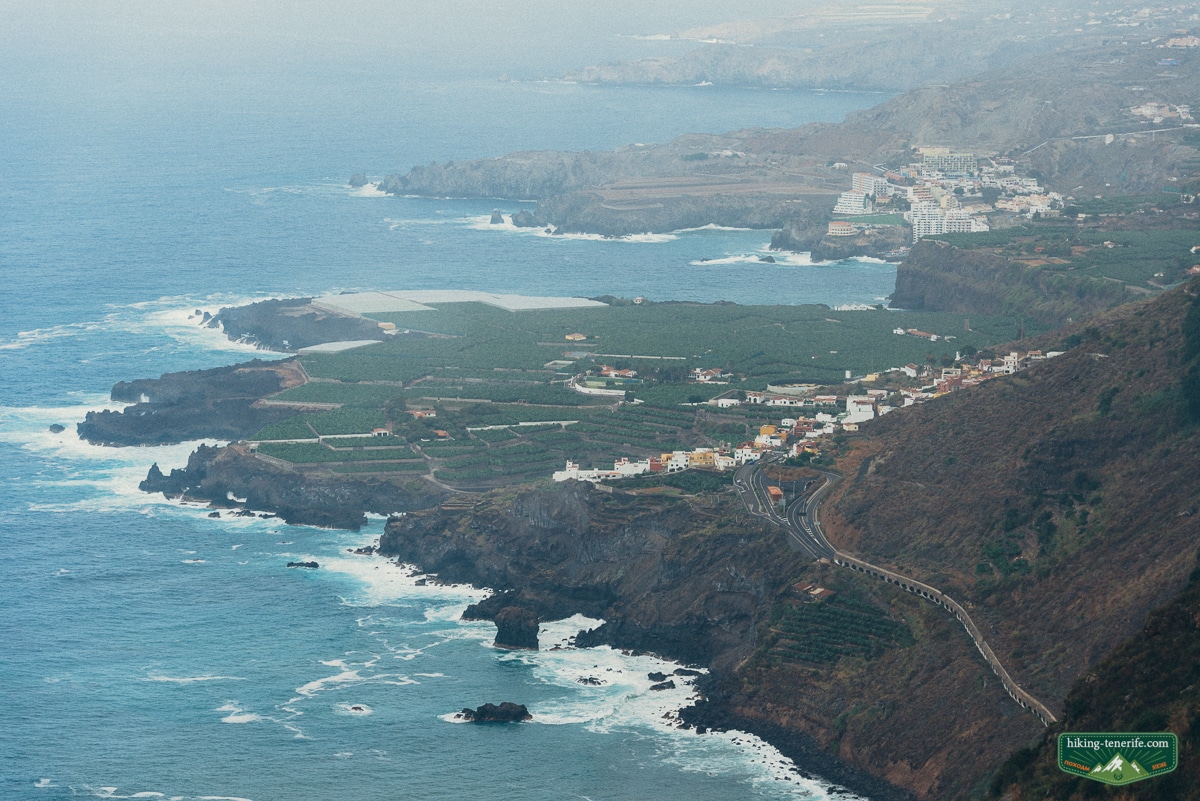
I wrote this route years ago, when “go north and see everything” still sounded like a reasonable Saturday plan.
The towns are still worth seeing. The traffic, parking and temptation to turn every stop into a full excursion have not become easier.
The route follows the north from city streets to old towns, green valleys, Icod de los Vinos and Garachico. Drago Milenario is one memorable stop, not the keyword that should control the whole day.
This is my practical editorial sequence, not an official signed trail. Turismo de Tenerife publishes a related north-coast car route, but you still need live navigation and current access checks for your date.
Local verdict: the route works when you choose fewer stops than the map offers. Seven pins are a sequence, not seven complete visits in one day.
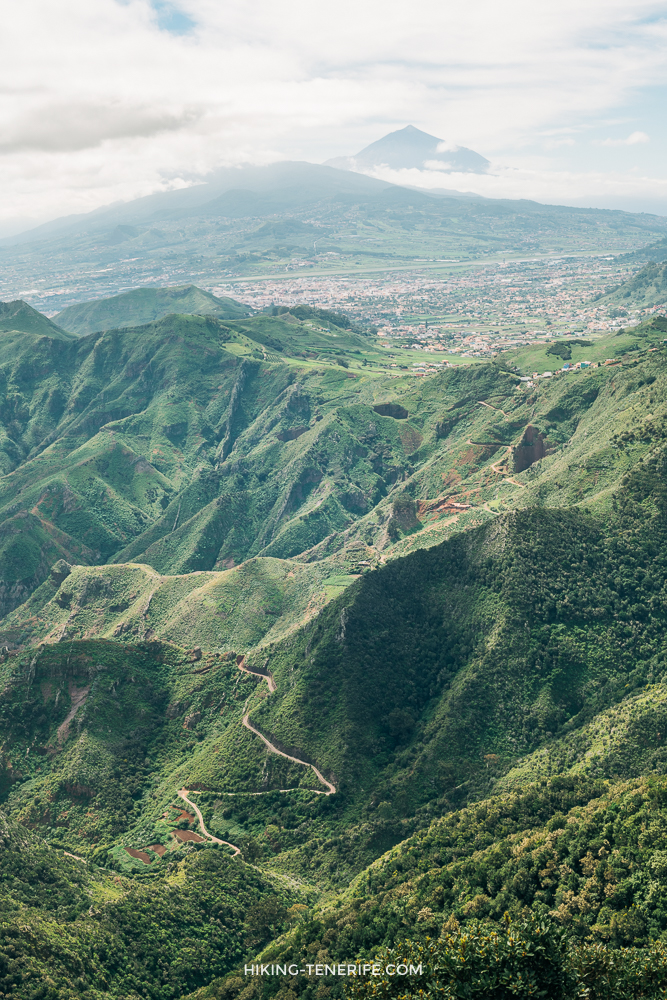
North Tenerife Road Trip At A Glance
The stated sequence is Santa Cruz, La Laguna, La Orotava, Puerto de la Cruz, La Guancha, Icod de los Vinos and Garachico. Routing between central landmarks is about 80 km and about 90 minutes wheels moving.
That number excludes traffic, road works, finding legal parking, walking back from the car and every coffee that becomes lunch. The stops, not the distance, make this a full day.
| Version | Use it like this | Who it suits |
|---|---|---|
| Fast one day | Choose La Laguna or La Orotava, then Icod and Garachico. Treat the other places as optional pauses. | Early starters who accept three real walks rather than seven checkboxes. |
| Balanced two days | Day one for Santa Cruz and La Laguna. Day two from La Orotava through Puerto, Icod and Garachico. | First-time visitors who want city and northwest time without racing sunset. |
| Slow three days | One east-city day, one Orotava Valley and Puerto day, one Icod and Garachico day. | Families, photographers and anyone who enjoys old towns at walking speed. |
My one-day choice: skip Santa Cruz if you already know the capital, walk La Laguna or La Orotava, decide how deeply you want to visit Icod, and protect enough daylight for Garachico.

Where Drago Milenario Fits Into The Route
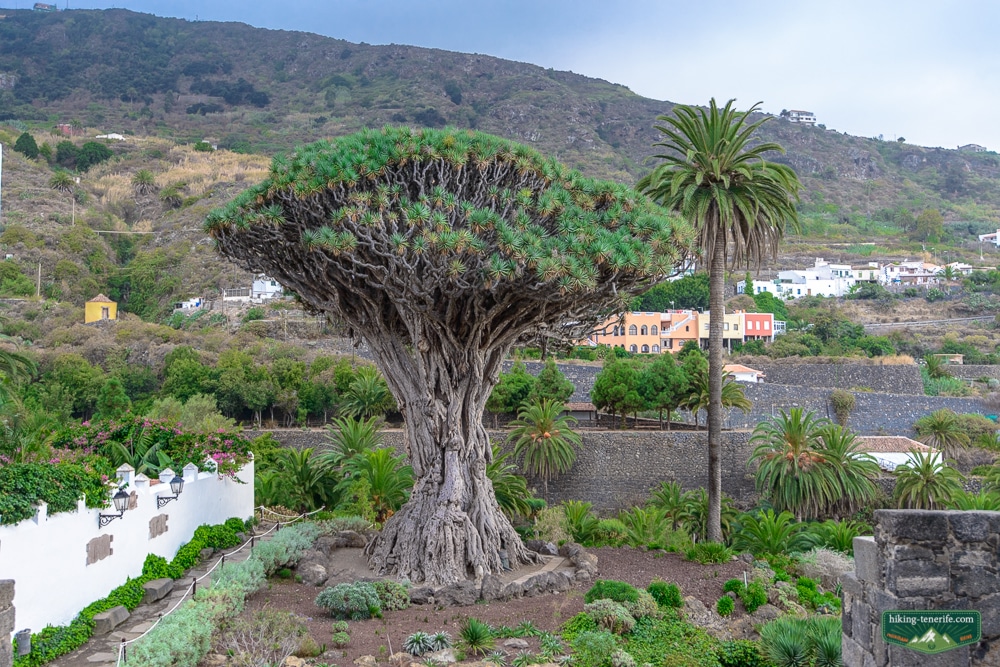
Drago Milenario stands in Parque del Drago beside San Marcos in Icod de los Vinos. It is the only named dragon tree this route asks you to plan around.
Current official Tenerife information describes the tree as more than 16 metres high, about 20 metres around its base and roughly 800 years old. “Milenario” is the famous name, not a precisely measured 1,000-year age.
Keep the intents separate: this page decides the driving order. Use my Drago Milenario guide for current tickets, hours, paid versus free views, parking and whether the attraction deserves your time.
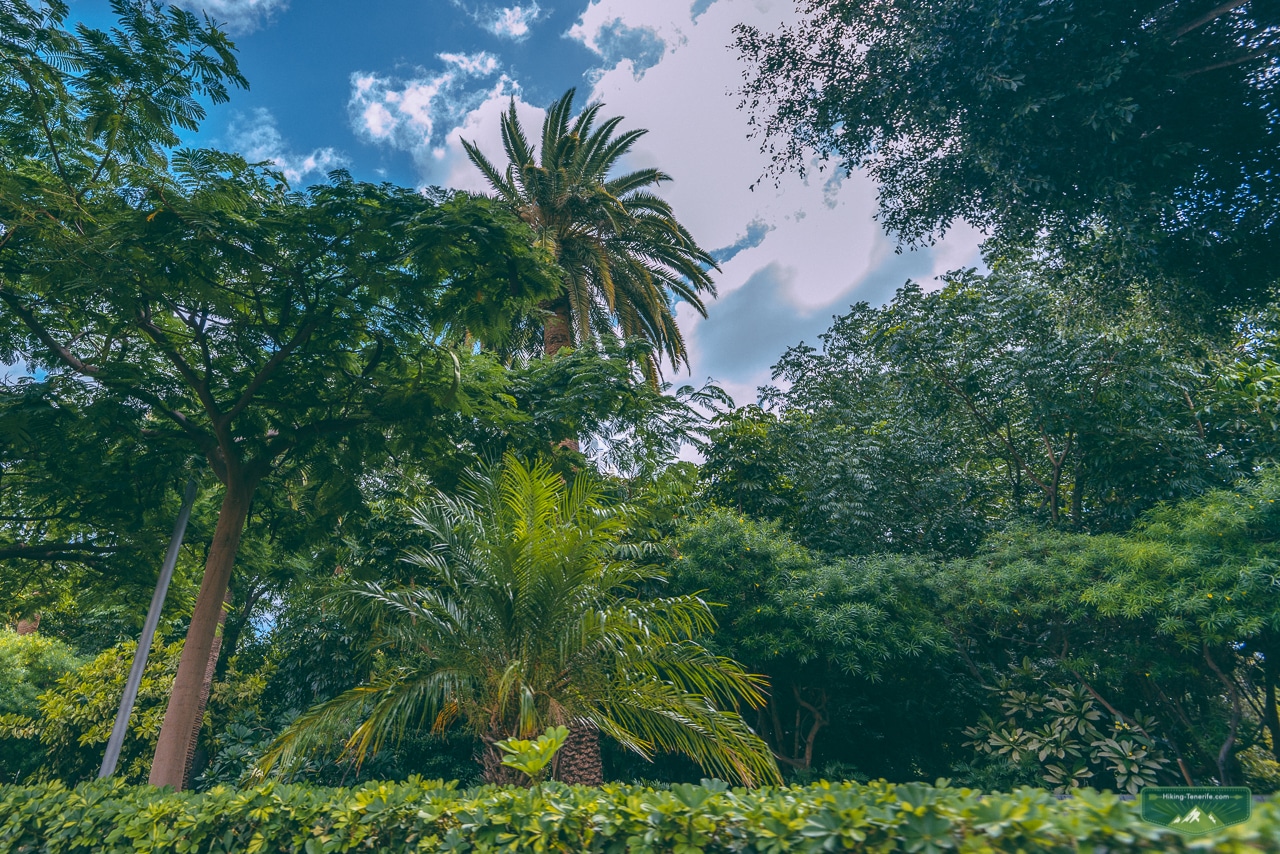
Use public roads, public town centres and marked visitor areas. Do not stop on bends, enter private land or create a viewpoint where none exists.
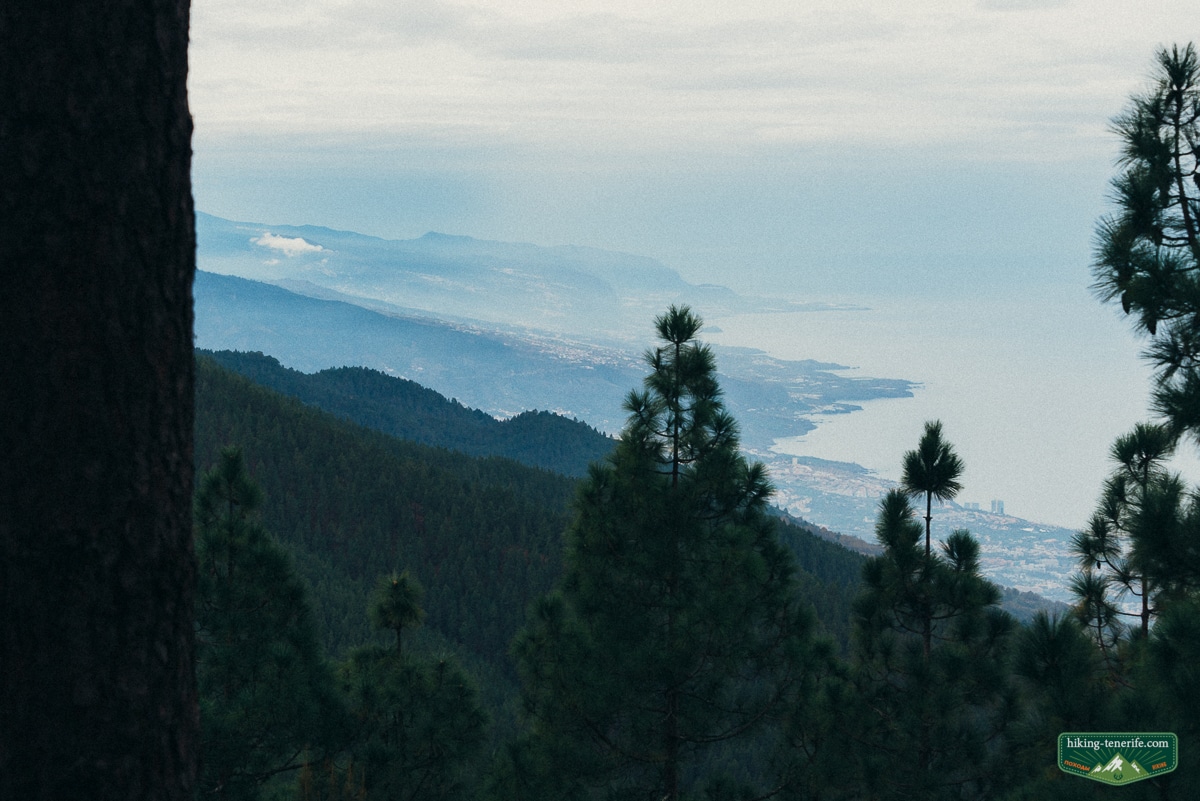
Start In Santa Cruz, Then Walk La Laguna
Santa Cruz is the practical urban beginning: museums, old churches, Garcia Sanabria Park, food and a proper city morning before the road climbs north.
I would not attempt a full Santa Cruz sightseeing day and then pretend the rest of the route is still relaxed.
Move next to San Cristóbal de La Laguna. Its historic centre is the part that deserves time on foot: courtyards, wooden balconies, churches, squares and a street plan that makes much more sense when you stop looking for the next car park.
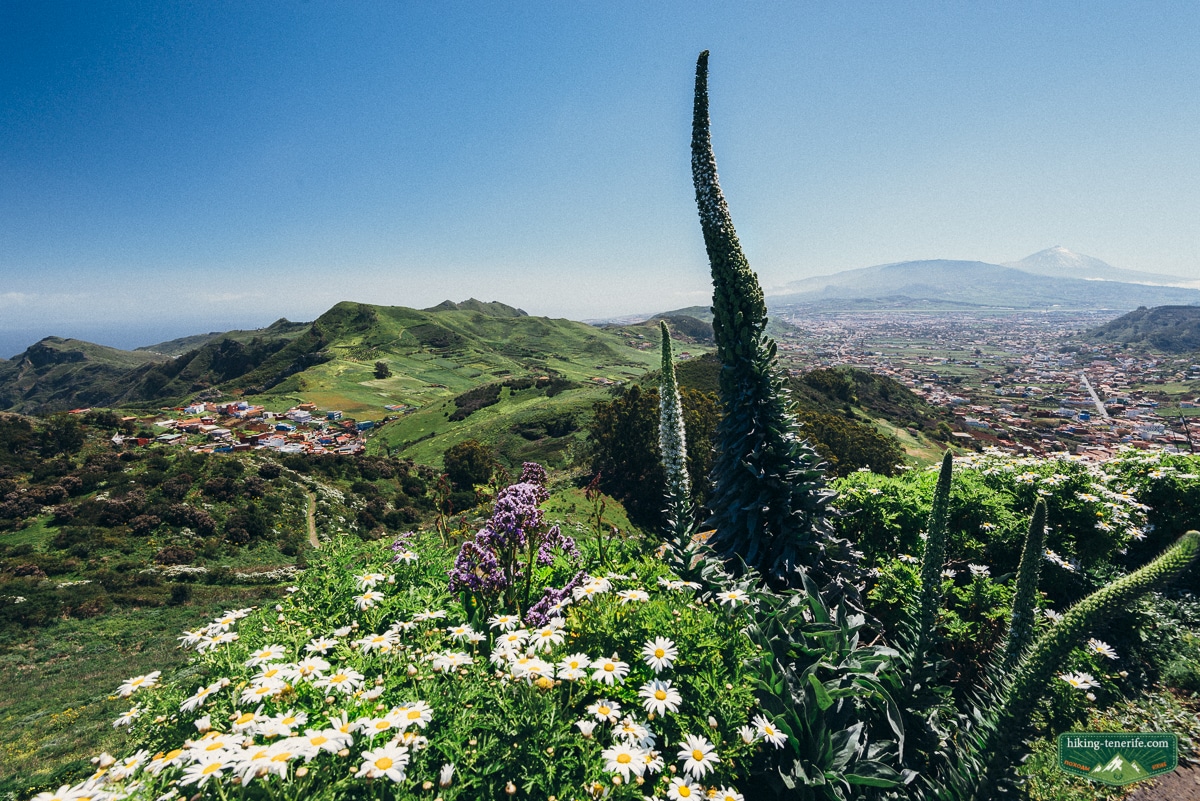
Planning tip: if La Laguna is your priority, park once and walk. If the weather is low-cloudy, that is normal for this side of the island. Keep the viewpoint idea flexible rather than chasing a grey panorama.
La Laguna has its own stronger guide, so I would use this route article for the sequence and open the La Laguna guide when you want the detailed historic-centre plan.
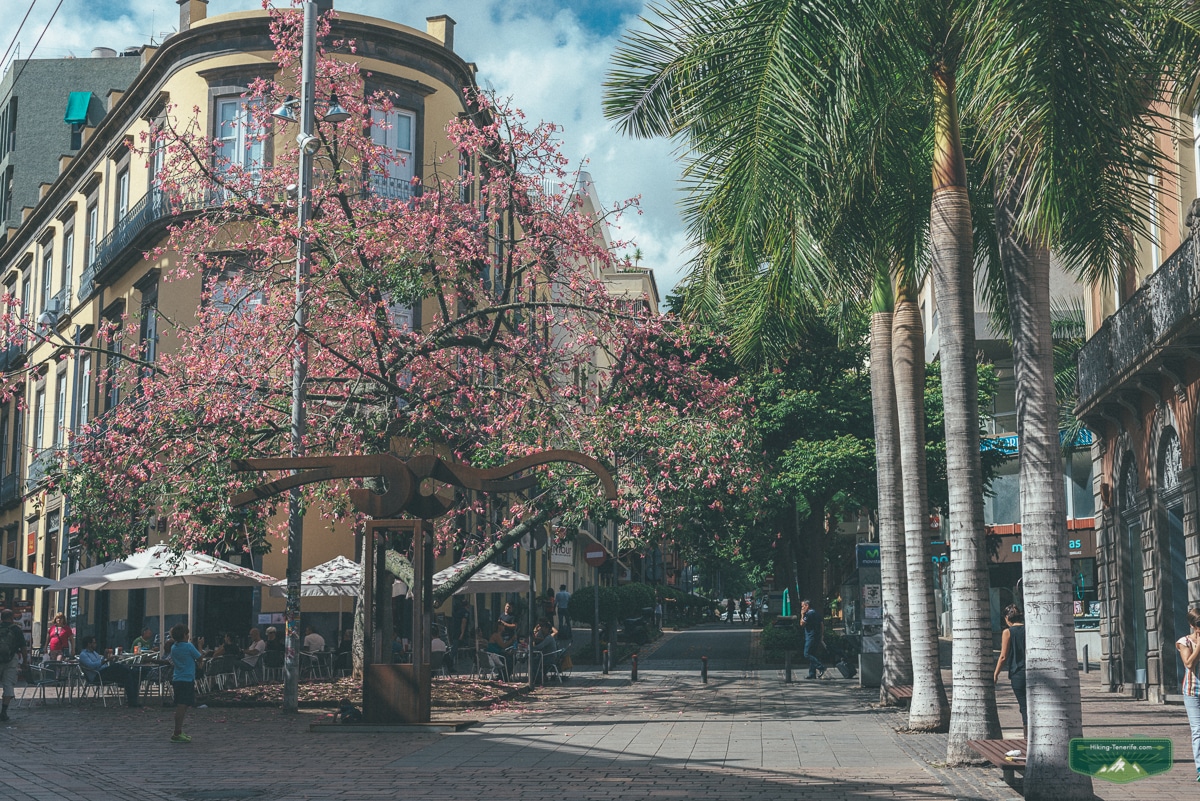
La Orotava And Puerto De La Cruz: Two Different Stops
La Orotava is the architecture stop: steep streets, carved balconies, shaded patios, churches and the valley opening towards Teide.
Give yourself time to walk uphill and back. The town is much more interesting at human speed than as a quick photo beside a viewpoint.
Common mistake: treating La Orotava and Puerto de la Cruz as one quick stop. They are close on the map, but they reward different walks and different moods.
The historic Jardín de Aclimatación de La Orotava is in Puerto de la Cruz, despite its name. Treat it as a separate garden visit and skip it when the route already contains too many long stops.
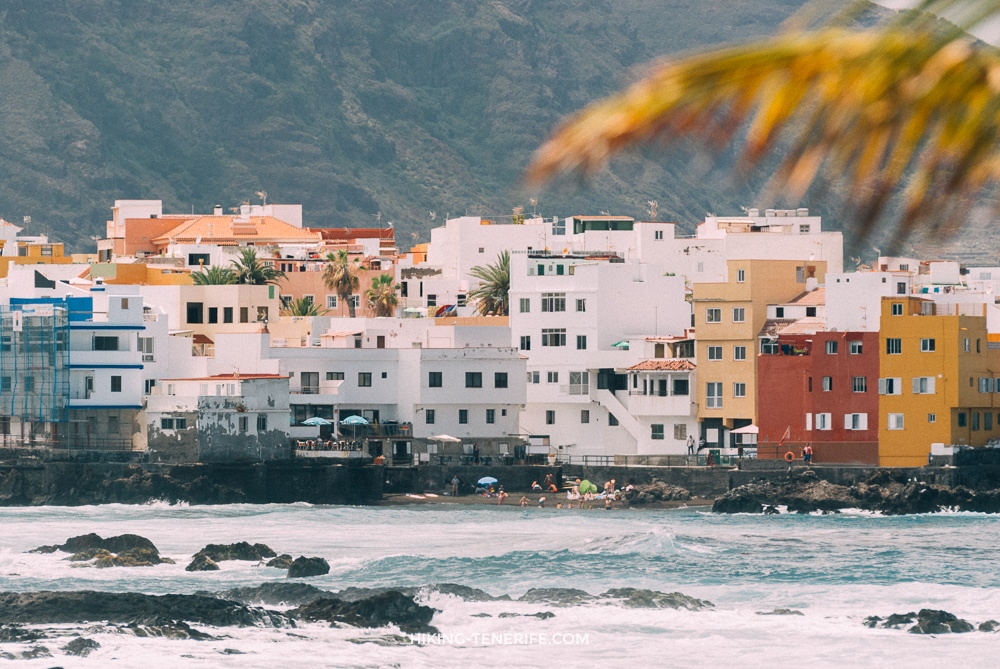
Then descend towards Puerto de la Cruz. The old port, Plaza del Charco, San Telmo, Playa Jardín and Lago Martiánez give the middle section a more active seaside finish.
The north coast is beautiful, but waves and cloud are part of the offer.
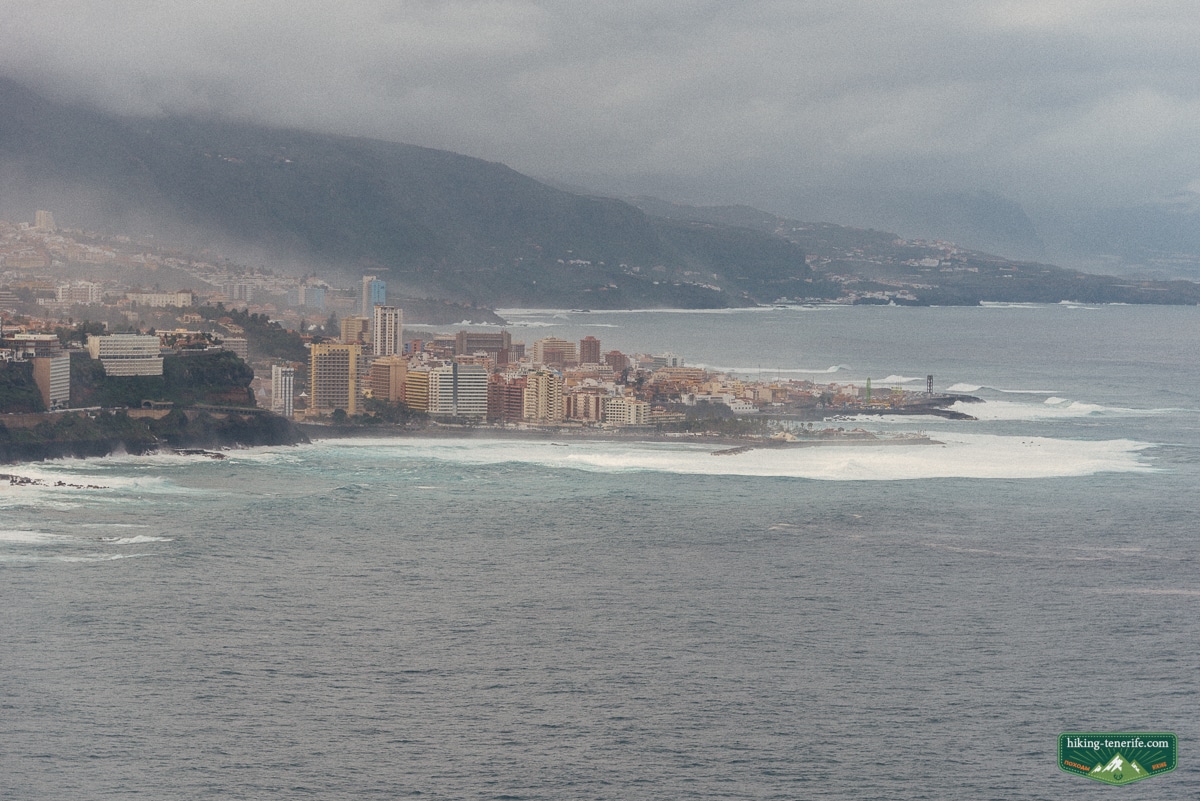
I would not promise a swim here just because the sea is visible. If the water is rough, make it a town, food and viewpoint stop.
For the bigger regional decision, use my North Tenerife guide or the more focused Puerto de la Cruz guide. Do not force every north-coast idea into this driving day.
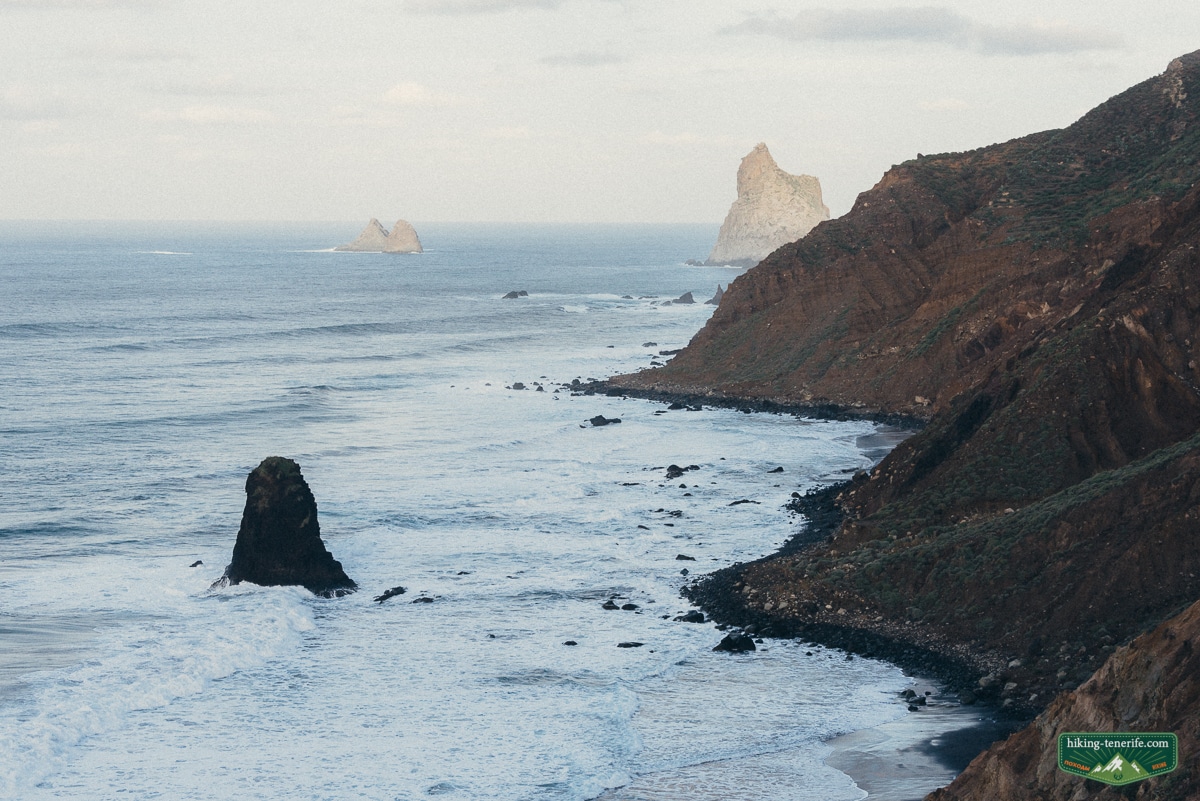
That is the useful north-coast rhythm: one town, one view, then move on before the day becomes a parking experiment.
La Guancha And Icod: Where The Story Becomes Botanical
La Guancha is the quieter transition between the central north and Icod. It is a road-and-landscape section, not a must-see monument.
Stop if you have a local reason, a view, a meal or enough time to be curious. Do not add three more pins just because the map is still open.
Icod de los Vinos is the route’s natural anchor. The famous tree stands in Parque del Drago beside the Church of San Marcos, close to the historic centre.
The town also makes sense on foot: old squares, San Marcos, traditional houses and the tree all fit into one compact visit.
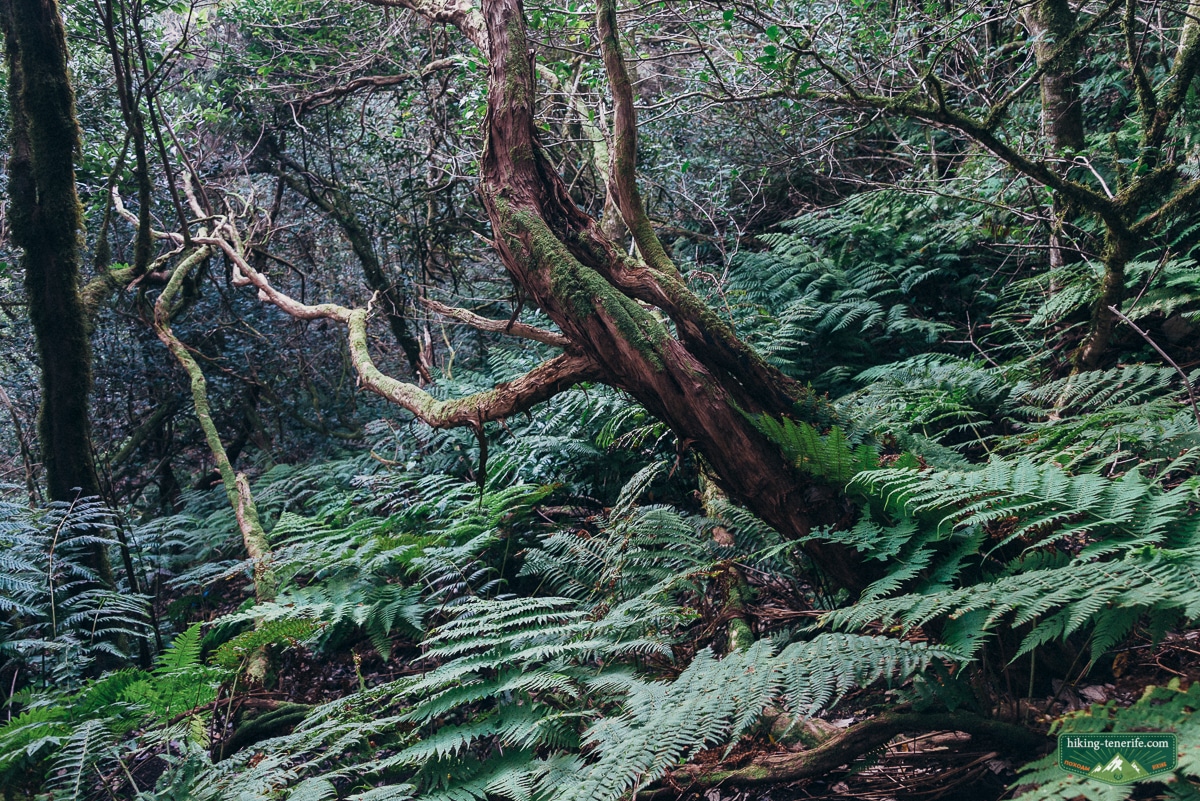
Do not plan the park from an old time or price copied into a road-trip article. Check the current Drago Milenario visit guide when you decide whether to enter the park or use the public views.
Common mistake: arriving in Icod, photographing the tree through a gap in the street, then leaving. That is technically efficient and emotionally rather thin. Walk the centre, look at the valley and allow the town to be more than one famous plant.
Finish In Garachico, Not In A Hurry
Garachico is where volcanic history becomes visible in the town itself. The old port was damaged by the 1706 eruption.
The surviving streets, churches, fort and lava coastline make a strong last stop for the route.
Roque de Garachico, the old streets and the natural pools are close enough to combine, but the pools are sea-dependent. Treat them as a calm-water possibility, not a guaranteed swimming appointment. The Atlantic is allowed to disagree with your itinerary.
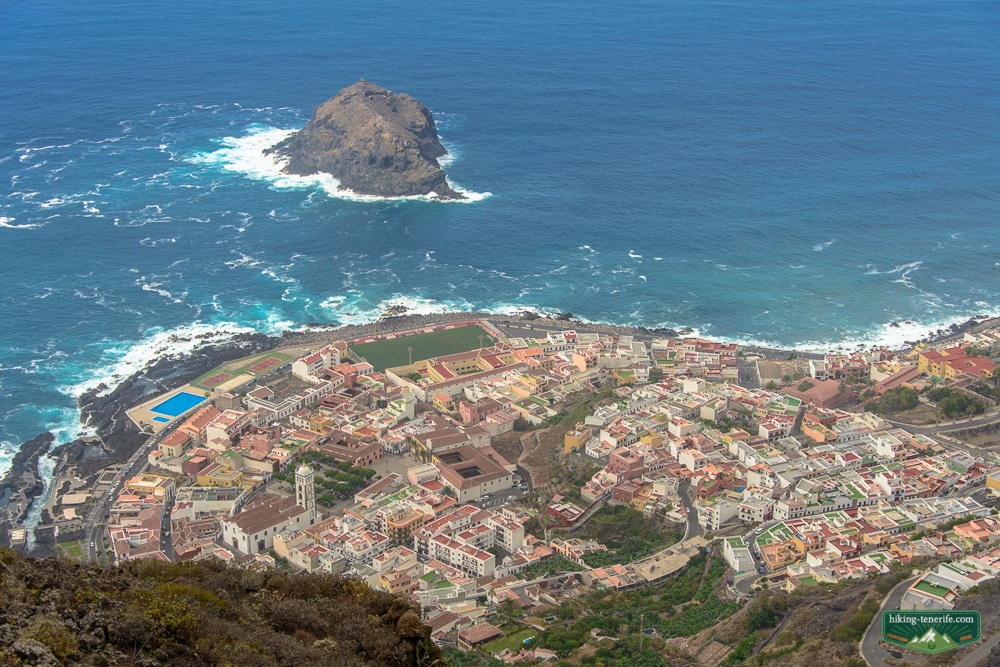
From above, the town’s shape makes the eruption story easier to understand. On foot, the details make it worth stopping.
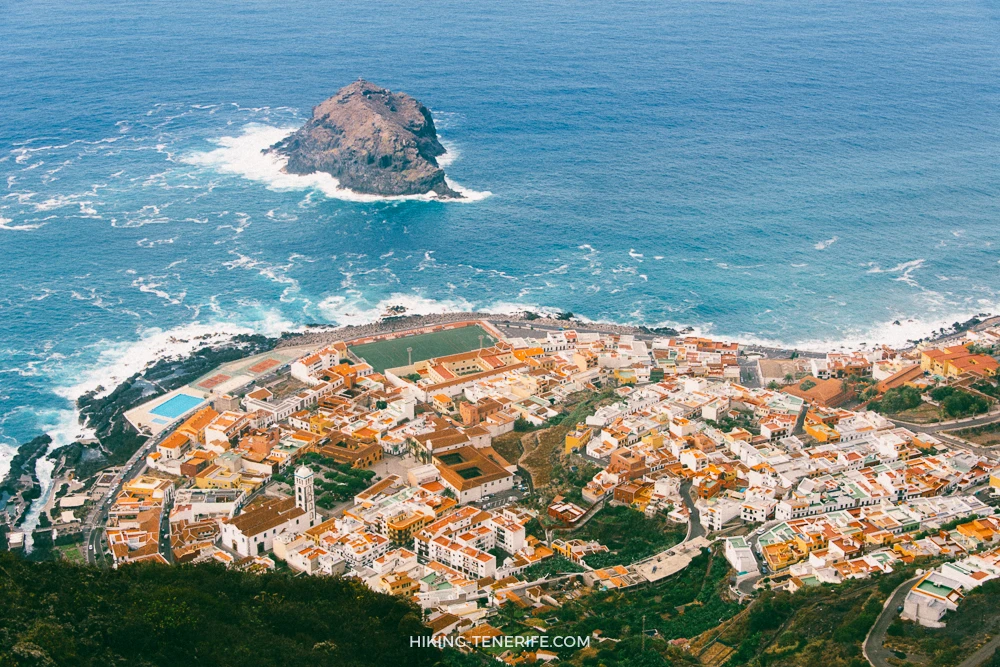
Read my current Garachico guide for the town, pools, parking, weather and access caveats.
If you still have daylight and energy, choose one nearby addition. Do not turn Garachico into the place you saw from a roundabout.
How To Drive The Route Without Ruining It
- Road order: use TF-5 for the metropolitan and central north approach, then the current signed route toward Icod and TF-42 toward Garachico. Follow live navigation when works or restrictions change the obvious line.
- Parking: choose public signed parking outside the tightest old-town streets, then walk. Do not promise yourself a space beside the first sight.
- Car choice: a small car is easier in old towns, but only rent a manual if you drive one confidently on slopes.
- Weather: cloud can change the valley views and rough seas can remove swimming from Garachico or Puerto. Keep the town walks useful even when the coast says no.
- Timing: leave Garachico enough daylight. Teno, Anaga, Teide and Cueva del Viento need separate planning rather than a late bonus pin.
Safety rule: never stop on a bend, block a rural track, enter a closed road or improvise a private-land shortcut. Check current Tenerife ON alerts when weather, fire risk or closures could affect the day.
Without a car, visit the towns as separate public-transport days. The full sequence becomes a timetable project, so use the live TITSA planner and leave margin for connections.
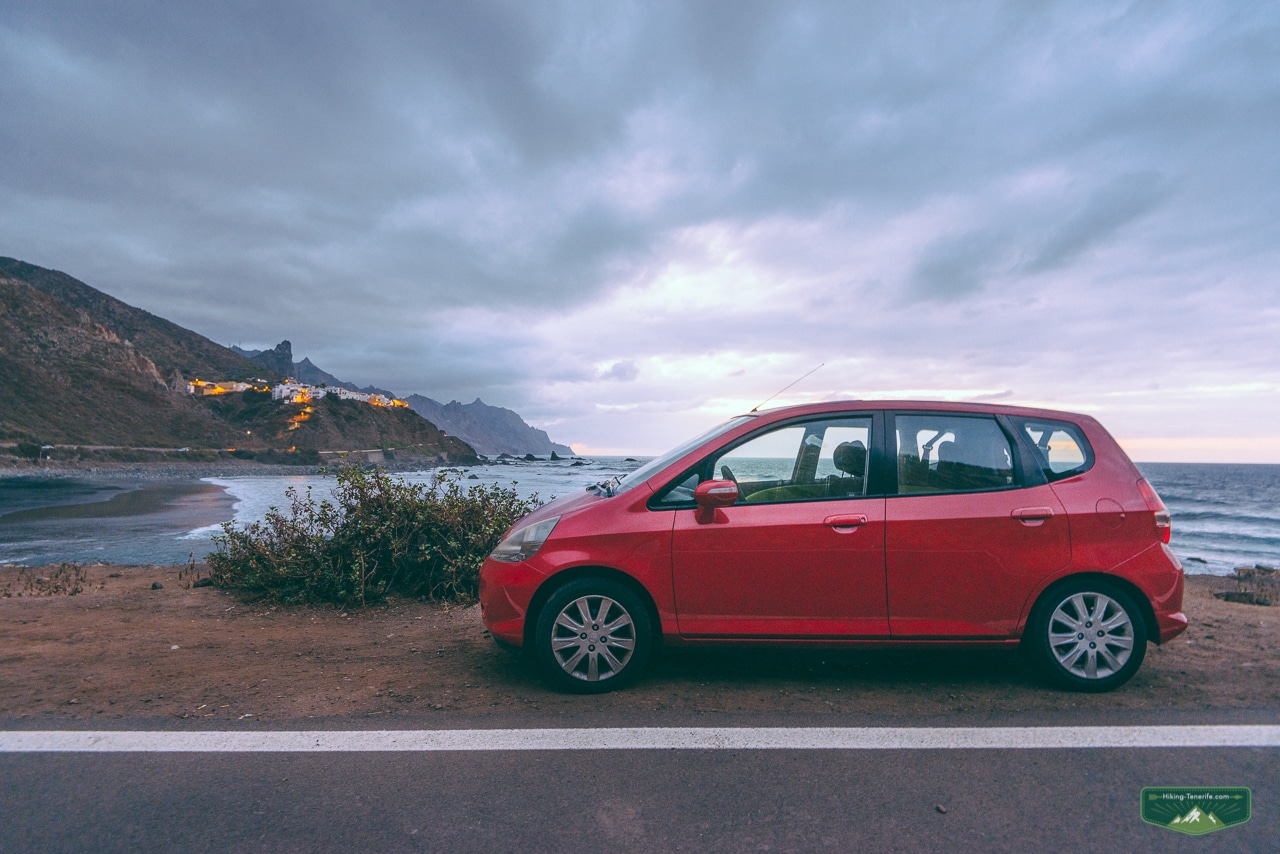
Map note: the north looks compact on a phone. Parking and walking turn 90 minutes of road time into a full day very quickly.
Build the route before you collect the keys. Use my free Tenerife map to group old towns, viewpoints, food stops and backup ideas without driving back and forth across the island.

If you still need the vehicle decision, read my Tenerife car-hire guide for insurance, deposits, automatics, airport collection and choosing a car for the roads you will actually drive.
Camping And Overnight Access
The road trip is not permission to sleep in a car beside a viewpoint, use private land or camp on a roadside. If you want an overnight forest base, use only a currently listed official camping area with the required reservation.
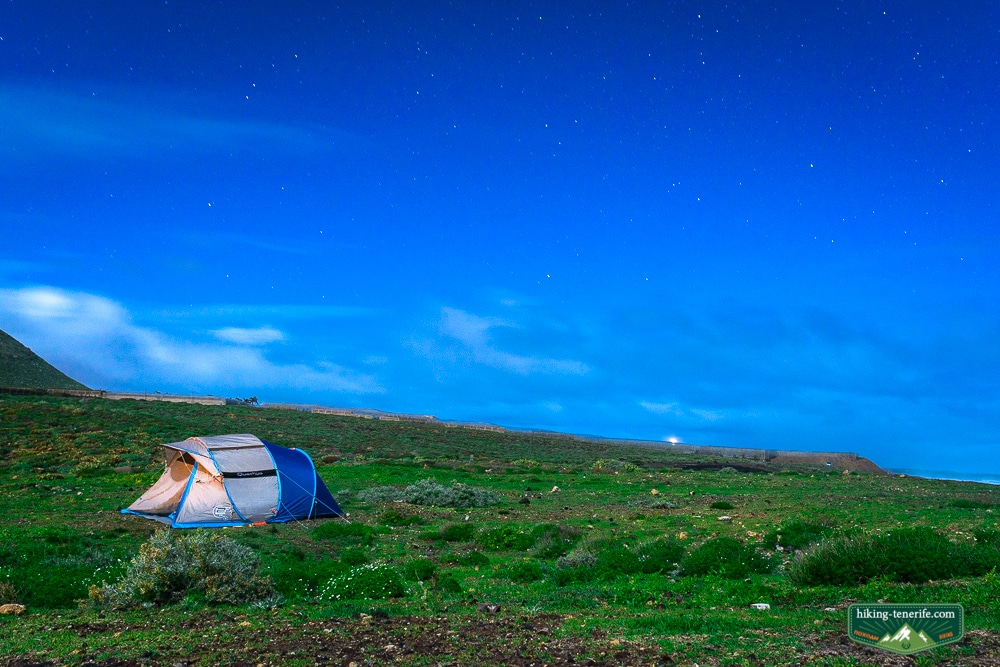
Camping rule: check the current Tenerife ON reservation system, access alerts and fire restrictions before departure. Availability does not override a closure or emergency rule.
What Belongs On Another Day
Anaga does not belong after La Laguna on this seven-stop day. Teide does not belong after La Orotava, and Teno does not belong after a late Garachico arrival.
Cueva del Viento can make an excellent Icod-focused day, but its guided reservation and visit time replace other stops. It is not a free addition.
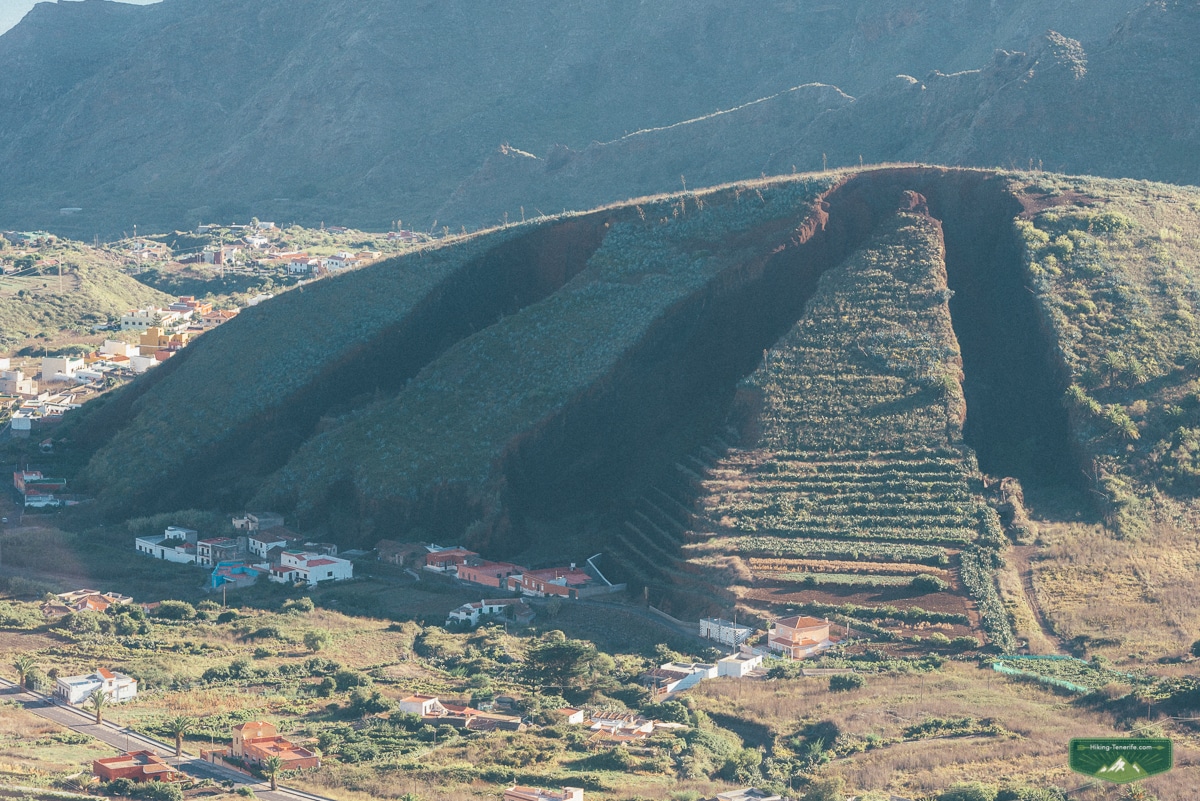
Use the North Tenerife guide to choose the wider region. Use this page only when you are ready to put the seven towns into a realistic driving order.
North Tenerife Road Trip FAQ
Is the dragon tree route an official Tenerife trail?
No. It is an editorial self-drive itinerary. Turismo de Tenerife publishes a related north-coast car route, but this exact seven-stop order is not a signed road or official trail.
Can I do this North Tenerife road trip in one day?
Yes, as a three-walk highlights day with optional pauses. For proper visits in Santa Cruz, La Laguna, La Orotava, Puerto, Icod and Garachico, use two or three days.

Do I need a car?
For this full sequence, yes. Public transport connects individual towns, but the route loses flexibility. Read the car-hire guide before booking if deposits, insurance or mountain-road confidence are still unresolved.
Is Drago Milenario really 1,000 years old?
“Milenario” is its famous name. Current official Tenerife information gives an estimate of roughly 800 years. Use the specialist Drago guide for the attraction decision and current visit facts.
My Final Verdict
I like this road trip because the north changes character every few kilometres: capital, historic streets, green valley, working coast, Icod and volcanic Garachico.
Take a manageable car, start early, choose three proper walks and keep the coast flexible. Then 80 km becomes an honest North Tenerife route instead of seven parking searches joined by a road.

