
The safest way to make sun-dried tomatoes at home is to use ripe plum tomatoes and controlled low heat. An oven or dehydrator gives steadier temperature and airflow than outdoor drying.
Dmitriy and I live in Tenerife, where sunshine is abundant but humidity, wind and cool nights vary sharply between microclimates.
Anastasia is a professional healthy chef and the founder of Greeny App. Her practical method focuses on even pieces, low heat, a clear dryness test and conservative storage.
Short answer: halve small plum tomatoes, add no more than a light pinch of salt, and dry them at about 60°C / 140°F in a dehydrator or at your oven’s lowest reliable setting. For storage, dry every piece until crisp throughout, cool completely, then refrigerate or freeze.
What are sun-dried tomatoes, really?
They are ripe tomatoes with most of their water removed. The result is smaller, chewier and far more intense: a little sweet, a little tangy, and very good at making an ordinary plate taste as though you had planned ahead.
Drying tomatoes is an old Mediterranean preservation habit, but it is not a claim that every dried tomato follows one original recipe. Around Spain and the wider Mediterranean, households adapt the cut, salt, herbs, weather and storage to what is actually on the counter.
Tenerife kitchen verdict: use sun-dried tomatoes as a concentrated ingredient, not a substitute for fresh tomato in every dish. They bring depth; fresh tomatoes bring juiciness.
Choose tomatoes that want to be dried
Plum, Roma and San Marzano-style tomatoes are the easiest because they are fleshy and carry less watery seed gel. Cherry tomatoes work too, especially when they are very sweet, but they dry more quickly and need watching.
Choose fruit that smells ripe and feels firm. It should have no soft or mouldy patches.
Do not mix giant beefsteaks with tiny cherries in one tray unless you enjoy an unnecessary sorting project.
| Best choice | Why it works | What to do |
|---|---|---|
| Plum or Roma tomatoes | More flesh, less water | Halve lengthways; remove only a tough core |
| Small cherry tomatoes | Sweet and quick | Halve across the middle and check early |
| Large juicy tomatoes | Still usable, just slower | Quarter, seed if very wet, and give them more space |
| Overripe or damaged tomatoes | Drying concentrates flaws too | Use in a sauce instead |
For a first batch, start with 1 kg / 2.2 lb of ripe plum tomatoes. It becomes a modest jar, not a warehouse. That is useful: you learn your oven before committing every tomato in the kitchen.
Oven, dehydrator or sun: which method actually suits you?
All three methods can make good tomatoes. The decision is mostly about control, weather and how much heat you want in the kitchen.
| Method | Good starting point | Typical time | The catch |
|---|---|---|---|
| Low oven | 80°C / 175°F, or your oven’s lowest reliable setting | 4-10 hours | Easy and controlled, but every oven runs differently |
| Dehydrator | About 60°C / 140°F; follow your model’s instructions | 6-12 hours | Steady airflow and low fuss, but it takes counter space |
| Outdoor sun | Only when every drying day stays above about 29°C / 85°F, below 60% humidity, dry and breezy | No fixed safe time | Weather cannot be controlled, so an oven or dehydrator is the safer preservation choice |
In Tenerife, sunshine does not automatically make sun drying the sensible option.
Trade winds, overnight moisture and the simple fact that flies also enjoy tomatoes are enough reason for me to use the oven or dehydrator most of the time.
If you want dependable first results, choose the oven or dehydrator. Sun drying is a lovely project when the forecast is genuinely dry and you can protect and bring the trays in each evening.
Prepare the tomatoes: cut, salt, then leave room for air
Wash the tomatoes under running water, then dry them well.
Cut them into even halves or quarters. Remove a tough stem core, but do not scrape out every seed unless a very large tomato is watery enough to slow the whole tray.
Arrange them cut-side up on parchment or a dehydrator tray with room around each piece. A rack set over a tray gives an oven batch extra airflow, but a lined tray is fine when that is what you have.
Salt with a very light hand. Drying concentrates everything, including salt. Add dried oregano, thyme, chilli or black pepper only if you want a flavoured batch; save fresh herbs and fresh garlic for a dish you will refrigerate and eat soon.
- 1 kg / 2.2 lb ripe plum tomatoes
- 1 small pinch fine sea salt,less than you think
- Optional dried oregano, thyme, chilli flakes or black pepper
- Parchment-lined tray, rack or dehydrator trays
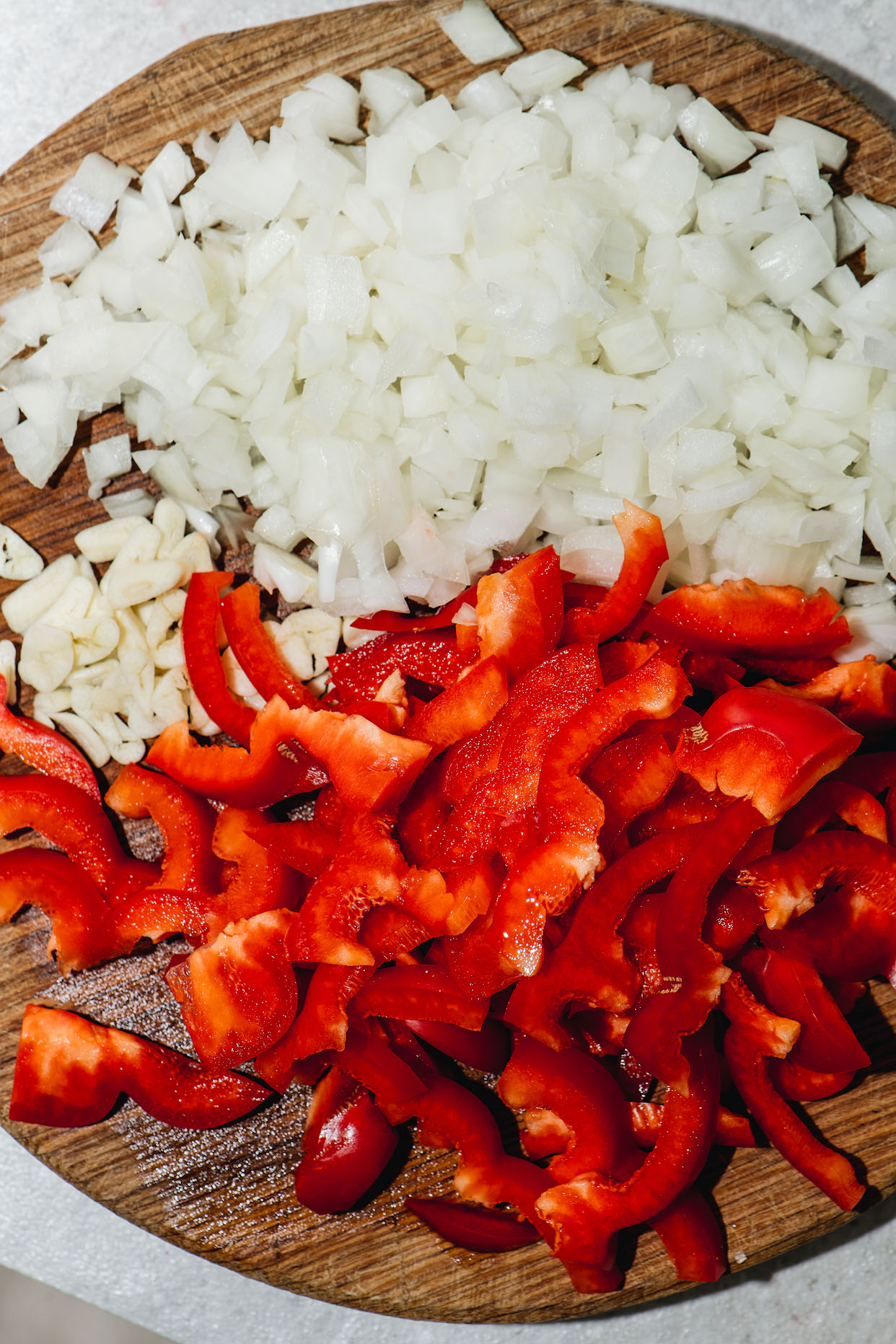
How to make sun-dried tomatoes in the oven
Set the oven to 80°C / 175°F, or to the lowest temperature it can hold reliably. Put the tray in the centre and let the tomatoes dry slowly rather than roast.
- Start checking after 3½ to 4 hours. Smaller pieces can finish much earlier than the rest.
- Turn the tomatoes once when their surface has dried and they lift easily. If your oven holds steam, leave the door very slightly ajar only if your appliance guidance permits it.
- Remove finished pieces one by one. Do not wait for every tomato to match the slowest quarter.
- Cool the batch completely before you judge storage. Warm tomatoes in a closed jar make their own unwanted little weather system.
A low oven is not meant to brown the tomatoes hard.
If the edges race toward dark and brittle while the centres are wet, the oven is too hot or the pieces are too thick. Lower the heat and keep going.
Common mistake: calling them done because the edges look dry. Break or press the thickest piece. If it is still soft, juicy or sticky in the middle, it needs more time.
How to dehydrate tomatoes
A dehydrator is wonderfully boring in the best way: steady low heat and airflow.
Set it around 60°C / 140°F, unless your manufacturer gives a different tomato setting.
Place cut tomatoes in one layer, rotate trays if your machine dries unevenly, and begin checking small pieces after about six hours. A thick batch may need ten or twelve hours. Time is a clue, not a finish line.
Do not overcrowd the trays. Drying needs air, and tomatoes are much better at patience than they are at sharing a damp pile.
Can you safely dry tomatoes in the sun?
For dependable preservation, use an oven or dehydrator. National Center for Home Food Preservation guidance recommends controlled indoor drying for vegetables and notes that outdoor fruit drying needs hot, dry, breezy weather.
Outdoor weather gate: attempt sun drying only when every drying day remains above about 29°C / 85°F, below 60% relative humidity, dry and breezy. If any condition fails, move the tomatoes to a dehydrator or low oven immediately.
Use food-safe stainless-steel, plastic or coated-fibreglass screens raised for airflow. Put one screen below the tomatoes and fine mesh above them to block insects, birds, pets, dust and other animals.
Bring the trays indoors before evening condensation forms. Never leave them outside overnight, and discard the whole batch if mould appears.
Tenerife reality: a sunny beach forecast does not describe every balcony, garden or north-facing slope. Trade winds, cloud and overnight moisture can make outdoor drying unsuitable even on a bright island day.
How do you know when sun-dried tomatoes are done?
The safe useful test is not a perfect number of hours.
A finished tomato is dry all the way through, with no wet pocket, juice or squishy centre. It may be pliable at the thinner edges, but it should not feel sticky or moist when squeezed.
For the most conservative long storage, keep drying until the pieces are leathery-to-crisp with no residual moisture. If you want a softer tomato for tonight’s pasta, stop earlier and treat it as a refrigerator food rather than a pantry preserve.
| What you see | What it means | What to do |
|---|---|---|
| Soft, juicy centre | Not dry enough | Return it to the heat |
| Pliable but dry through | Good for short chilled use | Cool fully, then refrigerate or freeze |
| Leathery or crisp, no moisture | Best for dry storage or careful oil packing | Cool fully before sealing |
| Dark, brittle edges | Overdried or oven too hot | Still edible in soups or dressing; lower heat next time |
Storage and food safety
For preservation storage, the National Center for Home Food Preservation advises drying tomatoes to crisp. Cool them completely before packing so trapped warmth cannot create condensation.
Dryness rule: break the thickest cooled piece. It must be crisp throughout, with no soft, sticky or wet centre. If moisture remains, continue drying or refrigerate the batch for prompt cooking.
Pack fully dried tomatoes in a clean airtight container. Refrigeration is the most forgiving home choice, while freezing in small portions is better for longer storage.
Do not treat oil as a home-canning method. Oil creates a low-oxygen environment, and the National Center for Home Food Preservation does not recommend home-preserving tomatoes in oil.
- Do not store homemade tomatoes in oil at room temperature.
- For a small oil-packed serving batch, use only completely dried tomatoes and keep it refrigerated.
- If fresh garlic or fresh herbs are added, refrigerate and use within four days, or freeze.
- Acidified tomato canning is a separate tested process. A casual splash of lemon juice does not make an oil jar shelf-stable.
- Discard the entire batch if you see mould, bubbles, leaking, unexpected moisture, an unusual colour or an odd smell. Do not taste it to test safety.
For authoritative home-preservation details, consult the National Center for Home Food Preservation tomato guidance and its outdoor drying guidance.
Anastasia’s Yum Sun-dried Tomato Dressing
This is the five-minute reason I like having a jar of tomatoes ready.
It is not a miracle sauce. It is a small, loud Mediterranean dressing that makes baked vegetables, fish, meat and salads feel finished.
| Makes about 180 ml / ¾ cup | Use | Notes |
|---|---|---|
| 8 oil-packed sun-dried tomato halves (about 45 g) | Deep tomato flavour | Or soak dry tomatoes in warm water until supple, then drain well |
| 4 tbsp extra-virgin olive oil | Body | Use the jar oil if it smells fresh |
| 1 tbsp red-wine vinegar or lemon juice | Lift | Add more only after tasting |
| 2-4 tbsp warm water | Texture | Add gradually |
| 1 small garlic clove, parsley or basil, black pepper | Freshness | Optional capers add a salty edge |
- Blend the tomatoes, olive oil, vinegar or lemon and garlic until mostly smooth.
- Add warm water a spoon at a time until it pours like a thick dressing.
- Fold in herbs, taste, then add pepper before adding any more salt.
- Spoon over roasted aubergine, courgettes, grilled fish or chicken, a grain salad, or plain tomatoes and beans.
Keep this fresh dressing chilled and use it within two days, especially if it contains fresh garlic or herbs. It is a make-a-small-jar sauce, not a shelf-stable project.
Kitchen verdict: the dressing should taste bright first, tomatoey second and aggressively garlicky never. Give it one minute to settle before you decide it needs more anything.
How to use sun-dried tomatoes without making every meal taste the same
Their job is depth. Chop a few into a salad, blend them into the dressing above, tuck them into omelettes, stir them through warm beans, or use them with olives and herbs in a quick pasta sauce.
They are especially good with roasted vegetables, grilled fish, chicken, feta, white beans and eggs.
Rehydrate dry tomatoes in warm water, stock or wine when a recipe needs softness. Keep the soaking liquid for a soup or sauce if it tastes clean and good.
They also belong in a Spanish-style kitchen without pretending to be the whole story.
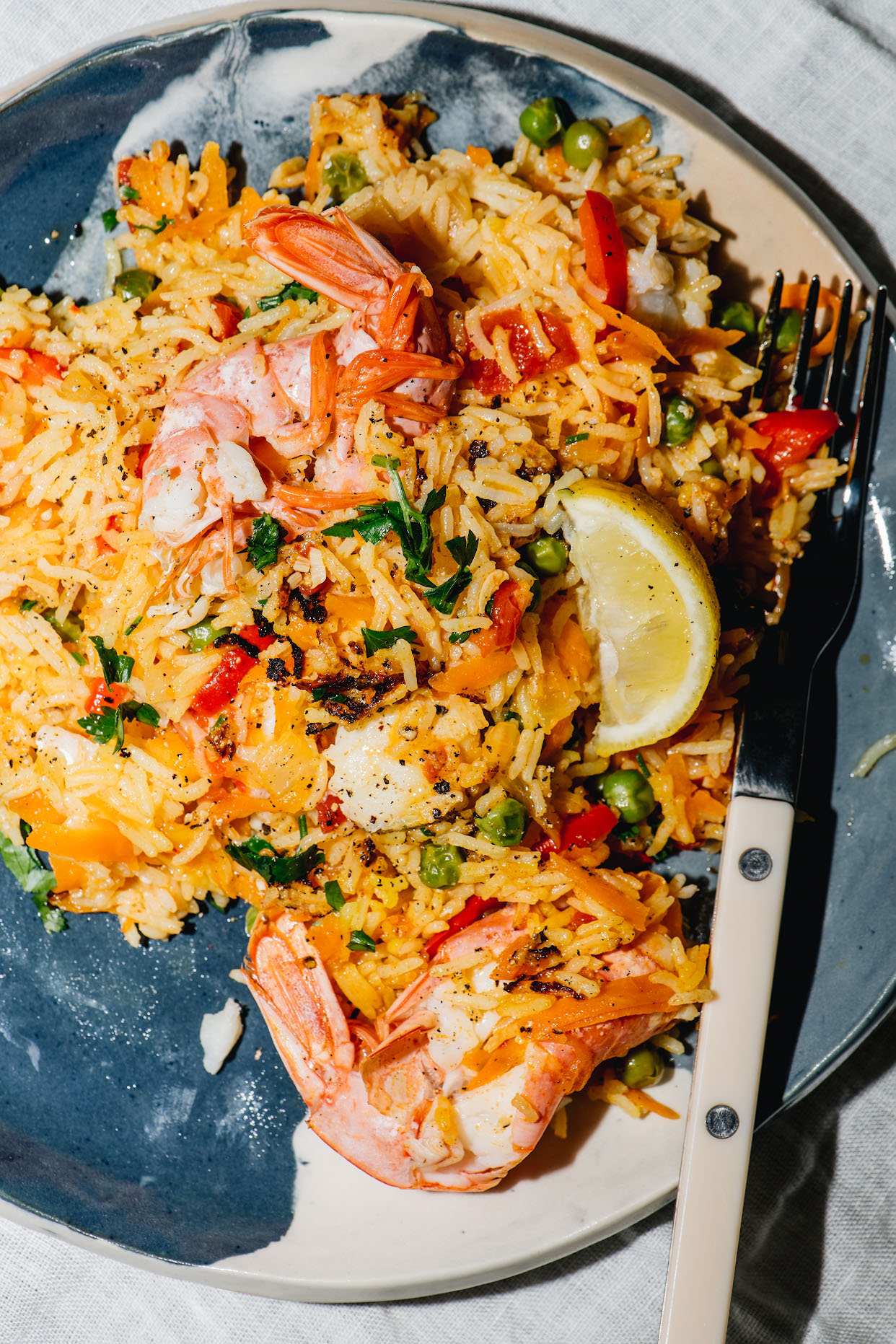
If you want a proper island dinner around them, try our healthy sun-dried tomato pasta or make our Tenerife seafood paella when a big pan and a long table sound right.
- Blend into the Yum dressing for vegetables, fish, meat and salads.
- Chop into a warm white-bean, rocket and lemon salad.
- Add to scrambled eggs or a frittata with herbs and feta.
- Stir into pasta with garlic, greens and a spoon of pasta water.
- Tuck into roast-vegetable trays near the end so they warm without burning.
Are sun-dried tomatoes healthy? A sensible answer
They are still tomatoes, just concentrated. That means a small amount gives a lot of flavour, so you can build a satisfying dressing or tray of vegetables without needing a heavy sauce.
The practical watch-out is salt and oil, especially with shop-bought jars.
Taste before seasoning, and blot or rinse oil-packed tomatoes when a dish is already rich. Healthy cooking is not a moral test; it is simply easier when the ingredients are doing their real jobs.
Troubleshooting
Most problems have a boring cause. That is good news because boring causes are usually easy to fix next time.
| Problem | Likely reason | What to do |
|---|---|---|
| Tomatoes are dark but wet | Oven too hot or pieces too thick | Lower the heat, cut more evenly and keep drying |
| Batch turned mouldy | Packed with moisture or stored warm | Discard it; dry the next batch further and cool before sealing |
| They taste too salty | Salt was heavy before drying | Use fewer in a dish and do not salt the next batch early |
| They are tough | Overdried | Rehydrate for sauces or blend into dressing |
| Oil looks cloudy | Moisture or cold oil | Keep refrigerated; if there is any spoilage doubt, discard rather than guessing |
Useful conversions and a realistic yield
Drying is not exact because tomato size, ripeness and your appliance matter. The useful numbers are starting points, not a promise printed on a jar.
| Metric | US | Use it for |
|---|---|---|
| 1 kg tomatoes | 2.2 lb | A first home batch |
| 80°C | 175°F | Low oven starting point |
| 60°C | 140°F | Dehydrator starting point |
| 15 ml | 1 tbsp | Dressing measurements |
| 180 ml | ¾ cup | Approximate dressing yield |
Expect a kilo of fresh tomatoes to become a small amount of dried tomato. That is the point: the water leaves, the flavour stays, and suddenly one spoonful has something to say.
Sun-dried tomato questions
These are the questions that matter when the tray is still warm and you are deciding what happens next.
How long do homemade sun-dried tomatoes last?
That depends on dryness and storage.
Keep fully dried tomatoes chilled or frozen for the most forgiving home approach. Check for moisture or mould before use, and keep fresh-herb or garlic versions short-life foods.
Do sun-dried tomatoes need to be refrigerated?
For this home method, yes is the easy answer,especially for any tomatoes in oil. Cold storage is a safer, calmer choice than trying to make a homemade jar behave like a commercially processed shelf product.
How do you rehydrate sun-dried tomatoes?
Cover dry tomatoes with warm water, stock or wine until supple, usually around 20-30 minutes. Drain well before salads or dressing; add them straight to soups and sauces when they will soften as they cook.
Can I use fresh garlic in the oil jar?
Only as a refrigerated, short-life mixture. Fresh garlic and herbs add moisture, so use the jar within four days or freeze it rather than leaving it on the counter.
What can I use instead of sun-dried tomatoes?
For a sauce, cook down tomato paste with olive oil and a small splash of water. For a salad, roasted cherry tomatoes give sweetness, though they will not have the same concentrated chew.
If you make a batch, tell us where it ended up. In our kitchen, the answer is usually the dressing first, then the mysterious disappearance of the rest while somebody is standing at the fridge.

