

Short answer: La Orotava is worth a half day if you want carved balconies, gardens and a real north-Tenerife town. It is best from Puerto de la Cruz. It is not a beach stop, a flat walk or a sensible forty-minute detour from the south.
La Orotava feels different from the resort coast. The reward is not one landmark. It is the slow accumulation of old doors, courtyards, tiled roofs and a vast green valley above Puerto.
Come in the morning. Walk before lunch. Then either eat well or continue to Puerto de la Cruz. Trying to turn it into five Tenerife highlights before dinner is where the day goes wrong.
Quick Verdict: Is La Orotava Worth Visiting?
Yes, especially for culture-minded travellers, photographers, couples and slower families. It is one of Tenerife’s best old-town stops. It is also steep in places, so do not sell it to someone who wants an effortless promenade.
If you want easy sun, swimming and a lively seafront, keep the day for Los Cristianos or Playa de las Americas. La Orotava solves a different problem: texture, history and a coffee without a resort soundtrack.
Local verdict: La Orotava is not a trophy town. It rewards people who stop trying to make every Tenerife day look the same.
- Best for: old houses, gardens, local food, short cultural walks and thoughtful north-Tenerife days.
- Skip or shorten it if: you need a guaranteed beach day, hate hills or only have one rushed day from the south.
- Time needed: two to three hours for the centre; four to six hours with lunch, gardens and a relaxed route.
- Car reality: useful for the valley and Teide; annoying inside the narrow old-town core.
- No-car reality: practical from Puerto de la Cruz; much less elegant from the south coast.
What La Orotava Is Actually Like
La Orotava town sits above Puerto de la Cruz in the wider Orotava Valley. The historic centre is the compact traveler visit; the municipality is much larger and stretches from the north coast towards Teide.
Do not use the town, municipality and valley as if they mean the same place. The old centre works because its churches, balconies, lanes and big houses still feel like one town rather than isolated photo props.
The setting explains the mood. Spain protected La Orotava’s old centre as a Historic-Artistic Ensemble in 1976, but the town is not a UNESCO World Heritage property. Teide National Park is the UNESCO site in this municipality.
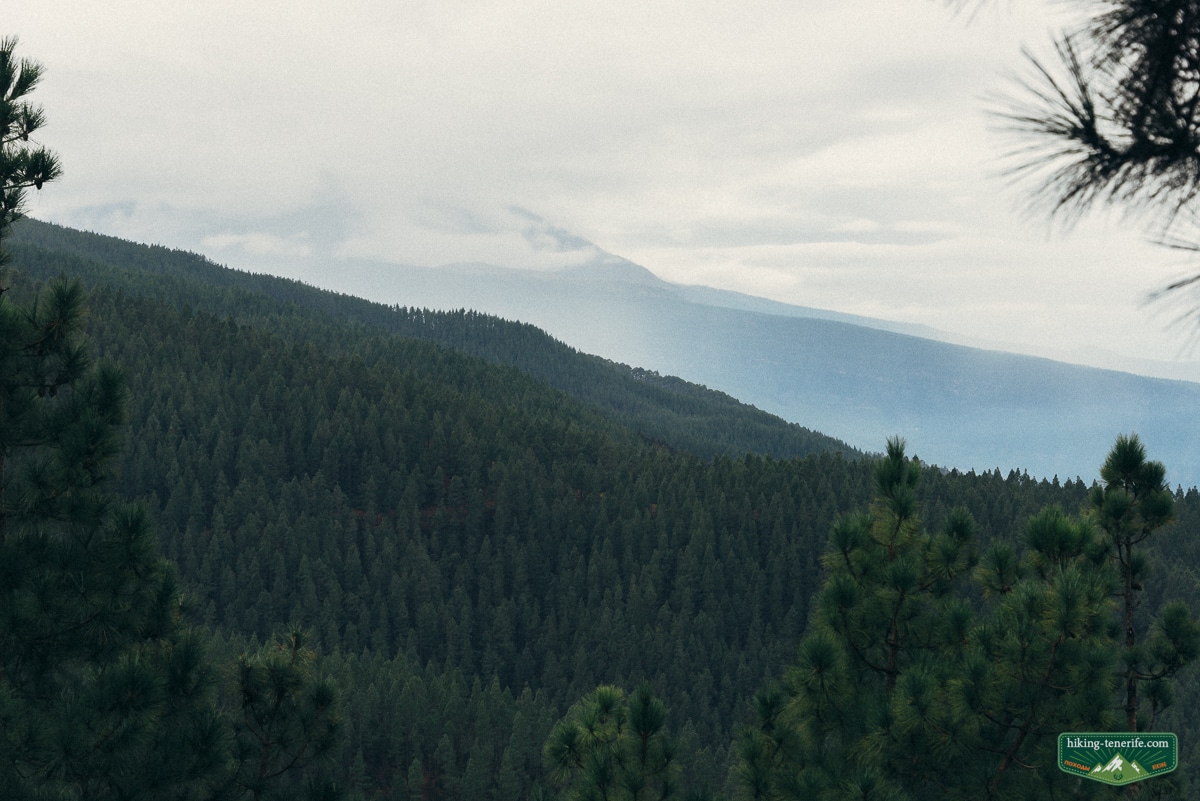
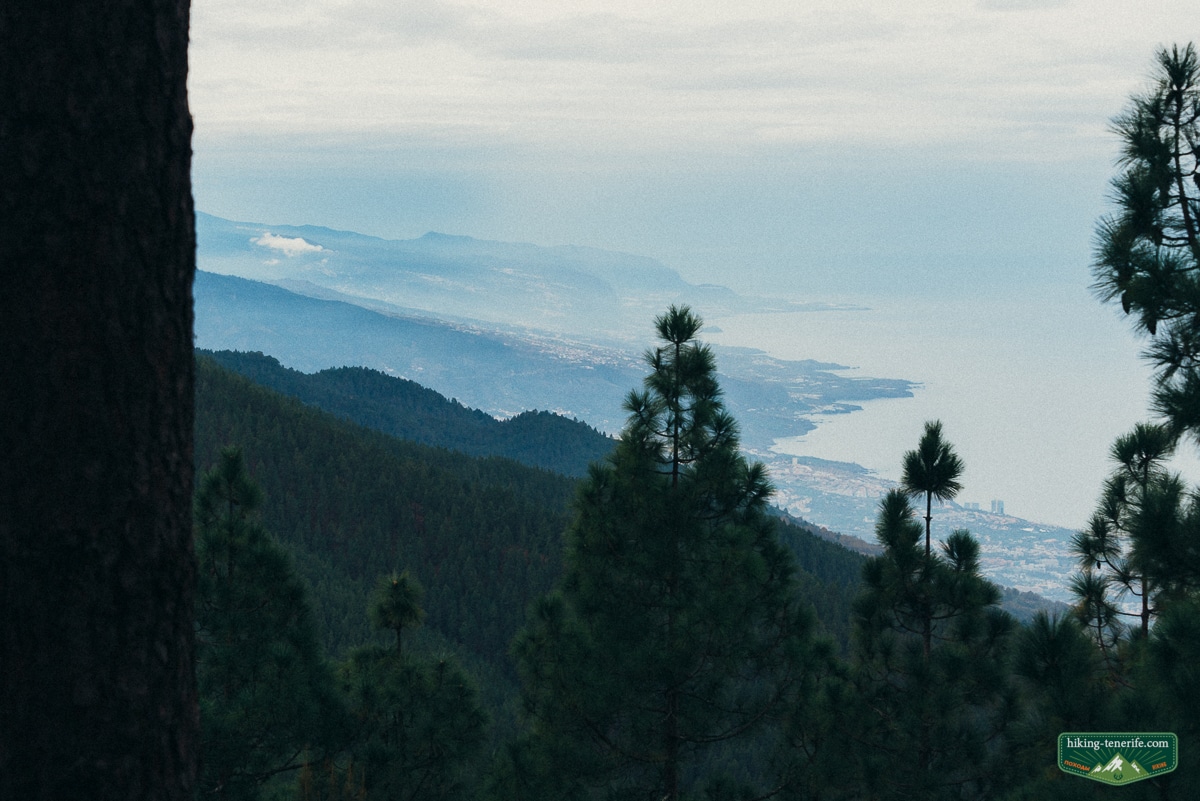
Local detail: a warm Puerto morning can become a cooler old-town walk, while the coast, valley slopes and high Teide road may have different cloud, wind and temperature on the same day.

Half Day, Full Day Or Overnight?
For most visitors, La Orotava is a half-day place. Start in the morning and walk the centre before lunch. A full day only makes sense when you add Puerto de la Cruz or one deliberate valley stop.
| Your available time | Best La Orotava plan | What I would avoid |
|---|---|---|
| 2–3 hours | Historic centre, Victoria Gardens, church/courtyard walk and coffee. | Trying to add Teide, Puerto and La Laguna. |
| Half day | Old-town route, gardens, a museum or craft stop, then lunch. | Driving every small street to hunt a closer parking space. |
| Full day | La Orotava plus Puerto de la Cruz, or the town plus a chosen valley stop. | Treating this as a Teide summit day as well. |
| Overnight | A quiet north stay for food, evening walks and morning light. | Booking here for easy beach life or nightlife. |
Plan like this: give La Orotava the morning. Then choose one second act: a long lunch, Puerto de la Cruz or a valley viewpoint. One good pairing is enough.
The town looks compact on a map. The hills, gardens and small stops make it bigger in real life.
A Simple Old-Town Route That Makes Sense
Do not try to win La Orotava by collecting every pretty lane. The official municipal audio guide offers two different self-guided routes, each taking roughly 90 minutes at a normal pace.
Choose by gradient: the Green Route has less elevation and suits a gentler walk. The Blue Route climbs higher for broader views. Less steep does not mean flat, step-free or suitable for every wheelchair or pram.
My practical route is not a third official trail. Begin around La Concepción and the Town Hall, pause in the Hijuela, then climb towards Victoria Gardens before continuing to Casa de los Balcones and the San Francisco area.
Choose details over distance. If the climb is too much, follow the gentler Green Route instead of forcing every terrace and viewpoint into one walk.
- Churches and façades: look up, then slow down. La Concepción, San Agustín and the surrounding houses work best as a sequence.
- Casa de los Balcones: useful for carved balconies and crafts. Do not mistake a shop stop for the whole town.
- Town Hall Square and Hijuela: a sensible pause when the legs have started voting.
- Victoria Gardens and Liceo Taoro: climb for the terraces and views, not because a map says it is nearby.
- Leave the Mills route for another day: it deserves a separate history-focused walk.
Map note: the old town is small enough to walk, but not flat enough to rush. A five-minute parking walk is usually better than threading a car through old lanes.
Balconies, Courtyards And Gardens: What Deserves Your Time
La Orotava is not only one famous balcony. Casa de los Balcones is a useful paid heritage interior, but it is one stop rather than the definition of the town. Keep looking at the wood, stone, shutters and patios after you leave it.
Victoria Gardens are the dramatic outdoor stop, with terraces and the Masonic mausoleum above them. Hijuela del Botánico is smaller and quieter beside the Town Hall. Neither needs a rushed checklist.
For one indoor stop, choose by interest: Casa de los Balcones for a historic house, MAIT for Ibero-American and Canarian crafts, the carpet centre for Corpus traditions, or La Concepción for church art when access permits. The municipal museum directory is the best starting point for current contacts.
Check before paying or climbing: museum hours, admission, church access and temporary closures can change. Churches may be open around worship rather than tourist hours, and services always take priority.

Local detail: the gardens are not a substitute for a major botanical visit. They are the pause that makes an old-town walk feel human rather than museum-like.
Food, Coffee And Shopping Without the Tourist Listicle
Have a coffee or a proper lunch here. La Orotava improves when you leave one unplanned hour between sights. Choose a place with local conversation rather than chase a dramatic online ranking across the municipality.
Casa de los Balcones and nearby museum spaces are useful for crafts and the Corpus tapestry story. Buy something if it interests you. Do not let souvenir browsing replace the streets. The best part is still outside.
A good La Orotava lunch is not a break from the visit. It is part of the visit.
Thinking of driving straight towards Teide after lunch? This is where I would stop. The road, altitude and changing cloud deserve a different day.

Parking, Buses, Hills And the No-Car Reality
Do not drive through the oldest lanes hoping a magic space will appear by your chosen door. Check the municipal parking map, follow current signs and accept the first suitable legal space.
No parking area is guaranteed to have room. Festival closures, road works and local restrictions can change the best approach, so keep the car out of the walking part of the day.
Without a car, La Orotava is realistic from Puerto de la Cruz. From a south-coast resort, it becomes a longer day with connections and less freedom to improvise.
Use the current TITSA journey planner for the exact stop, direction and return time on your date. A taxi can make sense for the final hill with a pram, reduced mobility or tired children.
- Pram and mobility: cobbles, slopes and some stairs matter. The Green Route is less hilly, not flat.
- Rain: wet cobbles change the walk. Bring shoes with grip and a light layer.
- Parking: arrive early on weekends, festival days and bright mornings. Never block a narrow street for a photo.
- Churches and museums: plan around normal opening hours and services, not a promise that every door will be open.
Common mistake: treating a car as a door-to-door old-town tool. Park once, walk slowly and save the driving energy for the valley or Teide.
Who Will Love La Orotava: And Who Will Not
Photographers, architecture lovers and culture travellers should put La Orotava high on the list. Families enjoy it when the plan is short, snack-friendly and not built around six historic interiors.
For reduced mobility, the Green Route is the better starting point, but slopes, cobbles and individual entrances still need an exact check. Hikers can use the town as a civilised stop around a mountain day, not as the hike itself.
For a real walking day, choose one route from my best hikes in Tenerife guide instead of trying to make the old town into a hike. I would not sell La Orotava to someone with one free Costa Adeje afternoon who only wants sun.
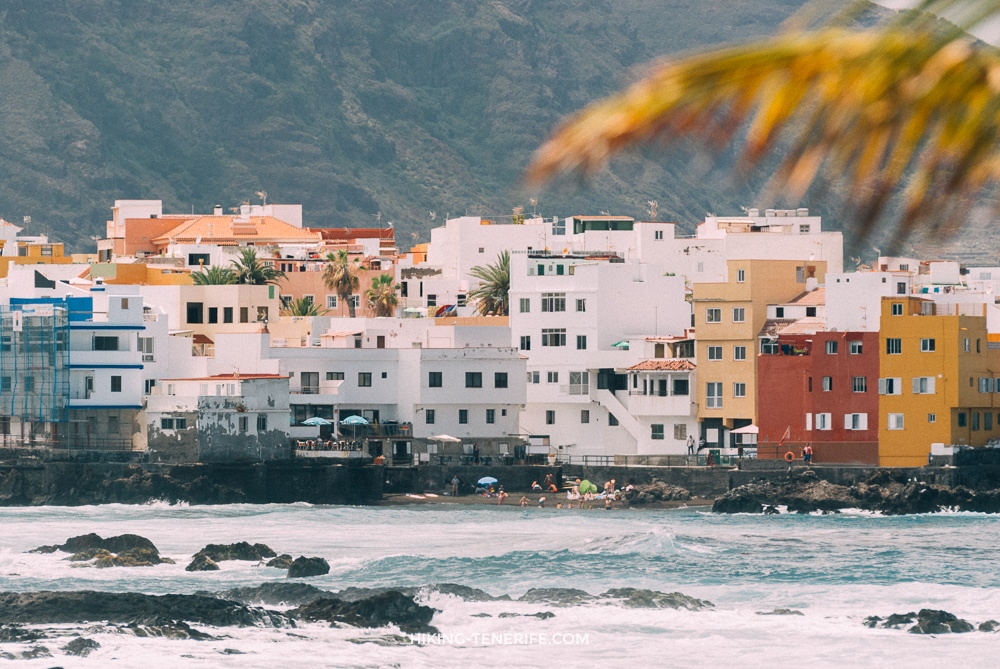
Local verdict: a lovely town does not automatically make the best holiday base. For a south-coast trip, use the South Tenerife guide. For the bigger decision, compare north and south Tenerife first.
Weather, Winter And Festival Timing
La Orotava is usually cooler and greener than the south. In winter, it can feel fresh, damp or chilly once the sun disappears.
Bring a layer and keep a café or museum backup. Do not judge it by a beach forecast from the other side of Tenerife.
Corpus Christi is the big local spectacle, usually in May or June. Flower carpets fill the streets and the Town Hall Square receives a large tapestry made with colored material from Teide.
The exact carpet day, processions, closures and supporting events vary annually. Check the municipal programme for the year of your visit rather than copying a previous date.
It is beautiful, but it is not a quiet old-town day. Check the municipal programme for the exact year.
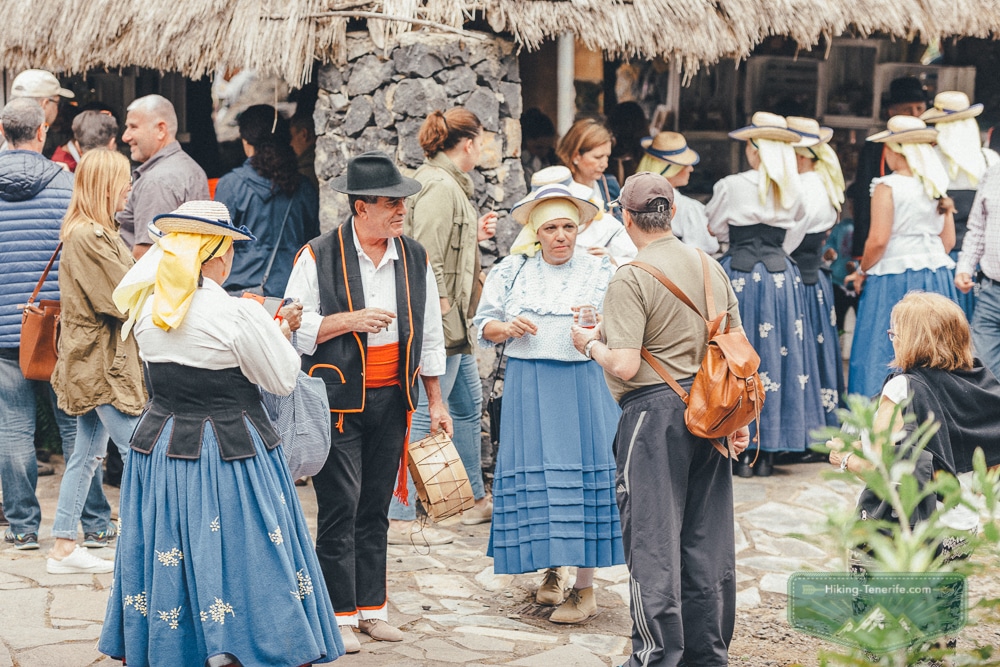
Plan safely: on wet or festival days, give the old streets more time than the map suggests. Cobblestones, slopes, crowds and temporary access changes are not details to discover while late.
What to Combine With La Orotava: And What to Keep Separate
This is the section where good Tenerife days are won or lost. Pair La Orotava with one nearby mood. Do not turn it into a victory lap around the island.
Best pairing: Puerto de la Cruz. Walk La Orotava in the morning, then have lunch or an evening promenade in Puerto.
My Puerto de la Cruz guide helps you choose one beach, garden, old-town or restaurant stop. Do not pretend you have time for all of them.
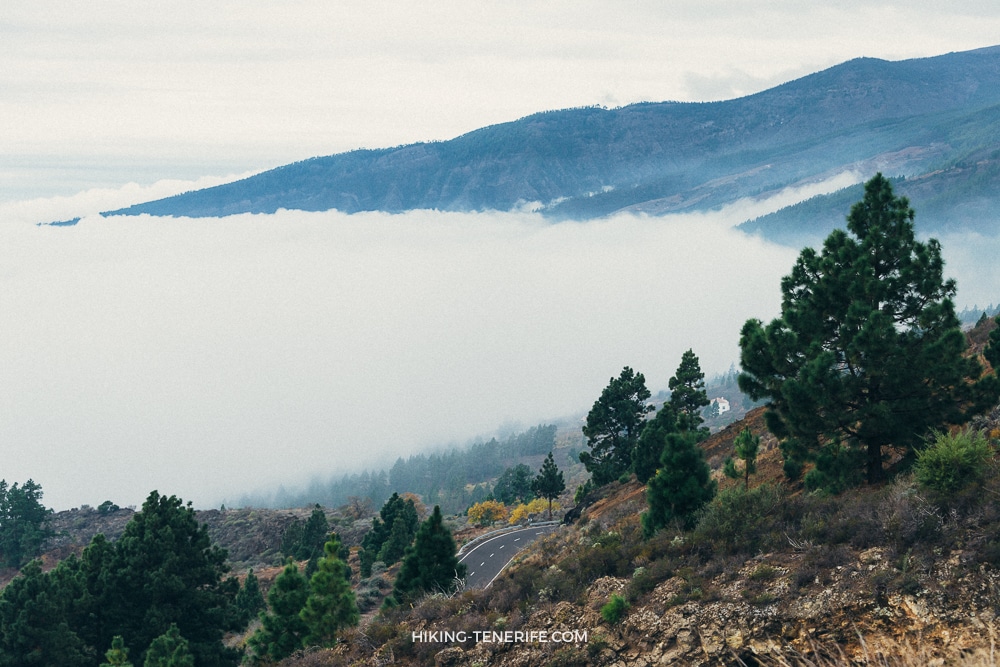
Teide: La Orotava sits on the right side of the island for the volcano. I would not combine a serious mountain day with a full old-town walk.
Read the Teide guide, check conditions and give the road, altitude and daylight the respect they need.
Planning a north Tenerife day? Use my free Tenerife map to pair La Orotava with one sensible nearby stop instead of turning the route into an island race.
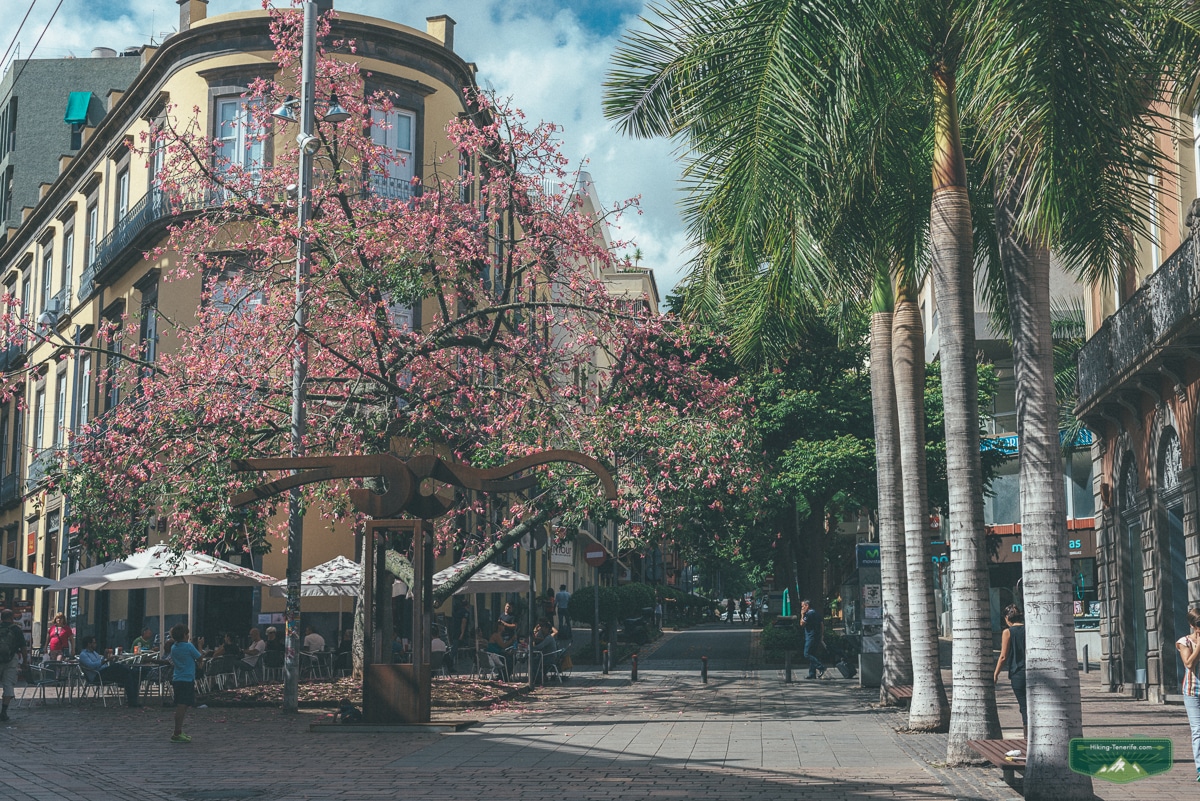
La Laguna or Anaga: choose them on another day unless you have a long trip and enjoy moving fast. La Laguna is the stronger urban-history alternative.
La Orotava is the more valley-and-garden town. Use the La Laguna Tenerife guide and choose the mood.
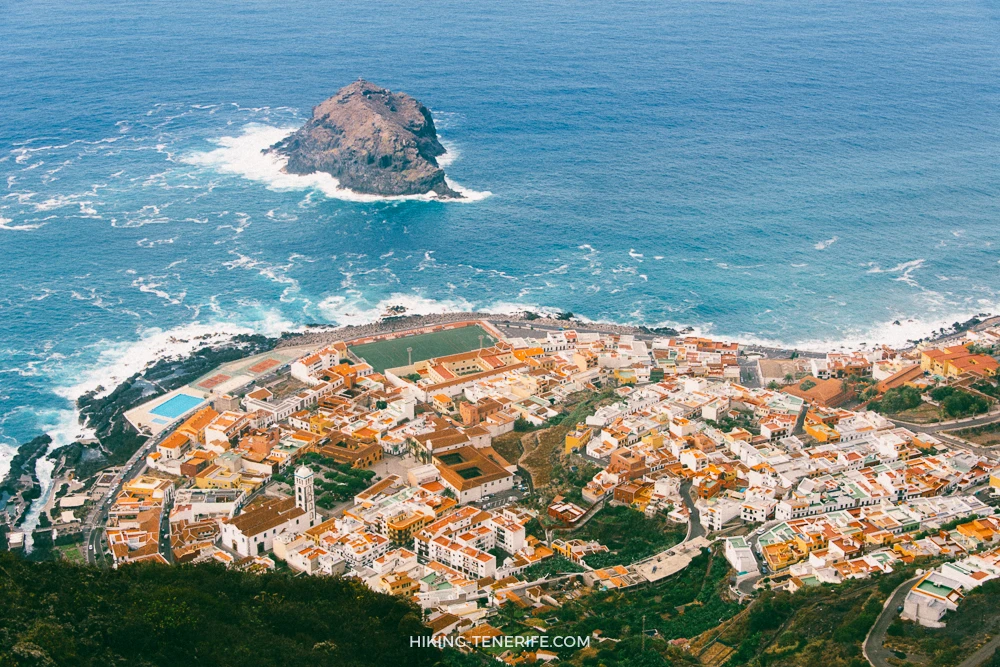
Garachico and Icod: save them for a slower north-west car day. Garachico’s coast needs a sea-state check, while Icod’s Drago visit is a separate ticketed decision. Use the Garachico guide and Drago Milenario guide instead of reducing both towns to rushed extra pins.
North-coast beaches: keep swimming plans flexible. La Orotava municipality reaches the coast, but this is not a promise of an easy beach day. Sea state, weather and access decide that answer. Use the north Tenerife guide and keep a beach fallback.
Common Mistakes I Would Avoid
The town is forgiving when you slow down. It becomes frustrating when you demand beach-resort efficiency from it. These are the mistakes I see most often.
- Trying to park inside the old town rather than walking five useful minutes.
- Expecting a flat, fully accessible heritage walk because the centre looks compact on a map.
- Giving it forty minutes, then deciding it is only balconies and souvenir shops.
- Pairing La Orotava, Teide, Puerto, La Laguna and Anaga in one heroic day. Beautiful idea. Less beautiful reality.
- Treating Corpus Christi photographs as a guarantee of normal-day atmosphere or parking.
- Booking a La Orotava stay for beach convenience without checking the north/south trade-off.
- Forgetting that church, museum, restaurant and event hours can change around holidays and services.
La Orotava FAQ
Is La Orotava worth visiting?
Yes, if you enjoy old towns, Canarian architecture, gardens and calmer north Tenerife days. It is less suitable when the goal is easy beach time, nightlife or a flat accessible walk.
How long do you need in La Orotava?
Allow two to three hours for a first historic-centre walk. Make it half a day for gardens, one museum or heritage interior and lunch. A full day works when you pair it with Puerto de la Cruz or one chosen valley stop.
Do you need a car for La Orotava?
No, especially from Puerto de la Cruz or another connected north town. Check the current TITSA planner for your date. A car helps for the wider valley, Teide and the coast, but it becomes a nuisance when used door to door in the old town.
Is La Orotava better than La Laguna?
They solve different decisions. Choose La Orotava for gardens, valley views, steep streets and Canarian domestic architecture. Choose La Laguna for a larger urban centre, university-city energy and an easier pairing with Anaga or Santa Cruz.
Final Verdict: Go Slowly Or Save It for Another Trip
La Orotava improves the longer you let it be ordinary: a balcony, a garden bench, a cloudy slope and a proper lunch. Rush it and save it for another trip. Give it an unhurried half day and it is absolutely worth visiting.

