

La Laguna Tenerife is worth three to four hours if you enjoy historic streets, architecture, cafés and a cooler change from the coast.
This La Laguna Tenerife guide shows you what to see without turning the old town into a race between landmarks.
Give it a full day only when you want a museum, a slow lunch or an evening in town.
I would send culture lovers, photographers and no-car travellers staying in Santa Cruz to San Cristóbal de La Laguna.
I would not sell it as a compulsory detour to a beach-only visitor with one precious afternoon. Beautiful, yes. Effortless, no.
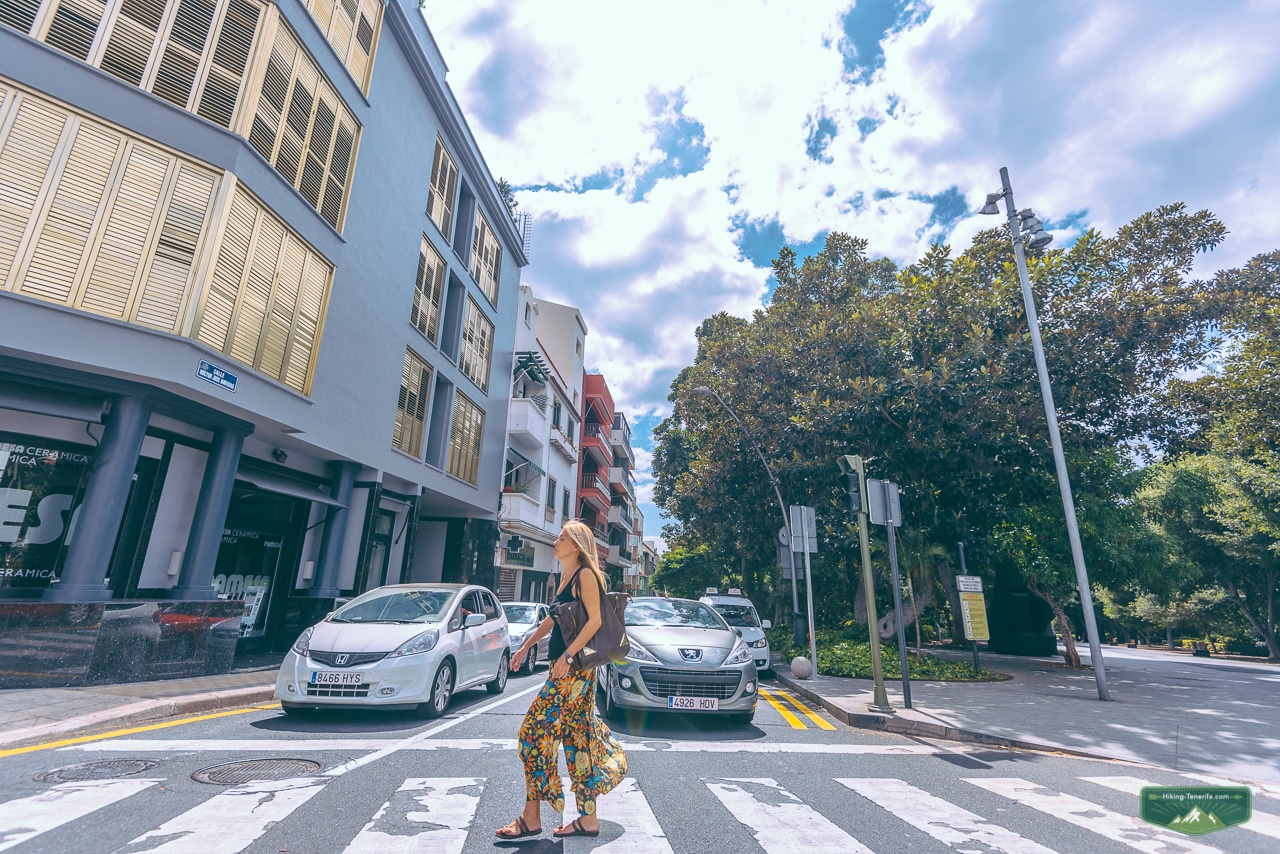
You will often see it called Tenerife’s “cultural capital”. I use that as editorial shorthand for its university life, heritage streets and cultural calendar, not as an official title.
The real decision is simpler: do you want a historic city walk with weather, opening-hour and parking caveats, or another easy coastal day?
Quick Verdict: Is La Laguna Worth Visiting?
Yes, for the right traveller. La Laguna is the Tenerife old town I choose when I want the island to feel urban, layered and slightly cooler.
It gives you grand façades and quiet courtyards, but also cobbles, a few slopes, service-time church doors and the normal messiness of a working city.
- Best for: culture, photography, old streets, coffee, rainier-day plans, independent travellers and a first north-east Tenerife day.
- Good with children: yes, if you keep the route short, build in food and do not turn every historic interior into homework.
- Less good for: a guaranteed warm beach day, resort nightlife, a rushed south-coast excursion or anyone who needs every surface to be smooth and flat.
- My timing: three to four unhurried hours for the core; a full day with lunch, museum time and an evening; an overnight when Anaga is next.
- No car: easy from Santa Cruz by the direct tram corridor, then on foot. From the south, it is possible but a deliberately long day.
My local verdict: La Laguna is not a checklist town. It becomes good when you stop trying to make it compete with a beach.
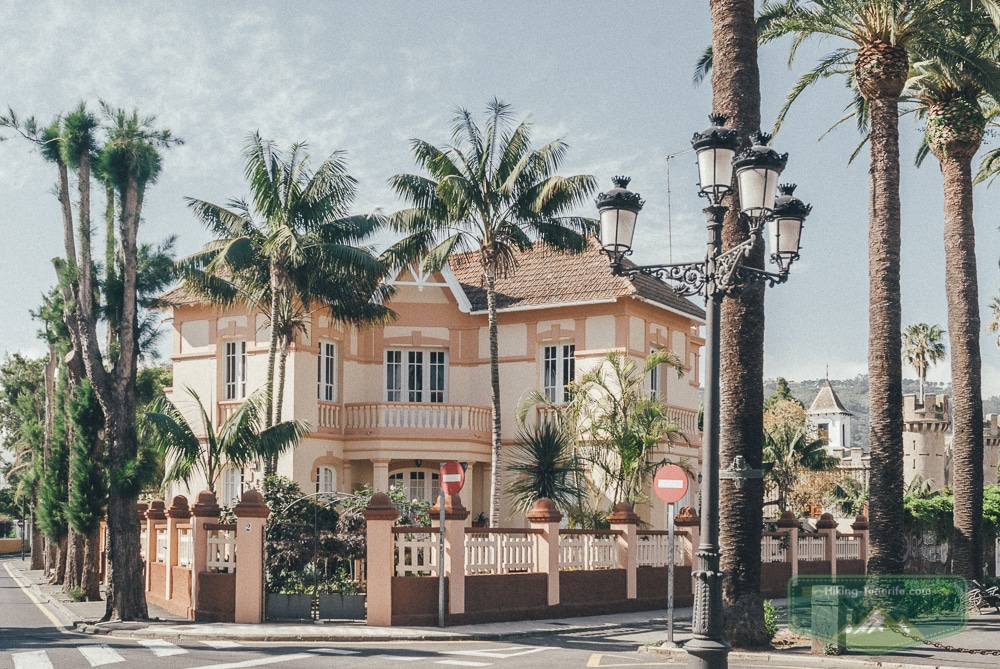
Why La Laguna Matters – Without the Capital Myth
San Cristóbal de La Laguna was Tenerife’s historical capital until the nineteenth century.
It is not the capital of Tenerife now. That is Santa Cruz de Tenerife, where the island cabildo is based.
The Canary Islands have shared capitals in Santa Cruz de Tenerife and Las Palmas de Gran Canaria. That small distinction saves a lot of travel-guide confusion.
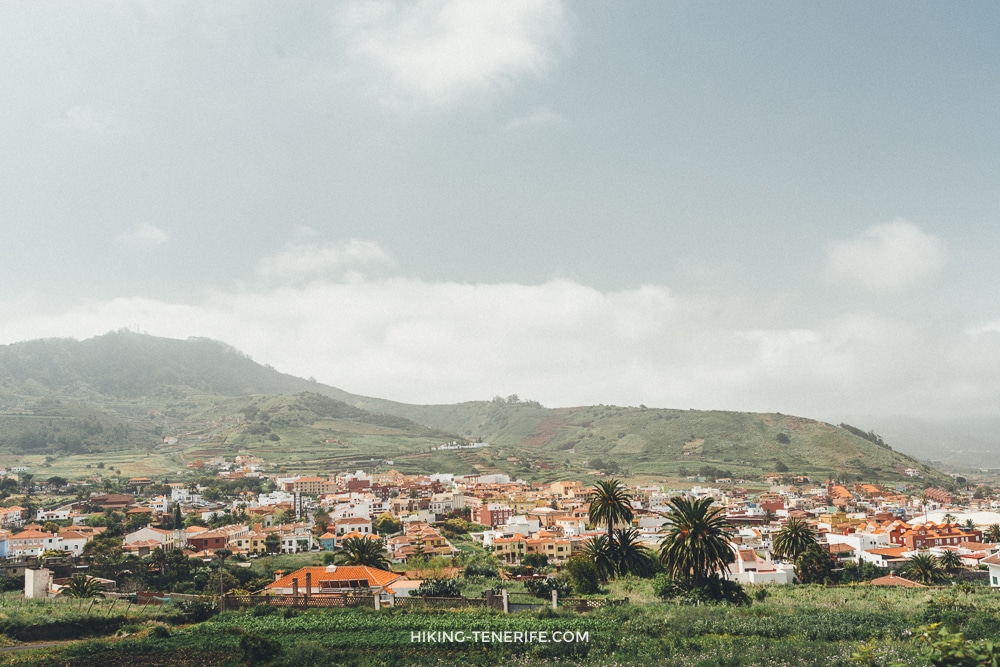
What makes La Laguna important is not an outdated capital label. UNESCO inscribed the historic centre in 1999 for its unusually intact town plan.
The older unplanned area and the later grid sit together here. This unfortified Spanish town also became a precursor for colonial towns in the Americas.
In normal human language: do not only photograph one balcony. Notice how the streets, open spaces and houses work together.

La Laguna literally means “the lagoon”. The old inland lagoon that gave the place its name was progressively drained and disappeared in the nineteenth century.
The city now sits on an inland plateau. It is close enough to Anaga to feel its weather, and far enough from the coast to feel different from Santa Cruz.
San Cristóbal de La Laguna is the city’s full official name and the name used by UNESCO. Most travellers, signs and local conversations simply shorten it to La Laguna.
Local verdict: the capital story explains the history. The street plan is the reason I keep coming back.
Half Day, Full Day Or Overnight?
Most visitors overfill this day. Use La Laguna as either a focused city walk or a calm base for the north-east.
Do not wedge it between Teide, Anaga, Santa Cruz and dinner in the south. Tenerife distances look friendly until the day starts moving.
| Your time | The sensible La Laguna plan | What I would avoid |
|---|---|---|
| 2–3 hours | Historic core, one church or museum if open, coffee, then leave room to wander. | Trying to enter every building or drive inside the old streets. |
| Half day | Walk the core in order, market or lunch, one cultural stop, and a slow finish. | Adding Anaga coast or Teide on the same clock. |
| Full day | Historic walk, market/lunch, a museum or courtyard stop, then an evening in town or Santa Cruz. | Calling the extra hours ‘more sights’ rather than giving the city time. |
| Overnight | Best if La Laguna is your Anaga launch point or you like quieter city evenings. | Booking it for beach convenience or south-resort energy. |

An overnight only makes sense when the evening atmosphere matters, or when La Laguna is your practical launch point for Anaga.
For the larger island picture, open my Things To Do In Tenerife guide before you choose the day. La Laguna is one strong culture day among beaches, Teide and mountain routes; it is not a replacement for all of them.
Planning more than La Laguna? Use the free Tenerife map to group the old town with the right north-east stops instead of crossing the island between unrelated saved pins.
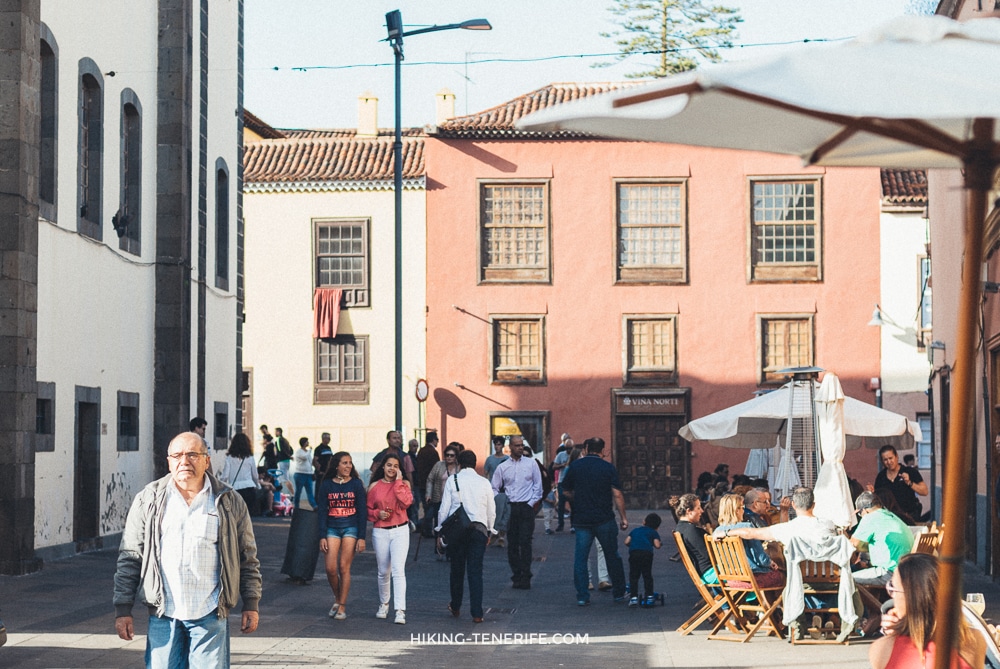
A Walk Order That Makes Sense
Start at the edge of the historic centre, not at the most photogenic door.
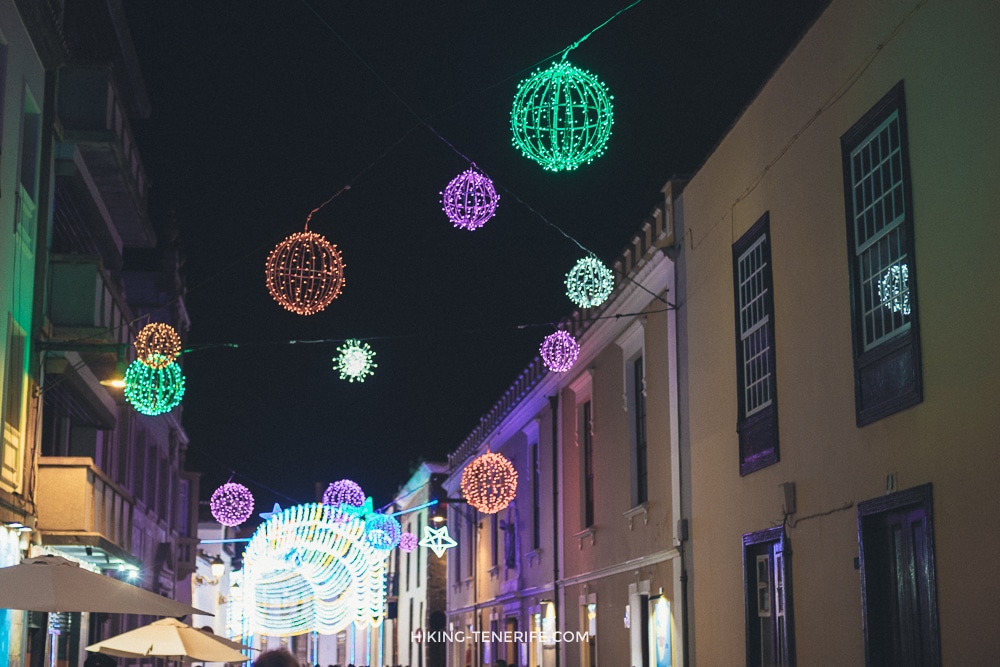
If you arrive by tram or park outside the core, walk in. Do not expect to drive street to street.
The payoff is simple. The route unfolds naturally, and you do not spend the first hour fighting the city.
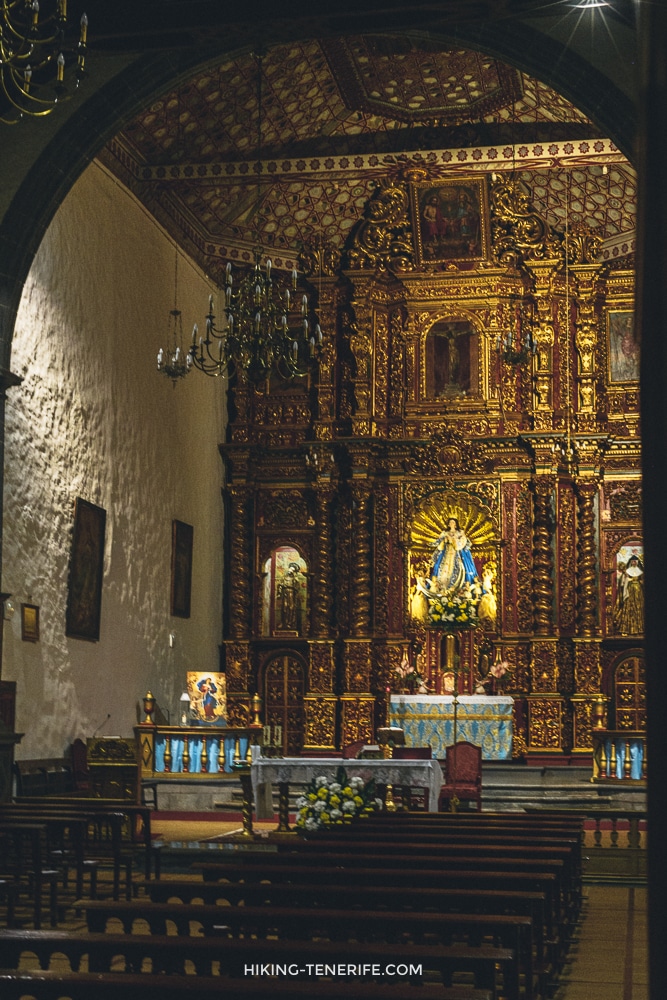
My first-walk order is simple: let Calle Herradores bring you into the centre. Pause around the Cathedral and the older lanes.
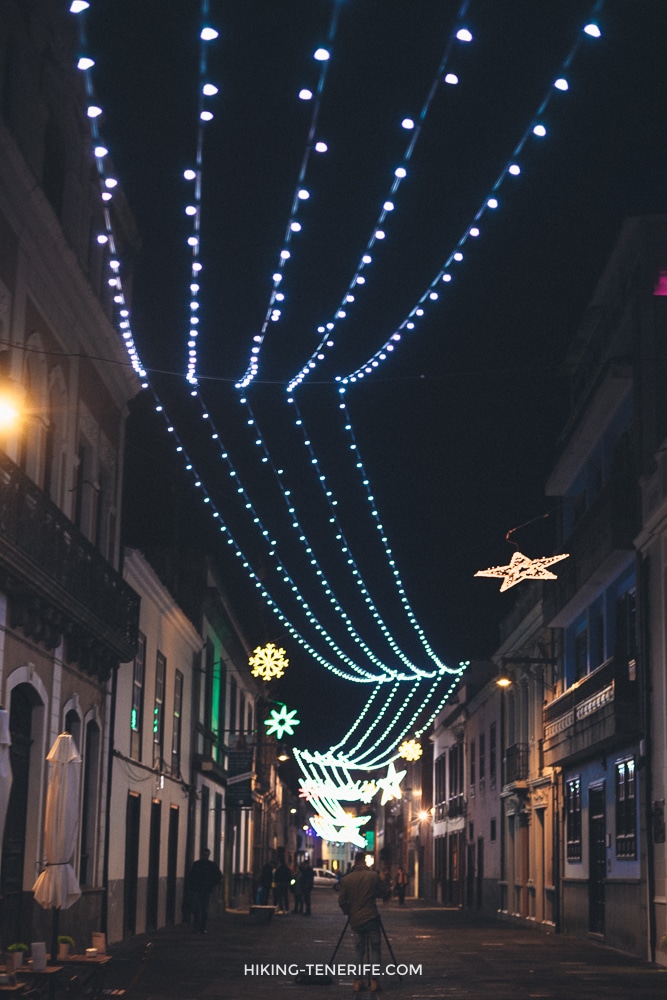
Continue through Calle Obispo Rey Redondo and Calle San Agustín. Give Plaza del Adelantado and Casa de los Capitanes time.
Then decide whether you still want Plaza del Cristo and the market area. This is a route, not a military parade.
- Start gently: coffee first if the weather is cool or your group arrived tired. La Laguna rewards an unhurried start.
- Walk the streets before booking interiors: a church, museum or house may close for a service, exhibition change or holiday.
- Use Plaza del Adelantado as the reset point: it is the place to decide whether the group wants another cultural stop or food.
- Finish rather than extend: Plaza del Cristo and the market make a good end, especially on a morning when the market is actually trading.
The La Laguna Tenerife map temptation is to draw a dense loop through every historic pin. Resist it. The core is compact, but stopping, looking up and waiting for people to cross a narrow pavement takes time. That is the visit.
Map note: a good La Laguna route is not the one with the most pins. It is the one that leaves you enough time to look up.
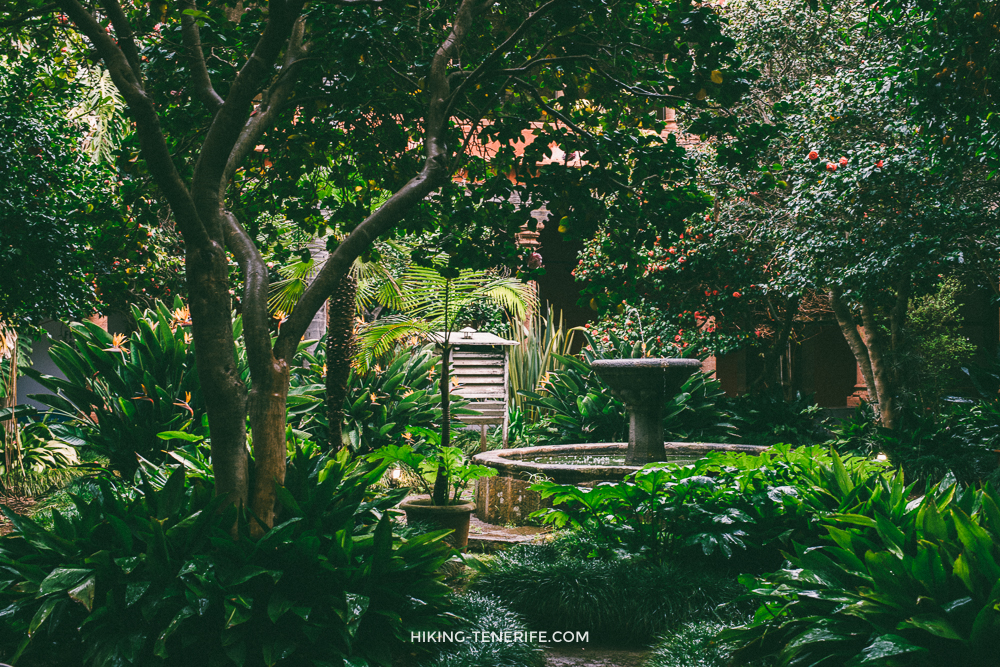
What To See In La Laguna (Only the Stops That Earn Their Place)
The Cathedral is worth a look for scale and for its place in the city. Do not make the whole day depend on entering it.
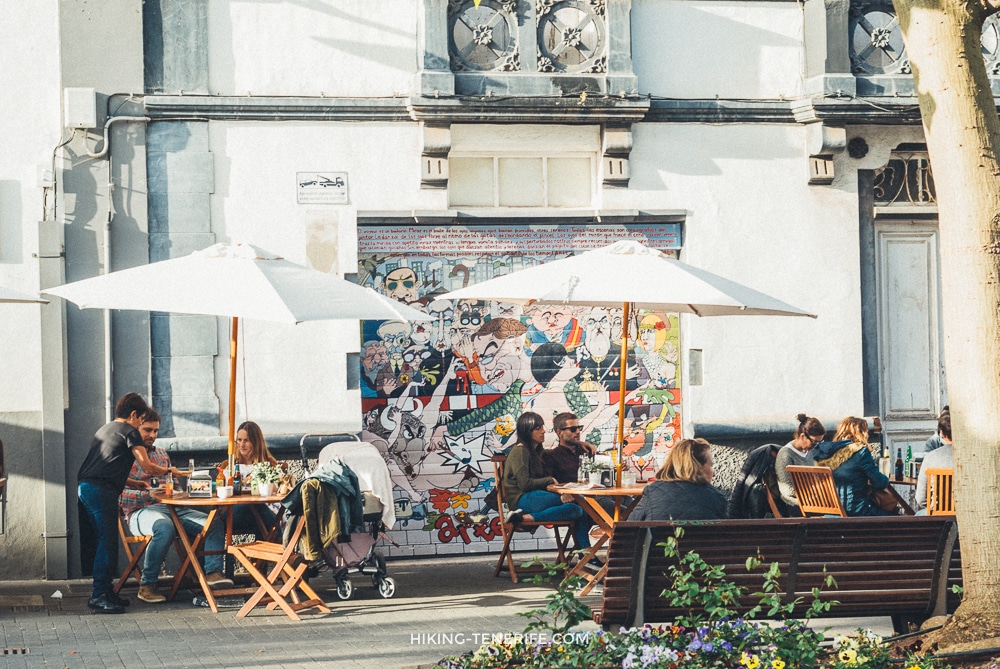
The Iglesia de la Concepción is another important landmark. The tower silhouette alone earns a pause.
Church access can change around services, repairs and local events. Treat interiors as a bonus unless you have checked that day.
Casa de los Capitanes, Plaza del Adelantado, Casa Salazar and the streets around them form the heart of the heritage walk.
You do not need a lecture at every façade. Use one good cultural stop, then let the streets explain the rest.

For a museum, choose one that suits your attention span. The History and Anthropology Museum at Casa Lercaro is useful when you want context.
Check Casa Lercaro’s current visit information before relying on an opening time. A smaller exhibition or municipal space can be better on a rainy afternoon, and a closed museum should never ruin La Laguna.
The municipal market near Plaza del Cristo is a real morning stop, not a decorative “market experience”. Go when it is open and you actually want fruit, cheese, flowers or ordinary shopping.
Do not arrive late expecting a guaranteed full market. Do not make a special journey for a schedule copied from an old blog.
Photographers should walk early or later. The light improves, and groups move more slowly.
Midday still works for façades and courtyards. Rain can make the colour richer, but it can also make paving slippery.
Local verdict: choose one interior. Let the streets, courtyards and market do the rest of the explaining.
University Life, Coffee And Food: the Part a Monument List Misses
La Laguna feels different because students, families, workers and shoppers use it.
City life: the university gives La Laguna a younger rhythm than the historic architecture alone suggests. On a term-time weekday, cafés and streets have more energy.
On a quiet evening, it can feel much calmer than a south-resort visitor expects.
Local verdict: I would not turn this into a restaurant listicle. Pick a café when you need a warm-up or a pause.
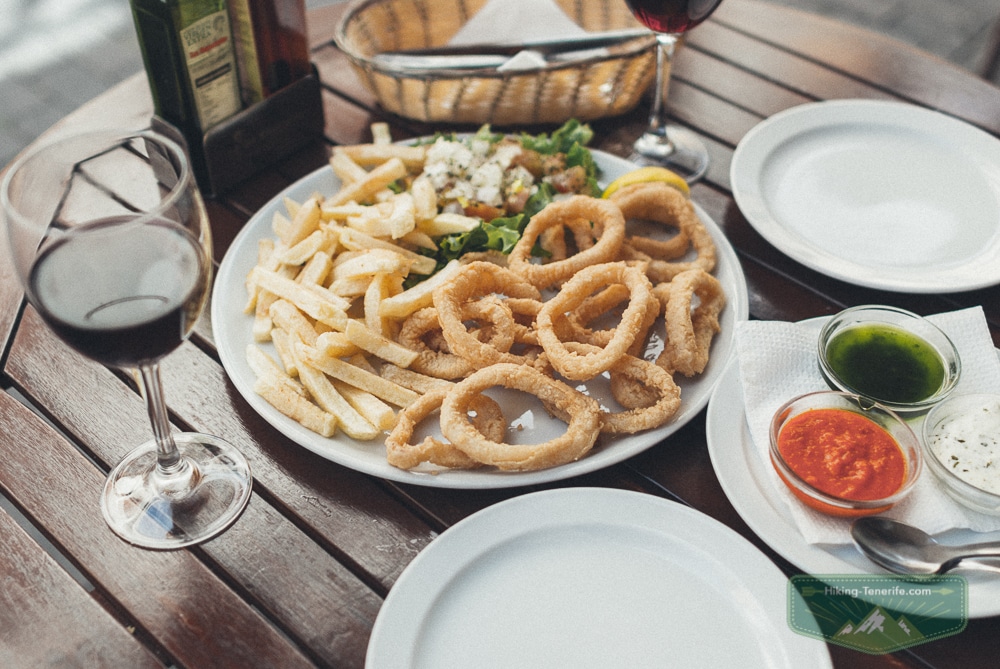
Then choose lunch where the mood and opening time work. The city has Canarian food, pastry, wine and regular everyday tables.
Food verdict: a slow meal is more valuable here than racing across town for a single internet-famous plate.
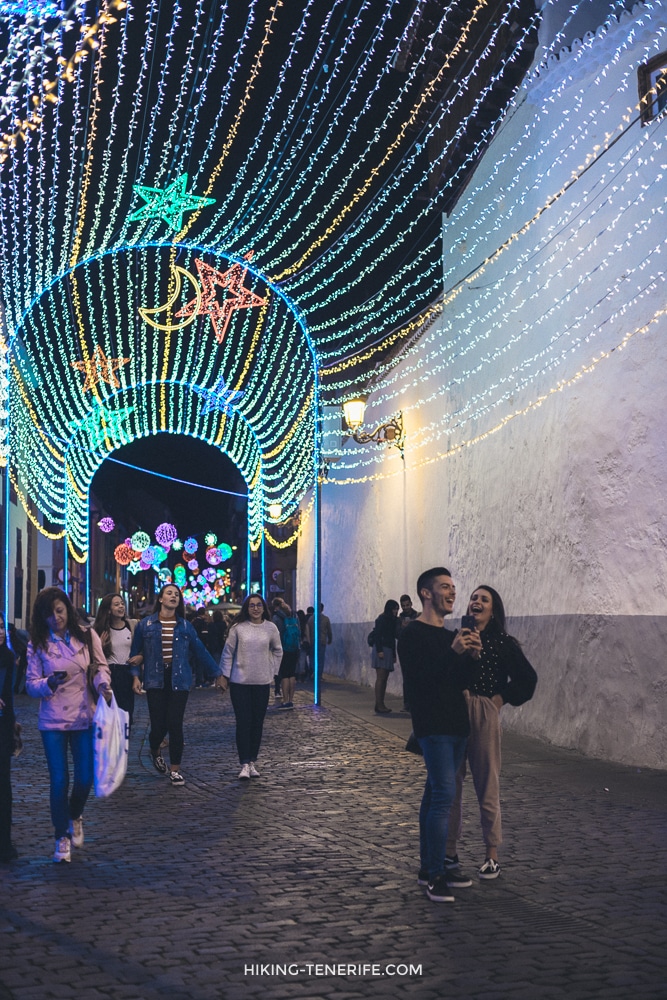
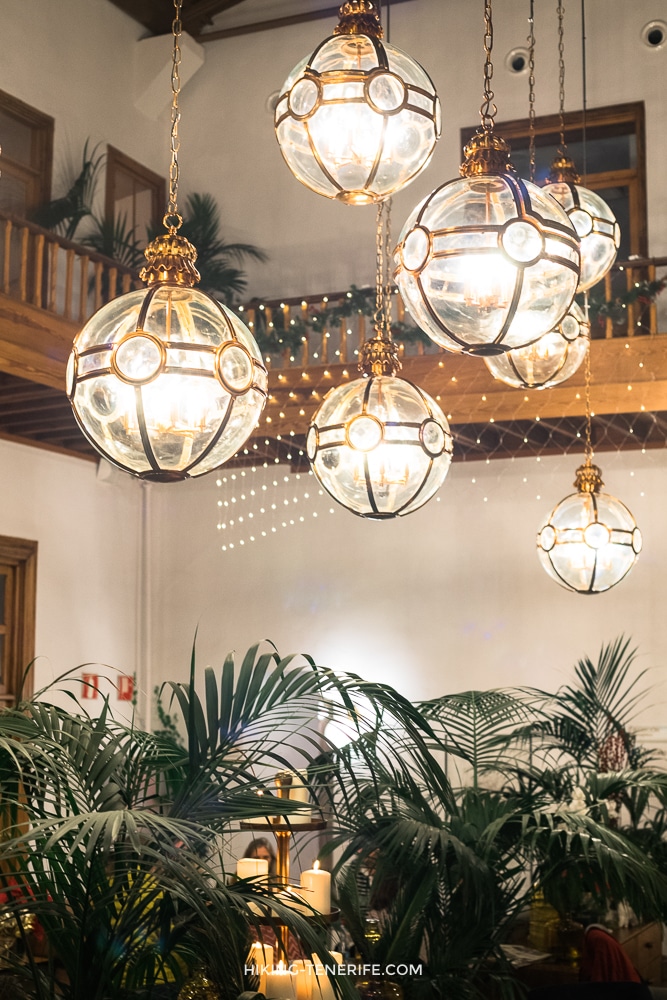
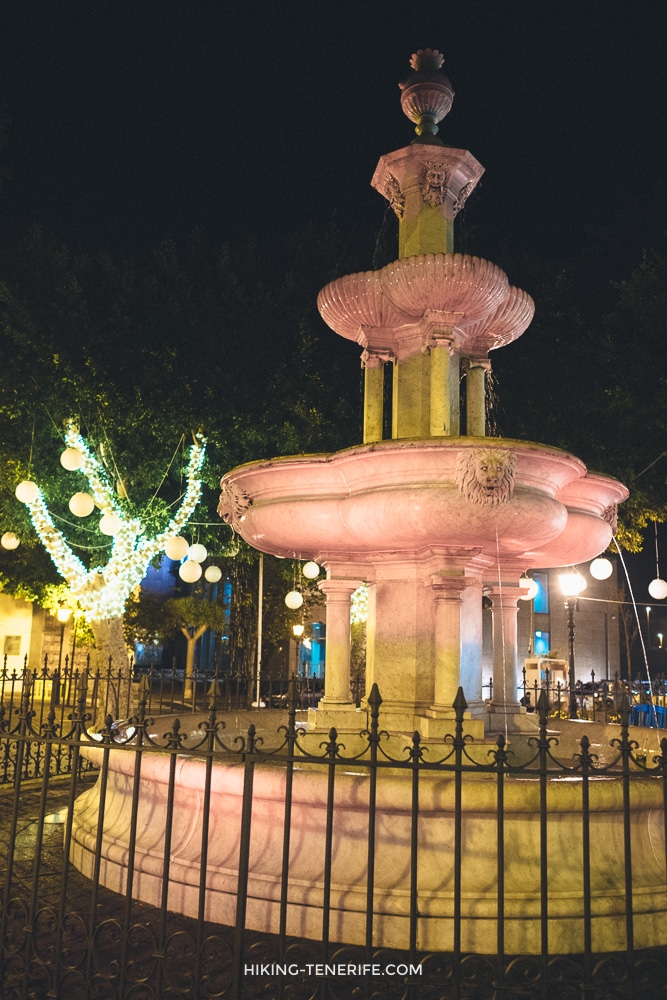
This is also why I would not promise a certain late-night scene. La Laguna can be lovely in the evening, especially when you want a walk, drinks and city life rather than nightclub strips.
Weekdays, university holidays and events change the atmosphere. For the wider city pairing, use my Santa Cruz de Tenerife guide.
For carnival-season Santa Cruz, which is a completely different kind of cultural night, use my Santa Cruz Carnival guide and check the current programme.
For a seasonal evening, my La Laguna at Christmas guide covers the festive route separately.
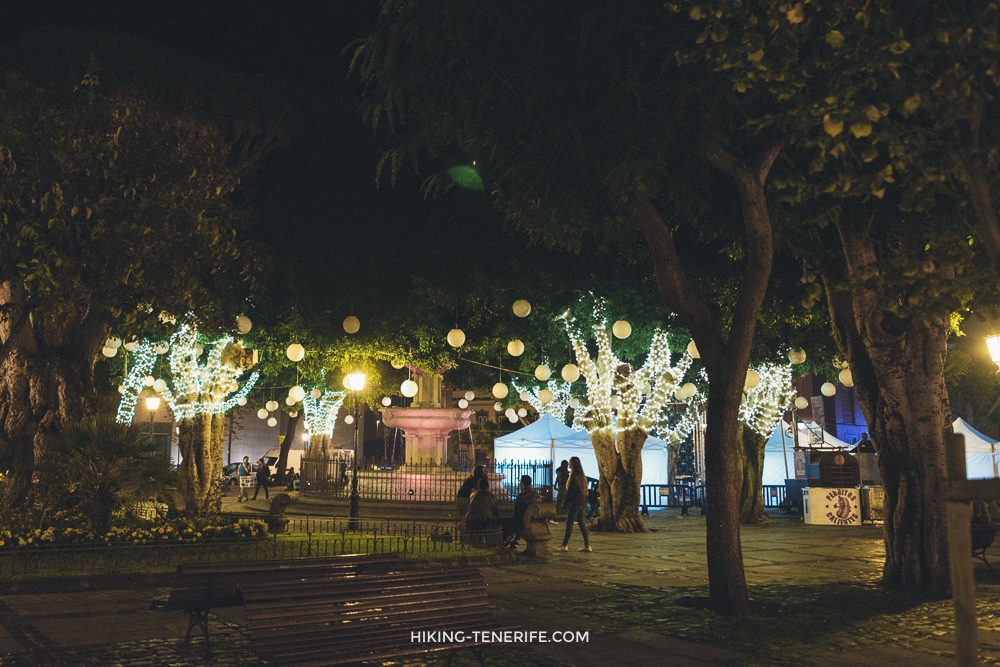
La Laguna Tenerife Map, Transport And Parking Reality
Without a car, La Laguna is one of the easiest north-east Tenerife choices. Santa Cruz and La Laguna are linked by the tram.
The historic centre is a walk from the useful stops. Check Metrotenerife’s live routes and timetables and the TITSA journey planner for the day’s route, timings and service changes.
I would not plan a holiday around a bus number copied from an old article.
Drivers should use the city’s current historic-centre parking information, leave the car outside the core and walk in. Some streets are pedestrian, narrow or managed for residents and services.
Hunting for a perfect space near a doorway is exactly how a relaxed visit turns sour. Use a public car park or outer-edge space, then accept the short walk.
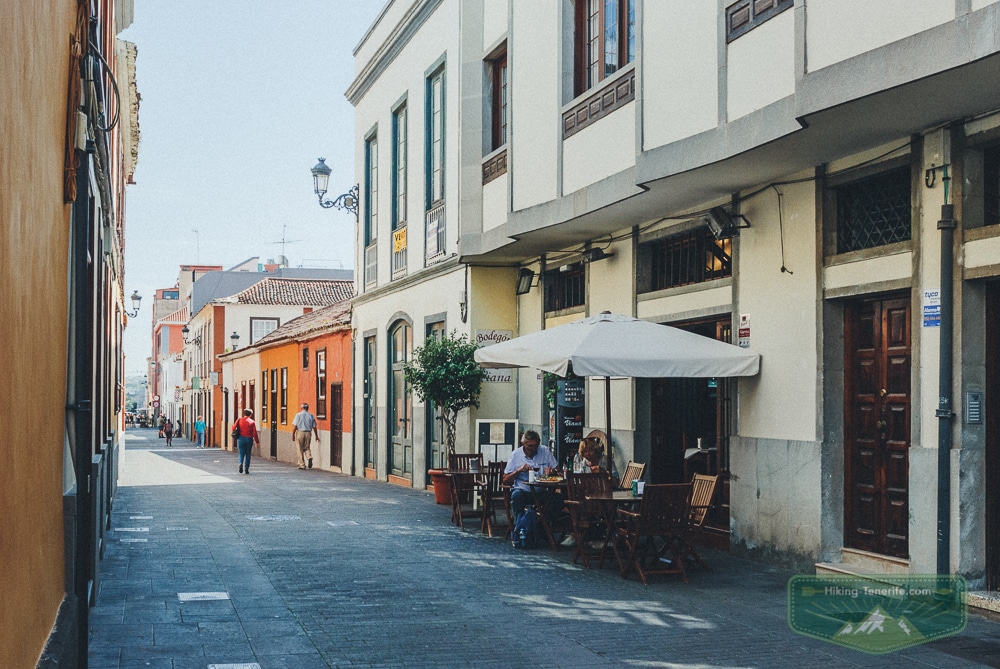
From the south, La Laguna is an intentional day trip rather than an easy add-on. If you are based in Los Cristianos or Playa de las Américas, leave early and choose one city plan.
My South Tenerife guide explains why the south is still the easier base for many first trips. La Laguna is the contrast day.
Plan for access: the pedestrian core is a sensible starting point for reduced-mobility visitors, but individual streets and heritage interiors vary.
La Laguna’s tourism office publishes accessible routes and an inclusive guide. Check the exact stops your group wants rather than treating the whole old town as one accessibility category.
Map note: the parking plan is simple: stop once, walk slowly, and let the historic centre be the destination.
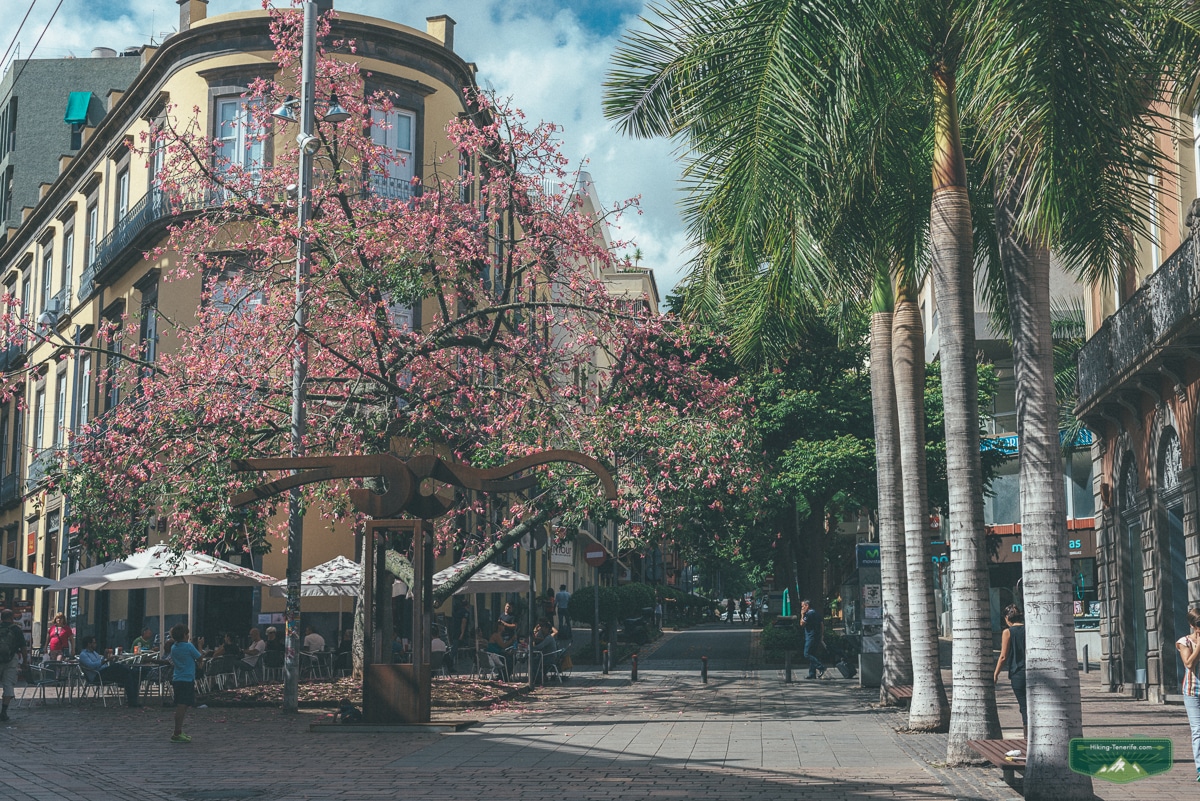
Rain, Cooler Air, Families And Timing
La Laguna sits inland and higher than Santa Cruz and the south. It often feels cooler, cloudier or damper.
That can be a relief in summer and a real jacket moment in winter. Pack a light waterproof layer and shoes with grip.
If the core streets are wet, slow down on polished stone. Do not build the day around a rooftop, tower or long outer walk.
Families can enjoy La Laguna when the day has a job: market snack, one square, one building if open, lunch and a little space to run.
It is less successful when parents try to prove the child should love every carved door. A rainy-day city plan can be excellent; it needs food, toilets and an exit plan.

Go in the morning for market possibility and calmer walking. Stay through lunch if the group is enjoying it.
An evening visit is more about atmosphere than museums. Festivals, processions, university dates and public holidays can change crowds, access and opening.
Check the city calendar close to travel and keep the route flexible.
Safety rule: La Laguna is a city walk, not a mountain expedition, but wet paving, traffic at the edges, tired children and an overpacked schedule are still enough to spoil it. Keep the weather-aware layer, water and a taxi fallback.
If the evening programme changes the route, keep the exit simple. A tram, taxi or short walk is better than one more planned stop.
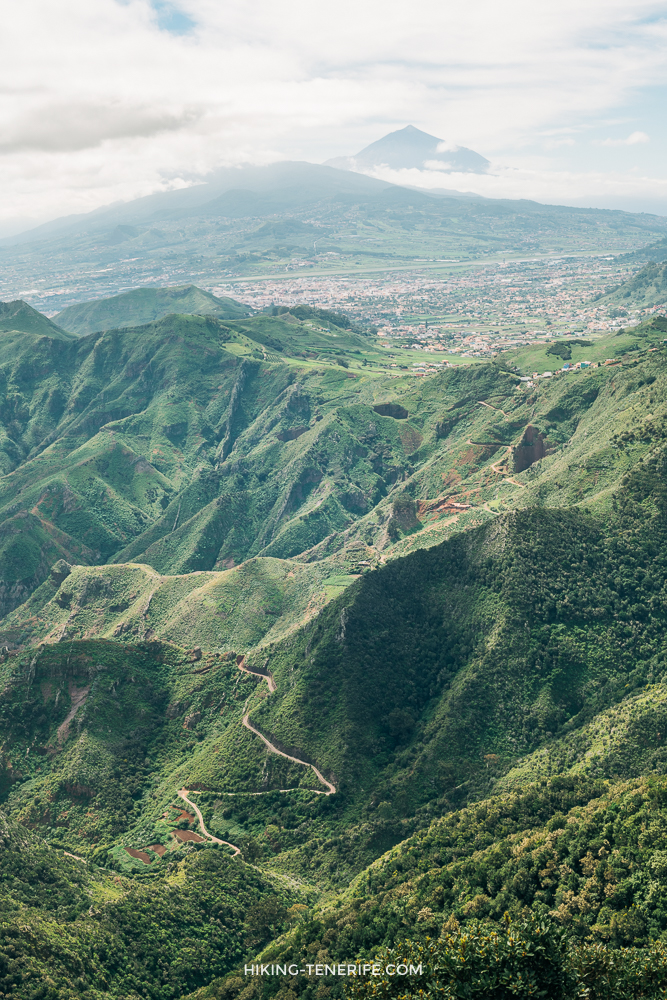
Santa Cruz, Anaga, Teide And North-Coast Combinations
La Laguna and Santa Cruz make the cleanest same-day pair. Do one properly, then use the tram rather than moving the car.
Santa Cruz gives you contemporary city scale, shopping and harbour energy. La Laguna gives you the historic walk and university rhythm.
I would not force both into two rushed hours.
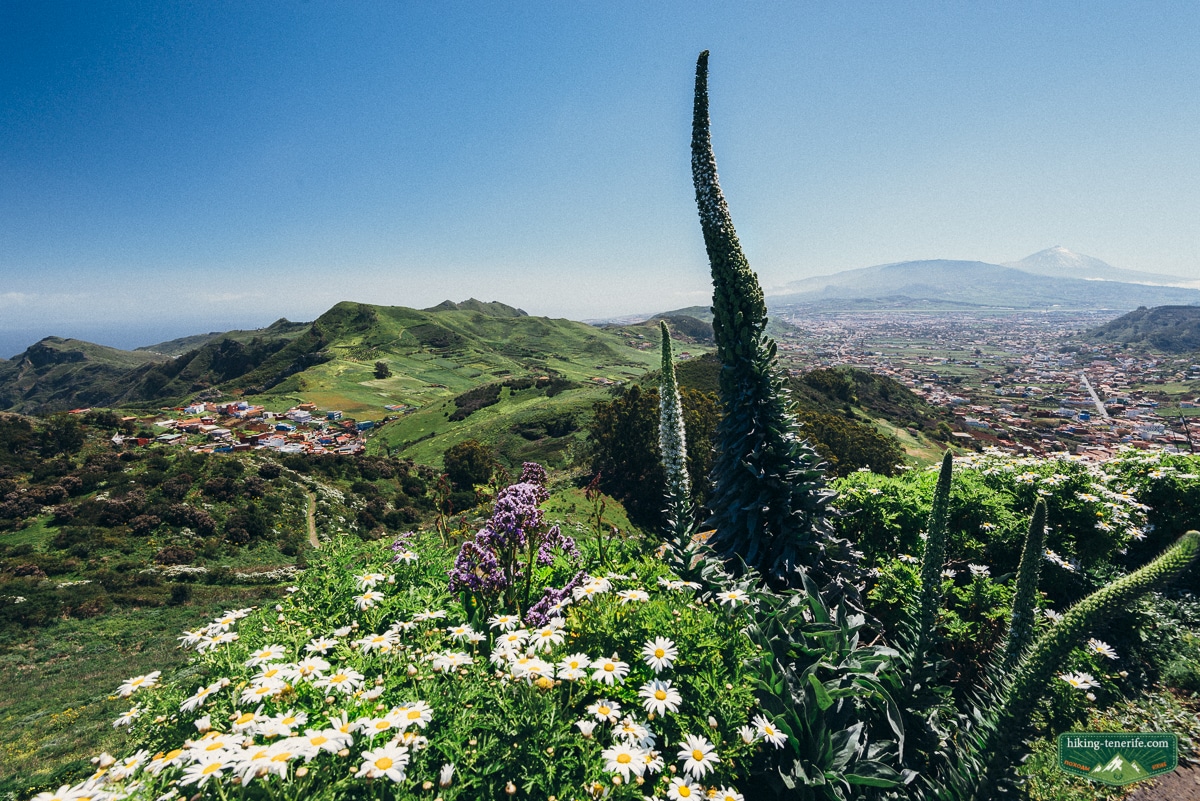
La Laguna is also the sensible city base before Anaga Rural Park. I would usually keep the forest and coast for the following day.
Anaga weather, controlled trails and roads deserve their own decision. The combination works because the geography is kind, not because the itinerary should become heroic.
Keep Teide separate. It is tempting to draw a line from La Laguna to the volcano.
A proper Teide National Park day needs daylight, altitude awareness and current mountain conditions. La Laguna plus Teide is a long transit day, not a relaxed cultural plan.
For the north coast, pair La Laguna with La Orotava or Puerto de la Cruz only when you have a long trip and genuinely enjoy driving.
They are different town moods, not interchangeable photo stops. Use the North Tenerife guide for the broader route logic, or my north-versus-south comparison before booking an overnight.
Who Should Skip It – And the Mistakes I Would Avoid
Skip La Laguna, or make it short, if you have a very brief beach holiday or zero interest in architecture and city life.
It also makes sense to skip it when your group is already tired from long south-to-north driving. There is no prize for visiting every famous town.
Stay south, use a better beach day and read the main Tenerife guide for a plan that fits.
- Calling it the current capital of Tenerife. It is the historic former capital; Santa Cruz is the island capital today.
- Using “cultural capital” as an official status rather than a useful editorial description.
- Arriving at a church, museum or market with no same-day opening check, then deciding the whole city is closed.
- Driving into the centre to save three minutes of walking.
- Combining La Laguna, Anaga, Teide and Puerto de la Cruz in one day. Beautiful map. Terrible day.
- Packing for southern beach weather and discovering an inland, damp evening without a layer.
- Treating every cobbled lane as equally easy for a pram, wheelchair or tired child.
Local detail: the best La Laguna moment is often not a landmark. It is the small gap between the planned stops, when a courtyard, café table or street corner gives you permission to stop collecting Tenerife and start noticing it.

La Laguna Tenerife FAQ
These are the practical questions that change the plan more than another landmark.
Is La Laguna Tenerife worth visiting?
Yes for culture, architecture, cafes, photography and a proper north-east Tenerife day. It is less suitable when you only want a guaranteed beach day or have too little time to travel from the south.
Is La Laguna the capital of Tenerife?
No. La Laguna was Tenerife’s historical capital until the nineteenth century. Santa Cruz de Tenerife is the current island capital, while the Canary Islands share capital status between Santa Cruz de Tenerife and Las Palmas de Gran Canaria.
How long do you need in La Laguna?
Allow three to four unhurried hours for the historic centre. Choose a full day only if you want market time, lunch, a museum or a relaxed evening, and avoid adding a major mountain or coast route.
Can you visit La Laguna Tenerife without a car?
Yes. It is one of the easiest north-east Tenerife city days without a car, especially from Santa Cruz using the tram. Check live transport planners for the day’s service rather than relying on historic timetable advice.
Is La Laguna good on a rainy day?
Often, yes. Cafes, streets, church or museum options and a compact core make it better than a beach plan when the weather turns. Wet paving and variable building access still mean you need a short, flexible route.
Should I stay overnight in La Laguna?
Stay overnight if you value city evenings, historic atmosphere and an early Anaga start. Do not choose it as a substitute for a south-coast beach base unless that trade-off is exactly what you want.
Final Verdict: A Cultural Day, Not a Resort Excursion
La Laguna Tenerife is one of the island’s best answers to the question “what is here beyond the resorts?”
Go slowly. Make one sensible cultural choice. Leave room for coffee and let the old-town streets do their work.
If you need sun, sea and convenience, choose somewhere else without guilt. If you want Tenerife with a little more texture, this is the day.

