

Short answer: Teide National Park is worth a full Tenerife day if you want the road, caldera, viewpoints and short walks to make sense. For most first-time visitors, a self-drive route with three or four well-chosen stops is better than making the whole day depend on the cable car or summit.
The practical choice is not simply whether to visit Mount Teide. It is which access road fits your base, how much altitude your group wants, where you can stop legally and what still works if wind, snow or a closure changes the plan.
I treat Teide as a route, not one attraction. The drive climbs from coast and pine forest into a volcanic caldera, so the road, visitor centres and viewpoints are already a complete day trip before you add high-mountain ambitions.
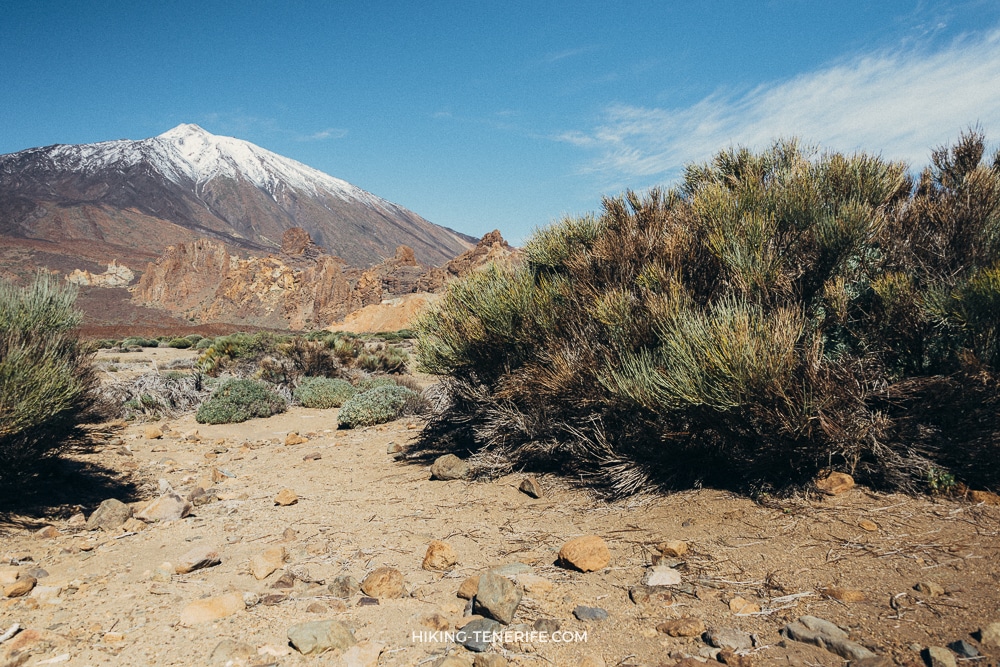
Short answer
Yes, Teide National Park is worth visiting. A half day is enough for one approach road, Roques de García, Llano de Ucanca and a short legal walk.
A full day gives you a second access road, more stops and time to adapt if the weather changes.
A national park visit, cable-car ride, high-mountain hike and summit permit are four different Teide plans.
Choose the park first. Add the cable car only if its current operation, health restrictions and parking fit your group. Add a high trail or summit only when the correct reservation, equipment and conditions are confirmed.
My default recommendation: go early by car, cross the caldera slowly and use a different descent road when daylight and driver confidence allow. This shows you more of Tenerife than chasing one high point.
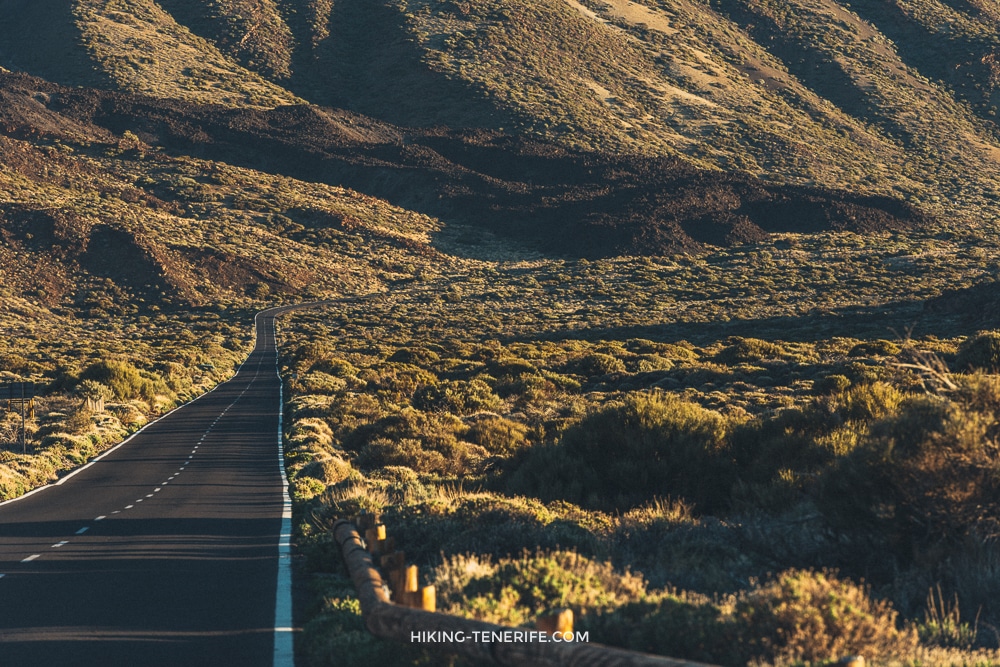
Quick facts
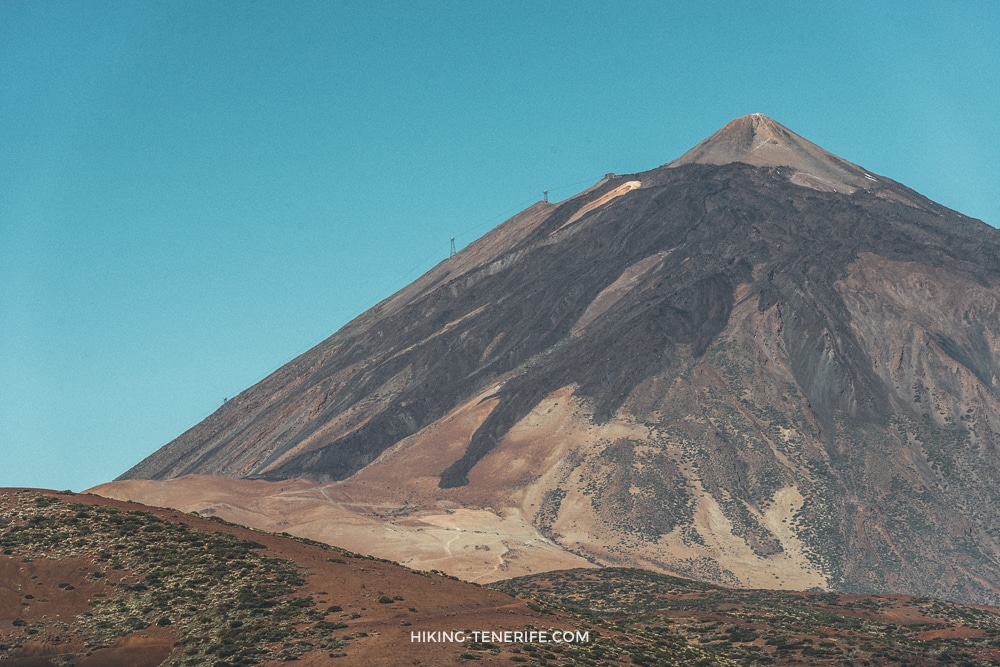
Teide National Park is the protected high-mountain park around Mount Teide and Pico Viejo. Mount Teide is the volcano and the highest point in Spain, usually given as 3,718 metres by UNESCO and the park/cable-car operator.
The cable car upper station is La Rambleta at about 3,555 metres, which is high, dramatic and absolutely not the same thing as the summit. The last section to Pico del Teide uses the Telesforo Bravo trail and requires a permit.
The park was declared a Spanish national park in 1954 and became a UNESCO World Heritage Site in 2007.
The official UNESCO description treats Teide-Pico Viejo as a major stratovolcano system and one of the world’s important volcanic landscapes.
That geology is not just a school fact: it is why the road crosses lava flows, pale pumice, black rock, red cliffs, sudden pine forest and open caldera in one day.
- Best first visit: self-drive loop with viewpoint stops and one short walk.
- Best no-car visit: a good tour or a carefully checked bus plan, not a guess based on an old timetable.
- Best high-altitude shortcut: cable car, if it is running and you understand the limits.
- Best summit plan: cable car plus Telesforo Bravo permit, or a serious hiking ascent with reservation and equipment.
- Best easy photo stops: Roques de García, Llano de Ucanca, Minas de San José and route-dependent viewpoints.
- Best honest warning: beach weather tells you almost nothing about Teide weather.
What people confuse
A lot of Teide disappointment comes from using six names as if they mean one thing. Teide National Park is the whole protected park. Mount Teide is the volcano and summit.
The Tenerife volcano usually means Teide in search results, although Tenerife has other volcanic landscapes too. The cable car is a transport system from the base station to La Rambleta.
The upper station is a viewpoint area with trail access.
One useful rule: upper station, summit and national park are three different Teide experiences.
This distinction matters because a cable car ticket does not automatically give you the summit. A national park visit does not require the cable car. A beautiful Teide day does not require hiking.
A hiking day requires different preparation from a viewpoint day.
And if someone says they ‘did Teide’ in two hours, ask what they actually did: drove through the park, used the cable car, walked to a viewpoint, or reached the summit. Those are different days.
Local verdict: the best first Teide National Park plan is still a self-drive route with real stops. The summit and cable car are useful extras, but the park makes more sense when you give the road, viewpoints, weather, and altitude enough time.
Quick decision table
Choose your Teide day by energy, transport and patience for bookings. This table is deliberately blunt because the wrong Teide plan is still pretty, but it can become tiring, cold or rule-heavy very quickly.
If you are choosing for a family or mixed group, plan for the least mountain-ready person, not for the one person who has watched three summit videos.
Plan like this: choose the Teide version first: scenic drive, cable car, summit, hike, sunset, or stars. Weather can change any of them, so check live status and keep one easy backup instead of trying to force the mountain to fit your hotel timetable.
| Trip type | Good plan | Think twice if |
|---|---|---|
| First-time self-drive | Loop through the park, stop at Roques de García, Llano de Ucanca and route viewpoints | You dislike mountain roads, bends or parking patience |
| Cable car | Book a timed ticket, arrive early, check weather status and bring warm layers | You have heart issues, are pregnant, travel with very small children, or expect the summit automatically |
| Summit permit | Reserve the Telesforo Bravo access and match timing to cable car or hike | You cannot handle altitude, rules or changing weather calmly |
| Full hiking ascent | Montaña Blanca / La Rambleta logic with Tenerife ON reservation and required equipment | You are underprepared, short on daylight or wearing city shoes |
| Stargazing | Use a tour or a careful sunset plan with warm clothes and dark-drive confidence | You are tired, nervous driving at night or relying on beach clothes |
| No-car travelers | Use a specialist tour or check current TITSA routes before committing | You want flexible viewpoint hopping and side-road stops |
| Kids and families | Short stops, warm layers, snacks, sun protection and no summit pressure | Children are very young, tired, cold or sensitive to altitude |
| Winter visit | Check roads, snow, ice, cable car status and bring proper clothing | You expect a simple beach-day extension |
| Summer visit | Start early, bring water, sun protection and layers for wind | You think altitude means no sunburn |
Plan Your Teide Day From Your Base
These are planning ranges to the central caldera, not promises. Traffic controls, road closures, weather and your chosen stops can add substantial time, so check the live route on the morning of travel.
| Starting area | Most useful approach | Approximate drive before stops | Best fit |
|---|---|---|---|
| Costa Adeje or Los Cristianos | TF-38 through Chío or TF-21 through Vilaflor | About 1 hr 15 min to 1 hr 40 min | Easy first self-drive day with a south or southwest return |
| Los Gigantes or Guía de Isora | TF-38 through Chío | About 1 hr 10 min to 1 hr 35 min | West-coast travelers who want the gentler-looking lava approach |
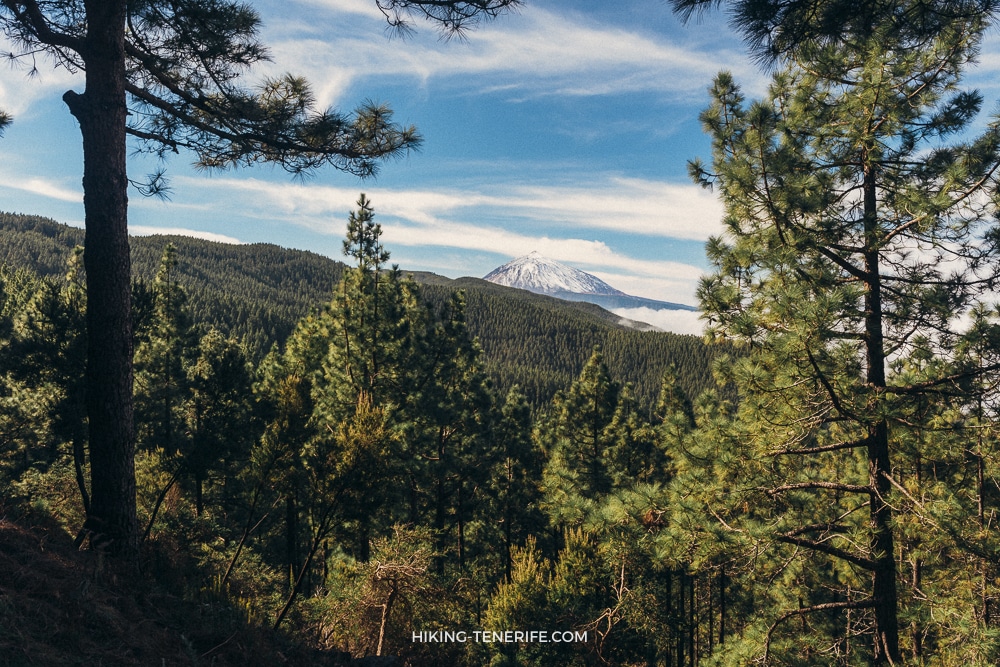
| Puerto de la Cruz or La Orotava | TF-21 through La Orotava | About 1 hr 15 min to 1 hr 40 min | Green-to-volcanic scenery and an easy link to El Portillo |
| Santa Cruz or La Laguna | TF-24 through La Esperanza | About 1 hr 25 min to 1 hr 55 min | Northern viewpoints, pine forest and cloud-sea scenery |
Map note: TF-21 reaches the park from both La Orotava and Vilaflor, TF-24 climbs through La Esperanza, and TF-38 approaches from Chío. A route can look short while still involving bends, altitude, photo stops and a slow descent.
For a first visit, choose one approach that suits your base and one descent that suits your driver. Do not add Masca, Anaga or a distant beach because the island looks compact on the map.
Best self-drive route
The classic Hiking Tenerife way to see Teide is by car because the best moments are not all at one named attraction.
The road is not just transport here. The road is part of Teide.
From the south, my easiest first-timer loop is usually to climb by Chío or Vilaflor and descend by a different road if time and nerves allow.
From Costa Adeje, Los Cristianos or Las Americas, Chío is practical and less twisty than some people fear.
Vilaflor is more scenic and has that nice pine-forest-to-moon-landscape theatre, but it has more bends and it deserves a driver who is awake, fed and not arguing with Google Maps.
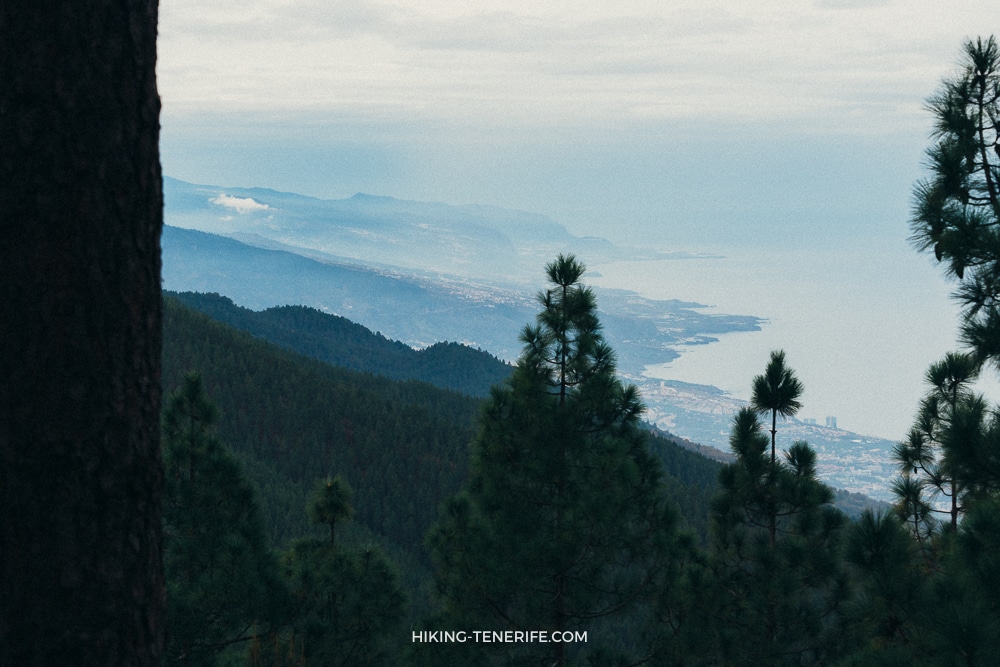
From the north, Puerto de la Cruz and La Orotava make a very natural Teide day. The climb through La Orotava is classic, and the TF-24 / La Esperanza route is one of the great Tenerife roads when the clouds behave.
La Esperanza gives you the feeling of entering another island. It is not a road to rush.
From the west, Los Gigantes and Guía de Isora can connect through Chío.
This version is useful if you are based on the west coast or combining the day with another western plan, but I would not stuff Masca, Teide, sunset and stargazing into one heroic day unless your group enjoys silent fatigue in the car.
- Arafo to Arona / Los Cristianos: useful as a connector or descent, but not my favourite first scenic route. Use it for route logic, not for the biggest Teide views.
Tenerife looks small on a map because maps are rude.
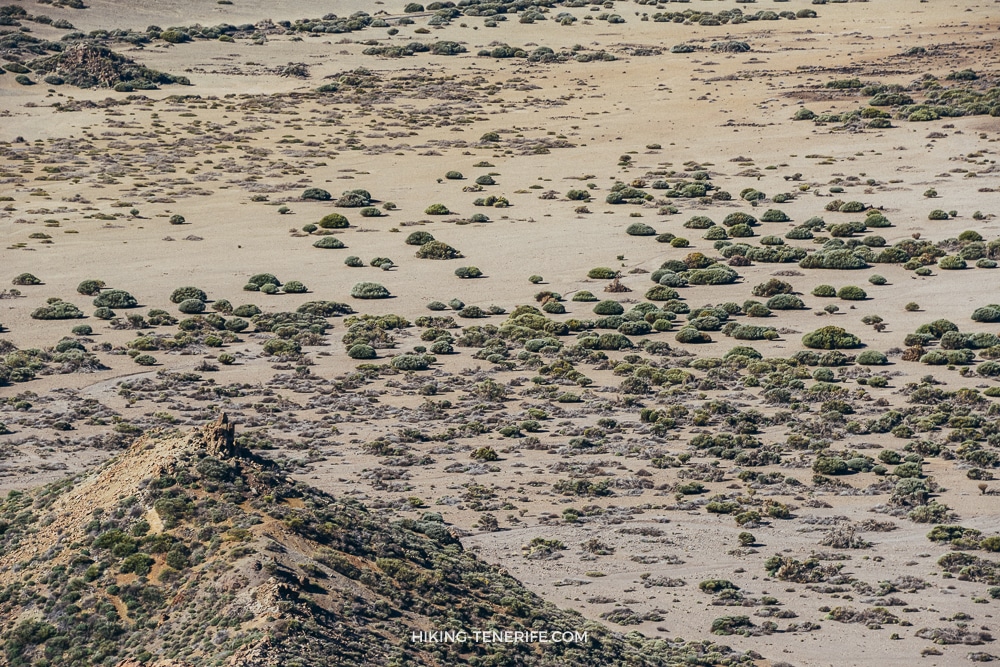
My route advice is simple: go up one way and come down another if daylight allows. Stop for photos and picnic breaks at legal pull-offs. Do not leave visible bags in the car because car-theft tourism is not a souvenir you want.
Do not drive or park where signs forbid it, even if the forbidden spot looks like the exact Instagram angle. Teide is protected nature, not a background prop.
Safety rule: fuel the car before you climb, bring water, snacks, a warm layer, sunglasses, SPF, and a charged phone. Save the rental support number too. Teide is close to the resorts on the map, but it is not a resort road once weather, altitude, parking, and fatigue join the day.
Food note: Teide cafes are useful, but I would not plan the day around cheap or memorable food. Pack simple snacks and more water than feels elegant.
Stops and viewpoints
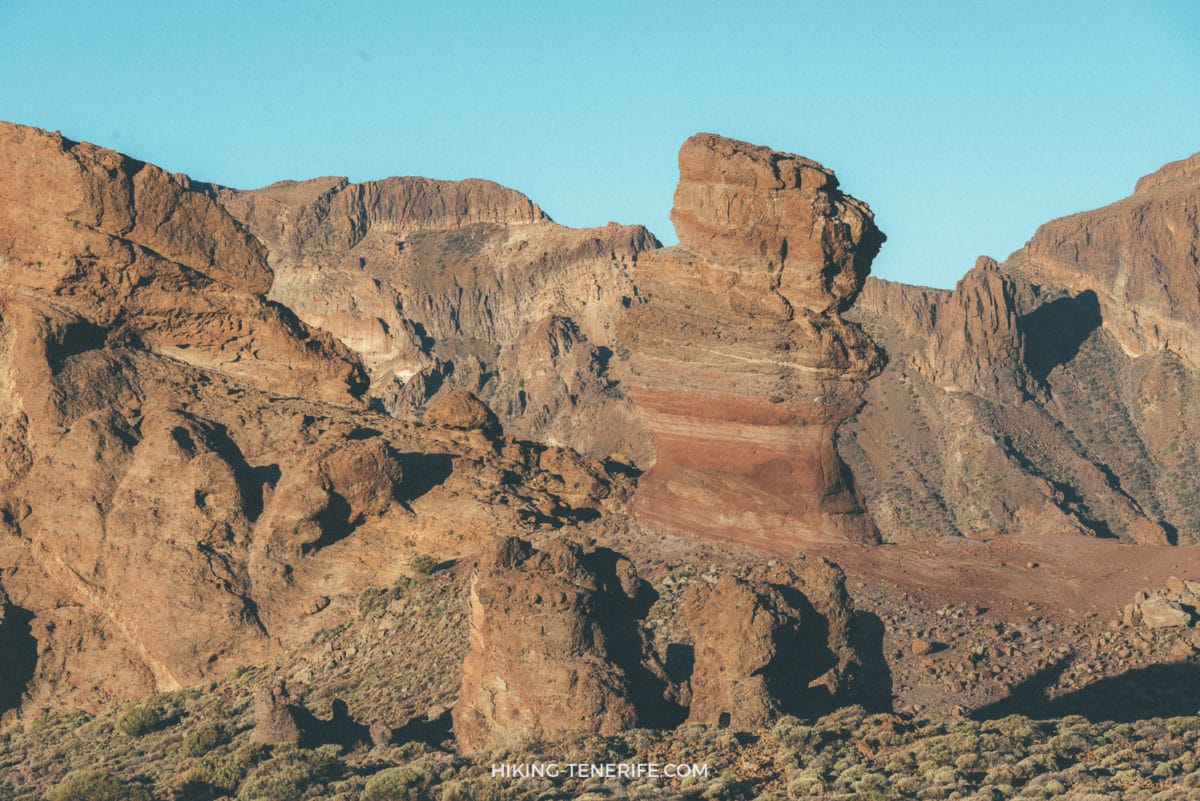
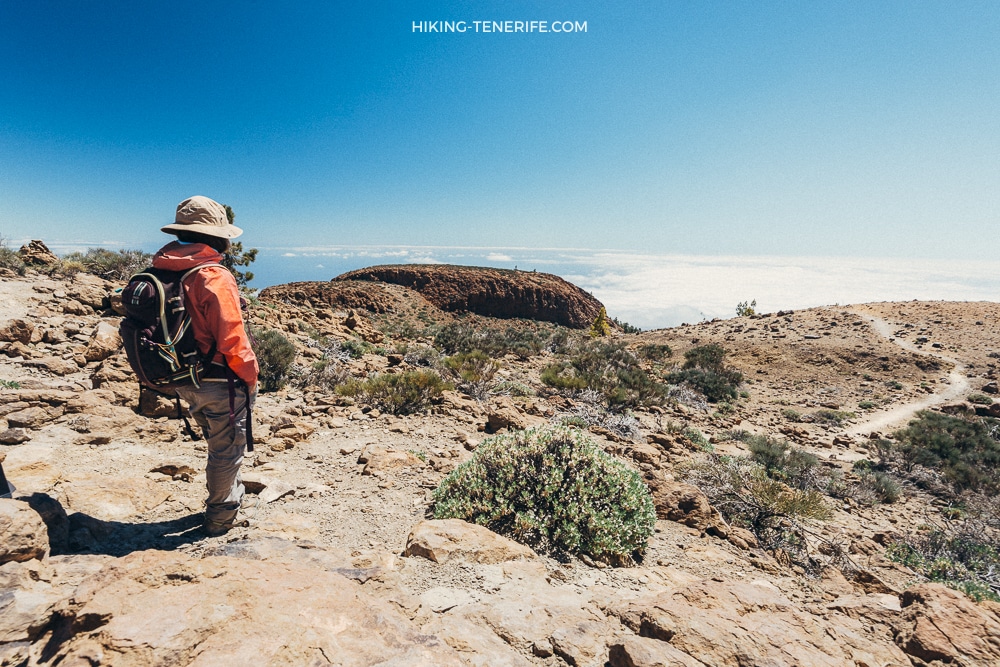
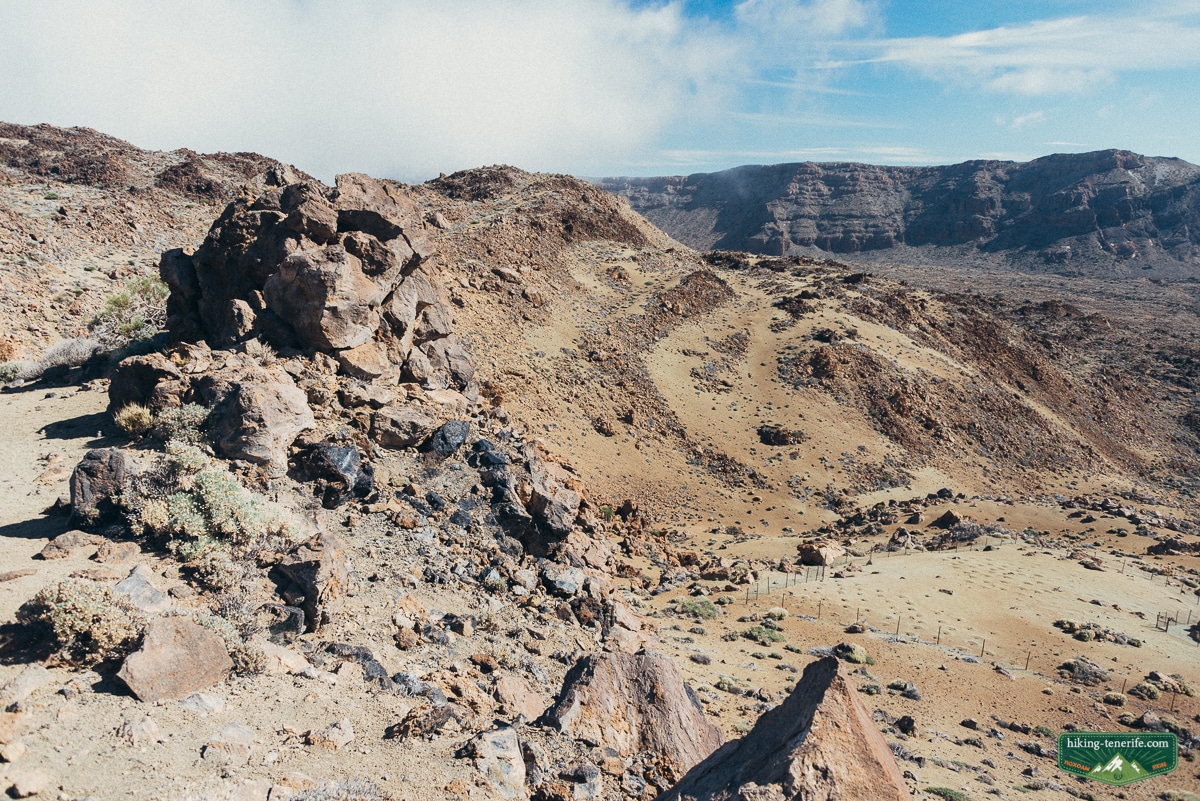
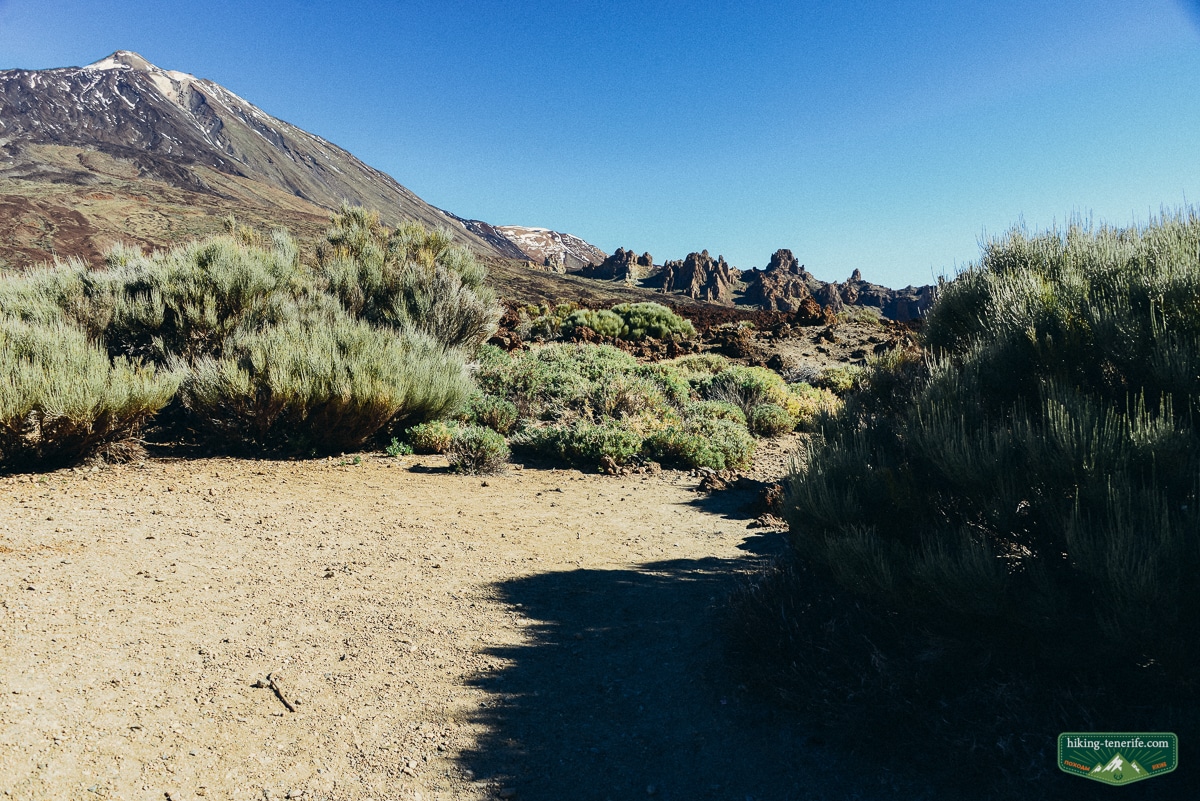
Roques de García is the obvious stop because it deserves to be obvious. You get the famous rock formations, the caldera scale and the postcard view without a long walk.
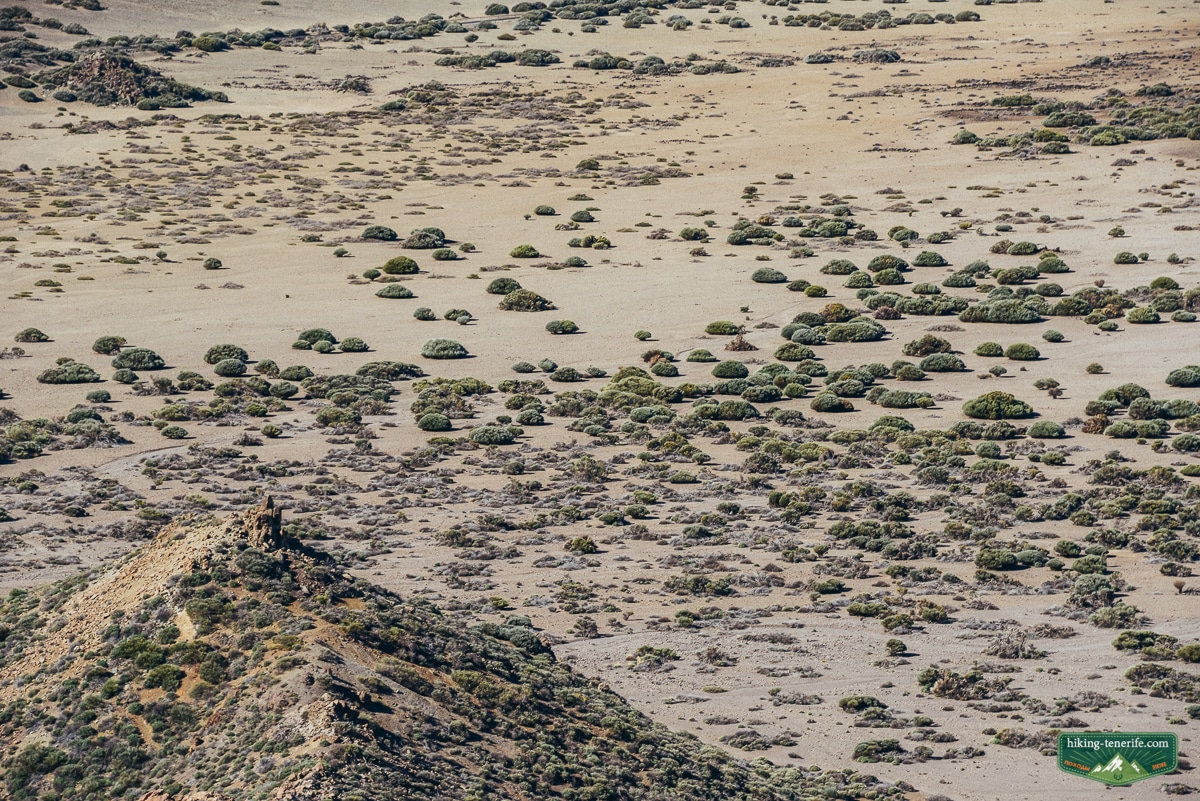
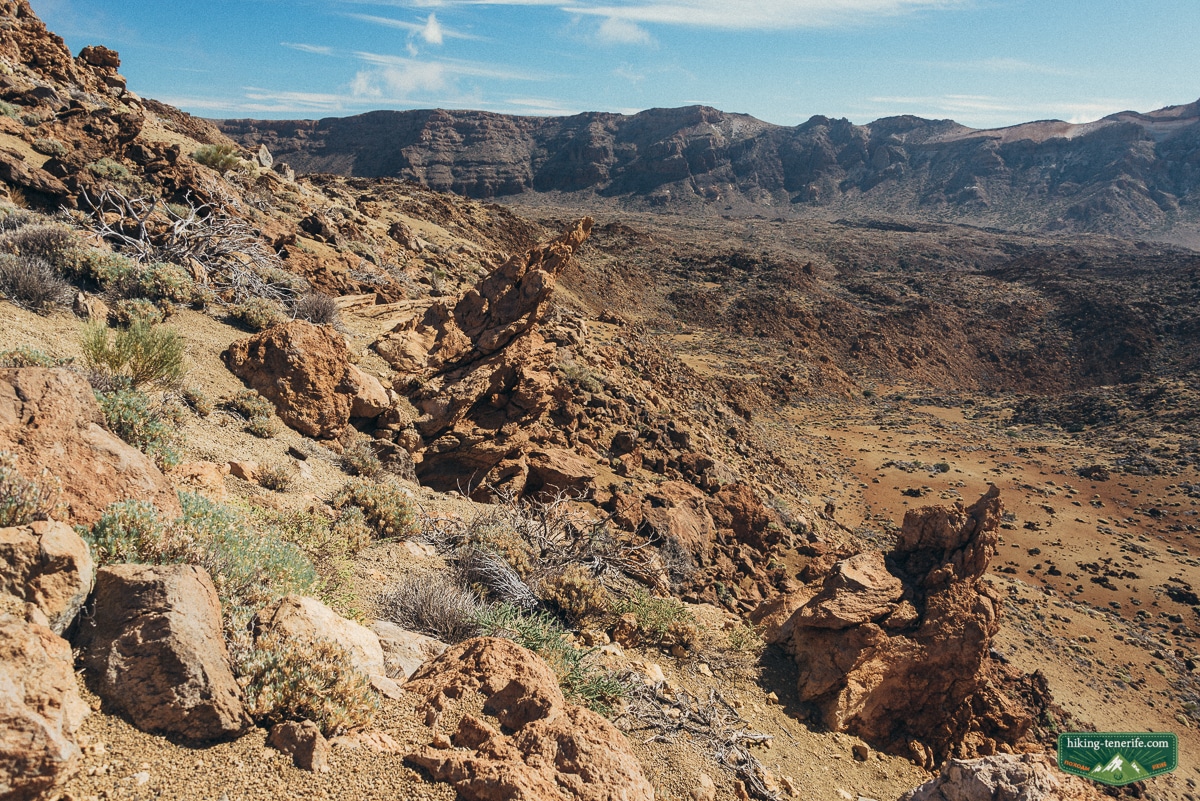
Llano de Ucanca is the wide, flat, almost cinematic part of the caldera where Teide feels less like a summit and more like a whole volcanic country. These two stops alone are enough to make the trip worth it for many people.
Minas de San José is useful when you want pale volcanic sand and a very different texture from the dark lava stops. Boca Tauce is route-relevant if you are coming from or leaving toward Chío and the west/southwest.
La Tarta, Ortuño and Chipeque are more useful on the northern TF-24 approach, especially when the cloud sea is doing its performance.
Vilaflor matters on the southern TF-21 approach, and La Orotava matters if you are using the northern descent.
Do not overstuff the stops. A good Teide route is not twenty five-minute exits from the car. Choose the stops that match your road, the light and the weather. If the caldera is clear, stay longer. If wind is unpleasant, shorten the walk.
If parking is full, move on. You are not losing the park; the park is large.
- Cañada Blanca Visitor Centre, Parador and Roques de García: the most useful central orientation stop for exhibitions, facilities, the classic caldera view and a short walk when conditions suit your group.
- El Portillo Visitor Centre: useful on the northern side for park interpretation, the botanical setting and lower-ambition stops before or after the TF-21 and TF-24 approaches.
- Vilaflor side: the giant pine and La Rosa de Piedra are small route rewards, not mandatory detours.
- Los Azulejos, Montaña Blanca, Montaña Roja, Chahorra, Pico Viejo and Las Cañadas: names worth recognising if your route or hiking plan brings you close.
- Clear-day pull-offs: sometimes show La Palma or La Gomera, but clouds and calima decide.
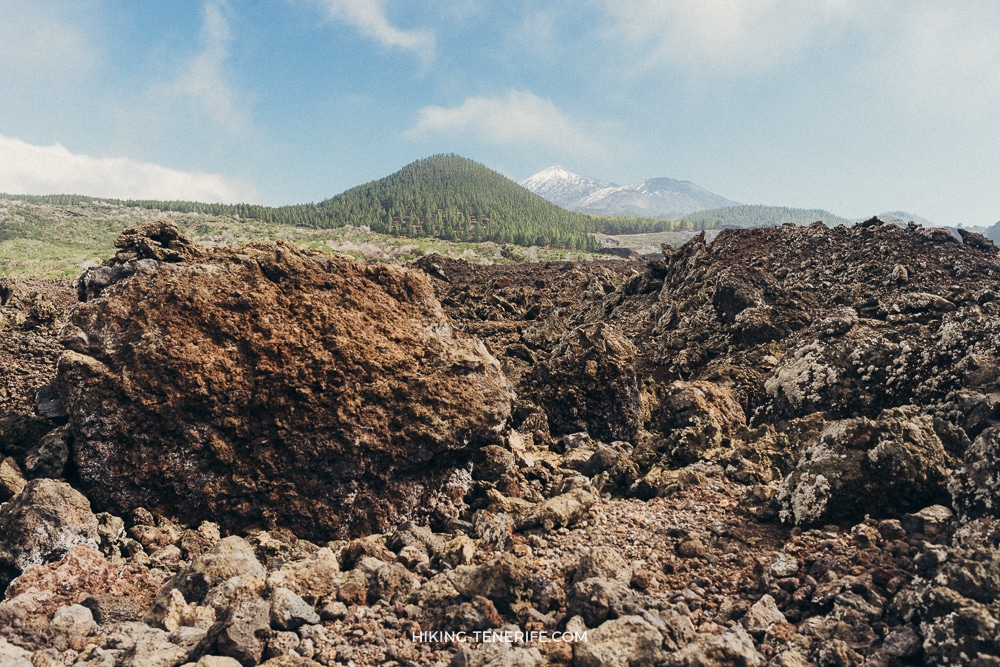
For a very short first visit, I would prioritise Roques de García, Llano de Ucanca and one route-specific viewpoint.
For a broader comparison, use the best viewpoints in Tenerife guide without turning this park day into an island-wide checklist.
With more time, add Minas de San José, a visitor centre, a short legal walk and a slow descent through a different landscape. Early or late light is beautiful, but roads and cold become more serious outside the easy daylight window.
Clear space on your phone or camera before the climb. Teide has a talent for creating one more photo stop than you planned.
This is also where a route gives you more than a cable-car-only plan. The cable car gives altitude. The road gives Tenerife. If you only chase the highest point, you may miss the best lesson of Teide National Park: the island changes ecosystems faster than your brain can file them.
Want the stops in a sensible order? Use the handcrafted Teide route to plan a complete volcano day without guessing which road, viewpoint or timing belongs together.
Cable car reality
The Teide cable car is useful, impressive and often misunderstood. It runs from the base station at about 2,356 metres to La Rambleta at about 3,555 metres, according to the official operator.
That is already high enough for wind, cold, strong sun and altitude discomfort. It is not just a scenic lift from a ski resort. You are moving from beach-holiday oxygen to serious mountain air in a short time.
Book tickets through the official cable car operator or a trusted channel, check the current status before driving up, and understand that weather can stop the service. Strong wind, ice, snow and operational decisions matter.
On bad-weather days, the smartest traveler is not the one arguing with the mountain. It is the one who turns the day into a national-park drive and keeps the cable car for another attempt.
Safety rule: the upper station is not the summit. La Rambleta gives access to upper trails and viewpoints, but Pico del Teide via Telesforo Bravo still needs the correct permit.
Health caveat: heart problems, pregnancy, very small children and mobility evacuation limits matter more than an expensive ticket.
The cable-car base car park has 220 spaces, according to the operator, and access follows its published opening hours. Arrive before your booked boarding time, but do not treat this as general overnight or pre-dawn parking.
Do not create danger because the schedule looked pretty in the hotel.
The cable car is best for travelers who want high-altitude views without a full ascent, who have warm clothes and who are happy to accept closures.
It is not best for people who hate uncertainty, have altitude-sensitive health issues, or imagine that a ticket means guaranteed summit glory.
Teide is still Teide, even when the website took your money.
Summit and permit
Pico del Teide is the summit. The final access is controlled, and the official national parks reservation path now points users to Tenerife ON for Pico del Teide permits and Teide stratovolcano trail management.
The important practical point is this: do not arrive at the upper station and expect to walk to the summit because you feel energetic. The summit path is a regulated trail.
Cable car plus summit still means a permit window, not a free walk from the upper station.
The harder version is hiking up from below, often through the Montaña Blanca / La Rambleta logic, then descending by cable car or on foot depending on your plan, permits and trail status. Both versions need timing discipline.
For Teide, humility is hiking equipment.
Permit planning: treat Tenerife ON as the final authority for Teide summit and stratovolcano trail reservations. Its 2026 pages point to mandatory equipment and a 56-day reservation window, but the details can change, so check the live Tenerife ON page before matching a cable-car ticket to a hike.
Common mistake: chasing the summit when the permit, weather, shoes, water, time or group mood already say no.
The summit can be memorable. So can turning around before a small problem becomes the story of the day.
The summit is the highest view. It is not automatically the best Teide view for every traveler.
Summit is a goal. It is not the only valid Teide experience.
Hiking rules
Teide hiking is serious because altitude, exposure and weather combine quickly.
Even for shorter routes, pack like you are leaving the resort world: proper shoes, sunscreen, water, food, navigation, documents and enough phone or camera battery.
If your hotel has a pool, that does not make Teide less of a mountain.
Before any serious Mount Teide hike, open Tenerife ON for the current ascent rules and check your exact trail. PNT 07 Montaña Blanca to La Rambleta and other controlled high-mountain routes can require reservations and mandatory equipment.
For regulated Teide trails, equipment is not decoration. Shoes, warmth, water, phone battery and light matter.
Safety rule: a full Teide ascent is a long high-altitude effort, not an Instagram label. Start early, check weather and trail rules, and carry water, food, sun protection, warm layers, phone battery and navigation.
Have a descent plan before you climb. The cable car can close, and people can be slower than expected.
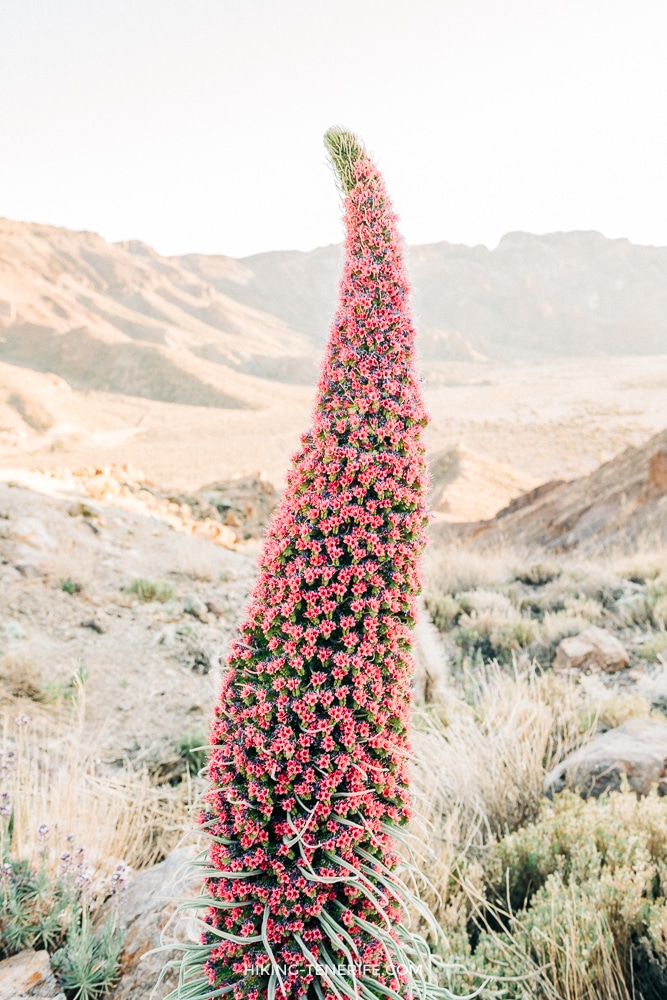
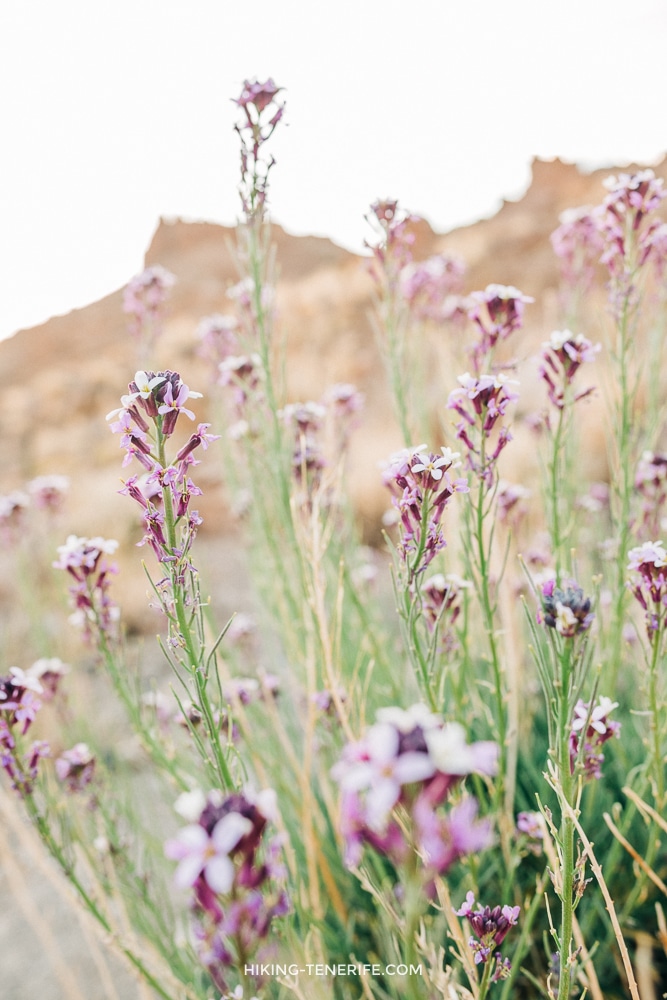
Leave no trace here means more than taking rubbish away. Stay on marked trails, do not take rocks, plants or flowers, do not feed animals, do not shortcut fragile ground and do not create new photo paths.
Teide’s landscape looks tough because it is made of lava and rock, but parts of it recover slowly.
The park is not a studio floor.
Good beginner-friendly hiking around Teide usually means short, marked sections near the caldera rather than a summit plan.
For the PNT 07 approach, fitness, La Rambleta boundary and turnaround logic, use the Montaña Blanca Teide hike guide.
Use the Tenerife hiking guide to compare Teide with Anaga, Teno and other routes.
Teide is special, but it is not always the best first hike for every traveler.
Tenerife volcano
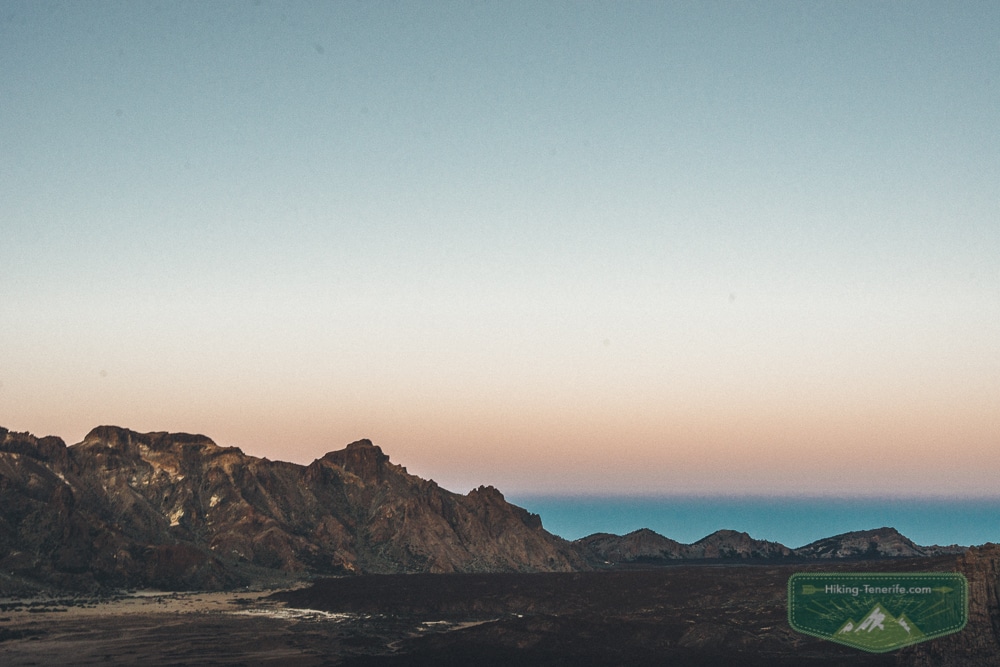
Search results often ask whether Teide is active, dormant or dangerous. The calm answer is that Teide is an active volcanic system in the geological sense, not a theme-park danger in the daily visitor sense.
Smithsonian’s Global Volcanism Program classifies Tenerife/Teide as a stratovolcano system and lists the last known eruption on Tenerife as 1909.
UNESCO describes the Teide-Pico Viejo system as a major volcanic structure and a world-class record of volcanic processes.
Geology is why one Teide road can feel like several planets stacked on one island.
Local detail: Teide is monitored and studied, so the useful traveler habit is not volcano panic. Follow official alerts, stay on marked trails, respect closures, and treat the lava landscape as protected nature rather than a shortcut to a dramatic photo.
Families and no-car visits
Teide with kids can be excellent if you lower the ambition. Children usually enjoy the road, rocks, lava colours, clouds and weird landscapes more than they enjoy adults forcing one more viewpoint.
Bring warm layers, hats, snacks, water, sunscreen and realistic stops.
Keep walks short unless your family genuinely hikes. Do not plan the summit as a family achievement unless every person in the group is ready for altitude, cold and rules.
The cable-car operator currently excludes children under three, pregnant travelers and people with cardiovascular conditions.
It also warns that physical disability or motor impairment can prevent ascent because an emergency evacuation may require a steep descent on foot.
Even with older children, the upper station is high and exposed.
Cold, tiredness or a headache at altitude is a reason to descend, not a family achievement test.
Without a car, Teide is possible but less flexible. A good tour is usually the cleanest no-car plan, especially for sunset and stargazing.
Public buses can be useful, but routes and seasonal timing must be checked directly with TITSA before you plan the day around them. Do not trust an old timetable screenshot.
If you want viewpoint-hopping, picnic stops and flexible detours, a car still wins.
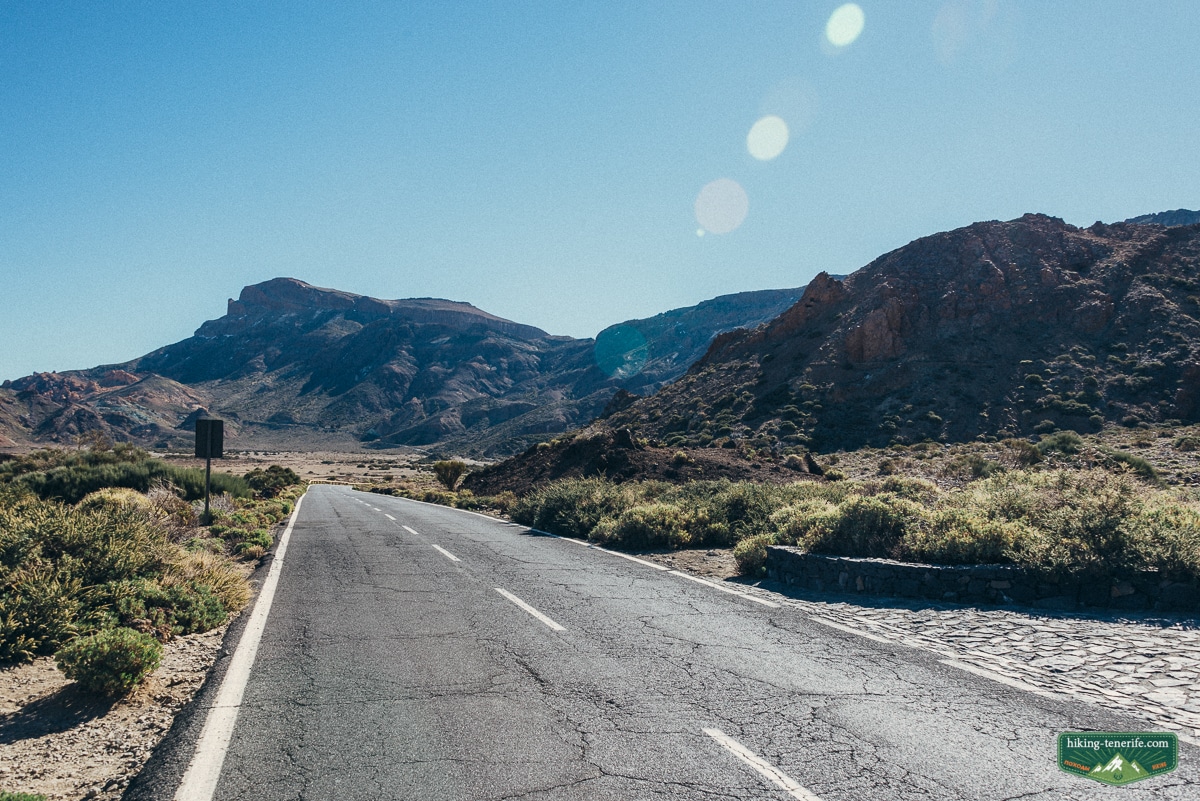
If you are deciding where to base yourself, Teide is easier from several places than people think. South Tenerife gives sun, resorts and practical Chío/Vilaflor access.
North Tenerife gives La Orotava, Puerto de la Cruz, La Esperanza and a more dramatic green-to-volcano transition. The west works well for Chío and Los Gigantes bases.
For the bigger base decision, use the Tenerife north or south guide.
Useful related planning pages: South Tenerife, North Tenerife, Tenerife with kids, car hire in Tenerife and the broad things to do in Tenerife guide.
Weather, sunset and stars
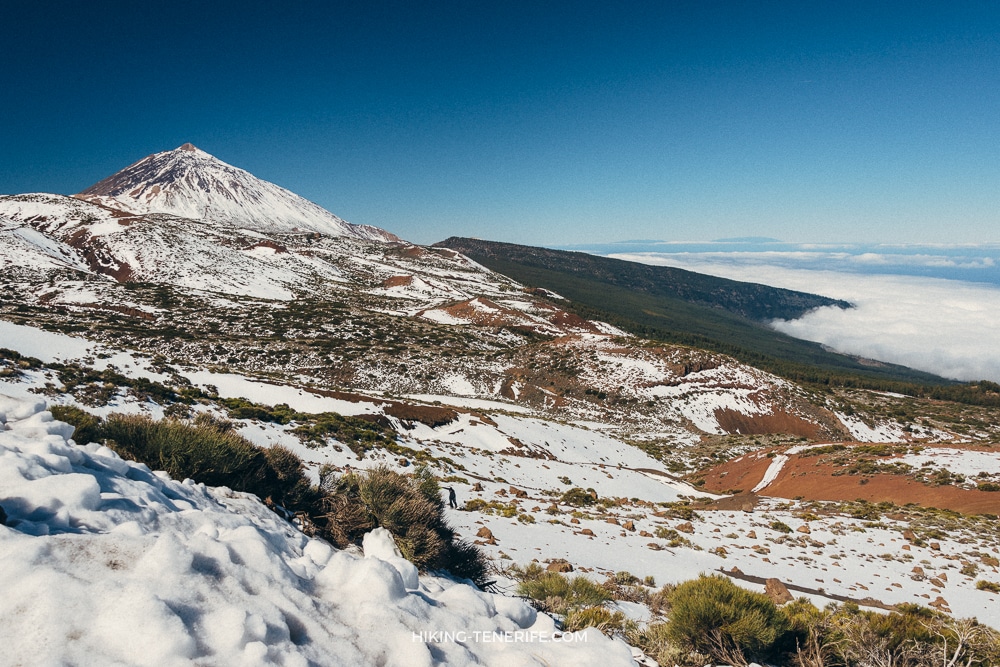
Teide weather is not beach weather with a better view. In winter, snow and ice can close roads, trails and the cable car. In summer, UV, heat, dryness and wind can be rough even when the air feels cooler than the coast.
Calima can flatten views and strong wind can turn the cable-car plan into a national-park drive.
Check AEMET mountain weather, official road alerts, the cable-car status and Tenerife ON trail status before making a high-altitude promise to your group.
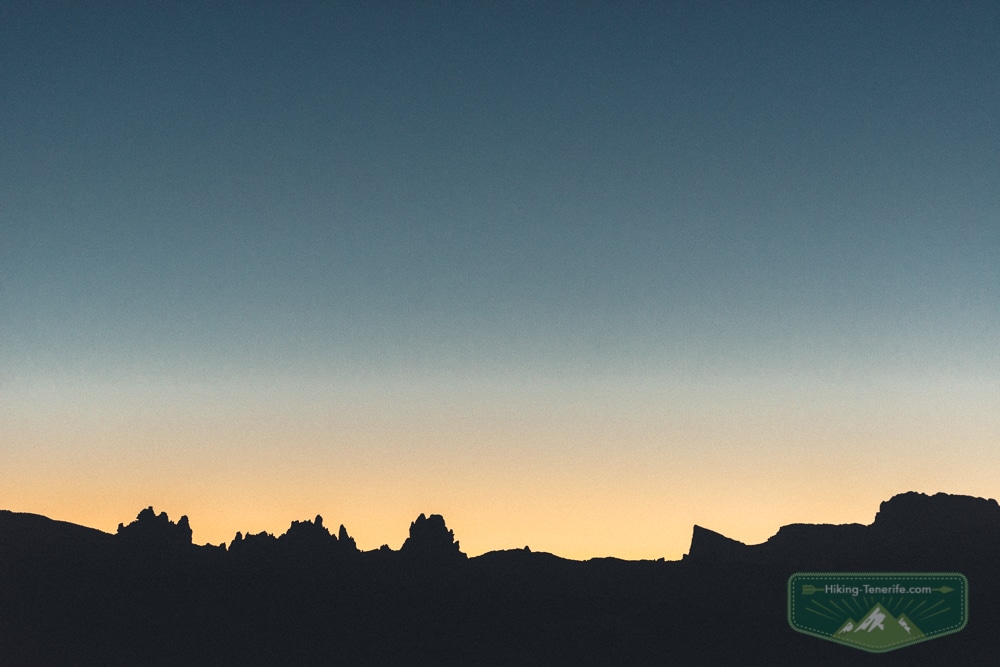
Sunset is beautiful around Teide, but it changes the safety equation. Temperatures fall, roads darken and fatigue rises.
If dawn is the main goal, use the separate Mount Teide sunrise guide for the viewpoint, summit and pre-dawn distinctions.
If you are not confident driving mountain roads after dark, use a suitable tour or leave before the show ends.
Romance is better when everyone gets back without gripping the seat.
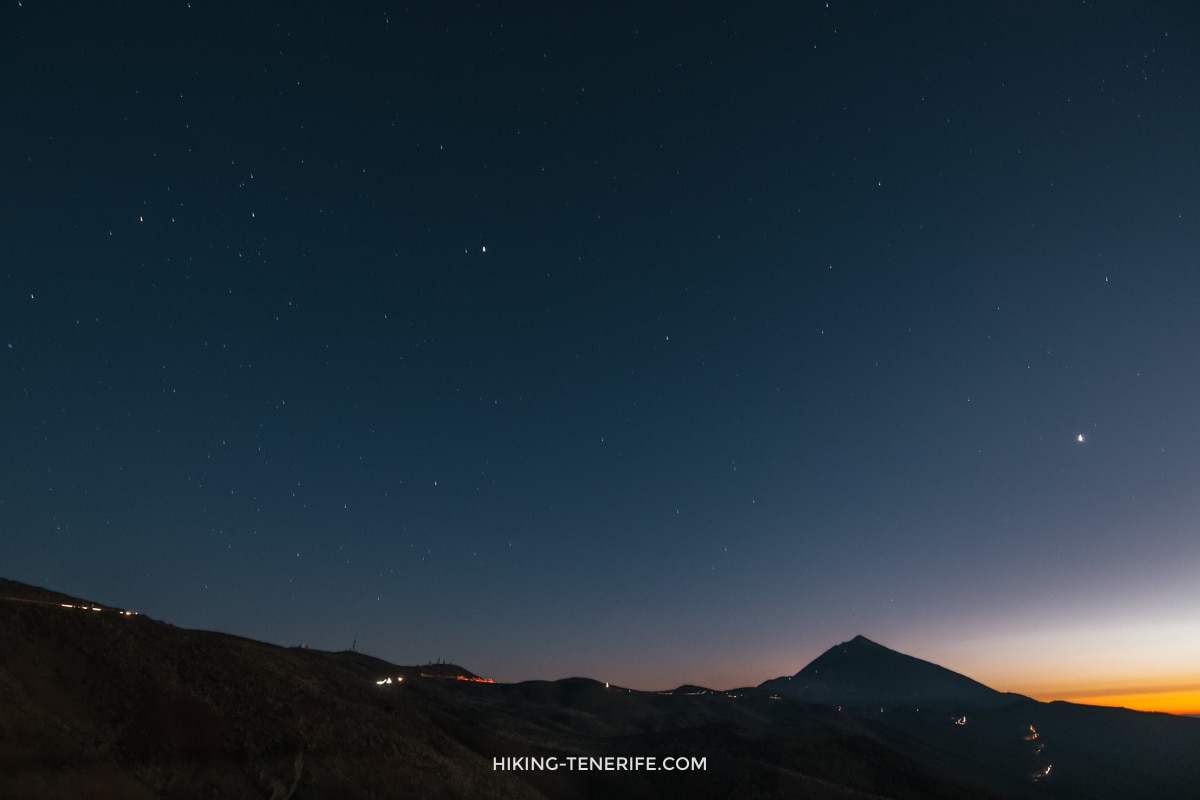
Stargazing is one of the best reasons to stay in the park after daylight because the sky can be excellent. Bring warm clothes even in months when the coast is warm.
Do not use bright lights carelessly around people observing the sky. Do not stop in unsafe road positions. And do not plan a late stargazing night before an early Anaga hike unless you enjoy making tomorrow worse.
Seasonally, Teide can be a completely different experience from the coast. In January, February and December, road and snow checks matter more. In July, August and September, water, sun and heat planning matter more.
For month-by-month Tenerife weather logic, use the relevant seasonal guides and then still check current alerts before driving high.
Mistakes to avoid
The most common Teide mistake is arriving with one vague plan and three hidden plans: a scenic drive, cable car, summit, sunset and maybe stargazing, all somehow squeezed between breakfast and dinner. Choose.
A good Teide day with fewer ambitions is better than a heroic day where everyone becomes quiet in the car by 16:00.
The second mistake is confusing access levels. National park visit is not cable car. Cable car is not summit. Summit is not casual hiking. Hiking is not a sandal stroll. Stargazing is not a warm beach evening.
Winter Teide is not summer Teide with snow decoration. Once you separate those experiences, planning becomes much easier.
- Arriving without a cable-car ticket or summit permit and expecting the mountain to negotiate.
- Thinking the upper station is the summit.
- Underestimating altitude, wind, cold, UV and dehydration.
- Wearing wrong shoes, especially for trails or loose volcanic ground.
- Bringing too little water because the coast felt easy.
- Arriving late and treating full parking as a personal insult.
- Ignoring official alerts after snow, wind, calima, heat or trail changes.
- Driving after dark when the driver is tired or nervous.
- Stepping off fragile trails for photos.
- Leaving bags visible in the car at viewpoints.
Practical itineraries
Use these as starting structures, not commandments. Teide is one of those places where the best plan is often the one that reacts well to weather and mood.
I would rather you do a shorter day with real attention than a longer day where the park becomes a background blur outside the window.
Half-day first look: drive up from your base, stop at one route viewpoint, Roques de García and Llano de Ucanca, then descend before fatigue. This is best for travelers who want the landscape without a cable-car plan.
It also works when the cable car is closed but roads are open.
One-day self-drive from the south: climb via Chío or Vilaflor from Costa Adeje, Los Cristianos, Las Americas or Arona. Stop at Boca Tauce when it fits your route, then cross the caldera for Roques de García and Llano de Ucanca.
Add Minas de San José, a visitor centre or one short walk. Descend by La Orotava or La Esperanza only when you have enough daylight and a driver comfortable with the route.
One-day from the north: climb from Puerto de la Cruz/La Orotava or La Laguna/La Esperanza, use northern viewpoints if clouds are kind, cross to the caldera, stop at Roques de García and Llano de Ucanca, then choose your descent.
Add La Orotava or Icod only with daylight; both are slow rewards, not tired boxes to tick.
Hiking-focused day: choose one route, not the whole park. Check Tenerife ON reservations and trail status, pack mandatory equipment, start early, and keep a descent plan.
If your goal is the summit, plan around the permit window. If your goal is enjoying Teide on foot, a shorter marked trail may be the better choice.
Sunset and stargazing plan: arrive with warm layers, food/water, a checked road plan and a driver who is happy after dark.
Watch sunset from a legal, safe stop, then either join a proper stargazing experience or choose a realistic observing spot. Leave enough energy for the drive down. The stars are not improved by bad judgement.
Planning the rest of Tenerife too? Open the free map to compare Teide with other careful, local-style day plans without driving back and forth across the island.
FAQ
These are the questions visitors usually ask when they start planning Mount Teide, Teide National Park and the Tenerife volcano. Short answer first; the full guide above gives the caveats.
Is Teide National Park worth visiting?
Yes. It is one of Tenerife’s essential landscapes and the best way to understand that the island is not just beaches. Most travelers should visit by self-drive route or a good tour, then add the cable car or summit only if the details fit.
Is Mount Teide the same as Teide National Park?
No. Mount Teide is the volcano and summit. Teide National Park is the wider protected park around Teide, Pico Viejo, the caldera, roads, viewpoints and trails.
Can you visit Mount Teide without renting a car?
Yes, but with less flexibility. Use a good tour or check current TITSA bus options directly before planning. A car is better for viewpoint stops, route loops and spontaneous photo breaks.
Does the Teide cable car take you to the summit?
No. The cable car takes you to La Rambleta upper station at about 3,555 metres. The summit needs the Telesforo Bravo trail and the correct permit.
Do you need a permit for Pico del Teide?
Yes, for the controlled final summit access. The official national-parks reservation path now directs Pico del Teide permit management through Tenerife ON, so check Tenerife ON before planning your date.
How high is Mount Teide?
Mount Teide is usually listed as 3,718 metres above sea level by UNESCO and the official park/cable-car context, making it the highest point in Spain.
Is Mount Teide active?
Teide is an active volcanic system in geological terms. Smithsonian lists Tenerife’s last known eruption as 1909. For visitors, the practical advice is not fear: follow official alerts, trail rules and road/weather guidance.
Is Mount Teide suitable to visit with kids?
Yes for a scenic drive and short stops, if you bring warm layers, water, snacks and sun protection. Be much more cautious with the cable car, summit plans and long hikes, especially with young children.
What should I wear for Teide?
Wear proper shoes, bring a warm layer, sun protection and sunglasses. For hiking, follow Tenerife ON’s current equipment rules and carry water, charged phone, navigation and extra weather protection.
Can you hike Teide without a guide?
Experienced, well-prepared hikers can use marked trails without a guide where rules allow, but permits, reservations, equipment and trail status matter.
If those details feel annoying, a guide or easier route is probably the better decision.

