

Hello from Tenerife. July is the month when many visitors ask only about heat, and I start looking for green leaves, shade, birds and stars.
The short version: weather in Tenerife in July is usually hot, dry and very sunny on the south coast. It is good for beach holidays if you like summer heat and school-holiday energy, but my local escape is the greener north and the island’s higher forest zones.
What do I love about Tenerife? Among many other things, the island has dozens of climate zones.
That means different plants, different temperatures, and completely different feelings within a short drive. This is one of the reasons I never get bored here.

Quick Verdict: Weather In Tenerife In July
If you are searching for one clean answer, here it is: July in Tenerife is summer. The south is dry, bright, often dusty, and busy. The north is still warmer than in winter, but it keeps more green, cloud, humidity and bird noise.
Local detail: last checked on July 4, 2026, AEMET climate values show Tenerife Sur Airport at 24.0 C mean and 27.7 C average high in July. Tenerife Norte Airport is cooler: 20.2 C mean, 24.7 C average high, and a little more cloud or light rain.
- Best for reliable sun: south and south-west resorts such as Costa Adeje, Los Cristianos, Las Americas, Los Gigantes, Playa San Juan and Alcala.
- Best escape from dry heat: Anaga, the north coast, La Laguna, La Orotava, forest roads and green mid-altitude pockets.
- Best July habit: beach early, shade at midday, forests or villages later, and stars at night.
- Main mistakes: underestimating UV, booking only the south if you hate crowds, and hiking exposed routes too late in the day.
- Best mindset: plan July as a heat-management month, not only as a beach month.
Common mistake: reading one Tenerife weather number and thinking it describes the whole island. Weather in Tenerife South in July, Puerto de la Cruz in July, and Teide at sunset can feel like three different trips.
Local verdict: I do not love July in the tourist south. I do love that Tenerife lets me drive one hour and trade dry resort heat for green forest, endemic flowers and a night sky that makes the whole month feel worth it.
How Hot Is Tenerife In July?
How hot is Tenerife in July? On the south coast, expect proper summer warmth. The airport average does not always sound dramatic, but sheltered terraces, dark volcanic ground, parked cars, beach promenades and calima days can feel much hotter than a neat climate table.
| July question | Practical answer |
|---|---|
| Is Tenerife hot in July? | Yes. The south is reliably hot and sunny; the north is milder but still summer. |
| Average south temperature | AEMET Tenerife Sur Airport: 24.0 C mean, 27.7 C average high, 20.2 C average low. |
| Average north temperature | AEMET Tenerife Norte Airport: 20.2 C mean, 24.7 C average high, 15.7 C average low. |
| Rain | Usually almost none in the south. The north can have cloud or light rain, but July is still one of the drier months. |
| UV | Treat it as serious. Use high SPF, hat, sunglasses and shade, especially between late morning and afternoon. |
| Costa Adeje and Los Cristianos | Think hot, bright, dry resort weather. Good for pools and managed beaches; tiring for midday walking. |
| Puerto de la Cruz | Usually milder and greener than the south, but cloudier days can appear even in July. |
| Best planning style | Do active things early or late. Keep midday for shade, lunch, siesta, swimming or short easy plans. |
Does it rain in Tenerife in July? In the south, usually almost not at all. In the north, a grey morning or light drizzle is possible, but July is still one of the drier months.
Safety rule: when AEMET warns about heat, wind, calima, or coastal conditions, believe the warning before your holiday plan. A beautiful July route is still optional; dehydration and wildfire risk are not.
If you want a classic hotel-pool-and-beach holiday, July works. If you want long hikes, quiet wild beaches and empty roads, beautiful yes, effortless no.
Hot is not only a number. It is shade, wind, humidity, black sand under your feet, and whether you still want to walk after lunch.
What To Wear In Tenerife In July
What to wear in Tenerife in July is simple on the coast and slightly less simple if you leave the resort strip.
- For the coast: light summer clothes, swimwear, hat, sunglasses, high SPF, and sandals that can handle hot pavement.
- For villages and restaurants: one light shirt or dress that still feels decent after a beach morning.
- For Teide, Anaga, stargazing, or windy evenings: comfortable shoes and one light layer.
- For hikes: real footwear, more water than feels romantic, and sun protection you will actually use.
South Or North In July?
I do not strongly enjoy the summer months here, especially July on Tenerife. Why? The south starts turning into a desert scene, and many wild beaches collect the exact number of visitors needed to stop feeling wild.
This is why I usually answer the question “When should I rest in Tenerife?” with spring, winter and autumn. July can be good, but it is not my favourite version of the island.
If you already bought July tickets to the Canary Islands, do not panic. This is exactly why I love the island: you can change climate zones instead of changing country.
If the south feels too dry or too full, rent a car and go north. One hour of road can change the colour palette from beige and sunburnt to green, humid and alive. If you are still choosing a base, read my Tenerife north or south guide and the where to stay in Tenerife guide before booking.
| July base | Works best for | Watch out for |
|---|---|---|
| Costa Adeje / Los Cristianos | Families, pools, managed beaches, no-car convenience | Heat, crowds, and a very resort-shaped holiday |
| Los Gigantes / Playa San Juan | Warmer west-coast evenings and slower base energy | Longer drives to Anaga and the green north |
| Puerto de la Cruz | Greener July weather, local food, black-sand beaches, north coast trips | More cloud and less guaranteed beach weather |
| La Laguna / Anaga side | Cooler air, old streets, forests, day walks | Not a classic sun-and-pool base |
Plan like this: if you are staying in the south without a car, keep July easy and beach-based. If you rent a car, use it to change climate zones, not to collect exhausted pins across the island.
Free planning help
If July weather makes the island feel too hot or too crowded, start with my free Tenerife map and group beaches, forests, viewpoints and night stops without driving in circles.
My Green July Escape
So, today it is the middle of summer. The south is dry and almost desert-like, except for our garden, of course. The Hiking Tenerife editorial office goes looking for fresh green leaves, birdsong and beautiful stars.
Just one hour on the road and we are in deep green forest. Let us walk. I brought the camera.
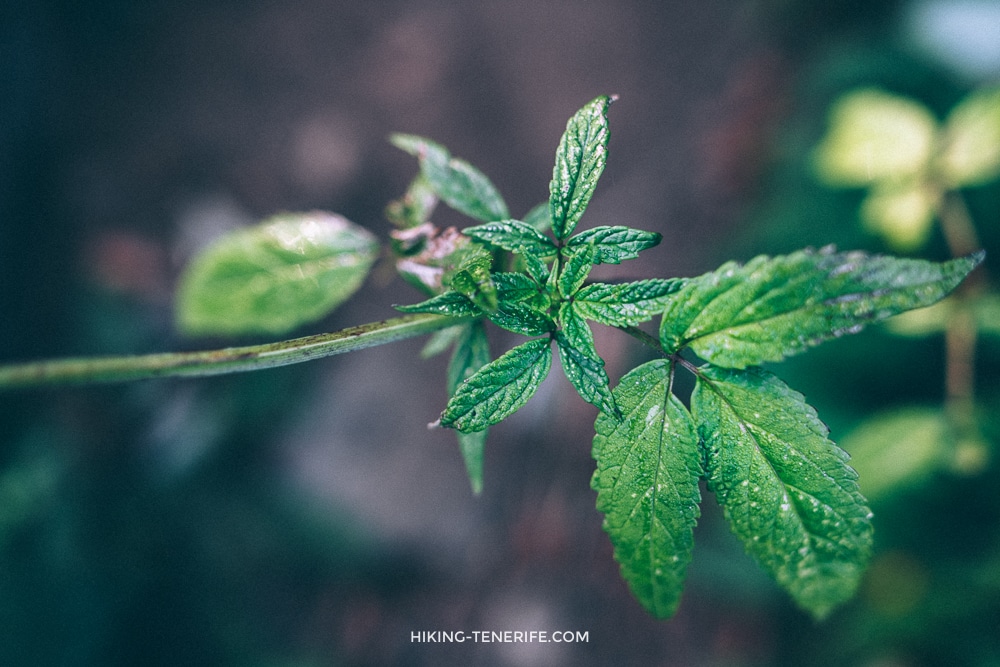
The first welcome committee is Canarian endemics.

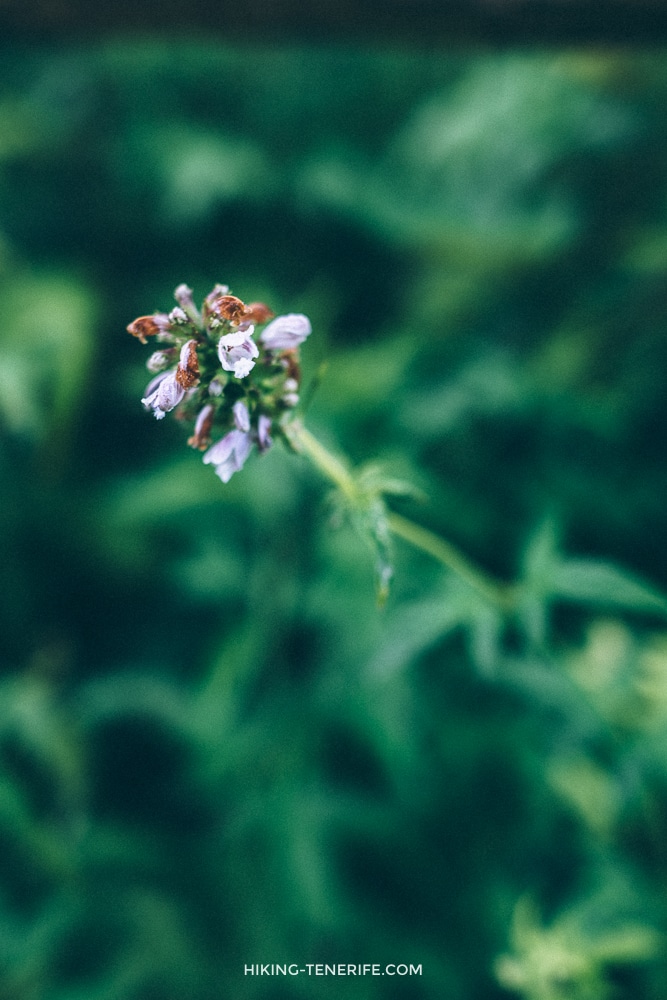
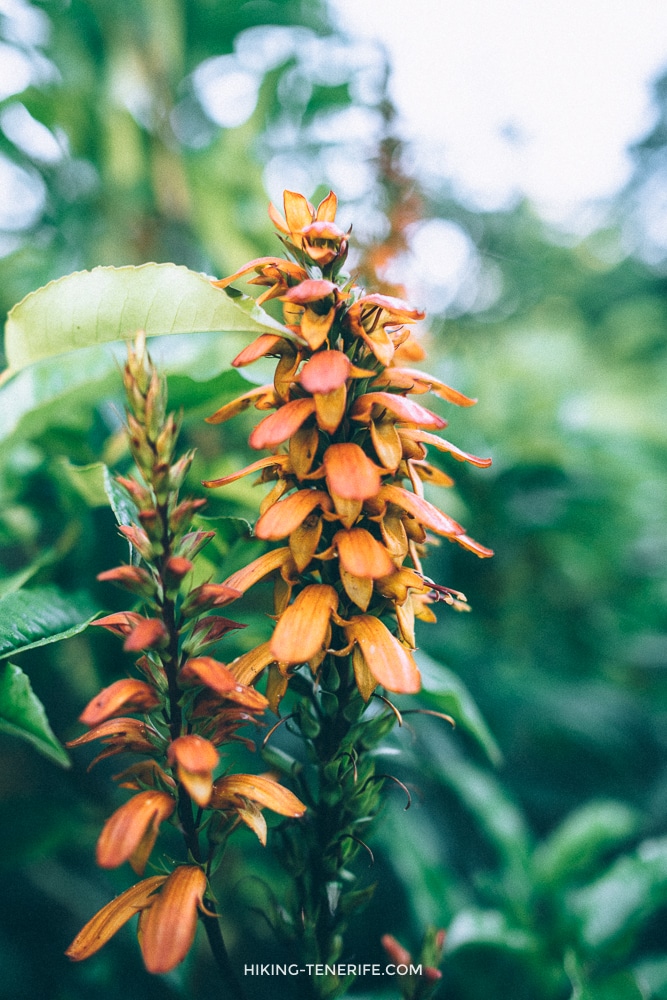
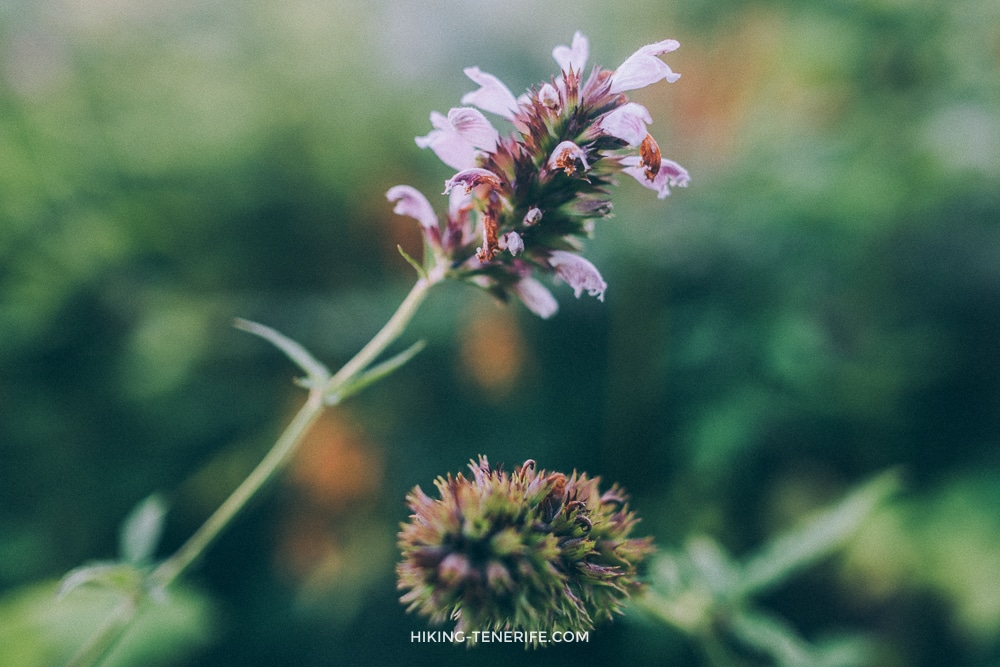
On the left is cedronella. In places it looks like an overgrown clover from the middle belt of Europe. Apart from the Canary Islands, cedronella also grows in the Azores and Madeira.
On the right is Canary Island foxglove. Some people call it the Tenerife foxglove. This woody shrub has bright orange flowers and can grow up to about 1.5 metres. Both plants look beautiful, and you can meet them not only in July, but from spring into late summer.
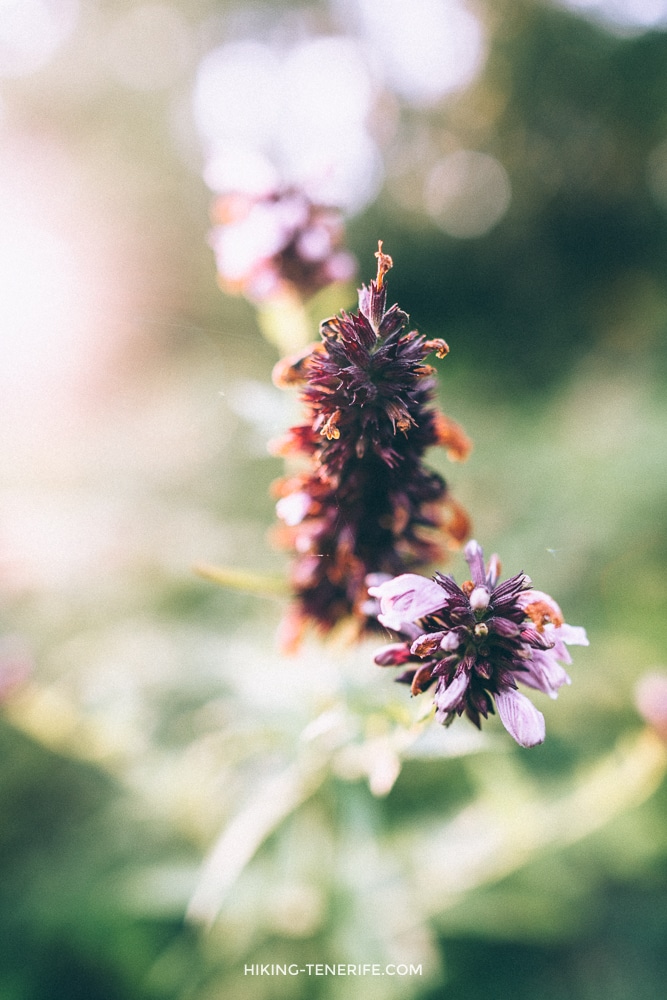
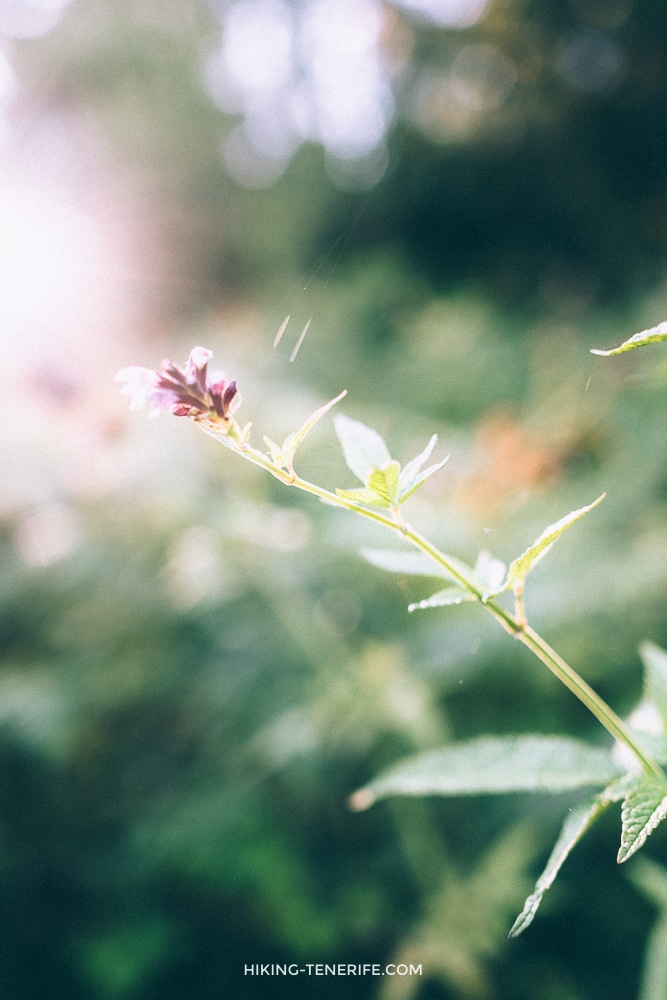
How could I walk past this? Look how photogenic they are. Even the light decided to behave.
Nearby, a relative of marijuana was hiding. A distant relative, probably, but still a relative. The smell around it was thick, and the leaves were very handsome.
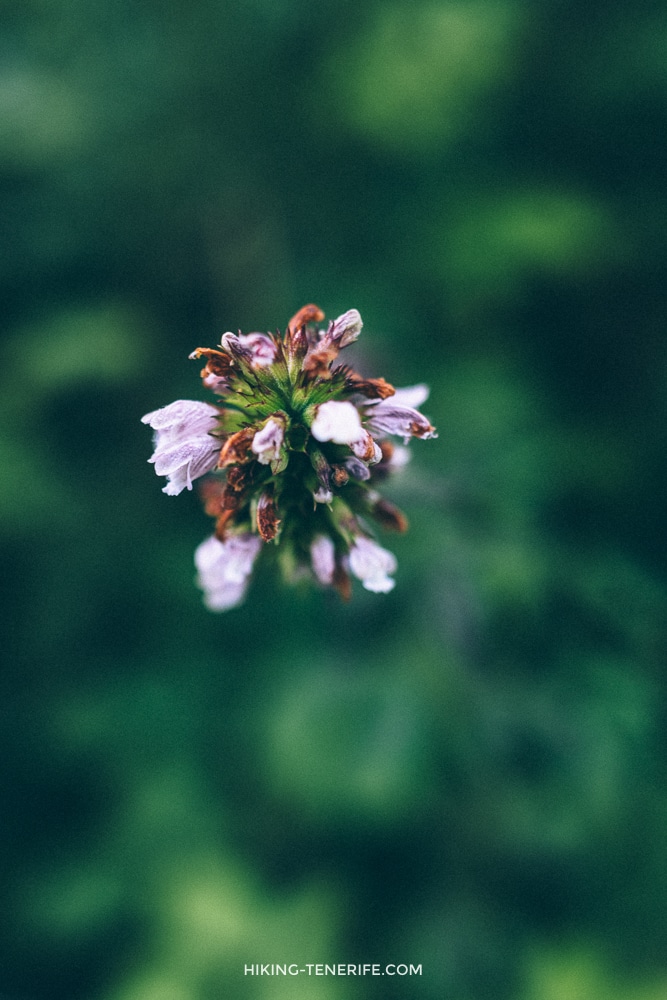
All right, I am joking. It is still cedronella.
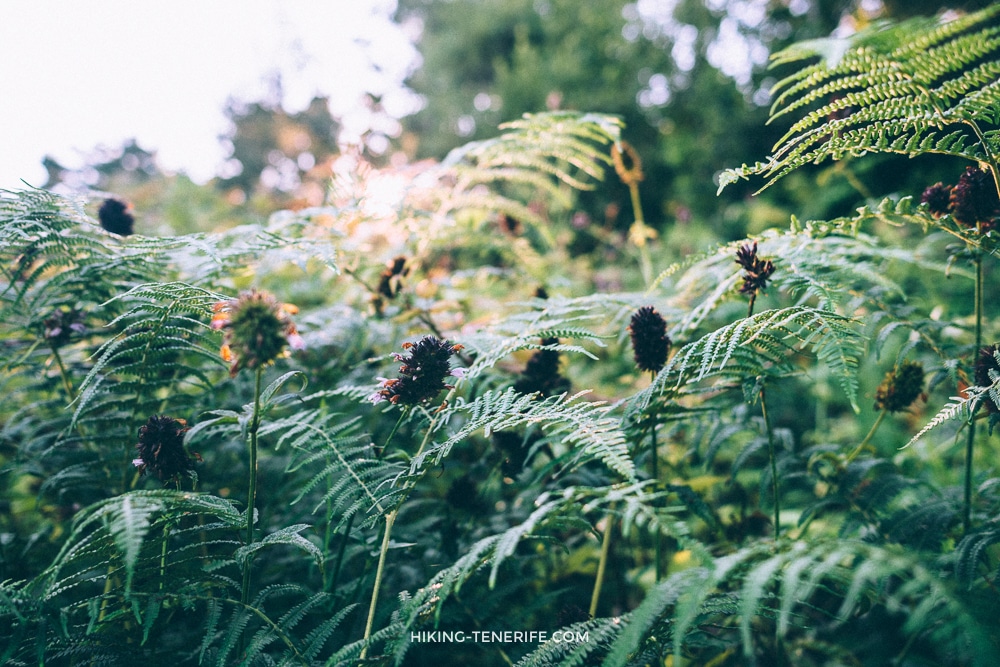
Then come dense fern thickets. Of course they do. Tall, beautiful and ancient. Hello to the Cenozoic period in green north Tenerife. You know ferns appeared on our planet around 400 million years ago, yes?
In the Canary Islands they survived in large numbers without changing too much. You can see them on Tenerife not only in July, but all year if you choose the right mountain walk. Shall we look closer?
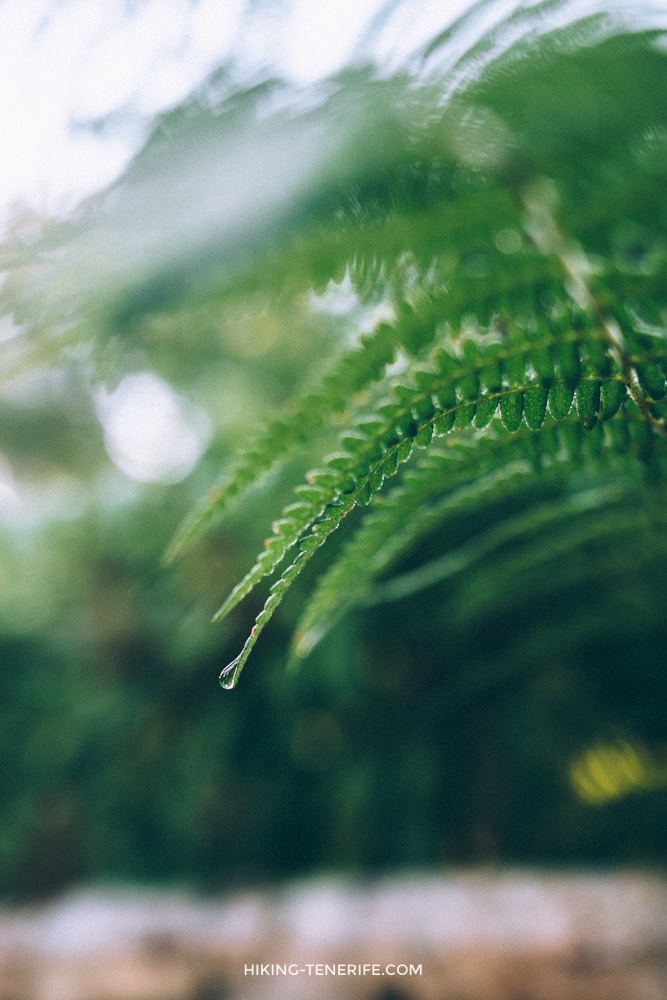
Do you see your reflection? Drip. That is all.
In reality, we are in a proper forest. There are not only bushes and flowers here.
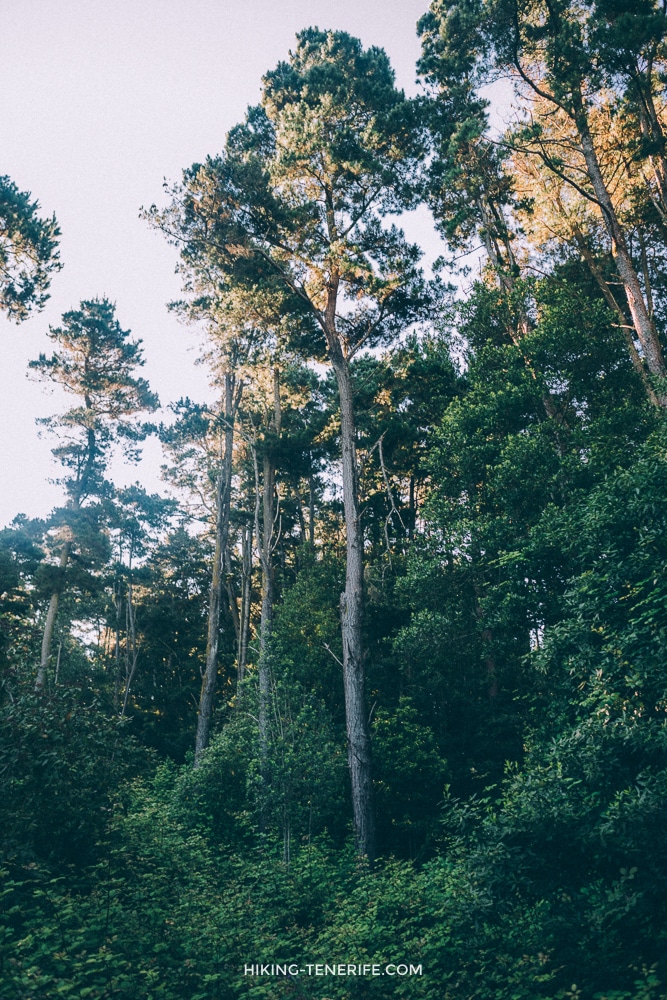
The contrast with southern Tenerife is huge, and not only in July. The birds are shouting freely, like the forest belongs to them. Which, to be honest, it does more than it belongs to us.
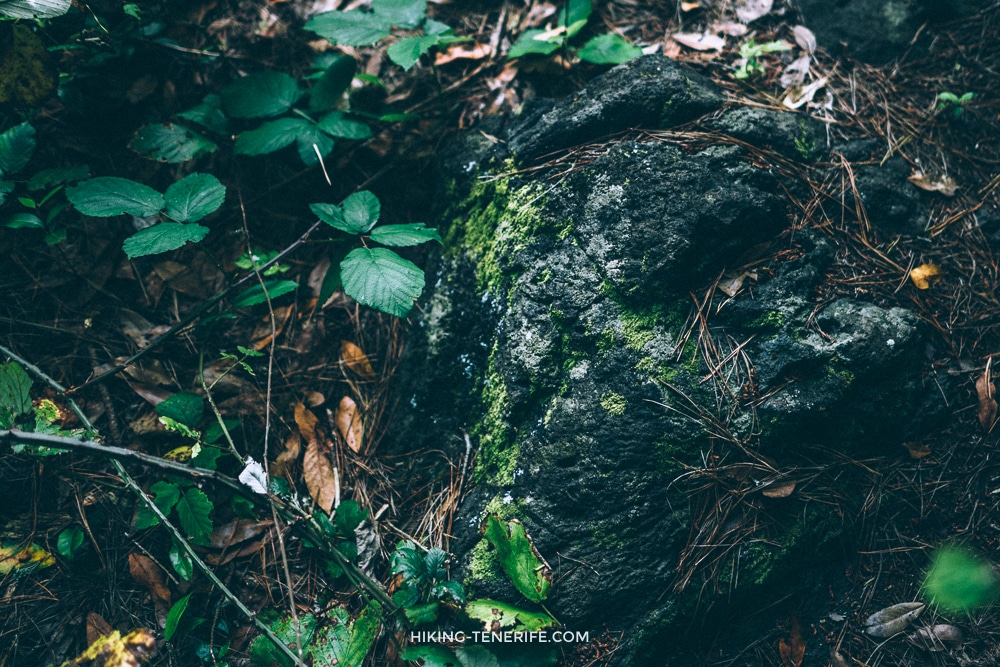
Lower down it is damp, with big stones and wild blackberry everywhere.
Old pine trunks show a serious number of growth rings. Shall we count?
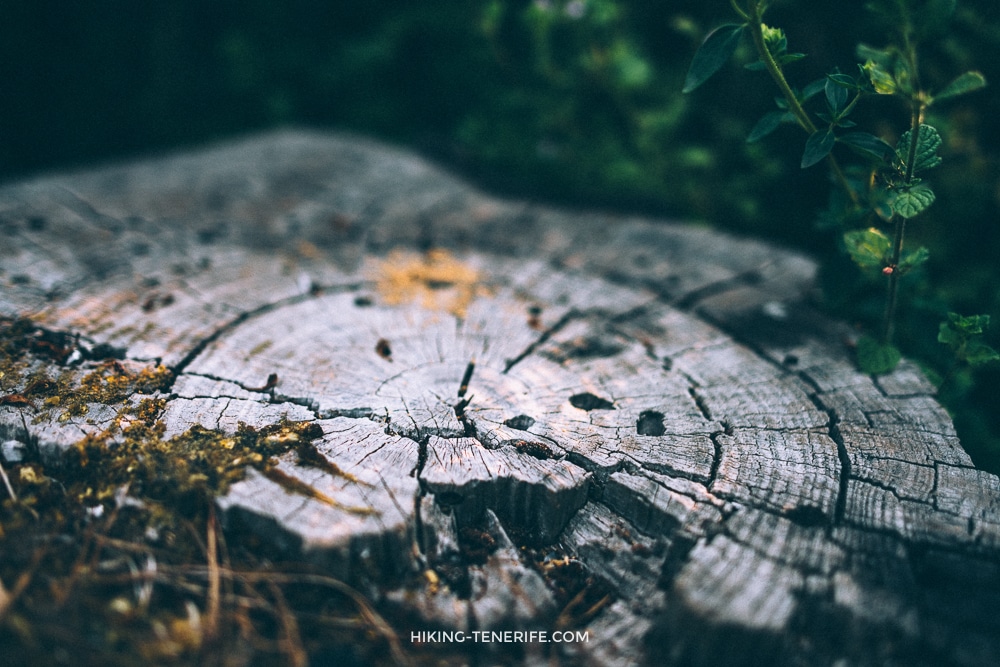
At some point, the pine looked like this.
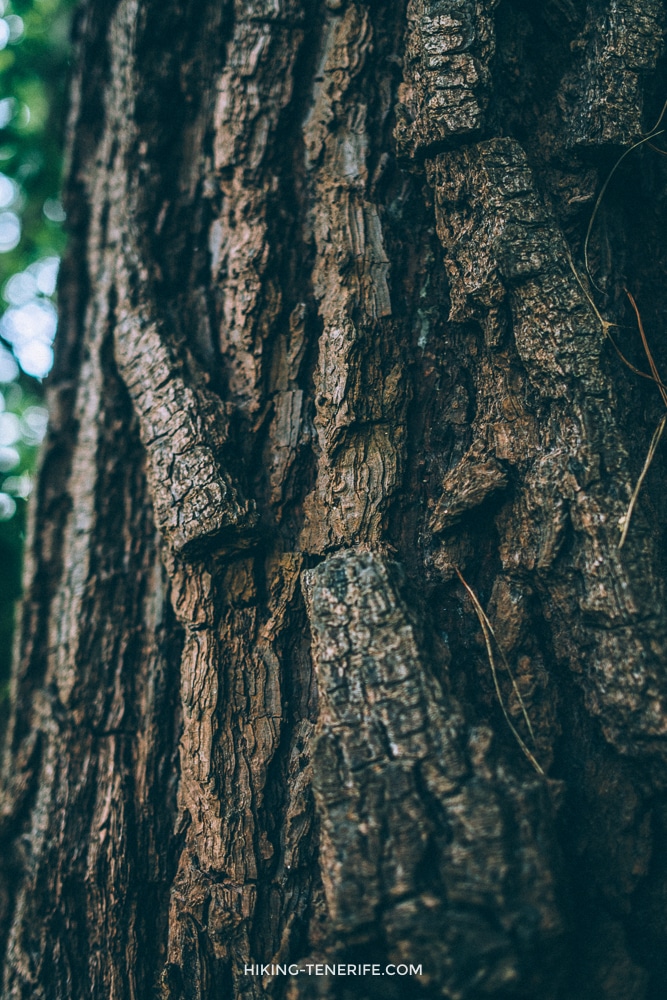
Nearby, the trees rise like the corner of Teno Rural Park. Do you remember the walk through Monte del Agua, the one that feels a little like Krasnaya Polyana above Sochi, only with poppies?
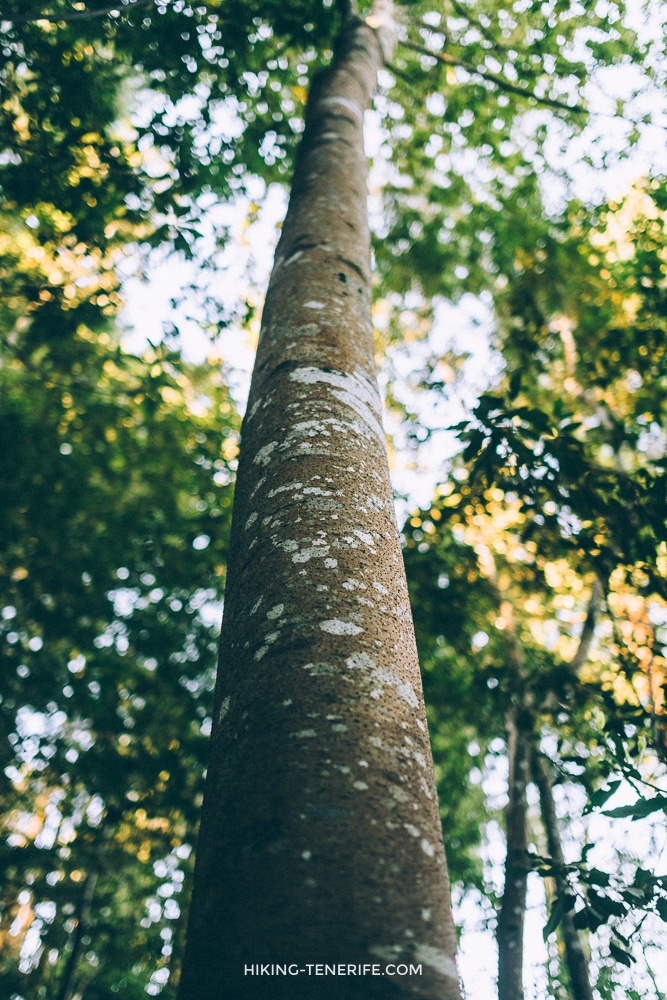
And this one, I do not know who it is. But it is soft and funny to touch.
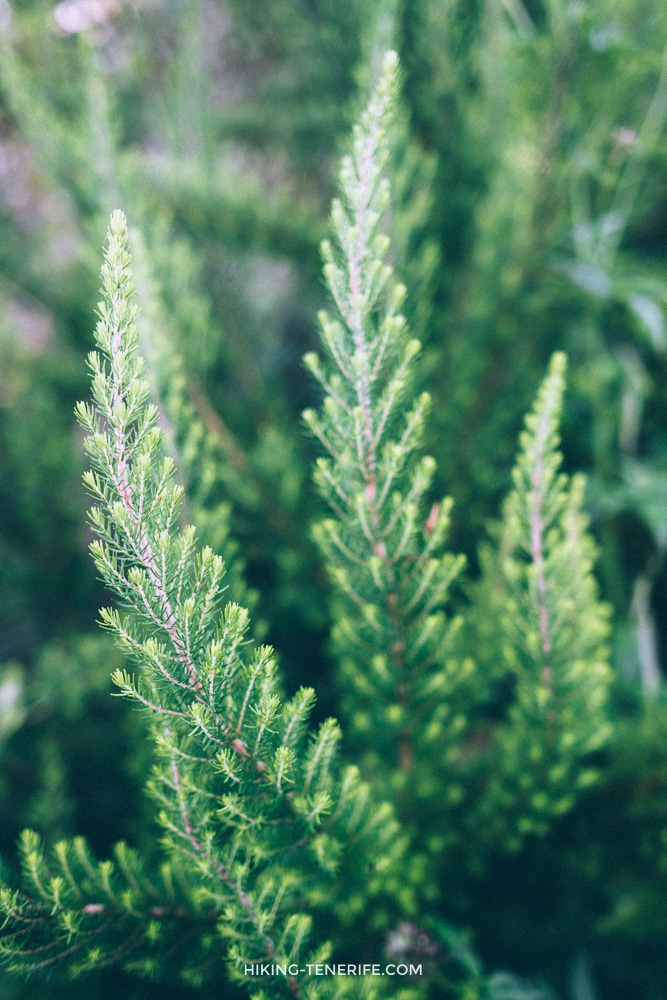
And again, cedronella. Pure clover energy. I made a couple of portraits for it in the style of Esquire magazine.
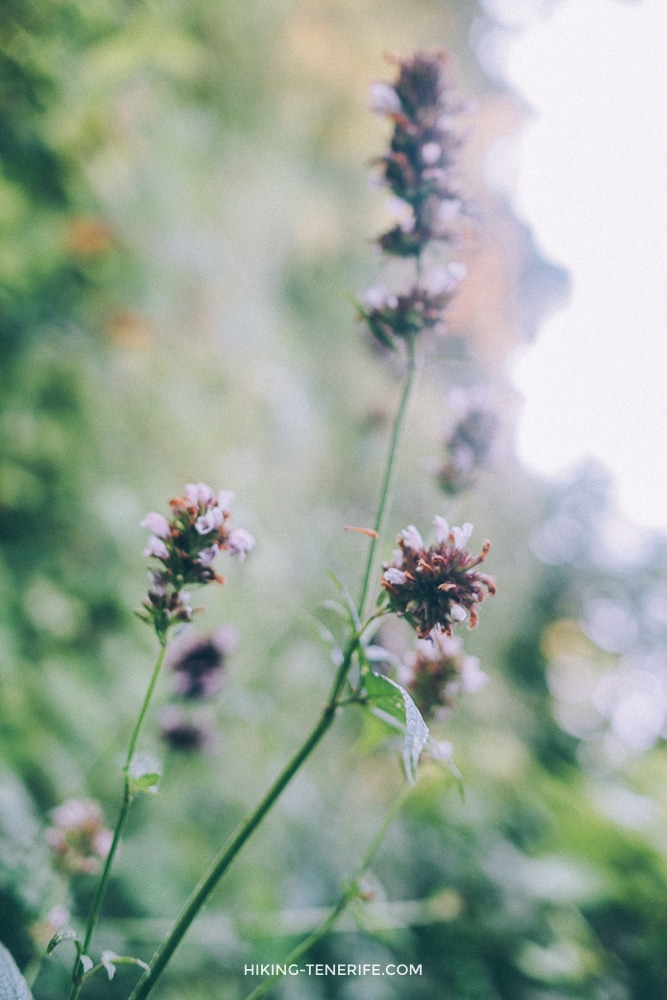
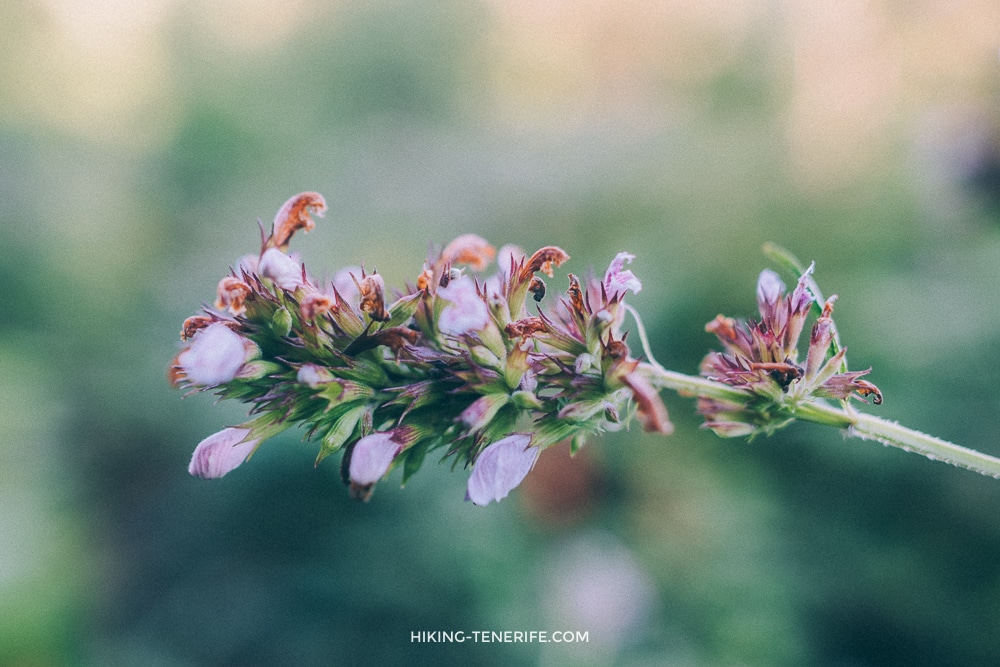
If you like this botanical side of Tenerife, tell me. I will understand that it is interesting and write more.
Beaches, Wind, And UV
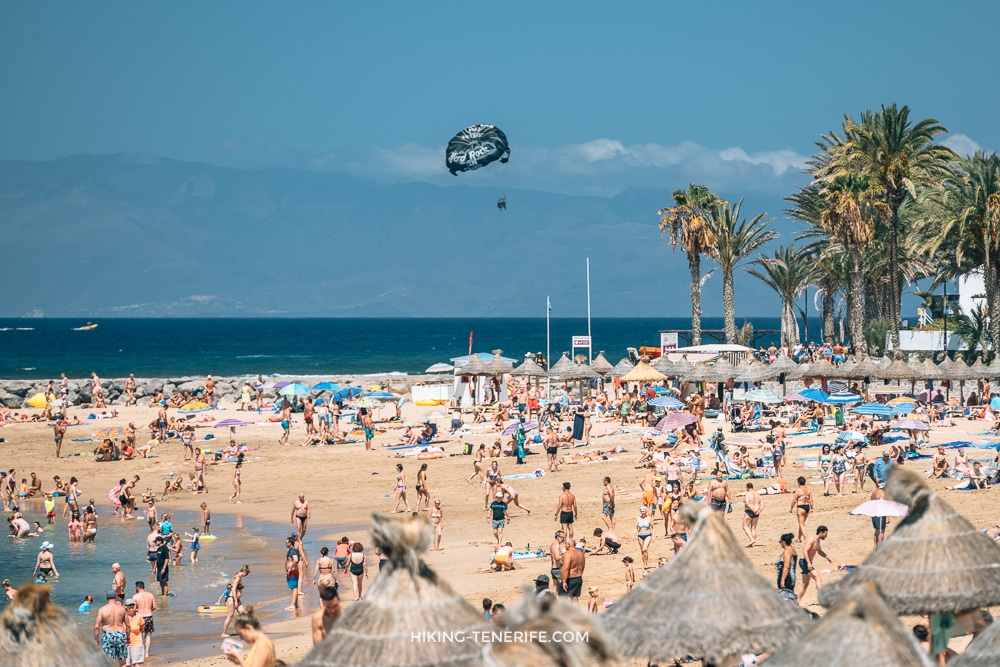
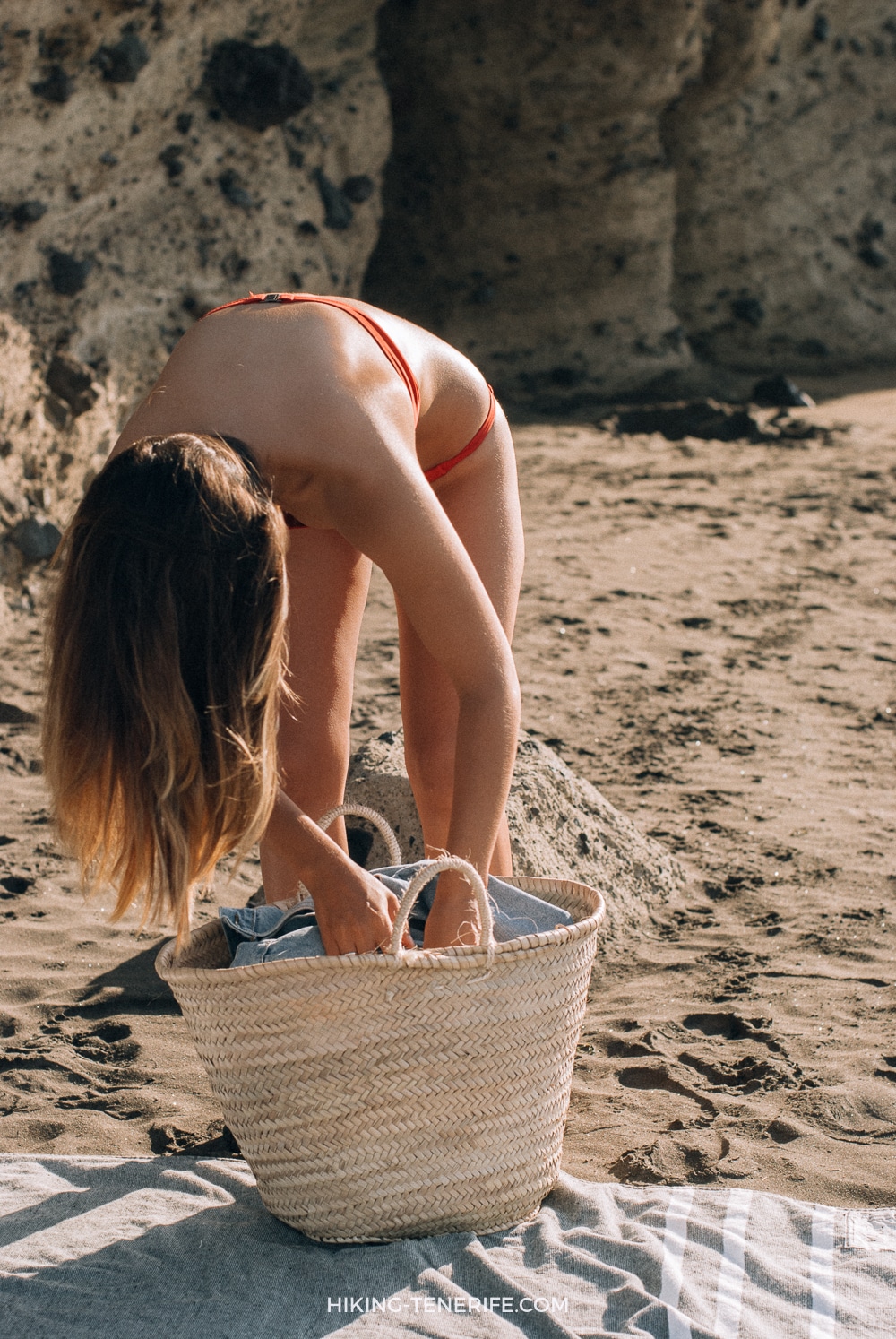
The classic July version of Tenerife is simple: beaches, swimming, sunscreen, cold drinks, and many people doing exactly the same thing. I will not pretend the south is empty or poetic in July. It is convenient, sunny and crowded.
For swimming, choose managed beaches with lifeguards and flags when conditions matter. For beauty, black-sand and wild beaches can be wonderful, but July popularity and Atlantic movement still change the answer. My best beaches in Tenerife guide is a better next step than picking the prettiest photo.
- For families: Las Vistas, Fanabe, Torviscas, El Camison, and other managed beaches are easier than wild coves.
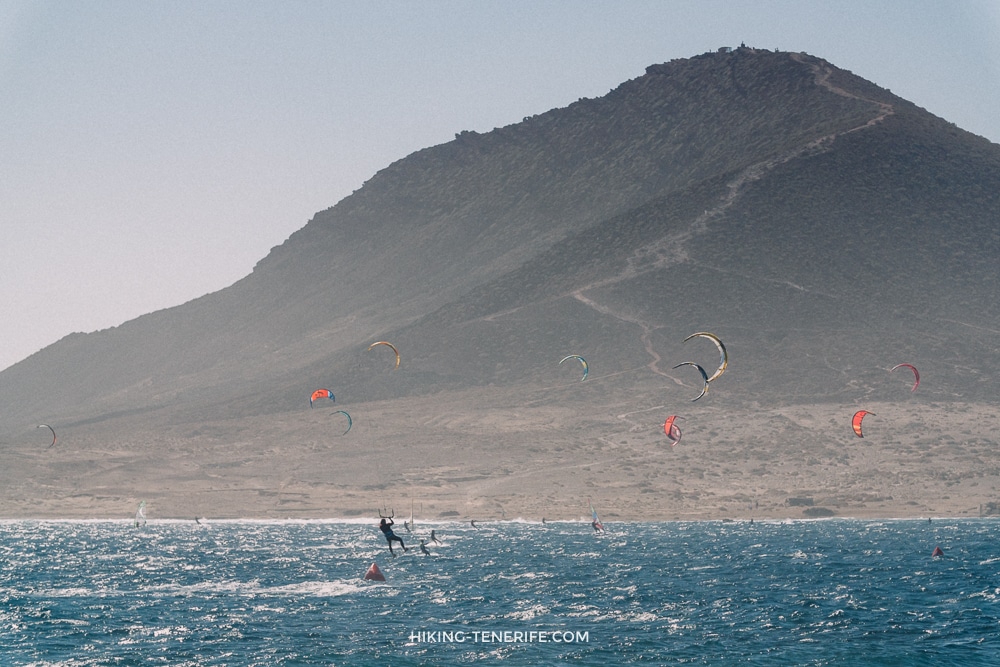
- For wind sports: El Medano can be brilliant, but it is not always the calm towel-and-toddler beach people imagine.
- For black-sand beaches: check the sea state and remember that dark sand can become painfully hot.
- For wild beaches: treat July popularity, swell, access, and parking as part of the decision.
Is Tenerife windy in July? Sometimes, yes, especially around exposed coasts such as El Medano and other wind-facing areas. Wind can be useful for watersports and miserable for a family beach towel. Keep a backup beach or a village plan.
UV is the non-negotiable part. July sun in Tenerife is not a cute accessory. Use high SPF, a hat, sunglasses and shade. Reapply after swimming, and do not make children pay for adult optimism.

Hiking, Forests, And Teide In July
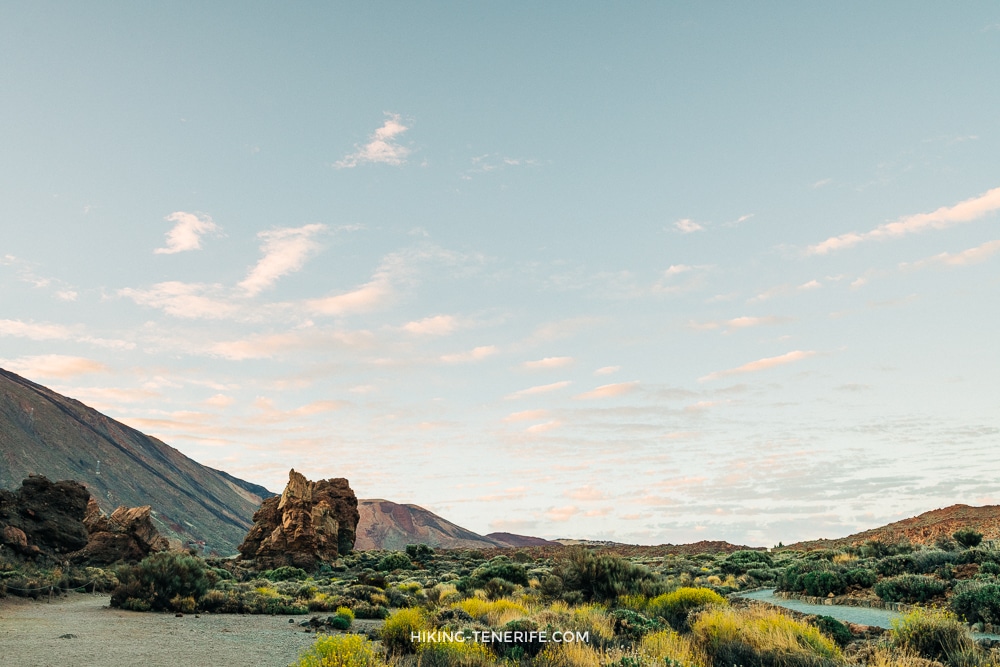
Can you hike in Tenerife in July? Yes, but choose intelligently. Exposed southern routes and volcanic slopes can become punishing after breakfast. Green routes in Anaga, north Tenerife and forested mid-altitude zones usually make more sense, especially if you start early.
If you are going toward Teide, Anaga, forest tracks or high trails, check official forecasts, AEMET warnings, Tenerife ON trail notices and any fire-risk restrictions before you go. July is exactly the month when a beautiful plan can be blocked by heat, wind, wildfire prevention or access rules.
- Start hikes early, especially on exposed routes.
- Carry more water than your city brain thinks is elegant.
- Use real shoes, not beach flip-flops with confidence issues.
- Stay on marked paths and do not disturb fragile plants.
- Do not smoke, light fires, leave trash or treat quiet places as disposable photo sets.
Local verdict: July hiking is not about proving you are strong. It is about choosing shade, height, timing, and a route that still feels good when the sun starts doing its job.
For route ideas, use the best hikes in Tenerife guide. For easy summer logistics, a car gives you more control, but only if you use it to avoid heat and crowds rather than chase them.
Events And Summer Nights
If you still come to Tenerife in July, I would choose the north more often. The beaches can feel cleaner, the nature is greener, and the cultural programme is wider. Romerias, village festivals and summer events can be wonderful, but exact dates move, so check current local calendars before building a day around one event.
- Use July events as a bonus, not as the spine of the trip.
- Check dates close to travel because village fiestas and romerias move by year.
- Expect more local life in the north than inside a resort-only south itinerary.
- Keep a cooler evening plan ready when the day feels too hot.
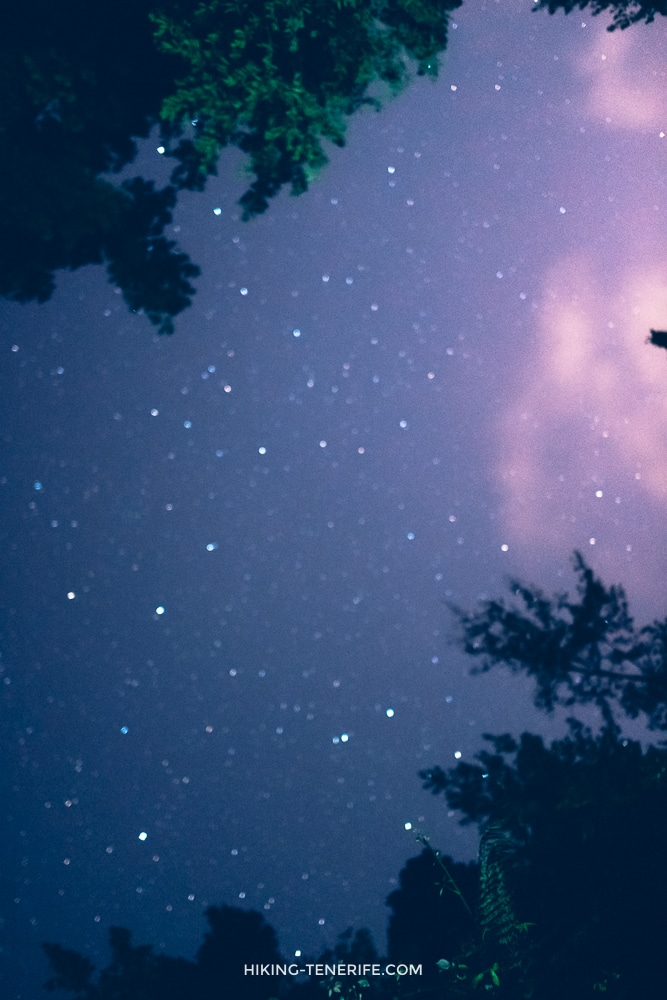
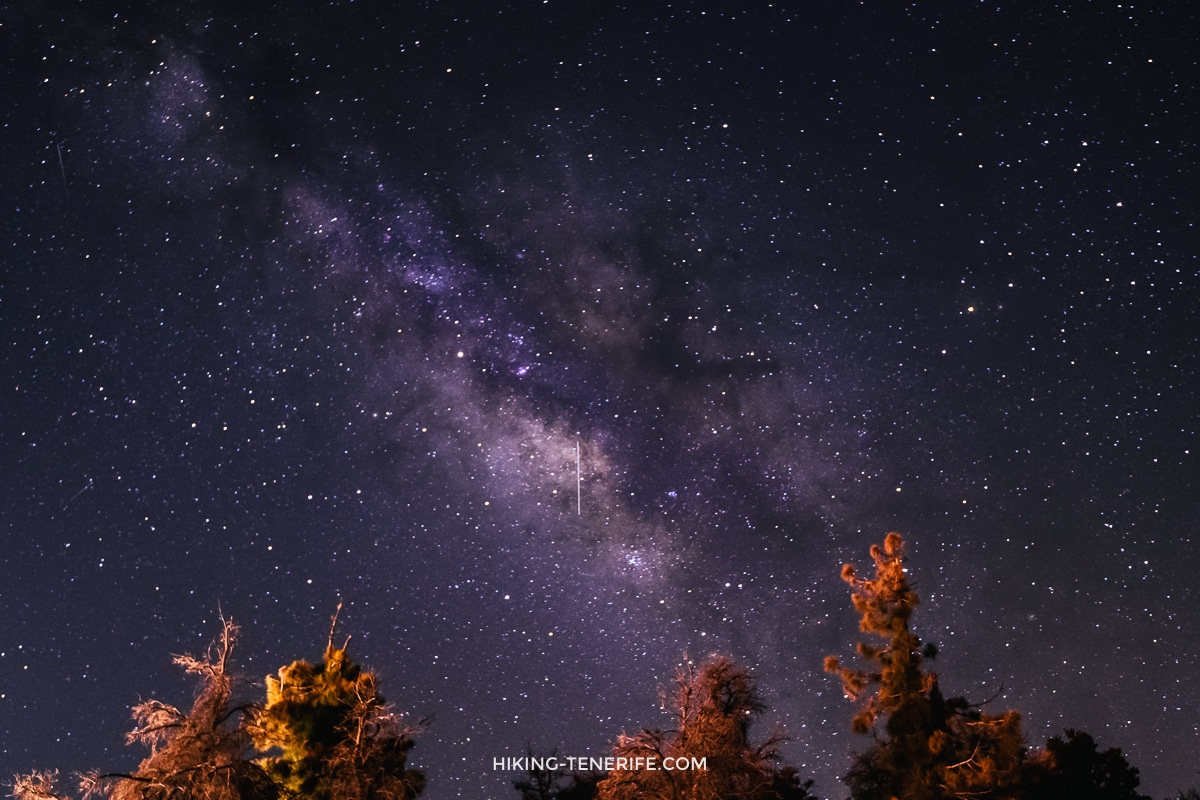
And if I am completely honest, my favourite July activity on Tenerife is not the beach. It is the night sky.
You sit in a chair, listen to the cicada, look at the stars, meteors, clusters, satellites, and there goes Elon’s Tesla. Sorry, it pulls you in.
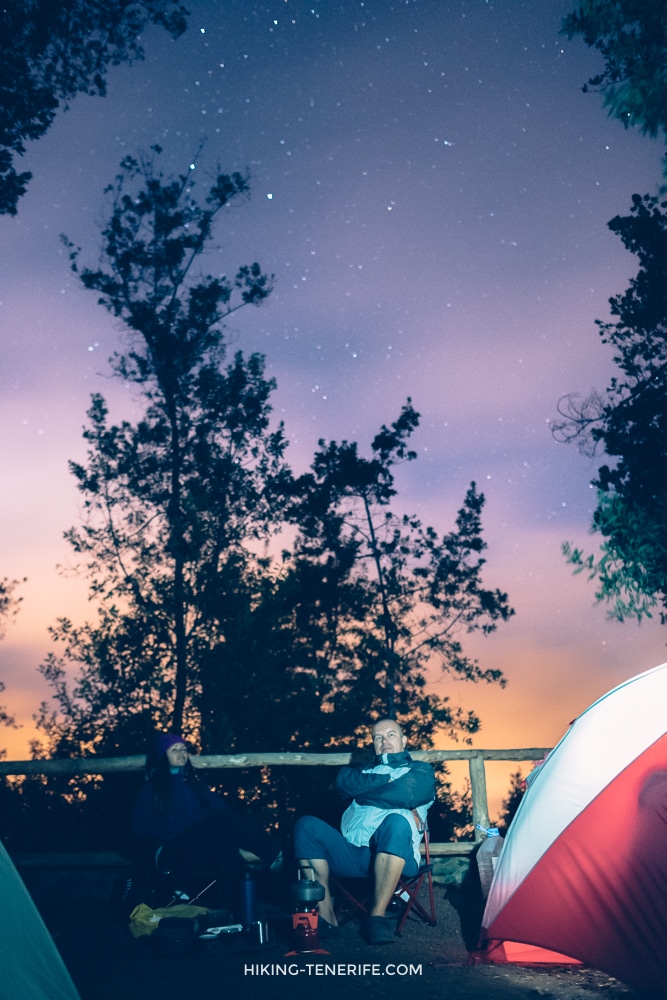
In good company, it is even better.
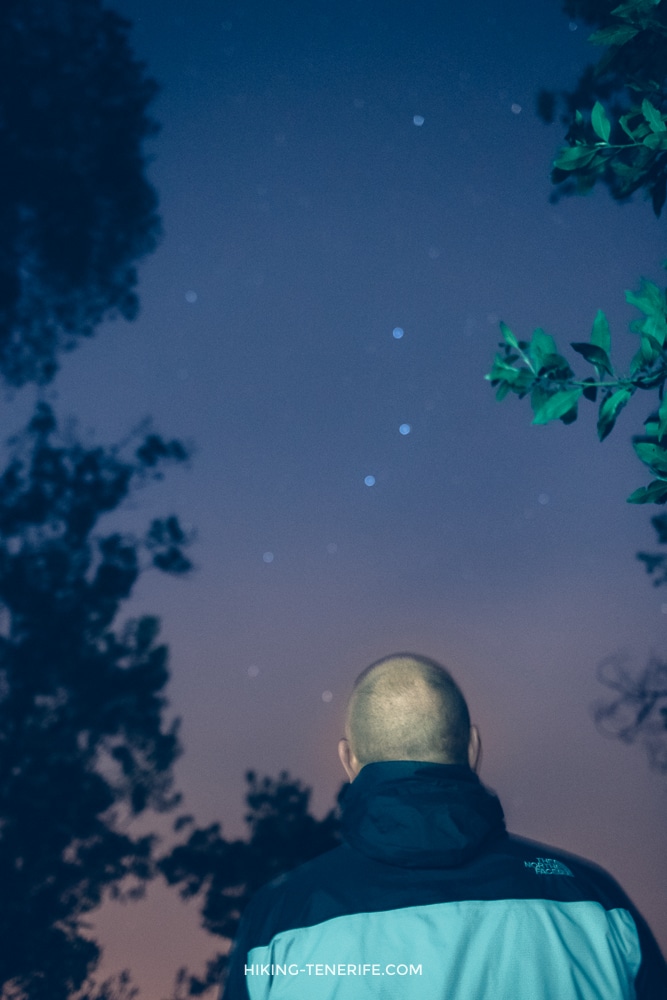
I made a photo of a friend with the Big Dipper. We had dinner, enjoyed the stars, slept in the tent, and in the morning, while my beloved was making tea, I ran through the dew into the forest with the camera for an article in the magazine.
And why all this? Because at any point on the planet, a holiday can be unique, educational and stunning, not just packaged and nature-burning.
Your Hiking Tenerife editorial team. Botanists-in-law. Planting seeds.

FAQ
Is Tenerife hot in July?
Yes. Tenerife is hot in July, especially in the south and south-west. AEMET climate normals for Tenerife Sur Airport show an average July high of 27.7 C, but sheltered resort areas can feel hotter.
Which part of Tenerife is best in July?
Choose the south or south-west for reliable sun, beaches and hotel convenience. Choose the north, Anaga and forested areas when you want greenery, cooler air, local character and a break from dry resort heat.
Is Tenerife windy in July?
It can be, especially on exposed coasts such as El Medano and other wind-facing beaches. Wind is not always bad, but it changes swimming comfort, family beach plans and where you should put your towel.
Can you hike in Tenerife in July?
Yes, but start early, avoid exposed midday heat, carry enough water, and check official warnings or trail restrictions. Forest and northern routes usually make more sense than hot volcanic slopes in the middle of the day.
What should I wear in Tenerife in July?
Pack light summer clothing, swimwear, hat, sunglasses and serious sunscreen. Add comfortable walking shoes and one light layer for higher areas, windy evenings, Teide viewpoints or stargazing.


